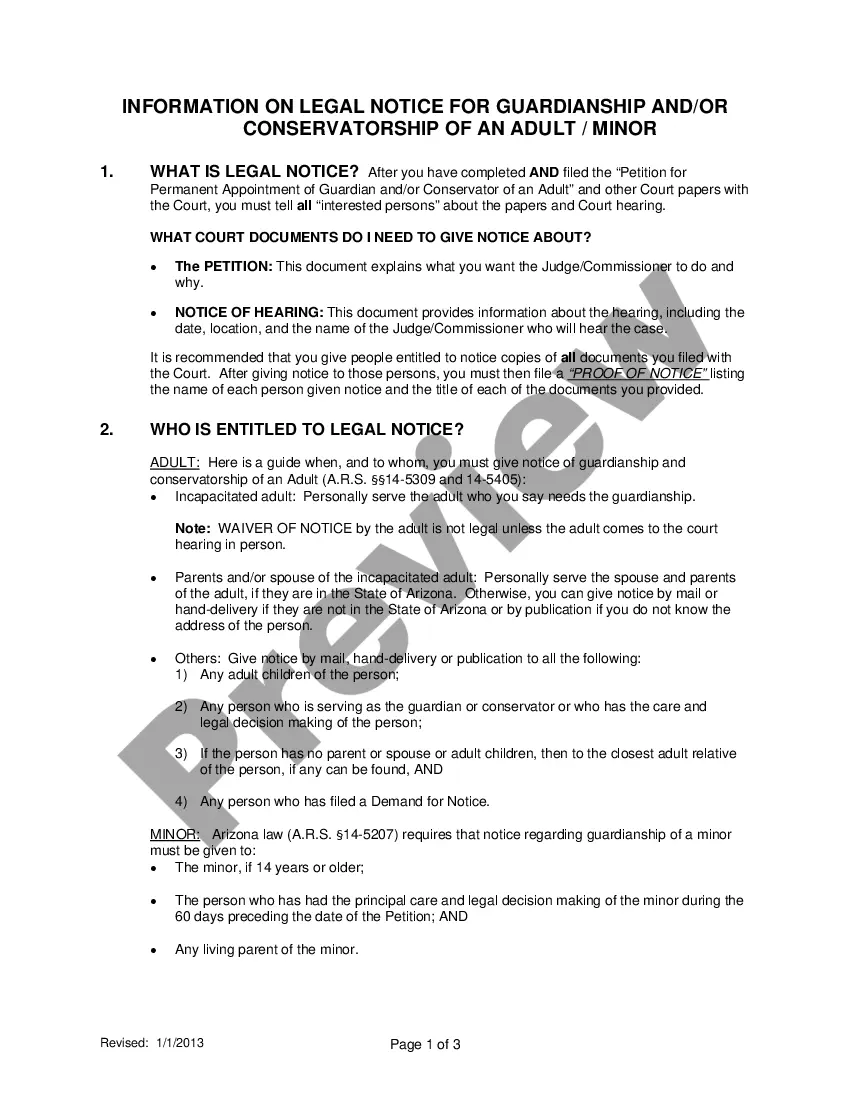
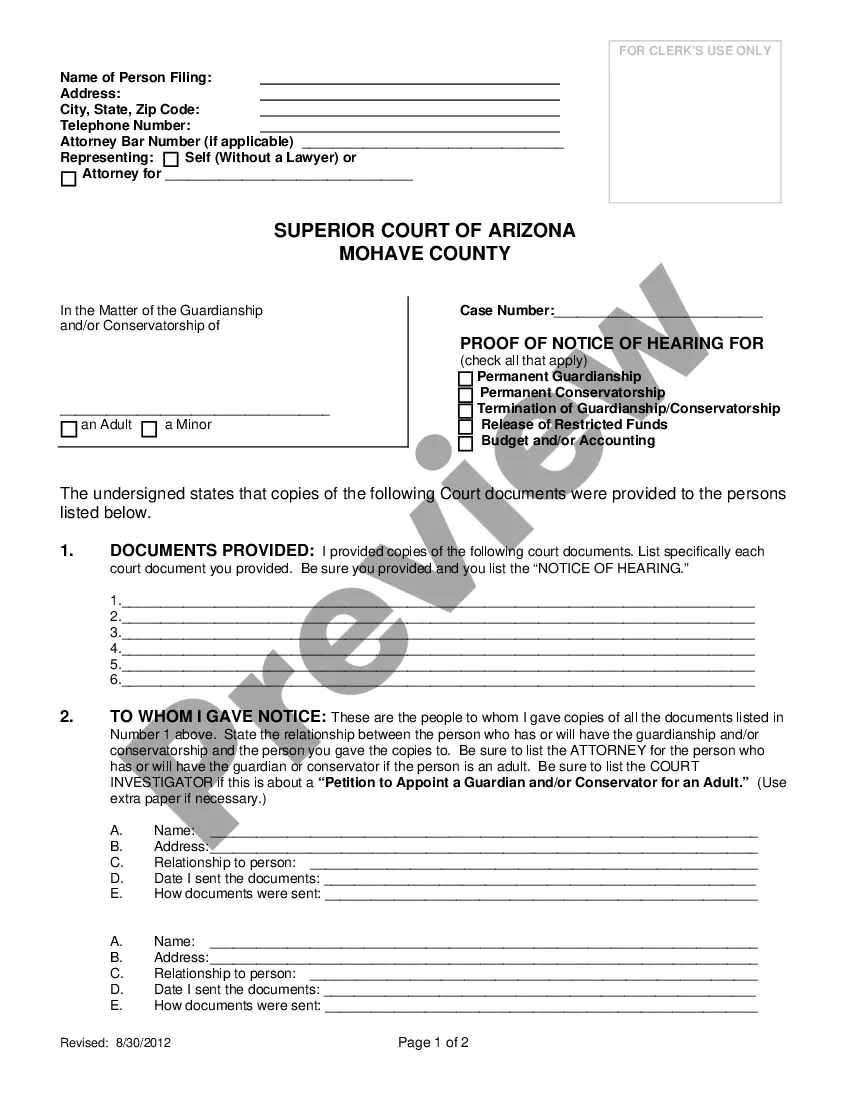
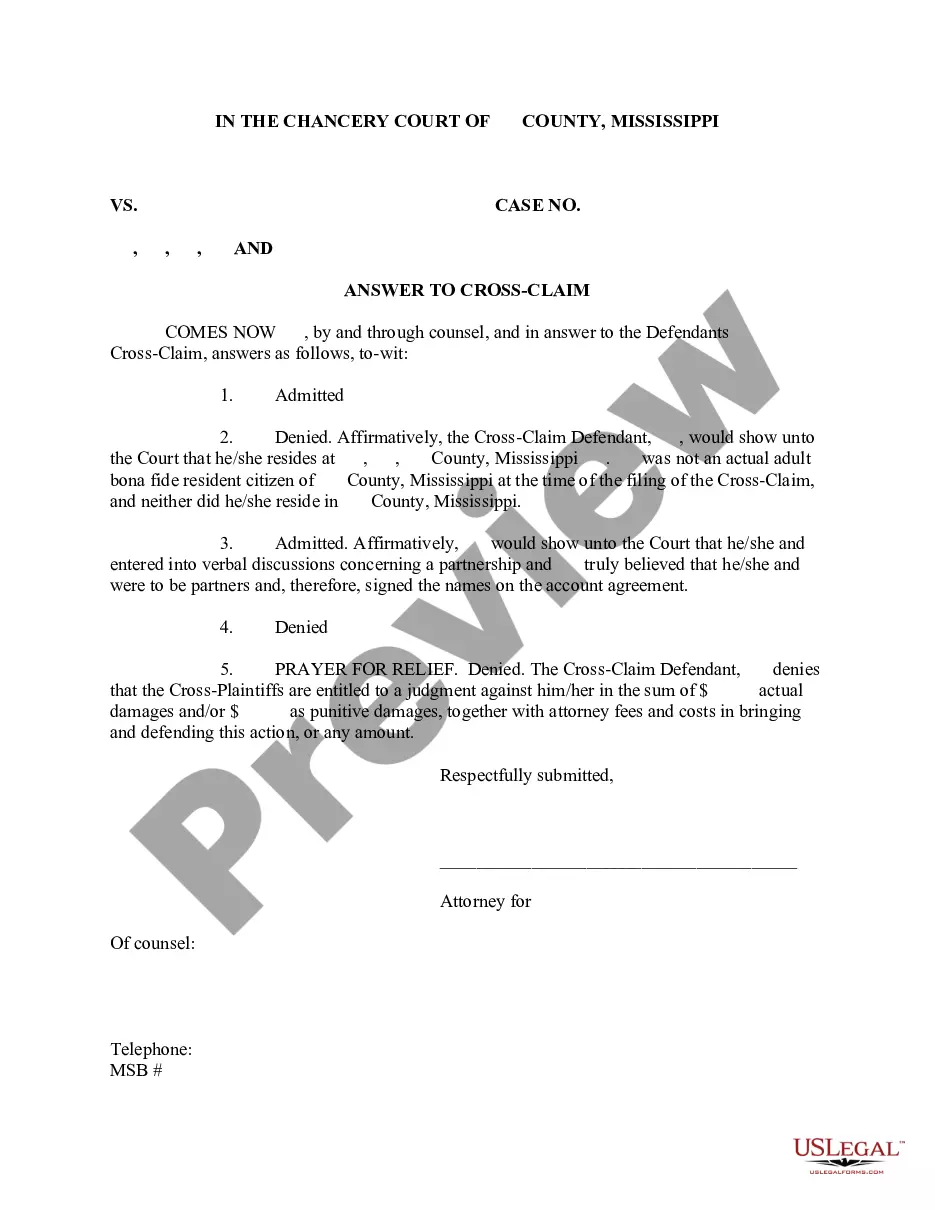
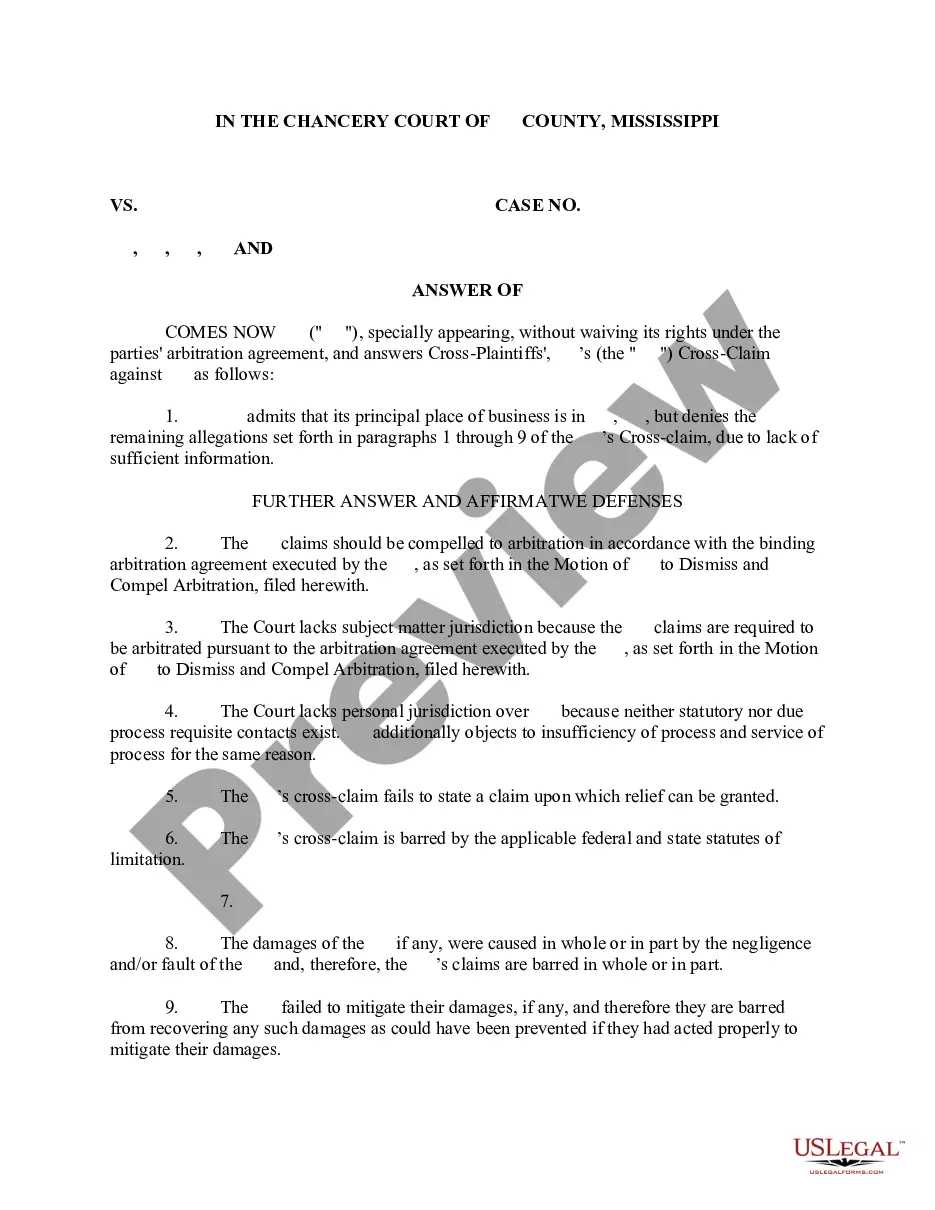
Mississippi Answer to Crossclaim
Understanding this form
The Answer to Crossclaim is a legal document used in civil litigation. It allows a defendant to respond to claims made against them in a crossclaim. This form differs from basic answers to complaints, as it specifically addresses crossclaims, which are claims brought by one defendant against another defendant in the same lawsuit. Completing this form accurately is crucial to maintaining your legal rights in the case.
What’s included in this form
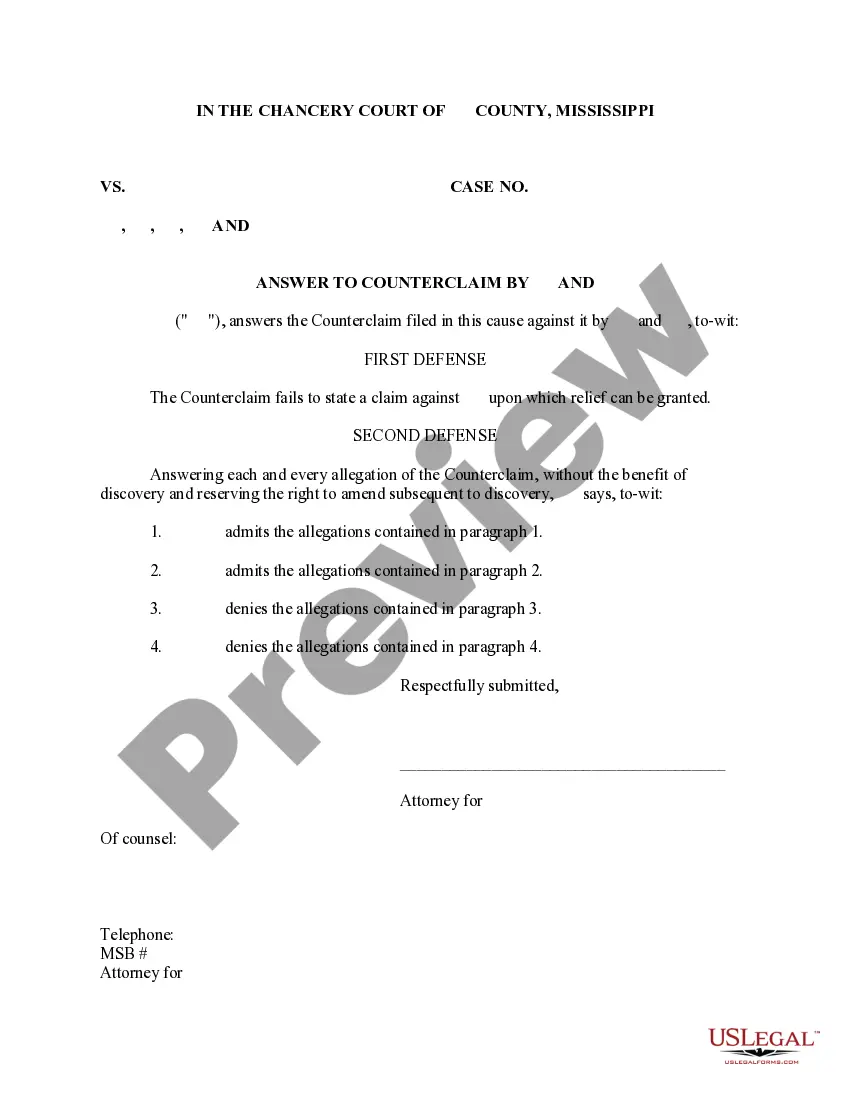
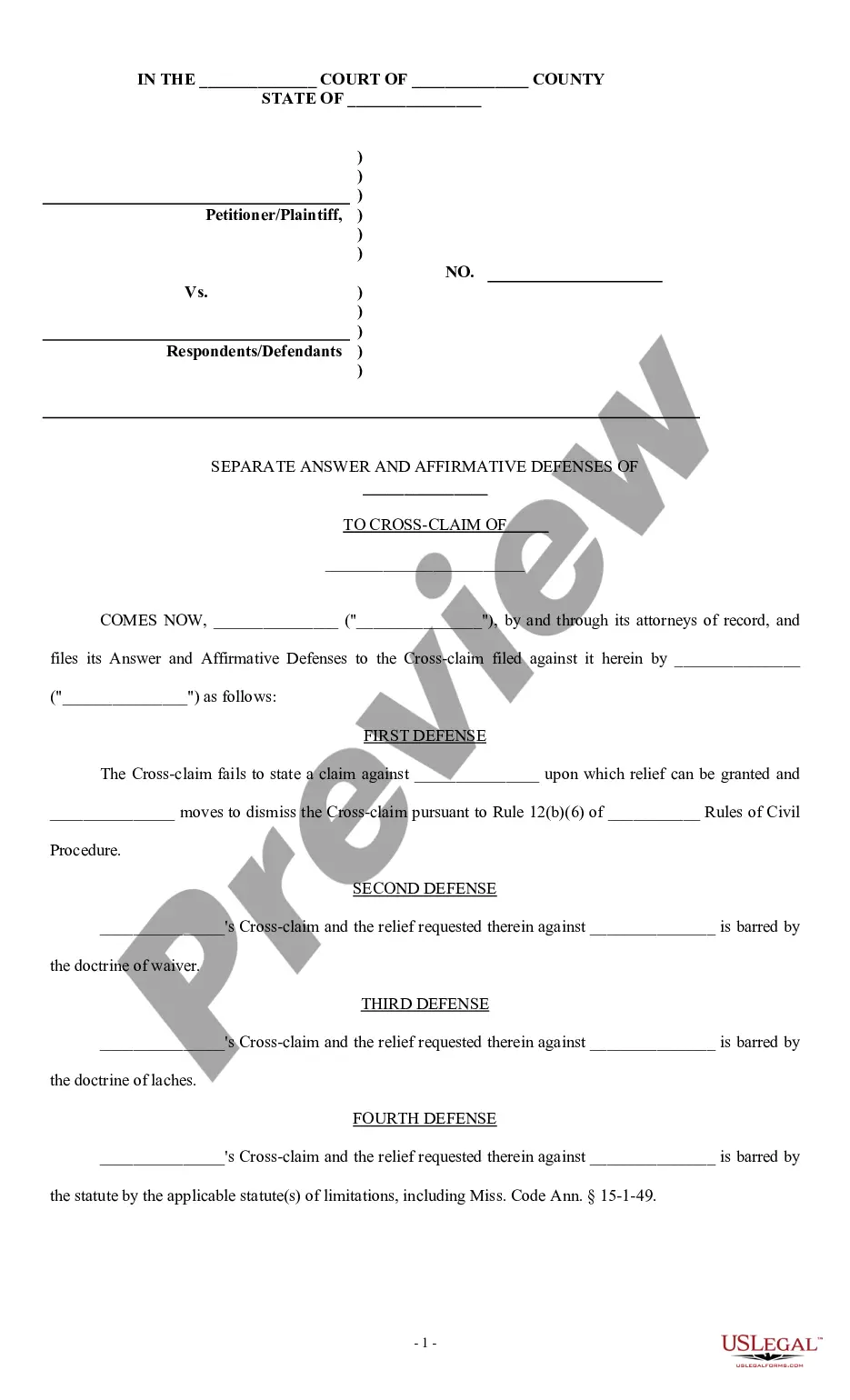
- Caption: Identifies the case and parties involved.
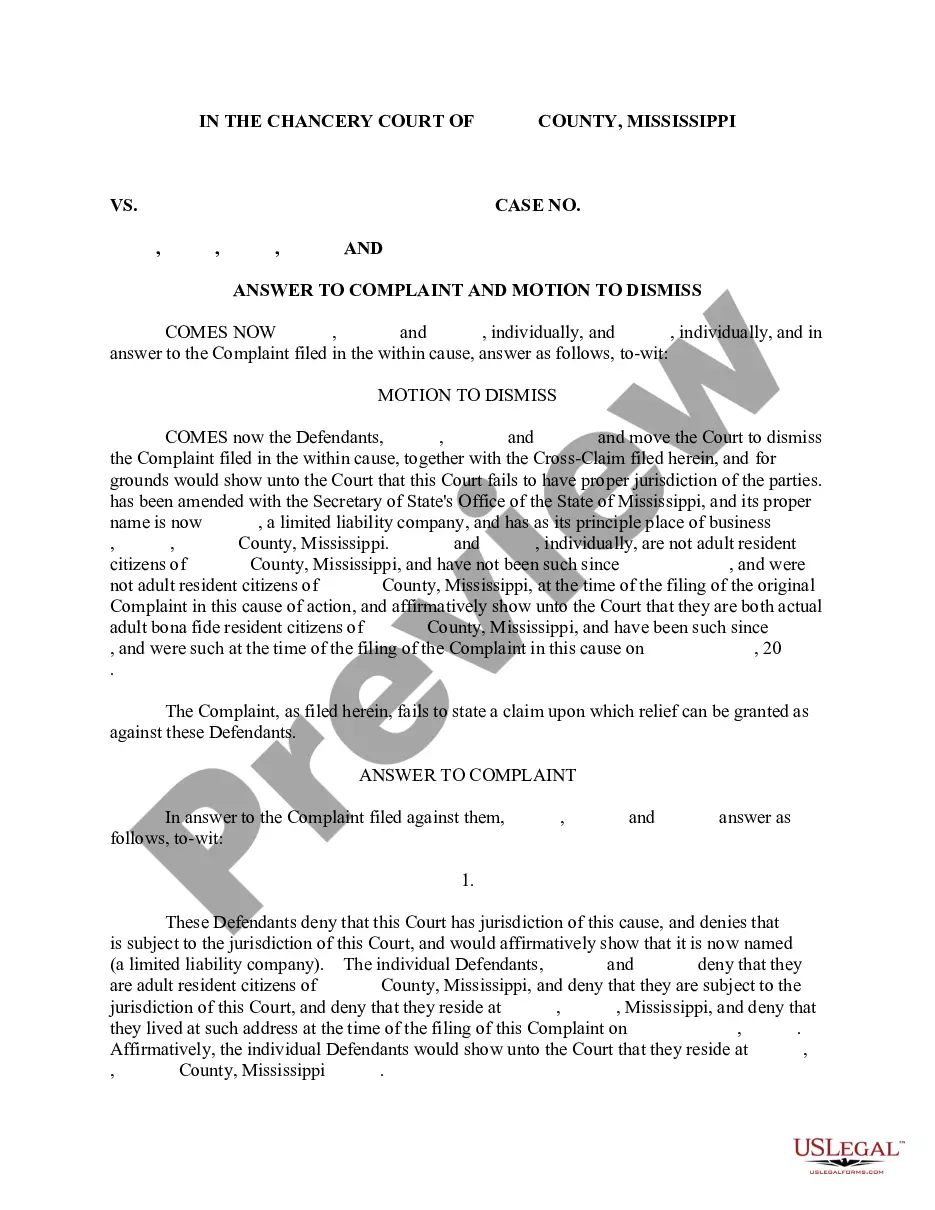
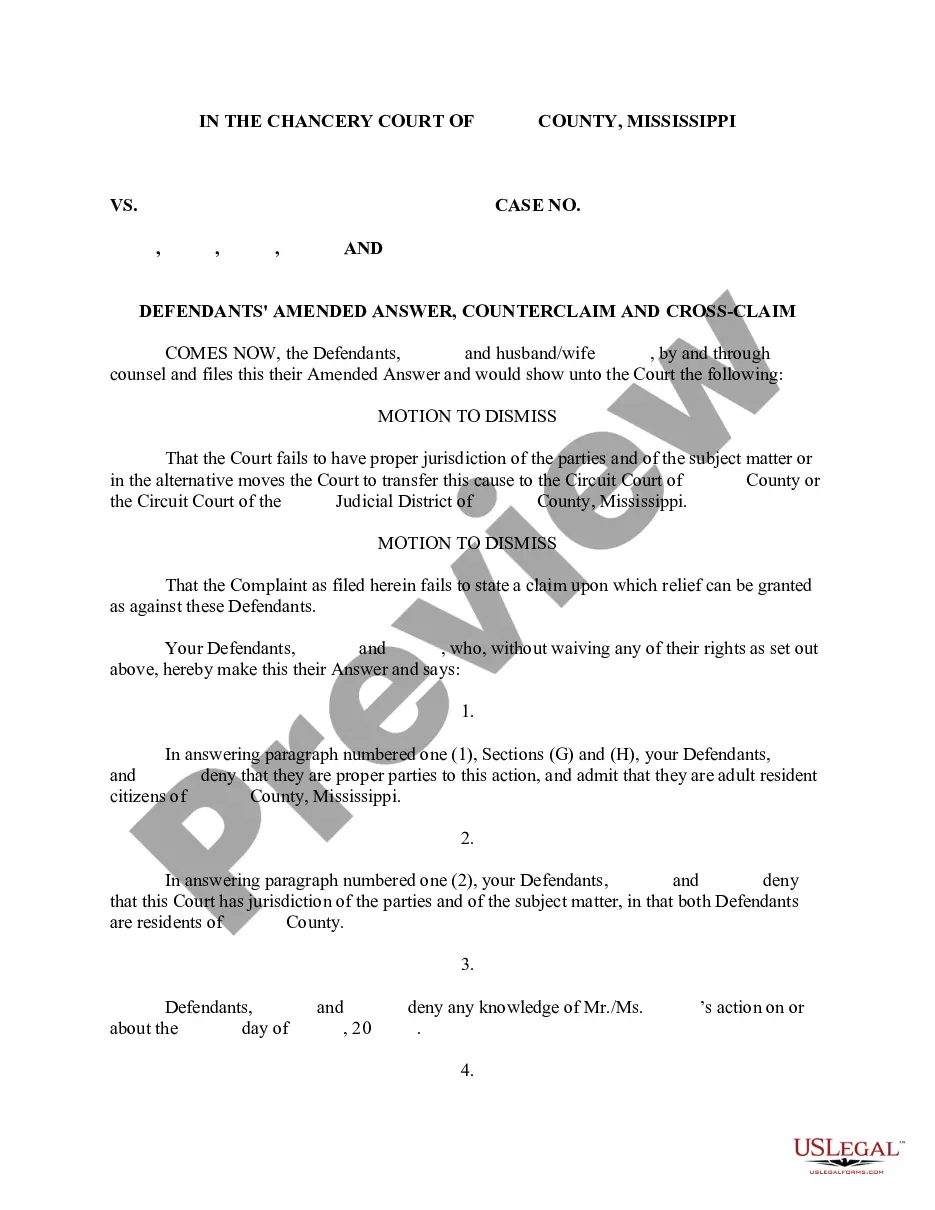
- Admissions and denials: Requires you to indicate which statements in the crossclaim you admit or deny.
- Affirmative defenses: Allows you to present facts supporting your position or rebutting the claims made.
- Signature block: Provides space for you or your attorney to sign and date the document.

Situations where this form applies
You should use the Answer to Crossclaim when you have been served with a crossclaim in a civil lawsuit. This is applicable if another defendant is making allegations against you related to the same incident or behavior. It is important to respond within the time frame set by the court to avoid default judgment against you.
Who can use this document
This form is intended for:
- Defendants who have been served with a crossclaim in a civil lawsuit.
- Individuals or businesses needing to formally respond to claims made against them by another defendant.
- Legal representatives acting on behalf of a defendant in civil litigation.
Instructions for completing this form
- Identify the parties: Fill in the names of the defendants and the plaintiff as indicated in the case.
- Respond to the claims: Clearly state which parts of the crossclaim you admit and which you deny.
- Provide details: If applicable, include any affirmative defenses or relevant facts that support your position.
- Include your contact information: Ensure your current address is provided for proper court correspondence.
- Sign and date the form: Ensure you or your attorney sign the document before submission to the court.
Notarization requirements for this form
Notarization is not commonly needed for this form. However, certain documents or local rules may make it necessary. Our notarization service, powered by Notarize, allows you to finalize it securely online anytime, day or night.
Get your form ready online
Our built-in tools help you complete, sign, share, and store your documents in one place.
Make edits, fill in missing information, and update formatting in US Legal Forms—just like you would in MS Word.
Download a copy, print it, send it by email, or mail it via USPS—whatever works best for your next step.
Sign and collect signatures with our SignNow integration. Send to multiple recipients, set reminders, and more. Go Premium to unlock E-Sign.
If this form requires notarization, complete it online through a secure video call—no need to meet a notary in person or wait for an appointment.
We protect your documents and personal data by following strict security and privacy standards.

Make edits, fill in missing information, and update formatting in US Legal Forms—just like you would in MS Word.

Download a copy, print it, send it by email, or mail it via USPS—whatever works best for your next step.

Sign and collect signatures with our SignNow integration. Send to multiple recipients, set reminders, and more. Go Premium to unlock E-Sign.

If this form requires notarization, complete it online through a secure video call—no need to meet a notary in person or wait for an appointment.

We protect your documents and personal data by following strict security and privacy standards.
Avoid these common issues
- Not responding within the required timeframe, which can lead to a default judgment.
- Failing to clearly state admissions or denials can result in confusion over your position.
- Neglecting to include necessary affirmative defenses that could support your case.
- Not signing or dating the form, making it invalid.
Advantages of online completion
- Convenience: Download and complete the form at your own pace from anywhere.
- Editability: Easily modify the form to fit your specific case details.
- Reliability: The form is prepared by licensed attorneys, ensuring legal compliance.
What to keep in mind
- The Answer to Crossclaim is essential for responding to claims made against you by another defendant.
- Understanding and completing the form accurately is crucial to protect your rights.
- Be aware of deadlines and local rules regarding submission.
Looking for another form?
Form popularity
FAQ
Be brief. Answer the allegations in the complaint with one or two sentences. Again remember that the statements you make in your answer can be used as admissions against you. Your response to the allegations in the complaint may admit part of the statement in the specific paragraph and deny part.
Provide the name of the court at the top of the Answer. You can find the information on the summons. List the name of the plaintiff on the left side. Write the case number on the right side of the Answer. Address the Judge and discuss your side of the case. Ask the judge to dismiss the case.
Failure to Respond: If a defendant fails to answer the complaint or file a motion to dismiss within the time limit set forth in the summons, the defendant is in default. The plaintiff can ask the court clerk to make a note of that fact in the file, a procedure called entry of default.
The plaintiff must give you responses to your request for admissions within 30 days. You do not need to do anything if you do not get a response. The plaintiff has 30 days to deny or object to the statements.
A defendant may respond in an answer that admits or denies each of the plaintiff's allegations in the complaint. The answer will list defenses and counter-claims or cross-claims against the plaintiff or other defendants. The answer will state whether the defendant wants a jury trial. The case will then continue.
An answer to a counterclaim is a written response by a Plaintiff to a Defendant's counterclaim. The answer to counterclaim must also state defenses to each of the Defendant's counterclaims in short, plain statements.
When served with a complaint, a person can either: (1) file a motion to dismiss under the relevant federal or state court rules; or (2) draft an answer.
General Denial A General Denial is a simple response to a lawsuit. In one sentence, the defendant denies every allegation in the complaint.
A counterclaim is a claim against the plaintiff by the defendant.A crossclaim is a claim against any third party that is part of the same transactions or occurrences or shares property that is the subject of the original complaint.