Mississippi Petition to Commit Defendant for Mental Exam
Understanding this form
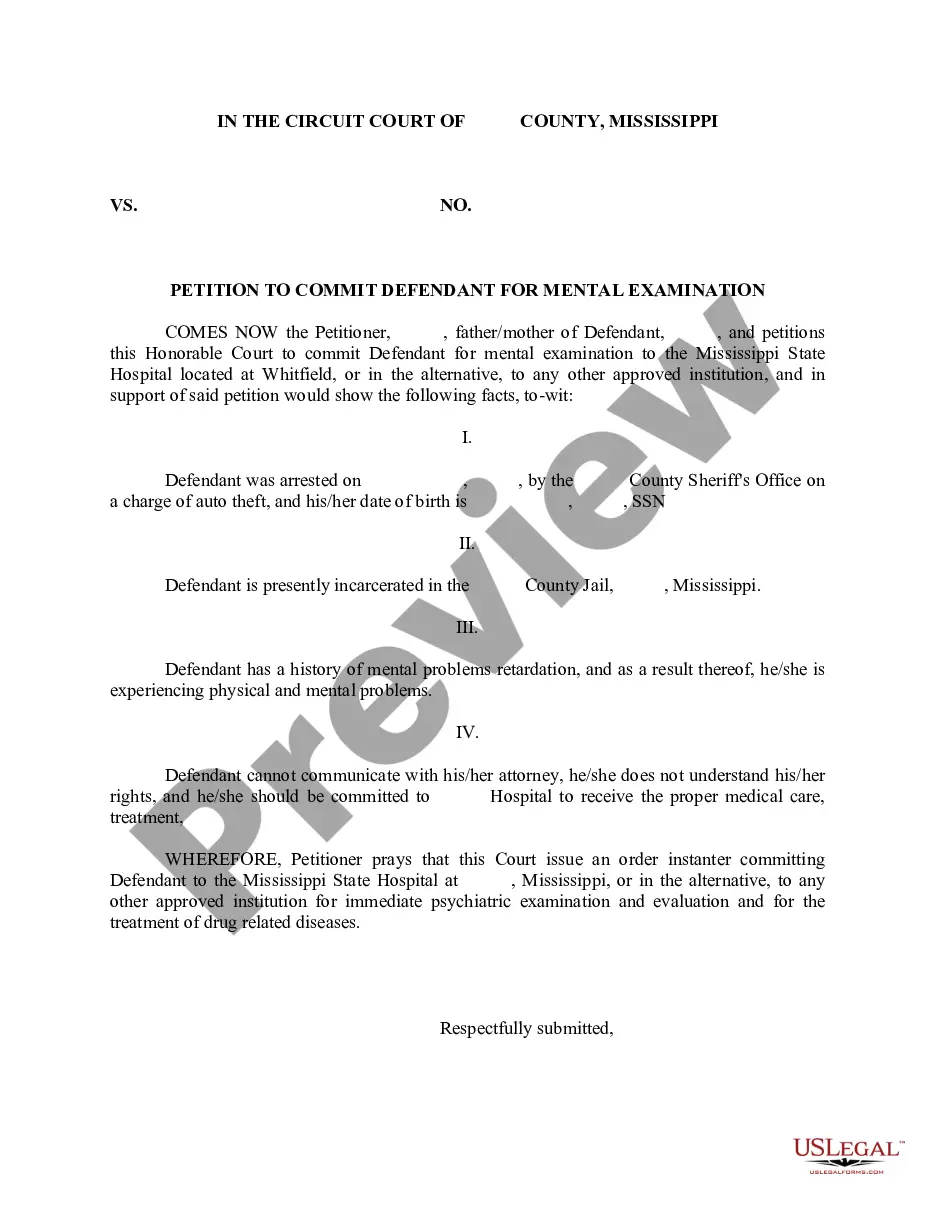
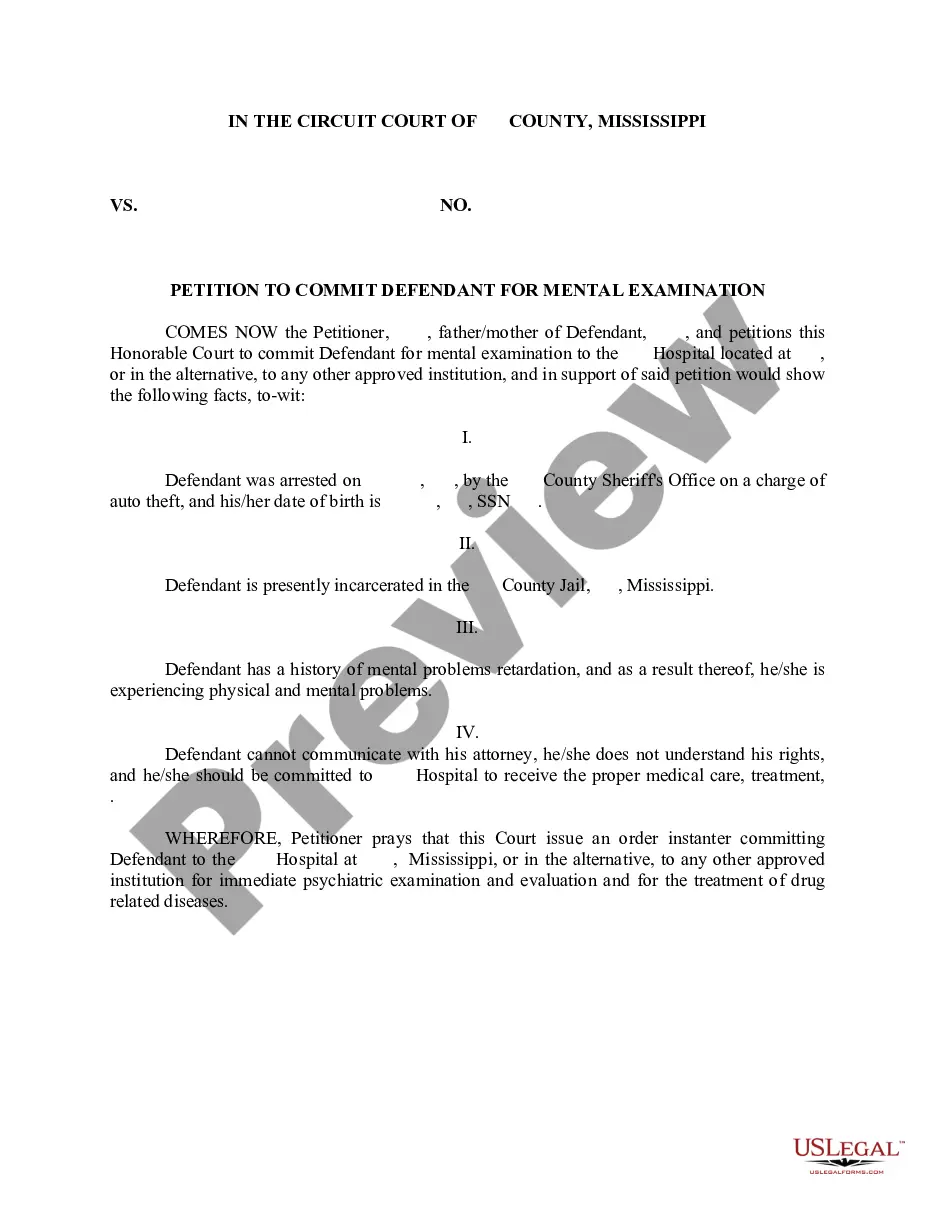
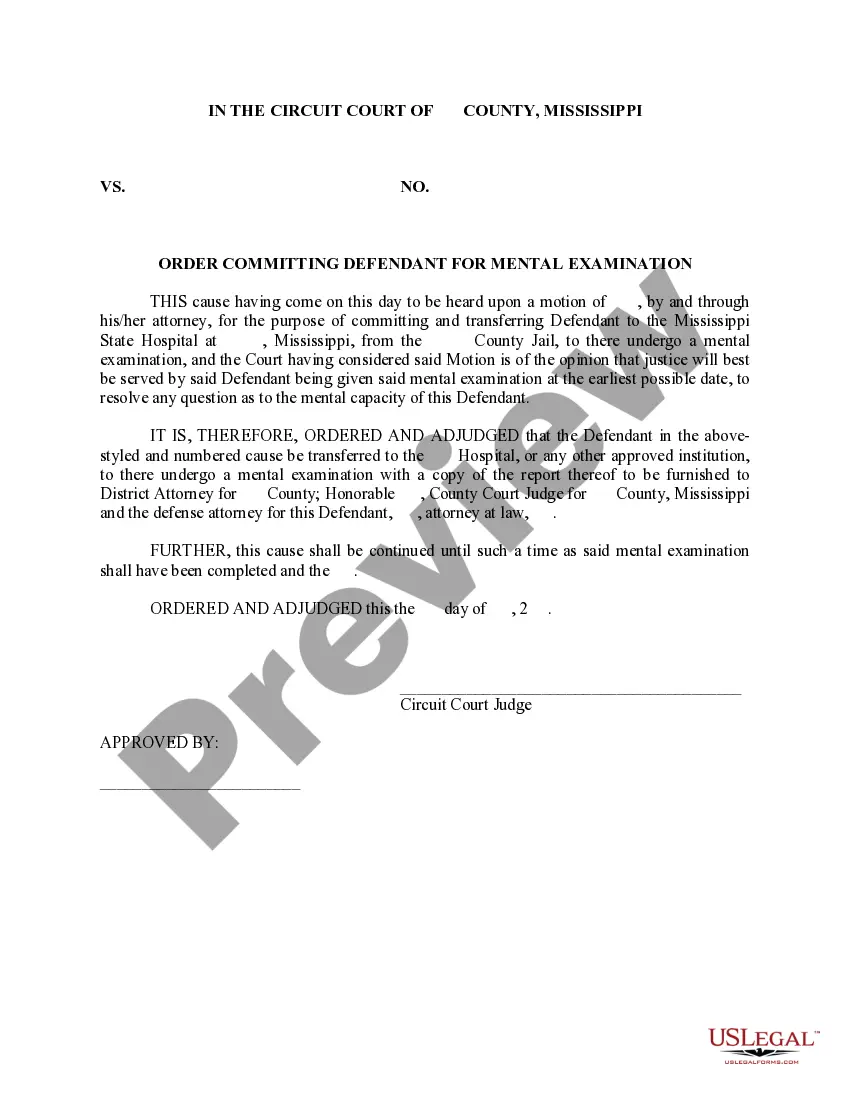
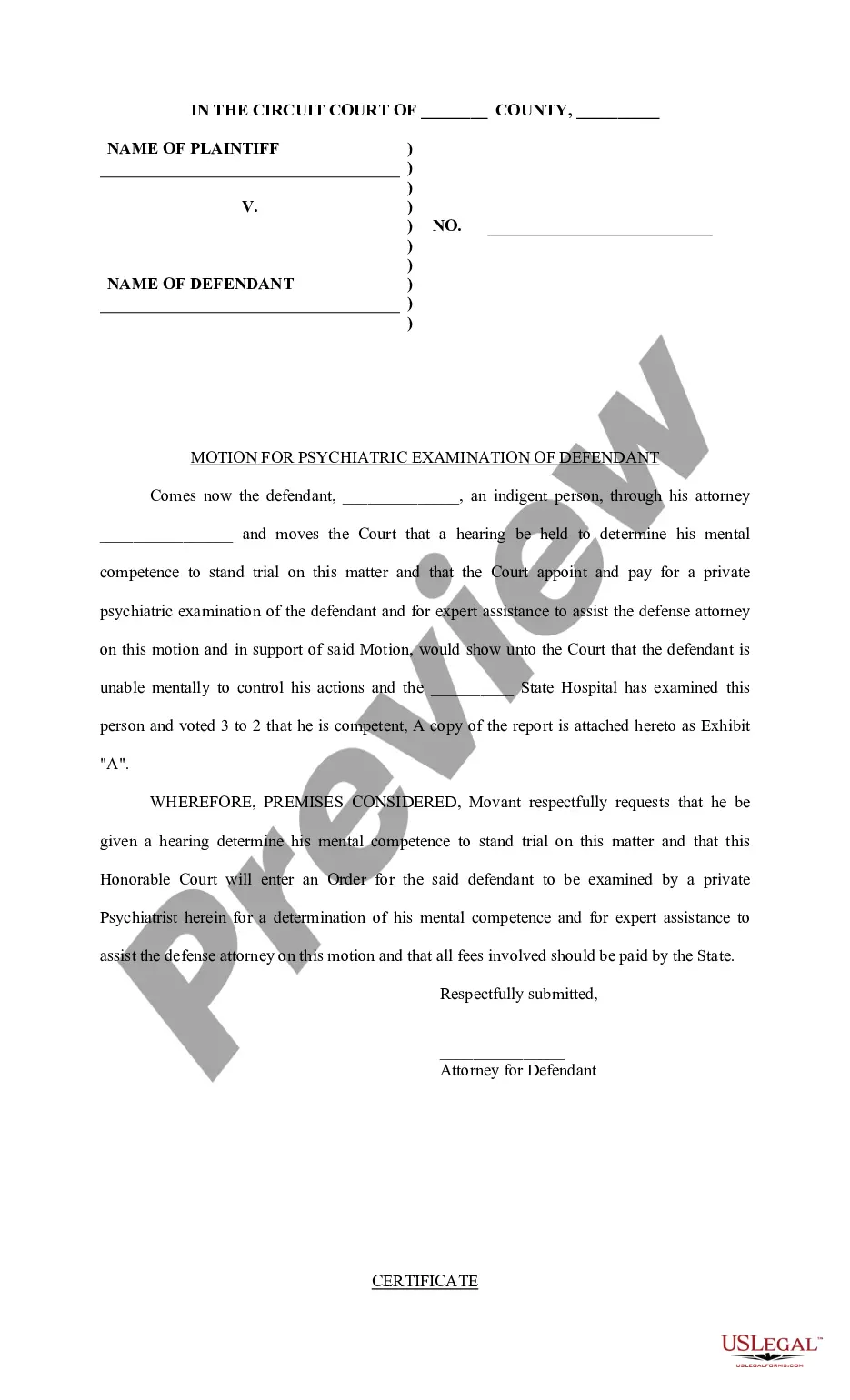
The Petition to Commit Defendant for Mental Exam is a legal document used to request a court-ordered mental examination of a defendant. This form is crucial when there are concerns about an individual's mental fitness to stand trial or participate in other legal proceedings. Unlike other pleadings, this specific petition focuses on the assessment of mental health, and it must adhere to jurisdiction-specific requirements, particularly in Mississippi.
Main sections of this form
- Identification of the parties involved, including the petitioner and the defendant.
- Statement of the legal basis for requesting the examination.
- Details outlining the defendant's mental health concerns or behaviors that warrant examination.
- Judicial relief sought, specifying the nature and scope of the mental examination.
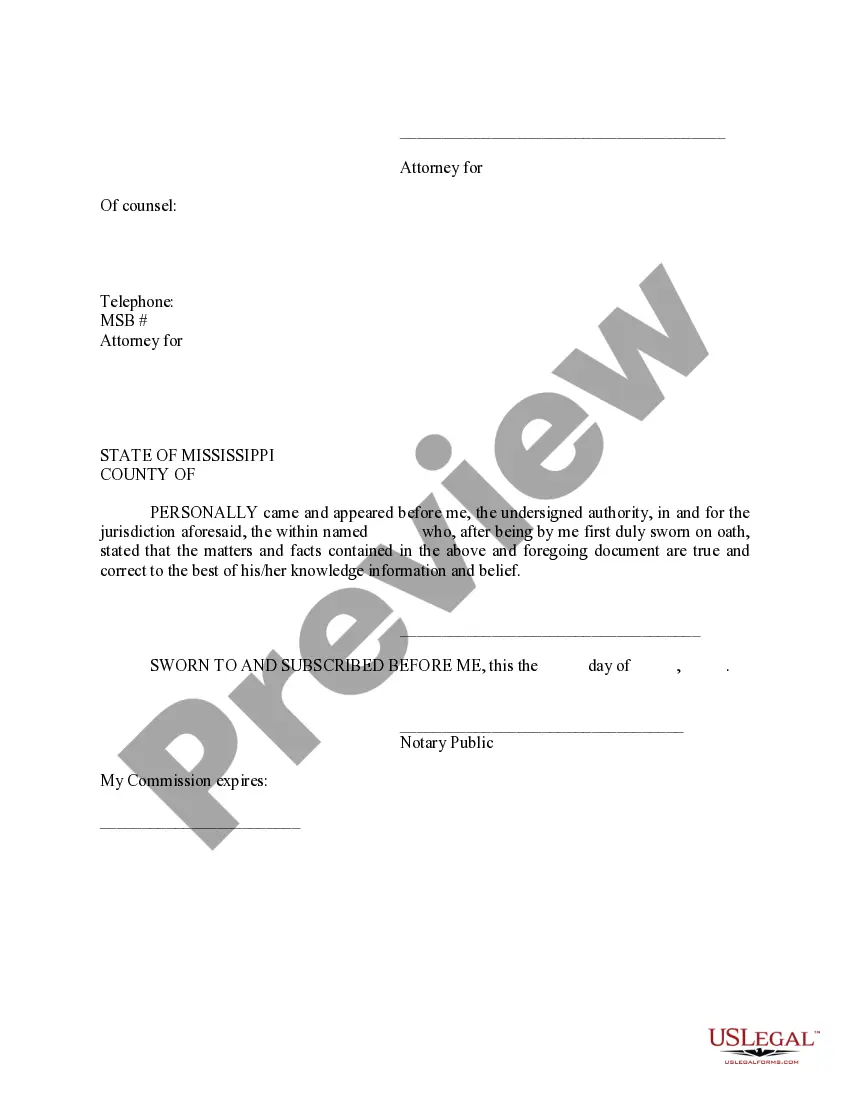
- Signature line for the petitioner and date of submission.

When to use this document
This form should be used in situations where there is a legitimate question regarding a defendant's mental state that could impact their ability to participate in a trial. Common scenarios include cases involving mental illness defenses, competency hearings, or when a defendant exhibits behavior that raises doubts about their mental fitness.
Who can use this document
- Attorneys representing defendants in criminal cases.
- Defendants who need to claim mental health concerns as part of their defense strategy.
- Family members or guardians seeking legal assessment of a loved one's mental fitness in a legal context.
How to prepare this document
- Identify the parties by filling in the names and addresses of the petitioner and defendant.
- State the legal grounds for the petition clearly in the provided section.
- Describe in detail the reasons for requesting the mental examination, focusing on observed behaviors or incidents.
- Specify the preferred type of mental health examination and any particular aspects to consider.
- Sign and date the form at the designated line to formalize your request.
Is notarization required?
This form does not typically require notarization to be legally valid. However, some jurisdictions or document types may still require it. US Legal Forms provides secure online notarization powered by Notarize, available 24/7 for added convenience.
Get your form ready online
Our built-in tools help you complete, sign, share, and store your documents in one place.
Make edits, fill in missing information, and update formatting in US Legal Forms—just like you would in MS Word.
Download a copy, print it, send it by email, or mail it via USPS—whatever works best for your next step.
Sign and collect signatures with our SignNow integration. Send to multiple recipients, set reminders, and more. Go Premium to unlock E-Sign.
If this form requires notarization, complete it online through a secure video call—no need to meet a notary in person or wait for an appointment.
We protect your documents and personal data by following strict security and privacy standards.

Make edits, fill in missing information, and update formatting in US Legal Forms—just like you would in MS Word.

Download a copy, print it, send it by email, or mail it via USPS—whatever works best for your next step.

Sign and collect signatures with our SignNow integration. Send to multiple recipients, set reminders, and more. Go Premium to unlock E-Sign.

If this form requires notarization, complete it online through a secure video call—no need to meet a notary in person or wait for an appointment.

We protect your documents and personal data by following strict security and privacy standards.
Mistakes to watch out for
- Not providing sufficient detail regarding the mental concerns of the defendant.
- Failing to sign and date the petition.
- Missing relevant legal grounds that substantiate the request for examination.
- Inaccurate information regarding the identity of the defendant.
- Neglecting to follow Michigan-specific filing protocols or deadlines.
Benefits of using this form online
- Convenience of downloading and completing the form at any time.
- Easy customization to fit specific cases without needing to start from scratch.
- Access to legal advice and support when needed, ensuring the document is properly completed.
- Secure storage and easy retrieval of your completed forms.
Legal use & context
- Petitions for mental examinations play a significant role in ensuring defendants receive fair treatment in legal proceedings.
- This form can influence the outcomes of cases where mental health is a central issue.
- Understanding the legal implications and criteria for mental competency is essential for accurate petitioning.
Quick recap
- The Petition to Commit Defendant for Mental Exam is vital for addressing mental health issues in legal settings.
- Filing this petition correctly involves understanding legal terms and state-specific requirements.
- Common mistakes can undermine the petition's validity; diligence in completion is key.
Looking for another form?

Form popularity
FAQ
Any citizen of Mississippi can initiate the process by submitting a sworn statement requesting psychiatric treatment for that person. The statement must include strong evidence that the person is dangerous to him or herself or to others by reason of mental illness.
Mental health is a state of well-being in which an individual realizes his or her own abilities, can cope with the normal stresses of life, can work productively and is able to make a contribution to his or her community.
Stress Relief. Nutrition. Sleep. Connection. Physical Activity. Be Kind. Spirituality.
Anxiety disorders, including panic disorder, obsessive-compulsive disorder, and phobias. Depression, bipolar disorder, and other mood disorders. Eating disorders. Personality disorders. Post-traumatic stress disorder. Psychotic disorders, including schizophrenia.
Childhood abuse, trauma, or neglect. social isolation or loneliness. experiencing discrimination and stigma. social disadvantage, poverty or debt. bereavement (losing someone close to you) severe or long-term stress. having a long-term physical health condition. unemployment or losing your job.