Mississippi Renovation Contract for Contractor
Understanding this form
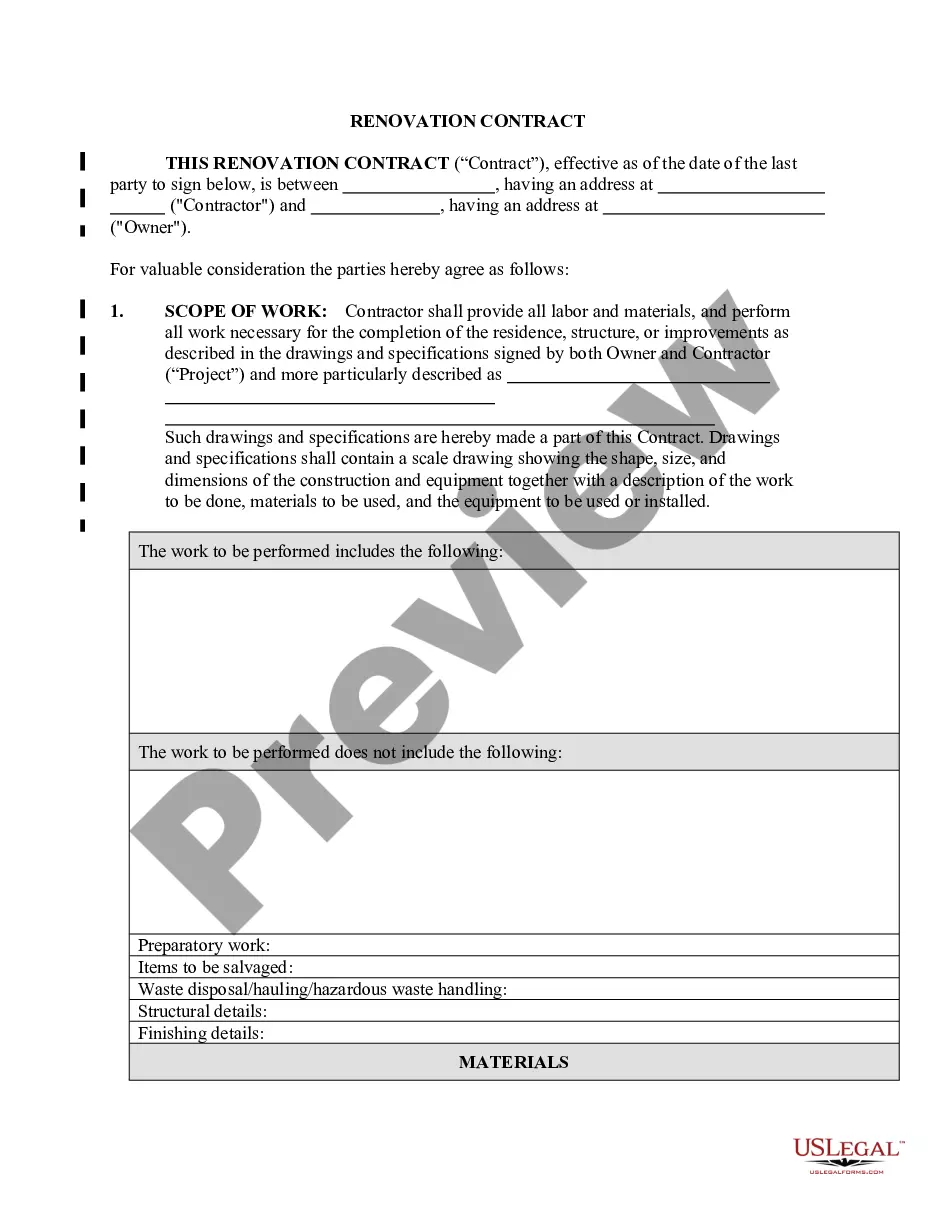
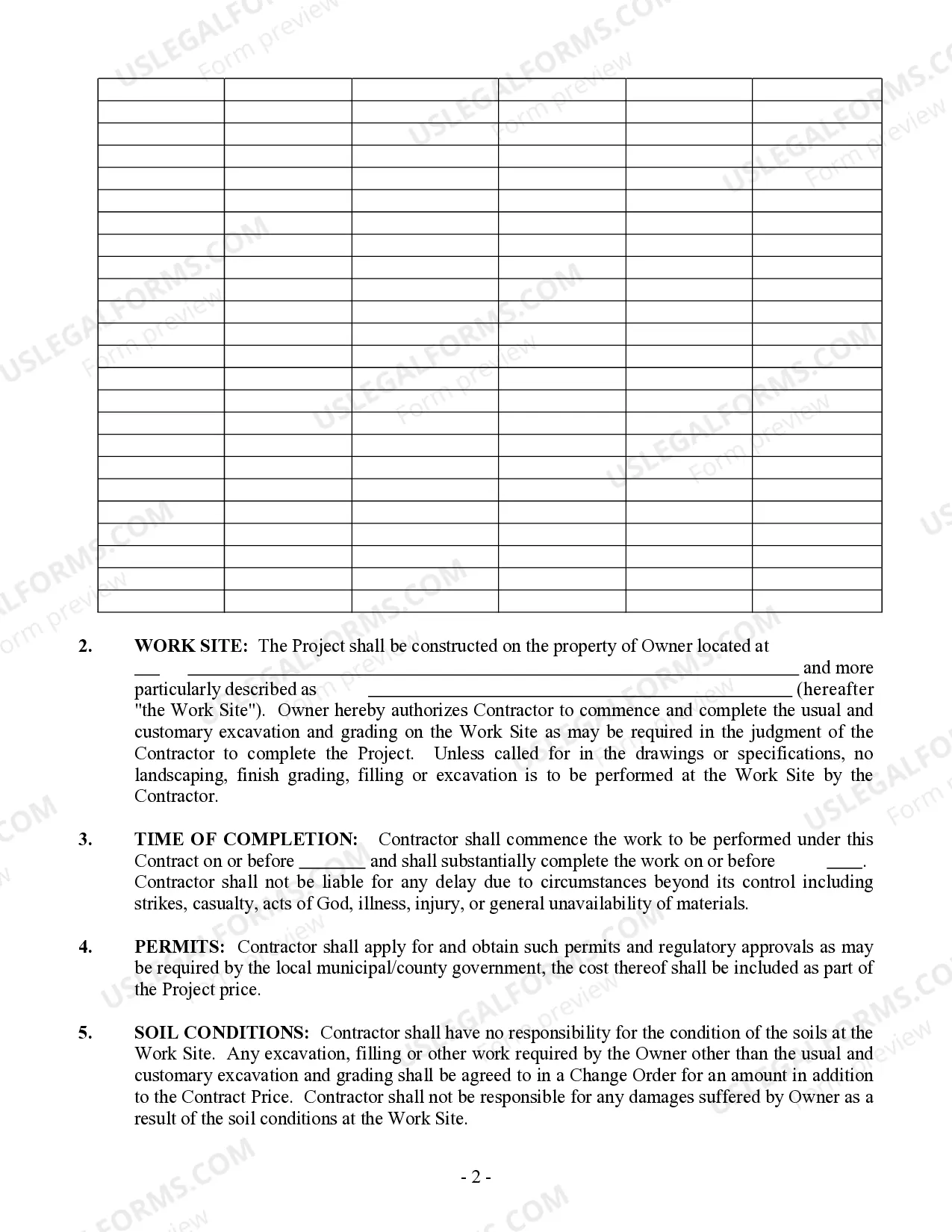
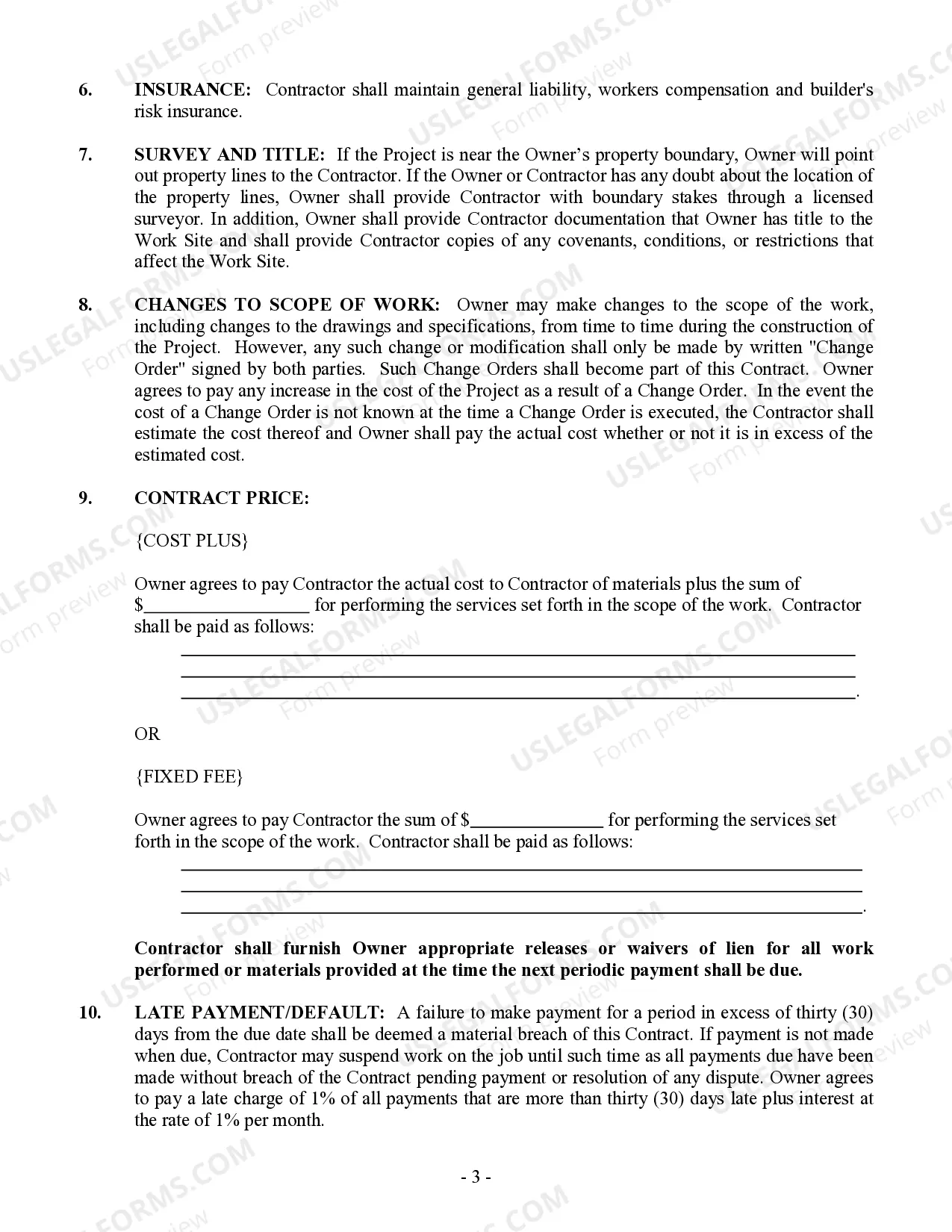
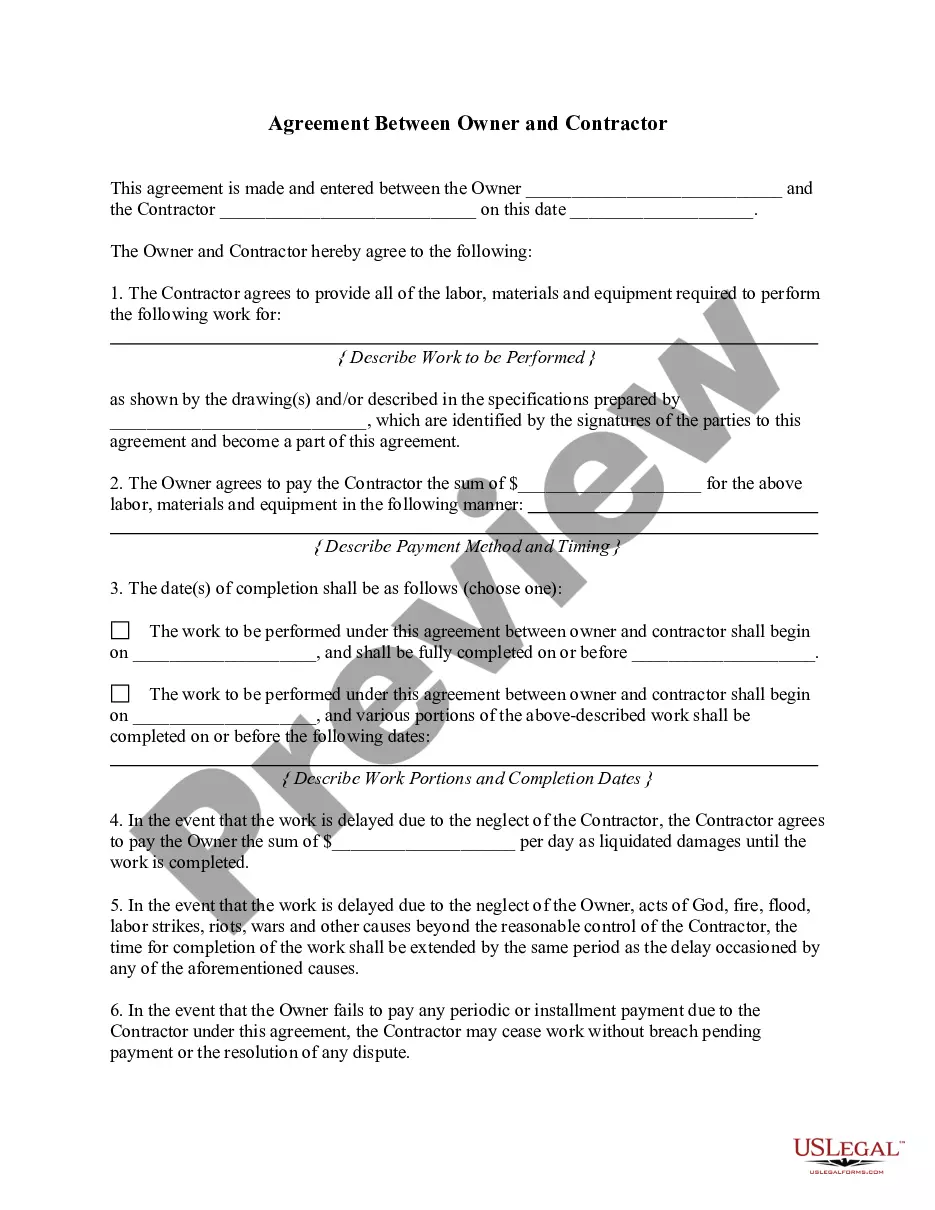
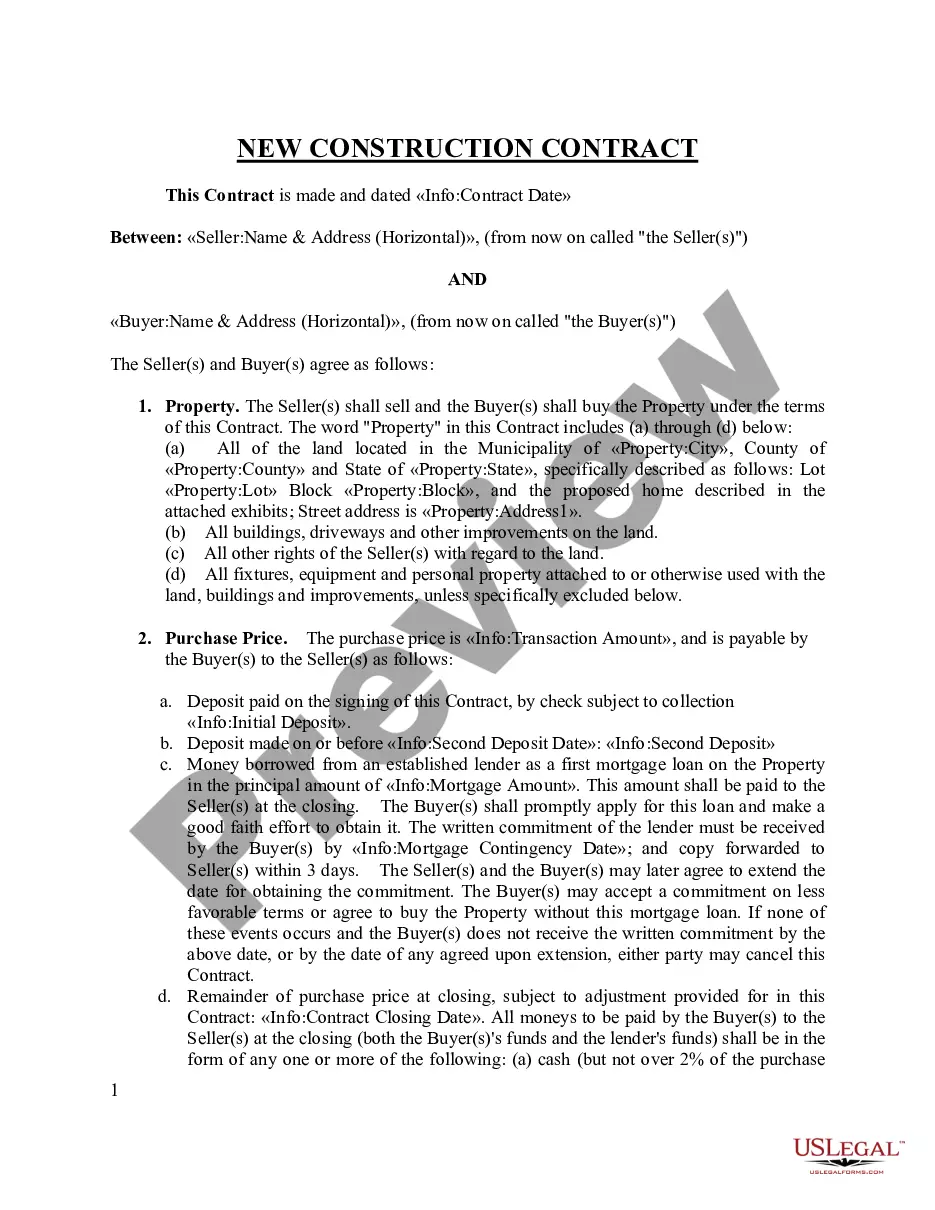
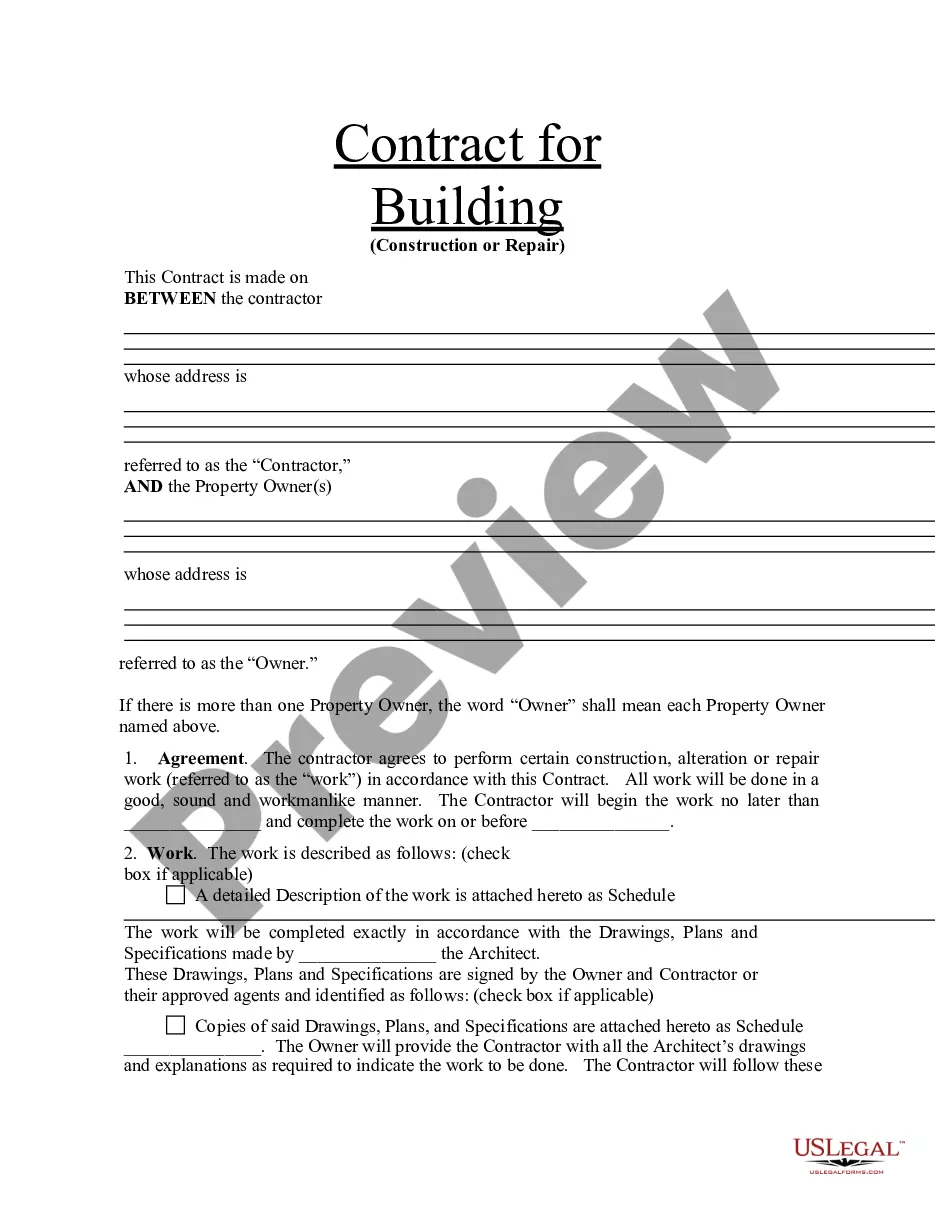
The Renovation Contract for Contractor is a legally binding agreement designed for use between renovation contractors and property owners. This contract outlines essential elements such as payment structures, change orders, permits, insurance requirements, and site conditions. It aims to clarify the expectations of both parties involved in a renovation project and differs from other contracts by addressing specific terms relevant to renovation work, particularly within the State of Mississippi.
Form components explained
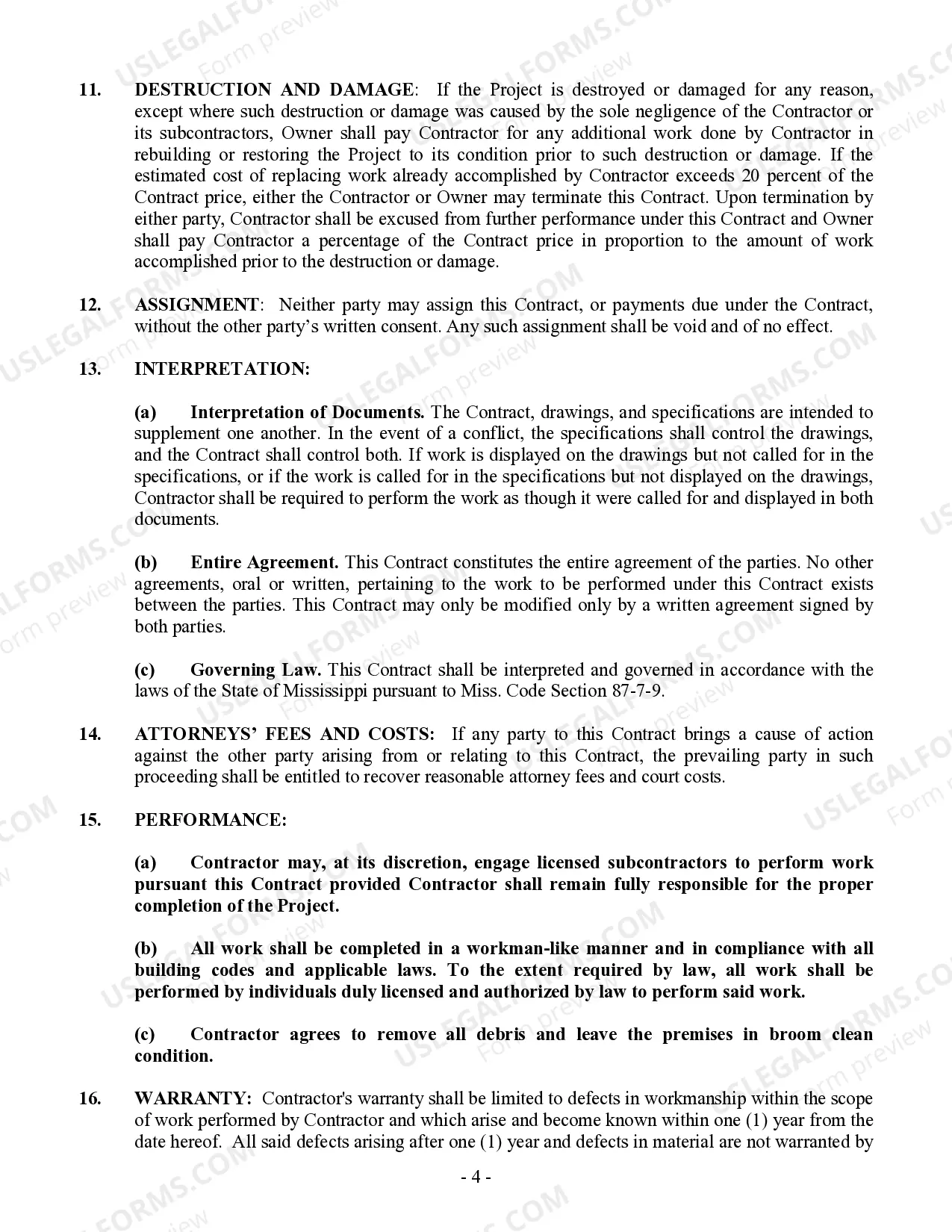
- Permits: Specifies the contractor's responsibility to obtain necessary permits and regulatory approvals.
- Soil Conditions: Clarifies that the contractor is not liable for site soil conditions and outlines the process for addressing related issues.
- Insurance: Requires the contractor to maintain essential insurance types for liability and worker protection.
- Survey and Title: Stipulates that property boundaries must be accurately identified and documented by the owner.
- Changes to Scope of Work: Outlines the procedures for modifying the project scope, including the requirement for written change orders.
Common use cases
This form is needed when a property owner intends to hire a contractor for renovation work. It is particularly useful in scenarios where changes to the project may arise, requiring formal documentation and agreement between both parties. Utilizing this contract helps ensure a clear understanding of obligations, rights, and expectations throughout the renovation process.
Intended users of this form
This form is suitable for:
- Property owners seeking to renovate their premises.
- Renovation contractors looking for a structured agreement to define the scope and terms of their services.
- Individuals or businesses in Mississippi involved in renovation projects who want to ensure compliance with local regulations.
Instructions for completing this form
- Identify the parties involved: Clearly state the names and contact information of the property owner and the contractor.
- Specify the project details: Provide a description of the renovation work to be performed and the property location.
- Outline payment terms: Decide on a cost plus or fixed fee arrangement and document the agreed price.
- Include necessary permits: Ensure the contractor lists any permits they will need to obtain.
- Signatures: Both parties need to sign and date the contract to make it legally binding.
Notarization requirements for this form
This form does not typically require notarization unless specified by local law. It's advisable to check with a legal professional or local regulations to ensure compliance.
Get your form ready online
Our built-in tools help you complete, sign, share, and store your documents in one place.
Make edits, fill in missing information, and update formatting in US Legal Forms—just like you would in MS Word.
Download a copy, print it, send it by email, or mail it via USPS—whatever works best for your next step.
Sign and collect signatures with our SignNow integration. Send to multiple recipients, set reminders, and more. Go Premium to unlock E-Sign.
If this form requires notarization, complete it online through a secure video call—no need to meet a notary in person or wait for an appointment.
We protect your documents and personal data by following strict security and privacy standards.

Make edits, fill in missing information, and update formatting in US Legal Forms—just like you would in MS Word.

Download a copy, print it, send it by email, or mail it via USPS—whatever works best for your next step.

Sign and collect signatures with our SignNow integration. Send to multiple recipients, set reminders, and more. Go Premium to unlock E-Sign.

If this form requires notarization, complete it online through a secure video call—no need to meet a notary in person or wait for an appointment.

We protect your documents and personal data by following strict security and privacy standards.
Avoid these common issues
- Failing to specify the project scope clearly, leading to misunderstandings.
- Not including change order procedures, which can cause disputes later.
- Neglecting to obtain necessary permits and regulatory approvals.
- Leaving insurance requirements vague or incomplete.
Advantages of online completion
- Convenient, easy access to legal forms that can be downloaded instantly.
- Editability allows users to customize the contract to their specific needs.
- Documented templates drafted by licensed attorneys offer peace of mind regarding compliance.
- Secure storage options ensure that your forms are always available when needed.
Legal use & context
- This contract is legally binding once signed by both parties.
- Properly executed Change Orders become part of the contract, detailing any agreed-upon modifications.
- Compliance with Mississippi law ensures enforceability in local courts.
Quick recap
- The Renovation Contract is essential for defining the terms between property owners and renovation contractors.
- The form helps legally protect the interests of both parties involved in a renovation project.
- Understanding key components ensures a smooth renovation process.
Looking for another form?


Form popularity
FAQ
Mississippi Renovation Contract for Contractor is a legally binding agreement between renovation contractors and property owners in Mississippi that sets terms for payment, change orders, permits, insurance, and site conditions. Use it when hiring a contractor for a renovation project to clarify responsibilities, reduce disputes, ensure compliance with Mississippi regulations, and document scope and remedies.
Use this Mississippi Renovation Contract for Contractor to lock in price and scope by requiring written change orders for any adjustments. The form assigns permit responsibilities, requires essential insurance, and details site conditions and boundary identification. Following the contract during bidding and execution helps prevent overcharges, scope creep, and misunderstandings.
Red flags include a contractor who resists a written change order, cannot confirm required insurance, or avoids clarifying who obtains permits. The Mississippi Renovation Contract for Contractor specifies written changes, permits responsibility, and insurance requirements, helping owners spot and address these issues before work begins.
Common red flags include vague scope, lack of a formal written agreement, and reluctance to document site conditions or boundaries. This contract requires a clear scope with written change orders, outlines who handles permits, and mandates insurance, reducing the risk of hidden charges or unsafe work.
This form is tailored for Mississippi and makes explicit who must obtain permits, notes that the contractor is not liable for soil conditions, requires owner to identify survey and title, and requires written change orders and insurance. These Mississippi-specific terms differentiate it from more general renovation agreements.
Common mistakes include failing to document scope changes, missing written change orders, and not confirming permit requirements and insurance coverage. The Mississippi Renovation Contract for Contractor helps prevent these by requiring written change orders, outlining permit responsibility, and listing required insurance, as well as clarifying site conditions and boundary documentation.