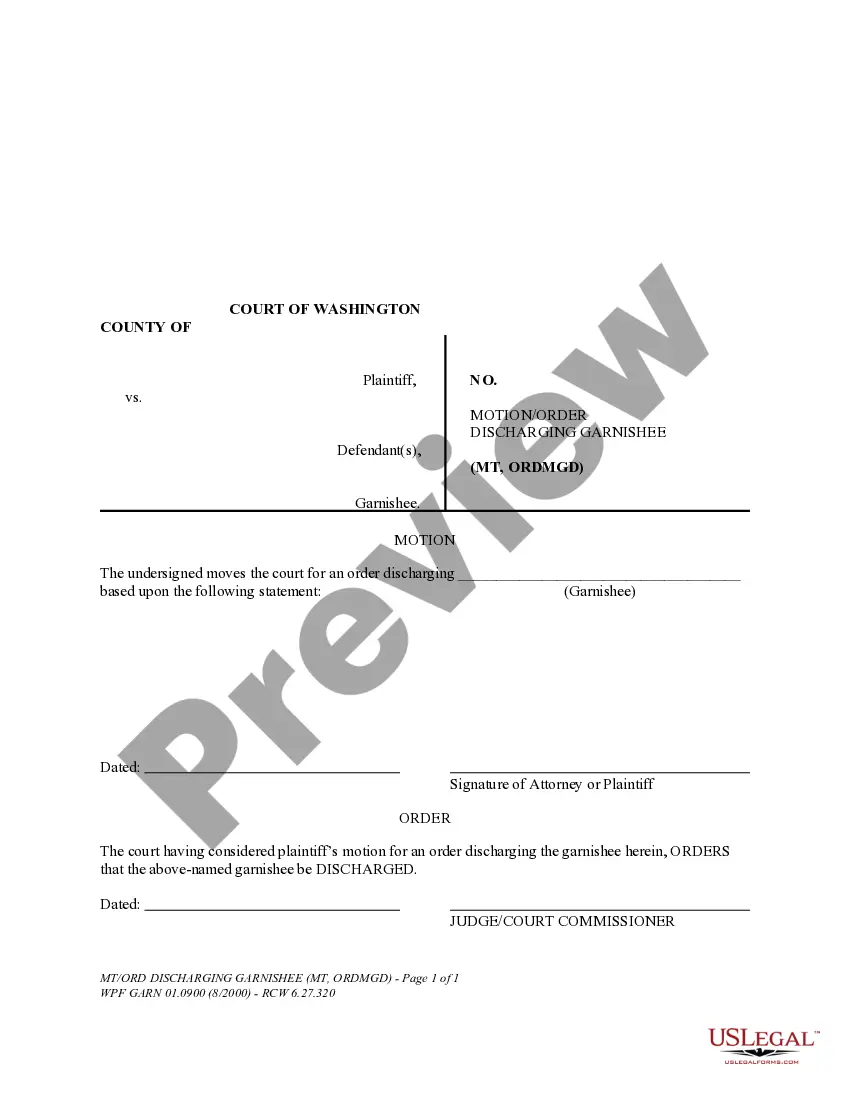
Missouri Conservator's Deed
What is this form?
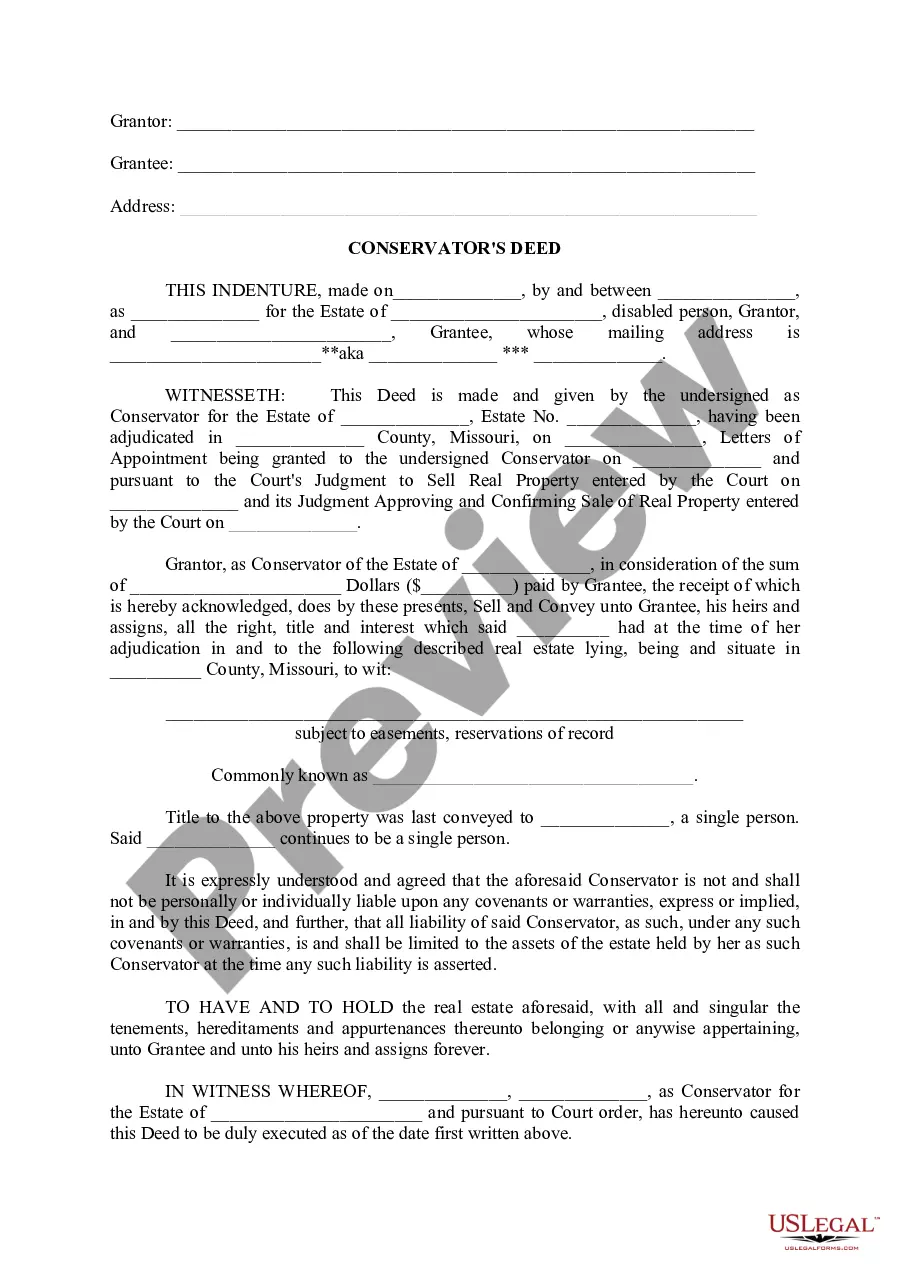
A conservator's deed is a legal document used to transfer the interest in real property held by a protected person, typically someone unable to manage their own affairs due to a disability. This form facilitates the sale or conveyance of property from a grantorâwho is officially recognized as the conservator of the estateâto a grantee. Unlike standard property transfer deeds, this specific form accounts for the unique circumstances surrounding a protected personâs assets and ensures that the court's oversight is acknowledged in the property transaction.
Key components of this form
- Grantor and Grantee Information: Includes the names and addresses of both the conservator (grantor) and the buyer (grantee).
- Property Description: Details the specific real estate being conveyed, including its location and legal description.
- Recitals: Contains background information about the conservatorship and relevant court orders.
- Consideration Amount: States the monetary value exchanged for the property.
- Liability Clause: Specifies that the conservator is not personally liable for the property being sold.
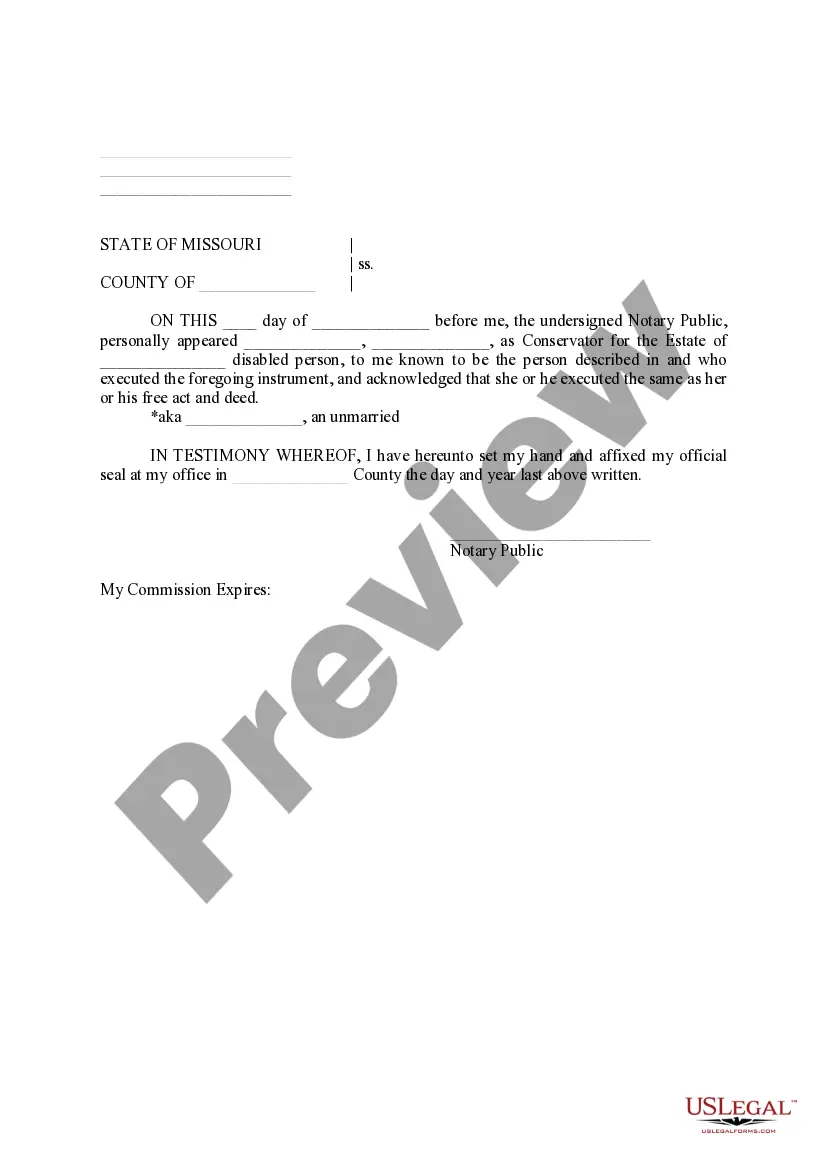
- Notary Section: Indicates that the deed must be notarized to ensure its validity.

Common use cases
Use a conservator's deed when a person under a conservatorship is selling or transferring ownership of real property. This often occurs during estate management to ensure the protected person's assets are properly handled or liquidated. Common scenarios include selling a family home, transferring property to a family member, or settling debts from the estate.
Who can use this document
- Conservators appointed by the court to manage the property of a protected person.
- Estate administrators seeking to facilitate the sale of real estate on behalf of someone unable to do so themselves.
- Individuals or entities purchasing property from a protected person's estate.
Completing this form step by step
- Identify the parties: Fill in the names of the grantor (conservator) and grantee (buyer).
- Specify the property: Describe the real estate being conveyed, including address and legal description.
- Enter the consideration amount: Document the price that the grantee is paying for the property.
- Include court details: Reference relevant court orders and estate numbers associated with the protected person.
- Fix dates: Ensure all dates, such as signing and court order dates, are filled in accurately.
- Sign and notarize: The conservator must sign the deed in the presence of a notary public to validate the transfer.
Notarization requirements for this form
Yes, this form must be notarized to be legally valid. The signature of the conservator must be witnessed and acknowledged by a notary public, ensuring that the document is executed properly and can be enforced in court.
Get your form ready online
Our built-in tools help you complete, sign, share, and store your documents in one place.
Make edits, fill in missing information, and update formatting in US Legal Forms—just like you would in MS Word.
Download a copy, print it, send it by email, or mail it via USPS—whatever works best for your next step.
Sign and collect signatures with our SignNow integration. Send to multiple recipients, set reminders, and more. Go Premium to unlock E-Sign.
If this form requires notarization, complete it online through a secure video call—no need to meet a notary in person or wait for an appointment.
We protect your documents and personal data by following strict security and privacy standards.

Make edits, fill in missing information, and update formatting in US Legal Forms—just like you would in MS Word.

Download a copy, print it, send it by email, or mail it via USPS—whatever works best for your next step.

Sign and collect signatures with our SignNow integration. Send to multiple recipients, set reminders, and more. Go Premium to unlock E-Sign.

If this form requires notarization, complete it online through a secure video call—no need to meet a notary in person or wait for an appointment.

We protect your documents and personal data by following strict security and privacy standards.
Avoid these common issues
- Failing to include accurate legal descriptions of the property.
- Omitting required dates or court details, which can invalidate the deed.
- Not having the deed notarized, which is essential for legal acknowledgment.
- Incorrectly identifying grantor and grantee, leading to complexities in property transfer.
Benefits of completing this form online
- Convenience: Quickly download and complete the form without visiting a law office.
- Editability: Easily fill in your specific details and make adjustments as needed.
- Reliability: Obtain a form drafted by licensed attorneys, ensuring it meets legal standards.
Looking for another form?


Form popularity
FAQ
Title Issues Adding a child's name to a deed gives him or her an ownership interest in your home. As a result, you cannot sell the home or refinance your mortgage without your child's permission. Technically speaking, your child could even sell his or her share of the property without your consent.
You can use the simplified small estate process in Missouri if the value of the entire estate, less liens and encumbrances, is $40,000 or less. There is a 30-day waiting period. You will have to get a bond (an insurance policy that protects the estate) in an amount equal to the value of personal property.
Adding someone to your house deed requires the filing of a legal form known as a quitclaim deed. When executed and notarized, the quitclaim deed legally overrides the current deed to your home. By filing the quitclaim deed, you can add someone to the title of your home, in effect transferring a share of ownership.
A California quitclaim deed form is a special type of deed used to transfer real estate without making guarantees about title to the property. A person that transfers property by quitclaim deed makes no promises that he or she owns or has clear title to the property.
Conservator's deeds are used to convey an interest in real property that is held by a Protected Person.While this deed is in a form to transfer the property interest from one Grantor to one Grantee, it may be used to transfer a property interest from multiple Grantors to multiple Grantees.
It is possible to be named on the title deed of a home without being on the mortgage. However, doing so assumes risks of ownership because the title is not free and clear of liens and possible other encumbrances.If a mortgage exists, it's best to work with the lender to make sure everyone on the title is protected.
Locate the Prior Deed to the Property. The prior deed includes important information that is needed to prepare the new deed. Get a New Deed to the Property. Sign and Notarize the New Deed. Record the New Deed in the Land Records.
When authorized by order of the court under Section 2570, the guardian or conservator may purchase: (a) Real property in this state as a home for the ward or conservatee if such purchase is for the advantage, benefit, and best interest of the ward or conservatee.
Executor's Deed: This may be used when a person dies testate (with a will). The estate's executor will dispose of the decedent's assets and an executor's deed may be used to convey the title or real property to the grantee.