Florida Statutory Living Will
Overview of this form
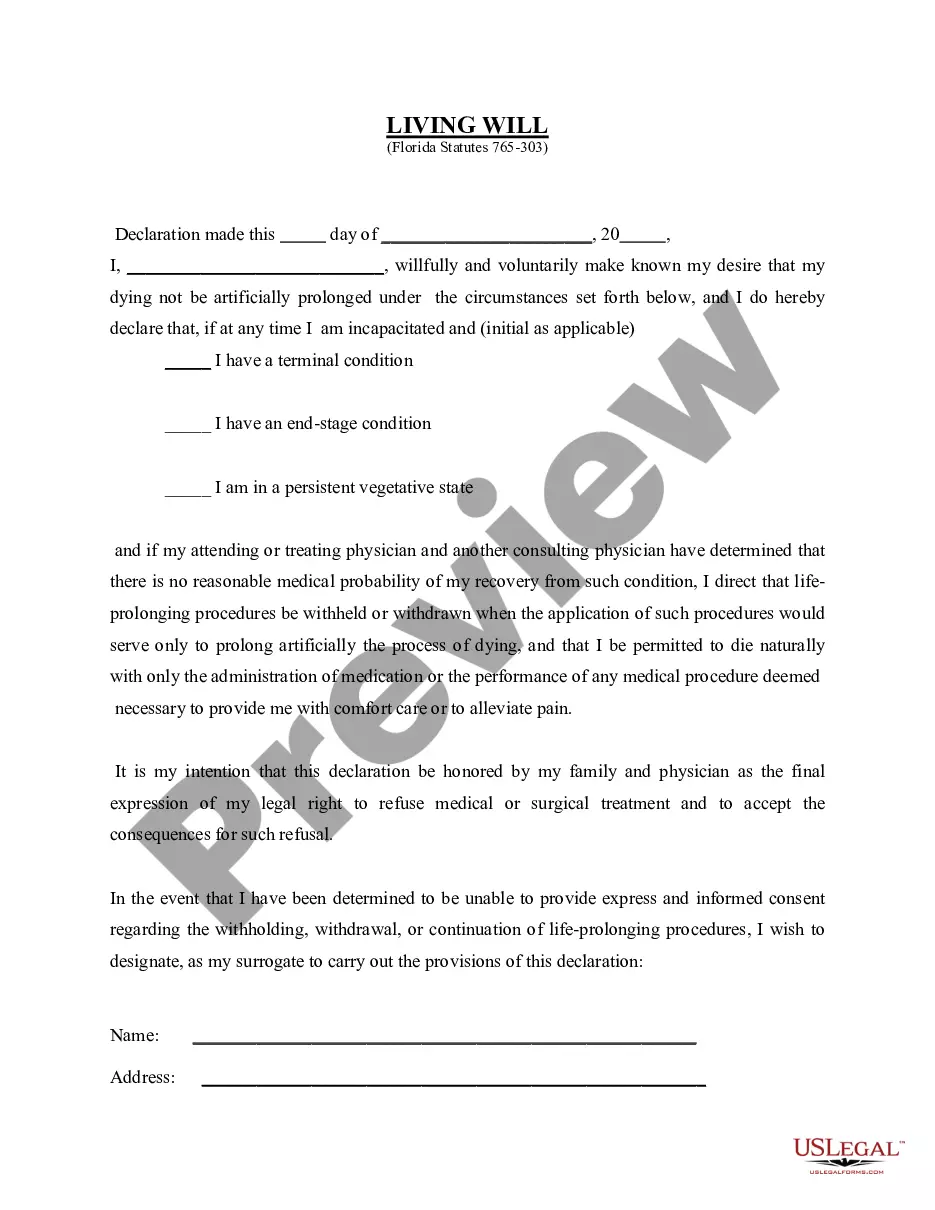
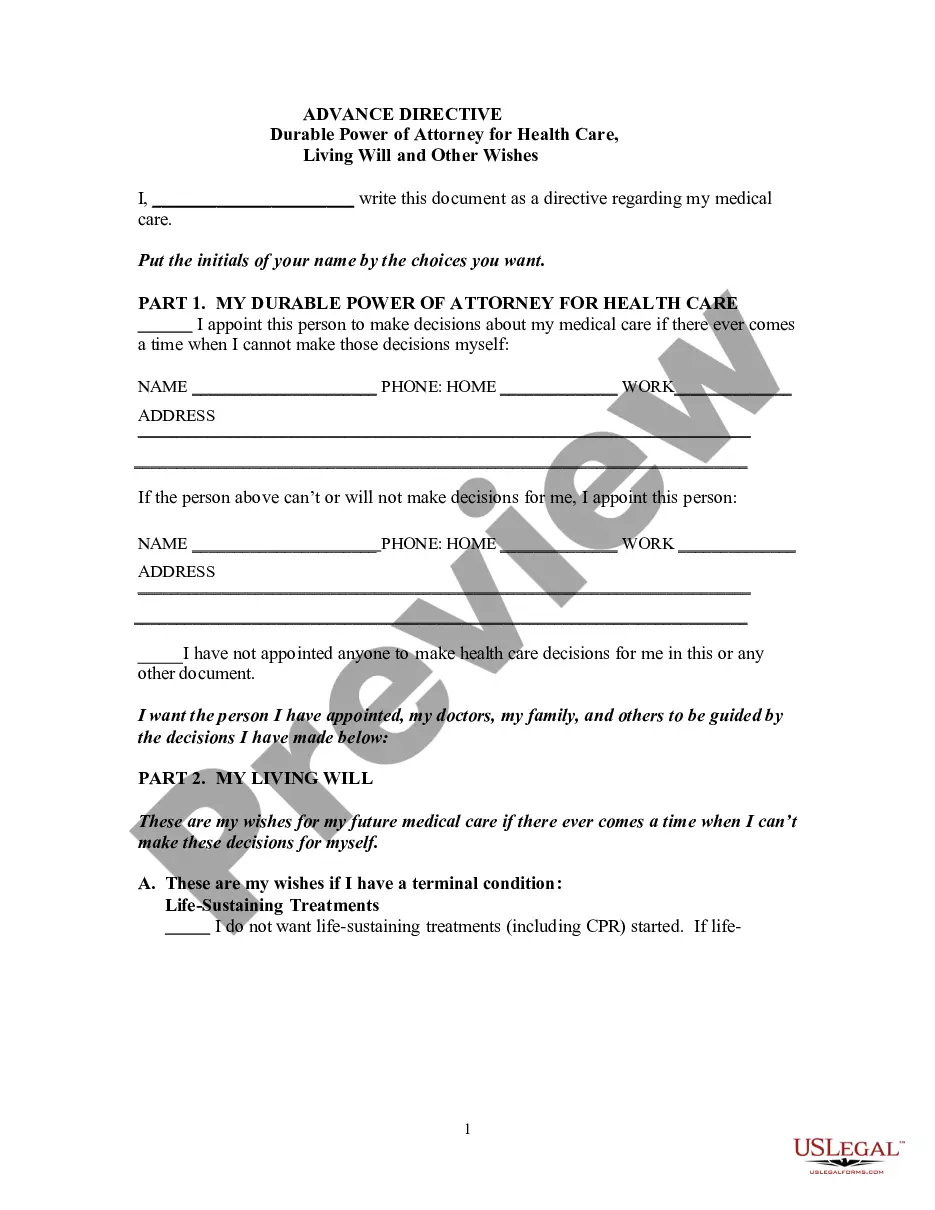
The Statutory Living Will is a legal document that allows individuals to express their preferences regarding medical treatment in situations of terminal illness or irreversible conditions. It specifically outlines the wish to withhold or withdraw life-sustaining procedures, ensuring a natural death when recovery is not possible. This form is crucial for conveying your healthcare decisions and differs from other advance directives by specifically focusing on your end-of-life care preferences.
Key components of this form
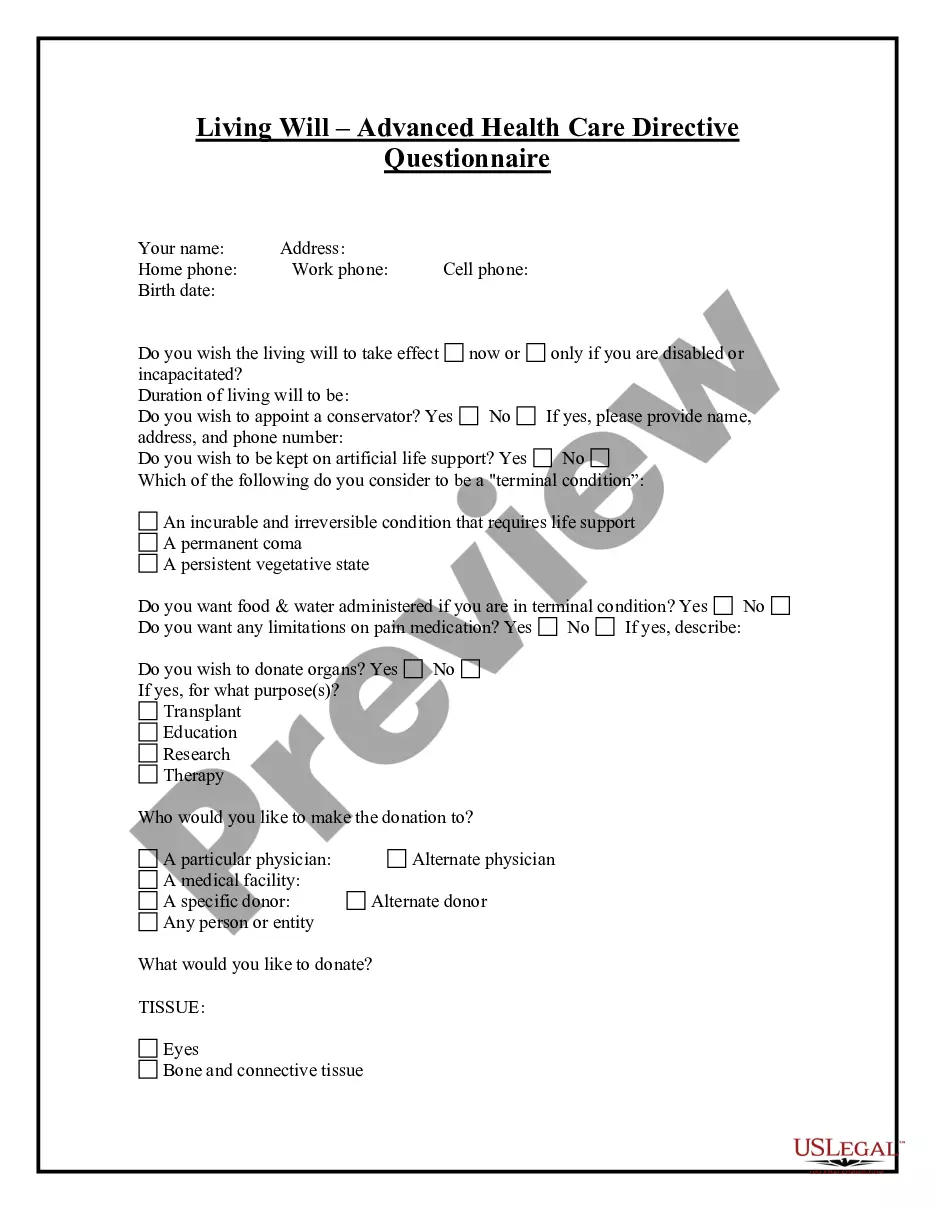
- Statement of terminal condition, end-stage condition, or persistent vegetative state.
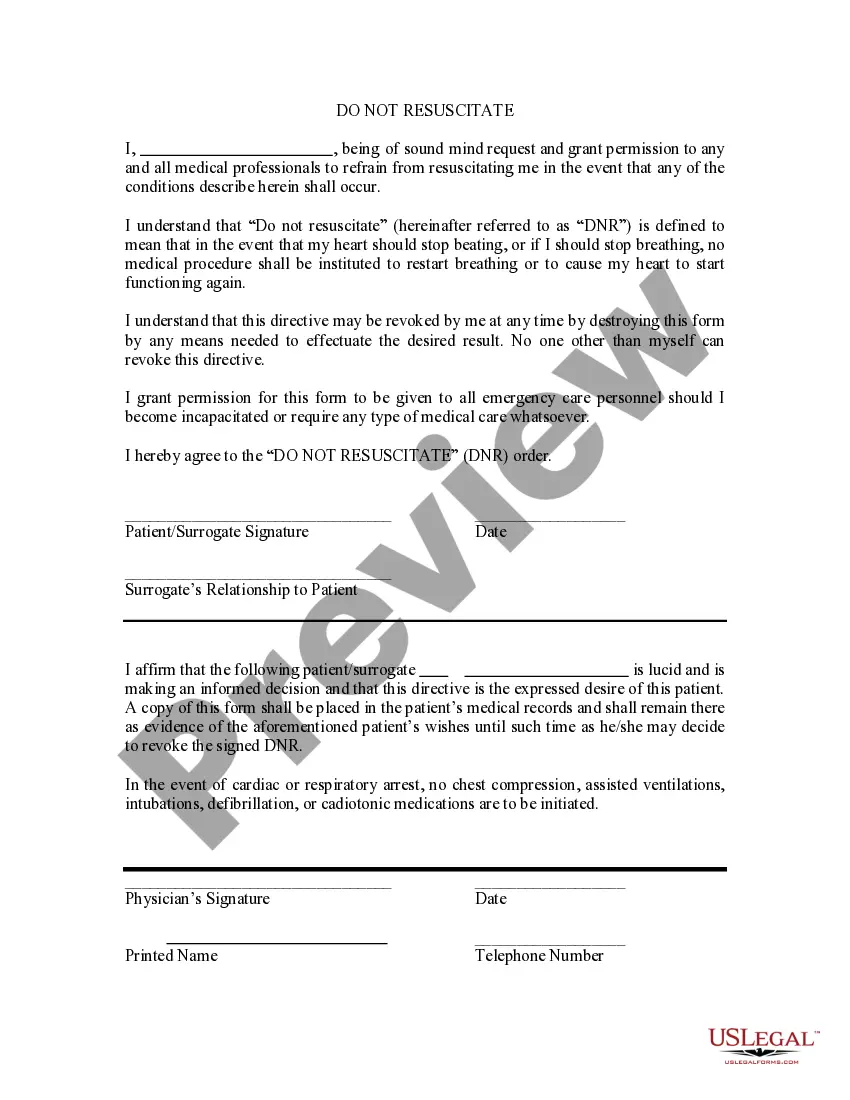
- Instructions to withhold or withdraw life-prolonging procedures.
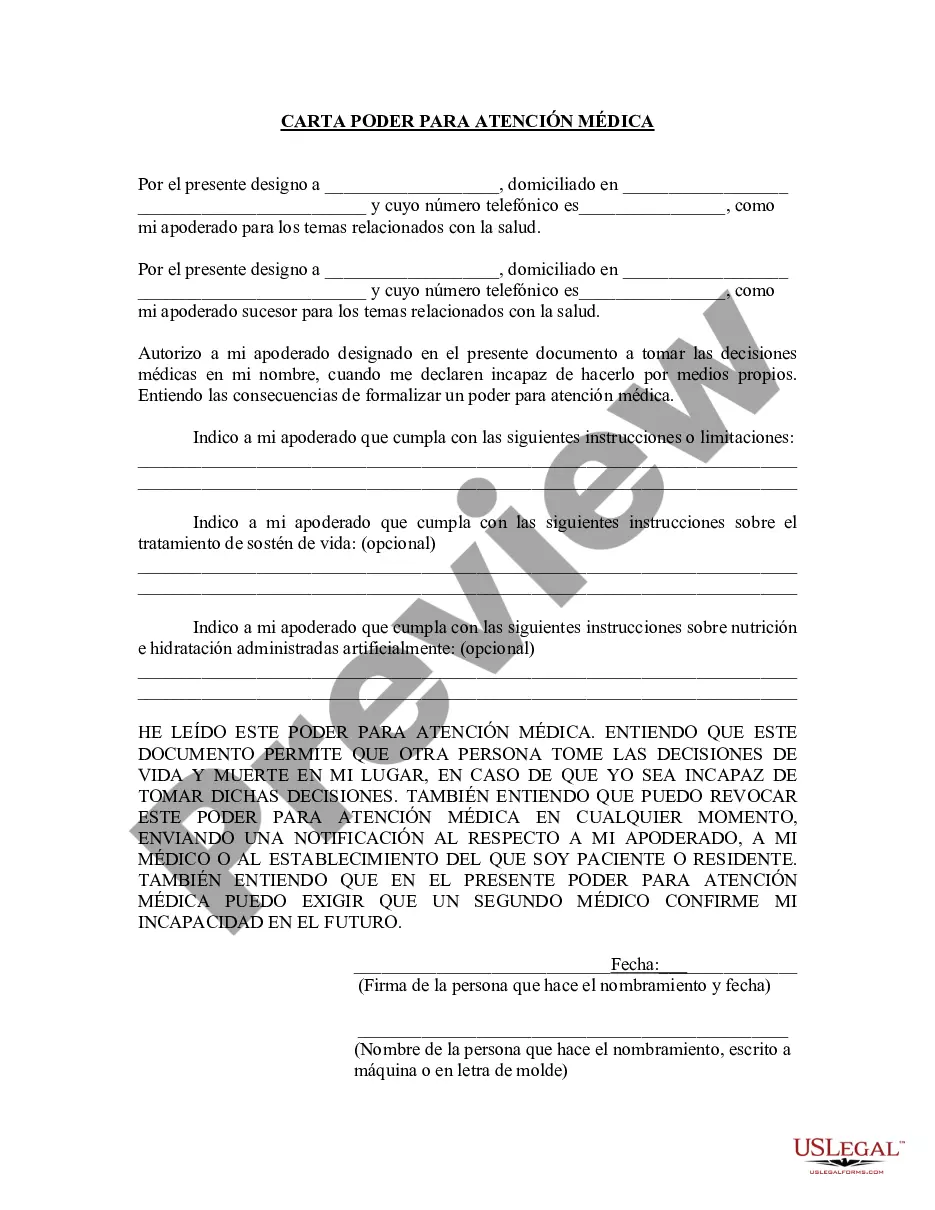
- Designation of a surrogate to ensure your wishes are followed.
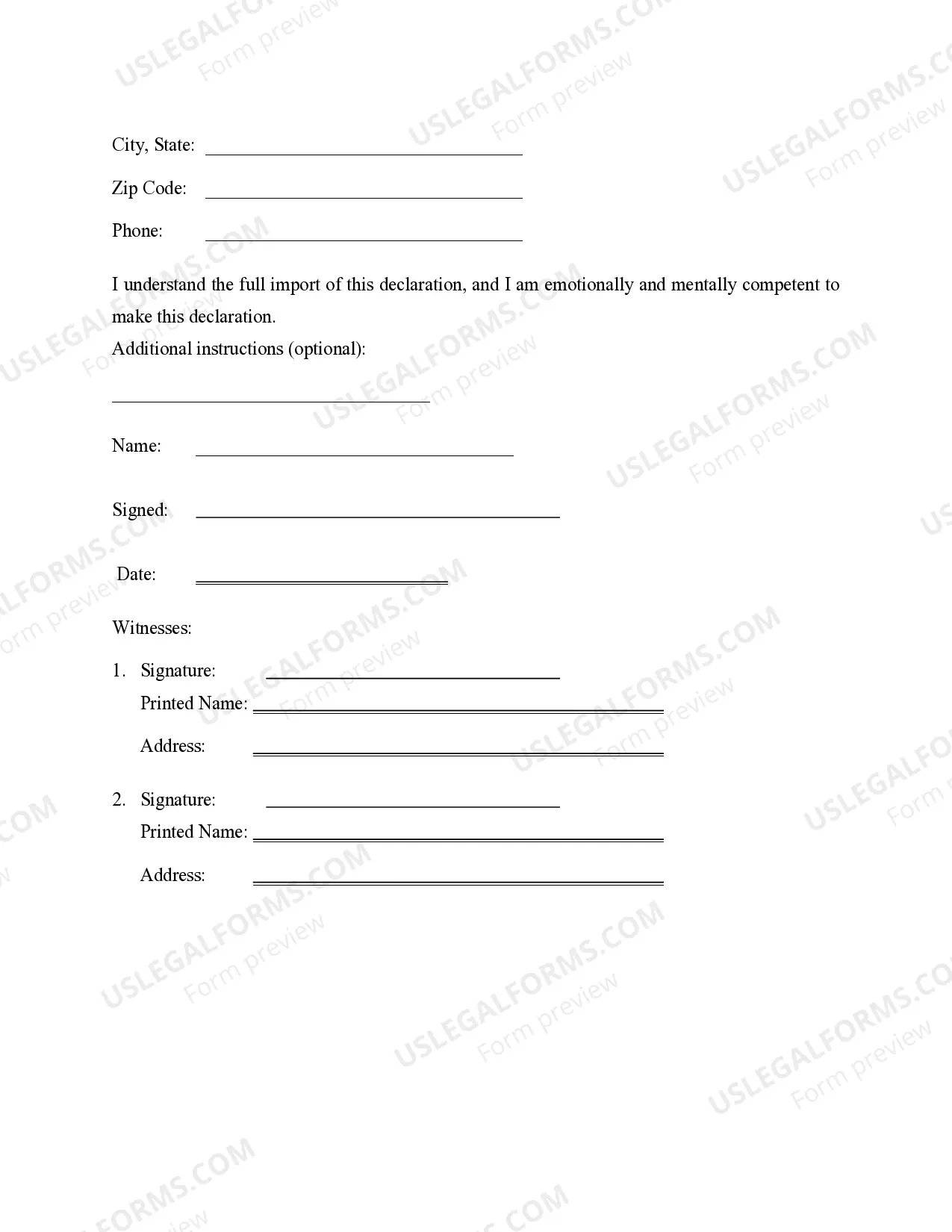
- Emotional and mental competency affirmation statement.
- Additional instructions for healthcare providers (optional).
- Witness signature requirements to validate the document.
When this form is needed
This form is used when an individual wishes to ensure their medical treatment preferences are known and honored in the event they cannot communicate their wishes. It is suitable for those diagnosed with terminal conditions, end-stage diseases, or individuals who may be in a persistent vegetative state. By completing a Statutory Living Will, you help alleviate the burden on family members during emotionally challenging times by clarifying your desires regarding life-sustaining treatments.
Intended users of this form
- Adults who want to specify their end-of-life care preferences.
- Individuals with serious or terminal illnesses.
- People without a currently appointed healthcare proxy or power of attorney.
- Anyone wanting to prevent unnecessary medical interventions during terminal stages.
Instructions for completing this form
- Identify your medical condition by checking appropriate boxes (terminal condition, end-stage condition, or persistent vegetative state).
- Clearly express your wishes regarding life-prolonging procedures.
- Designate a surrogate or healthcare proxy to enforce your directives.
- Include any additional instructions related to your healthcare preferences.
- Sign and date the document to affirm your competency and intention.
- Have the document witnessed as required for legal validation.
Notarization guidance
Notarization is not commonly needed for this form. However, certain documents or local rules may make it necessary. Our notarization service, powered by Notarize, allows you to finalize it securely online anytime, day or night.
Get your form ready online
Our built-in tools help you complete, sign, share, and store your documents in one place.
Make edits, fill in missing information, and update formatting in US Legal Forms—just like you would in MS Word.
Download a copy, print it, send it by email, or mail it via USPS—whatever works best for your next step.
Sign and collect signatures with our SignNow integration. Send to multiple recipients, set reminders, and more. Go Premium to unlock E-Sign.
If this form requires notarization, complete it online through a secure video call—no need to meet a notary in person or wait for an appointment.
We protect your documents and personal data by following strict security and privacy standards.

Make edits, fill in missing information, and update formatting in US Legal Forms—just like you would in MS Word.

Download a copy, print it, send it by email, or mail it via USPS—whatever works best for your next step.

Sign and collect signatures with our SignNow integration. Send to multiple recipients, set reminders, and more. Go Premium to unlock E-Sign.

If this form requires notarization, complete it online through a secure video call—no need to meet a notary in person or wait for an appointment.

We protect your documents and personal data by following strict security and privacy standards.
Typical mistakes to avoid
- Failing to specify a surrogate or proxy.
- Not signing the form in the presence of witnesses.
- Leaving out additional instructions that clarify your wishes.
- Using vague language that might lead to misinterpretation.
Why use this form online
- Convenience of completing the form at your own pace.
- Editable templates that allow customization of your preferences.
- Access to legal support to ensure the form meets requirements.
- A secure platform to store and manage your important documents.
Quick recap
- The Statutory Living Will enables you to express your healthcare wishes.
- It is crucial for individuals facing serious health conditions.
- Completing the form properly ensures it is legally valid and respected by medical professionals.
- Designating a surrogate can help guide decisions if you are unable to communicate.
Looking for another form?



Form popularity
FAQ
You do not file a living will in Florida, but you should create it by following the state's statutory requirements. Using platforms like USLegalForms can help simplify this process. Once completed and signed, keep the document in a secure location and provide copies to your healthcare agents and family. This preparation helps ensure your healthcare decisions are honored when necessary.
A Florida Statutory Living Will does not need to be recorded in any official registry. You only need to ensure you have signed the document properly and shared it with relevant parties. Keeping copies readily available for your healthcare providers ensures your wishes are respected. Make sure to review this document periodically to ensure it still aligns with your preferences.
In Florida, it is necessary to file a last will and testament with the court after a person passes away. However, a living will, which details your healthcare preferences, does not require filing. Understanding these distinctions helps clarify how to manage both types of documents effectively. You can create a Florida Statutory Living Will through platforms like USLegalForms to ensure your wishes are officially documented.
A Florida Statutory Living Will does not need to be filed with the court. Instead, you should keep the document in a safe place and share it with your healthcare providers and family members. This way, your wishes regarding medical treatment are known and can be easily accessed when needed. Always ensure that your loved ones are aware of the location of your living will.
The Florida Statutory Living Will is governed by Florida Statutes Section 765. This statute outlines how individuals may declare their wishes regarding medical treatment in the event that they become unable to communicate. Understanding this statute ensures that you complete your Florida Statutory Living Will correctly. Using platforms like USLegalForms can help you navigate these legal requirements efficiently.
In Florida, a living will does not need to be notarized, but it must be signed in the presence of two witnesses. These witnesses cannot be your spouse or blood relatives. By ensuring your Florida Statutory Living Will complies with these requirements, you can guarantee that your wishes about medical care are respected. Consider using legal platforms like USLegalForms to create a valid document easily.
No, a living will is not the same as a statutory will. A Florida Statutory Living Will specifically addresses your preferences for medical treatment if you cannot communicate your decisions. In contrast, a statutory will typically refers to a legal document that outlines how your assets will be distributed after your death. Understanding these distinctions ensures that you prepare the right documents to protect your wishes in both health and estate matters.
Yes, you can write your own living will in Florida, but it is essential to follow the state's legal requirements. The Florida Statutory Living Will provides a standard format that clearly expresses your medical wishes. While you may draft your document, using professionally crafted templates available through platforms like US Legal Forms can offer peace of mind and help you avoid potential legal pitfalls. Always ensure that your document is signed and witnessed according to state guidelines.
To fill out a living will form effectively, begin by stating your full name and the intent of your document. Carefully review each section to specify your wishes regarding life-sustaining treatment. You may consider using US Legal Forms to access a Florida Statutory Living Will template, which can streamline the process and ensure compliance with Florida laws. After completing the form, sign it with witnesses present.
Filling out a Florida Statutory Living Will is straightforward. Start by downloading the official form, which is available through legal resources or state websites. Next, read through the document carefully, and make your selections regarding your healthcare preferences. Lastly, sign the form in the presence of two witnesses, ensuring each witness is not related to you or a designated health care surrogate.