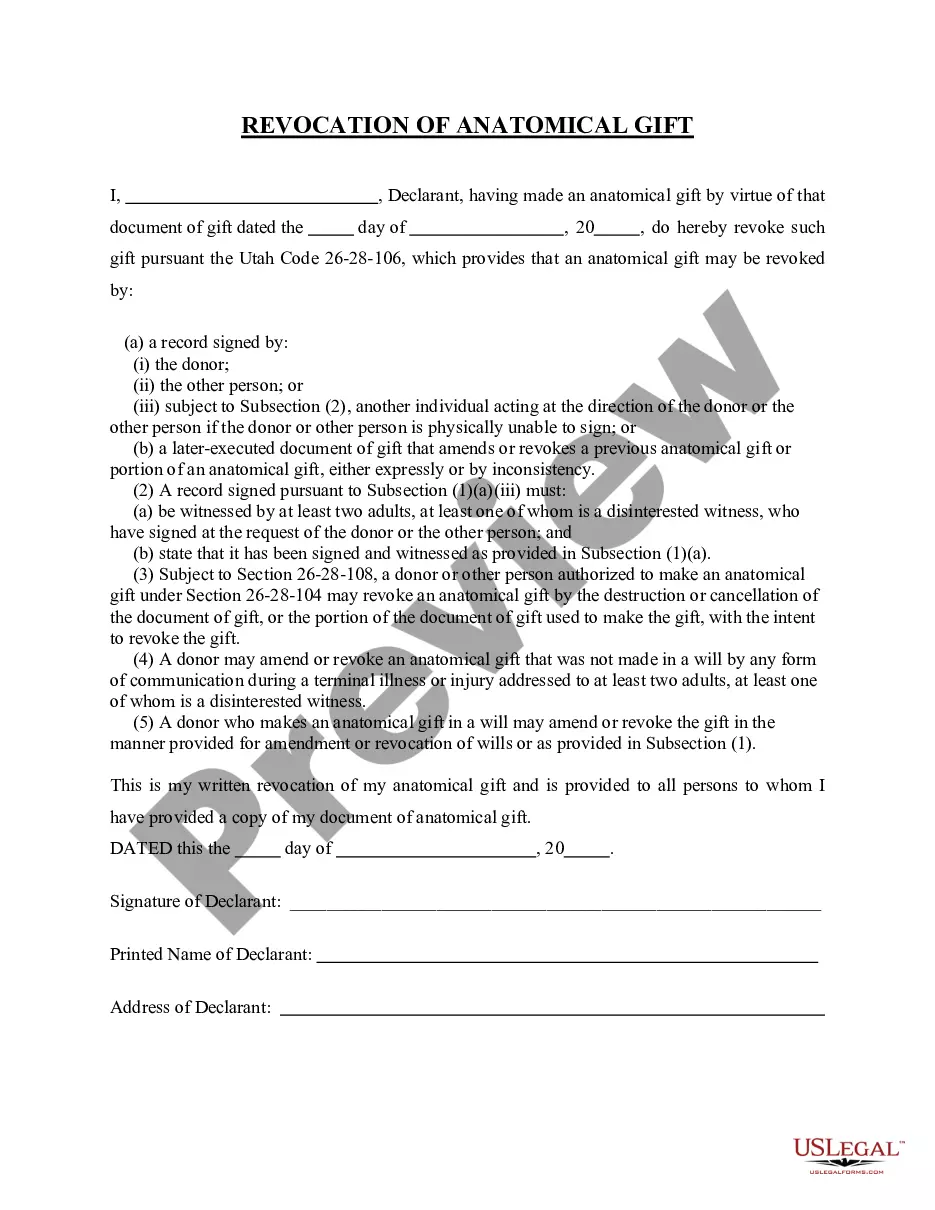
Minnesota Rights and Duties of Self Represented Parties are rights and duties that are granted to individuals who are representing themselves in a court of law. This includes the right to act as their own attorney in court proceedings, the right to speak for themselves, and the right to provide evidence and testimony in their own defense. Individuals also have the duty to follow the rules of the court, to be honest and trustworthy in their representation of themselves, and to comply with all applicable laws. There are three types of Minnesota Rights and Duties of Self Represented Parties: Civil Rights, Family Rights, and Criminal Rights. Civil Rights include the right to a fair and speedy trial, the right to present evidence and to argue at trial, the right to confidentiality, and the right to appeal a court decision. Family Rights include the right to file for divorce, the right to draft and present a parenting plan, the right to participate in mediation, and the right to request a modification of an existing court order. Criminal Rights include the right to a jury trial, the right to be informed about the charges against them, the right to question witnesses, and the right to be represented by an attorney.
Minnesota Rights and Duties of Self Represented Parties
Description
How to fill out Minnesota Rights And Duties Of Self Represented Parties?
How much duration and resources do you generally allocate for creating official documents.
There’s a better alternative to obtaining such documents than employing legal professionals or investing hours scouring the internet for an appropriate template.
Create an account and pay for your subscription. You can make a payment using your credit card or through PayPal - our service is entirely trustworthy for that.
Download your Minnesota Rights and Duties of Self Represented Parties to your device and complete it on a printed copy or digitally.
- US Legal Forms is the premier online repository that offers expertly crafted and validated state-specific legal paperwork for any purpose, including the Minnesota Rights and Duties of Self Represented Parties.
- To obtain and prepare an appropriate Minnesota Rights and Duties of Self Represented Parties template, follow these straightforward steps.
- Browse through the form content to ensure it meets your state’s standards. To do this, review the form description or utilize the Preview option.
- If your legal template does not fulfill your requirements, search for another using the tab at the top of the page.
- If you already have an account with us, Log In and download the Minnesota Rights and Duties of Self Represented Parties. If not, continue to the next steps.
- Click Buy now once you identify the correct form. Choose the subscription plan that best fits your needs to gain access to our library’s full capabilities.
Form popularity
FAQ
Rule 27 in Minnesota relates to depositions before action or pending appeal, allowing parties to take testimony from witnesses prior to a formal lawsuit. This rule is particularly useful for self-represented parties seeking to gather evidence before formal litigation begins. Understanding Rule 27 can complement your knowledge of the Minnesota Rights and Duties of Self Represented Parties, providing a comprehensive approach to case preparation.
Rule 33 in court refers to the procedure involving interrogatories during civil litigation. This rule allows one party to request crucial information from another party through formal questions. For self-represented individuals, leveraging Rule 33 can be an effective strategy to build their case in line with the Minnesota Rights and Duties of Self Represented Parties.
Common examples of Rule 33 include requests for clarification about facts, details surrounding an event, or identification of witnesses. These questions help establish a clearer understanding of the case and its elements. For self-represented parties, utilizing Rule 33 effectively can enhance their ability to present a strong argument in accordance with the Minnesota Rights and Duties of Self Represented Parties.
In Minnesota, Rule 33 specifically addresses the process and limitations surrounding interrogatories in civil litigation. It sets the standard for how many questions can be asked and the timeline for responses. For self-represented parties, understanding Rule 33 is vital, as it directly affects how they gather evidence and present their case.
Rule 33 of the Minnesota Rules of Civil Procedure governs the use of interrogatories in civil cases. This rule allows parties to submit written questions to the opposing party, which must be answered under oath. Familiarity with this rule helps self-represented parties navigate the complexities of their cases effectively under the framework of the Minnesota Rights and Duties of Self Represented Parties.
Yes, you can take someone to court and represent yourself, a process known as being a self-represented party. Many individuals choose this route to save on legal fees and maintain control over their case. However, it is important to understand your rights and duties under the Minnesota Rights and Duties of Self Represented Parties to ensure you follow proper procedures.
Federal Rule 33 pertains to interrogatories, which are written questions that one party sends to another in a lawsuit. This rule allows parties to gather information relevant to their case. Understanding this rule can be beneficial for individuals navigating the Minnesota Rights and Duties of Self Represented Parties, as it outlines how to effectively engage in the discovery process.