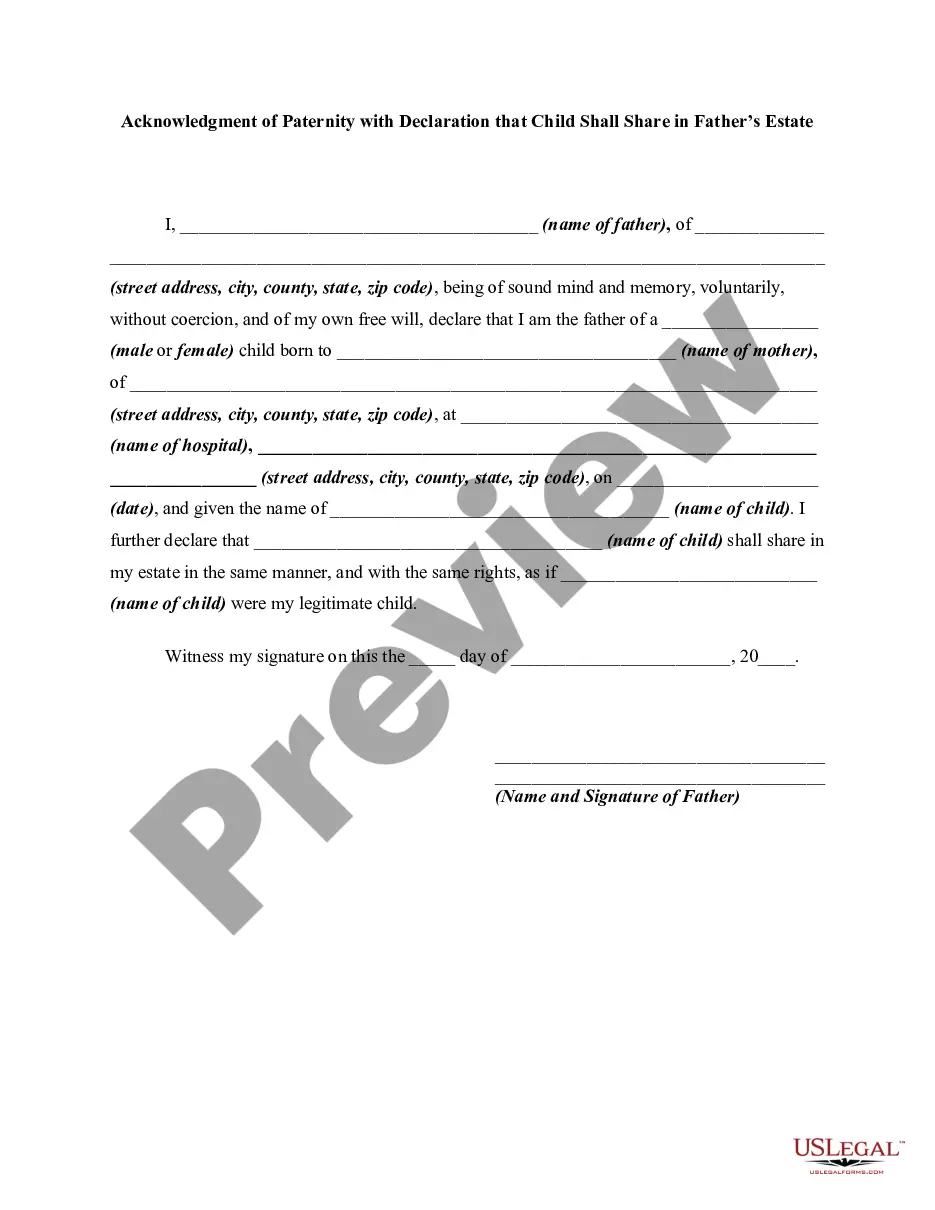
Utah Commercial Property Sales Package
Understanding this form package
The Utah Commercial Property Sales Package includes essential legal forms needed to facilitate the closing of a commercial real estate transaction in Utah. This package stands out by providing a comprehensive selection of specialized forms, making it a valuable resource for those involved in buying, selling, or exchanging commercial property. By using this package, you can save time and money compared to purchasing the forms individually.
Forms included in this package
- Utah Installments Fixed Rate Promissory Note Secured by Commercial Real Estate
- Addendum for Continued Marketing of Property by Seller due to Contingencies
- Environmental Assessment, Threatened or Endangered Species, And Wetlands Addendum
- Contract for the Sale and Purchase of Real Estate - No Broker - Commercial Lot or Land
- Exchange Addendum to Contract - Tax Free Exchange Section 1031
- Option For the Sale and Purchase of Real Estate - Commercial Lot or Land
- Option For the Sale and Purchase of Real Estate - Commercial Building
- Tax Free Exchange Agreement Section 1031
When to use this document
You may need the Utah Commercial Property Sales Package when:
- Selling or purchasing a commercial building or land without the involvement of a broker.
- Organizing a tax-free exchange under Section 1031 of the IRS code.
- Conducting environmental assessments related to endangered species or wetlands before closing a deal.
- Managing contingencies in your commercial property sale or purchase.
Who needs this form package
- Commercial property buyers and sellers.
- Real estate professionals seeking to facilitate transactions.
- Investors looking to engage in tax-free exchanges.
- Individuals managing environmental assessments in real estate deals.
Instructions for completing these forms
- Review all included forms to determine which are applicable to your transaction.
- Identify the parties involved and clearly enter their names and contact information.
- Enter specific property details, including addresses and legal descriptions.
- Specify terms such as purchase price, contingencies, and deadlines as needed.
- Ensure all required signatures and dates are included before finalizing.
Notarization guidance for this package
Some forms in this package need notarization to be legally binding. Our online notarization service, powered by Notarize, lets you verify and sign documents remotely through an encrypted video session, available 24/7.
Get your form ready online
Our built-in tools help you complete, sign, share, and store your documents in one place.
Make edits, fill in missing information, and update formatting in US Legal Forms—just like you would in MS Word.
Download a copy, print it, send it by email, or mail it via USPS—whatever works best for your next step.
Sign and collect signatures with our SignNow integration. Send to multiple recipients, set reminders, and more. Go Premium to unlock E-Sign.
If this form requires notarization, complete it online through a secure video call—no need to meet a notary in person or wait for an appointment.
We protect your documents and personal data by following strict security and privacy standards.

Make edits, fill in missing information, and update formatting in US Legal Forms—just like you would in MS Word.

Download a copy, print it, send it by email, or mail it via USPS—whatever works best for your next step.

Sign and collect signatures with our SignNow integration. Send to multiple recipients, set reminders, and more. Go Premium to unlock E-Sign.

If this form requires notarization, complete it online through a secure video call—no need to meet a notary in person or wait for an appointment.

We protect your documents and personal data by following strict security and privacy standards.
Avoid these common issues
- Failing to include all necessary signatures, which may invalidate the contract.
- Omitting important details about the property or the transaction terms.
- Using outdated forms that don't reflect current legal standards.
- Not consulting legal counsel when making significant changes to the forms.
Why use this package online
- Convenient access to forms that can be downloaded and completed at your own pace.
- Editability of forms allows for easy customization to fit your unique needs.
- Reliability, knowing that the forms are drafted by licensed attorneys familiar with Utah law.
- Cost savings of up to 30% compared to purchasing forms separately.
Looking for another form?


Form popularity
FAQ
Know Your Needs. The first step in an effective negotiation is to have a firm grasp on what you need out of the lease or sale. Set Budget Beforehand. Now that you have a general idea of what you're looking for, it's time to set a budget. Due Diligence. Making an Offer. Treat All Parties With Respect.
An introduction paragraph: a brief sentence or two stating what the letter's purpose is. Involved parties, including the buyer's and seller's names and contact information. A property description, including the address and possibly the legal description.
Learn how to recognize value. One important lesson every investor should learn early on in their career is that not all commercial properties are created equal. Look for motivated sellers. Get Online.
LoopNet. LoopNet is one of the most recognized CRE search engines and offers a number of different types of commercial property including office, multifamily, industrial, retail, land, agricultural, hotel & motel, and residential income properties.
One of the common methods used to evaluate a commercial property is to compare its capitalization rate (also known as cap rate) to that of similar properties. This is calculated by dividing the property's sale price by the net operating income.
If you want to know what homes are on the market in any given city at any given time, hopping on Zillow can give you a good idea of what's out there. There really isn't an equivalent commercial platform. One site that includes a lot of commercial property listings is loopnet.com.
#1 Work with a Commercial Real Estate Broker. #2 Sell It Fast to an Investor (aka Cash Property Buyer) #3 Sell It By Owner Using a Professional Appraiser. Three Approaches to Commercial Property Appraisal. Create a Marketing Package. Where to Advertise Your Commercial Property.
The Person Liable for the Lease. Your Business Structure. How Long You Have Been in Business. The Nature of Your Business. Contact Information. Your Proposed Terms (or, Counter Offer) The Length of the Lease. Condition of the Property.
Figure Out Your Goal for the Project. Create a Property Level Financial Model for the Deal. Create a Model Based on Your Proposed Deal Structure With Your Investor. Adjust Your Proposed Structure So That the Deal Would Make Sense for You to Do.