Minnesota Revocation of Living Trust

Understanding this form
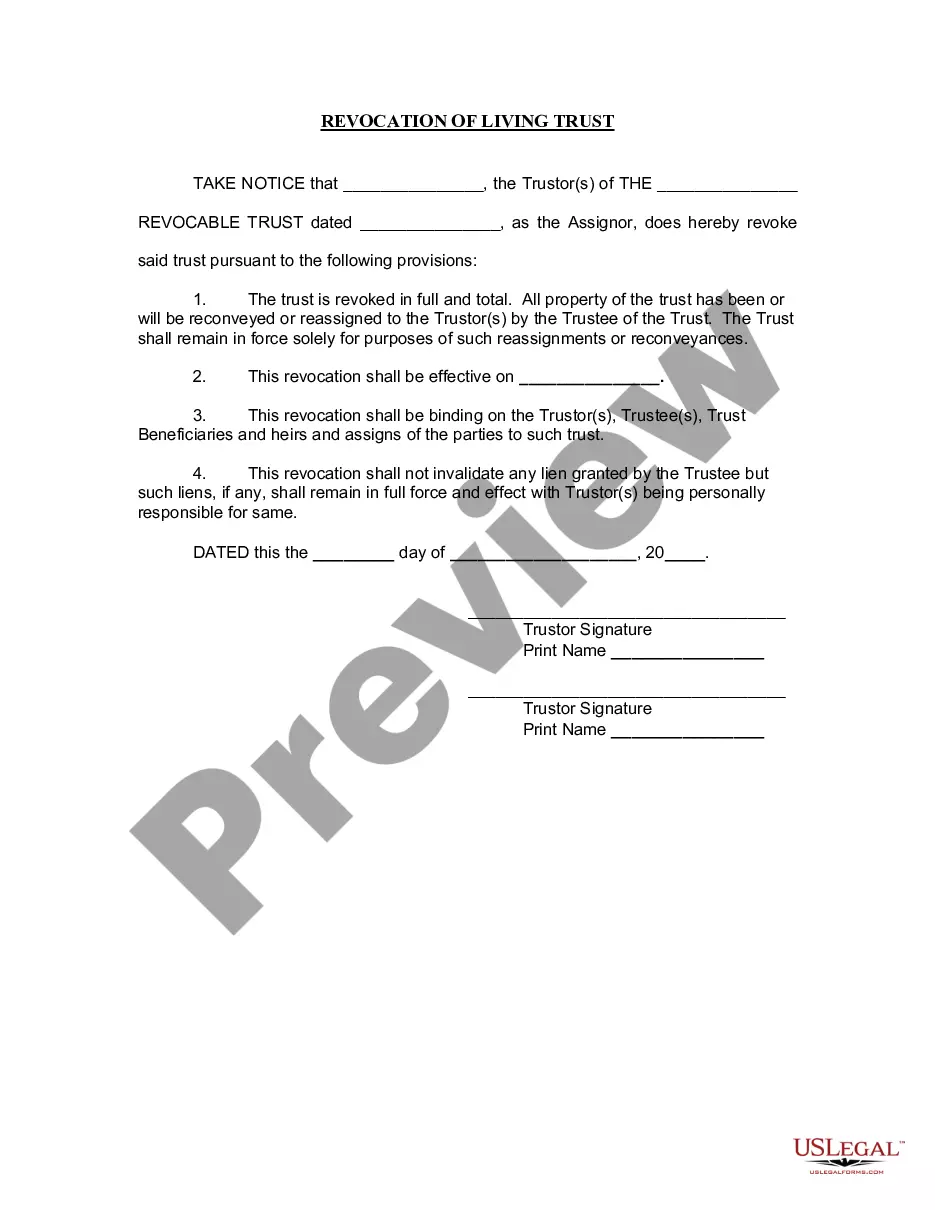
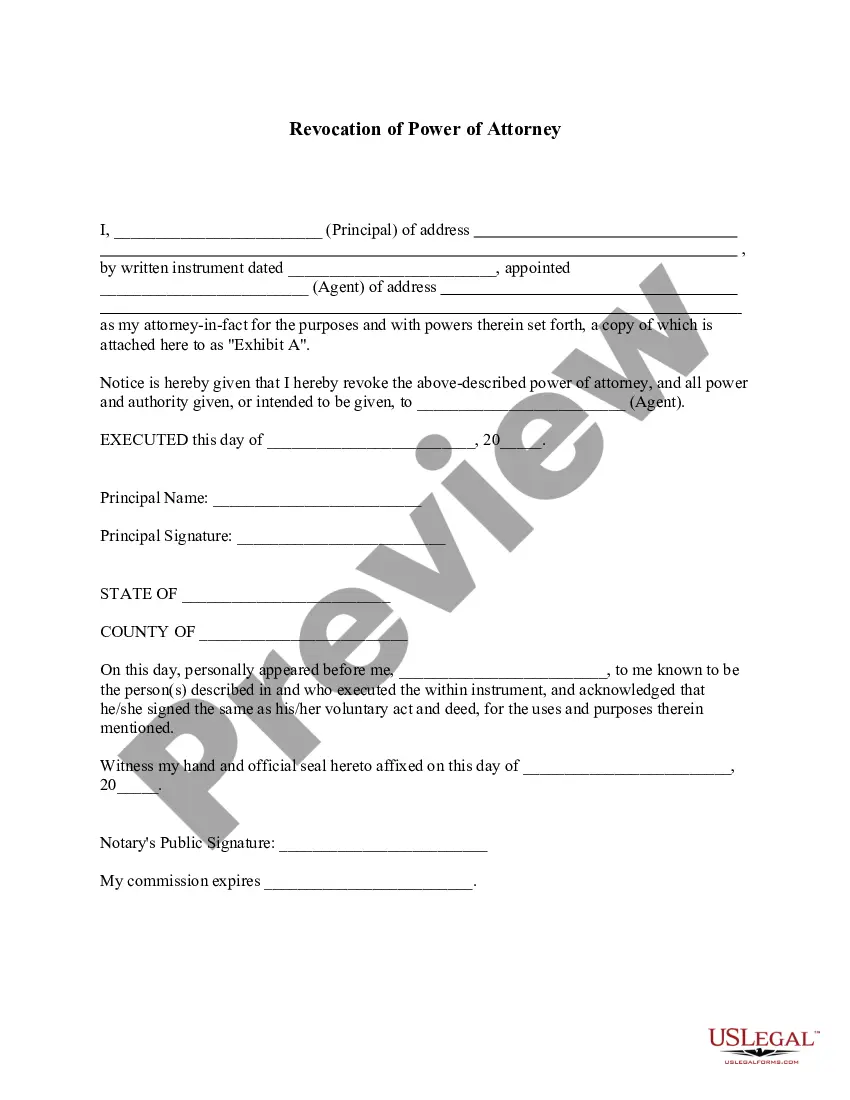
The Revocation of Living Trust form is a legal document used to declare the total revocation of a living trust established during the trustor's lifetime. This form allows the trustor to reclaim their assets and property from the trust, effectively canceling it for estate planning purposes. Unlike other estate planning documents, this form specifically addresses the termination of a living trust, making it essential for those who decide to dissolve their trust arrangements.
Form components explained
- Trustor(s) Information: Names and details of the individuals revoking the trust.
- Trust Name: The name of the living trust being revoked.
- Effective Date: The date on which the revocation becomes official.
- Signature Lines: Areas for trustors to sign, confirming the revocation.
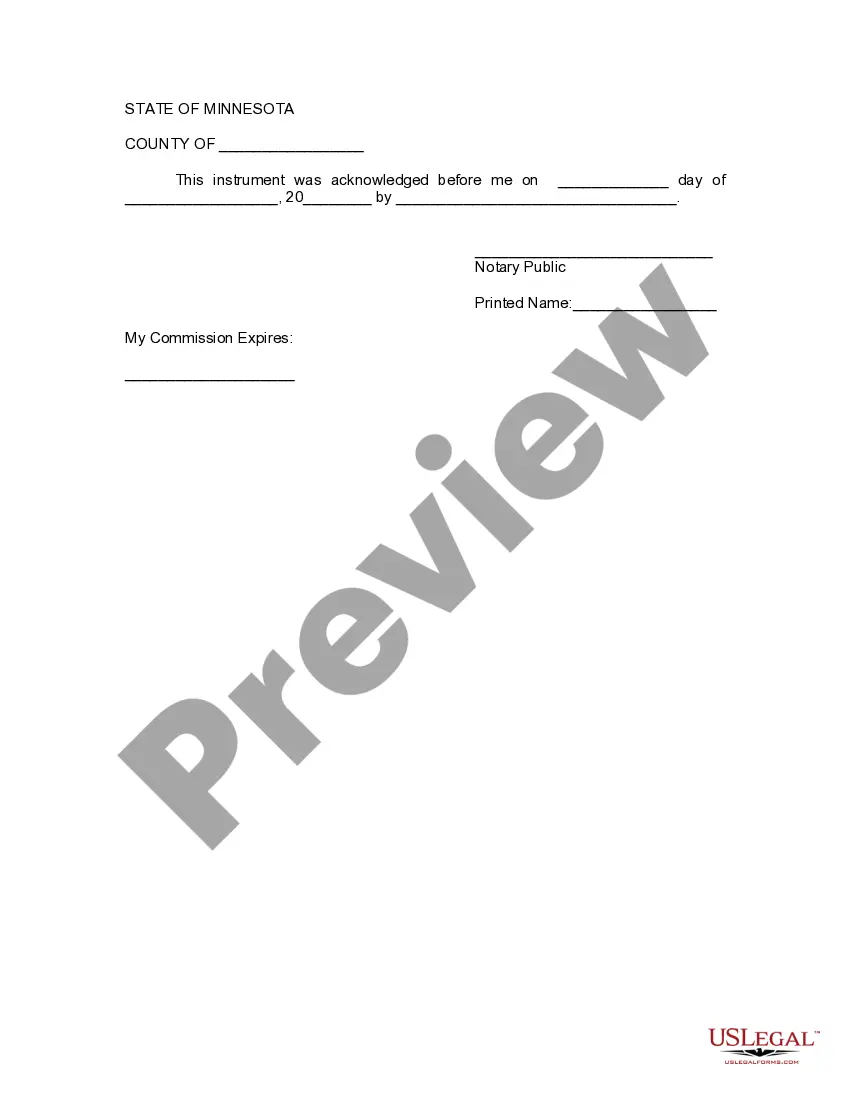
- Notary Acknowledgement: Section for notarization, validating the signatures.

When this form is needed
This form should be used when trustors decide that they no longer wish to maintain their living trust, whether due to changes in personal circumstances, estate planning goals, or a review of their overall financial strategy. Scenarios for its use include divorce, changes in beneficiaries, or the death of a trustee or beneficiary. By revoking the trust, trustors can ensure that their assets are correctly reassigned to their control.
Who needs this form
- Individuals who currently hold a living trust and wish to revoke it.
- Trustors who have undergone significant life changes impacting their estate plans.
- Individuals seeking to consolidate their estate planning documents.
Completing this form step by step
- Identify the trustor(s) by entering their full names in the designated section.
- Specify the name of the living trust being revoked to avoid confusion.
- Enter the effective date when the revocation will take effect.
- Ensure both trustors sign the document in the signature lines provided.
- Have the document notarized to confirm its authenticity.
Does this document require notarization?
Yes, this form must be notarized to be legally valid. Notarization ensures that the signatures are authentic and verifies the identity of the trustors. US Legal Forms provides an integrated online notarization service available 24/7 for your convenience, ensuring secure video calls and legal equivalence without the need for travel.
Get your form ready online
Our built-in tools help you complete, sign, share, and store your documents in one place.
Make edits, fill in missing information, and update formatting in US Legal Forms—just like you would in MS Word.
Download a copy, print it, send it by email, or mail it via USPS—whatever works best for your next step.
Sign and collect signatures with our SignNow integration. Send to multiple recipients, set reminders, and more. Go Premium to unlock E-Sign.
If this form requires notarization, complete it online through a secure video call—no need to meet a notary in person or wait for an appointment.
We protect your documents and personal data by following strict security and privacy standards.

Make edits, fill in missing information, and update formatting in US Legal Forms—just like you would in MS Word.

Download a copy, print it, send it by email, or mail it via USPS—whatever works best for your next step.

Sign and collect signatures with our SignNow integration. Send to multiple recipients, set reminders, and more. Go Premium to unlock E-Sign.

If this form requires notarization, complete it online through a secure video call—no need to meet a notary in person or wait for an appointment.

We protect your documents and personal data by following strict security and privacy standards.
Mistakes to watch out for
- Failing to sign the form, which renders it invalid.
- Not including the correct name of the trust being revoked.
- Leaving the effective date blank, which may create confusion.
Advantages of online completion
- Easy access to professionally drafted legal documents, saving time and effort.
- Edit and customize the form to fit specific needs conveniently.
- Ensure compliance with legal requirements by using up-to-date templates.
Quick recap
- The Revocation of Living Trust form is essential for formally revoking an existing living trust.
- Proper completion and notarization are crucial to ensure the documentâs validity.
- Understanding when to use this form can significantly influence effective estate planning.
Looking for another form?
Form popularity
FAQ
A trust revocation declaration is a formal document that clearly states your intention to revoke a trust. It typically includes your name, the name of the trust, and a statement that all powers and provisions of the trust are revoked. You can find examples and templates on USLegalForms to ensure compliance with the Minnesota Revocation of Living Trust requirements, making the process easier for you.
Revoking a revocable living trust involves a few straightforward steps. Start by reviewing the trust document for any specific revocation instructions. Next, prepare a written revocation statement and ensure that it is signed and witnessed according to your state's requirements. For a smooth experience, consider using USLegalForms to facilitate the Minnesota Revocation of Living Trust process with easy-to-use templates.
The procedure for the revocation of a trust generally includes several key steps. Initially, you need to check the trust agreement for specific revocation instructions. After that, create a declaration of revocation and sign it in front of a notary. Utilizing resources like USLegalForms can simplify the Minnesota Revocation of Living Trust procedure by providing you with essential templates and guidance.
To terminate a living trust, you typically need to follow a formal process that involves the trust's creator. First, review the trust document to ensure that you have the authority to revoke it. Then, create a written revocation document and notify all relevant parties, including beneficiaries. For assistance, you can use USLegalForms to access templates that guide you through the Minnesota Revocation of Living Trust process.
There are several reasons why someone might choose to revoke a trust. A common reason is a change in personal circumstances, such as marriage, divorce, or the birth of a child. Additionally, individuals may revoke a trust to update beneficiaries or adjust asset distributions based on new financial situations. For detailed assistance with the Minnesota revocation of living trust process, consider the tools provided by US Legal Forms.
Yes, a living trust can be revoked. In Minnesota, the revocation of a living trust allows the trust creator to reclaim assets and change their estate plans. This process typically involves notifying the trustee and documenting the revocation in writing. For tailored guidance, you can explore the resources available on the US Legal Forms platform.
To revoke a living trust, you need to create a formal revocation document that states your intent to dissolve the trust. Sign the document and notify all relevant parties, including beneficiaries and trustees. In Minnesota, following the correct legal procedures is essential for a smooth revocation process. For guidance, explore the US Legal Forms platform, which provides helpful templates for the Minnesota Revocation of Living Trust.
To dissolve a trust in Minnesota, you must first review the terms of the trust document. If the trust allows for revocation, gather the necessary paperwork and provide notice to all beneficiaries. It’s crucial to follow Minnesota laws regarding trust dissolution. For assistance, consider using the US Legal Forms platform, which offers resources tailored for the Minnesota Revocation of Living Trust.