Maine Answer to Complaint
Description
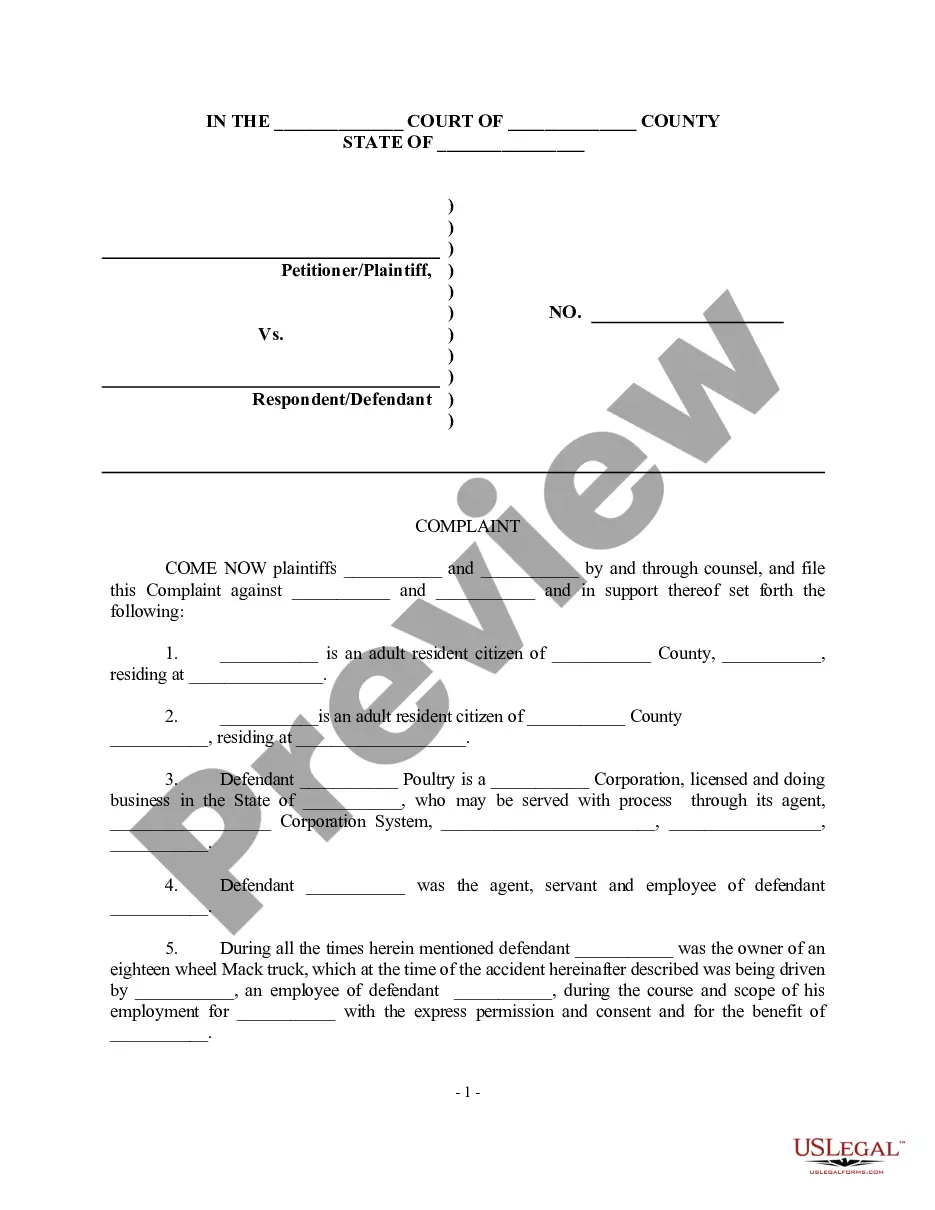
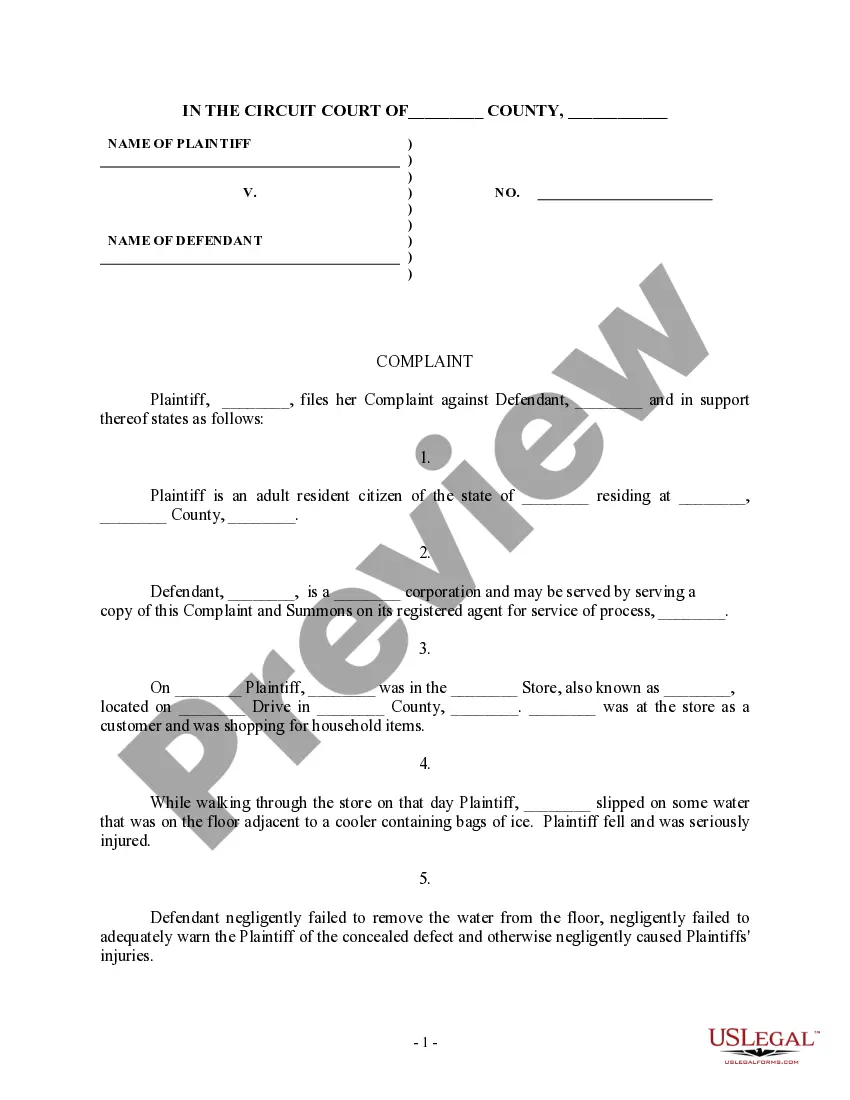
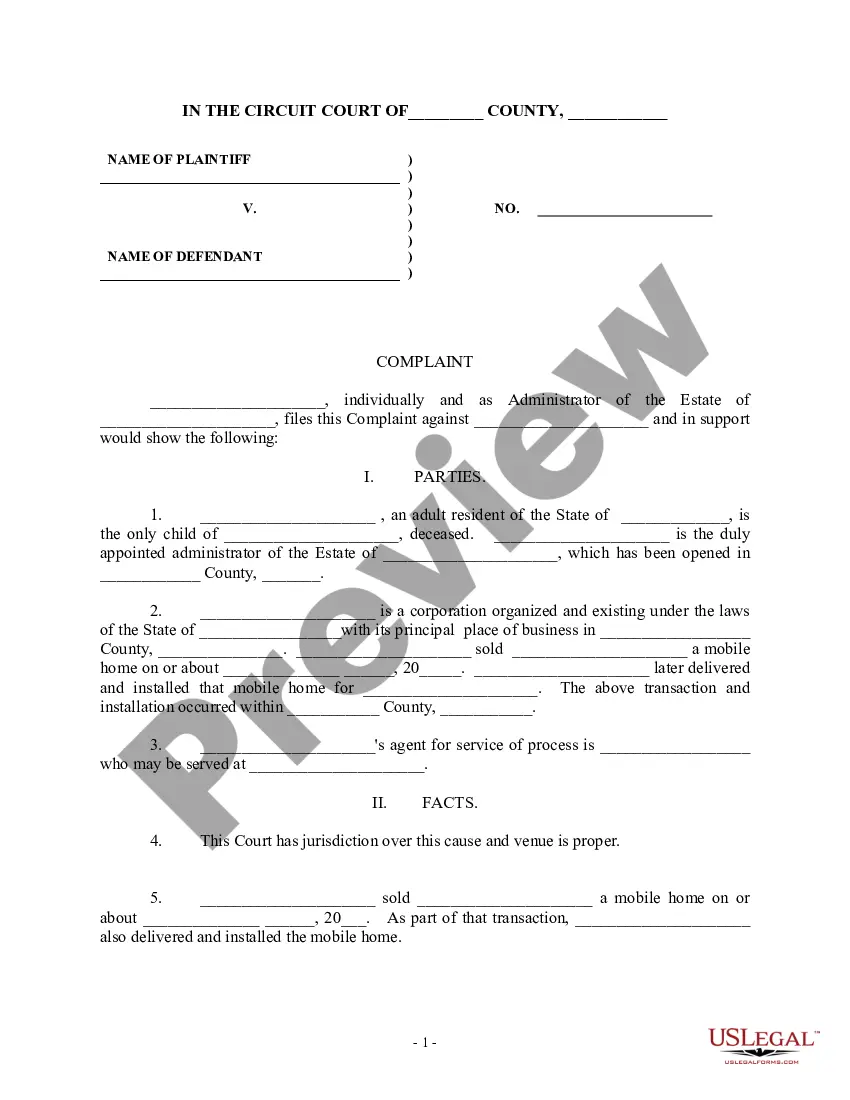

How to fill out Maine Answer To Complaint?
You are invited to the largest legal document repository, US Legal Forms.
Here you can acquire any template including Maine Response to Complaint formats and download them (as many as you wish). Create official documents in a few hours, rather than days or weeks, without spending a fortune on an attorney.
Obtain the state-specific template in just a few clicks and feel assured knowing that it was prepared by our certified legal experts.
To create an account, choose a pricing plan. Use a credit card or PayPal account to sign up. Save the document in the format you need (Word or PDF). Print the file and fill it out with your or your business’s details. After you’ve completed the Maine Response to Complaint, send it to your attorney for review. It’s an additional step but an essential one to ensure you’re fully protected. Join US Legal Forms today and access countless reusable templates.
- If you’re already a registered user, just Log In to your account and click Download next to the Maine Response to Complaint you need.
- Since US Legal Forms is online-based, you’ll typically have access to your saved documents, regardless of the device you’re using.
- View them in the My documents section.
- If you don't have an account yet, what are you waiting for? Follow our instructions below to get started.
- If this is a state-specific document, verify its relevance in your state.
- Review the description (if available) to determine if it’s the correct template.
- Explore more content with the Preview feature.
- If the template fulfills all of your criteria, click Buy Now.
Form popularity
FAQ
Read the summons and make sure you know the date you must answer by. Read the complaint carefully. Write your answer. Sign and date the answer. Make copies for the plaintiff and yourself. Mail a copy to the plaintiff. File your answer with the court by the date on the summons.
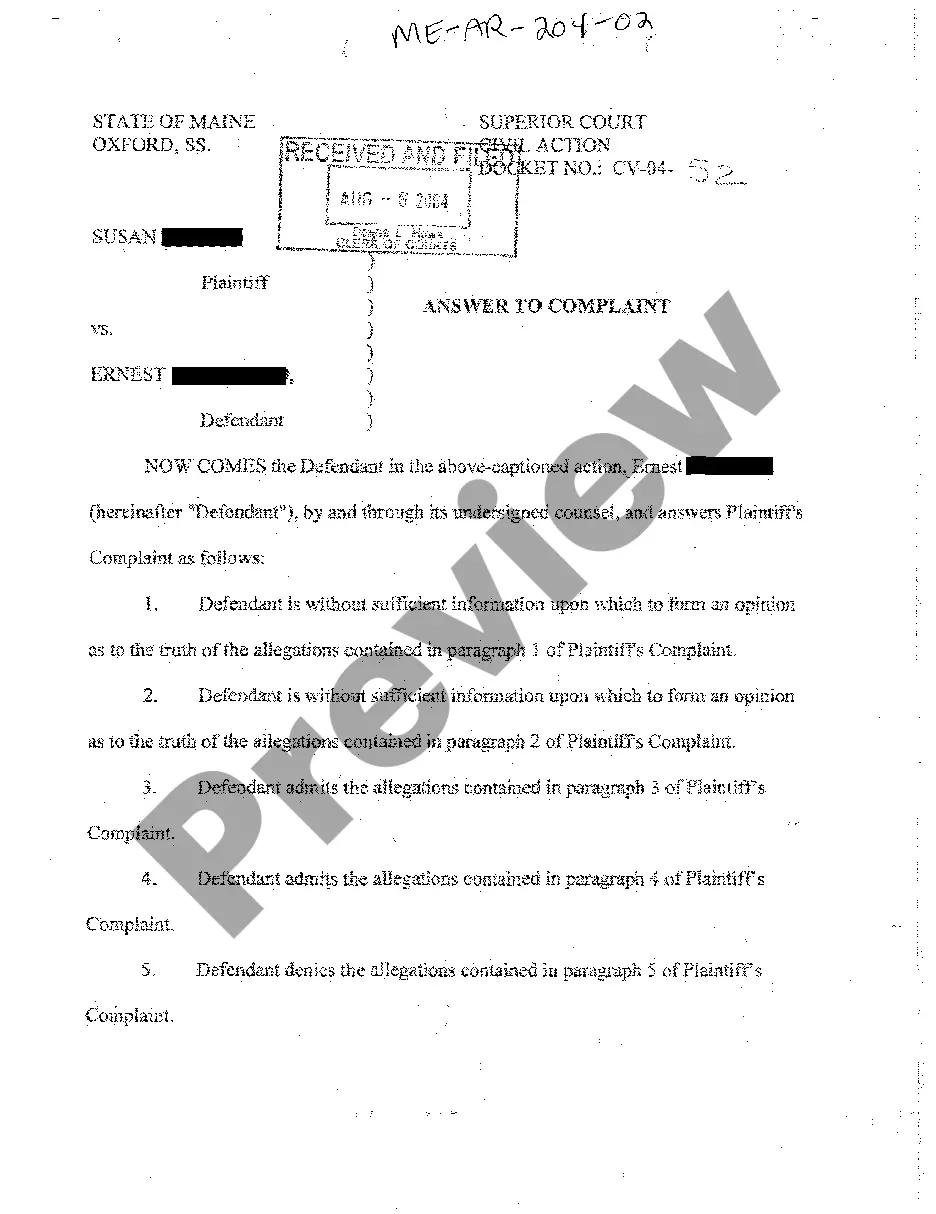
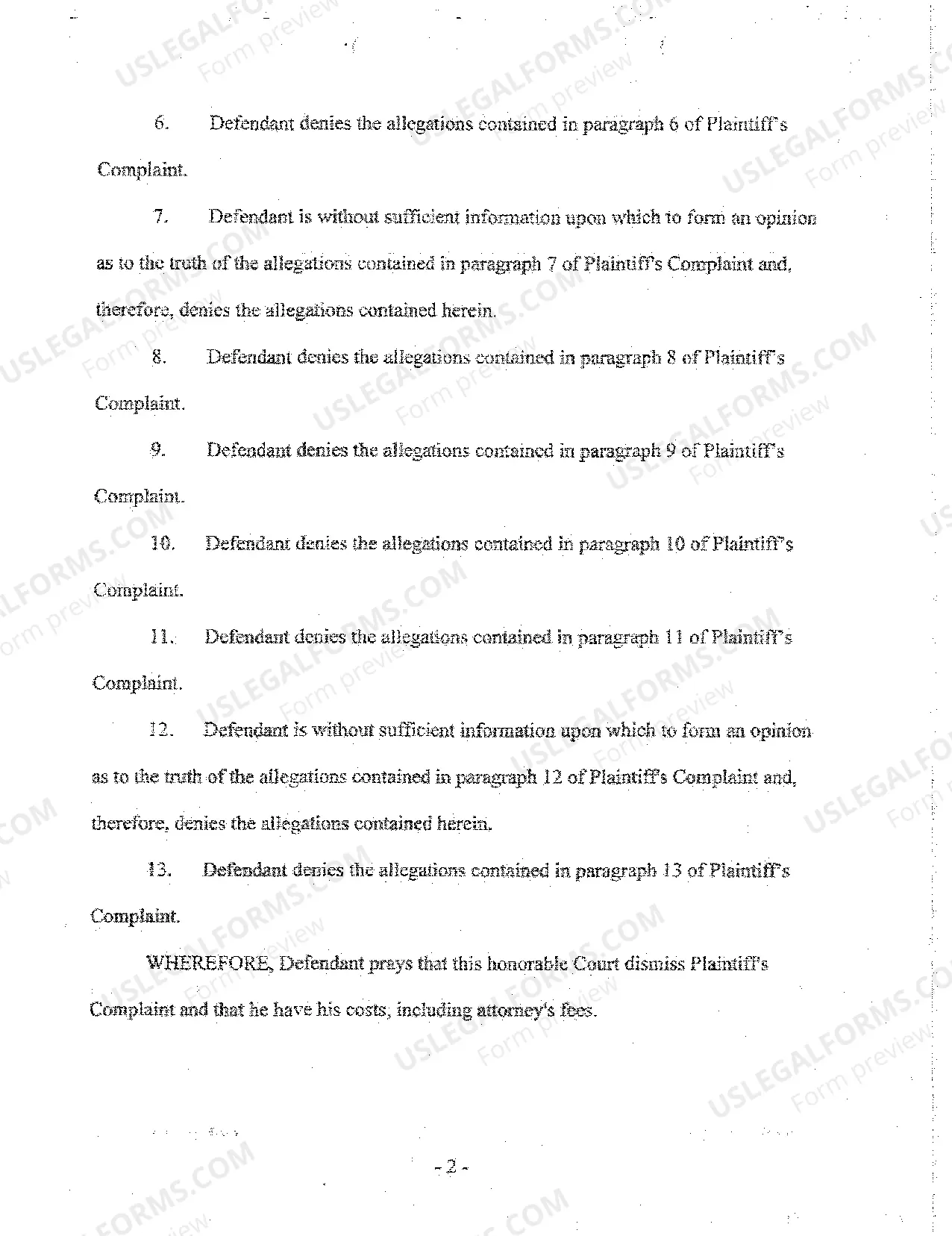
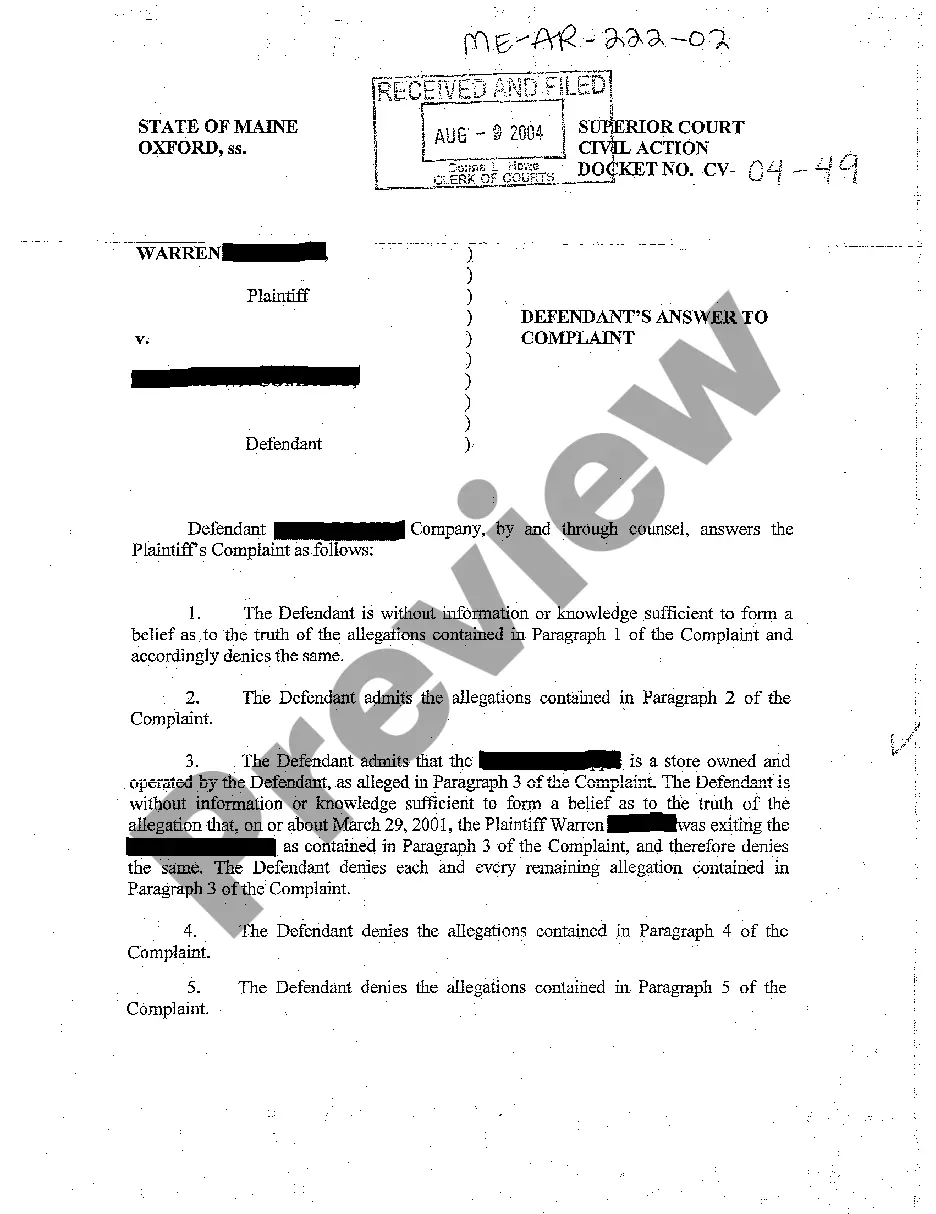
Your response to the complaint is called the answer. You should respond to each paragraph of the complaint matching your response to the exact number used in the complaint. Be very careful with the statement you make in your answer. These statements can become admissions of facts that could be used against you.
To start a case, you will need to complete a Statement of Claim (SC-001). You may download the fillable form from our Forms page, or obtain a free, blank fillable form from any district court clerk's office. See District Court locations.
Although it might be tempting to ignore a summons and complaint, ignoring a lawsuit does not make it go away. And it could result in the court awarding a money judgment against you by default. That can lead to your wages being garnished, your bank accounts attached, or your property being taken!
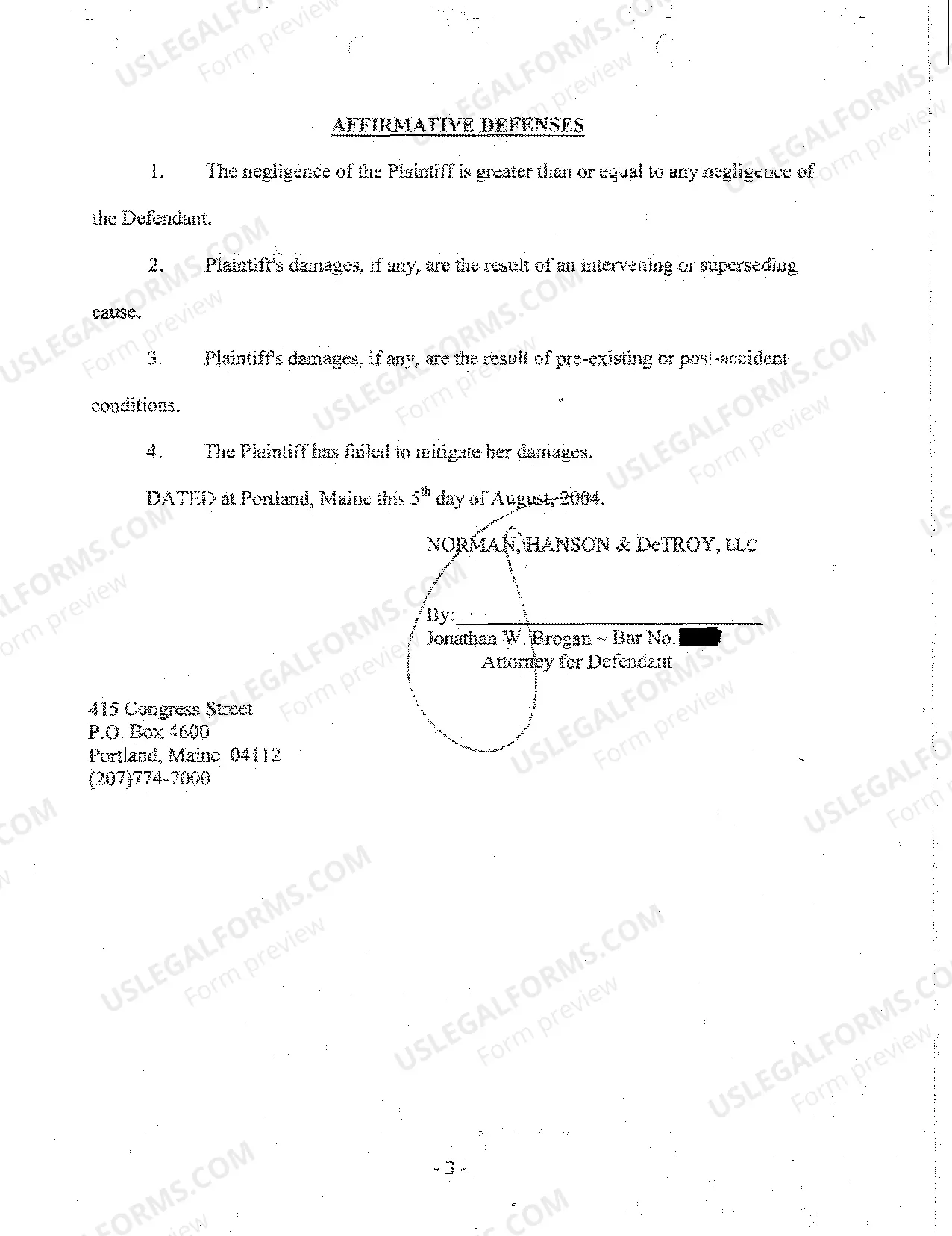
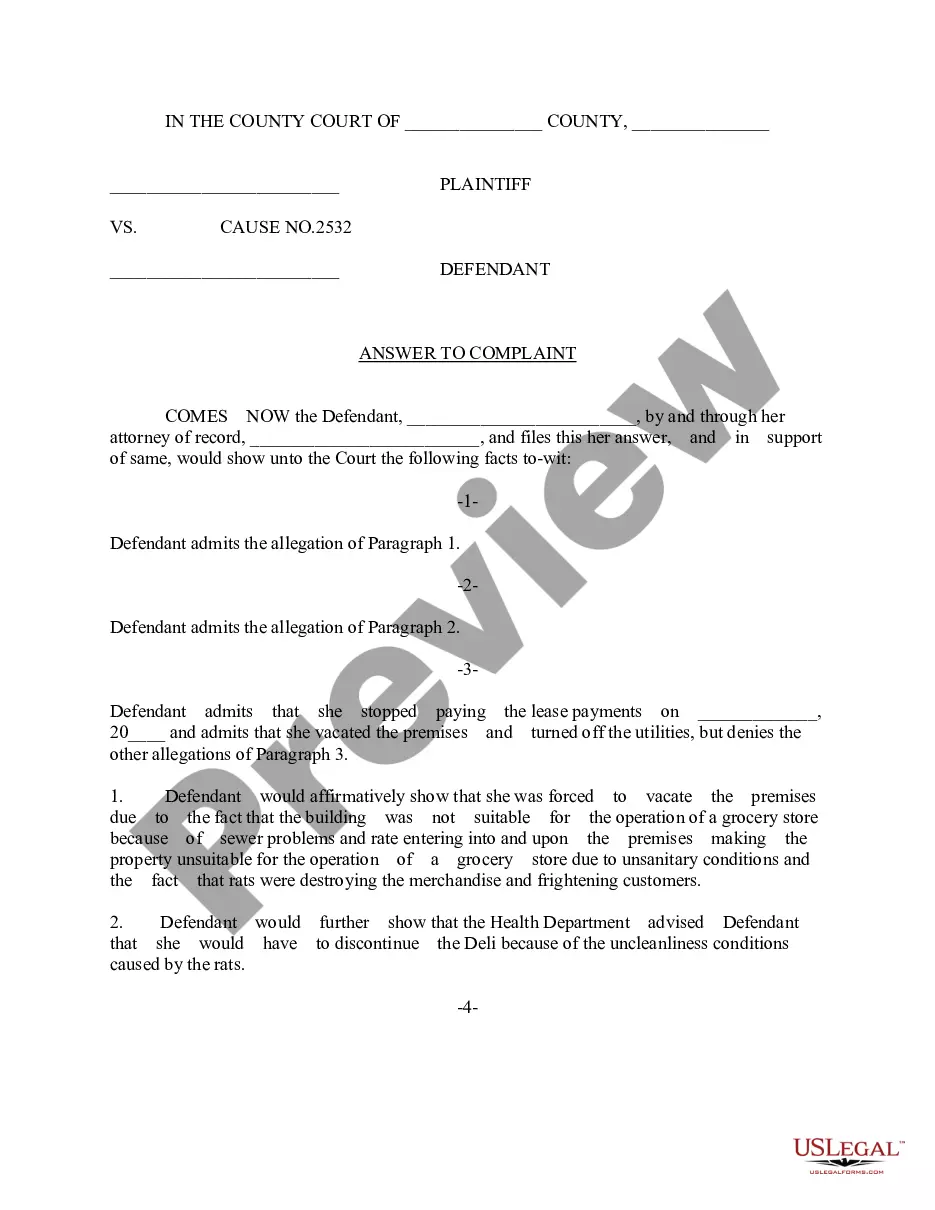
A defendant may respond in an answer that admits or denies each of the plaintiff's allegations in the complaint. The answer will list defenses and counter-claims or cross-claims against the plaintiff or other defendants. The answer will state whether the defendant wants a jury trial. The case will then continue.