Maryland Flooring Contract for Contractor
Understanding this form
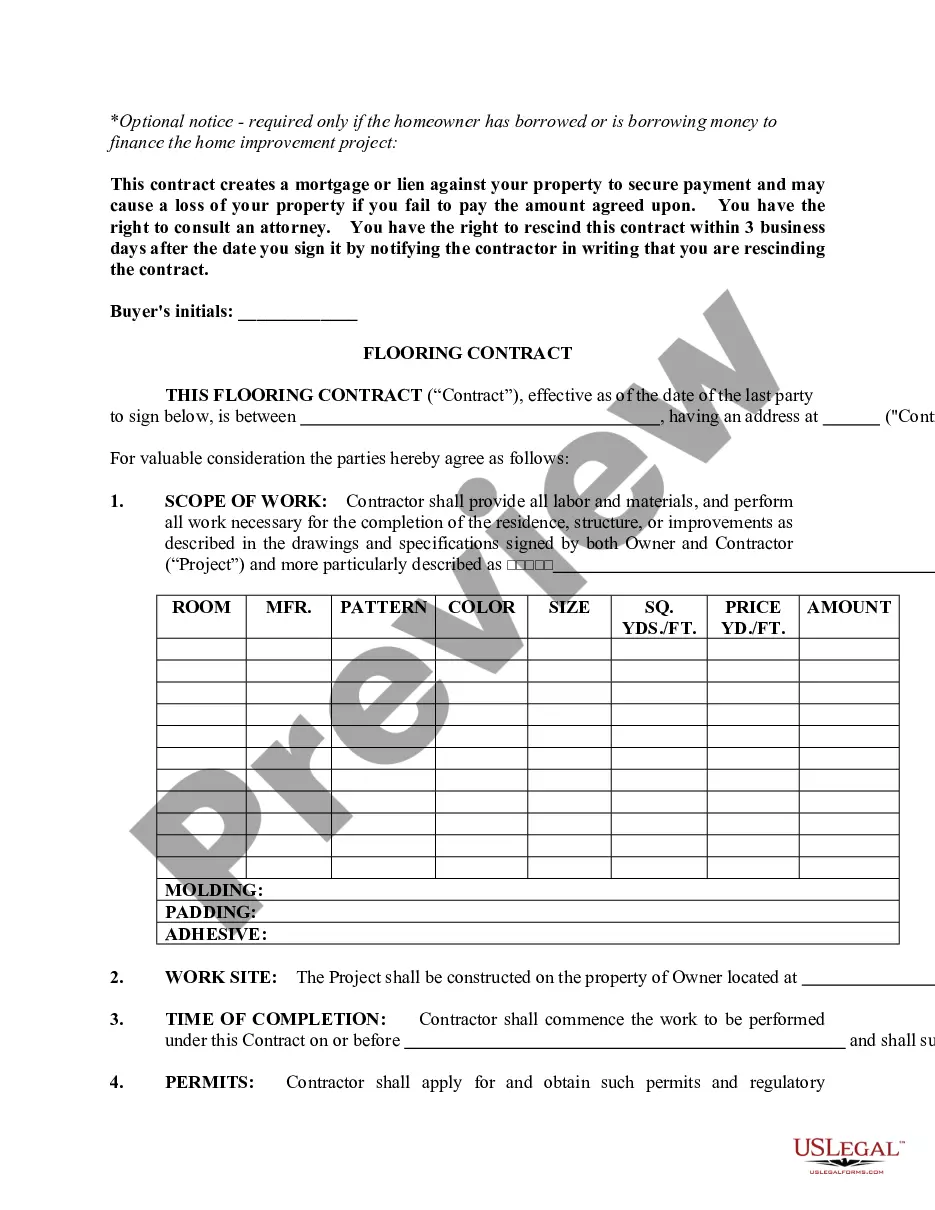
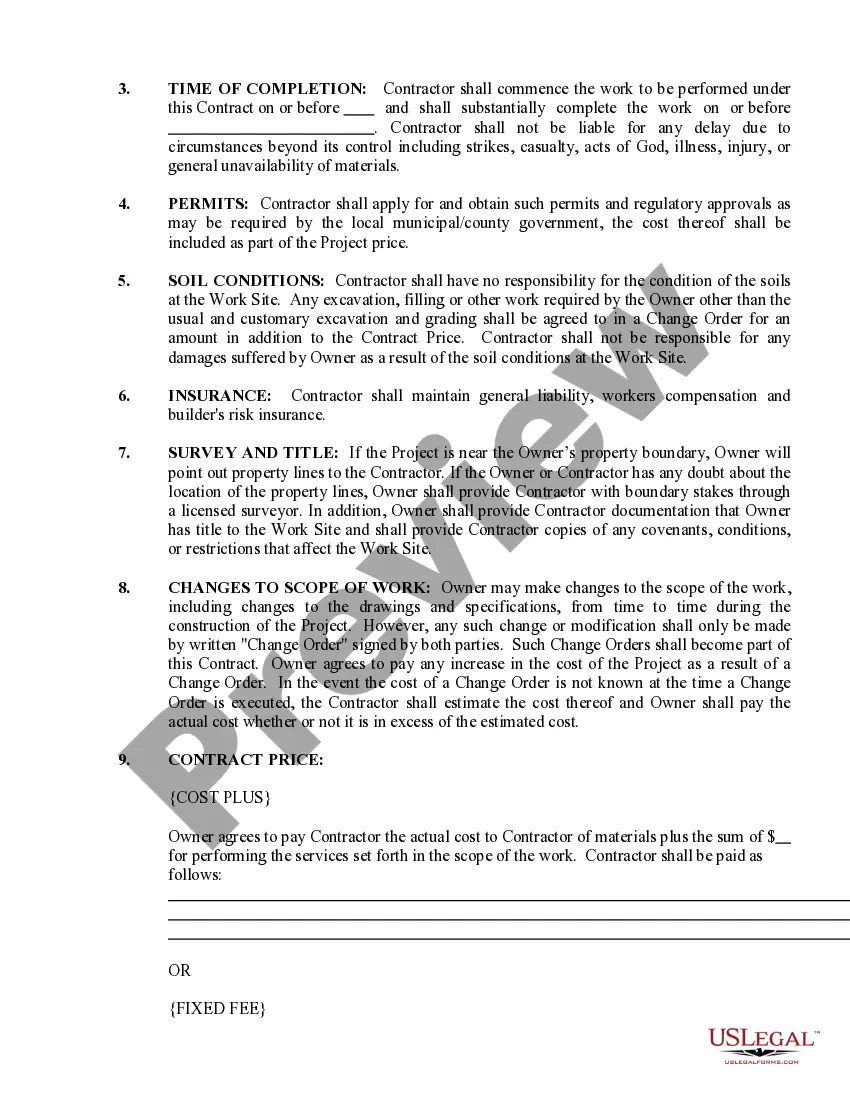
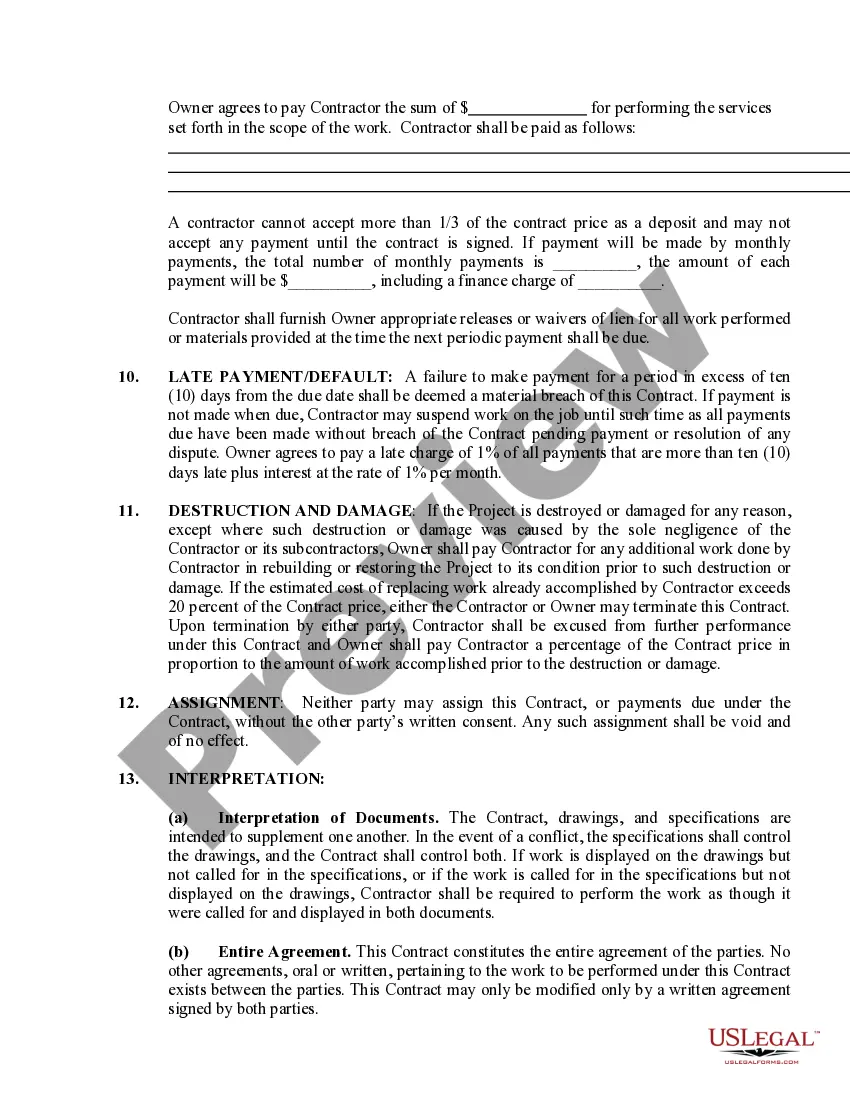
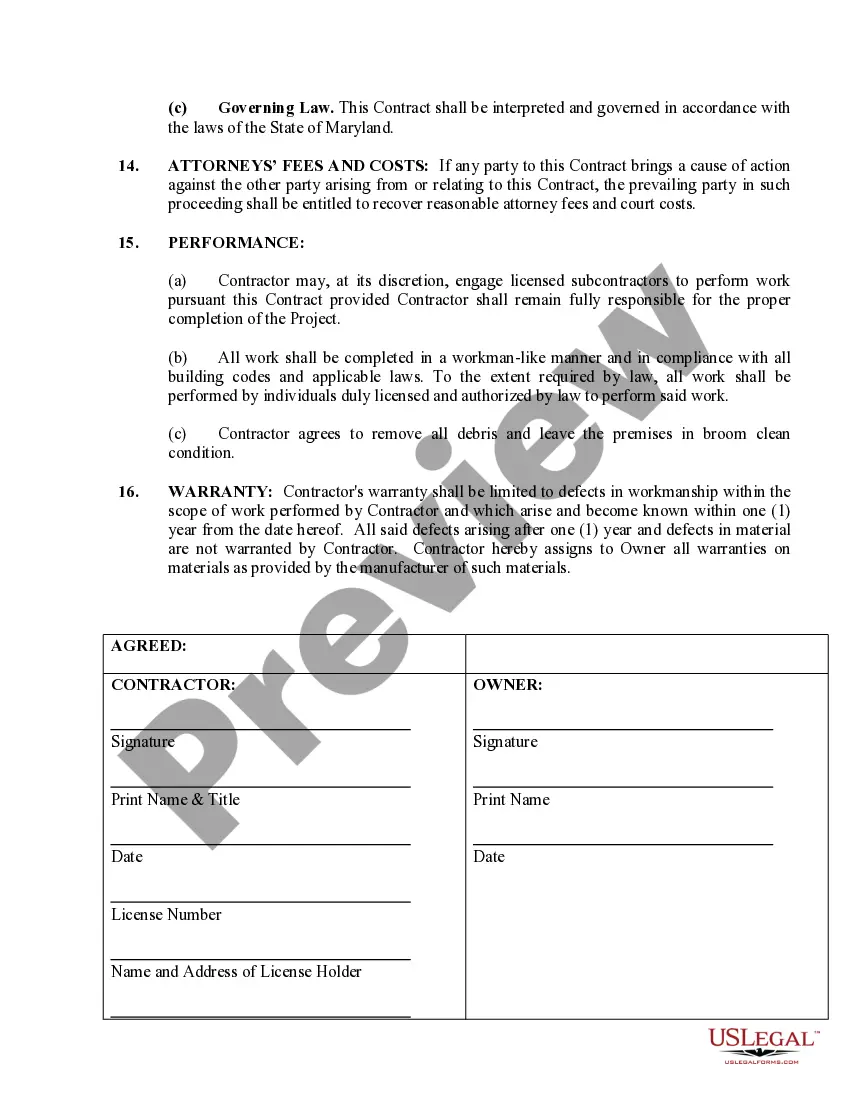
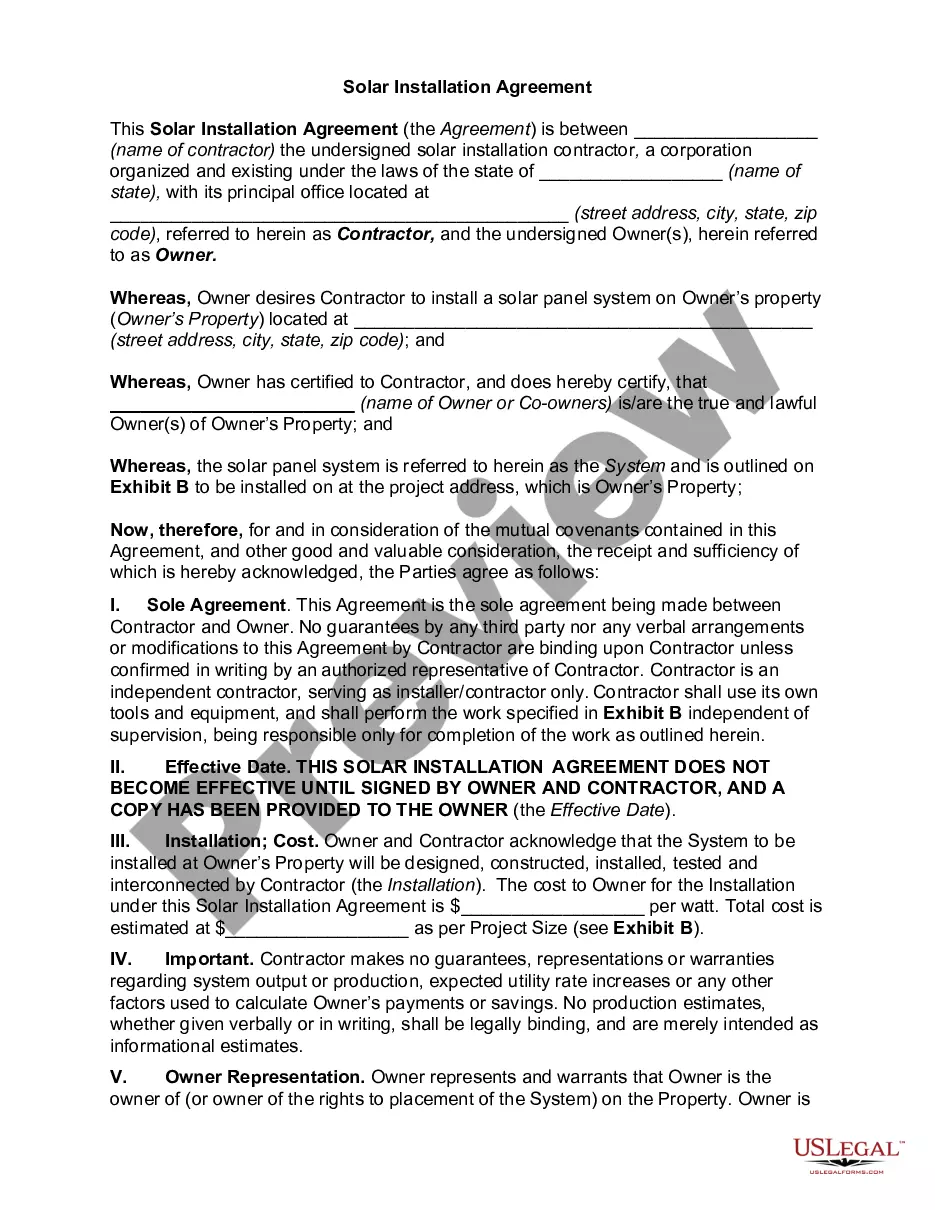
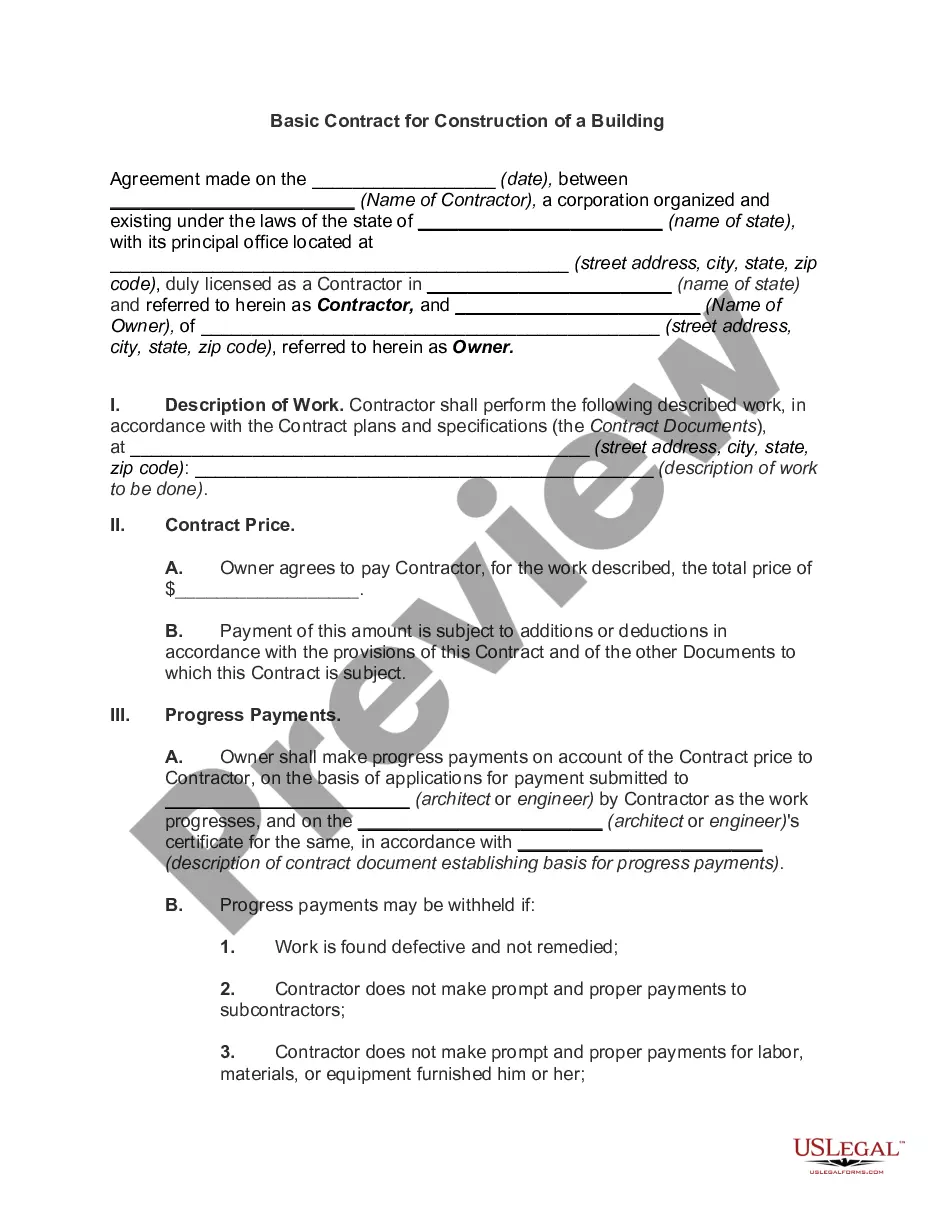
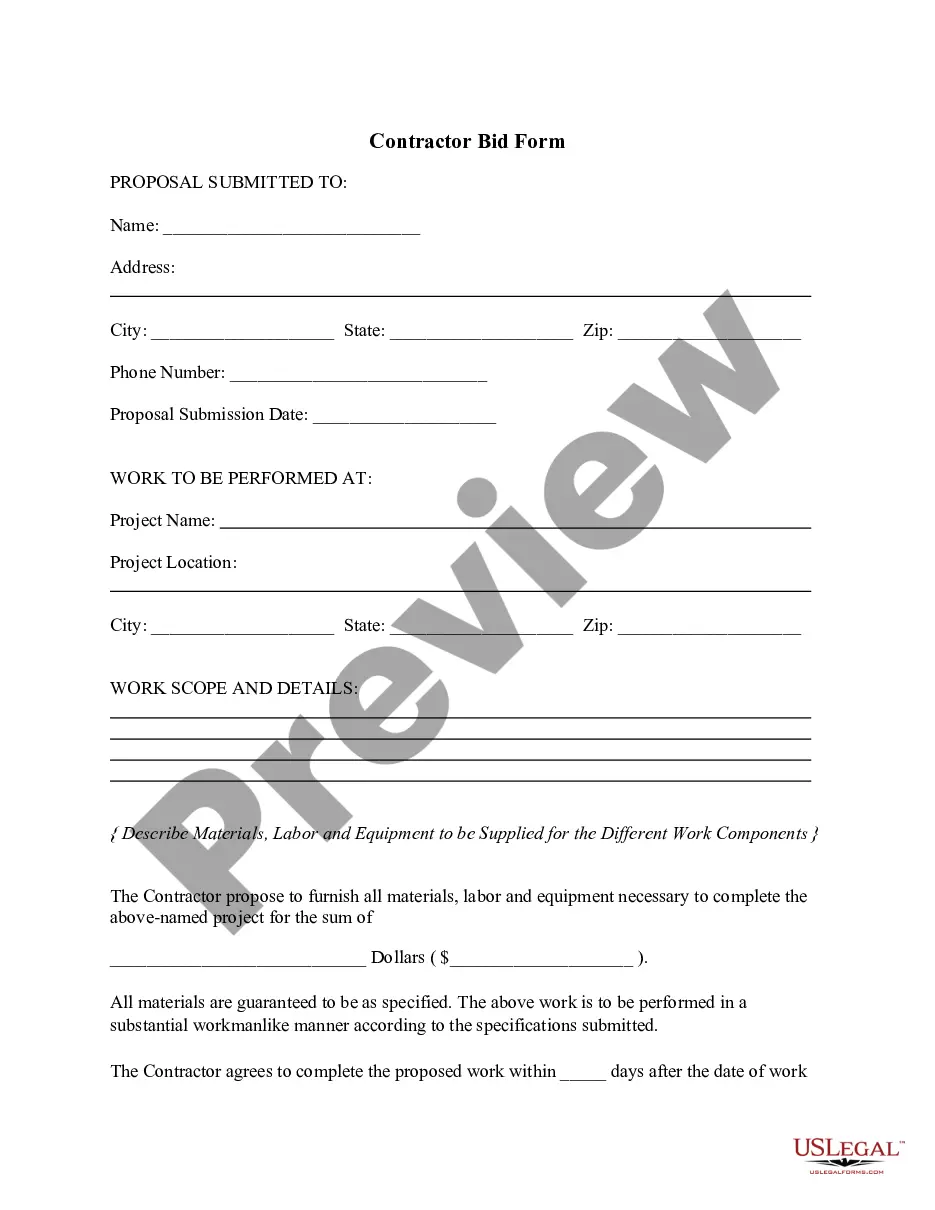
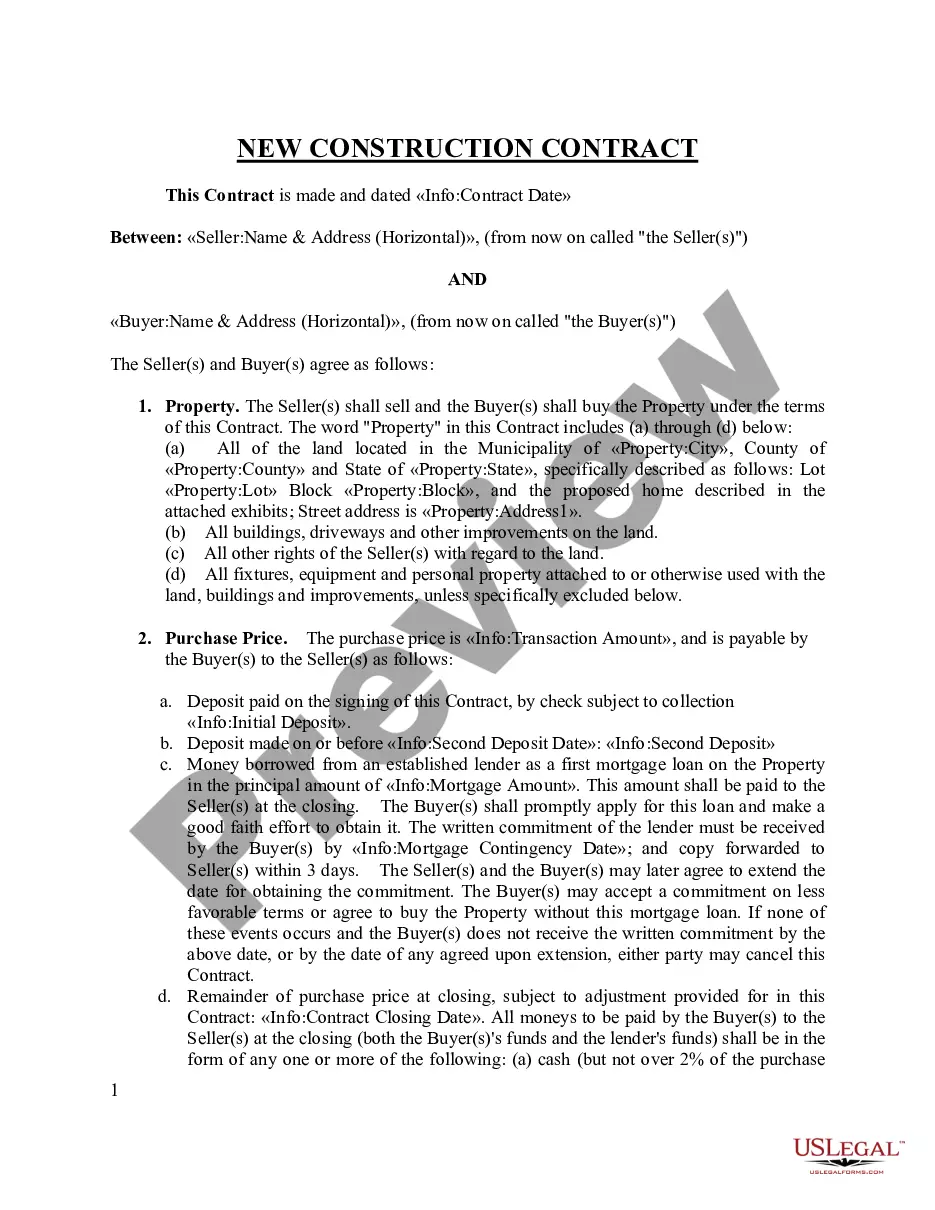
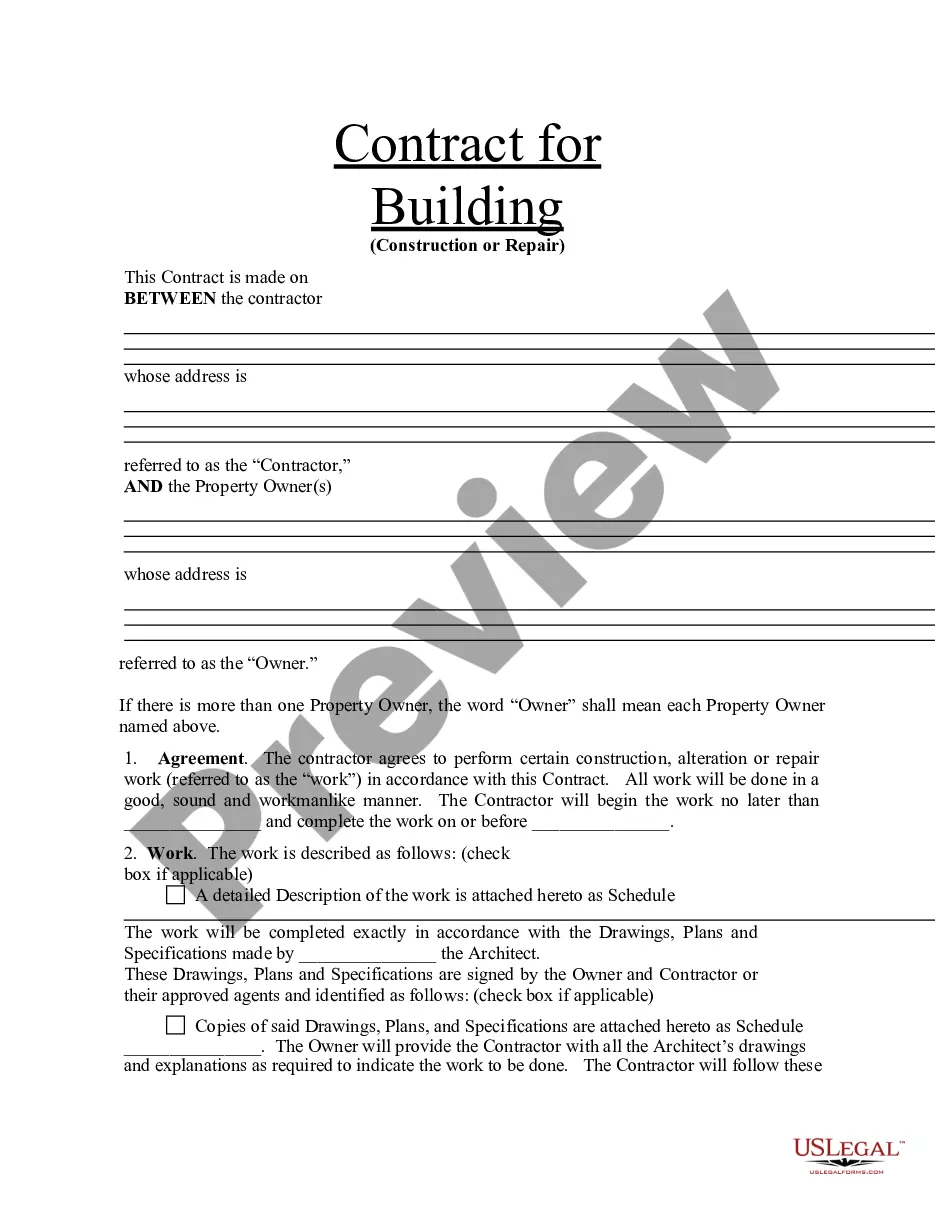
The Flooring Contract for Contractor is a legal agreement specifically designed for transactions between flooring contractors and property owners. This contract outlines the terms of a flooring project, including payment arrangements (either cost plus or fixed fee), and details important provisions such as change orders, work site obligations, warranty, and insurance requirements. Tailored to comply with Maryland laws, this form ensures clarity and protection for both parties involved in home flooring improvements.
What’s included in this form
- Payment structure: outlines cost plus or fixed fee arrangements.
- Change orders: procedures for modifying the scope of work and associated costs.
- Work site information: responsibilities concerning permits, soil conditions, and site access.
- Insurance requirements: stipulates necessary liability and workers compensation coverage.
- Late payment and default clauses: consequences of failing to make timely payments.
- Termination provisions: conditions under which the contract can be terminated.

When this form is needed
This form should be used when entering into a flooring project with a contractor. It is particularly useful when the work involves specific specifications and substantial obligations on both sides, ensuring that all parties have a clear understanding of their rights and responsibilities. Use this contract to formalize agreements on floor installation, repairs, or renovations, providing a legal framework to manage expectations and performance in Maryland.
Who needs this form
- Property owners hiring a flooring contractor for installations or renovations.
- Flooring contractors seeking a legally binding agreement with clients.
- Homeowners looking to protect their interests and ensure contractor compliance with project terms.
Completing this form step by step
- Identify the parties: Clearly state the names and contact information of both the property owner and the contractor.
- Specify the project details: Include a description of the flooring work, materials to be used, and timelines.
- Choose the payment arrangement: Decide between a cost plus or fixed fee structure and state this in the contract.
- Review and sign: Ensure both parties read the contract thoroughly before signing and dating it.
- Retain a copy: Make sure both parties keep signed copies for their records to ensure compliance.
Is notarization required?
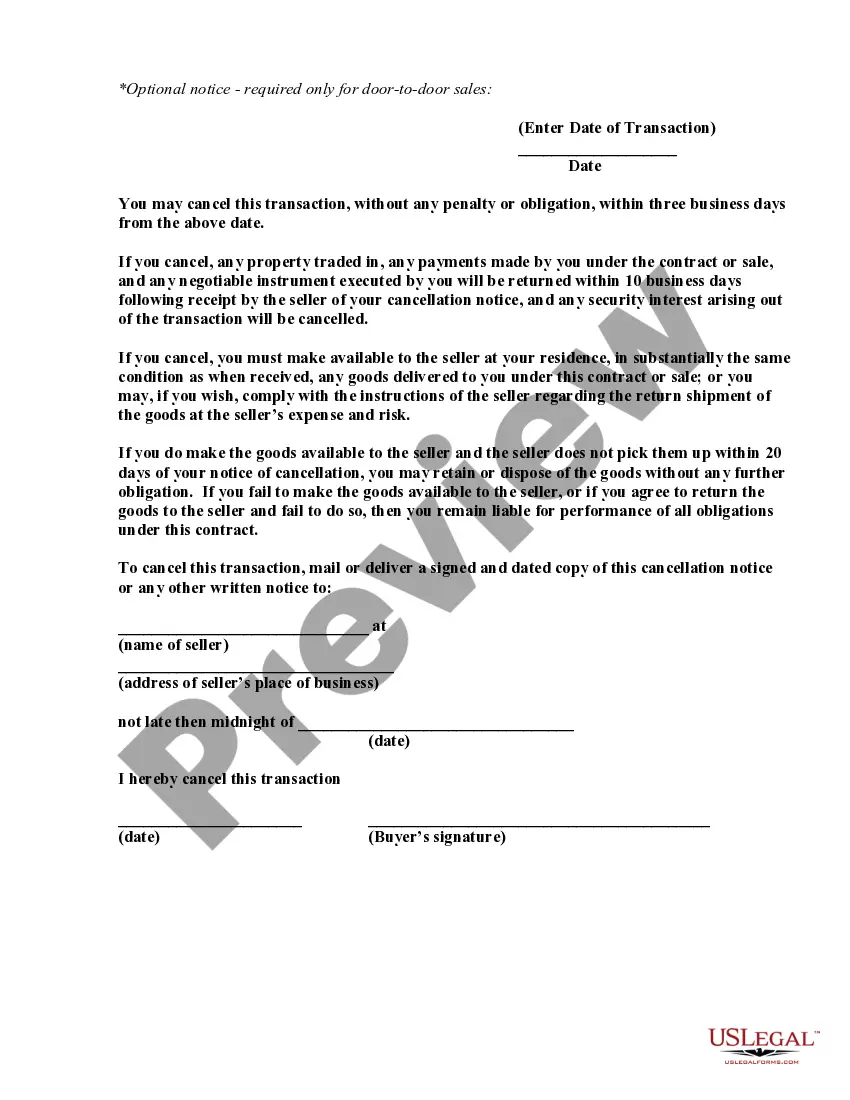
This form does not typically require notarization to be legally valid. However, some jurisdictions or document types may still require it. US Legal Forms provides secure online notarization powered by Notarize, available 24/7 for added convenience.
Get your form ready online
Our built-in tools help you complete, sign, share, and store your documents in one place.
Make edits, fill in missing information, and update formatting in US Legal Forms—just like you would in MS Word.
Download a copy, print it, send it by email, or mail it via USPS—whatever works best for your next step.
Sign and collect signatures with our SignNow integration. Send to multiple recipients, set reminders, and more. Go Premium to unlock E-Sign.
If this form requires notarization, complete it online through a secure video call—no need to meet a notary in person or wait for an appointment.
We protect your documents and personal data by following strict security and privacy standards.

Make edits, fill in missing information, and update formatting in US Legal Forms—just like you would in MS Word.

Download a copy, print it, send it by email, or mail it via USPS—whatever works best for your next step.

Sign and collect signatures with our SignNow integration. Send to multiple recipients, set reminders, and more. Go Premium to unlock E-Sign.

If this form requires notarization, complete it online through a secure video call—no need to meet a notary in person or wait for an appointment.

We protect your documents and personal data by following strict security and privacy standards.
Typical mistakes to avoid
- Failing to specify the payment terms clearly can lead to disputes.
- Not including enough detail about the scope of work may create misunderstandings.
- Overlooking the need for change order procedures can complicate project management.
- Not ensuring that both parties sign and date the contract invalidates the agreement.
Advantages of online completion
- Convenience: Download the form at any time from anywhere.
- Editability: Easily customize the form to meet your specific project needs.
- Legal reliability: Forms drafted by licensed attorneys ensure legal compliance.
- Immediate access: No waiting period, allowing projects to move forward swiftly.
Legal use & context
- This contract serves as a legally binding agreement that ensures transparency and accountability between property owners and contractors.
- It protects both parties against potential disputes through clear definitions of obligations and rights.
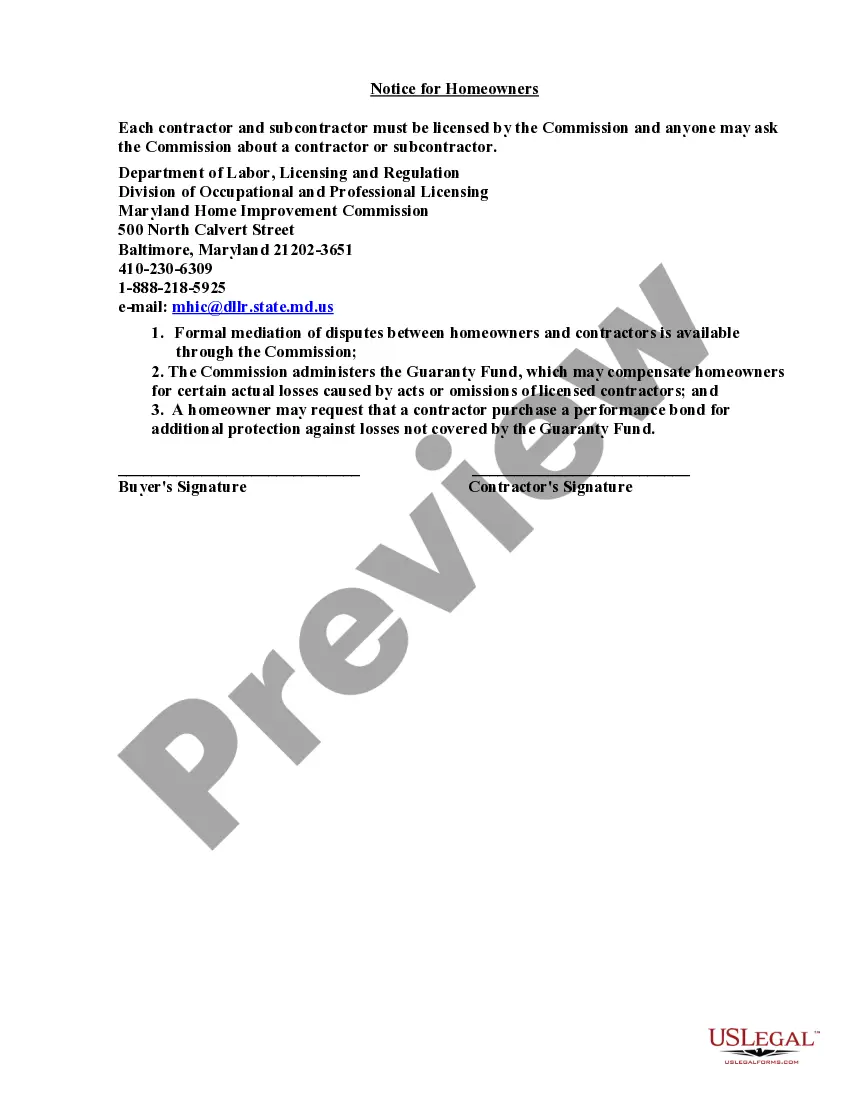
- In Maryland, such contracts must conform to state laws pertaining to contractor services and consumer protections.
Quick recap
- This form is essential for formalizing agreements in flooring projects.
- It provides protections for both property owners and contractors through clearly defined terms.
- The document is tailored to comply with Maryland laws, ensuring legal relevance and enforceability.
Looking for another form?
Form popularity
FAQ
In Maryland, general contractors do not need a license to perform work in the state. A license is only required if you wish to work on home improvement projects or do electrical, plumbing or HVACR work. The licensing process is handled by the Department of Labor, Licensing and Regulation (DLLR).
In Maryland, it is illegal to act as a home improvement contractor, subcontractor or salesperson without a valid license. Licenses are issued by the Maryland Home Improvement Commission (MHIC). To verify a license, call MHIC at 410.230. 6309 or check online at Public Search .
Timeframe or key milestones of the project; hours of work; deliverables of the project; and. way the business will pay the contractor for their services.
Identifying/Contact Information. Title and Description of the Project. Projected Timeline and Completion Date. Cost Estimate and Payment Schedule. Stop Work Clause and Stop Payment Clause. Act of God Clause. Change Order Agreement. Warranty.
Get it in writing. Keep it simple. Deal with the right person. Identify each party correctly. Spell out all of the details. Specify payment obligations. Agree on circumstances that terminate the contract. Agree on a way to resolve disputes.
Name of contractor and contact information. Name of homeowner and contact information. Describe property in legal terms. List attachments to the contract. The cost. Failure of homeowner to obtain financing. Description of the work and the completion date. Right to stop the project.
A handyman working in Maryland will need a Home Improvement license from the Department of Labor, Licensing and Regulation.You must show two years of experience in home improvement work and a certificate of insurance. You must also pass an exam that questions about business and law.
License Requirements All applicants must take and pass the licensing exam before they can apply for a license. Contact PSI Examinations. Contractors: Applicants for a contractor's license must provide proof of at least two years of experience in home improvement work, construction and/or related education.