Kansas Last Will and Testament Package

Overview of this form package
The Kansas Last Will and Testament Package provides essential legal documents to help you plan your estate effectively. This package includes a fully customizable Last Will and Testament tailored to your unique needs, along with other important forms such as an Estate Planning Questionnaire and Personal Planning Information Worksheets. Unlike generic options, our forms are crafted by licensed attorneys, ensuring they meet Kansas legal requirements and protect your interests after your passing.
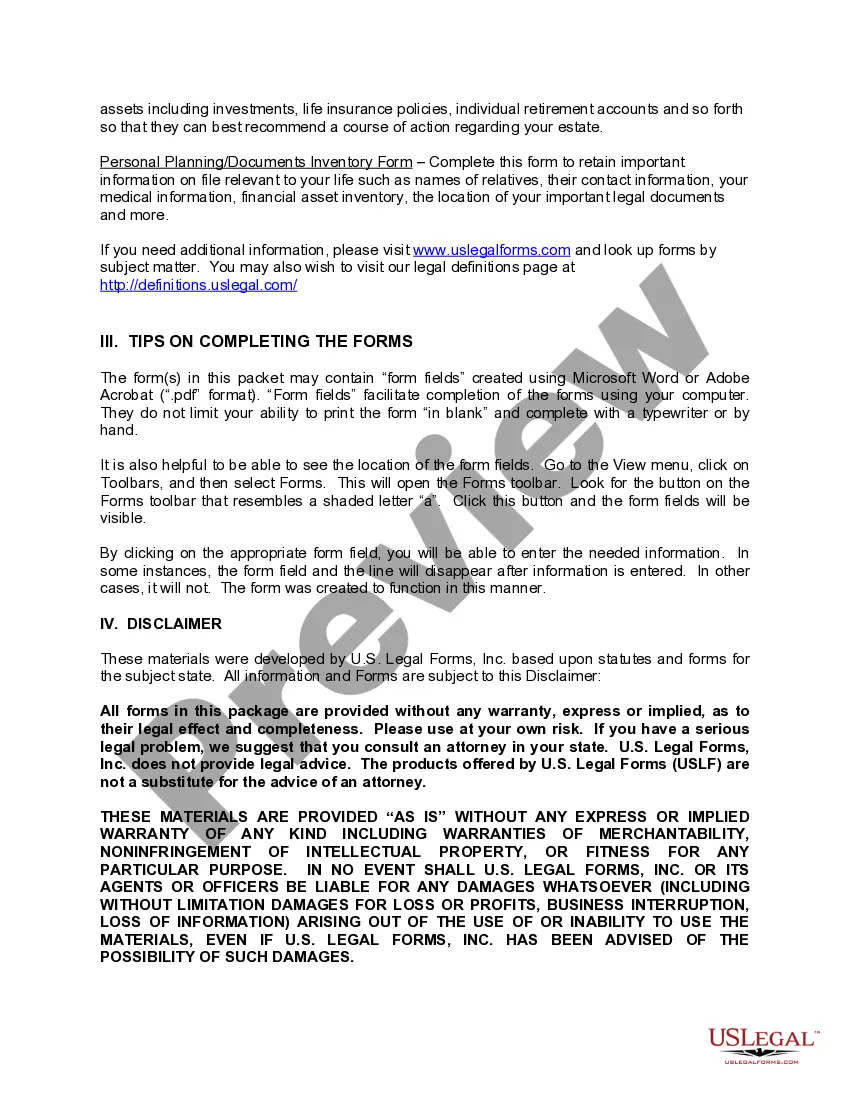
Forms you’ll find in this package

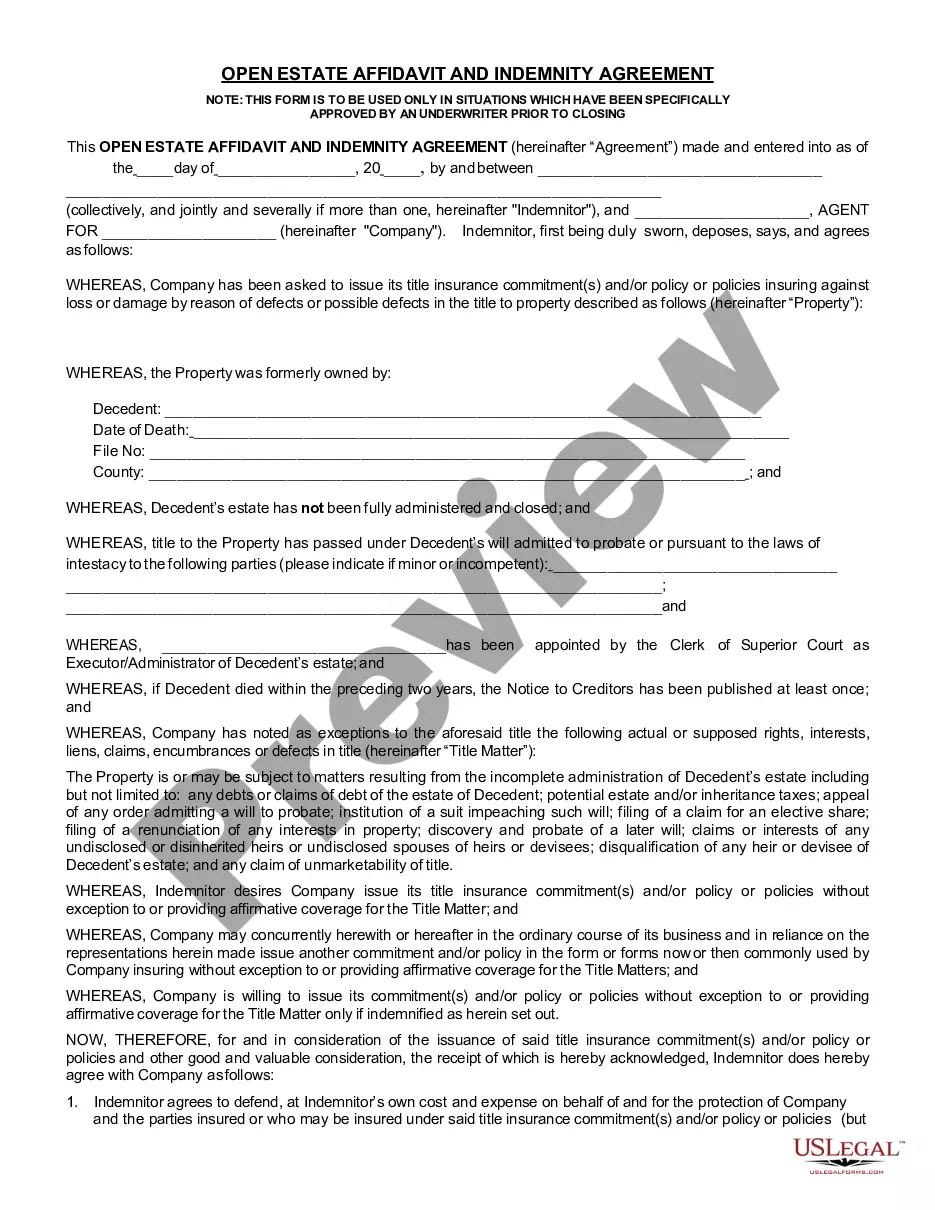

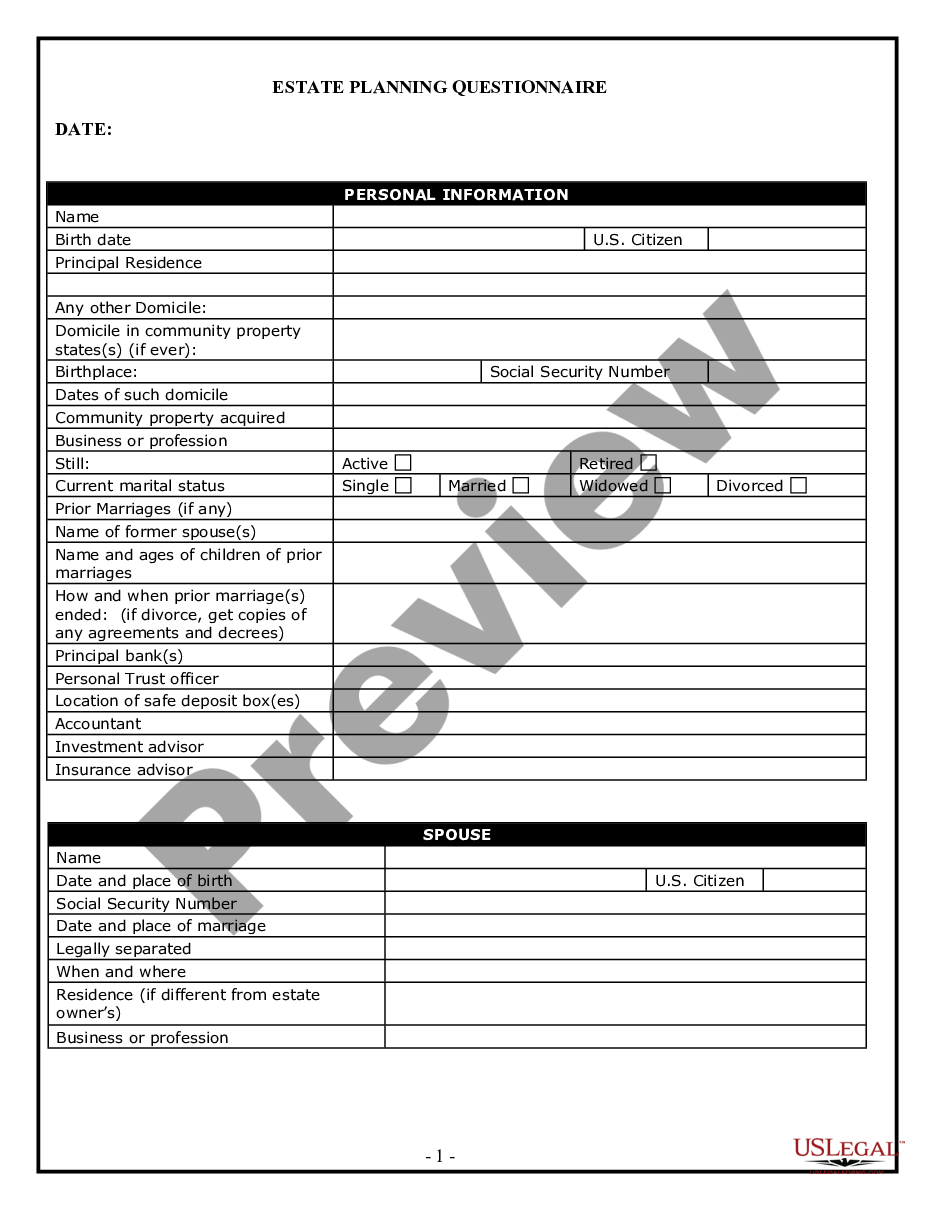
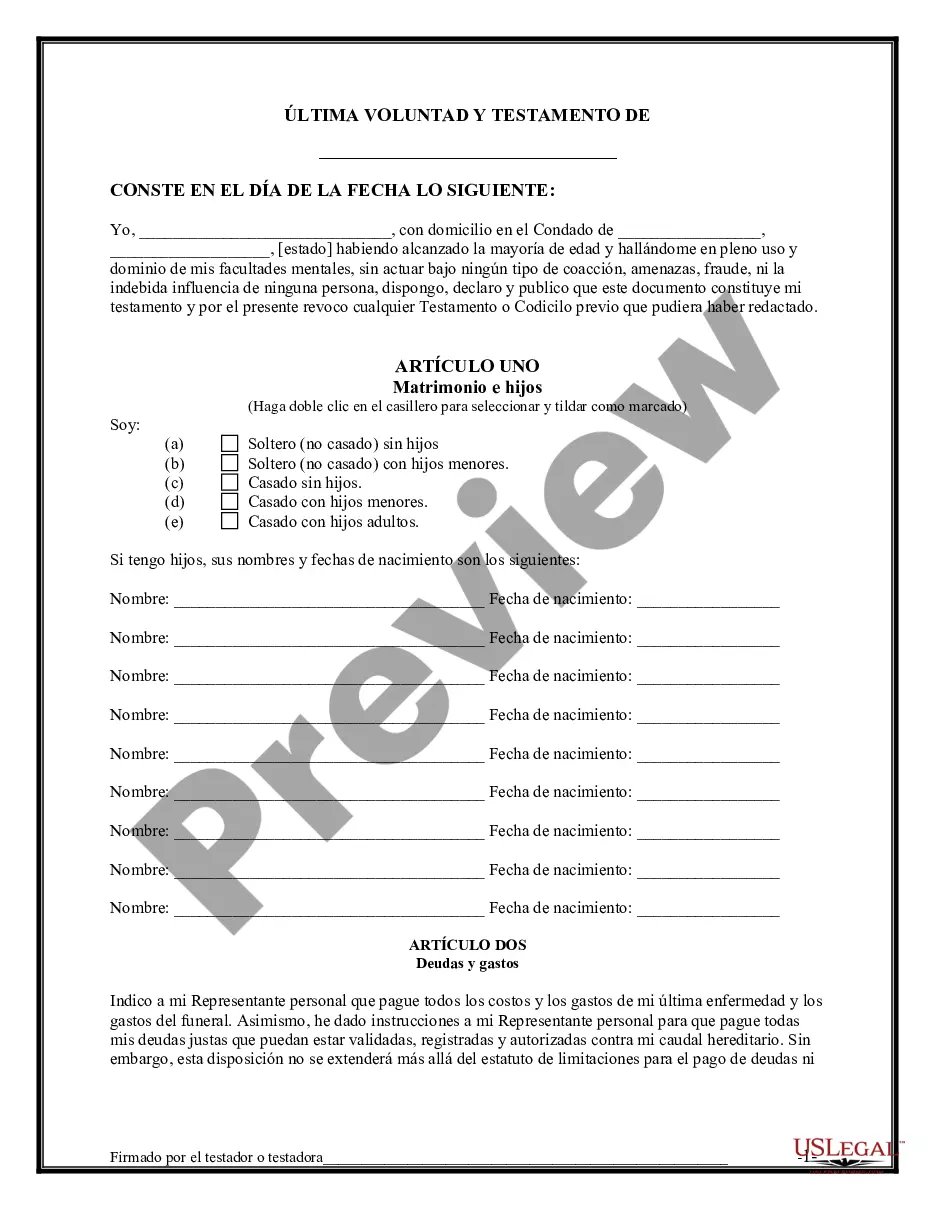
When this form package is needed
This package is ideal for anyone who wants to prepare for the distribution of their assets and make decisions regarding health care and finances in the event of incapacitation or death. You should consider using this package if you:
- Want to ensure your wishes are documented and legally recognized.
- Have specific assets to distribute, including property or investments.
- Have children and wish to designate guardianship.
- Need to outline your health care preferences in advance.
Who this form package is for
- Individuals and couples looking to secure their estate planning.
- Married, divorced, or single persons with or without children.
- Anyone who wants to make informed and legally sound decisions regarding their estate.
Instructions for completing these forms
- Review the included forms carefully to understand your options.
- Complete the Estate Planning Questionnaire to gather important personal and financial information.
- Use the Personal Planning Information Worksheets to document your wishes and asset inventory.
- Select the Last Will and Testament that best fits your situation, whether you are married, divorced, or single.
- Enter all required information in the editable form fields, or print and complete the forms by hand.
Do documents in this package require notarization?
Some forms in this package require notarization to be legally valid. US Legal Forms provides secure online notarization powered by Notarize, allowing you to complete the process through a verified video call, available 24/7.
Get your form ready online
Our built-in tools help you complete, sign, share, and store your documents in one place.
Make edits, fill in missing information, and update formatting in US Legal Forms—just like you would in MS Word.
Download a copy, print it, send it by email, or mail it via USPS—whatever works best for your next step.
Sign and collect signatures with our SignNow integration. Send to multiple recipients, set reminders, and more. Go Premium to unlock E-Sign.
If this form requires notarization, complete it online through a secure video call—no need to meet a notary in person or wait for an appointment.
We protect your documents and personal data by following strict security and privacy standards.

Make edits, fill in missing information, and update formatting in US Legal Forms—just like you would in MS Word.

Download a copy, print it, send it by email, or mail it via USPS—whatever works best for your next step.

Sign and collect signatures with our SignNow integration. Send to multiple recipients, set reminders, and more. Go Premium to unlock E-Sign.

If this form requires notarization, complete it online through a secure video call—no need to meet a notary in person or wait for an appointment.

We protect your documents and personal data by following strict security and privacy standards.
Common mistakes to avoid
- Failing to update the will after major life events, such as marriage, divorce, or the birth of a child.
- Not specifying an executor or guardian clearly.
- Leaving out essential assets or being unclear about asset distribution.
- Not keeping copies of the will in accessible locations for your loved ones.
Advantages of online completion
- Convenient access: Download and complete forms at your own pace.
- Customizable: Tailor the documents specifically to your needs and preferences.
- Cost-effective: Avoid high legal fees by using attorney-drafted forms at a fraction of the cost.
- Reliable: All forms are regularly updated to comply with current Kansas laws.
Legal use & context
- Wills must be executed according to state laws to be valid.
- The document serves to instruct the distribution of your estate after your death.
- Your will should reflect your current wishes and be updated as circumstances change.
- Consider consulting with a lawyer if your estate is complex.
Summary of main points
- The Kansas Last Will and Testament Package offers essential legal forms to manage your estate planning needs.
- Ensure you select the correct will type based on your marital status and family situation.
- Complete all questionnaires and worksheets carefully to avoid common mistakes.
- Wills should be updated to reflect any changes in your personal circumstances.
- This online package can save you time and money while ensuring your estate plan is compliant with state laws.
Looking for another form?


Form popularity
FAQ
The short answer is yes, online wills are legitimate as long as you ensure they comply with federal and state laws. Online will companies hire licensed attorneys and legal professionals to carefully word their estate planning documents so that each is legally binding.
What Makes a Handwritten Will Legally Binding? A written will is valid if it is: (1) in writing; (2) signed by the testator, i.e., the person making the will; and (3) signed by at least two witnesses who saw the testator sign the will or acknowledge the signature on the will.
Contrary to popular belief, you do not need to have an attorney draft a will for you. Anyone can write this document on their own, and as long as it meets all of the legal requirements of the state, courts will recognize one you wrote yourself.
Bank accounts. Brokerage or investment accounts. Retirement accounts and pension plans. A life insurance policy.
You are allowed to make handwritten changes on the face of the will. However, this is generally not a good idea, unless the amendment is very minor, as it can cause your wishes to be uncertain or invalid. Generally, handwritten changes should not be considered for anything more than correcting a spelling or address.
Decide what property to include in your will. Decide who will inherit your property. Choose an executor to handle your estate. Choose a guardian for your children. Choose someone to manage children's property. Make your will. Sign your will in front of witnesses. Store your will safely.
A person's last will and testament outlines what to do with possessions, whether the deceased will leave them to another person, a group or donate them to charity, and what happens to other things that they are responsible for, such as custody of dependents and management of accounts and financial interests.
A. You don't have to have a lawyer to create a basic will you can prepare one yourself. It must meet your state's legal requirements and should be notarized.A do-it-yourself will that's poorly drafted can save you money but create a mess for your heirs when you're gone.