Indiana Sheetrock Drywall Contractor Package
What is this form package?
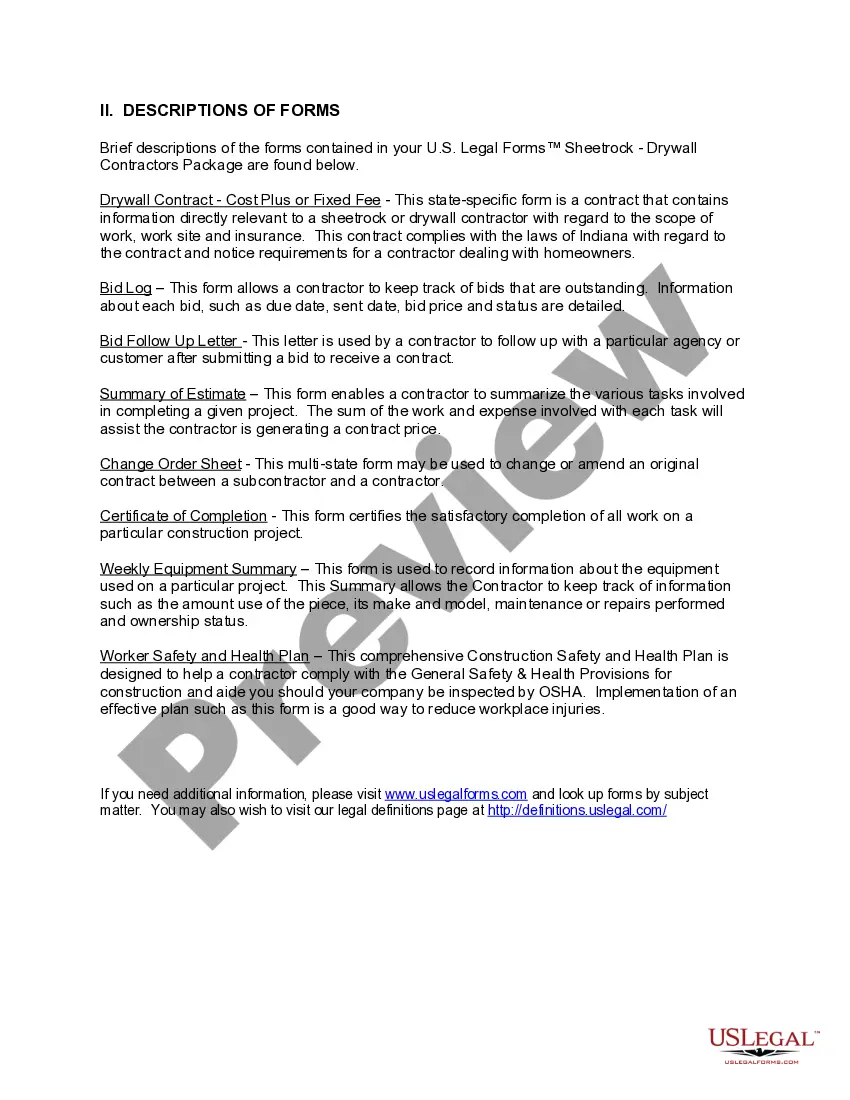
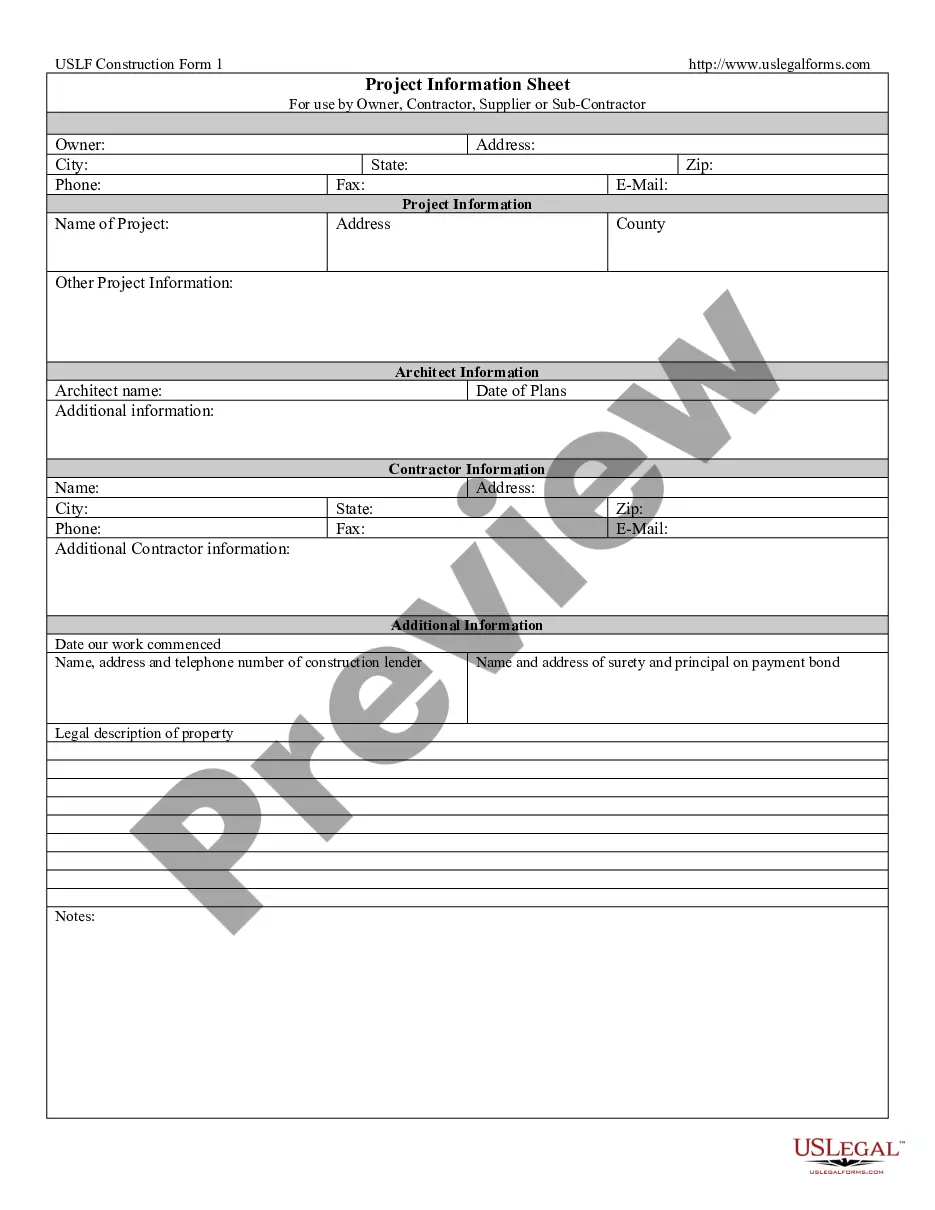
The Indiana Sheetrock Drywall Contractor Package is a comprehensive collection of legal forms designed specifically for contractors who install sheetrock or drywall in residential structures. This package stands out as it addresses the unique legal considerations faced by drywall contractors, property owners, suppliers, and subcontractors during construction projects. It includes essential forms that help protect your legal rights and streamline project management.
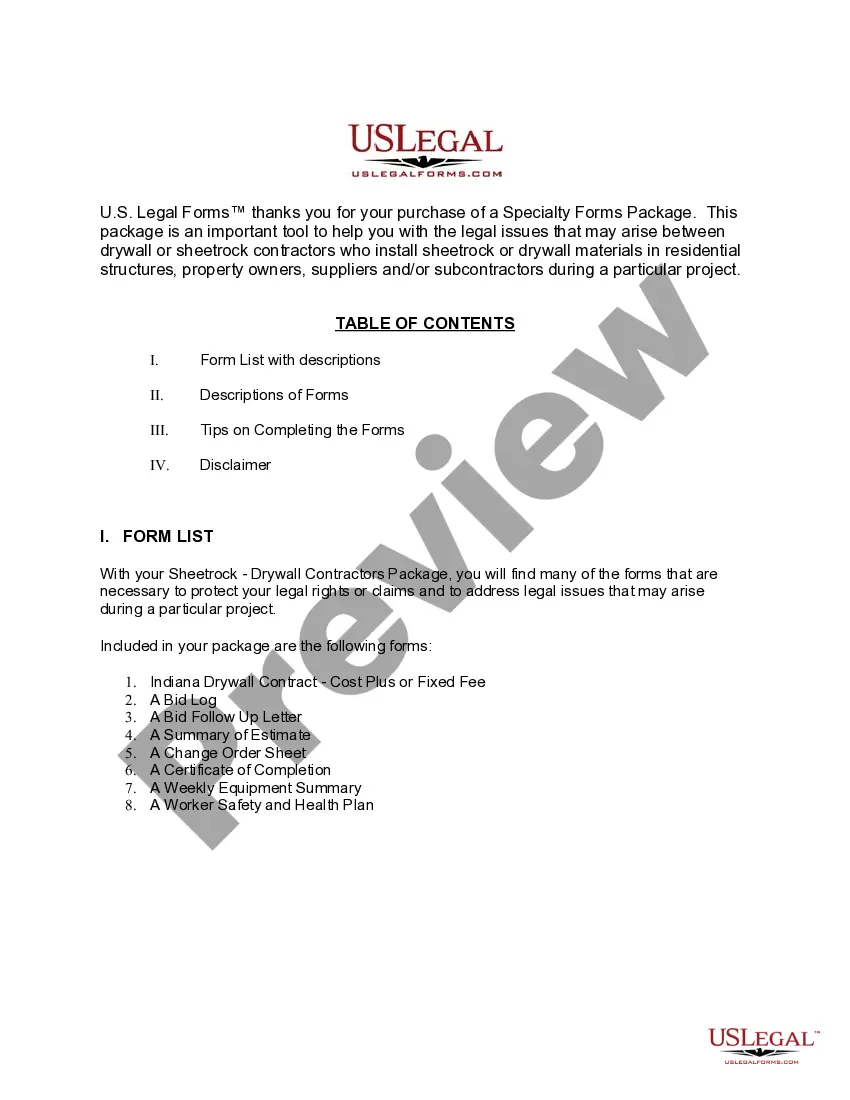
What’s included in this form package
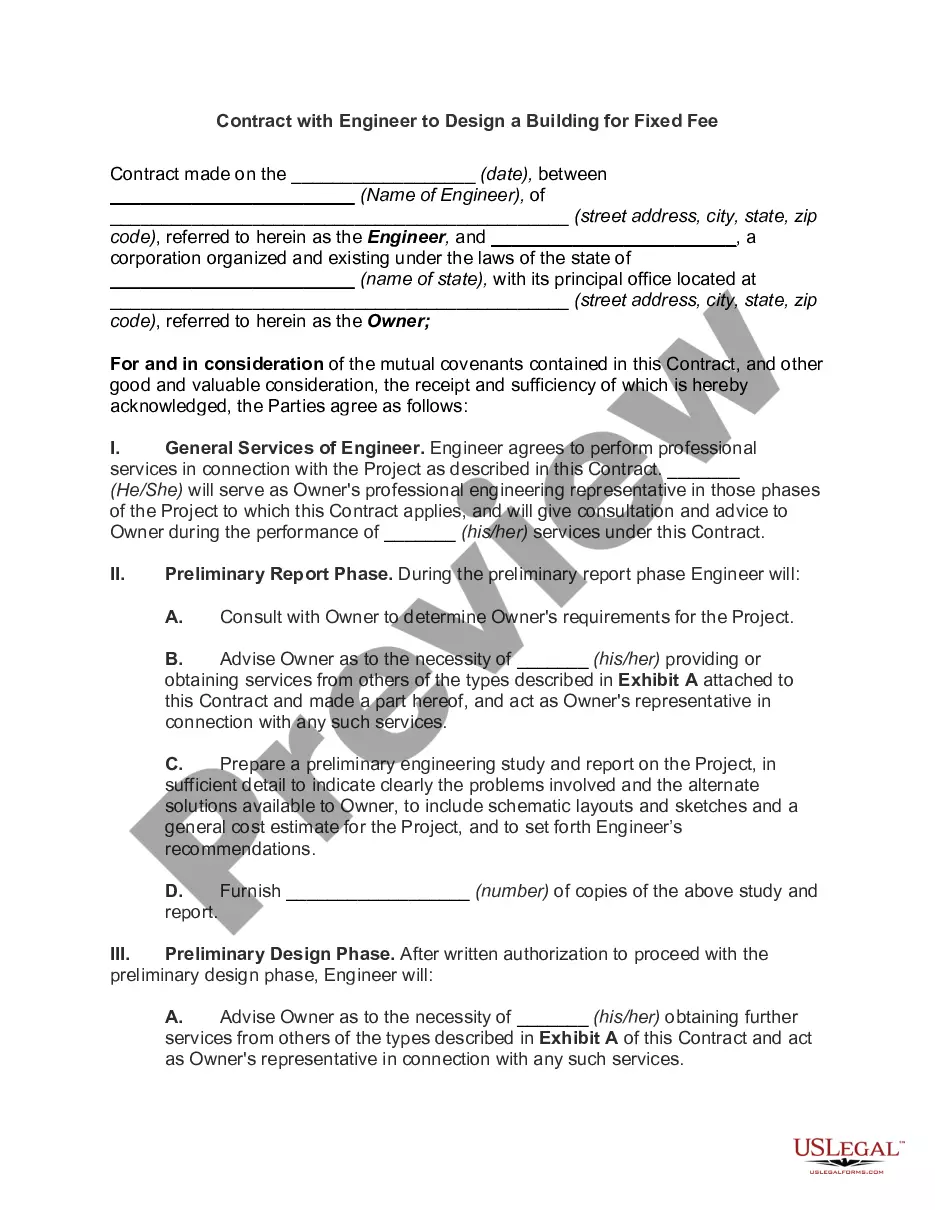
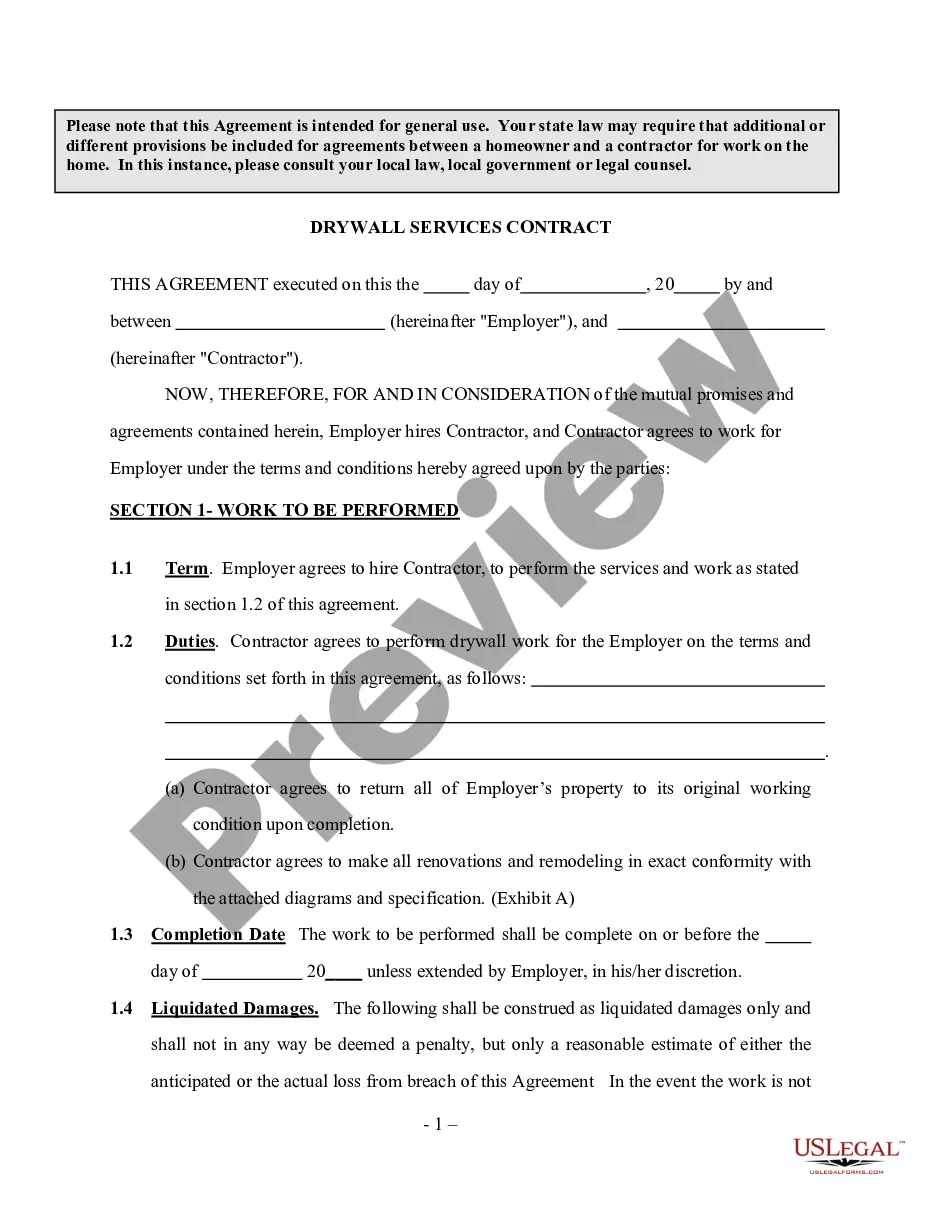
- Sheetrock Drywall Contract for Contractor
- Contractor's Weekly Equipment Summary
- Contractor's Bid Log
- Contractor's Bid Follow Up Letter
- Contractor's Summary of an Estimate
- Construction Safety and Health Plan
- Change Order for Construction or Repairs by Contractor
- Certification of Completion by Contractor
When to use this document
This package is ideal for use in various scenarios, including:
- Drafting contracts that specify payment structure, whether cost-plus or fixed fee.
- Managing bids and ensuring clear follow-ups with potential clients.
- Documenting project changes and amendments through change orders.
- Certifying the completion of drywall installation work.
- Maintaining records of equipment use and worker safety plans during construction projects.
Who should use this form package
- Drywall contractors operating in Indiana.
- Property owners looking to engage drywall contractors.
- Suppliers of drywall materials.
- Subcontractors working with drywall contractors.
- Construction project managers overseeing drywall installation projects.
Completing these forms step by step
- Review the forms included in the package carefully.
- Identify all parties involved and enter their details in the appropriate fields.
- Fill out the relevant forms, making sure to specify dates and payment structures.
- Ensure that all required signatures are obtained from relevant parties.
- Keep copies of all signed documents for your records.
Do documents in this package require notarization?
Forms in this package typically do not require notarization unless required by local law. However, always confirm specific requirements based on your situation to ensure validity.
Get your form ready online
Our built-in tools help you complete, sign, share, and store your documents in one place.
Make edits, fill in missing information, and update formatting in US Legal Forms—just like you would in MS Word.
Download a copy, print it, send it by email, or mail it via USPS—whatever works best for your next step.
Sign and collect signatures with our SignNow integration. Send to multiple recipients, set reminders, and more. Go Premium to unlock E-Sign.
If this form requires notarization, complete it online through a secure video call—no need to meet a notary in person or wait for an appointment.
We protect your documents and personal data by following strict security and privacy standards.

Make edits, fill in missing information, and update formatting in US Legal Forms—just like you would in MS Word.

Download a copy, print it, send it by email, or mail it via USPS—whatever works best for your next step.

Sign and collect signatures with our SignNow integration. Send to multiple recipients, set reminders, and more. Go Premium to unlock E-Sign.

If this form requires notarization, complete it online through a secure video call—no need to meet a notary in person or wait for an appointment.

We protect your documents and personal data by following strict security and privacy standards.
Typical mistakes to avoid
- Failing to specify payment terms in the contract.
- Omitting necessary signatures on forms.
- Neglecting to document changes with a change order sheet.
- Forgetting to maintain safety records required for OSHA compliance.
Benefits of using this package online
- Convenience of accessing and filling out forms from anywhere at any time.
- Editability allows you to customize forms to suit your specific needs.
- Reliability of attorney-drafted documents ensures legal compliance and protection.
Summary of main points
- The Indiana Sheetrock Drywall Contractor Package provides vital legal documentation for drywall projects.
- Use this package to ensure compliance with state-specific regulations and protect your rights.
- Adherence to completion guidelines and common practices is essential for successful contract management.
Looking for another form?
Form popularity
FAQ
Drywall is a flat panel made of gypsum plaster sandwiched in between two sheets of thick paper. It adheres to metal or wood studs using nails or screws. Sheetrock is a specific brand of drywall sheet. These terms are often used interchangeably.
Consider, too, that drywall sheets often come bundled in pairstwo sheets sold as one, with a paper binding strip down the edges. If you choose to keep the paper binding strip in place, you might conceivably be carrying 114 pounds for every bundled pair of 1/2-inch 4 x 8-foot conventional sheets.
The average price for drywall and sheetrock is $15 per 4' x 8' panel, with a typical range of $12 to $20 per panel. This translates into a cost of $0.40 to $0.65 per square foot. For walls and ceiling for a 200 square-foot room, you can expect to pay $300 to $500.
Drywall, also known as wallboard or Sheetrock, is a lightweight material used on interior walls during a construction or renovation project. It typically comes in the style of thin board sheets and installed on walls or ceilings.
Plasterboard is also known as gypsum board, drywall, wallboard or wall panels. Commercial brands for plasterboard in the UK include GTEC and Gyproc. When to use plasterboard?
Drywall and sheetrock are really the same thing.Sheetrock is a brand of drywall patented by the US Gypsum Company. Both are used to make walls and ceilings. Aside from a few chemicals that allow the sheetrock formula to be patented, there is really no practical difference between drywall and sheetrock whatsoever.
So when the walls were plastered other construction often had to cease to wait for the walls to dry. When gypsum board (sheetrock) first came out one of the attractive things was that after installation nobody had to wait for the walls to dry! They were called "dry walls."But drywall was indeed a dry wall!
The average price for drywall and sheetrock is $15 per 4' x 8' panel, with a typical range of $12 to $20 per panel. This translates into a cost of $0.40 to $0.65 per square foot. For walls and ceiling for a 200 square-foot room, you can expect to pay $300 to $500.
You must have a minimum of 4 years journeyman experience as well as pass a two-part exam issued by the Contractor State Licensing Board. California offers a study guide for the exam as well. Other states may offer this, depending on the exam and the region.