Sale or Return
About this form
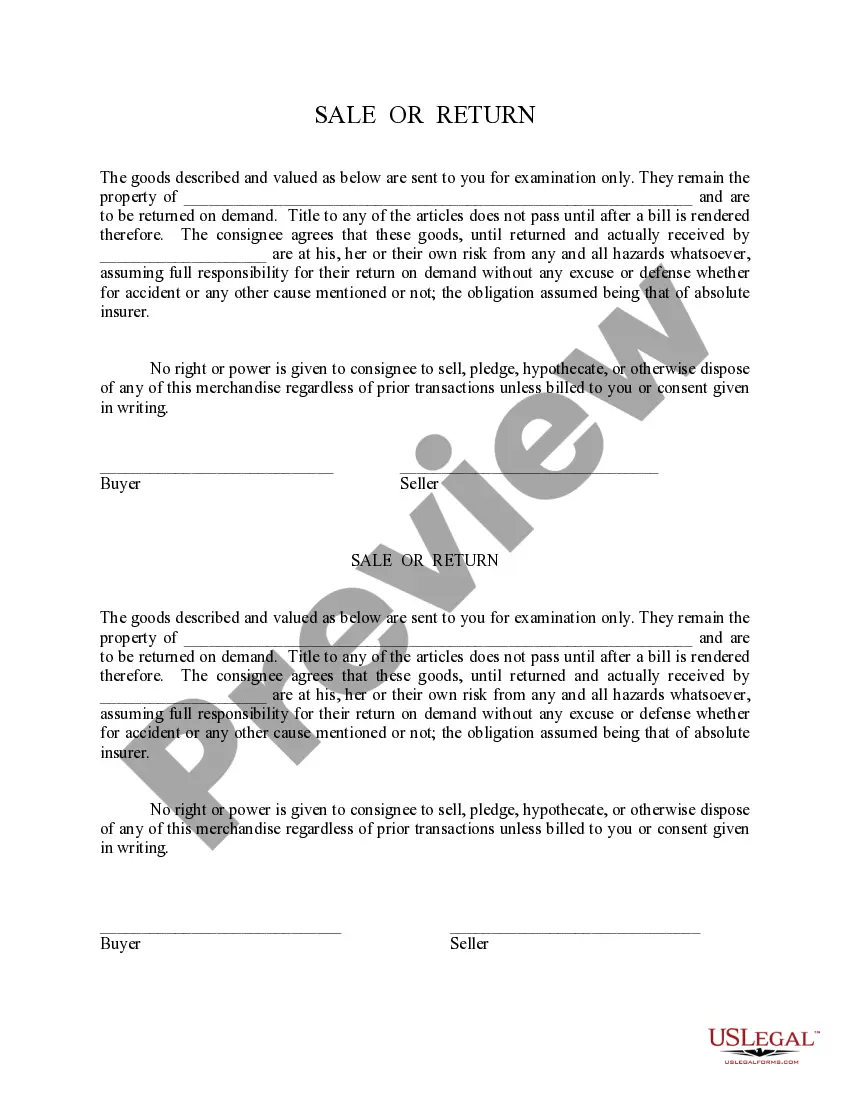
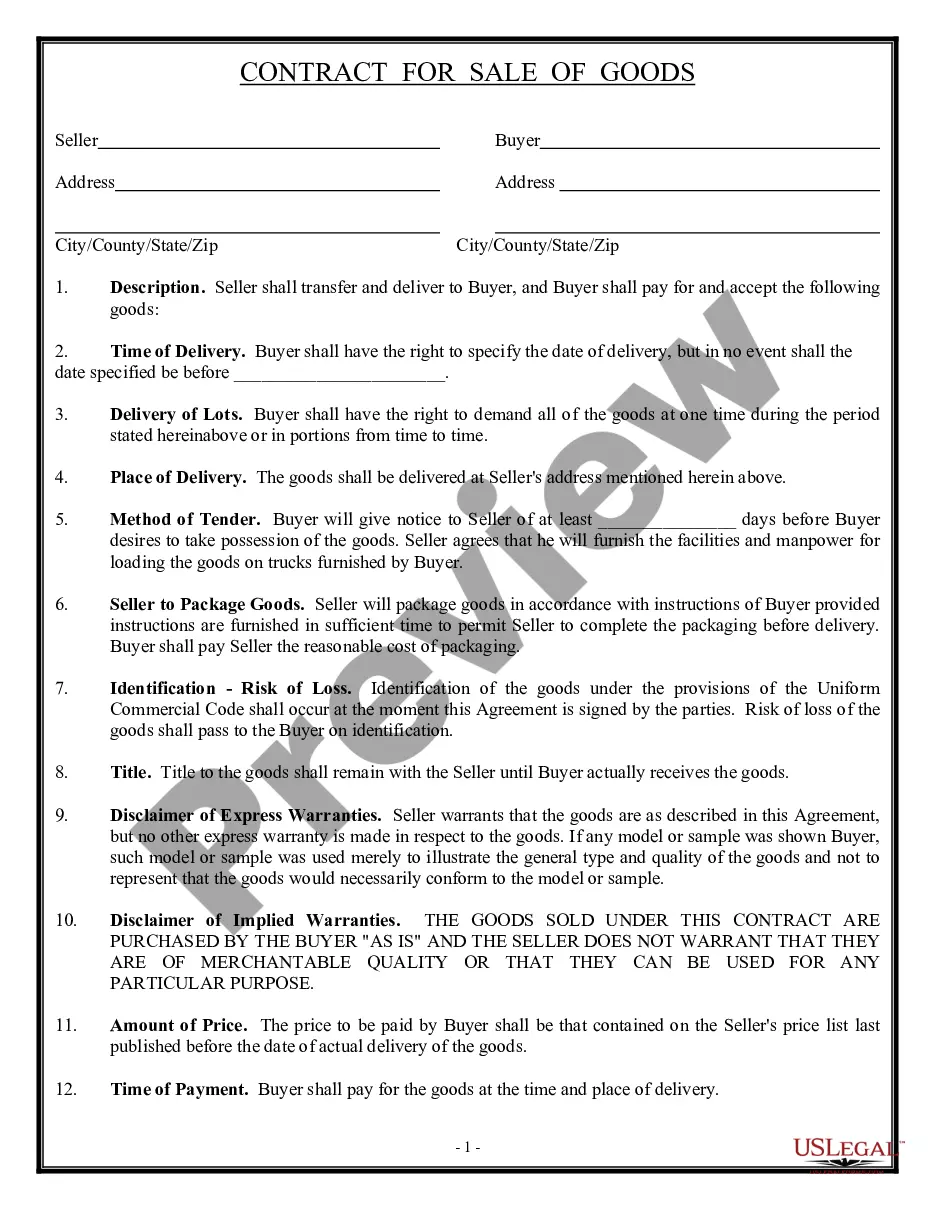
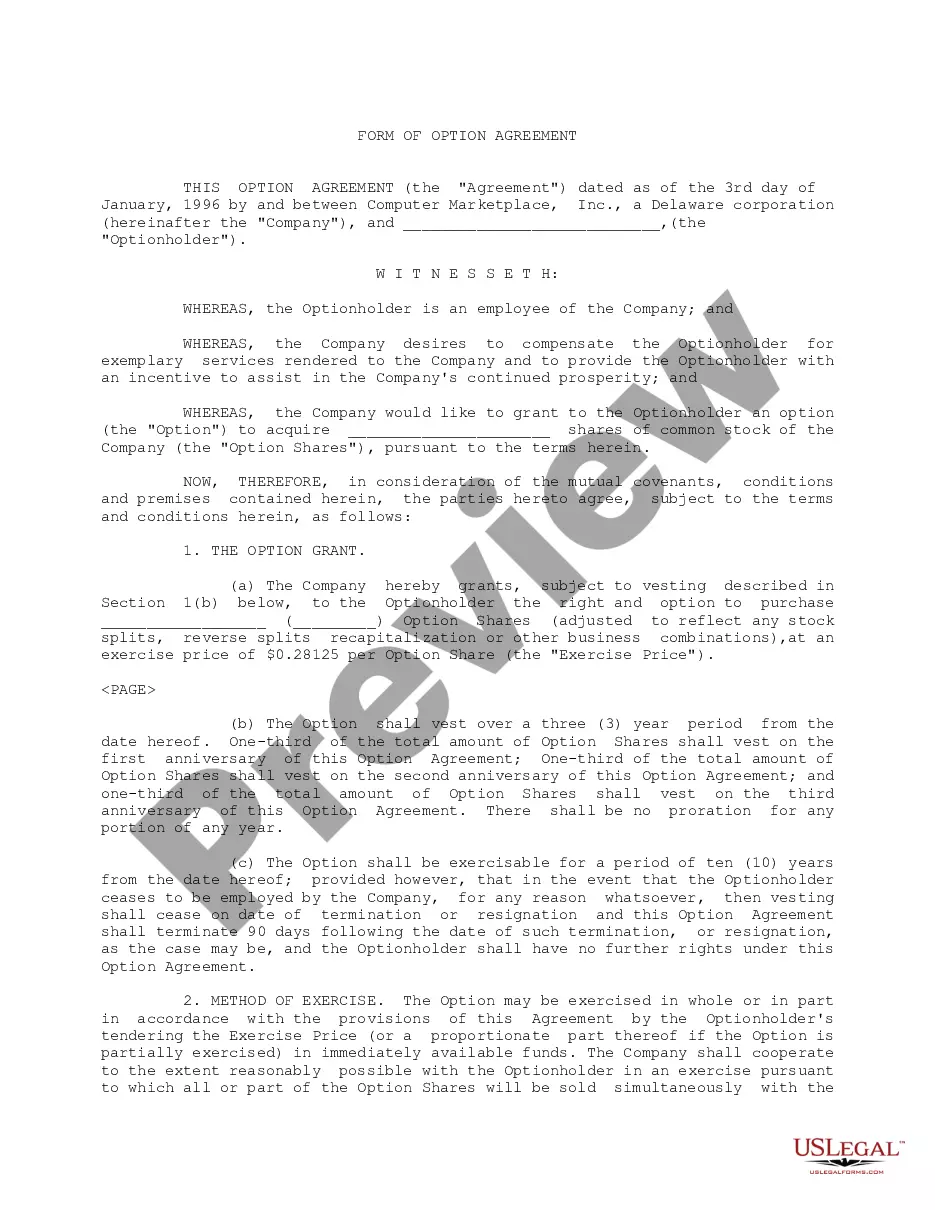
The Sale or Return form is a consignment agreement that establishes the terms under which a consignee can evaluate goods from a consignor. This form outlines that the consignee agrees either to sell the items on behalf of the consignor or return them upon request. Unlike a straightforward sale, this arrangement ensures that the consignor retains title to the items until they are sold, highlighting the unique nature of consignment agreements.
Main sections of this form
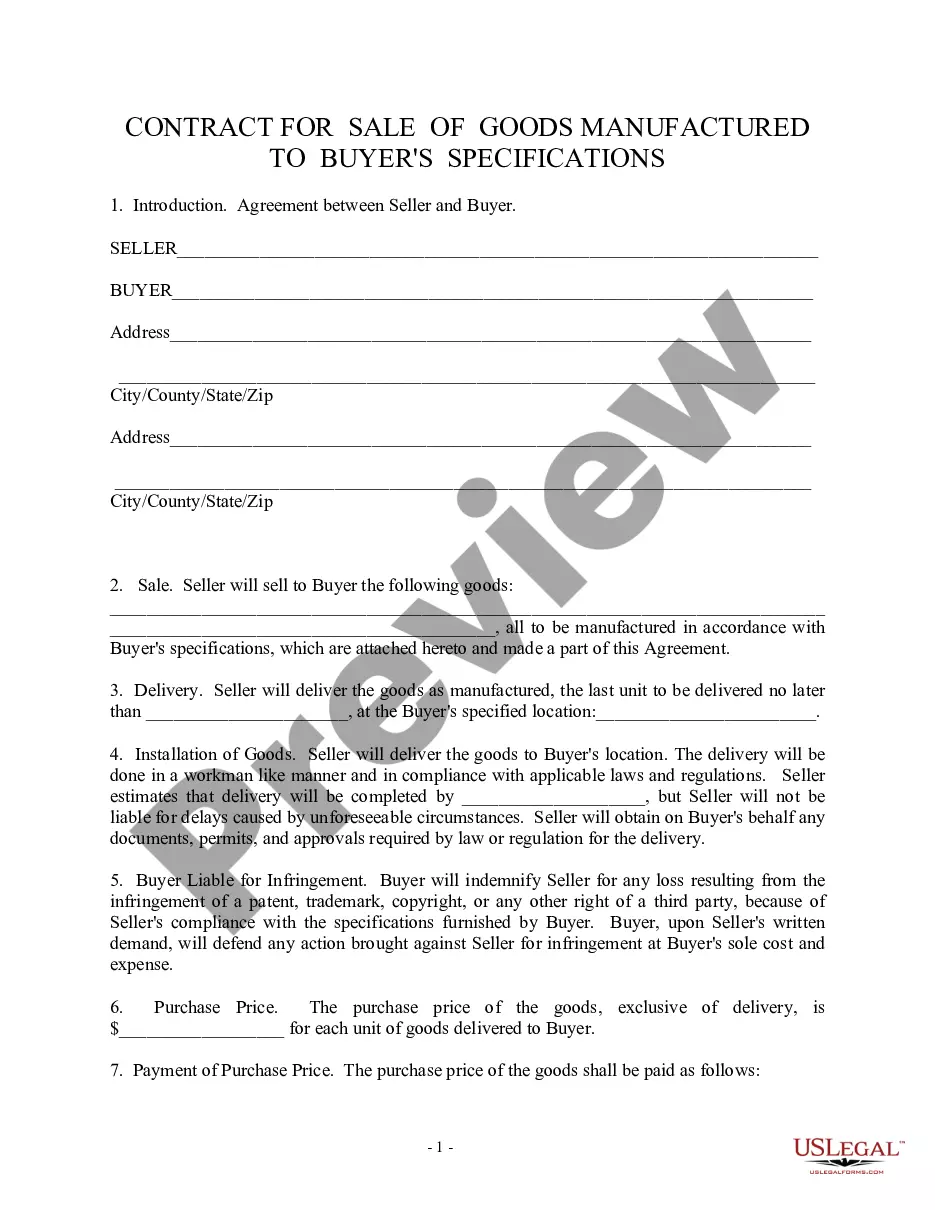
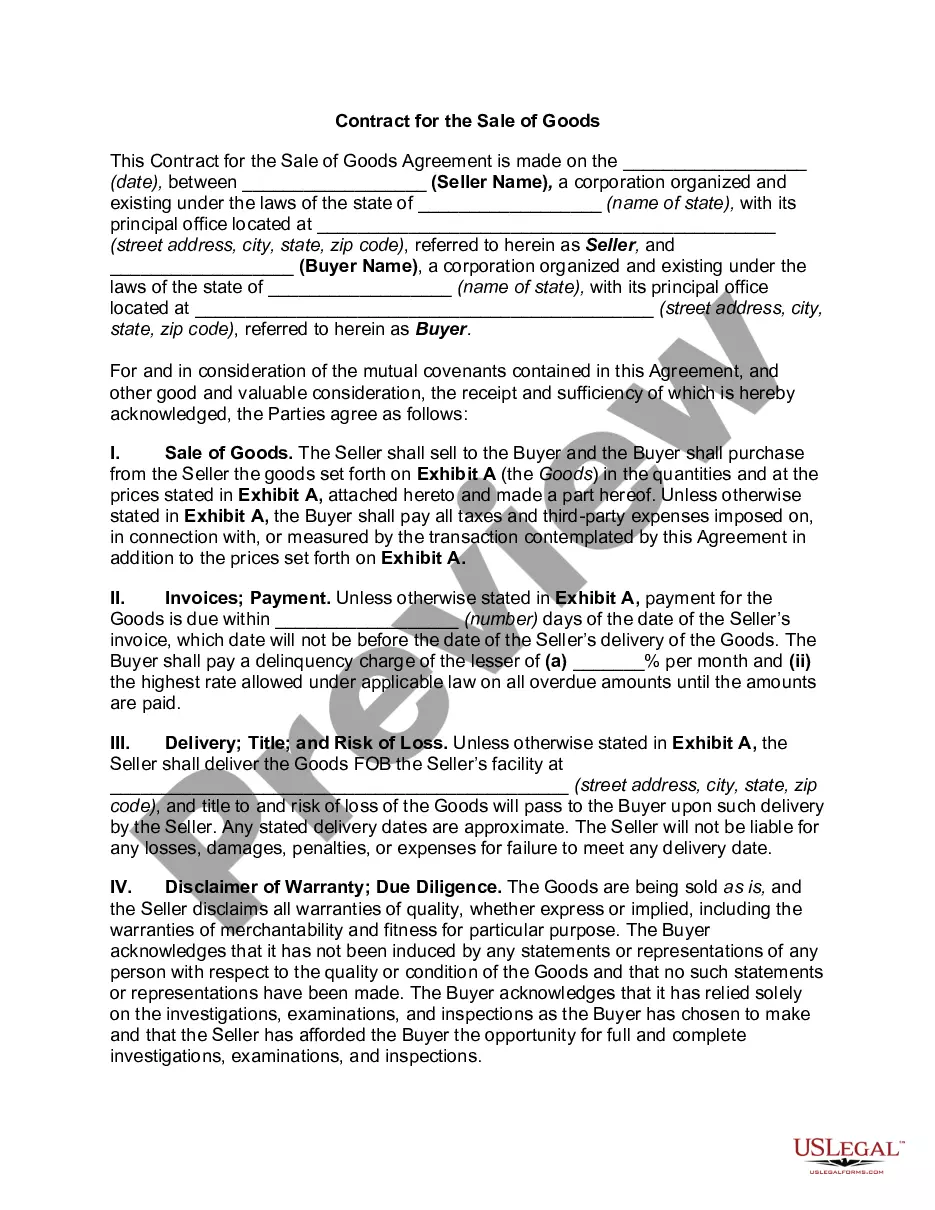
- Description of Goods: Specifies the items being consigned.
- Property Retention Clause: Confirms that the consignor maintains ownership until sale.
- Responsibility for Goods: Acknowledges the consignee assumes risk for the items during the consignment period.
- Restrictions on Sale: States that the consignee cannot sell or dispose of items without written consent.
- Signature Fields: Areas for both buyer and seller to acknowledge agreement.
Common use cases
This form should be utilized when a business or individual is consigning goods to another party for sale. It is particularly useful for those who wish to maintain ownership of their products while allowing another party to sell them. Common scenarios include art galleries displaying artists' work, clothing boutiques featuring designers' collections, or retailers managing inventory on a consignment basis.
Who this form is for
- Retailers who wish to sell items on behalf of suppliers.
- Artists who want to display and sell their work through galleries.
- Individuals consigning personal property for sale.
- Businesses engaging in consignment arrangements for inventory management.
Instructions for completing this form
- Identify the parties involved: Clearly state the names of the consignor and consignee.
- Specify the goods: Provide a detailed description of the items being consigned, including their value.
- Enter return conditions: Clearly outline the terms regarding the return of goods upon demand.
- Include risk acknowledgment: Ensure the consignee understands their responsibility for the goods during the consignment period.
- Sign the agreement: Both parties should review and sign the document, confirming their acceptance of terms.
Is notarization required?
This form does not typically require notarization unless specified by local law. However, it is advisable to check for any state-specific requirements that may necessitate notarization for consignment agreements.
Get your form ready online
Our built-in tools help you complete, sign, share, and store your documents in one place.
Make edits, fill in missing information, and update formatting in US Legal Forms—just like you would in MS Word.
Download a copy, print it, send it by email, or mail it via USPS—whatever works best for your next step.
Sign and collect signatures with our SignNow integration. Send to multiple recipients, set reminders, and more. Go Premium to unlock E-Sign.
If this form requires notarization, complete it online through a secure video call—no need to meet a notary in person or wait for an appointment.
We protect your documents and personal data by following strict security and privacy standards.

Make edits, fill in missing information, and update formatting in US Legal Forms—just like you would in MS Word.

Download a copy, print it, send it by email, or mail it via USPS—whatever works best for your next step.

Sign and collect signatures with our SignNow integration. Send to multiple recipients, set reminders, and more. Go Premium to unlock E-Sign.

If this form requires notarization, complete it online through a secure video call—no need to meet a notary in person or wait for an appointment.

We protect your documents and personal data by following strict security and privacy standards.
Typical mistakes to avoid
- Failing to list all items being consigned.
- Not specifying the return terms clearly.
- Forgetting to obtain written consent before the consignee sells any merchandise.
- Not having both parties sign the agreement.
Why use this form online
- Convenience: Download the form instantly and fill it at your own pace.
- Customizability: Easily adapt the form to fit your specific consignment situation.
- Reliability: Access forms drafted by licensed attorneys ensuring legal soundness.
Legal use & context
- This form establishes a legal framework for consignment arrangements.
- It clarifies the responsibilities and rights of both the consignor and consignee.
- Using this form can help prevent disputes about ownership and liability during the consignment period.
Looking for another form?

Form popularity
FAQ
A sales return is merchandise sent back by a buyer to the seller, usually for one of the following reasons: Excess quantity shipped. Excess quantity ordered. Defective goods.Product specifications are incorrect.
Goods sold on a sale or return basis (sometimes known as 'on approval') are goods that are effectively supplied to a customer free of charge and the supplier is only paid when the product has been sold. If the product remains unsold then it can be returned to the supplier without any charge.
Methods of Recording the Transaction of Goods Sold on 'Sale or Return' Basis!One of the facilities is that goods are delivered to the customers with the option to retain or return the same within a specified short period. When a businessman sends goods with such an option it is generally called Sale or Return.
'Sale or return' or 'in consignment' is a common way of working between UK craft galleries/shops and designer-makers, whereby the retailer pays only for goods sold, returning those that are unsold to the maker.If it doesn't sell then the work will be returned to the maker.
What is sale or return? 'Sale or return' or 'in consignment' is a common way of working between UK craft galleries/shops and designer-makers, whereby the retailer pays only for goods sold, returning those that are unsold to the maker.If it doesn't sell then the work will be returned to the maker.
Refers to supplying retailers with products to sell which, if unsold, can be returned by the retailer. SoR can mean supplying without receiving the wholesale price until the product is sold, the goods are returned for a refund of the retail price.
The difference is that a sale on approval arises when the goods are delivered to the buyer primarily for use, whereas a sale or return arises when the goods are delivered to the buyer primarily for resale.Conversely, in a sale or return, the goods are subject to claims by the buyer's creditors.