Affidavits - General - Common Law
About this form
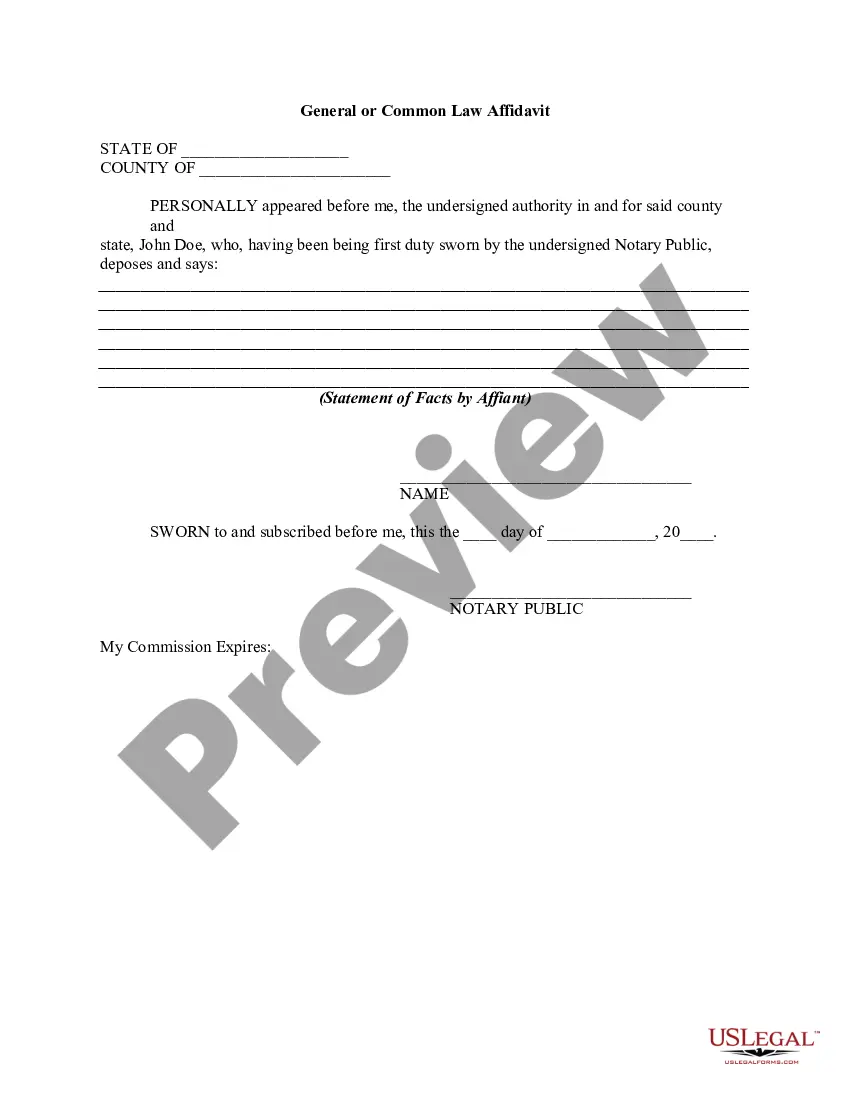
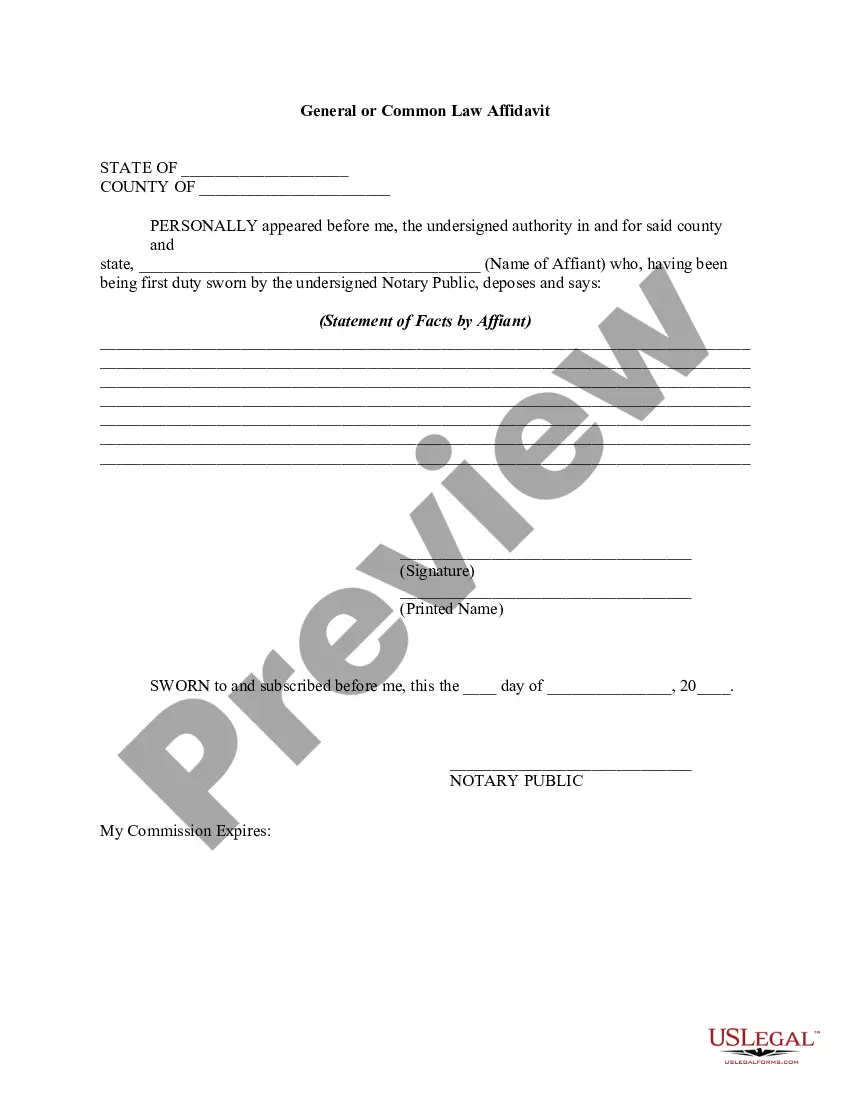
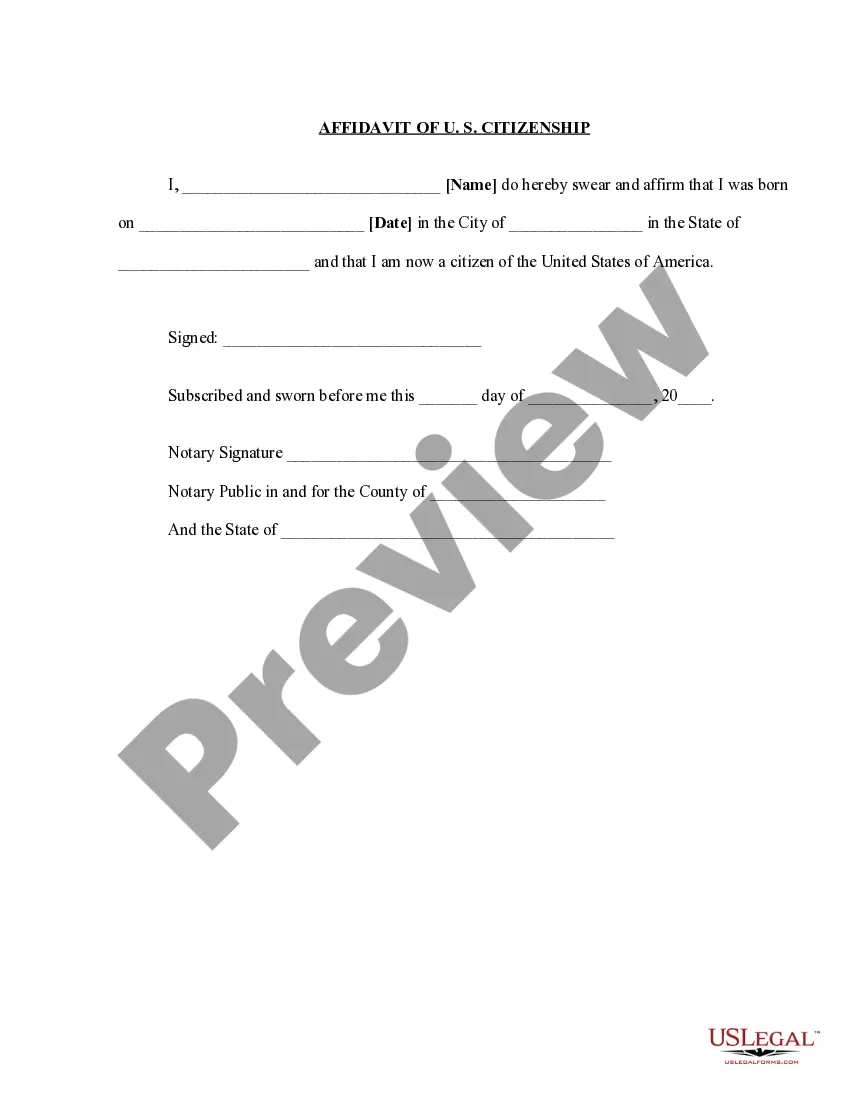
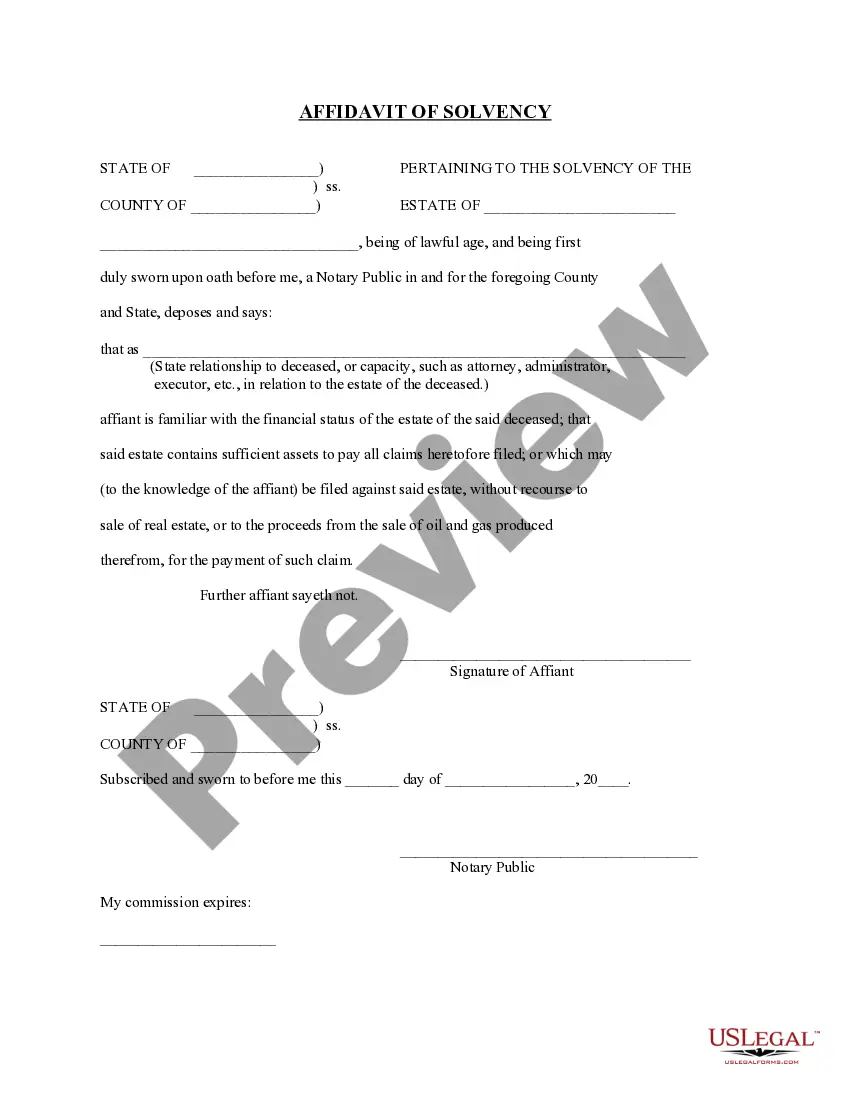
The General Affidavit form is a written declaration made under oath before a legally authorized officer. It serves as a formal statement of facts as asserted by the individual giving the affidavit, known as the affiant. This form is vital for various legal circumstances, distinguishing itself from other affidavits by its general nature, allowing it to be tailored for numerous situations.
Main sections of this form
- Affiant's name and address.
- Statement of facts provided by the affiant.
- Notary Public's information, including commission expiration date.
- Date of the oath or affirmation.

Common use cases
This form is commonly used to provide a verified statement in legal matters, such as confirming the truth of a statement in court, supporting legal filings, or documenting specific facts that require legal acknowledgment. It can be particularly useful in cases involving estate matters, property disputes, or any scenario where a sworn statement is necessary.
Who needs this form
- Individuals involved in legal disputes needing to declare facts.
- Claimants requiring to attest to specific statements for court proceedings.
- Anyone needing to document facts under oath for business or personal matters.
Completing this form step by step
- Identify the state and county where the affidavit will be executed.
- Fill in the affiant's name and any relevant details.
- Clearly write the statement of facts you wish to declare.
- Sign the affidavit in front of the notary public.
- Complete the notary section, ensuring it includes the notary's signature and commission expiration date.
Notarization guidance
To make this form legally binding, it must be notarized. Our online notarization service, powered by Notarize, lets you verify and sign documents remotely through an encrypted video session.
Get your form ready online
Our built-in tools help you complete, sign, share, and store your documents in one place.
Make edits, fill in missing information, and update formatting in US Legal Forms—just like you would in MS Word.
Download a copy, print it, send it by email, or mail it via USPS—whatever works best for your next step.
Sign and collect signatures with our SignNow integration. Send to multiple recipients, set reminders, and more. Go Premium to unlock E-Sign.
If this form requires notarization, complete it online through a secure video call—no need to meet a notary in person or wait for an appointment.
We protect your documents and personal data by following strict security and privacy standards.

Make edits, fill in missing information, and update formatting in US Legal Forms—just like you would in MS Word.

Download a copy, print it, send it by email, or mail it via USPS—whatever works best for your next step.

Sign and collect signatures with our SignNow integration. Send to multiple recipients, set reminders, and more. Go Premium to unlock E-Sign.

If this form requires notarization, complete it online through a secure video call—no need to meet a notary in person or wait for an appointment.

We protect your documents and personal data by following strict security and privacy standards.
Common mistakes to avoid
- Failing to include necessary identification details of the affiant.
- Not providing a clear and detailed statement of facts.
- Omitting the correct date or notary information after signing.
- Not completing the form in front of a notary public.
Why complete this form online
- Convenience of accessing the form anytime and anywhere.
- Editable templates that allow customization based on specific needs.
- Reliable sources with templates drafted by licensed attorneys.
Looking for another form?
Form popularity
FAQ
An affidavit differs from a deposition in that it is taken ex parte and without notice, while a deposition is taken after notice has been furnished to the opposite party, who is given an opportunity to cross-examine the witness.
An affidavit is a written declaration under oath made before some person who has authority to administer oaths, without notice to any adverse party that may exist. One test of the sufficiency of an affidavit is whether it is so clear and certain that it will sustain an indictment for perjury, if found to be false.
Affidavits can occur any time a formal promise is made, and they are often used as a form of documentation tied to a specific person in the proceedings. They are often used in court to serve as evidence toward a singular side in a dispute, or to affirm a claim that someone is making.
Example: I, Jane Smith, swear that the information in my sworn statement is truthful to the best of my knowledge and understanding. Your statement of truth must be in the first person and you need to identify yourself in it. Keep it short and sweet.
Some of the more common types of affidavits are: Court affidavits.Self-proving will affidavit.Affidavit of power of attorney.Financial affidavit.Affidavit of lost document.Affidavit of identity theft.
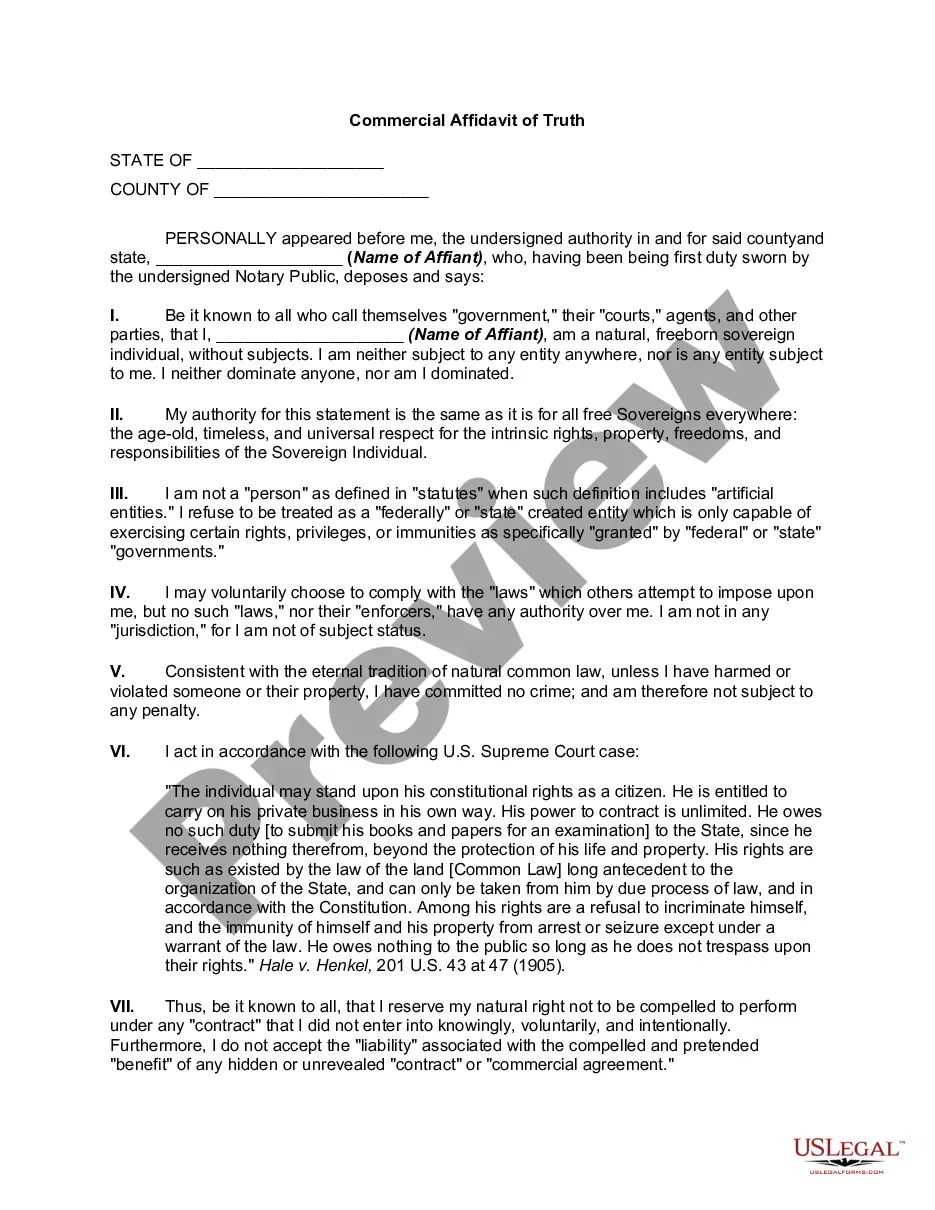
An affidavit of truth is written and signed by an individual that wishes to become a sovereign citizen and no longer be held to follow U.S. laws. These individuals consider themselves as living on their own land, not owned by the U.S. government.
General Affidavits are written statements of fact used to support your case or verify facts that are sworn to be true in front of a notary public.