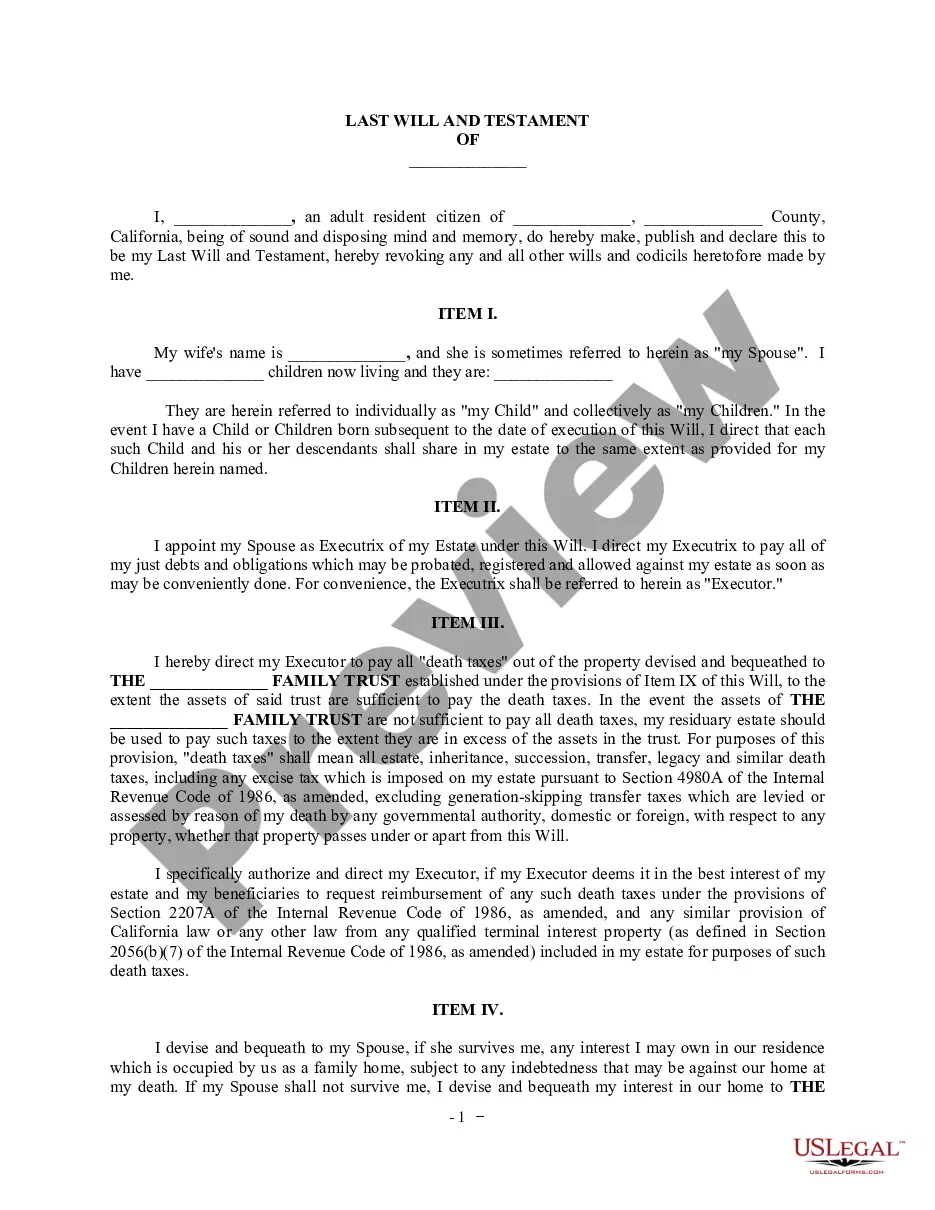
Illinois Estoppel Affidavit and Agreement for Deed in Lieu of Foreclosure
What this document covers
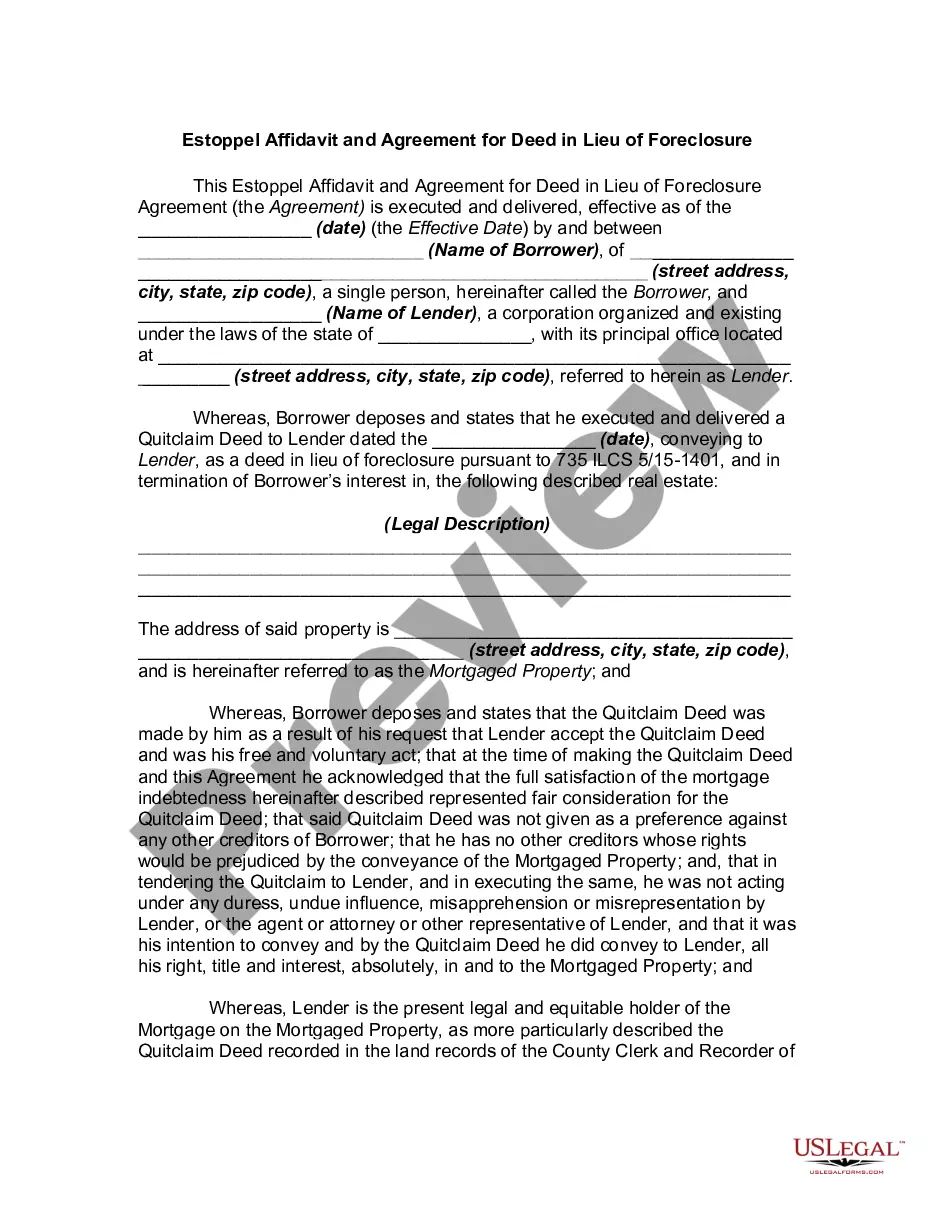
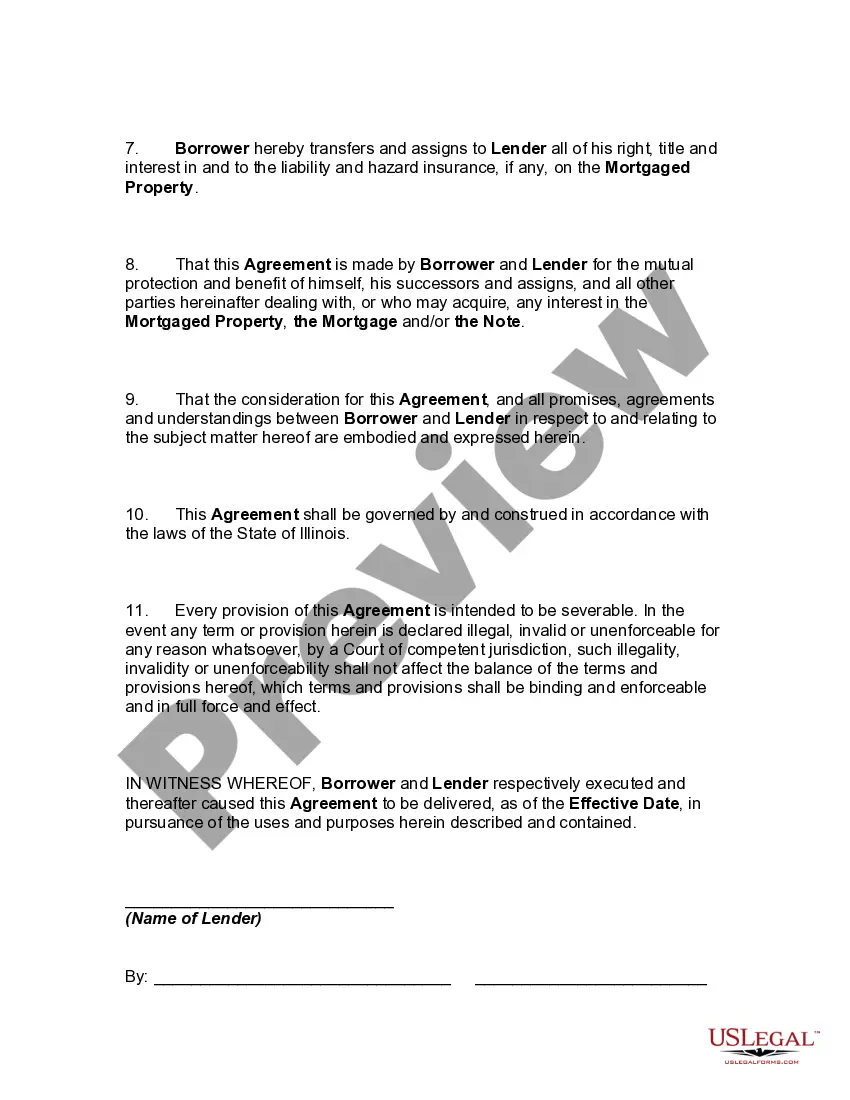
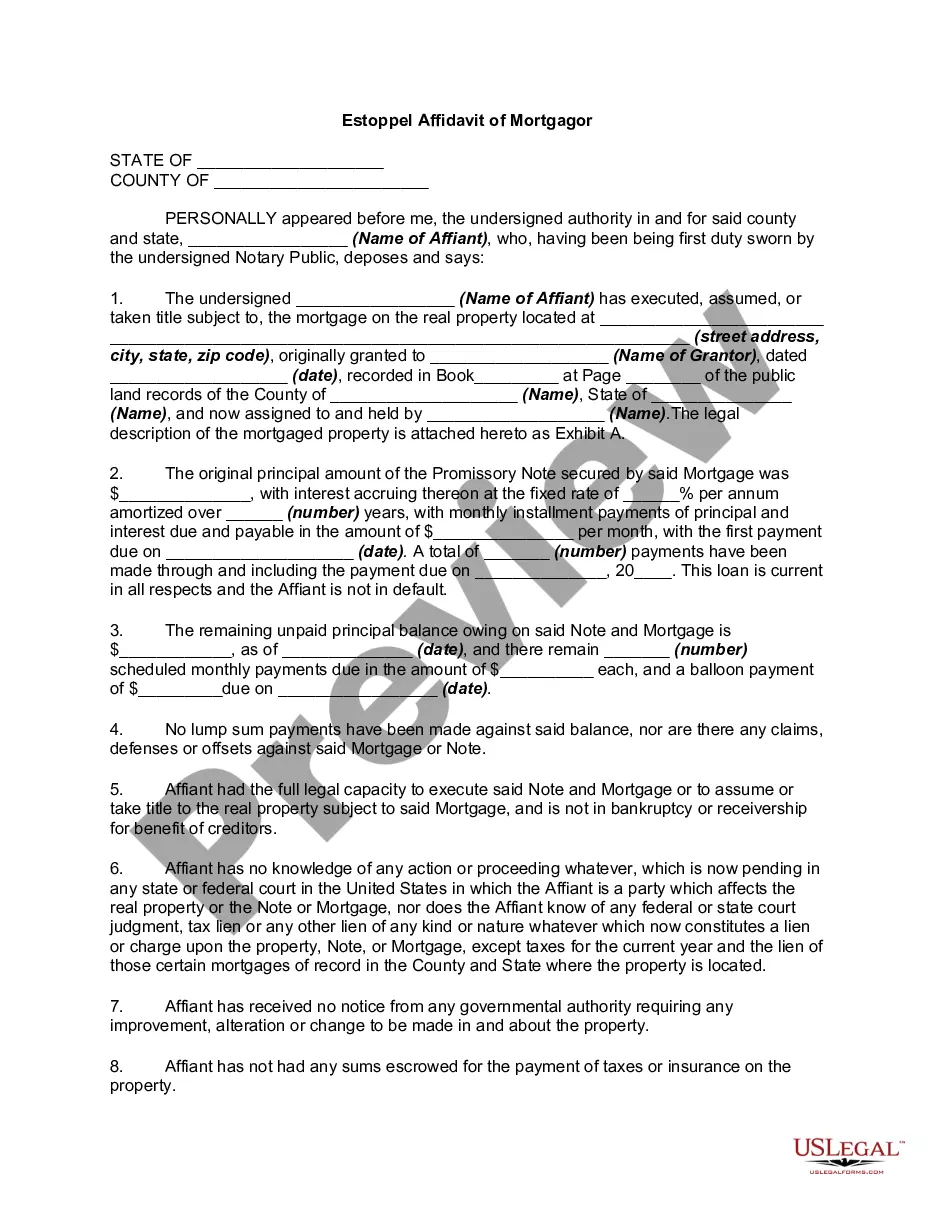
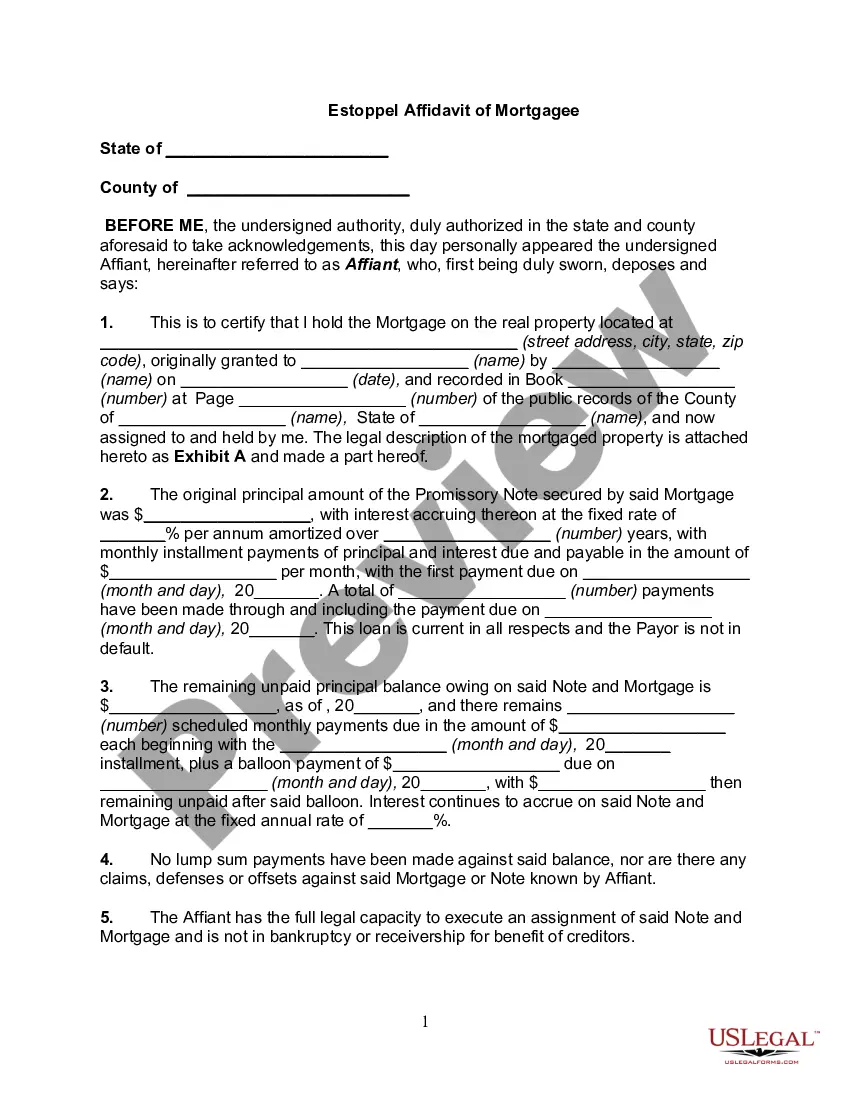
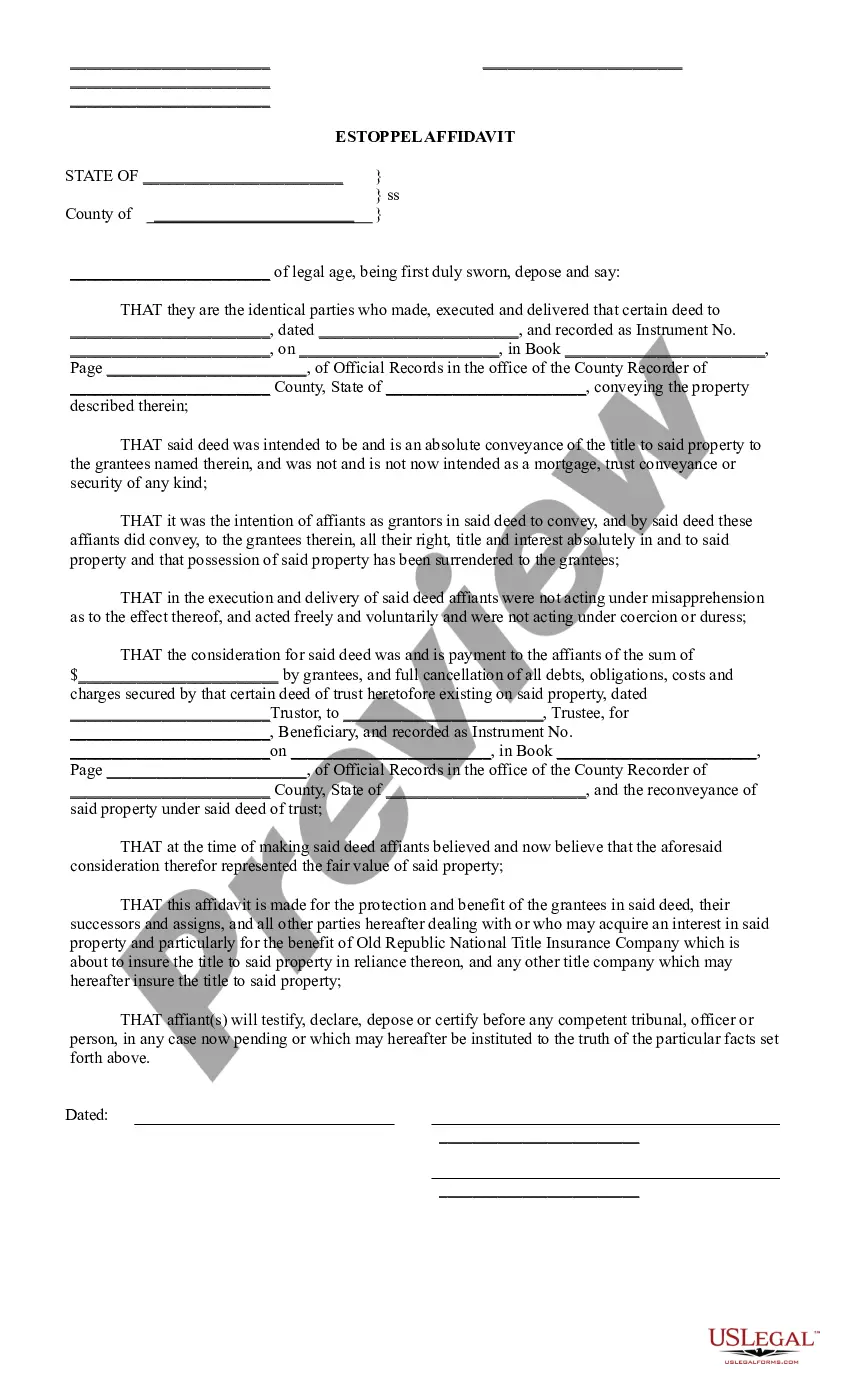
The Estoppel Affidavit and Agreement for Deed in Lieu of Foreclosure is a legal document that allows a borrower (property owner) to transfer ownership of their property to a lender in exchange for the cancellation of their mortgage debt. Unlike a standard sale, this document serves as confirmation of the mortgage obligations while also indicating that the borrower is not acting under duress. This form is essential for property owners looking to avoid foreclosure by voluntarily handing over their property to the lender.
What’s included in this form
- Identification of the Borrower and Lender, including their addresses.
- Description of the Mortgaged Property, including its legal and physical address.
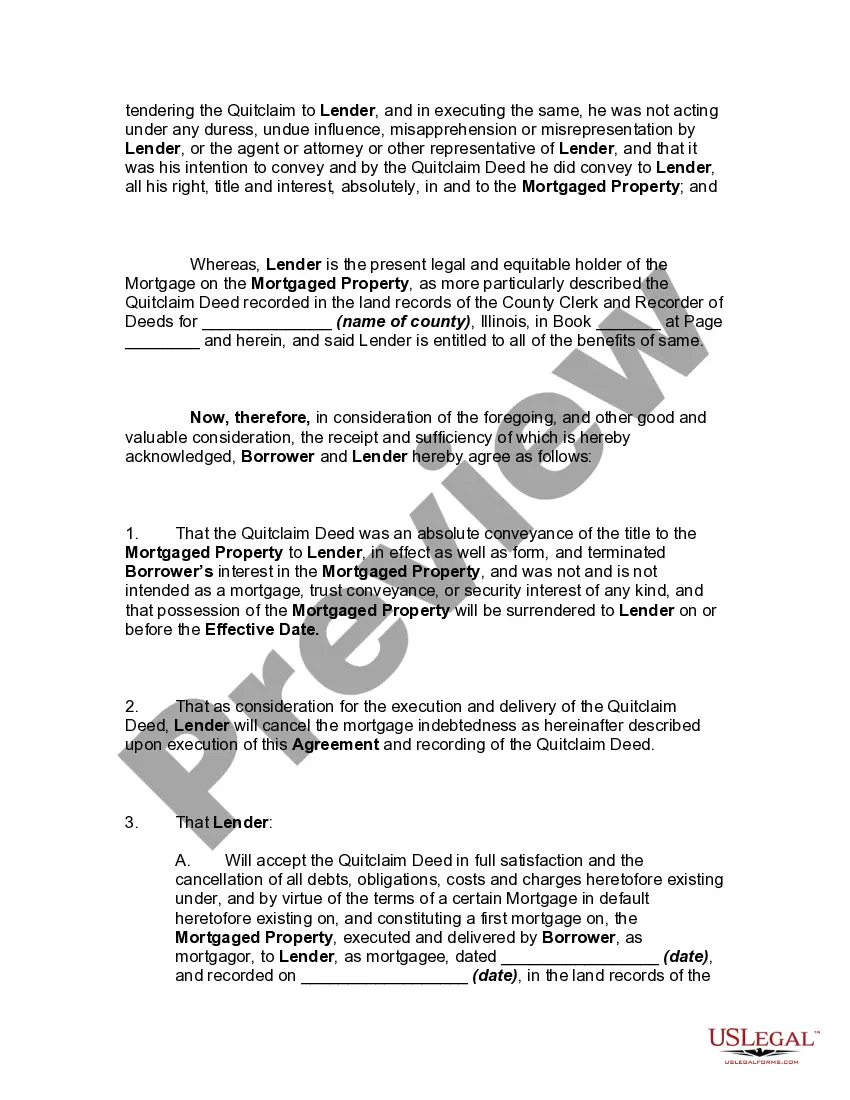
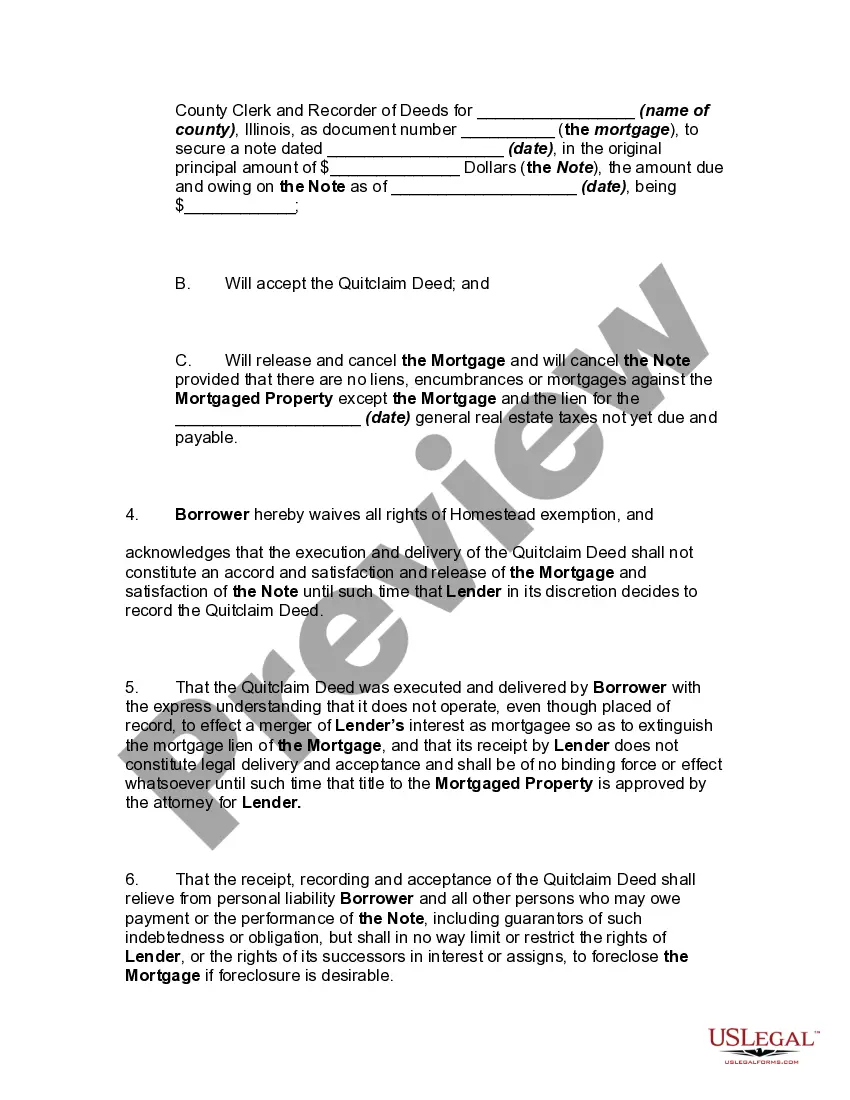
- Terms regarding the Quitclaim Deed and its implications for the property title.
- Conditions for the acceptance of the Quitclaim Deed by the Lender.
- Waiver of Homestead rights by the Borrower.
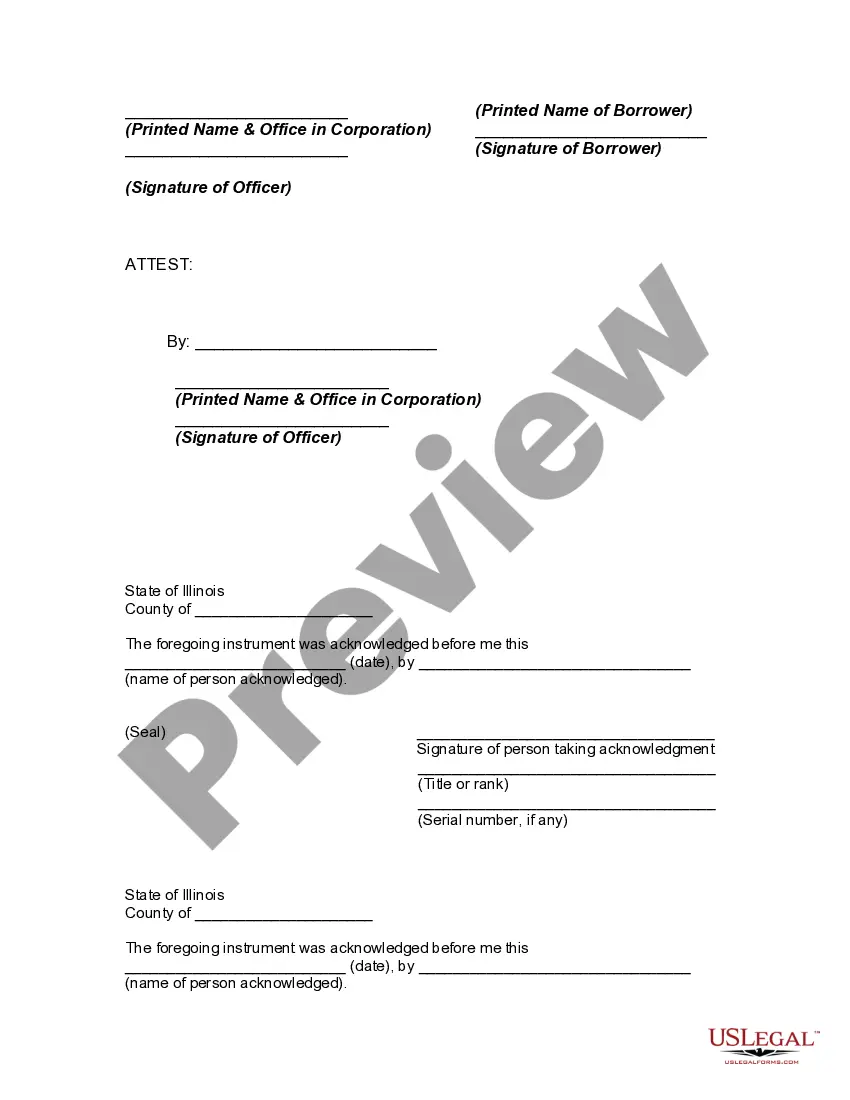
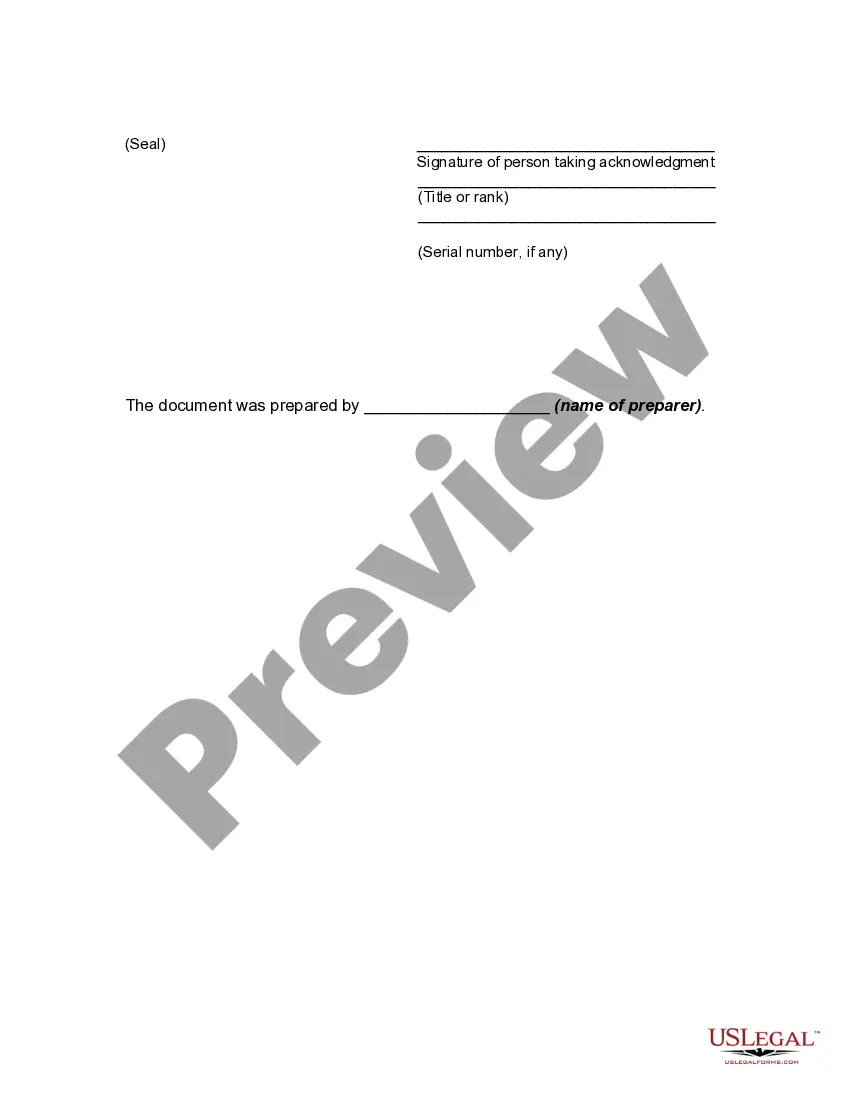
- Notarization requirements to validate the signatures and the agreement.
When to use this document
This form is suitable for scenarios where a borrower is facing possible foreclosure and prefers to transfer their property to the lender rather than going through the foreclosure process. It is typically used when the borrower can no longer afford mortgage payments and wants to ensure that their existing debts related to the mortgage are cancelled as part of the agreement.
Who should use this form
- Homeowners looking to transfer ownership of their property to their lender.
- Borrowers seeking to negotiate a deed in lieu of foreclosure as an alternative to foreclosure proceedings.
- Lenders who require clear documentation of the debt cancellation and property transfer.
Instructions for completing this form
- Identify the parties involved: Fill in the names and addresses of both the Borrower and the Lender.
- Specify the property: Provide the legal description and address of the mortgaged property.
- Enter relevant dates: Fill in the effective date, dates of the Quitclaim Deed, and other key dates.
- Fill in financial details: Clearly indicate the amounts owed on the mortgage and any relevant notes.
- Signature block: Ensure both parties sign the document, and it is notarized as required.
Does this document require notarization?
To make this form legally binding, it must be notarized. Our online notarization service, powered by Notarize, lets you verify and sign documents remotely through an encrypted video session.
Get your form ready online
Our built-in tools help you complete, sign, share, and store your documents in one place.
Make edits, fill in missing information, and update formatting in US Legal Forms—just like you would in MS Word.
Download a copy, print it, send it by email, or mail it via USPS—whatever works best for your next step.
Sign and collect signatures with our SignNow integration. Send to multiple recipients, set reminders, and more. Go Premium to unlock E-Sign.
If this form requires notarization, complete it online through a secure video call—no need to meet a notary in person or wait for an appointment.
We protect your documents and personal data by following strict security and privacy standards.

Make edits, fill in missing information, and update formatting in US Legal Forms—just like you would in MS Word.

Download a copy, print it, send it by email, or mail it via USPS—whatever works best for your next step.

Sign and collect signatures with our SignNow integration. Send to multiple recipients, set reminders, and more. Go Premium to unlock E-Sign.

If this form requires notarization, complete it online through a secure video call—no need to meet a notary in person or wait for an appointment.

We protect your documents and personal data by following strict security and privacy standards.
Avoid these common issues
- Failing to include the correct legal description of the property.
- Not obtaining the necessary notarization for the agreement.
- Leaving out critical dates, leading to potential confusion about the agreement's timeline.
- Not clearly indicating the amount of mortgage debt being satisfied by the deed transfer.
Why use this form online
- Convenience of downloading and completing the form at your own pace.
- Editability allows for easy customization to fit your specific circumstances.
- Assurance of reliability, as the form is crafted by licensed attorneys and meets legal standards.
Looking for another form?
Form popularity
FAQ
First, approach your lender with sufficient proof of inability to repay your mortgage, and then offer a deed in lieu of foreclosure. Second, negotiate the terms of any reports to credit bureaus your lender may make after it accepts your deed in lieu.
A hardship letter should Start by stating the purpose of the letter whether it is a loan modification or a short sale so the lender knows what homeowners want. It should say something like I need to restructure my mortgage and obtain a lower, fixed interest rate2026, in a way that force them to find out why.
Estoppel Certificate Form Of Individual Giving Deed In Lieu of Foreclosure.This affidavit is made for the protection and benefit of the grantee in said deed, his successors and assigns, and all other parties hereafter dealing with or who may acquire an interest in the property herein described.
Final Thoughts On Deed In Lieu Of Foreclosure When you take a deed in lieu agreement, you transfer your home's deed to your lender voluntarily. In exchange, the lender agrees to forgive the amount left on your loan. A deed in lieu agreement won't stay on your credit report if a foreclosure will.
A deed in lieu of foreclosure is different from a short sale because it transfers the property to the lender instead of selling it to a new buyer.Similar to a short sale, a deed in lieu of foreclosure likely will not damage your credit as severely as a foreclosure or a bankruptcy.
The deed in lieu of foreclosure offers several advantages to both the borrower and the lender. The principal advantage to the borrower is that it immediately releases him/her from most or all of the personal indebtedness associated with the defaulted loan.
When recourse debt is involved in a deed in lieu of foreclosure, the transaction typically results in cancellation of debt (COD) income.If the debt exceeds the property's FMV, the excess is treated as COD income taxable as ordinary income unless an exclusion applies (see below).
Rather than deal with the foreclosure process, I would like to give you the deed to my home, in exchange for forgiveness on the loan. I do not have a second mortgage, and there are no other liens on the property. I have attached all relevant documents for the house and for my current economic situation.