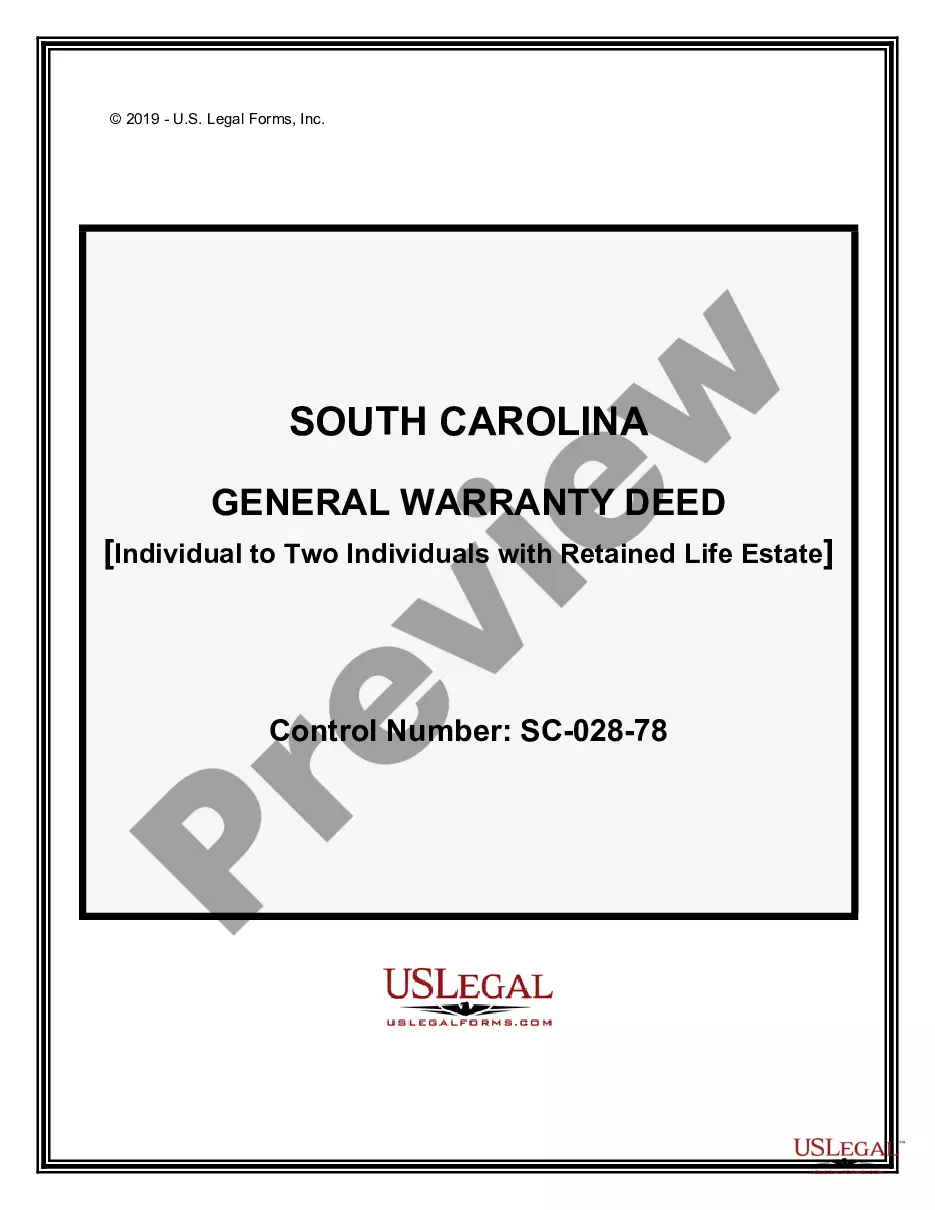
Affidavit of Title- Mortgagor
What this document covers
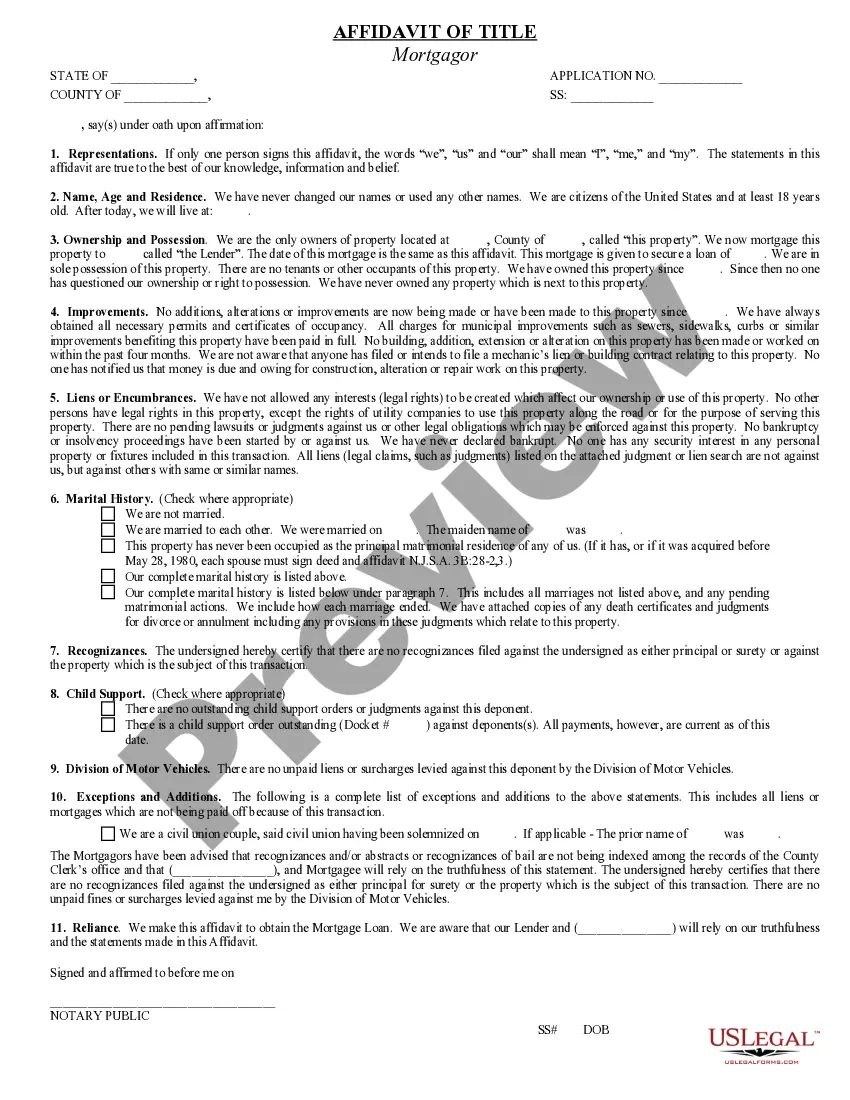
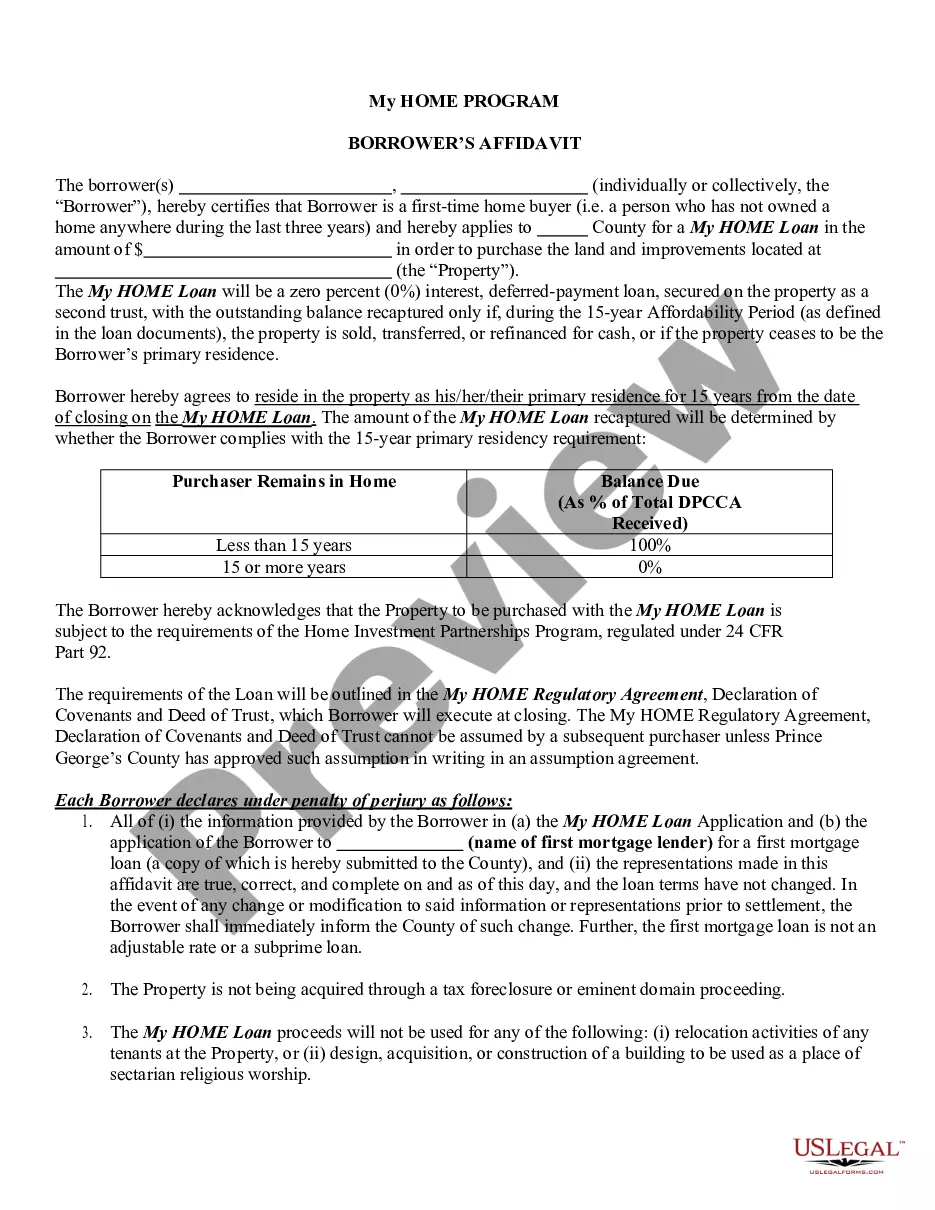
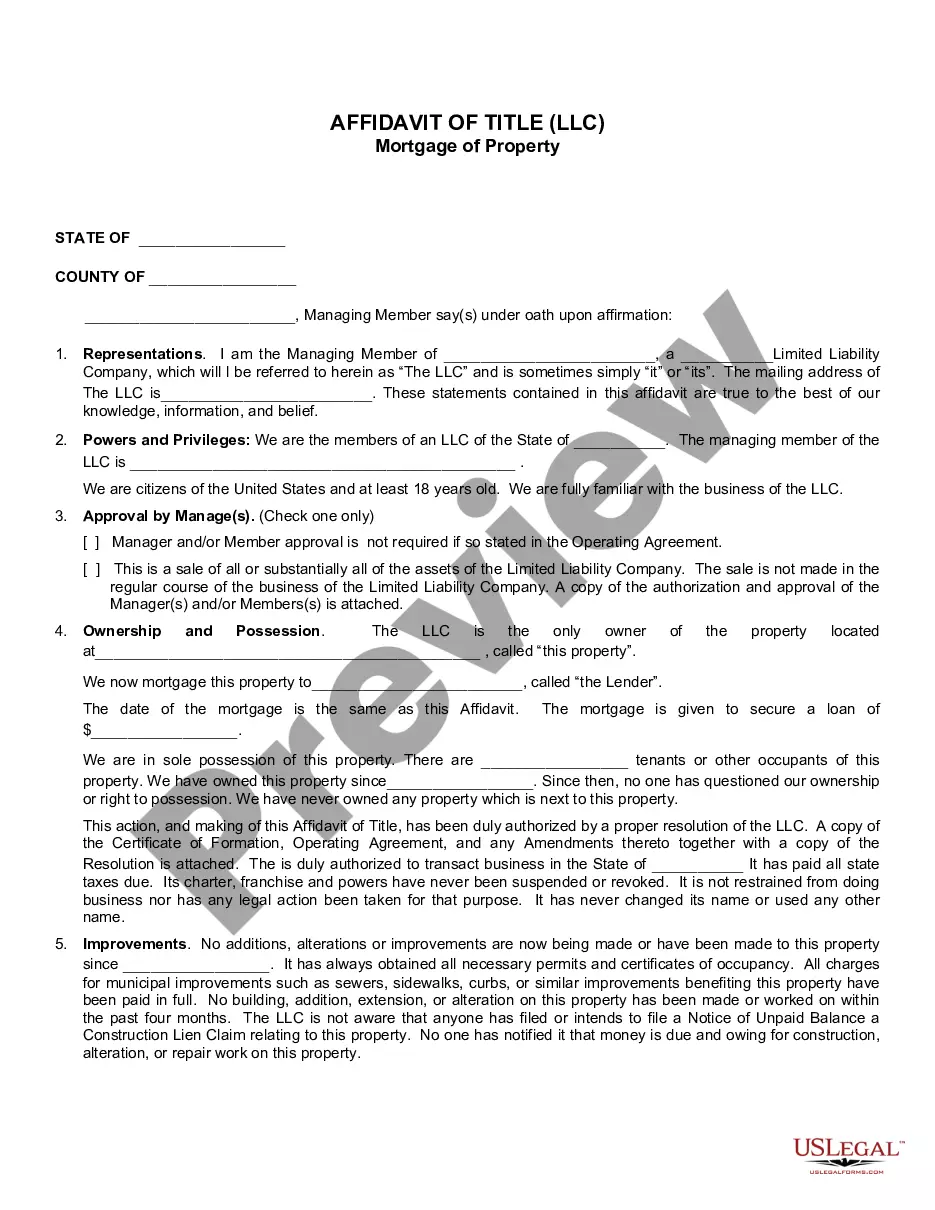
The Affidavit of Title - Mortgagor is a sworn statement that provides essential details about property ownership and the status of liens or encumbrances related to the property. It is a critical document used during the mortgage process to confirm the mortgagor's (the borrower) claims about the property before the lender issues a loan. Unlike other affidavits, this specific affidavit focuses on ownership and any legal claims tied to the property, serving as a safeguard for lenders against potential future disputes.
What’s included in this form
- Representations and acknowledgments about the truth of statements.
- Personal information including name, age, and residence of the mortgagor.
- Details about property ownership and the nature of the mortgage.
- Statements regarding improvements made to the property.
- Disclosure of any liens, encumbrances, or legal issues pertaining to the property.
- Marital history and information related to child support obligations.


When to use this form
This affidavit should be used when applying for a mortgage loan. It is specifically required by lenders to verify that the mortgagor has clear title to the property and that there are no outstanding legal claims against it. Using this form protects both the borrower and lender by providing a formal declaration of property status, ownership history, and financial responsibilities.
Intended users of this form
- Individuals seeking to mortgage their property.
- Couples applying for a joint mortgage loan.
- Homeowners who need to confirm clear title before securing a loan.
- Anyone involved in real estate transactions requiring proof of ownership.
How to complete this form
- Identify the parties involved, including the mortgagor and lender.
- Provide the property location and details about ownership.
- Disclose any existing liens or legal claims against the property.
- Complete sections regarding marital history and child support, if applicable.
- Sign the affidavit in the presence of a notary public.
Notarization guidance
Yes, this form must be notarized to be legally valid. The mortgagor will need to affirm the content of the affidavit in front of a notary public, confirming the truthfulness of the statements made. US Legal Forms provides integrated online notarization services, allowing for secure video calls with notaries available 24/7.
Get your form ready online
Our built-in tools help you complete, sign, share, and store your documents in one place.
Make edits, fill in missing information, and update formatting in US Legal Forms—just like you would in MS Word.
Download a copy, print it, send it by email, or mail it via USPS—whatever works best for your next step.
Sign and collect signatures with our SignNow integration. Send to multiple recipients, set reminders, and more. Go Premium to unlock E-Sign.
If this form requires notarization, complete it online through a secure video call—no need to meet a notary in person or wait for an appointment.
We protect your documents and personal data by following strict security and privacy standards.

Make edits, fill in missing information, and update formatting in US Legal Forms—just like you would in MS Word.

Download a copy, print it, send it by email, or mail it via USPS—whatever works best for your next step.

Sign and collect signatures with our SignNow integration. Send to multiple recipients, set reminders, and more. Go Premium to unlock E-Sign.

If this form requires notarization, complete it online through a secure video call—no need to meet a notary in person or wait for an appointment.

We protect your documents and personal data by following strict security and privacy standards.
Mistakes to watch out for
- Failing to disclose all liens or claims against the property.
- Not completing all sections of the affidavit, specifically marital and child support information.
- Not obtaining notarization before submitting the document.
- Using the wrong names or misspelling terms related to the property.
Why complete this form online
- Convenience of downloading and completing the form at your leisure.
- Accessibility to legal templates drafted by licensed attorneys.
- Editability of the form to fit specific needs before use.
- Time-saving process as you can complete this from home without scheduling an appointment.
Looking for another form?
Form popularity
FAQ
In mortgage loan documents, the buyer is often referred to as the borrower in the note, and mortgagor in the mortgage document. The difference between being a borrower and a mortgagor is that the mortgage provides security, or a lien in real estate, for the money borrowed.
Key Takeaways. An affidavit of title is a notarized, legal document provided by the seller of a piece of property attesting to the status of and certain facts about the property, including ownership and the presence of any legal issues.
If you take out a home loan and give the lender a mortgage in return, you're called a mortgagor. Deeds are the instruments used to convey (transfer) title to real property from one party to another. When you transfer title to a property through a deed you also become the grantor.
A mortgagor's affidavit is a written statement used in real estate transactions. The statement insures the loan and states whether the borrower will occupy the property as a primary residence. The borrower signs the affidavit at the time of closing.
A mortgagor/mortgagee is another example of a grantor/grantee. Here the lender originates the mortgage while accepting a security interest in the property, and the borrower accepts its terms and agrees to repay.
?The mortgagor is the person, couple or group of people seeking a loan to purchase a home ? also known as the buyer, borrower or homeowner,? says Rob Heck, vice president of Mortgage at Morty in New York City.
In a real estate agreement, the mortgagor is the borrower of a mortgage loan, and the mortgagee is the lender. The mortgagor makes regular payments on the loan and agrees to a lien on the mortgaged property as collateral for the mortgagee.
Mortgagee. In a real estate agreement, the mortgagor is the borrower of a mortgage loan, and the mortgagee is the lender. The mortgagor makes regular payments on the loan and agrees to a lien on the mortgaged property as collateral for the mortgagee.