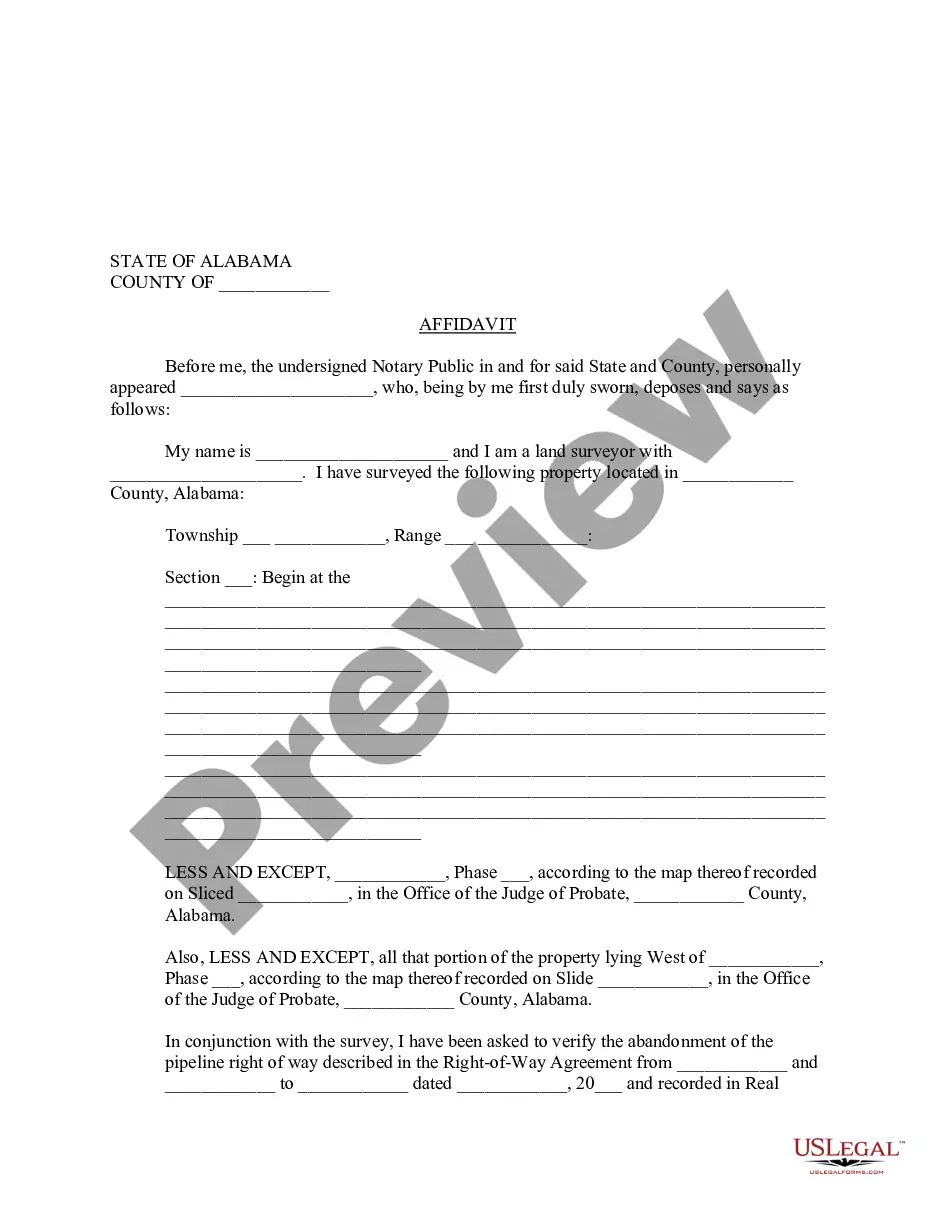
Idaho Petition for Final Distribution
Understanding this form
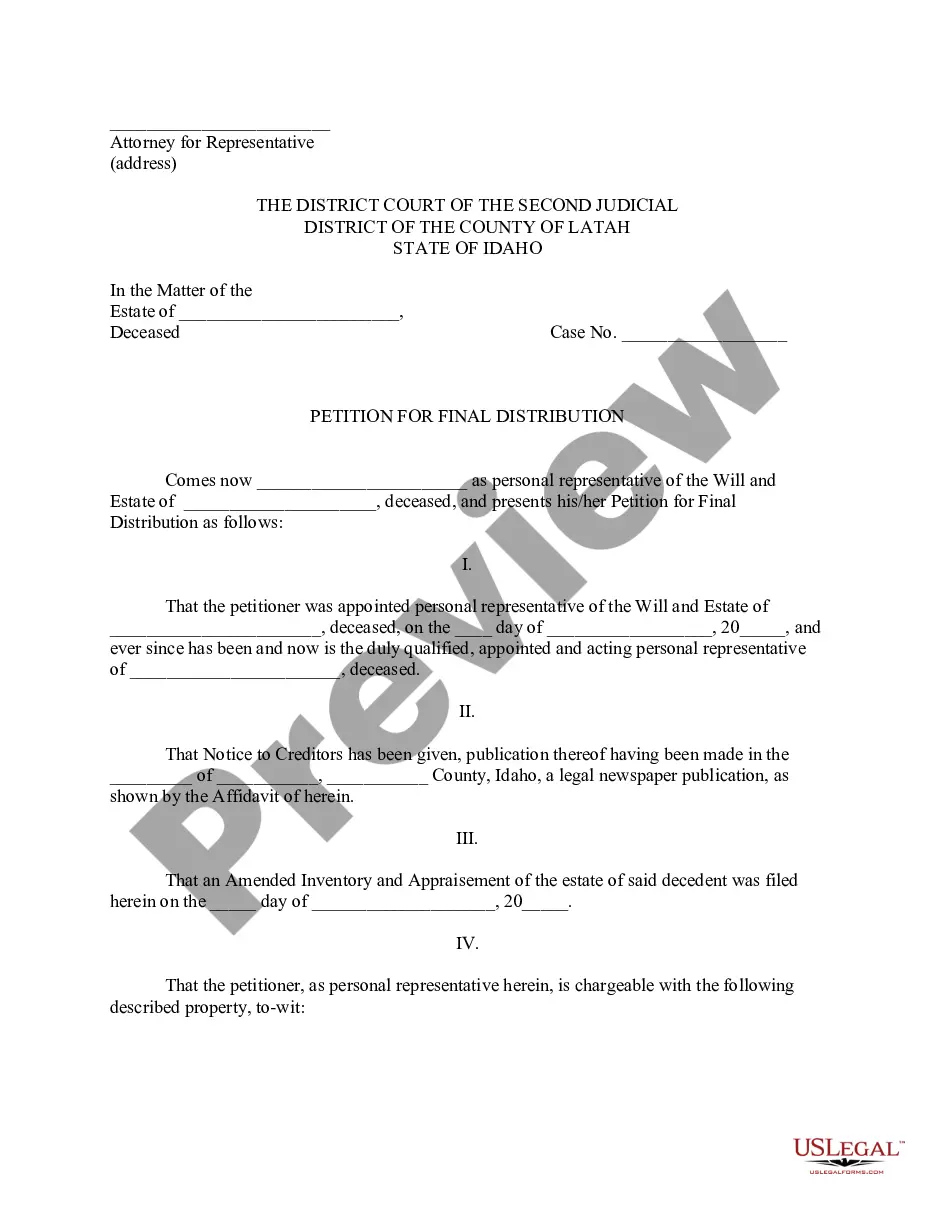
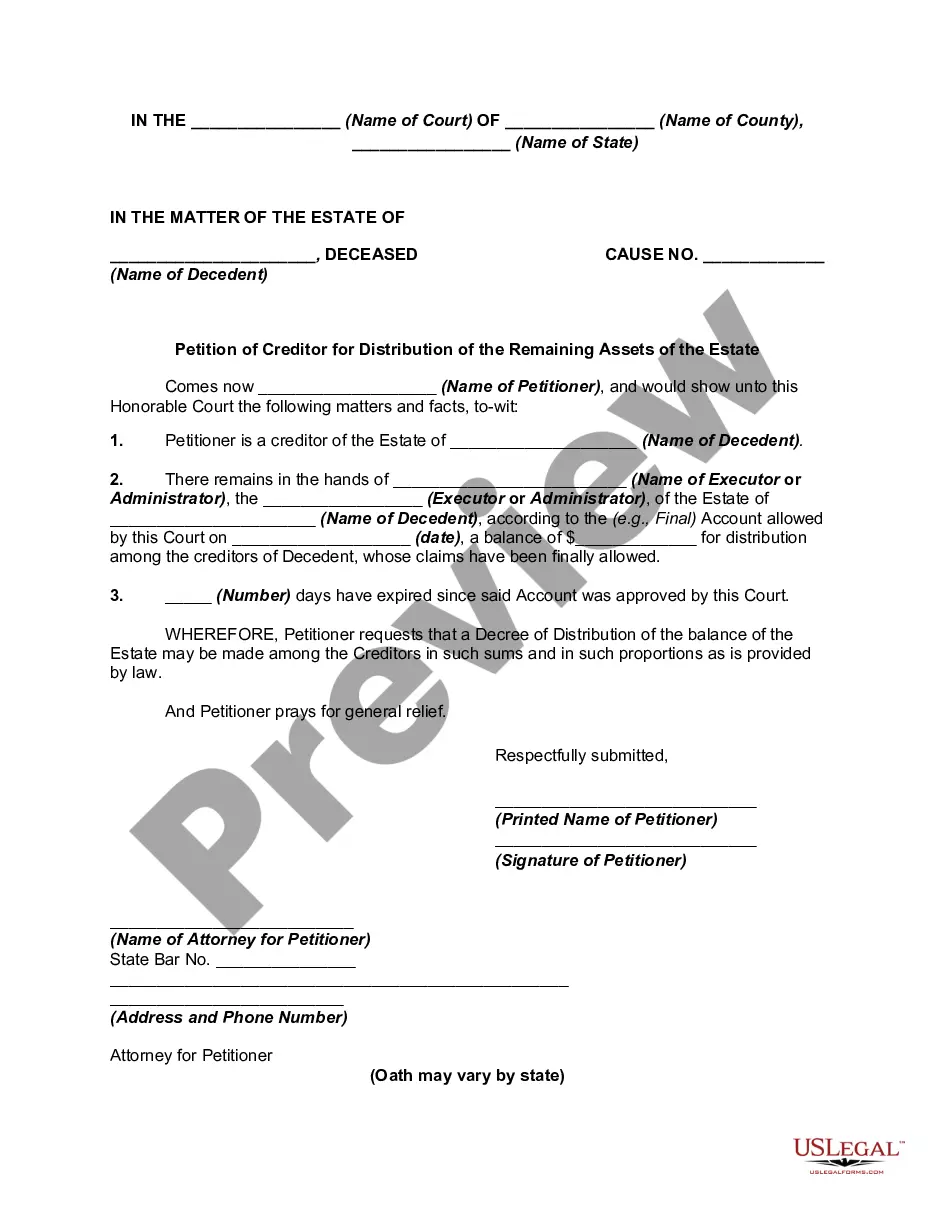
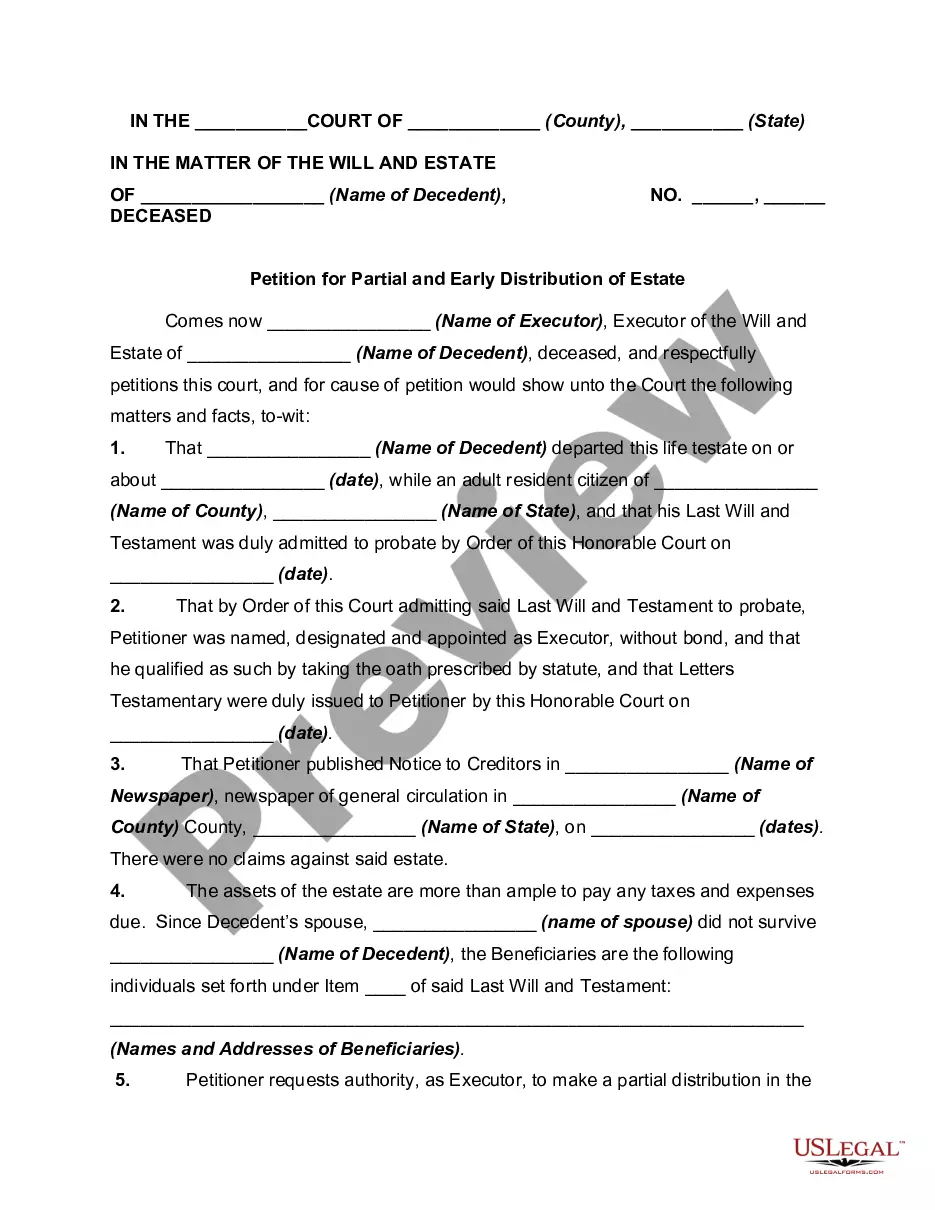
The Petition for Final Distribution is a legal document used to request the court's approval for the final distribution of assets from an estate. This form is essential in concluding probate proceedings, ensuring that all debts and obligations are settled, and that the remaining assets are allocated according to the decedent's last will and testament. Unlike other probate forms, this petition specifically addresses the authorization for final asset distribution, making it a critical step in the probate process.
Main sections of this form
- Identification of the personal representative and the estate involved
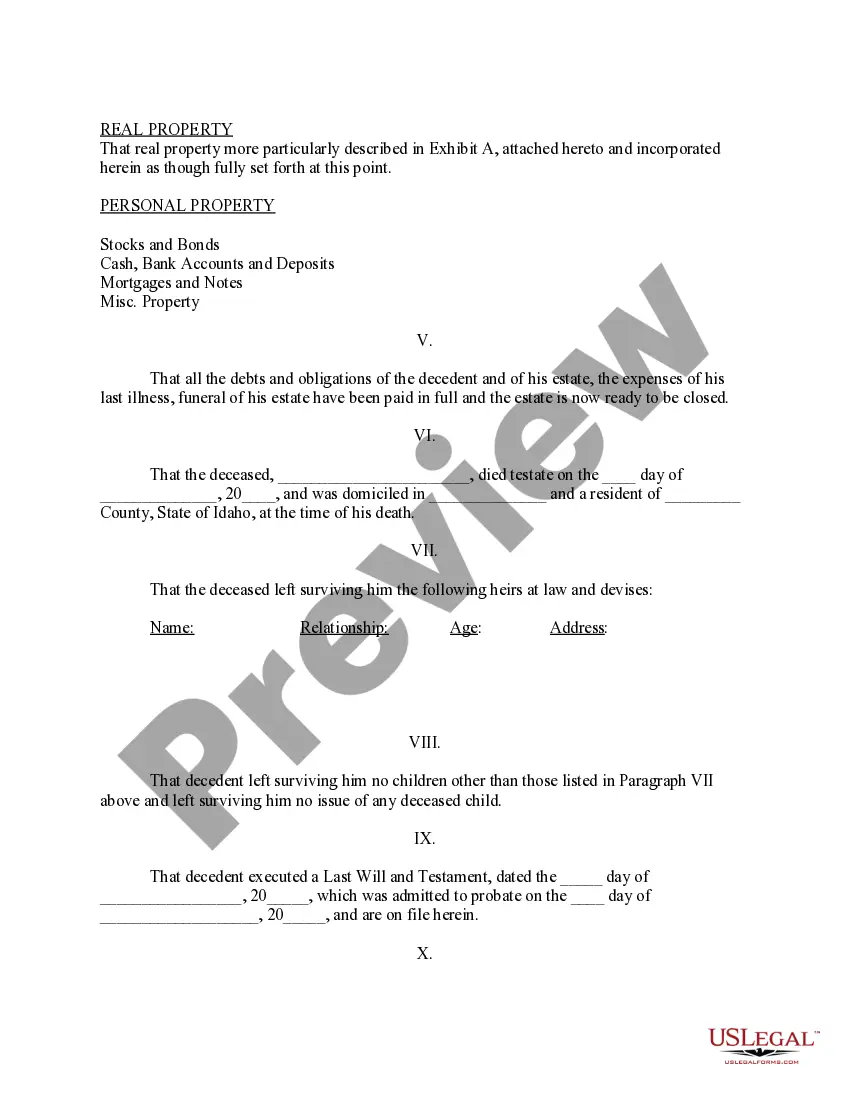
- Confirmation of debt payments and liabilities of the estate
- Details of the real and personal property within the estate
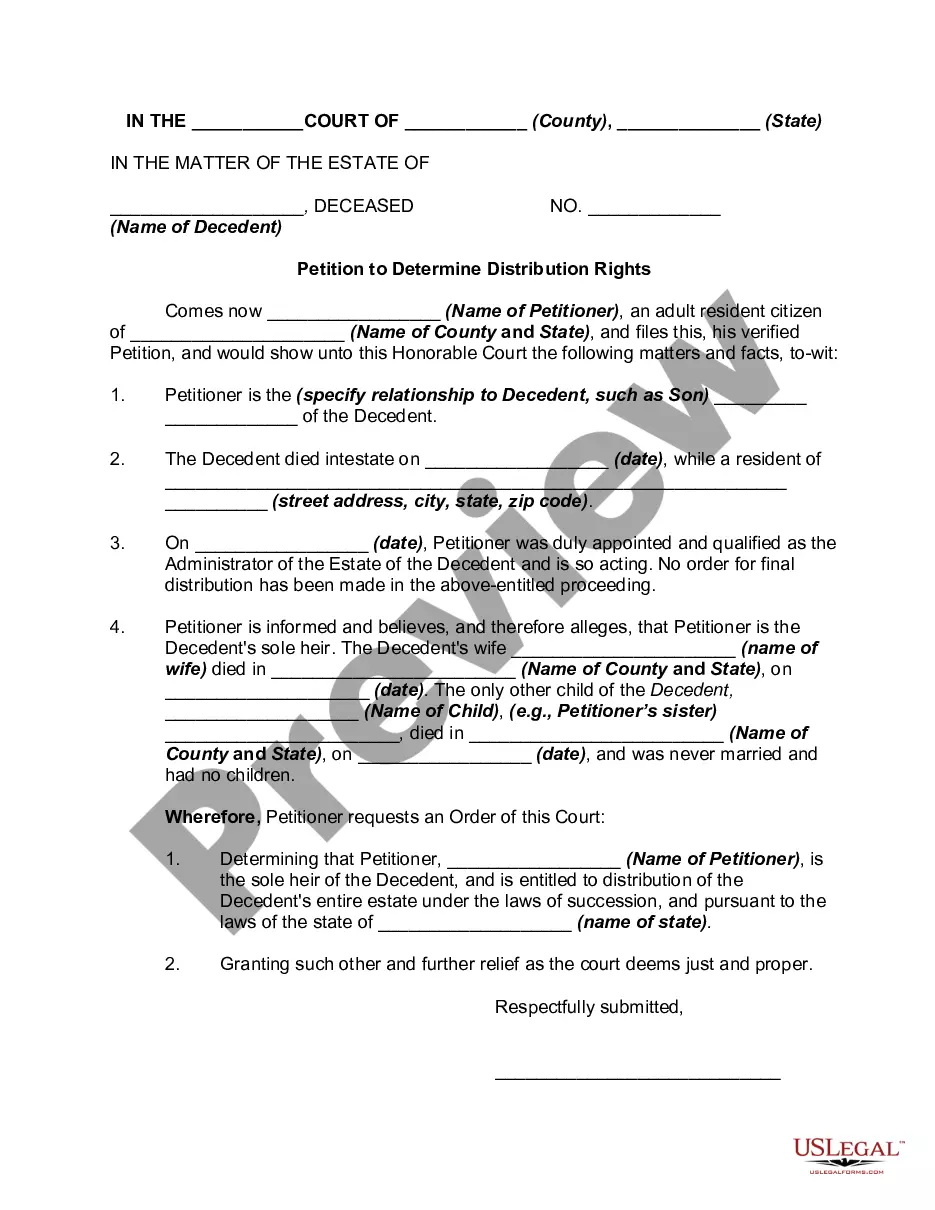
- List of surviving heirs and their relationships to the deceased
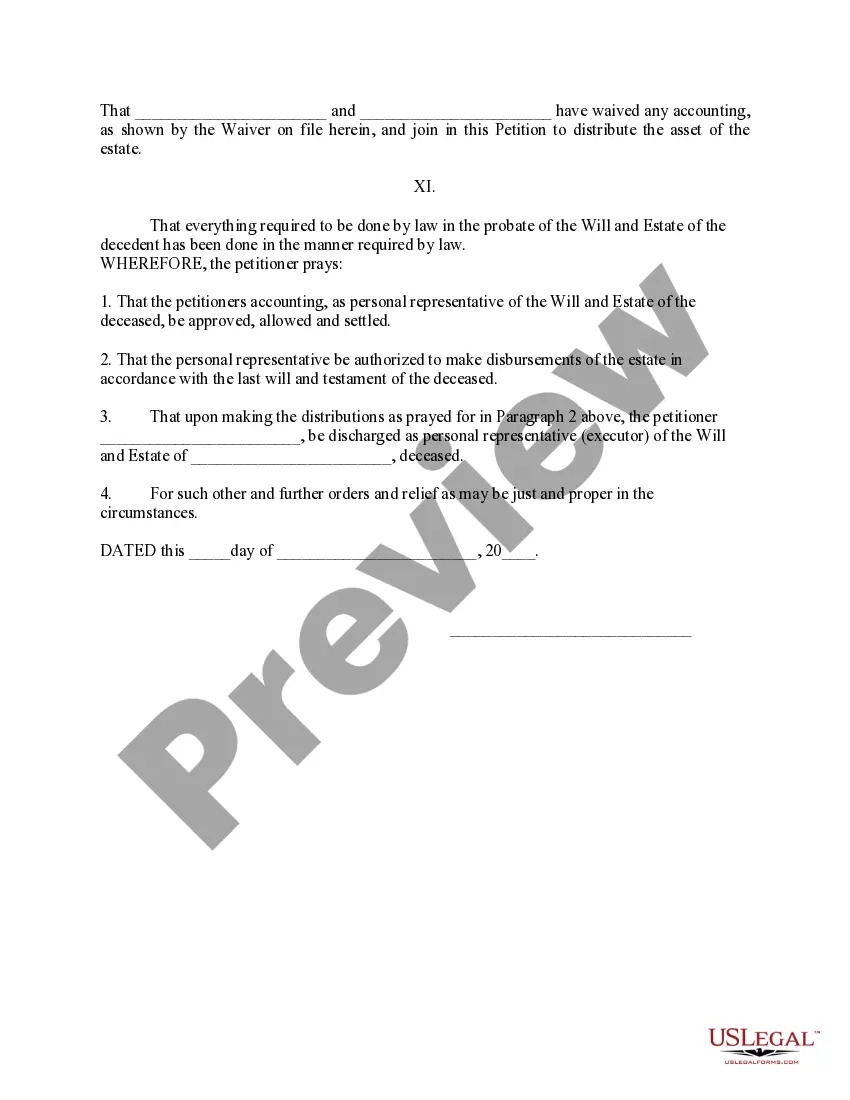
- Request for court approval of the final accounting and distribution of assets
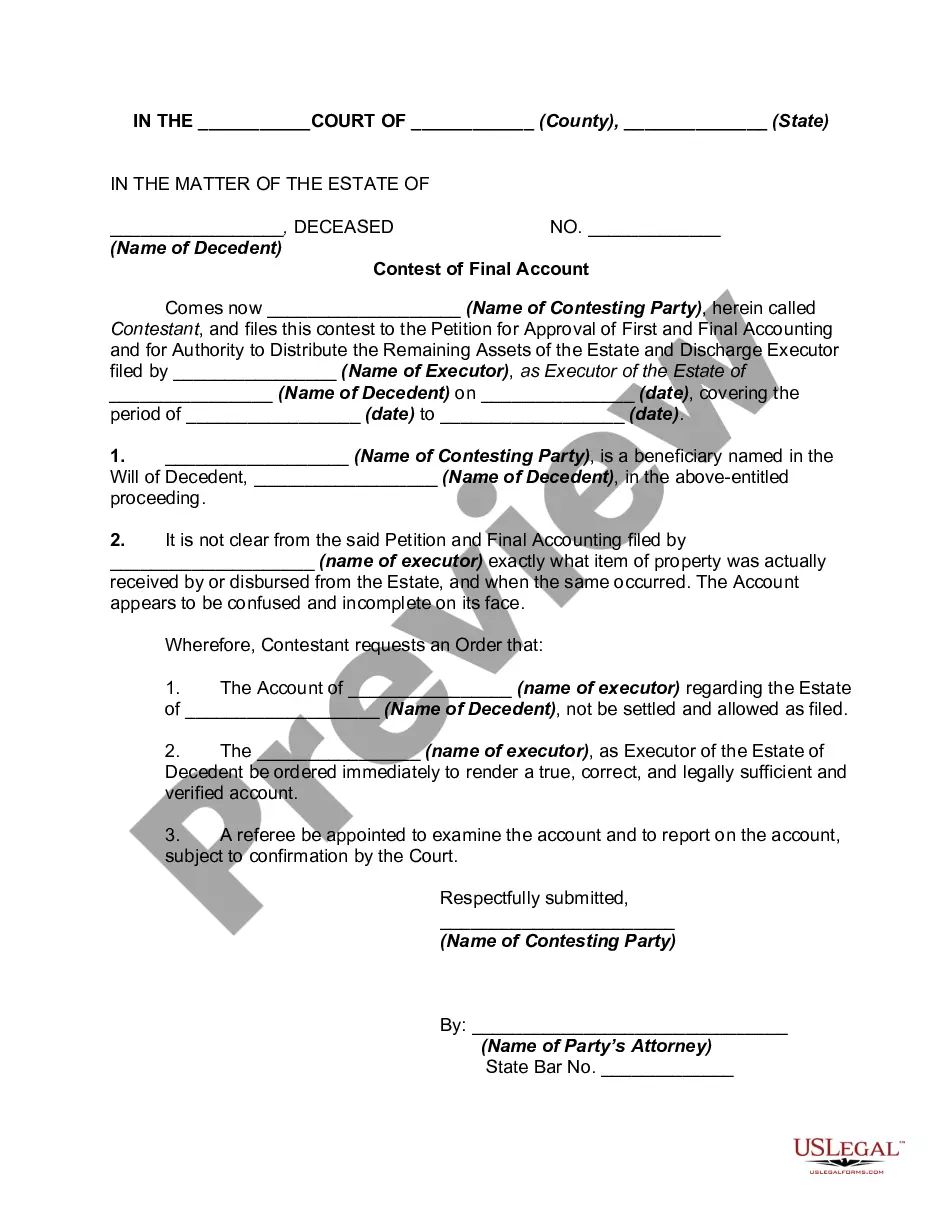
- Acknowledgment of waivers from certain heirs regarding accounting
When to use this document
You should use the Petition for Final Distribution after completing the probate process when the estate is ready to be closed. This form is appropriate when all debts have been paid, the estate's inventory has been assessed, and there is a need to distribute remaining assets to the heirs as per the will. It is typically filed at the end of the probate process when all necessary steps have been completed.
Intended users of this form
The following individuals should use the Petition for Final Distribution:
- The personal representative or executor of the estate
- Heirs or beneficiaries seeking to expedite the distribution of assets
- Legal representatives or attorneys handling probate matters
Completing this form step by step
- Identify the petitioner and their relationship to the deceased.
- Enter the details of the deceased, including name and date of death.
- List all property and assets of the estate, categorizing them as real or personal property.
- Confirm that all estate debts and expenses have been paid in full.
- Provide the list of heirs, along with their relationships to the deceased.
- Sign and date the petition in the presence of a notary public if required.
Does this form need to be notarized?
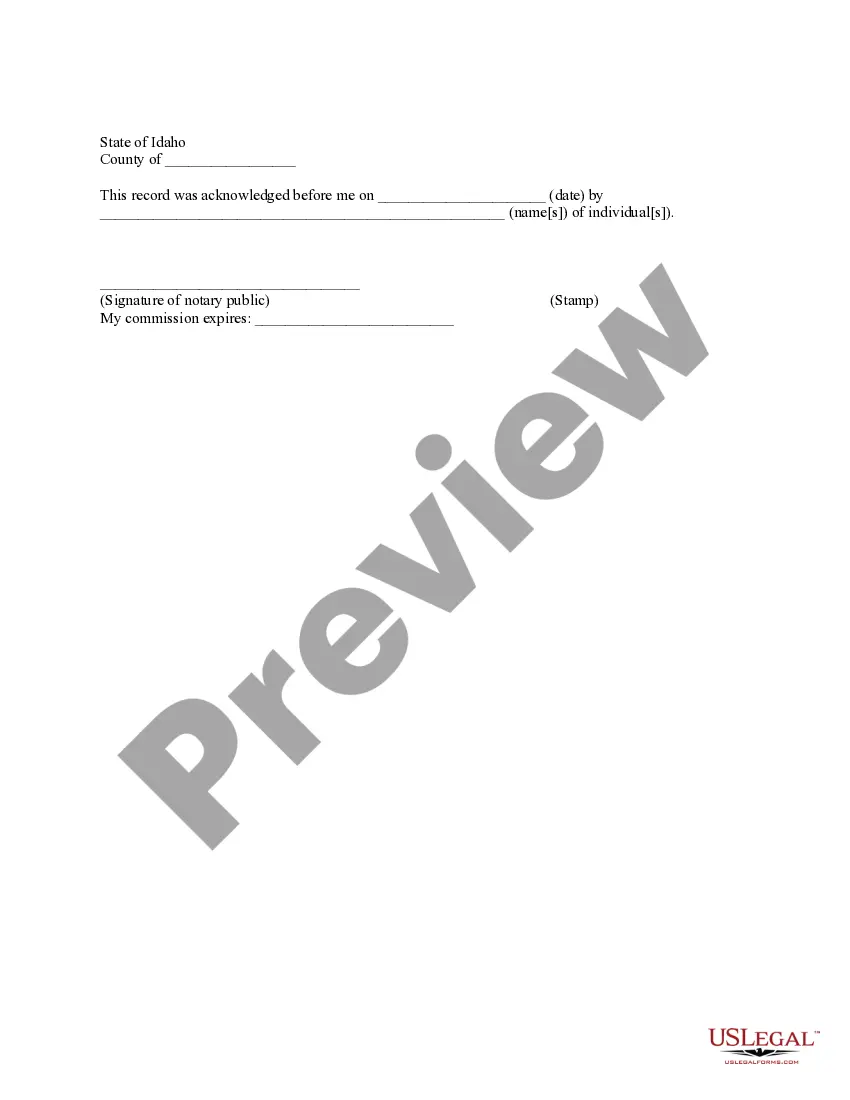
To make this form legally binding, it must be notarized. Our online notarization service, powered by Notarize, lets you verify and sign documents remotely through an encrypted video session.
Get your form ready online
Our built-in tools help you complete, sign, share, and store your documents in one place.
Make edits, fill in missing information, and update formatting in US Legal Forms—just like you would in MS Word.
Download a copy, print it, send it by email, or mail it via USPS—whatever works best for your next step.
Sign and collect signatures with our SignNow integration. Send to multiple recipients, set reminders, and more. Go Premium to unlock E-Sign.
If this form requires notarization, complete it online through a secure video call—no need to meet a notary in person or wait for an appointment.
We protect your documents and personal data by following strict security and privacy standards.

Make edits, fill in missing information, and update formatting in US Legal Forms—just like you would in MS Word.

Download a copy, print it, send it by email, or mail it via USPS—whatever works best for your next step.

Sign and collect signatures with our SignNow integration. Send to multiple recipients, set reminders, and more. Go Premium to unlock E-Sign.

If this form requires notarization, complete it online through a secure video call—no need to meet a notary in person or wait for an appointment.

We protect your documents and personal data by following strict security and privacy standards.
Typical mistakes to avoid
- Failing to include all necessary heirs or beneficiaries.
- Not confirming that all debts and obligations have been settled before filing.
- Incorrectly stating the details of the assets or liabilities.
- Neglecting to provide required signatures or notarization.
Benefits of using this form online
- Convenient access to a professionally drafted legal form.
- Editable templates that can be tailored to specific needs.
- Reliable resources backed by licensed attorneys to ensure compliance.
Legal use & context
- This form is legally binding once signed and notarized, affirming the completion of the probate process.
- It is advisable to retain copies of the filed petition and any related documents for your records.
Quick recap
- The Petition for Final Distribution is necessary for officially closing an estate.
- Accurate completion ensures compliance with probate laws and procedures.
- This document requires notarization to be deemed valid by the court.
Looking for another form?

Form popularity
FAQ
From Longman Business DictionaryRelated topics: Finance 02ccfinal distri02c8bution singular the last DIVIDEND paid during a financial year, if a company pays dividends more than once during the year 2192 distribution.
In order to close a probate estate in California, the appointed personal representative must file a petition with the probate court which reports everything he/she has done in regards to the estate. The personal representative must file a Petition for Final Distribution within one year after Letters are issued.
An order for final distribution in California probate is conclusive to the rights of heirs and devisees in a decedent's estate. The order also releases the personal representative from claims by heirs and devisees, unless, of course, there is fraud or misrepresentation present.
Before distributing assets to beneficiaries, the executor must pay valid debts and expenses, subject to any exclusions provided under state probate laws.The executor must maintain receipts and related documents and provide a detailed accounting to estate beneficiaries.
When the executor has paid off the debts, filed the taxes and sold any property needed to pay bills, he can submit a final estate accounting to the probate court. Once the probate court approves the accounting, he can distribute assets to you and other beneficiaries according to the terms of the will.