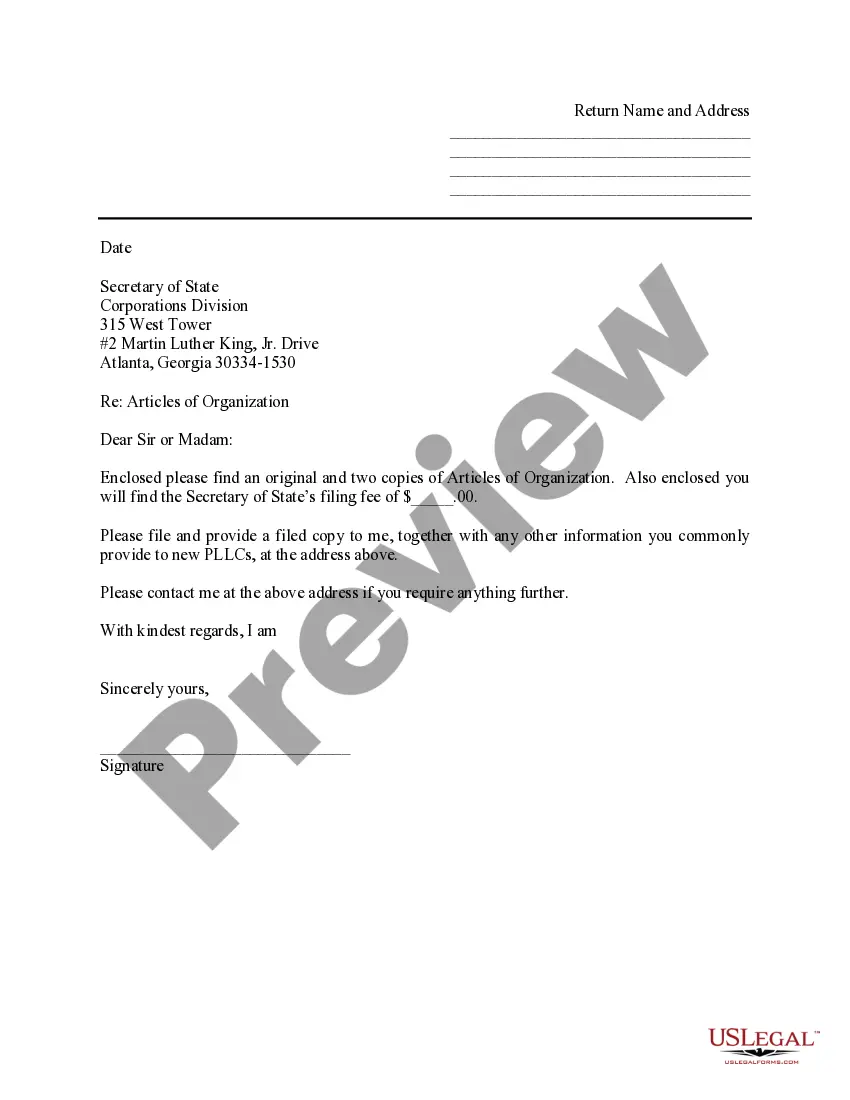
Georgia Sample Transmittal Letter
About this form
The Sample Transmittal Letter is a professional document used to accompany the Articles of Organization and any additional required forms submitted to the Secretary of State for filing. This form serves as a cover letter, summarizing the enclosed documents and stating the associated filing fee. Unlike other forms, it specifically functions to facilitate the submission process for forming a Professional Limited Liability Company (PLLC).
Key parts of this document
- Date of submission
- Recipient address (Secretary of State Corporations Division)
- Subject line indicating the purpose (Articles of Organization)
- A list of enclosed documents (original and copies of Articles of Organization, filing fee)
- Signature line for the sender
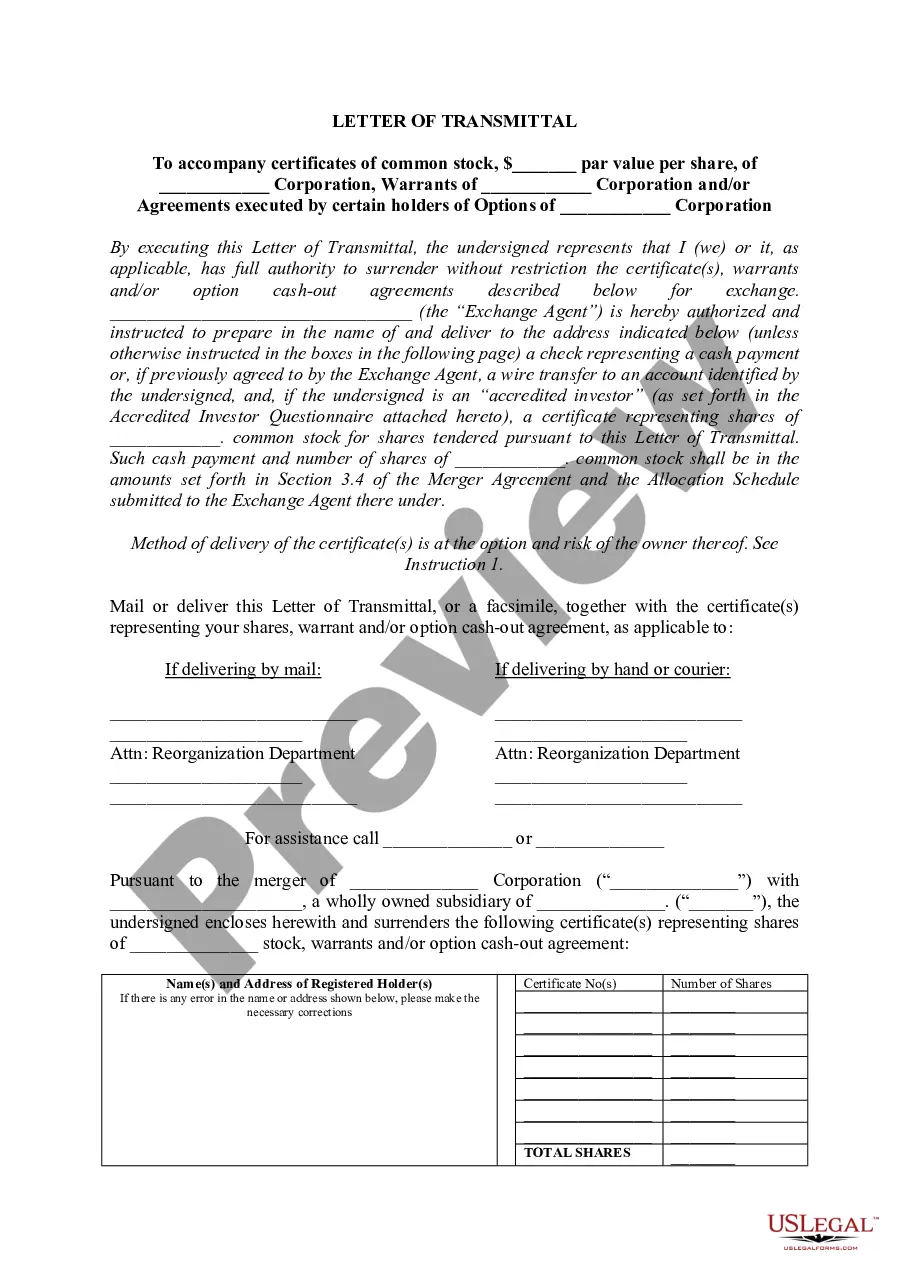
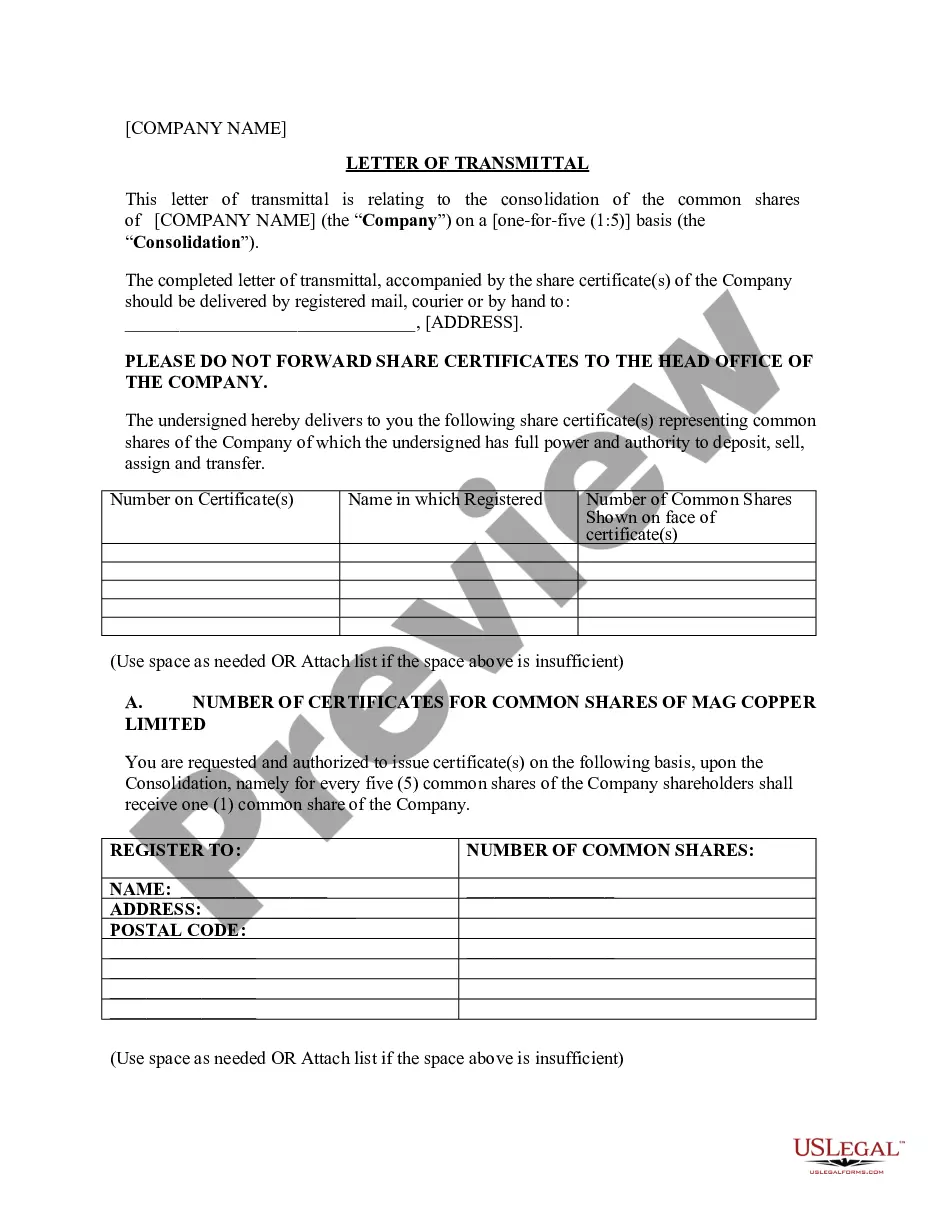
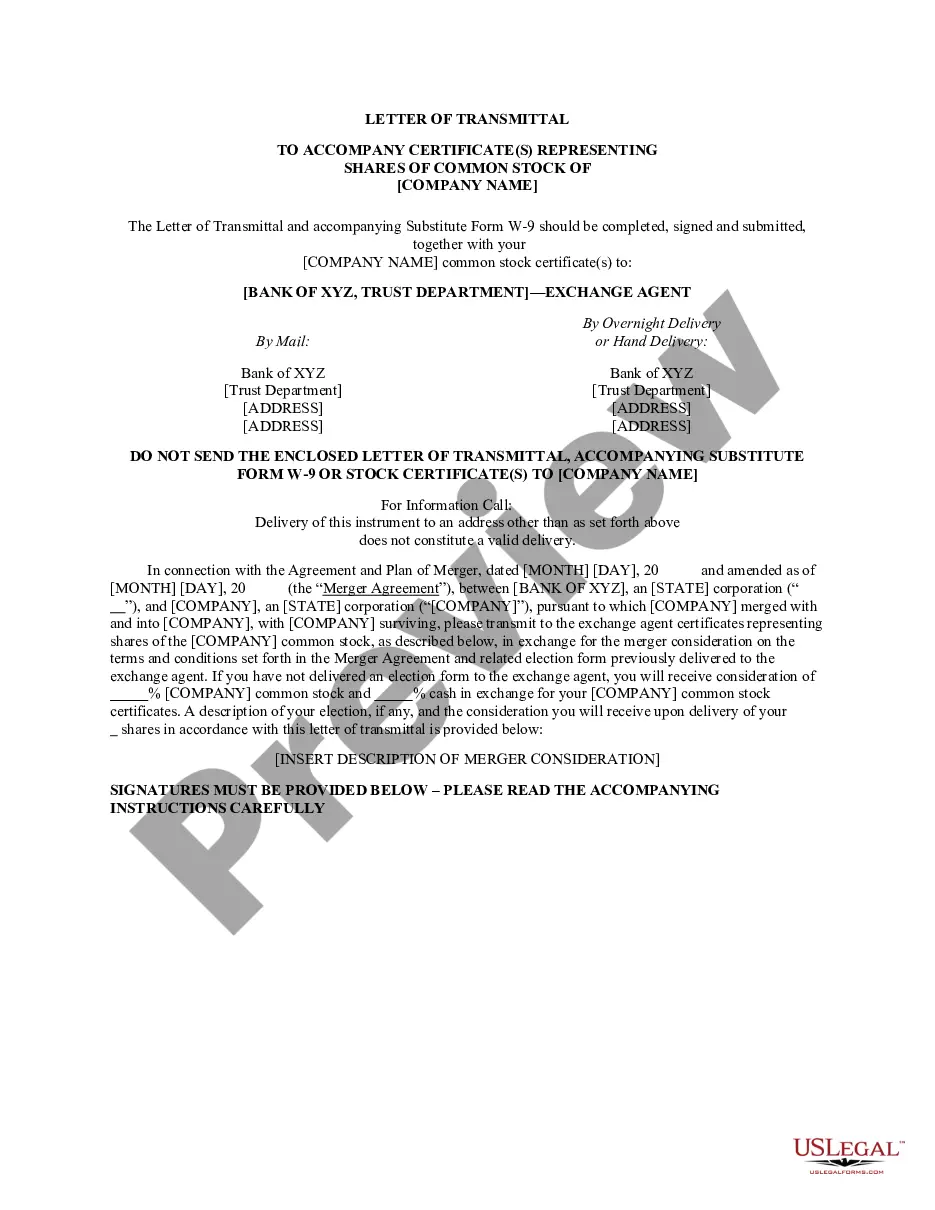
When to use this form
This form should be used when you are preparing to file the Articles of Organization with the Secretary of State to establish a PLLC. It is necessary when submitting documents that require formal filing to ensure that the recipient understands the purpose and contents of the package being sent.
Who should use this form
This form is intended for:
- Business owners looking to establish a Professional Limited Liability Company (PLLC).
- Individuals preparing to submit official documents to the Secretary of State.
- Legal representatives managing the filing process on behalf of clients.
Steps to complete this form
Follow these steps to complete the Sample Transmittal Letter:
- Enter the current date at the top of the letter.
- Provide the Secretary of State's Corporations Division address accurately.
- Clearly indicate the subject as "Re Articles of Organization."
- List the enclosed items, including the original and copies of the Articles of Organization, as well as the filing fee.
- Sign the letter to formalize the submission.
Does this form need to be notarized?
This form does not typically require notarization unless specified by local law.
Get your form ready online
Our built-in tools help you complete, sign, share, and store your documents in one place.
Make edits, fill in missing information, and update formatting in US Legal Forms—just like you would in MS Word.
Download a copy, print it, send it by email, or mail it via USPS—whatever works best for your next step.
Sign and collect signatures with our SignNow integration. Send to multiple recipients, set reminders, and more. Go Premium to unlock E-Sign.
If this form requires notarization, complete it online through a secure video call—no need to meet a notary in person or wait for an appointment.
We protect your documents and personal data by following strict security and privacy standards.

Make edits, fill in missing information, and update formatting in US Legal Forms—just like you would in MS Word.

Download a copy, print it, send it by email, or mail it via USPS—whatever works best for your next step.

Sign and collect signatures with our SignNow integration. Send to multiple recipients, set reminders, and more. Go Premium to unlock E-Sign.

If this form requires notarization, complete it online through a secure video call—no need to meet a notary in person or wait for an appointment.

We protect your documents and personal data by following strict security and privacy standards.
Typical mistakes to avoid
- Failing to include the correct recipient address for the Secretary of State.
- Omitting necessary enclosures, such as copies of the Articles of Organization.
- Not specifying the filing fee amount.
- Neglecting to sign the letter before submission.
Why use this form online
- Easy online access to download and fill out the form.
- Editable templates that allow for customization to meet specific needs.
- Reliable formats that comply with legal standards.
What to keep in mind
- The Sample Transmittal Letter is essential for submitting Articles of Organization.
- It provides the Secretary of State with clarity regarding the enclosed documents.
- Ensure all information is accurate to avoid delays in processing your filing.
Looking for another form?
Form popularity
FAQ
The format of a transmittal message in a Georgia Sample Transmittal Letter should include a header with your address, the date, and the recipient's details. Use a formal salutation, followed by an organized body that outlines the documents included. Conclude with a courteous closing and signature to maintain a professional standard.
A Georgia Sample Transmittal Letter typically includes the cover letter itself, a list of documents enclosed, and any specific instructions or notes. It's crucial to make the contents clear so the recipient understands the purpose of the submission. A well-structured letter enhances the overall professionalism of your communication.
The opening of a Georgia Sample Transmittal Letter should include a greeting, followed by a brief introduction of the sender and the purpose of the letter. You should mention any attached documents and specify their relevance. This clear introduction sets the tone for effective communication.
To correctly format a Georgia Sample Transmittal Letter, start with your name and address at the top. Follow with the date and the recipient's address, then use a professional greeting. The body should be organized into concise paragraphs that convey the necessary information, followed by a proper closing and your signature.
A Georgia Sample Transmittal Letter should include the sender's contact information, the date, and the recipient's information. Additionally, it should clearly state the purpose of the letter and provide a brief description of the enclosed documents. Including a polite closing message can enhance professionalism and clarity.
To obtain a certificate of authority in Georgia, begin by filling out the appropriate application form available on the Georgia Secretary of State's website. After completing the form, submit it along with the required fees and documentation. Including a Georgia Sample Transmittal Letter can improve your submission by offering a summary of your business and its compliance status. After your application is processed, you will receive an official certificate confirming your authority to operate.
The time it takes to receive a certificate of authority in Georgia can vary based on several factors, including the volume of applications and the accuracy of your submission. Generally, you can expect the process to take anywhere from a few days to several weeks. Submitting a Georgia Sample Transmittal Letter with your application may help speed up the process by ensuring that all necessary information is included. Keep an eye on the Secretary of State's website for updates on your application status.
A letter of authority in Georgia is typically obtained by applying for it through the probate court. You need to provide the court with relevant documents that demonstrate your relationship with the estate in question. To enhance your application, consider including a Georgia Sample Transmittal Letter to clarify your requests and attached documents. After the court reviews your application, you will receive the letter if approved.
To obtain a letter of administration in Georgia, you must petition the probate court in the county where the deceased individual lived. This process requires submitting forms that include details about the decedent and their assets. A Georgia Sample Transmittal Letter can assist in attaching necessary documents to your application, helping to ensure everything is submitted correctly. Once approved, the letter grants you authority to manage the deceased's estate.
Transferring ownership of an LLC in Georgia can be done online through the Georgia Secretary of State's website. You will need to file an amendment to the articles of organization that reflects the ownership change. When you submit the amendment, including a Georgia Sample Transmittal Letter may simplify your application by providing clear details about the changes. Ensure that all members and managers are aware of the new ownership structure.