Confidential Information Exchange - Software
Understanding this form
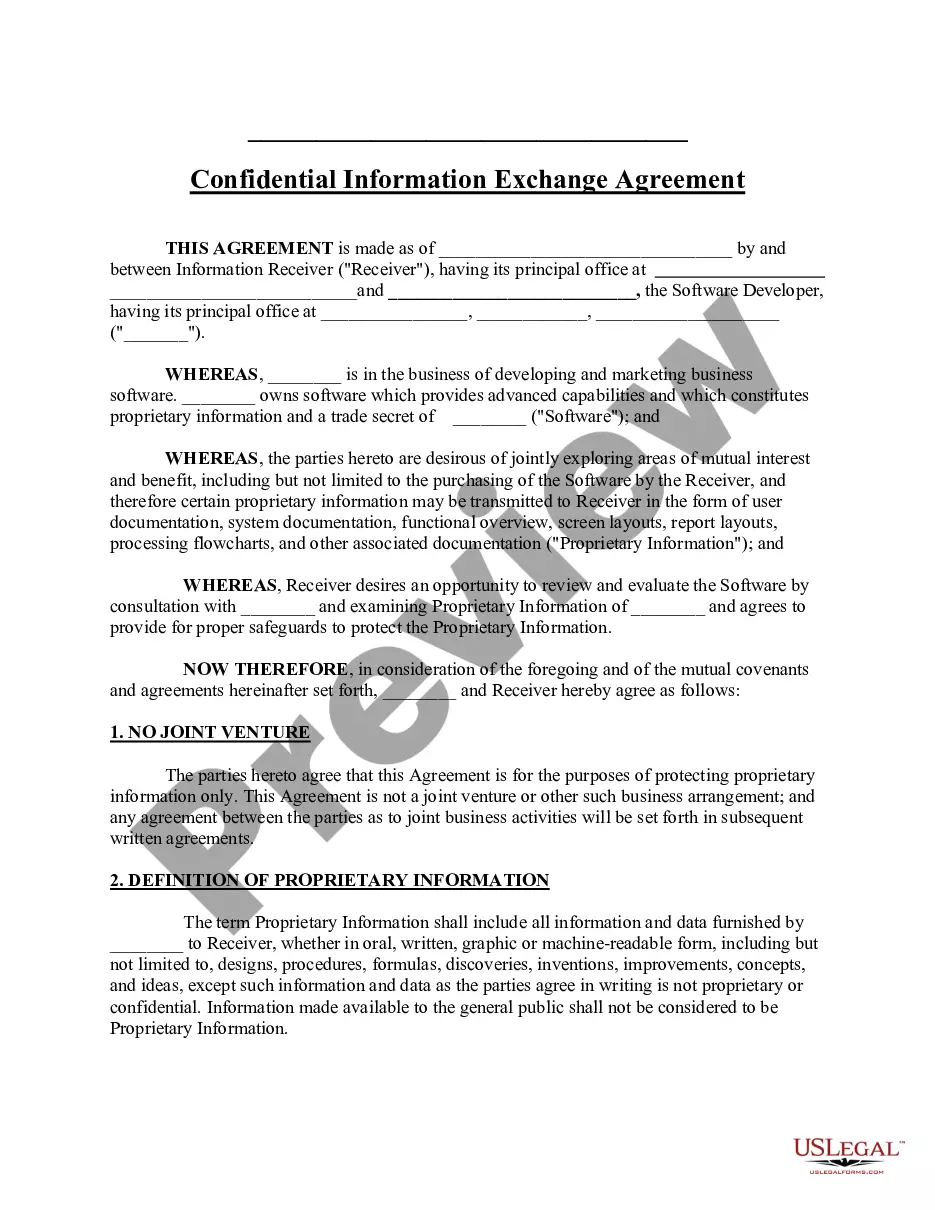
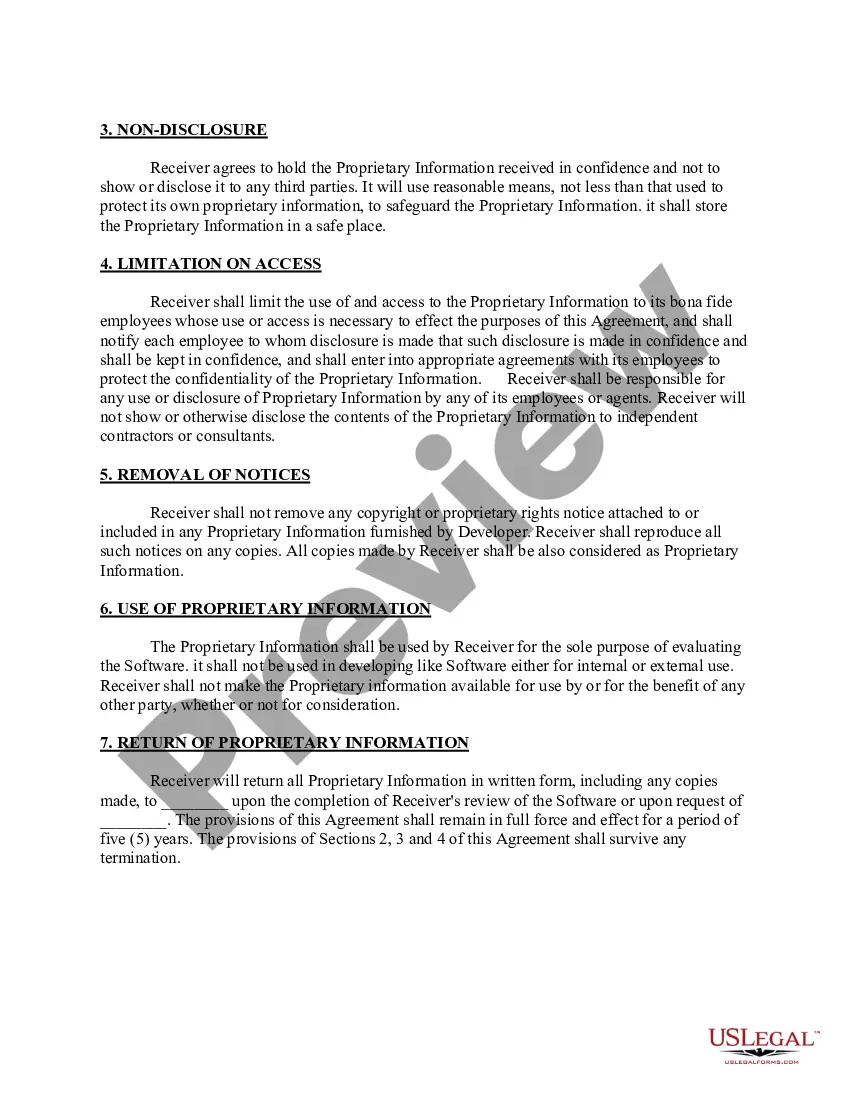
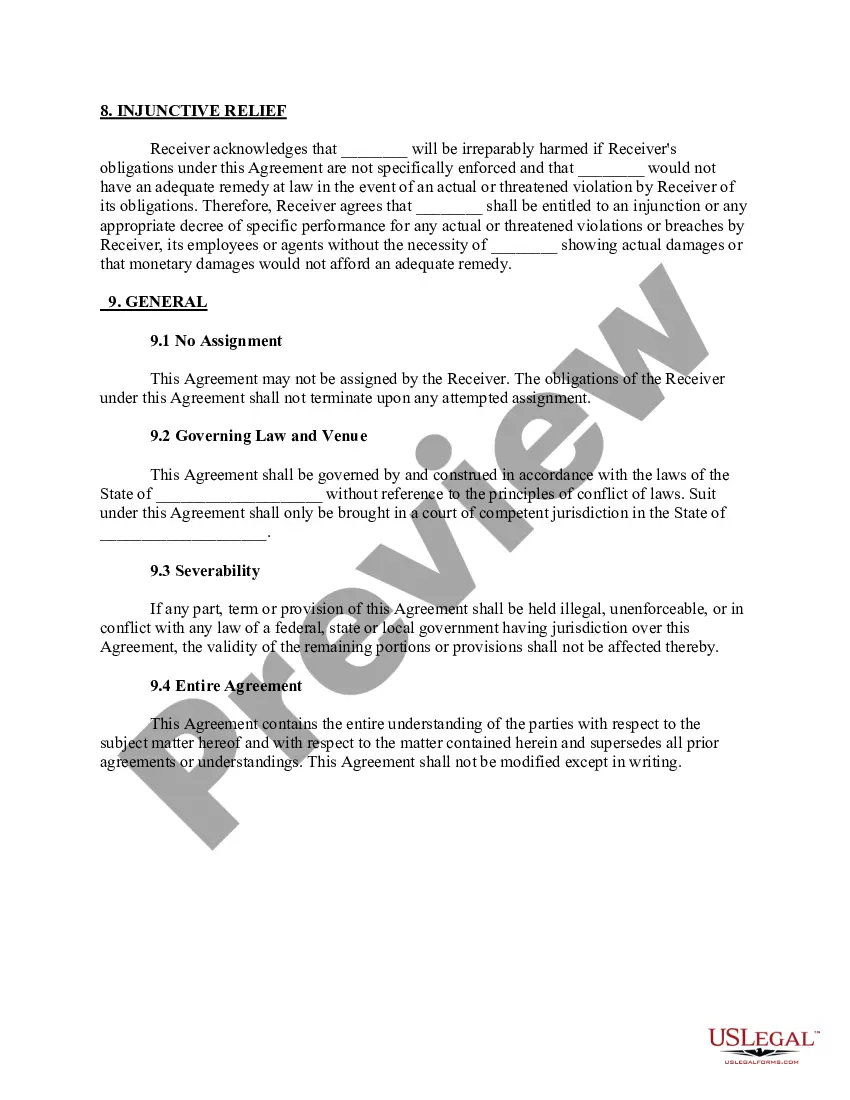
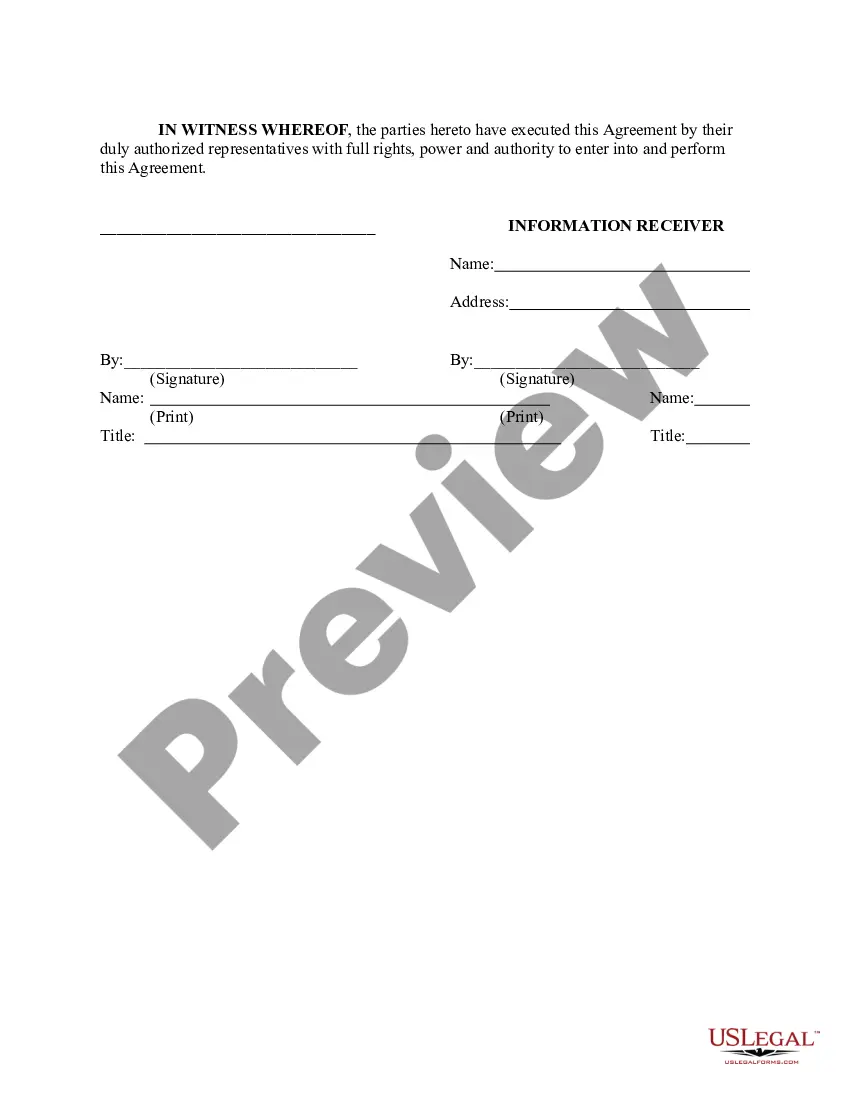
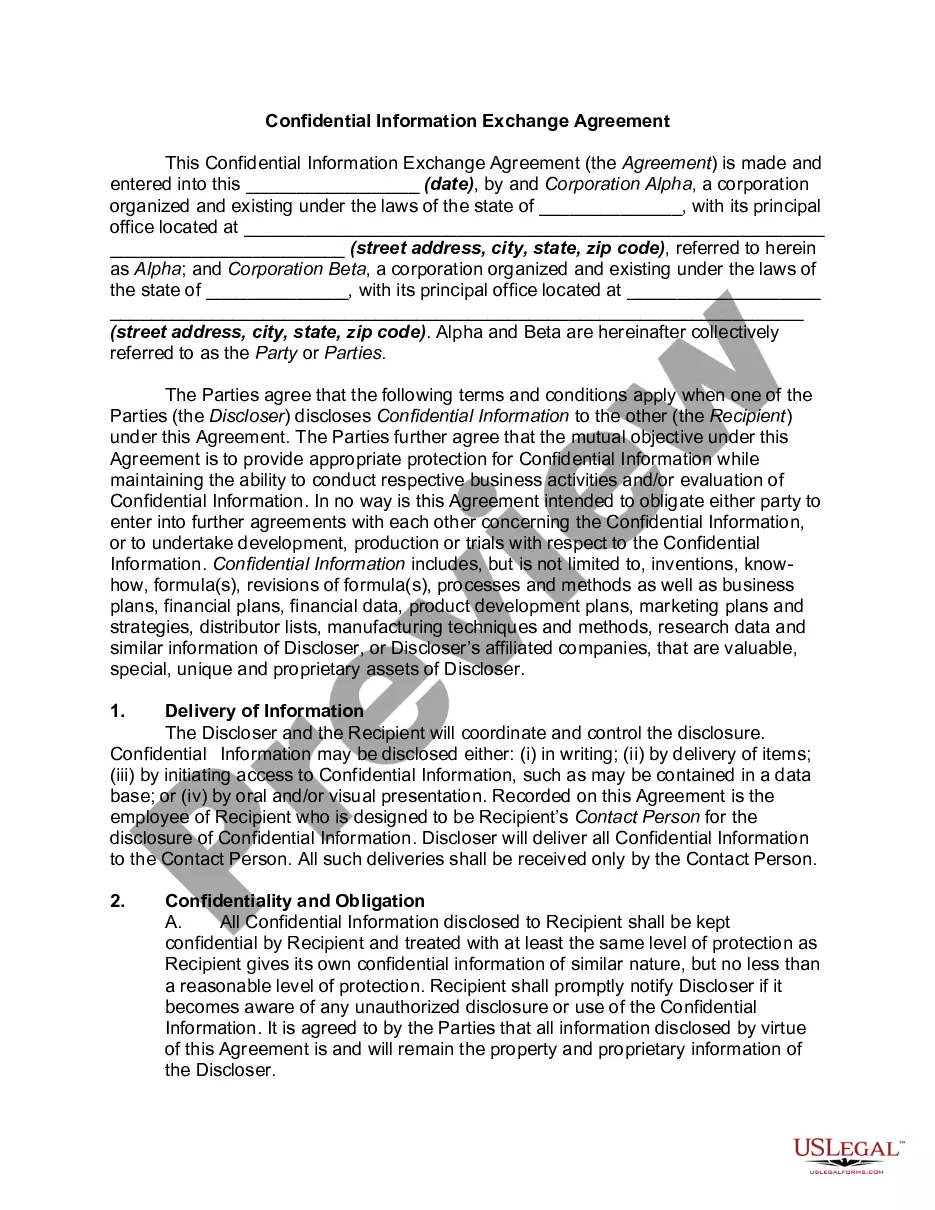
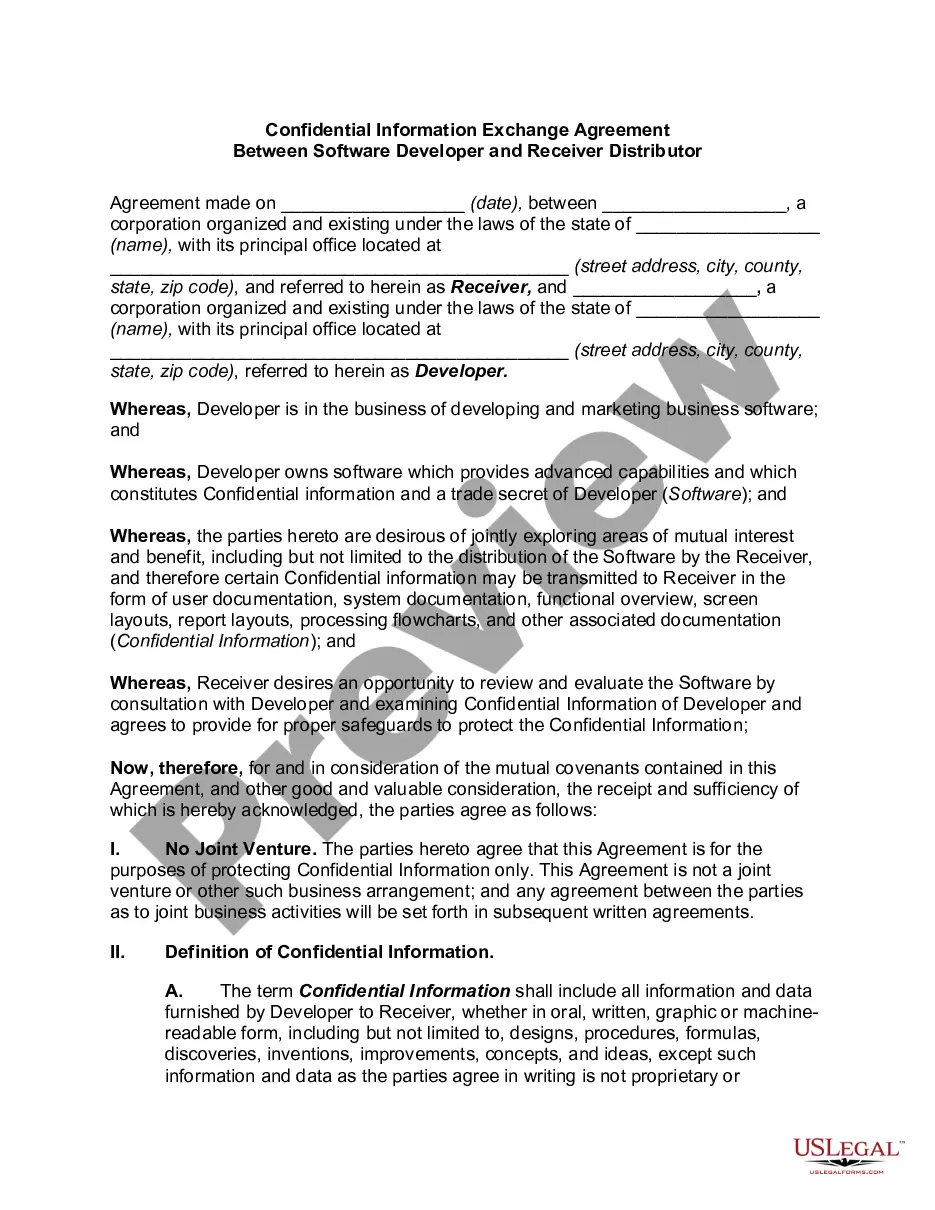
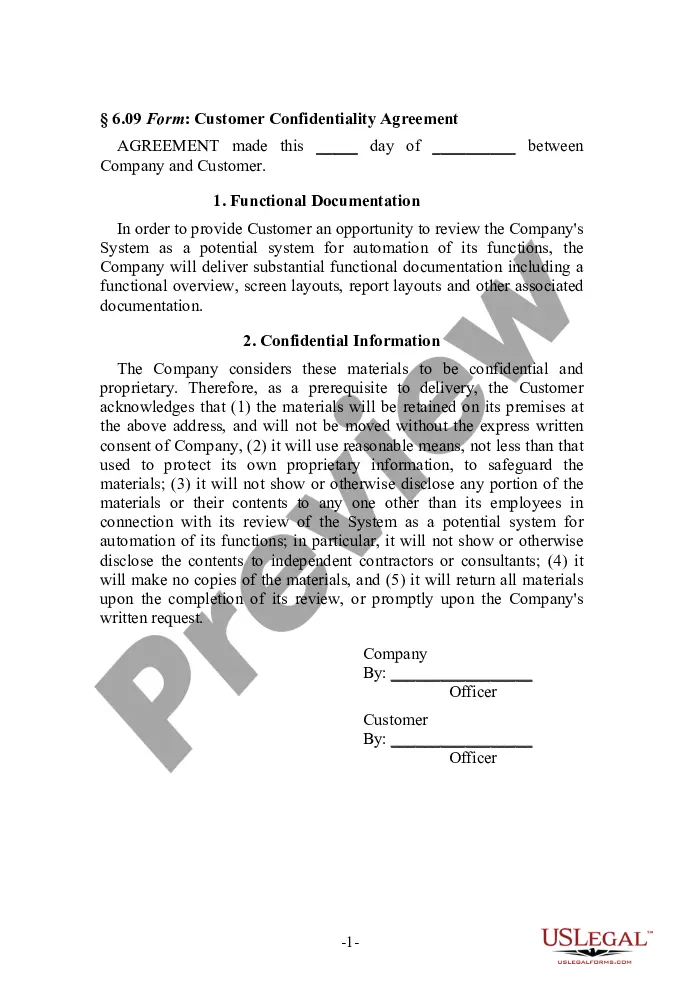
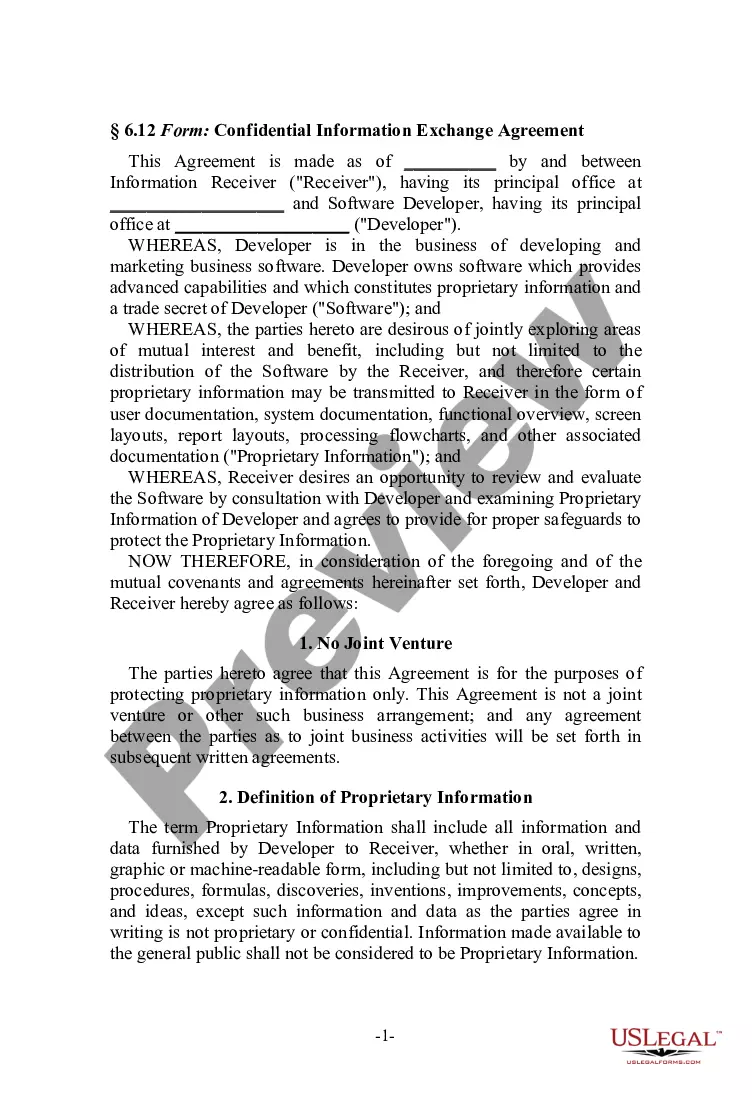
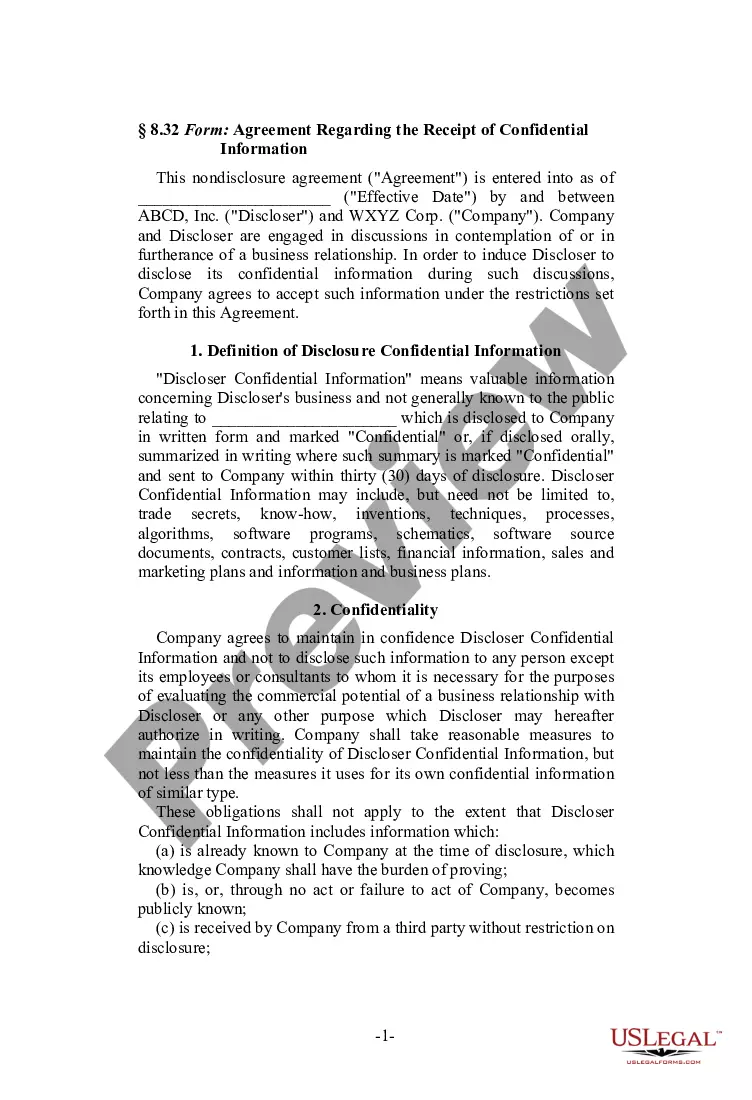
The Confidential Information Exchange Agreement is a legal document used to protect proprietary information shared between a software developer and an information receiver during discussions about a potential business investment. This form ensures that the information remains confidential and is not disclosed to third parties, distinguishing it from other types of agreements that may not focus solely on information confidentiality.
Form components explained
- Definitions of proprietary information and related terms.
- Non-disclosure obligations of the receiver.
- Limitation on access to confidential information.
- Conditions for the return of proprietary materials.
- Legal framework governing the agreement.
- Injunctive relief provisions for enforcement.
Situations where this form applies
This form is essential when a software developer is considering a business transaction or investment and needs to share sensitive proprietary information with a potential investor. It protects both parties by establishing clear confidentiality terms and is often used prior to entering a formal business relationship.
Who can use this document
- Software developers who wish to safeguard sensitive proprietary information.
- Potential investors or information receivers seeking to explore investment opportunities.
- Businesses engaging in discussions that involve sharing sensitive technology or business strategies.
How to prepare this document
- Identify the parties involved in the agreement, including their full names and addresses.
- Clearly define the proprietary information to be shared.
- Specify the obligations of confidentiality and non-disclosure.
- Include provisions regarding access limitations to the proprietary information.
- Sign and date the agreement, ensuring both parties' authorized representatives have a copy.
Notarization requirements for this form
Notarization is not commonly needed for this form. However, certain documents or local rules may make it necessary. Our notarization service, powered by Notarize, allows you to finalize it securely online anytime, day or night.
Get your form ready online
Our built-in tools help you complete, sign, share, and store your documents in one place.
Make edits, fill in missing information, and update formatting in US Legal Forms—just like you would in MS Word.
Download a copy, print it, send it by email, or mail it via USPS—whatever works best for your next step.
Sign and collect signatures with our SignNow integration. Send to multiple recipients, set reminders, and more. Go Premium to unlock E-Sign.
If this form requires notarization, complete it online through a secure video call—no need to meet a notary in person or wait for an appointment.
We protect your documents and personal data by following strict security and privacy standards.

Make edits, fill in missing information, and update formatting in US Legal Forms—just like you would in MS Word.

Download a copy, print it, send it by email, or mail it via USPS—whatever works best for your next step.

Sign and collect signatures with our SignNow integration. Send to multiple recipients, set reminders, and more. Go Premium to unlock E-Sign.

If this form requires notarization, complete it online through a secure video call—no need to meet a notary in person or wait for an appointment.

We protect your documents and personal data by following strict security and privacy standards.
Avoid these common issues
- Not clearly defining what constitutes proprietary information.
- Failing to limit access to confidential information to authorized personnel only.
- Neglecting to include a return clause for proprietary information once discussions are concluded.
- Not having both parties sign and date the agreement properly.
Why complete this form online
- Easy access to a professionally drafted template that saves time.
- Editable format allows for customization to fit specific needs.
- Immediate download for quick use, ensuring timely execution of confidentiality agreements.
Legal use & context
- This agreement is enforceable as long as it is completed correctly and signed by all parties.
- Confidential Information Exchange Agreements are commonly used in business negotiations to protect sensitive information.
- Violation of the agreement could lead to legal action, so it is crucial to adhere to its terms.
Main things to remember
- The Confidential Information Exchange Agreement is crucial for protecting proprietary information during business negotiations.
- It outlines the obligations of the receiver to maintain confidentiality and restrict access to sensitive information.
- This form can be completed online for convenience and should be carefully filled out to avoid common mistakes.
Looking for another form?
Form popularity
FAQ
Sharing employees' personal data, like payroll details, bank details, home addresses and medical records. Using materials or sharing information belonging to one employee for another without their permission, like PowerPoint presentations.
Name, date of birth, age, sex and address. current contact details of family, guardian etc. bank details. medical history or records. personal care issues. service records and file progress notes. individual personal plans. assessments or reports.
Company Confidential Information means information known to the Executive to constitute trade secrets or proprietary information belonging to the Company or other Company confidential financial information, operating budgets, strategic plans or research methods, personnel data, projects or plans, or non-public
Examples of confidential information include, but are not limited to: Information about the Company's operations, results, earnings projections, strategies, clients or client relationships, proprietary products or employee records.
Implement a Workplace Information Destruction Policy. Implement a Clean Desk Policy. Train Employees on the Importance of Document Security. Include a non-disclosure clause in employment agreements. Limit access to sensitive information.
Company Confidential Information means information known to the Executive to constitute trade secrets or proprietary information belonging to the Company or other Company confidential financial information, operating budgets, strategic plans or research methods, personnel data, projects or plans, or non-public
Implement a Workplace Information Destruction Policy. Implement a Clean Desk Policy. Train Employees on the Importance of Document Security. Include a non-disclosure clause in employment agreements. Limit access to sensitive information.
Use Employment Contracts with Confidentiality Clauses. By having new employees sign an Employment Contract with a confidentiality clause, they legally agree to keep confidential company information private. Develop Confidentiality Training & Policies. Create a Response Plan & Employee Exit Procedure.
All confidential documents should be stored in locked file cabinets or rooms accessible only to those who have a business need-to-know.All confidential information should be disposed of properly (e.g., employees should not print out a confidential document and then throw it away without shredding it first.)