Florida Easement Dedication
What this document covers
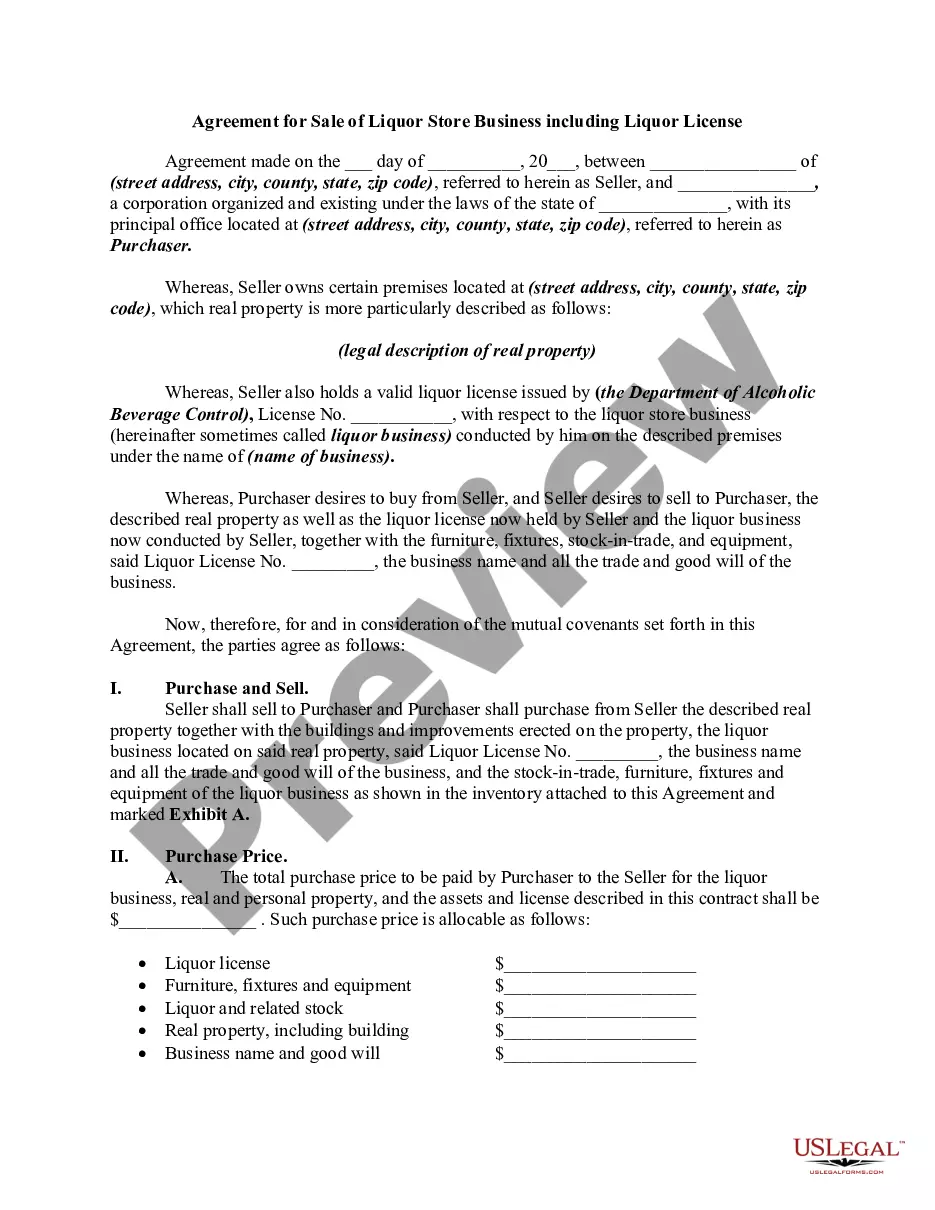
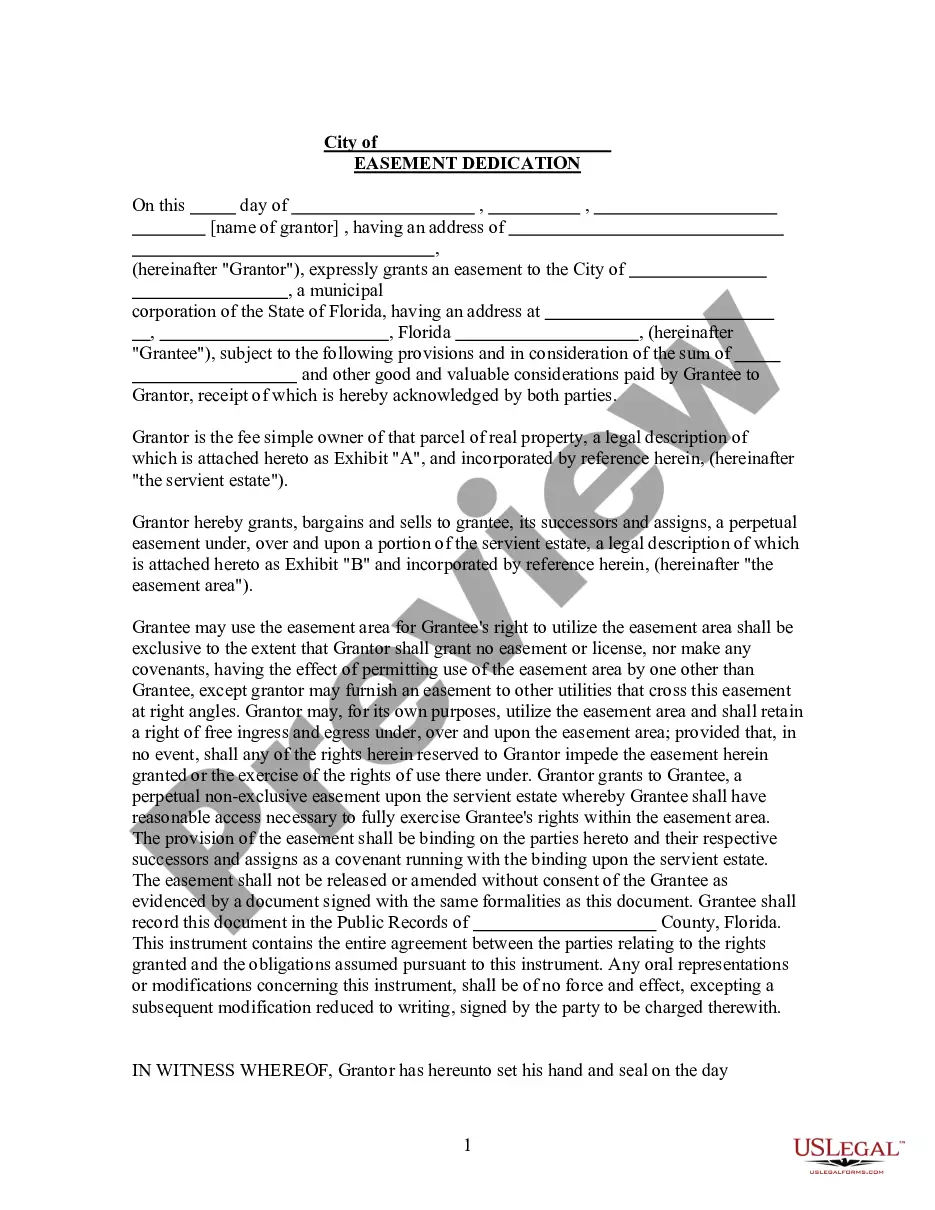
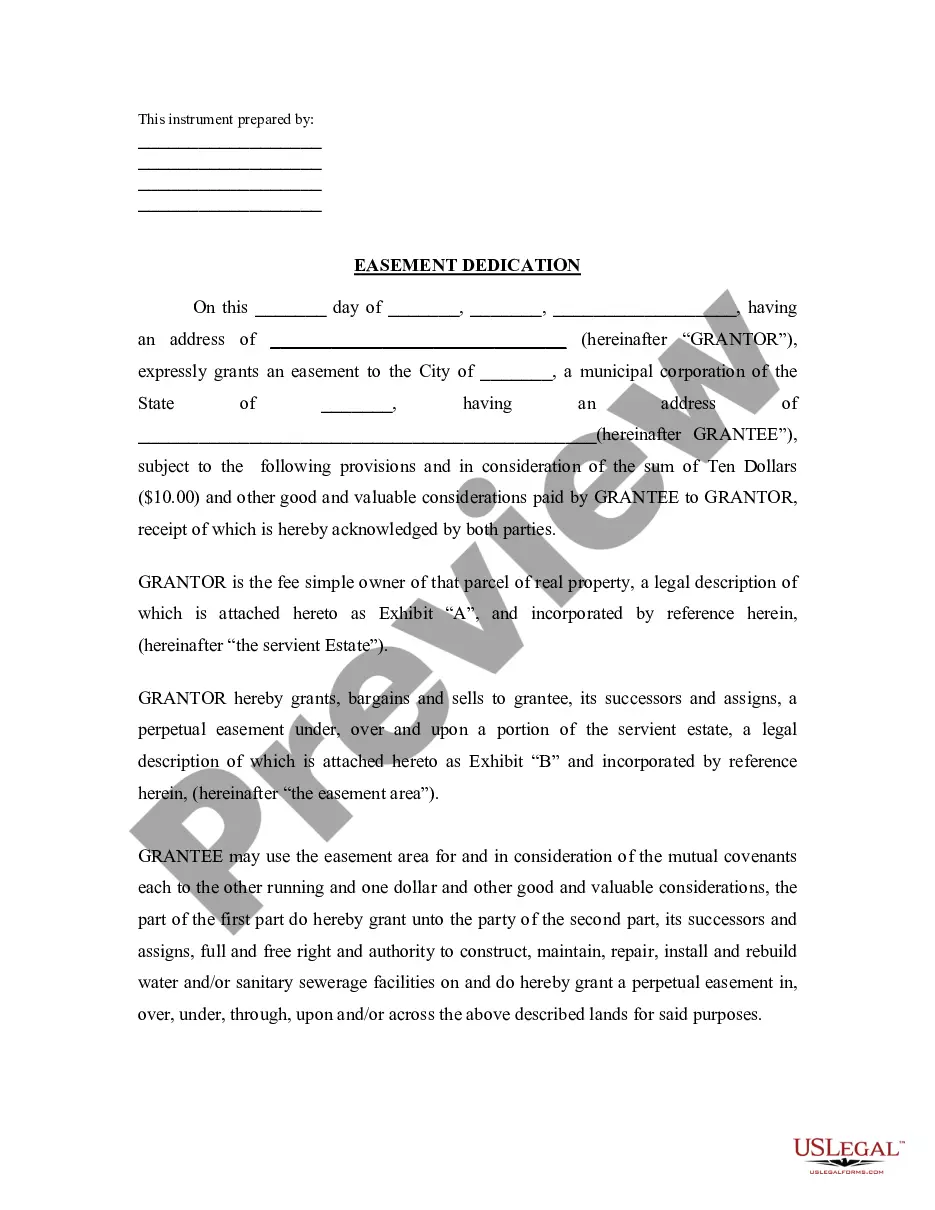
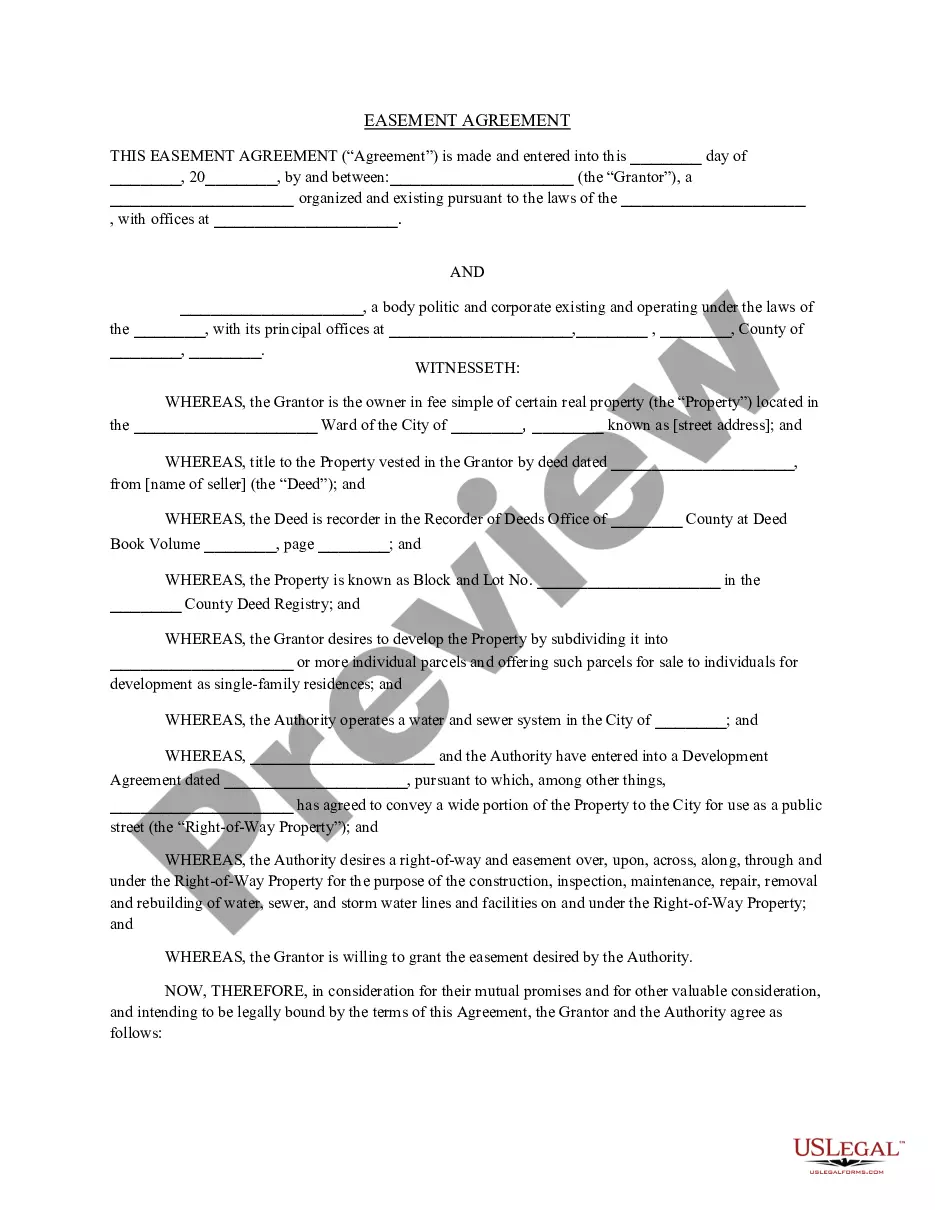
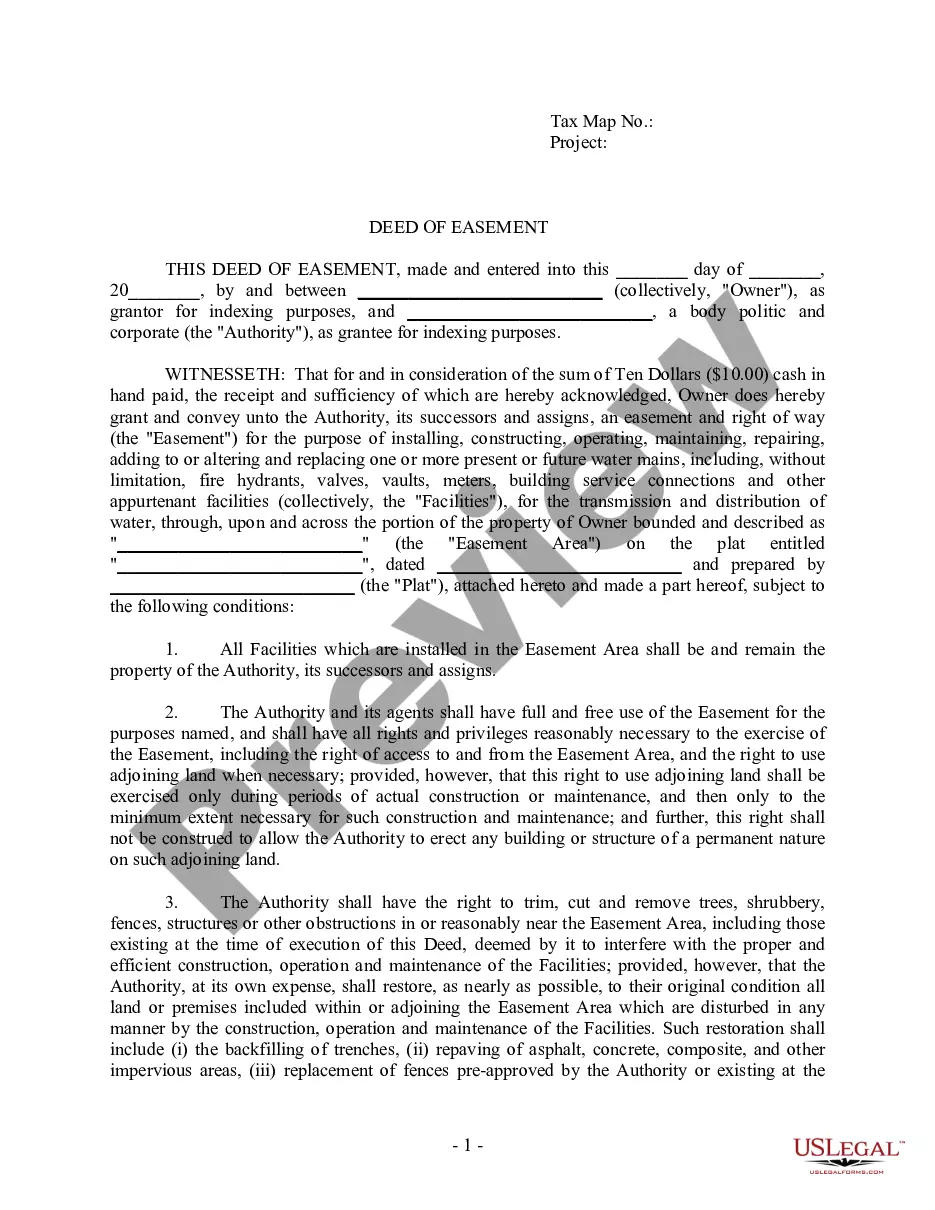
The Easement Dedication form is a legal document that allows a landowner to grant the right of use of their property to a designated entity, typically a city, for general purposes. This form is essential for establishing easements, which provide access rights without transferring ownership of the land. It is distinct from other property agreements as it focuses specifically on the use of a portion of land for designated purposes while ensuring the landowner retains certain rights.
Key parts of this document
- Grantor and Grantee Information: Details about the landowner (grantor) and the entity receiving the easement (grantee).
- Legal Descriptions: Accurate descriptions of the servient estate (the property burdened by the easement) and the easement area itself, as referenced in Exhibits A and B.
- Scope of Easement: Defines the rights of the grantee to access and use the easement area, including any exclusivity provisions.
- Rights Reserved: Specifies the rights retained by the grantor, including access to the easement area for specific purposes.
- Covenant Terms: Outlines the binding nature of the easement on both parties and their successors.

When to use this form
This form is necessary when a landowner wishes to formally grant an easement to a city or another entity, allowing them to utilize a portion of their property for public or utility purposes. It may be used in scenarios such as providing access for utility installations, allowing public pathways, or enabling maintenance for existing structures crossing the property. Essentially, this form is vital whenever access to private land is required for services or maintenance that benefit the public or a specific organization.
Who should use this form
- Private landowners who wish to grant easements for public use.
- Cities or municipalities needing access to private property for utilities or civic projects.
- Property developers requiring legal documentation to establish access points for development projects.
- Any party involved in negotiations for easement rights where formal documentation is necessary.
How to complete this form
- Identify the parties by entering the names and addresses of the grantor and grantee.
- Provide the legal description of the servient estate and easement area as referenced in the exhibits.
- Define the scope of the easement, detailing what rights are granted to the grantee.
- Include any rights reserved by the grantor, ensuring clarity on access conditions.
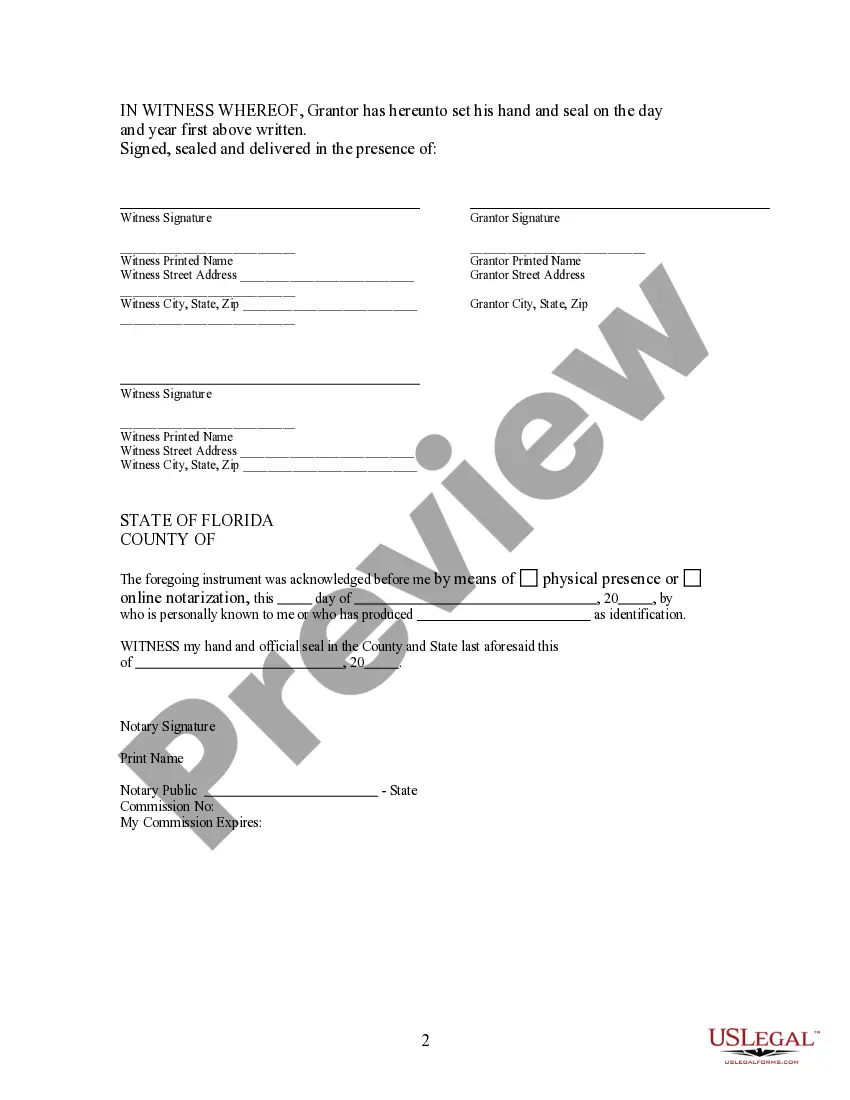
- Sign and date the document in the presence of witnesses, if necessary, to ensure legal validity.
Does this form need to be notarized?
This form must be notarized to be legally valid. US Legal Forms provides secure online notarization powered by Notarize, allowing you to complete the process through a verified video call.
Get your form ready online
Our built-in tools help you complete, sign, share, and store your documents in one place.
Make edits, fill in missing information, and update formatting in US Legal Forms—just like you would in MS Word.
Download a copy, print it, send it by email, or mail it via USPS—whatever works best for your next step.
Sign and collect signatures with our SignNow integration. Send to multiple recipients, set reminders, and more. Go Premium to unlock E-Sign.
If this form requires notarization, complete it online through a secure video call—no need to meet a notary in person or wait for an appointment.
We protect your documents and personal data by following strict security and privacy standards.

Make edits, fill in missing information, and update formatting in US Legal Forms—just like you would in MS Word.

Download a copy, print it, send it by email, or mail it via USPS—whatever works best for your next step.

Sign and collect signatures with our SignNow integration. Send to multiple recipients, set reminders, and more. Go Premium to unlock E-Sign.

If this form requires notarization, complete it online through a secure video call—no need to meet a notary in person or wait for an appointment.

We protect your documents and personal data by following strict security and privacy standards.
Mistakes to watch out for
- Failing to provide accurate legal descriptions of the properties involved.
- Not clarifying the scope of the easement, leading to future disputes.
- Neglecting to include the necessary signatures or witnesses as required.
- Using vague language that does not clearly outline the rights of the parties.
Advantages of online completion
- Convenience of accessing and downloading the form from anywhere.
- Editable templates allow for customization to specific scenarios.
- Forms are drafted by licensed attorneys, ensuring legal soundness.
Looking for another form?
Form popularity
FAQ
Florida Easement Dedication is a legal template that lets a landowner grant the right to use a portion of their property to a designated entity, typically a city, for public or utility purposes. It creates an easement without transferring ownership and lists grantor and grantee information, the legal descriptions, the scope of the easement, rights reserved, and covenant terms.
The form does not specify who pays property taxes on the easement. It focuses on grantor and grantee details, the legal descriptions, the scope of the easement, rights reserved, and covenant terms. Tax responsibilities are not addressed in this template and should be discussed with a tax professional or licensed attorney for Florida-specific guidance.
The Florida Easement Dedication form does not specify an expiration date. It defines the easement scope and covenants, and any expiration or termination would depend on the grant terms and applicable Florida law outside this template.
This form is a template and does not set a price or cost. It documents the grant with grantor/grantee information, legal descriptions, scope, and covenants. Actual costs or recording fees come from separate negotiations or local requirements and are not included in this template.
This form does not reference any 408 rule. It concentrates on grantor and grantee information, legal descriptions, scope of the easement, rights reserved, and covenants. For Florida-specific rules or codes beyond this template, consult a licensed attorney.
This template does not assign maintenance duties. The form defines the easement scope and covenants, and maintenance obligations, if any, would typically be governed by the grantor and grantee’s agreement and Florida law, possibly requiring a separate maintenance or access agreement.