Issues-Claim for Damages Based Upon Defamation-Public Figure
What this document covers
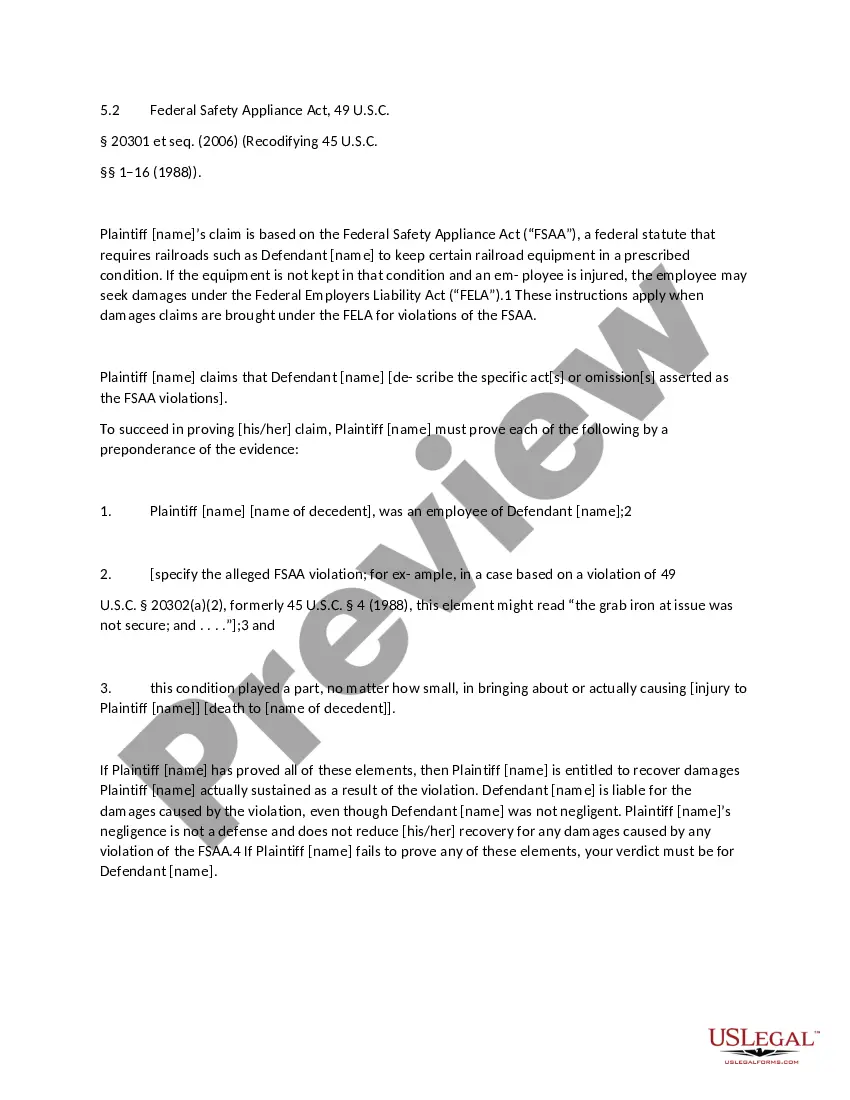
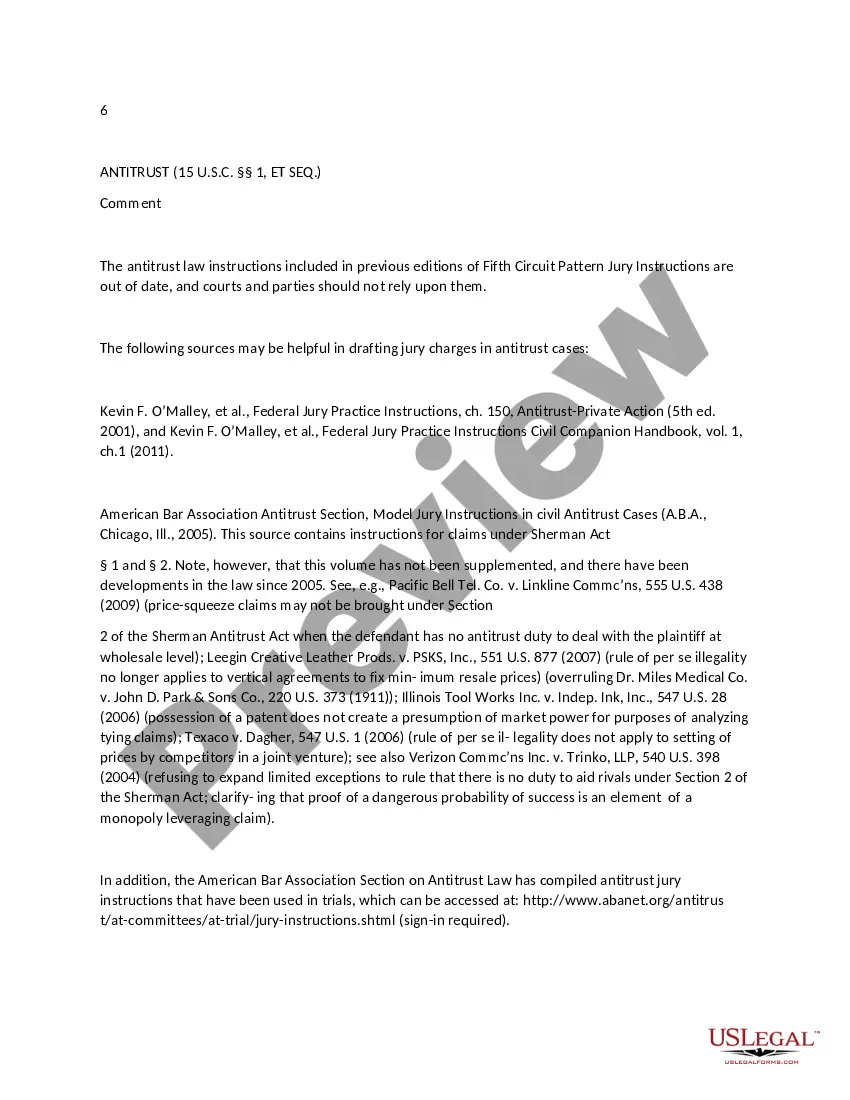
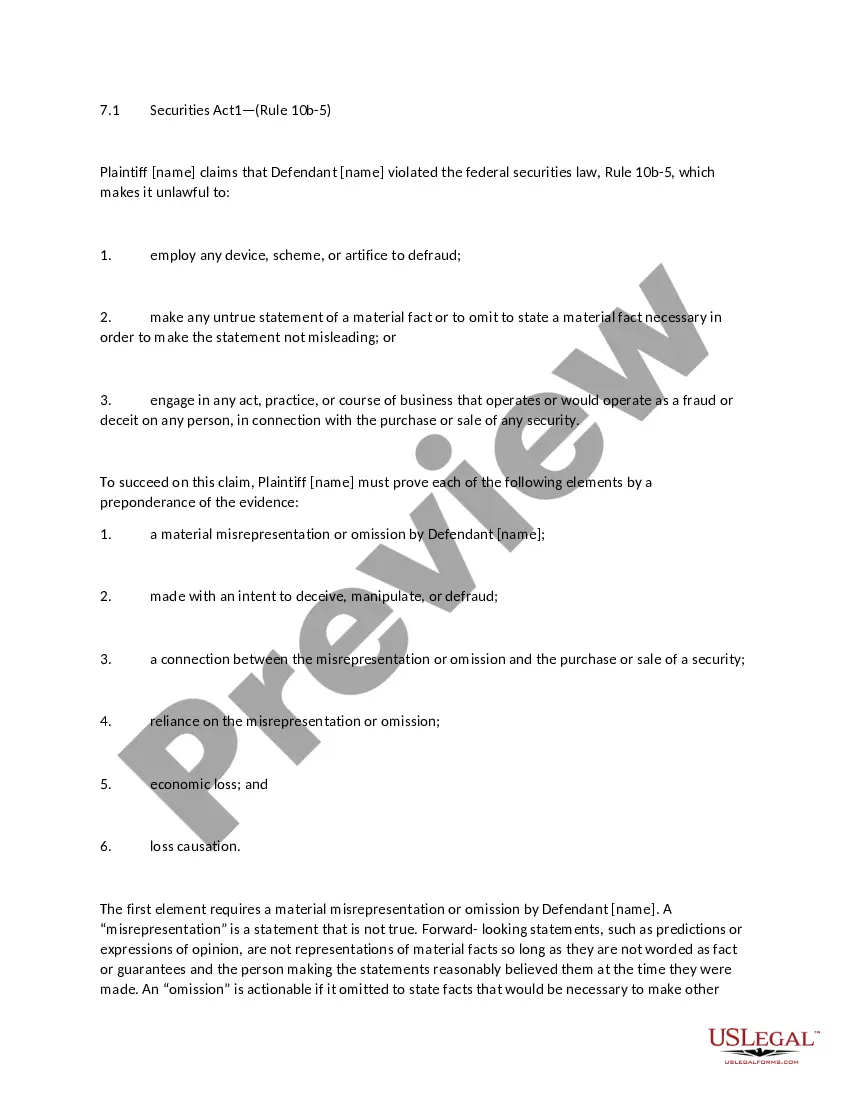
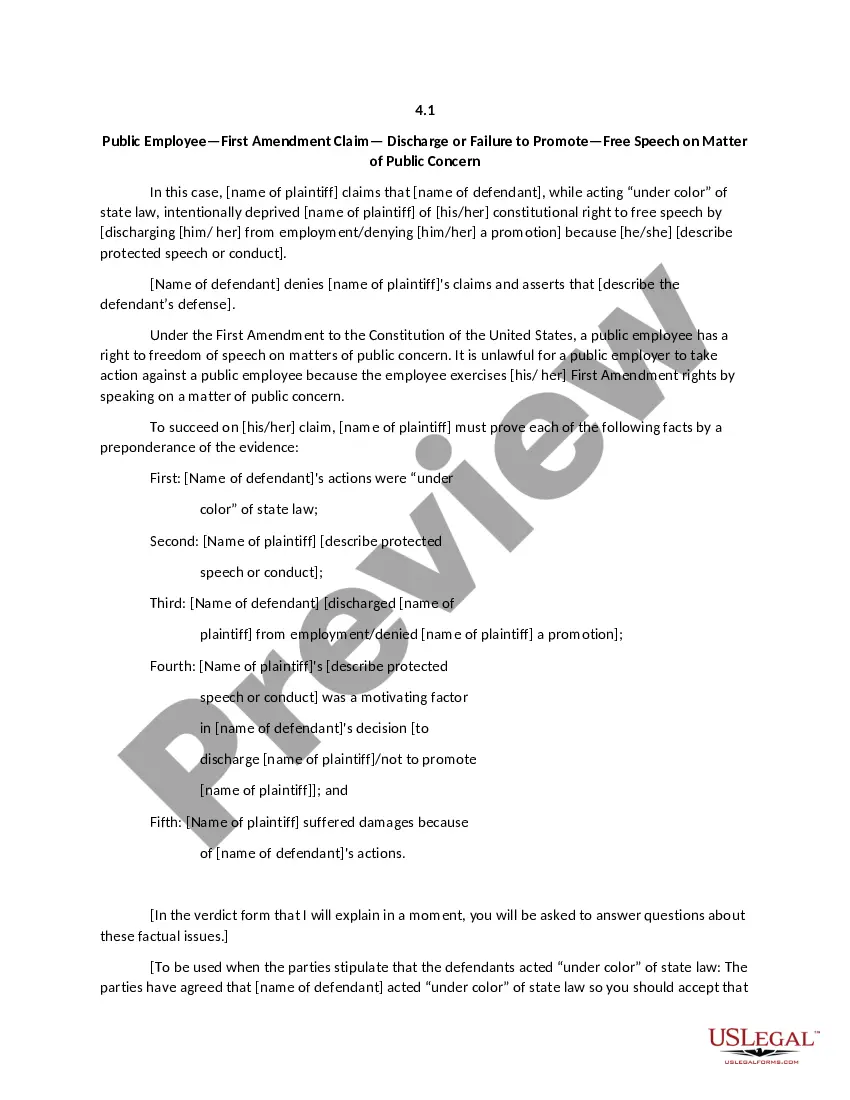
This form, commonly referred to as the defamation claim for public figures, is used to initiate a legal claim for damages stemming from defamatory statements made against a public figure. The form outlines the necessary elements that must be proven to establish a defamation case, specifically in relation to the Federal Safety Appliance Act (FSAA) and its implications under the Federal Employers Liability Act (FELA). Unlike general defamation forms, this form addresses the unique circumstances affecting public figures, making it essential for those in high-profile positions to effectively respond to false accusations.
Main sections of this form
- Plaintiff name and details of the claim against the Defendant.
- Specific acts or omissions alleged as violations of the FSAA.
- Evidence requirements to prove the claim, including the employee's status and the violation's impact on injury or death.
- Criteria for establishing liability, neutralizing defenses like negligence.
- Instructions for determining the verdict based on the evidence presented.
Situations where this form applies
You should use this form when you are a public figure and have been falsely accused in a manner that could damage your reputation and career. This form is necessary when you believe that defamatory statements made against you have led to actual damages, such as loss of income or emotional distress. Utilizing this form helps provide a legal basis for your claim and ensures you take appropriate steps in seeking compensation for the harm done.
Who needs this form
- Public figures who have experienced defamation, such as celebrities, politicians, or business leaders.
- Individuals who need to assert a claim for damages following false statements that have caused harm to their reputation.
- Legal representatives acting on behalf of a client in a defamation case involving a public figure.
Completing this form step by step
- Identify the plaintiff and defendant by entering their full names and relevant details.
- Clearly describe the specific acts or omissions that constitute the defamation under the FSAA.
- Gather and present evidence that supports the claim, including how the violation contributed to injury or damages.
- Complete all sections outlining the legal basis for your claim, ensuring clarity and specificity.
- Review the form for accuracy before submitting it to the appropriate court or legal authority.
Does this document require notarization?
In most cases, this form does not require notarization. However, some jurisdictions or signing circumstances might. US Legal Forms offers online notarization powered by Notarize, accessible 24/7 for a quick, remote process.
Get your form ready online
Our built-in tools help you complete, sign, share, and store your documents in one place.
Make edits, fill in missing information, and update formatting in US Legal Forms—just like you would in MS Word.
Download a copy, print it, send it by email, or mail it via USPS—whatever works best for your next step.
Sign and collect signatures with our SignNow integration. Send to multiple recipients, set reminders, and more. Go Premium to unlock E-Sign.
If this form requires notarization, complete it online through a secure video call—no need to meet a notary in person or wait for an appointment.
We protect your documents and personal data by following strict security and privacy standards.

Make edits, fill in missing information, and update formatting in US Legal Forms—just like you would in MS Word.

Download a copy, print it, send it by email, or mail it via USPS—whatever works best for your next step.

Sign and collect signatures with our SignNow integration. Send to multiple recipients, set reminders, and more. Go Premium to unlock E-Sign.

If this form requires notarization, complete it online through a secure video call—no need to meet a notary in person or wait for an appointment.

We protect your documents and personal data by following strict security and privacy standards.
Mistakes to watch out for
- Failing to clearly define the defamatory statements involved in the claim.
- Not providing sufficient evidence to support the alleged violation of the FSAA.
- Overlooking to specify how the defamation has resulted in actual damages.
Why use this form online
- Convenience of accessing the form from anywhere at any time.
- Editable templates allow you to customize your claim according to your situation.
- Drafted by licensed attorneys, ensuring that the legal language is accurate and compliant.
Looking for another form?

Form popularity
FAQ
Public figures have a higher burden of proof when bringing a defamation claim; they must show that the defendant acted with actual malice or reckless disregard for the truth when publishing a false statement.
The Supreme Court ruled that, for a public figure to recover damages in a defamation case, he must prove not only that the statement was defamatory but also that it was made with actual malice.
Public figures have a greater burden to prove in a defamation lawsuit because United States laws protecting freedom of speech and freedom of the press require extra proof in a defamation lawsuit: malice.
A plaintiff who is a public official or public figure must prove that you published the statement with ?actual malice,? a higher level of fault, while a plaintiff who is a private individual generally must prove that you acted negligently, a lower level of fault.
For public figures, there is an additional requirement to bring a defamation claim. They must prove that the defamer acted with actual malice. In other words, the defamer knew that the statement was false?or they acted with reckless disregard for whether the statement was true or false.
The Supreme Court ruled that, for a public figure to recover damages in a defamation case, he must prove not only that the statement was defamatory but also that it was made with actual malice.
If a libel plaintiff is a public figure, he or she must prove, by clear and convincing evidence, that the defendant acted with actual malice in making the defamatory statement. If the plaintiff is a private figure, the First Amendment does not impose any restriction on the liability standards that states may adopt.