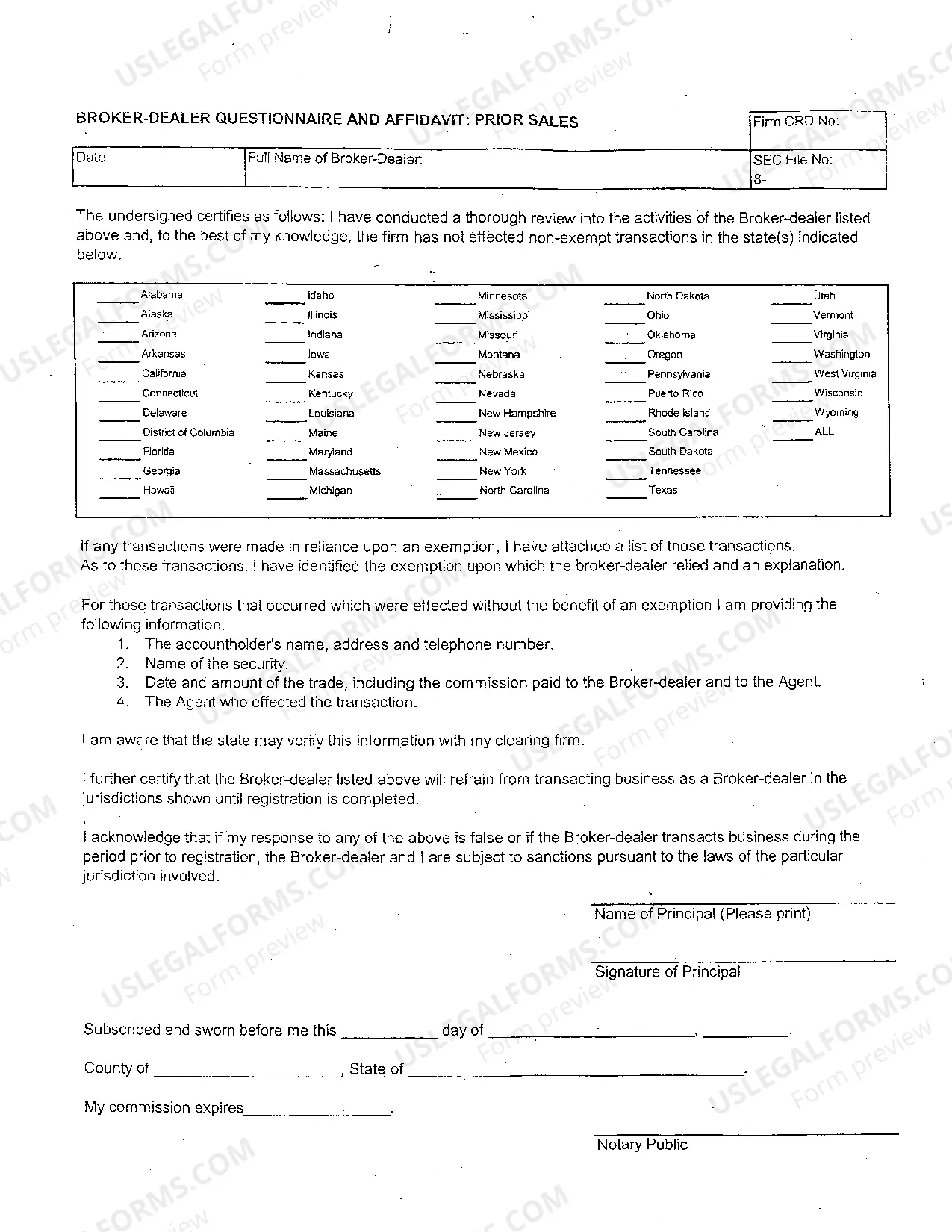
Agreement to Execute Mutual Wills
About this form
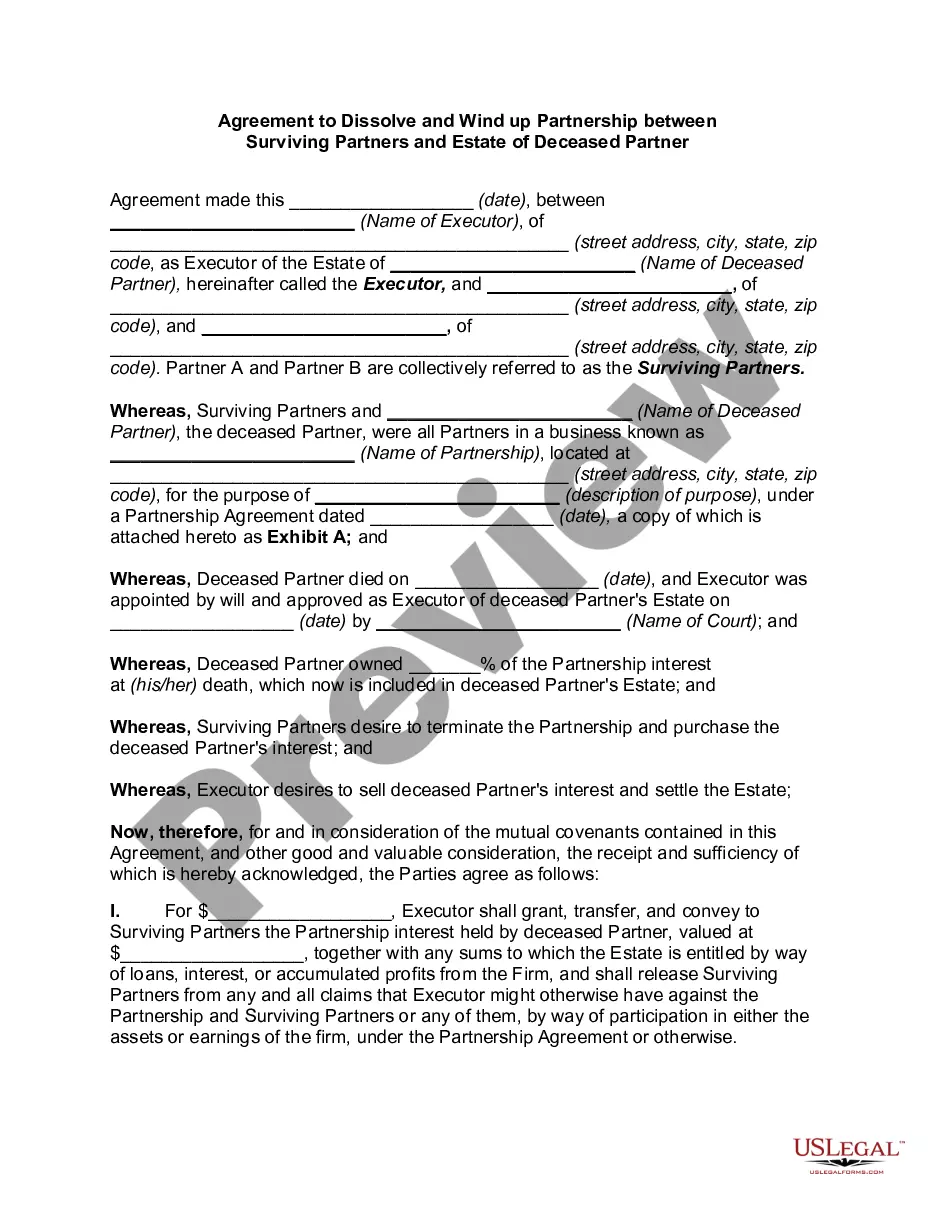
The Agreement to Execute Mutual Wills is a legal document designed for two parties to agree on how their property will be disposed of upon their death. Unlike standard wills, this agreement specifies that each party will draft separate wills that reflect their mutual wishes for property distribution. This form ensures that the surviving party inherits the deceased party's property, while also detailing how to distribute assets after the death of both parties.
Form components explained
- Party Information: Includes names and addresses of both parties involved in the agreement.
- Execution of Separate Wills: Each party agrees to create a will that bequeaths all their property to the other party.
- Disposition of Property: Details on how the property of the surviving party will be divided after their death.
- Revocation Clause: Each party agrees not to revoke their wills as long as this agreement is in effect.
- Custody of Agreement: Specifies where copies of the agreement and wills should be kept.

When to use this document
This form is useful when two parties, such as spouses or close family members, want to ensure that their property will be transferred according to their mutual wishes after their deaths. It is particularly beneficial in preventing disputes and ensuring clarity in property distribution, especially in blended families or where specific beneficiaries are involved.
Who should use this form
- Couples who wish to ensure their mutual assets are passed to each other.
- Parents who want their children to inherit property jointly.
- Any individual entering into a financial agreement with another party regarding property distribution after death.
Steps to complete this form
- Identify the parties: Fill in the names and addresses of both Party 1 and Party 2.
- Specify the relationship: Indicate the nature of the relationship between both parties, such as spouse or parent-child.
- Detail property distribution: Clearly state how property will be divided upon the death of the survivor.
- Sign the agreement: Ensure both parties sign and date the agreement in the designated spaces.
- Designate a custodian: Specify who will hold the original agreement and copies of the wills.
Notarization requirements for this form
In most cases, this form does not require notarization. However, some jurisdictions or signing circumstances might. US Legal Forms offers online notarization powered by Notarize, accessible 24/7 for a quick, remote process.
Get your form ready online
Our built-in tools help you complete, sign, share, and store your documents in one place.
Make edits, fill in missing information, and update formatting in US Legal Forms—just like you would in MS Word.
Download a copy, print it, send it by email, or mail it via USPS—whatever works best for your next step.
Sign and collect signatures with our SignNow integration. Send to multiple recipients, set reminders, and more. Go Premium to unlock E-Sign.
If this form requires notarization, complete it online through a secure video call—no need to meet a notary in person or wait for an appointment.
We protect your documents and personal data by following strict security and privacy standards.

Make edits, fill in missing information, and update formatting in US Legal Forms—just like you would in MS Word.

Download a copy, print it, send it by email, or mail it via USPS—whatever works best for your next step.

Sign and collect signatures with our SignNow integration. Send to multiple recipients, set reminders, and more. Go Premium to unlock E-Sign.

If this form requires notarization, complete it online through a secure video call—no need to meet a notary in person or wait for an appointment.

We protect your documents and personal data by following strict security and privacy standards.
Common mistakes to avoid
- Failing to properly sign and date the agreement.
- Not including a clear reference to this agreement in the drafted wills.
- Leaving out important details regarding the distribution of property.
- Not consulting with a legal professional to ensure compliance with state laws.
Why use this form online
- Convenience: Easily download and complete the form at your own pace.
- Editability: Customize the template to fit your specific needs without starting from scratch.
- Reliability: Access a form drafted by licensed attorneys, ensuring it meets legal standards.
Legal use & context
- This agreement ensures that the wishes of both parties are legally recognized.
- It helps to prevent potential disputes among heirs after the death of either party.
- Legal enforceability may depend on proper execution per state law.
What to keep in mind
- The Agreement to Execute Mutual Wills establishes binding terms for property distribution between two parties.
- This form is ideal for couples or family members who wish to secure their estate planning intentions.
- Completing the form accurately ensures clarity and legal standing for both parties.
Looking for another form?
Form popularity
FAQ
As mutual wills are binding, the key purpose of such wills is to ensure that property flows to intended, agreed, beneficiaries. They are generally used to ensure that a testator's property can be enjoyed by another during his or her lifetime, but then passes to a third party, the 'ultimate beneficiary.
Procedure to get a Will executed The execution of a Will is to be done by the executor appointed for the purpose by the testator. It is nothing but the distribution of property of the deceased according his/her intent as worded in the Will. In order to start his duties as an executor of a Will, a probate is necessary.
A simple estate with just a few, easy-to-find assets may be all wrapped up in six to eight months. A more complicated affair may take three years or more to fully settle.
Mutual Wills are Wills drawn up by at least two people and are signed following an agreement between the individuals which it is intended should bind the survivor of them. Each individual agrees with the other not to alter their Will after the other dies.
Do you need a solicitor Many executors and administrators act without a solicitor. However, if the estate is complicated, it is best to get legal advice. You should always get legal advice if, for example: the terms of a will are not clear.
However, mutual Wills cannot be altered upon the death of one of the testators. Changes can be made to the Will(s) prior to the death of any of the testators but upon the death of a testator all other testators will be bound by the terms of the mutual Wills and any subsequent Wills executed will be held invalid.
1. Handle the care of any dependents and/or pets. This first responsibility may be the most important one. Usually, the person who died (the decedent) made some arrangement for the care of a dependent spouse or children.
One of the most popular ways to avoid probate is through the use of a revocable living trust. Assets are placed in the trust, but they can used by the trust creator during his or her lifetime. Upon death, assets in the trust are passed to the trust beneficiaries just by operation of the trust document.