Issues-Claim for Damages Based Upon Defamation-Private Figure-Qualified Privilege
About this form
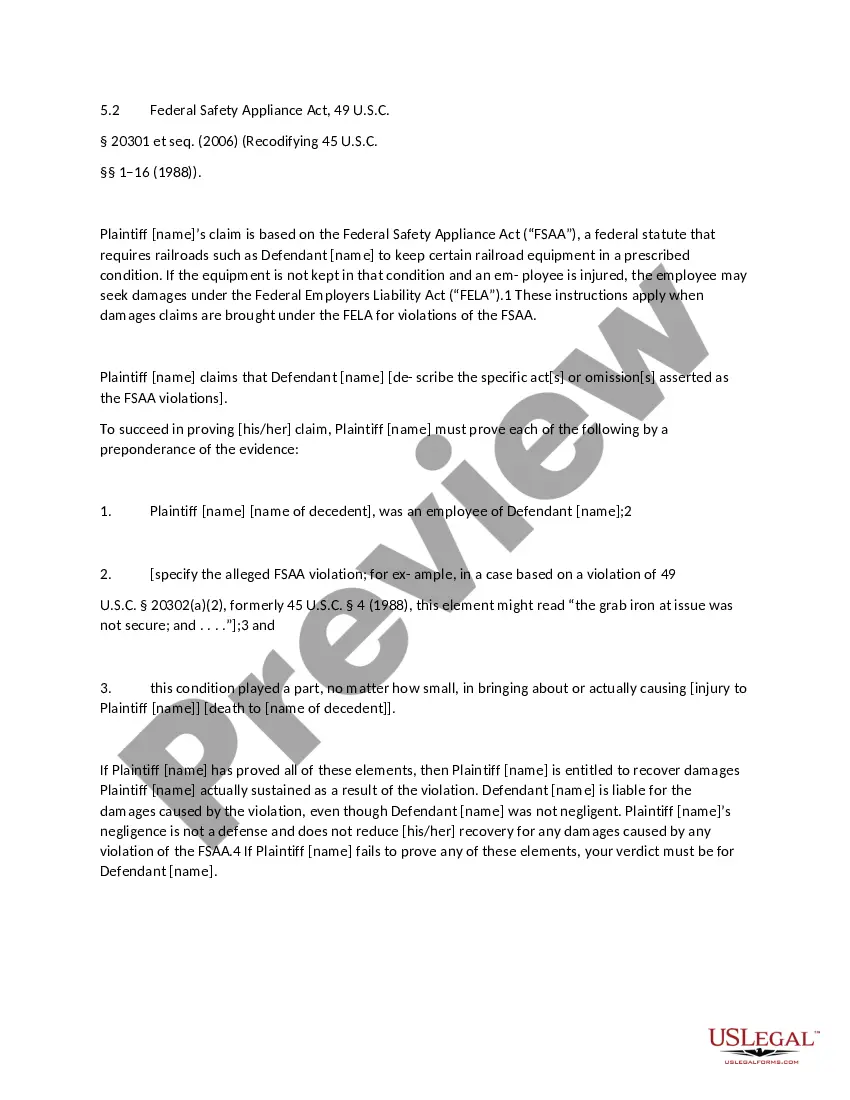
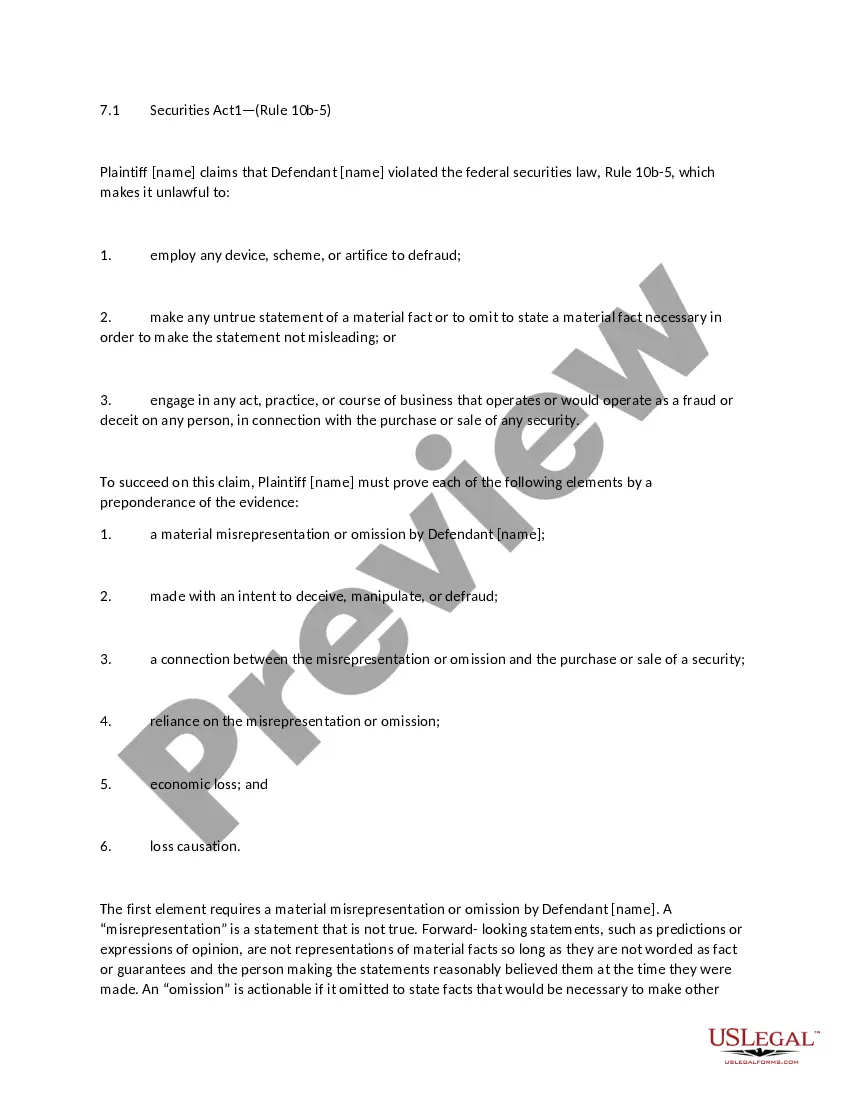
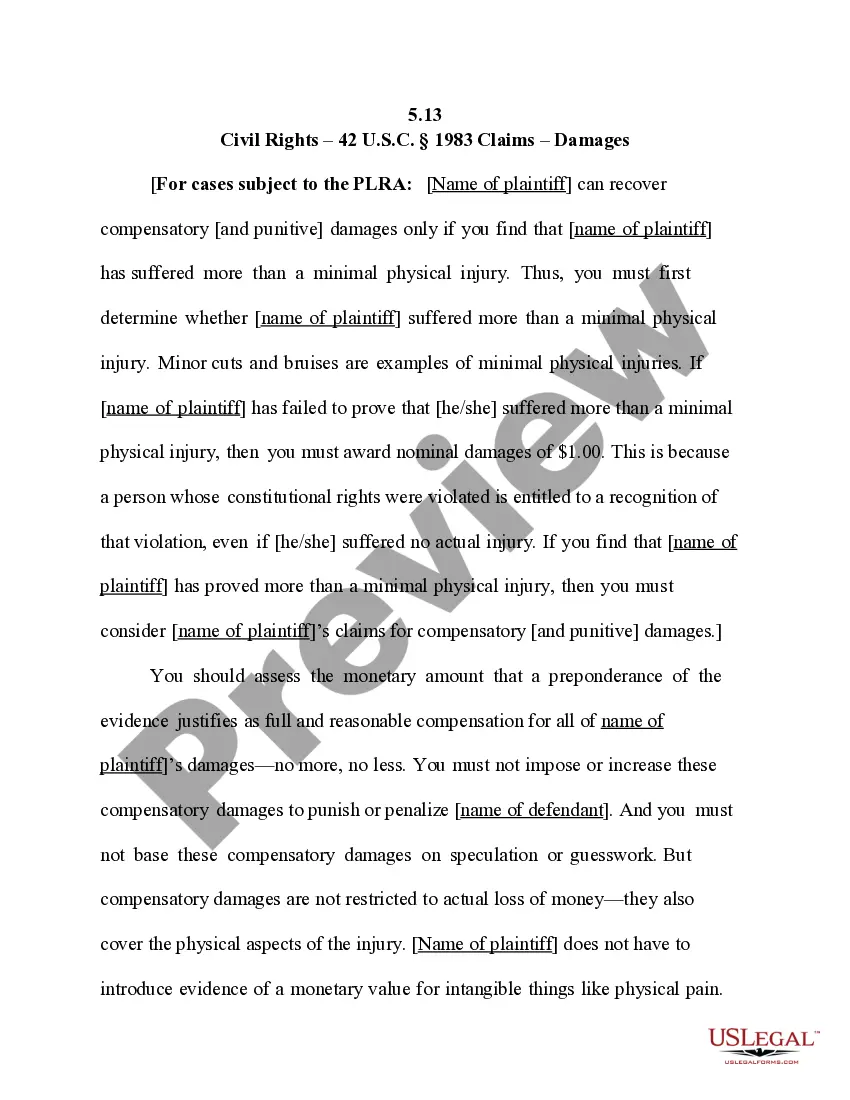
The Issues-Claim for Damages Based Upon Defamation form is a legal document used by private figures to pursue claims for damages resulting from defamatory statements. This form caters specifically to individuals who do not hold public office or prominent public figures, distinguishing it from similar forms typically used by public figures. It addresses qualified privilege defenses that may apply, making it an essential tool for those seeking to establish their case in defamation actions.
Key parts of this document
- Identification of the parties involved.
- Clear statement of the defamatory statements in question.
- Details of the damages suffered as a result of the defamation.
- Information supporting the claim of qualified privilege.
- Signature and date lines for completing the form.
Common use cases
This form should be used when a private individual believes they have suffered harm due to false statements made by another party. It is particularly relevant in cases where the individual has not achieved public figure status, allowing them to invoke different legal standards in defamation claims. Situations may include unfair media reports, harmful online comments, or statements made in social settings that affect the individualâs reputation.
Who can use this document
This form is intended for:
- Private individuals seeking to file a defamation claim.
- People who have experienced reputational harm due to false statements.
- Individuals who may have been impacted by statements falling under the qualified privilege defense.
Steps to complete this form
- Identify the parties by entering your name and the name of the party you are claiming against.
- Provide a clear and concise description of the allegedly defamatory statements.
- Detail the damages you have suffered as a result of these statements.
- Include any evidence supporting your claim of qualified privilege.
- Sign and date the form to validate your submission.
Notarization requirements for this form
This form does not typically require notarization unless specified by local law.
Get your form ready online
Our built-in tools help you complete, sign, share, and store your documents in one place.
Make edits, fill in missing information, and update formatting in US Legal Forms—just like you would in MS Word.
Download a copy, print it, send it by email, or mail it via USPS—whatever works best for your next step.
Sign and collect signatures with our SignNow integration. Send to multiple recipients, set reminders, and more. Go Premium to unlock E-Sign.
If this form requires notarization, complete it online through a secure video call—no need to meet a notary in person or wait for an appointment.
We protect your documents and personal data by following strict security and privacy standards.

Make edits, fill in missing information, and update formatting in US Legal Forms—just like you would in MS Word.

Download a copy, print it, send it by email, or mail it via USPS—whatever works best for your next step.

Sign and collect signatures with our SignNow integration. Send to multiple recipients, set reminders, and more. Go Premium to unlock E-Sign.

If this form requires notarization, complete it online through a secure video call—no need to meet a notary in person or wait for an appointment.

We protect your documents and personal data by following strict security and privacy standards.
Mistakes to watch out for
- Failing to include all necessary details about the defamatory statements.
- Neglecting to provide evidence supporting the claim.
- Not signing and dating the form before submission.
Advantages of online completion
- Convenience of downloading and completing the form at your own pace.
- Editability allows for easy corrections and customized entries.
- Access to forms drafted by licensed attorneys ensures legal accuracy.
Legal use & context
- Claims of defamation must be substantiated with evidence, as the burden of proof lies with the claimant.
- Qualified privilege may provide a defense for defendants but must be evaluated on a case-by-case basis.
- Understanding state-specific laws on defamation is crucial, as they can influence the outcome of the claim.
Summary of main points
- The form is crucial for private individuals claiming defamation.
- Understanding the elements of defamation and qualified privilege is essential.
- Ensure compliance with state-specific requirements when using the form.
Looking for another form?
Form popularity
FAQ
Qualified privilege in a defamation lawsuit is a type of defense in which a statement made by the defendant is not considered defamatory in certain situations when no malice is involved. It's often used by employers when acting as a reference for former employees.
To prove prima facie defamation, a plaintiff must show four things: 1) a false statement purporting to be fact; 2) publication or communication of that statement to a third person; 3) fault amounting to at least negligence; and 4) damages, or some harm caused to the reputation of the person or entity who is the subject
The common law defence of qualified privilege allows free communication in certain relationships without the risk of an action for defamation - where the person communicating the statement has a legal, moral or social duty to make it and the recipient has a corresponding interest in receiving it.
If a defendant in a defamation suit holds a qualified privilege: the plaintiff will be required to prove additional elements to recover. The tort of false imprisonment: is also known as the "shopkeeper's tort."
Tiki says to his brother Ronde, ?Do not lend any money to Warren because he never pays people back.? In this situation Tiki has a conditional privilege that will protect him from a defamation suit.
A qualified privilege may apply to subject matter that is of public concern or is of sufficient importance that communicating freely is critical. For example, a newspaper reporter may claim a qualified privilege for reporting on official government business.
The two types of privilege are absolute privilege and qualified privilege. An absolute privilege is a privilege that always applies. A qualified privilege is a privilege that applies only if the defendant has not acted with actual malice.
A qualified privilege means that the plaintiff still may be able to prevail, but they must meet a higher burden compared to a standard defamation claim. In addition to proving its core elements, they will need to prove a higher level of culpability by the speaker.