Construction Contract for New Residential Dwelling
About this form
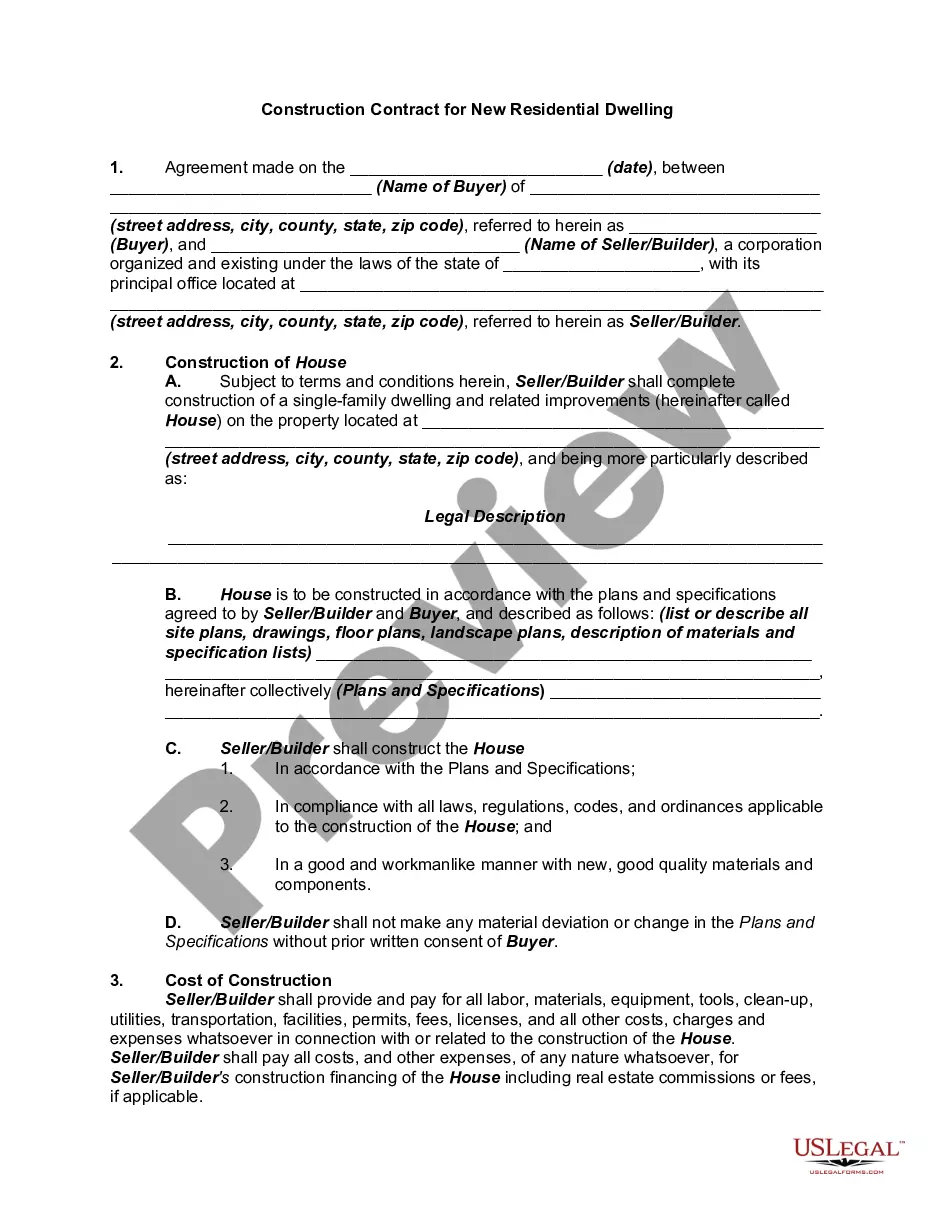
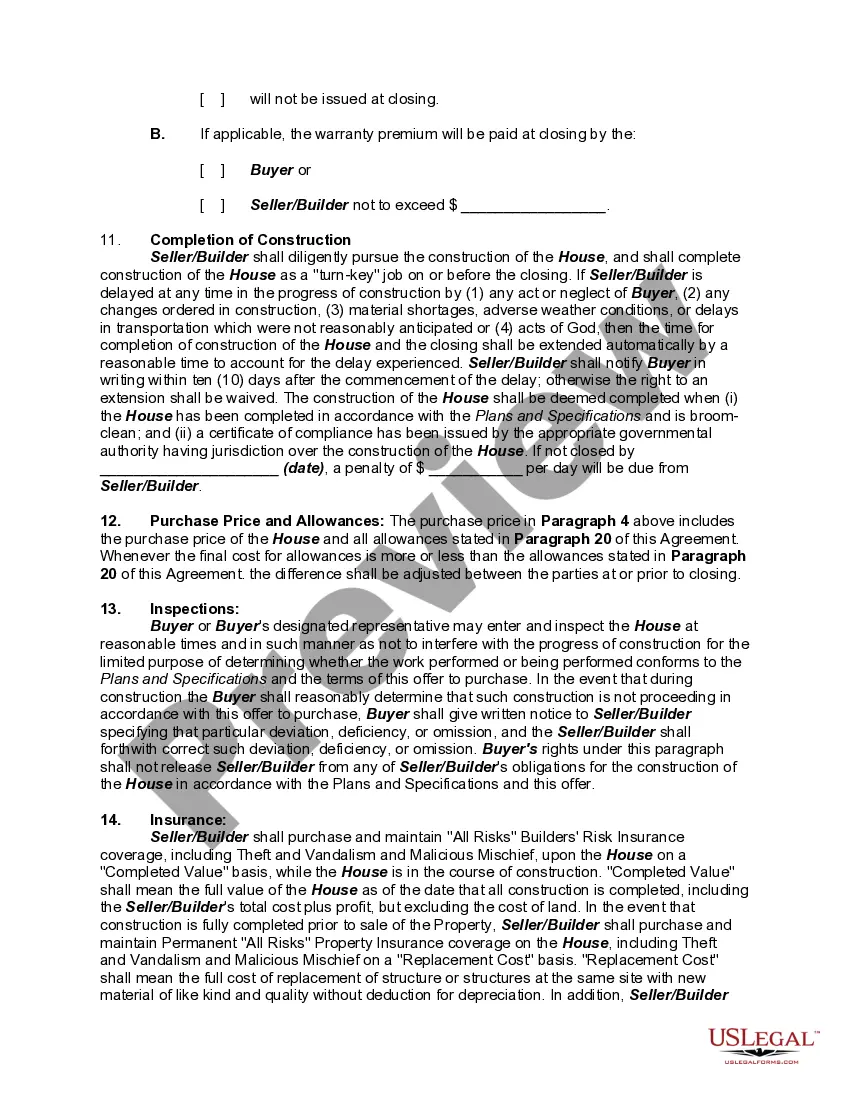
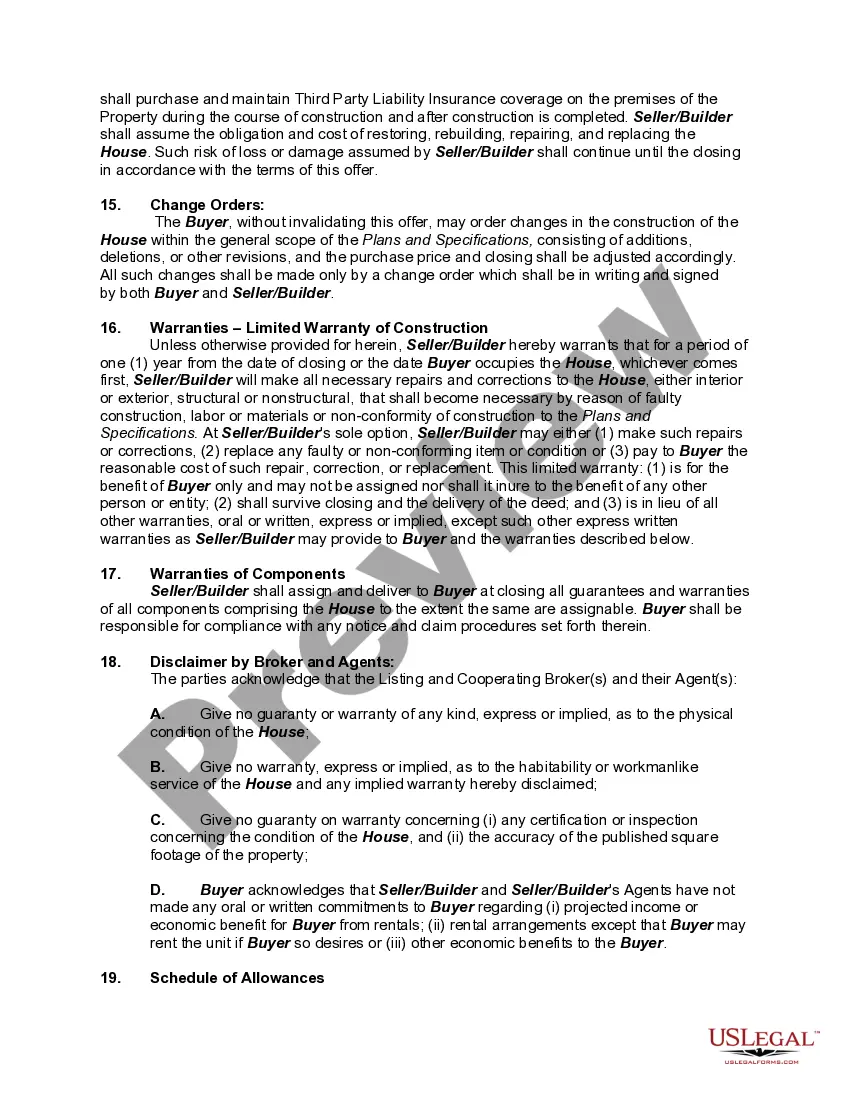
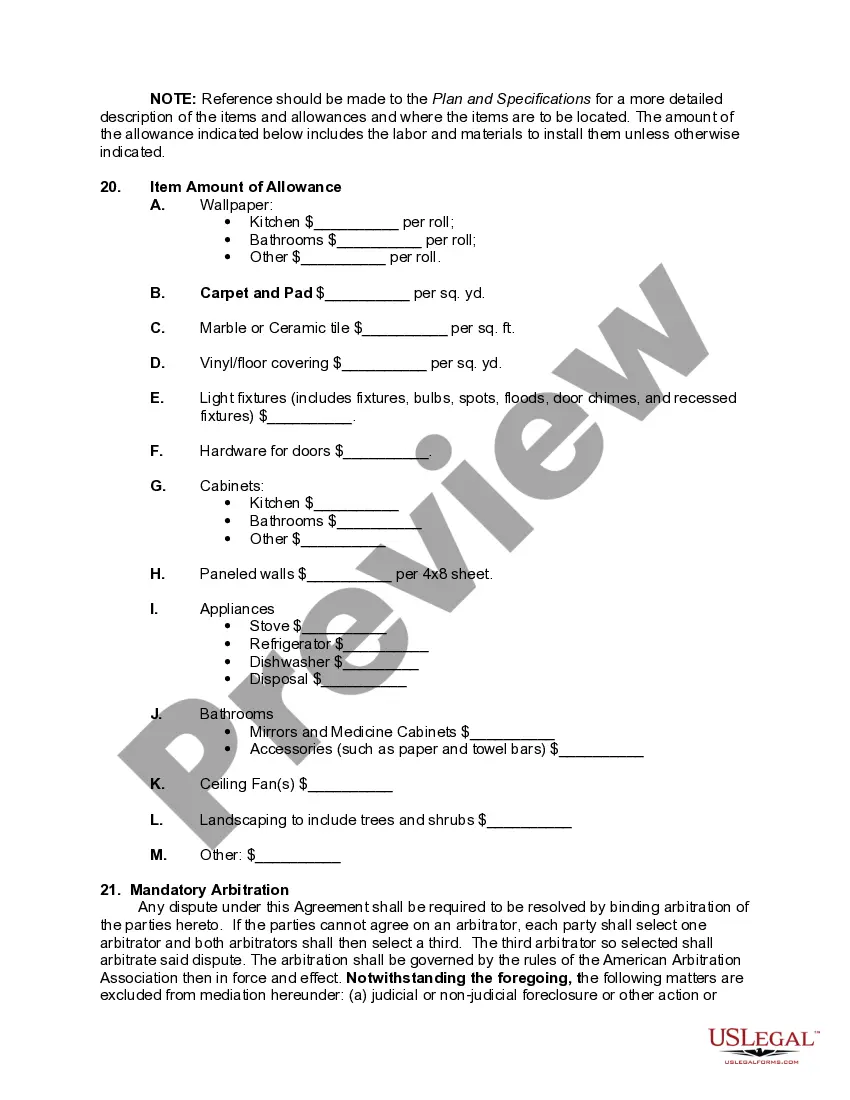
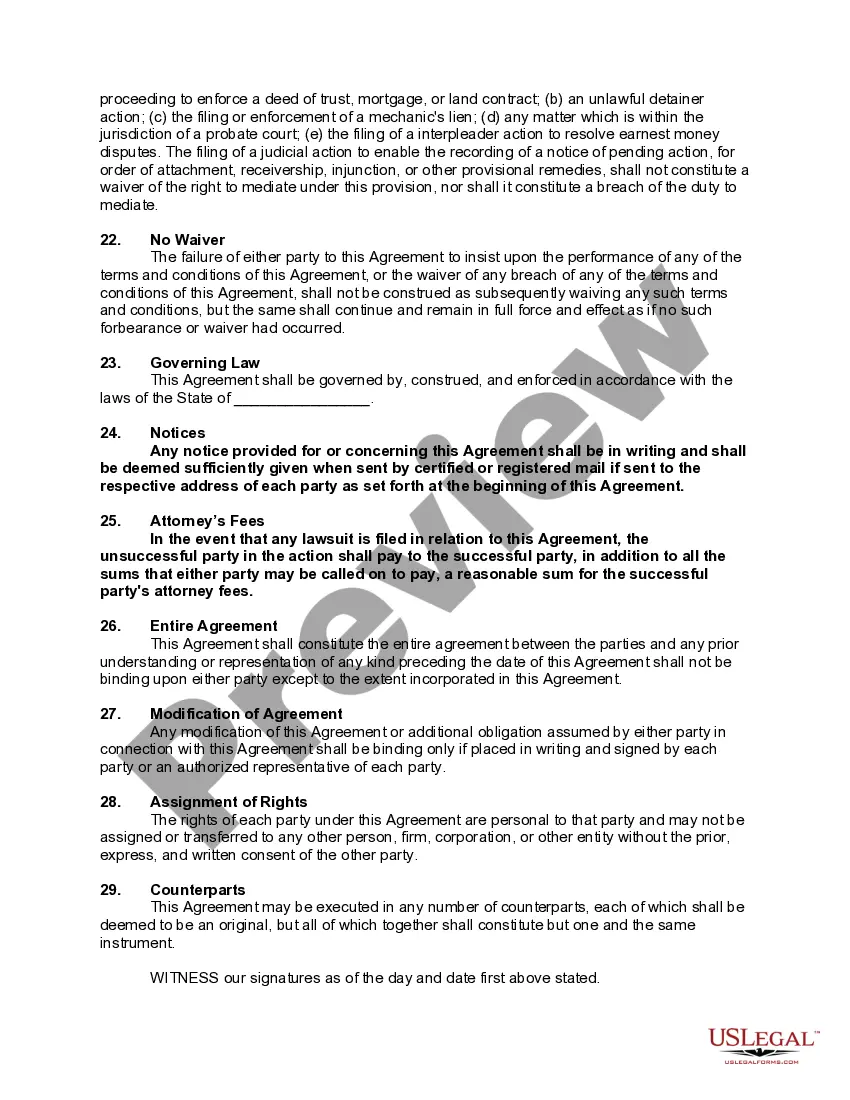
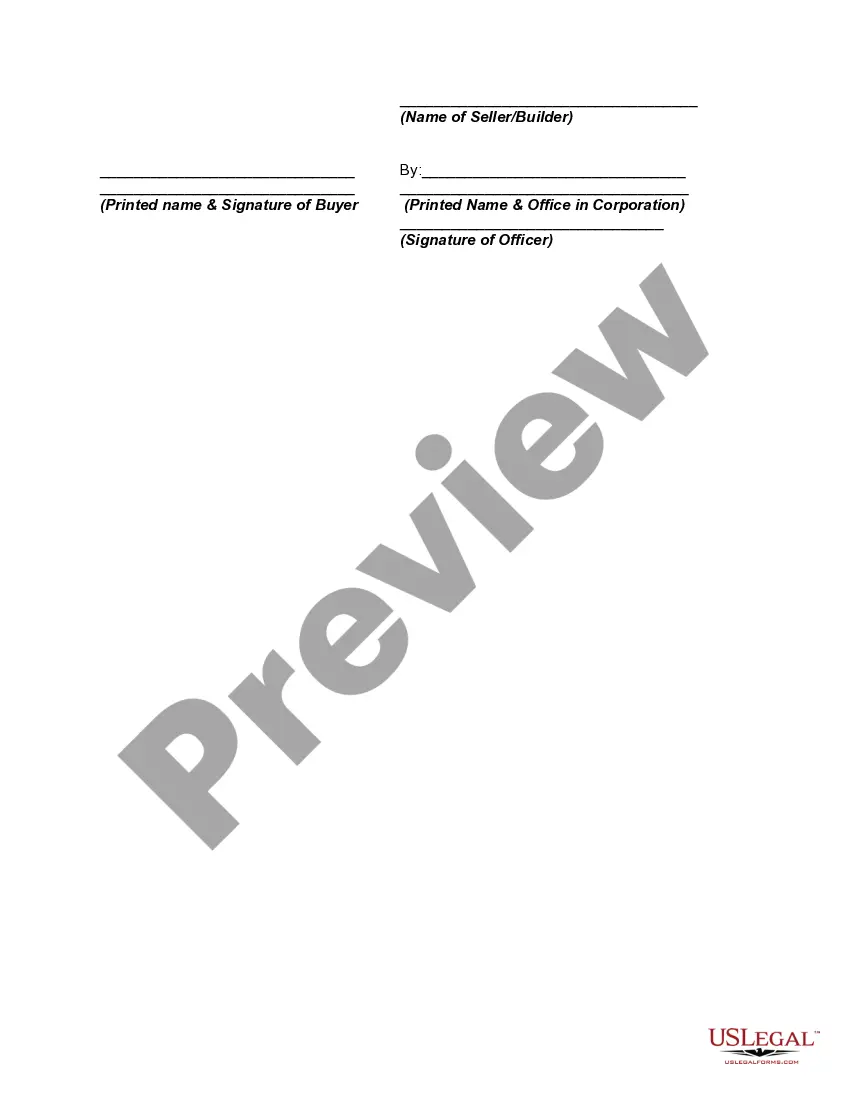
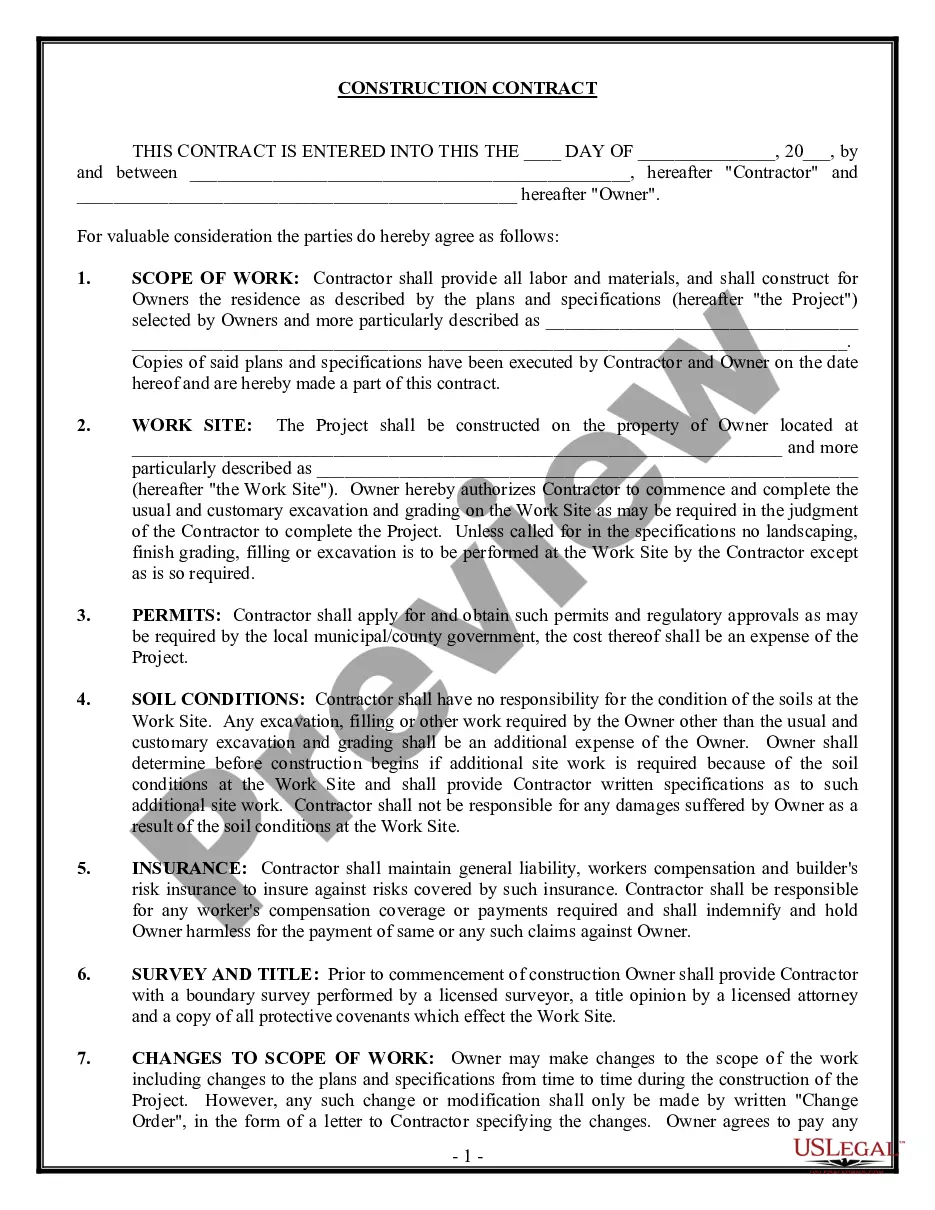
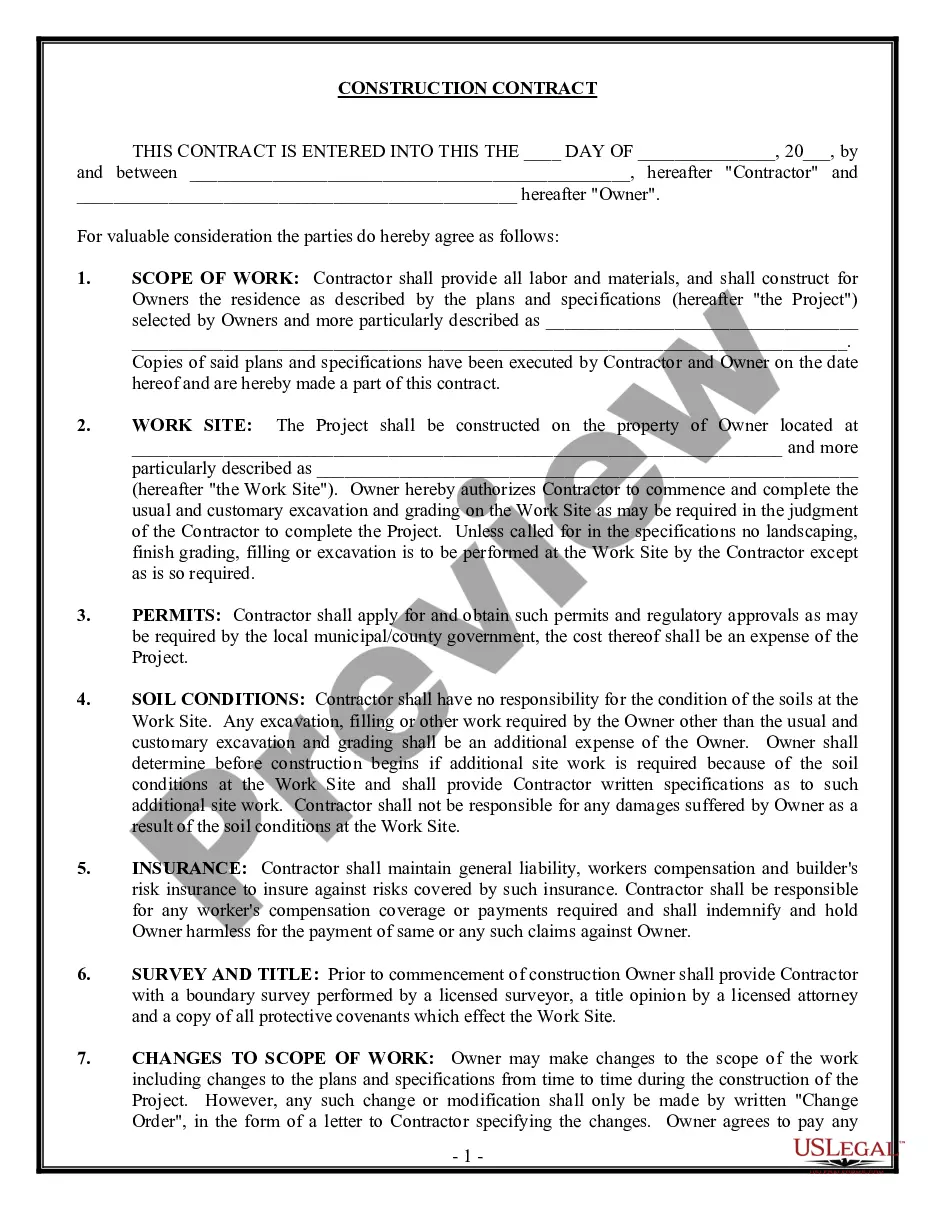
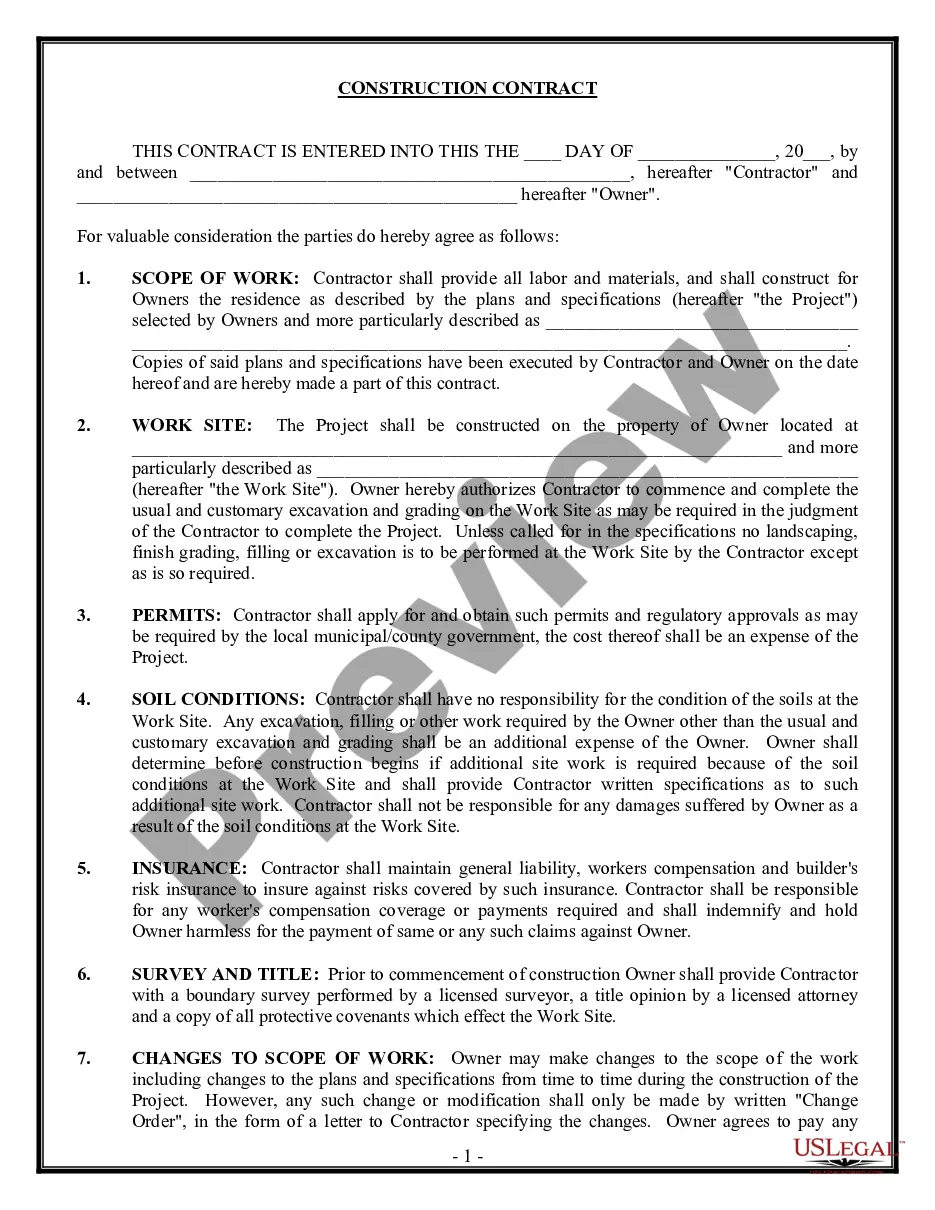
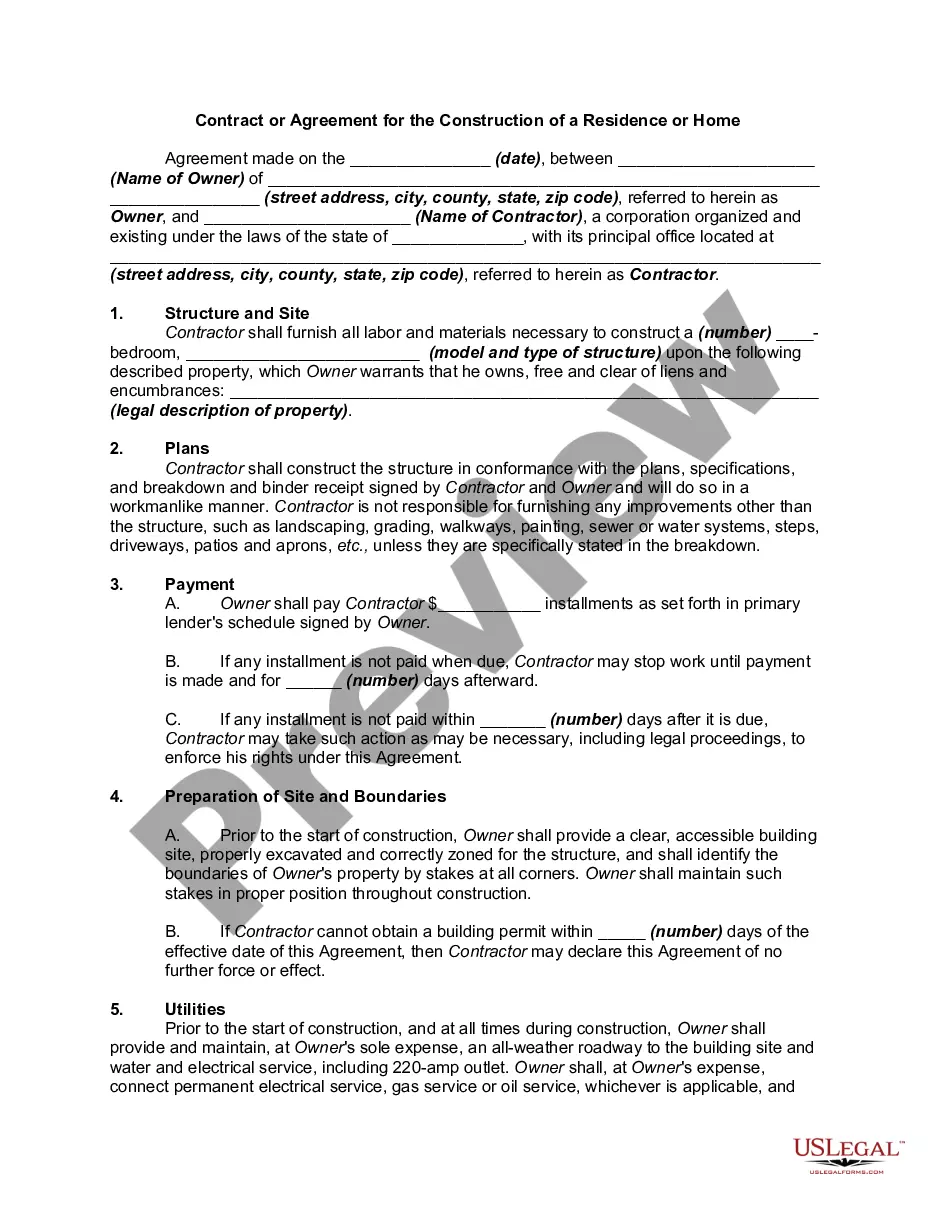
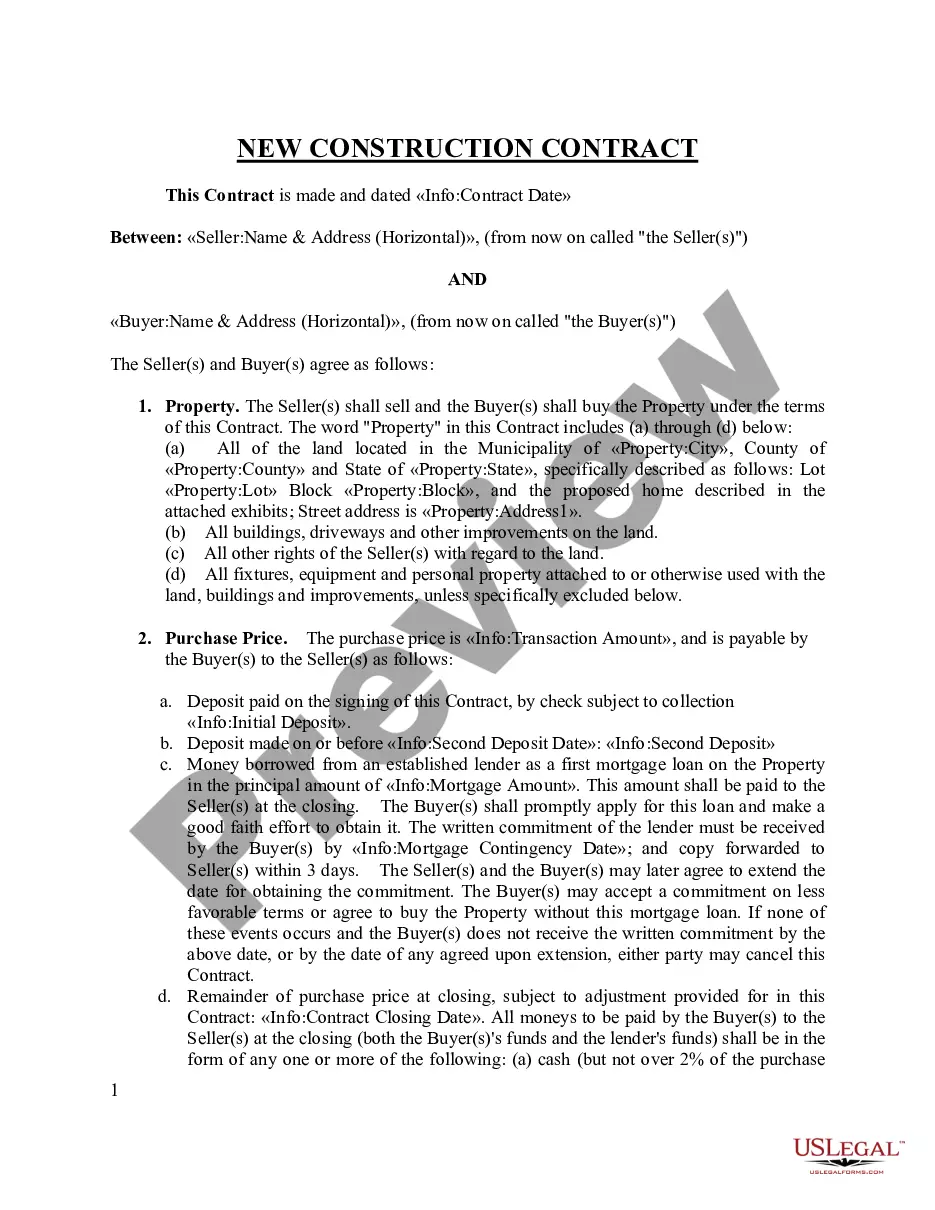
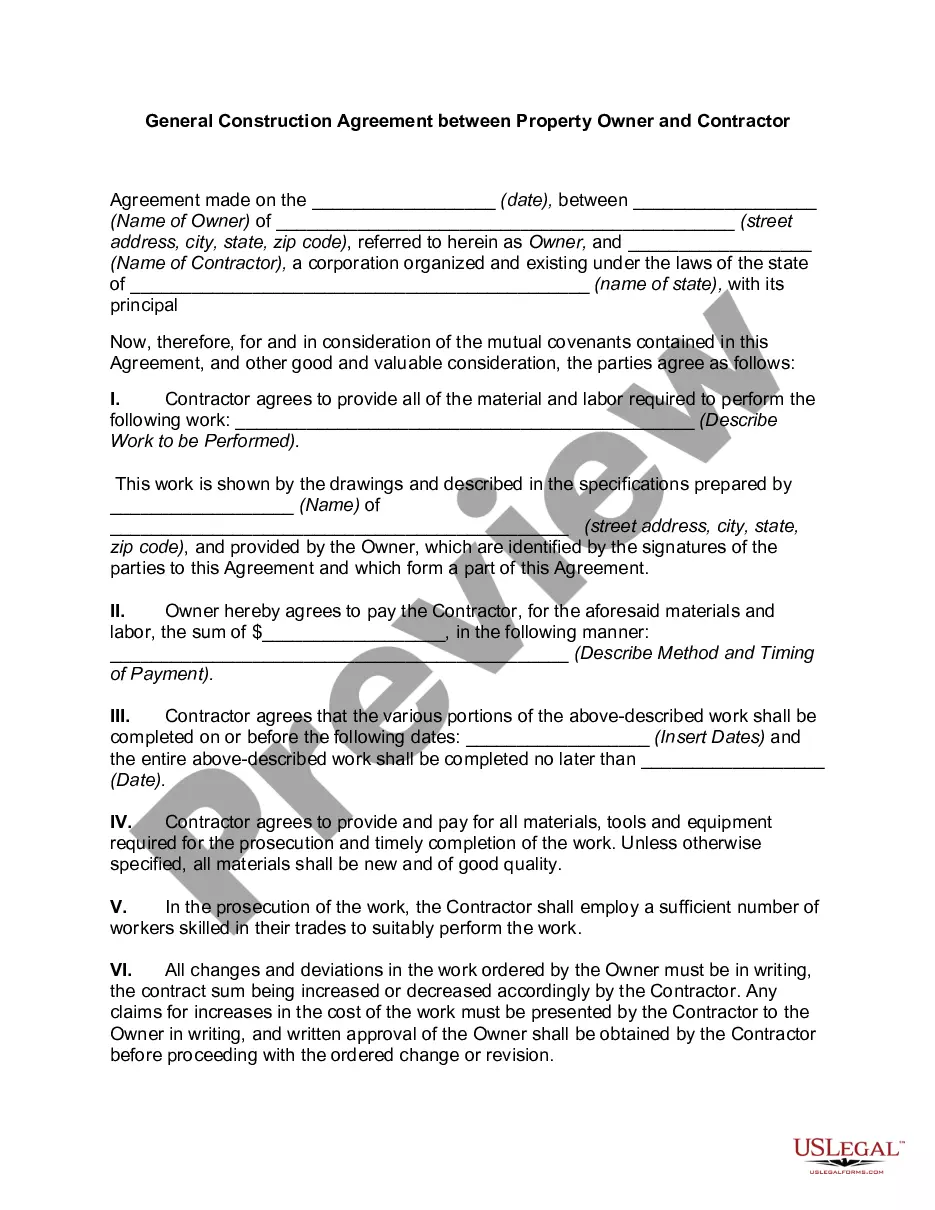
The Construction Contract for New Residential Dwelling is a legal document that outlines the agreement between a buyer and a seller/builder for the construction of a single-family home. This form provides detailed information on the parties involved, the scope of the construction project, payment terms, and responsibilities of each party. It ensures that all terms are clear, protecting both the buyer and seller throughout the construction process, which distinguishes it from other general contracts.
Key parts of this document
- Identification of the parties involved (buyer and seller/builder).
- Details of the construction project, including plans and specifications.
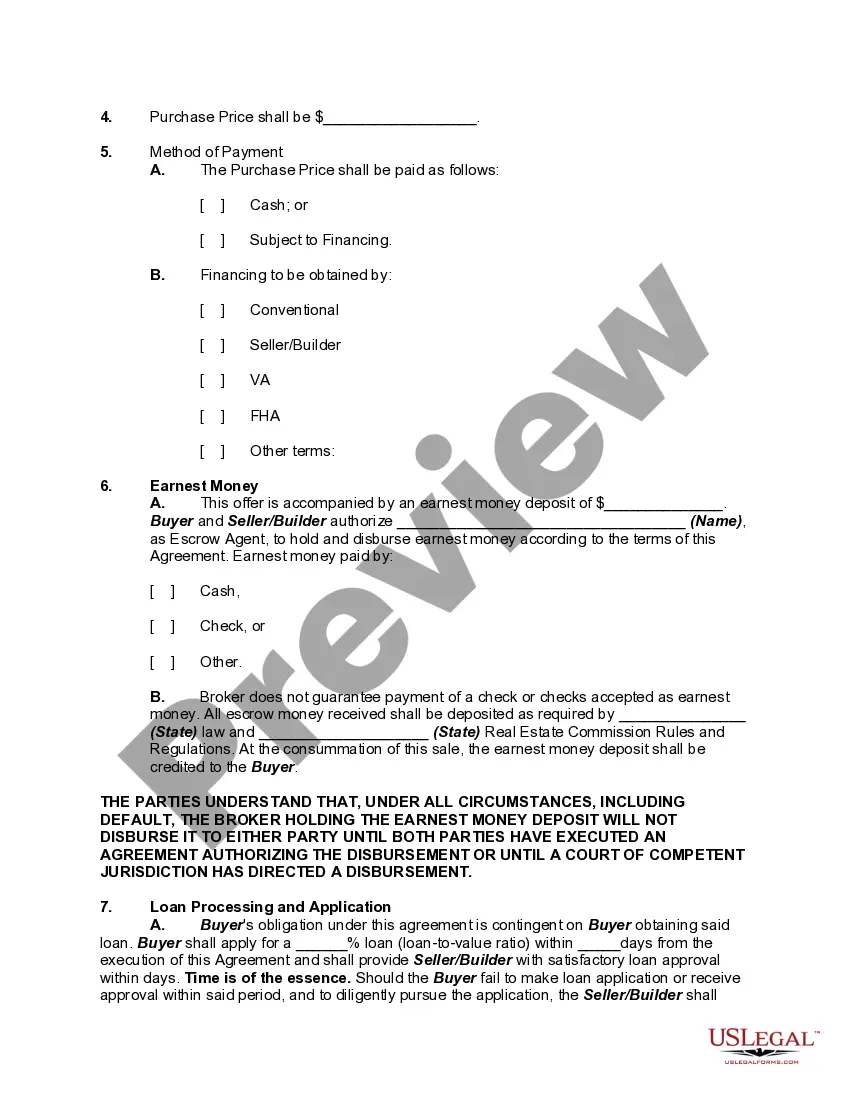
- Cost of construction and payment methods.
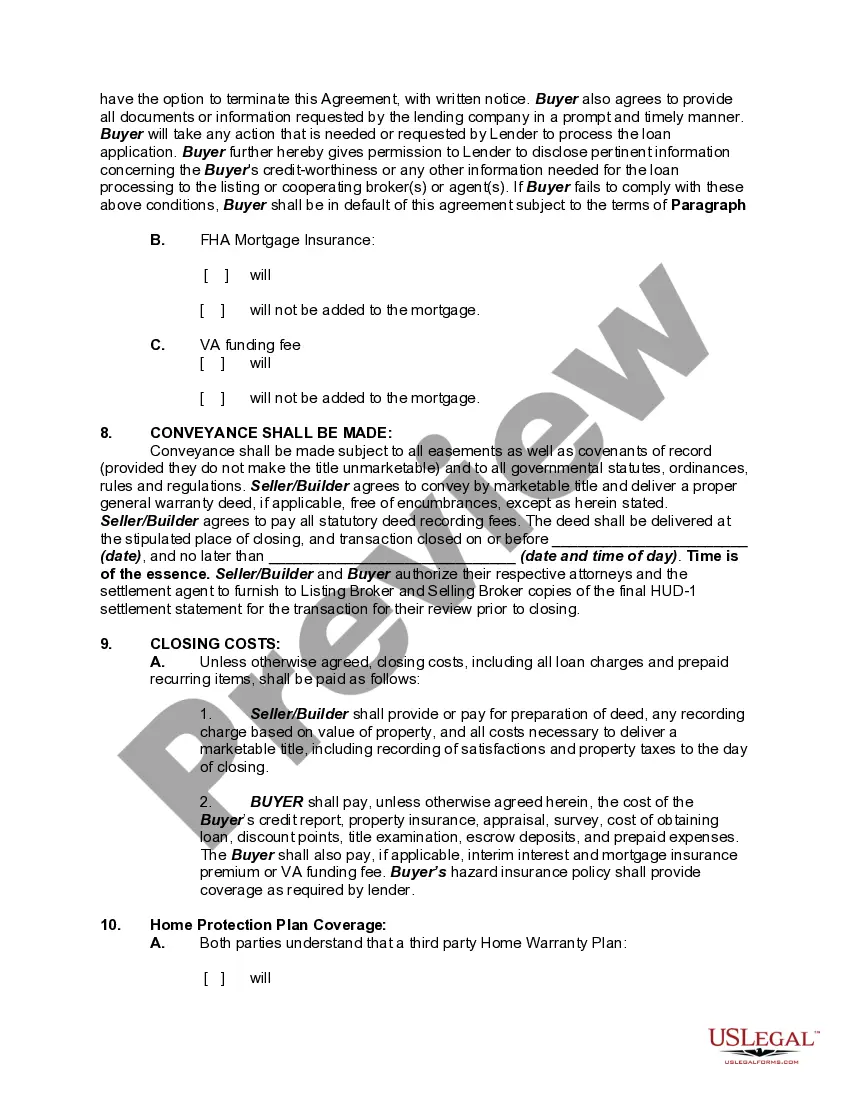
- Timelines for completion and closing.
- Warranties and insurance requirements.
- Provisions for changes to the project and handling disputes via arbitration.
When to use this form
This form should be used when a buyer and seller/builder agree to the construction of a new residential dwelling. It is applicable in situations such as purchasing a newly built home, hiring a contractor for custom home construction, or establishing clear terms for renovation projects. Utilizing this contract helps to prevent misunderstandings and legal issues during the construction process.
Who should use this form
This form is intended for:
- Homebuyers seeking to build a new residential property.
- Builders or contractors engaged in residential construction projects.
- Real estate professionals assisting clients in new home purchases.
Instructions for completing this form
- Identify and enter the names and addresses of both the buyer and seller/builder.
- Specify the property details, including the legal description and address.
- Outline the construction plans and specifications agreed upon by both parties.
- Detail the purchase price and payment method, including any financing options.
- Include timelines for construction completion and the closing date.
- Ensure both parties review and sign the contract for it to be legally binding.
Notarization requirements for this form
This document requires notarization to meet legal standards. US Legal Forms provides secure online notarization powered by Notarize, allowing you to complete the process through a verified video call, available 24/7.
Get your form ready online
Our built-in tools help you complete, sign, share, and store your documents in one place.
Make edits, fill in missing information, and update formatting in US Legal Forms—just like you would in MS Word.
Download a copy, print it, send it by email, or mail it via USPS—whatever works best for your next step.
Sign and collect signatures with our SignNow integration. Send to multiple recipients, set reminders, and more. Go Premium to unlock E-Sign.
If this form requires notarization, complete it online through a secure video call—no need to meet a notary in person or wait for an appointment.
We protect your documents and personal data by following strict security and privacy standards.

Make edits, fill in missing information, and update formatting in US Legal Forms—just like you would in MS Word.

Download a copy, print it, send it by email, or mail it via USPS—whatever works best for your next step.

Sign and collect signatures with our SignNow integration. Send to multiple recipients, set reminders, and more. Go Premium to unlock E-Sign.

If this form requires notarization, complete it online through a secure video call—no need to meet a notary in person or wait for an appointment.

We protect your documents and personal data by following strict security and privacy standards.
Avoid these common issues
- Failing to specify clear plans and specifications for the construction project.
- Not detailing the payment terms and methods, leading to potential disputes.
- Ignoring local laws and regulations which might affect contract enforceability.
- Neglecting to obtain necessary permits or licenses required for construction.
- Overlooking the need for warranty and insurance details.
Why use this form online
- Convenience of downloading the contract anytime and anywhere.
- Editability allows users to customize details to meet their specific needs.
- Access to forms drafted by licensed attorneys ensures legal compliance.
- Clear, plain language makes it accessible to users with varying legal knowledge.
Looking for another form?

Form popularity
FAQ
The Construction Contract for New Residential Dwelling is a standard agreement between a buyer and a seller/builder for constructing a single-family home. It identifies the parties, defines the project scope and plans, sets total cost and payment terms, and establishes timelines, warranties, and insurance. It also provides for changes and arbitration to protect both sides throughout the building process.
In this form, the five elements are: 1) identification of the parties; 2) project details with plans and specifications; 3) cost and payment terms; 4) timelines for completion and closing; 5) warranties, insurance, and change/arbitration provisions. These parts ensure a clear, enforceable framework for the residential project.
To fill out this contract, identify the buyer and seller/builder, attach the project scope with plans and specifications, and state the total cost and payment schedule. Then add timelines for completion and closing, plus warranties and insurance requirements, and finalize changes and arbitration provisions. Sign and date before starting work.
Common types include fixed-price, cost-plus, time-and-materials, and unit-price contracts. The Construction Contract for New Residential Dwelling is a standard form tailored to building a new single-family home, outlining clear project scope, payment terms, schedules, warranties, insurance, and arbitration provisions to guide a residential project.
A frequent mistake is failing to clearly define the project scope and plans, which leads to disputes over changes and costs. The form mitigates this by requiring detailed plans and specifications, a defined cost and payment schedule, and explicit change and arbitration provisions to resolve disputes efficiently.
This form is a standard template specifically designed for building a single-family home. It ties the agreement to a defined scope with plans and specifications, sets a clear payment and timeline, includes warranties and insurance, and provides for changes and arbitration, making it more targeted than a generic contract.