Florida Junior or Second Mortgage Deed
Overview of this form
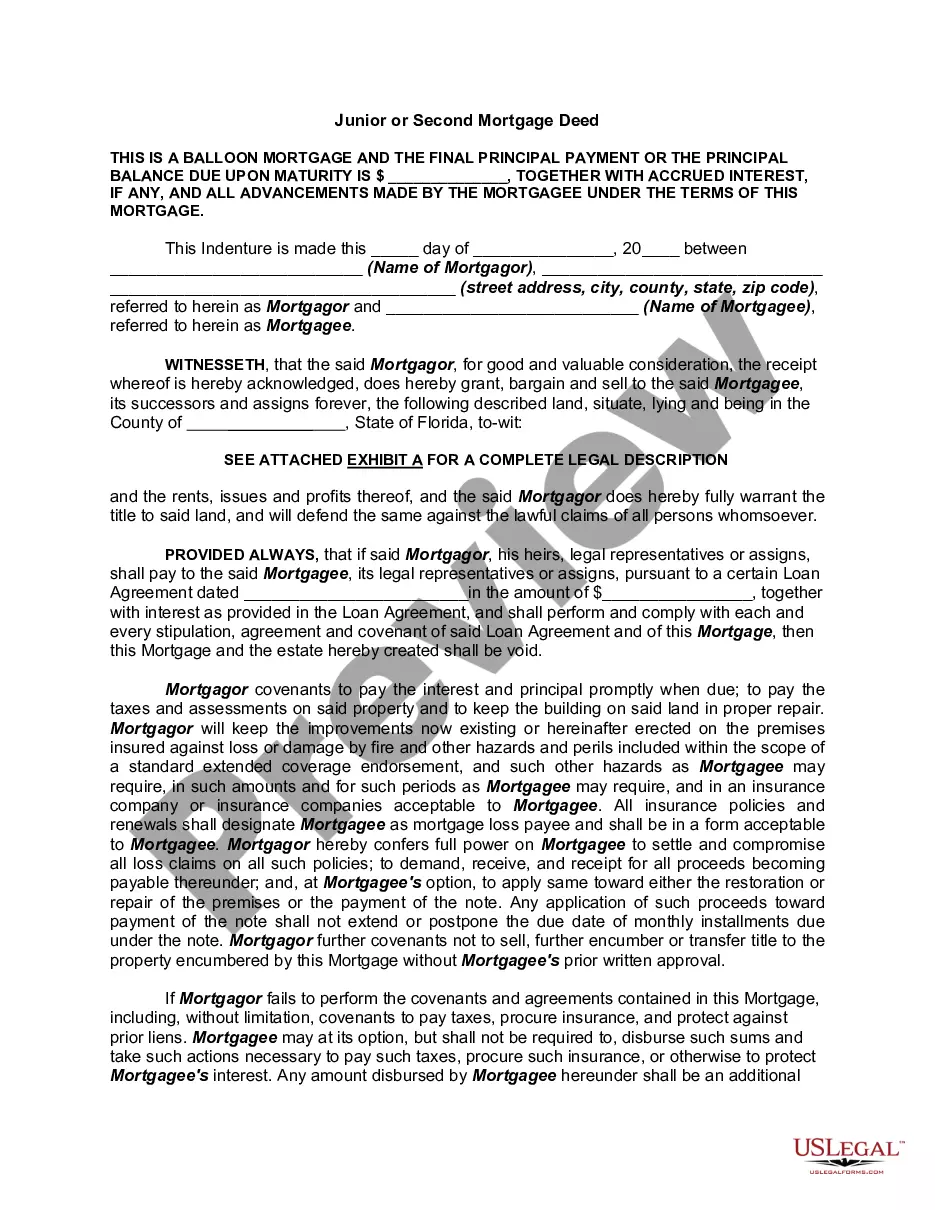
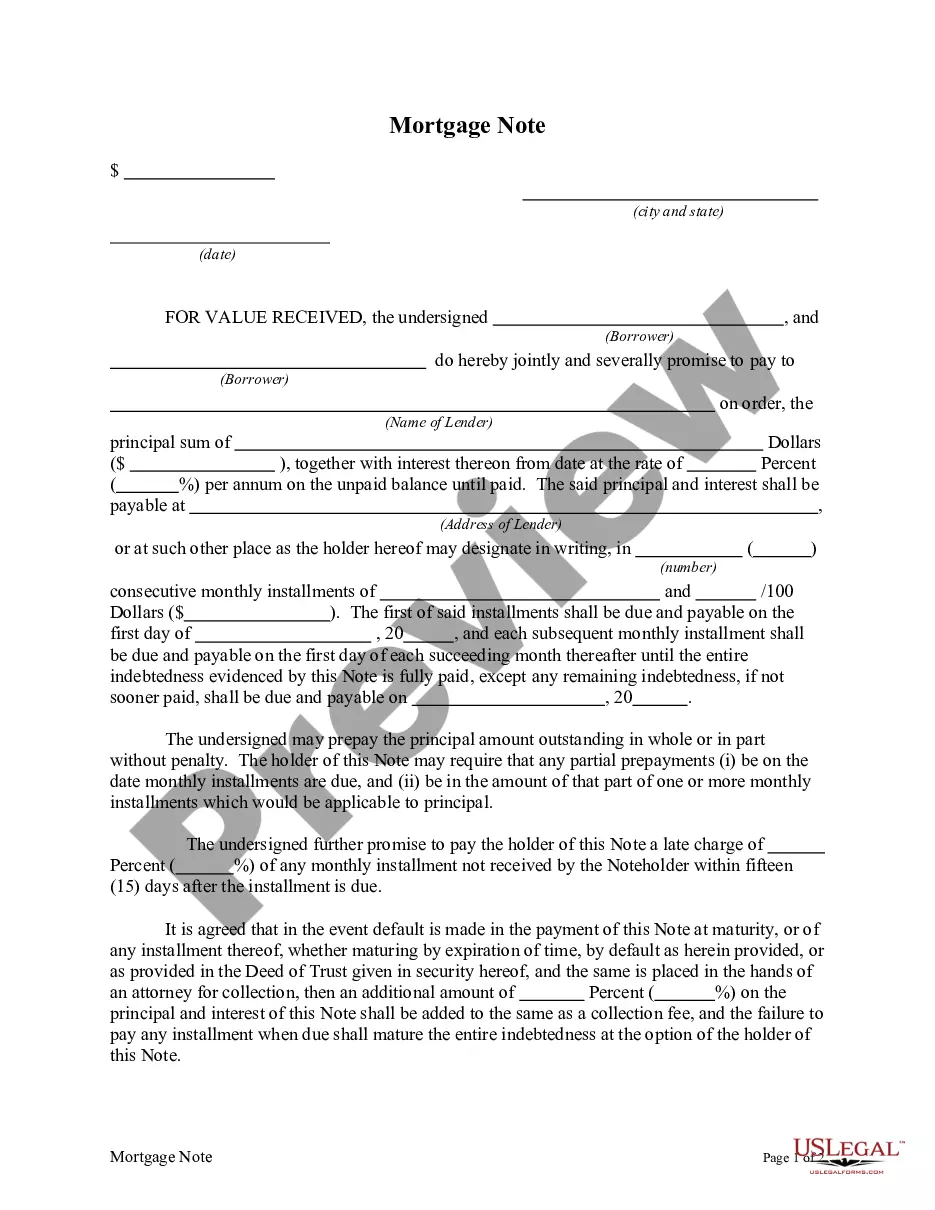
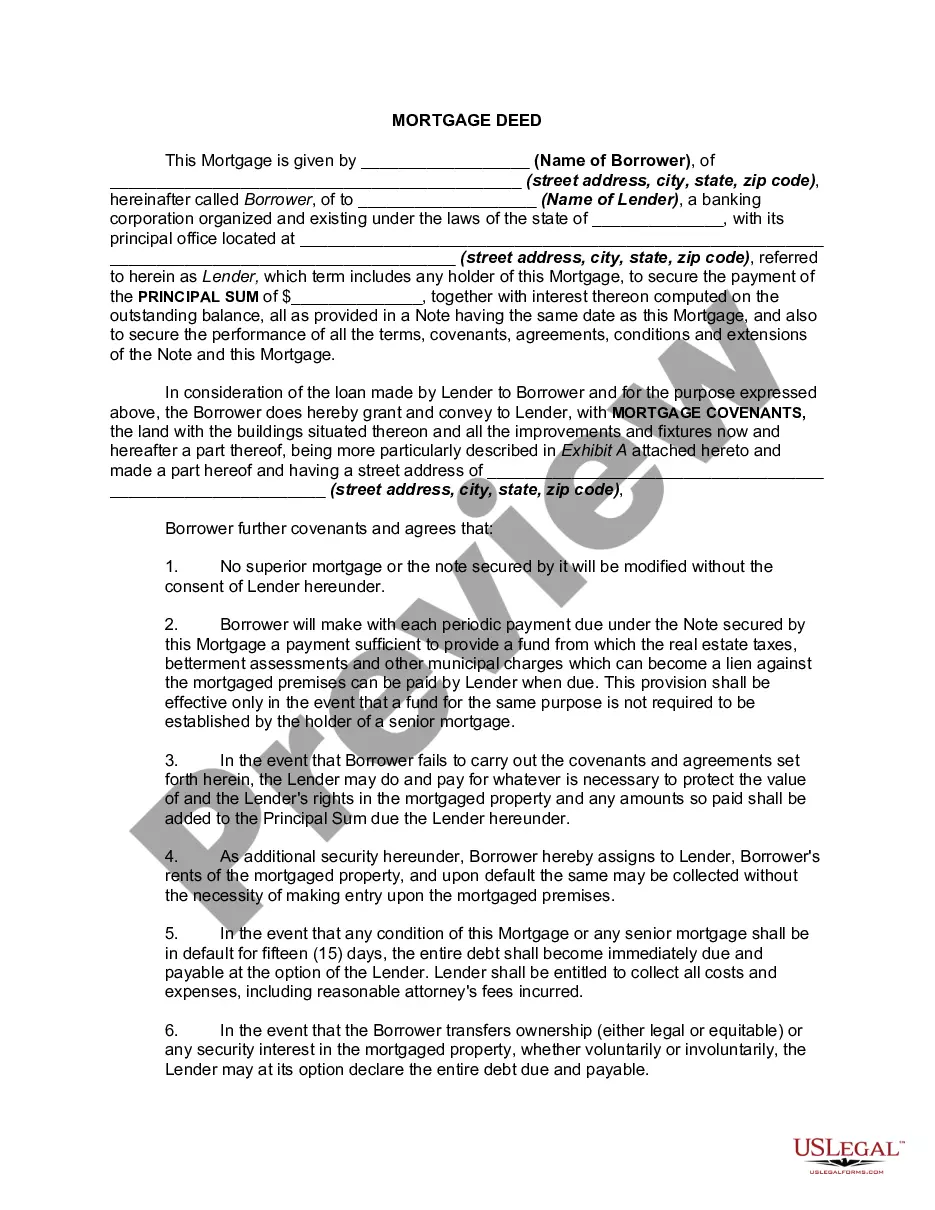
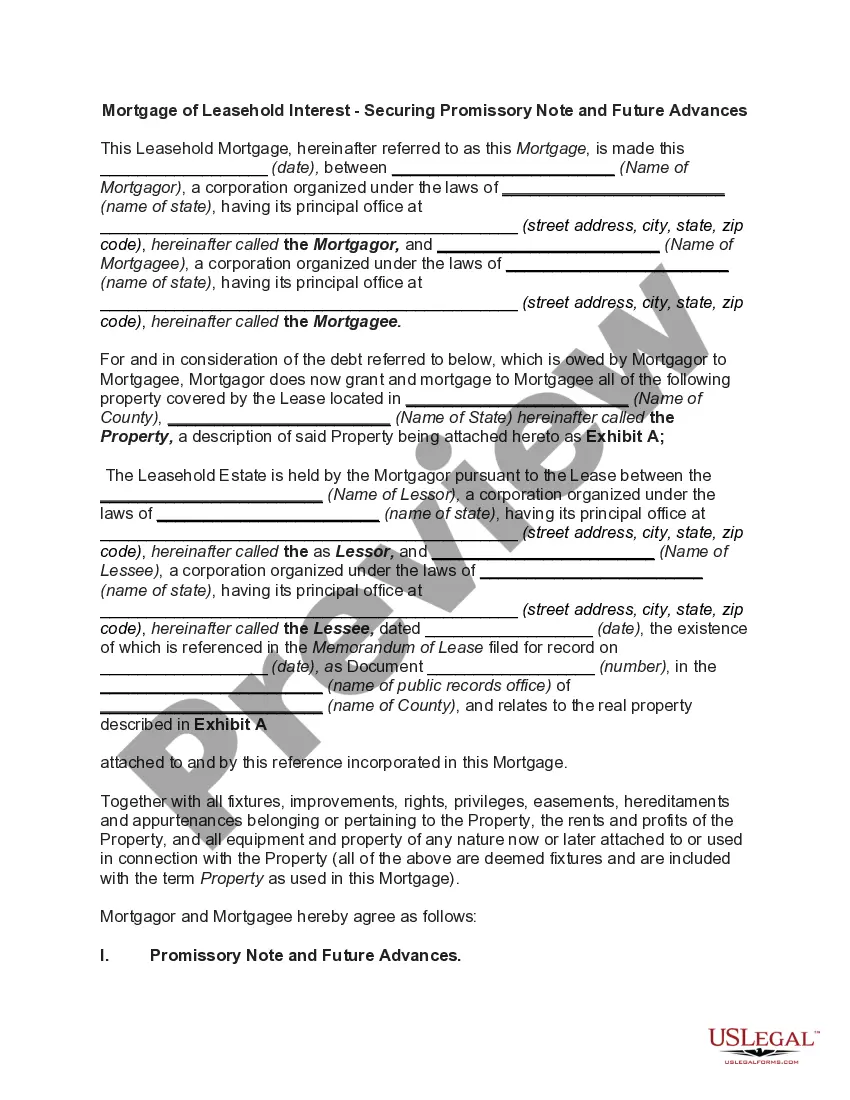
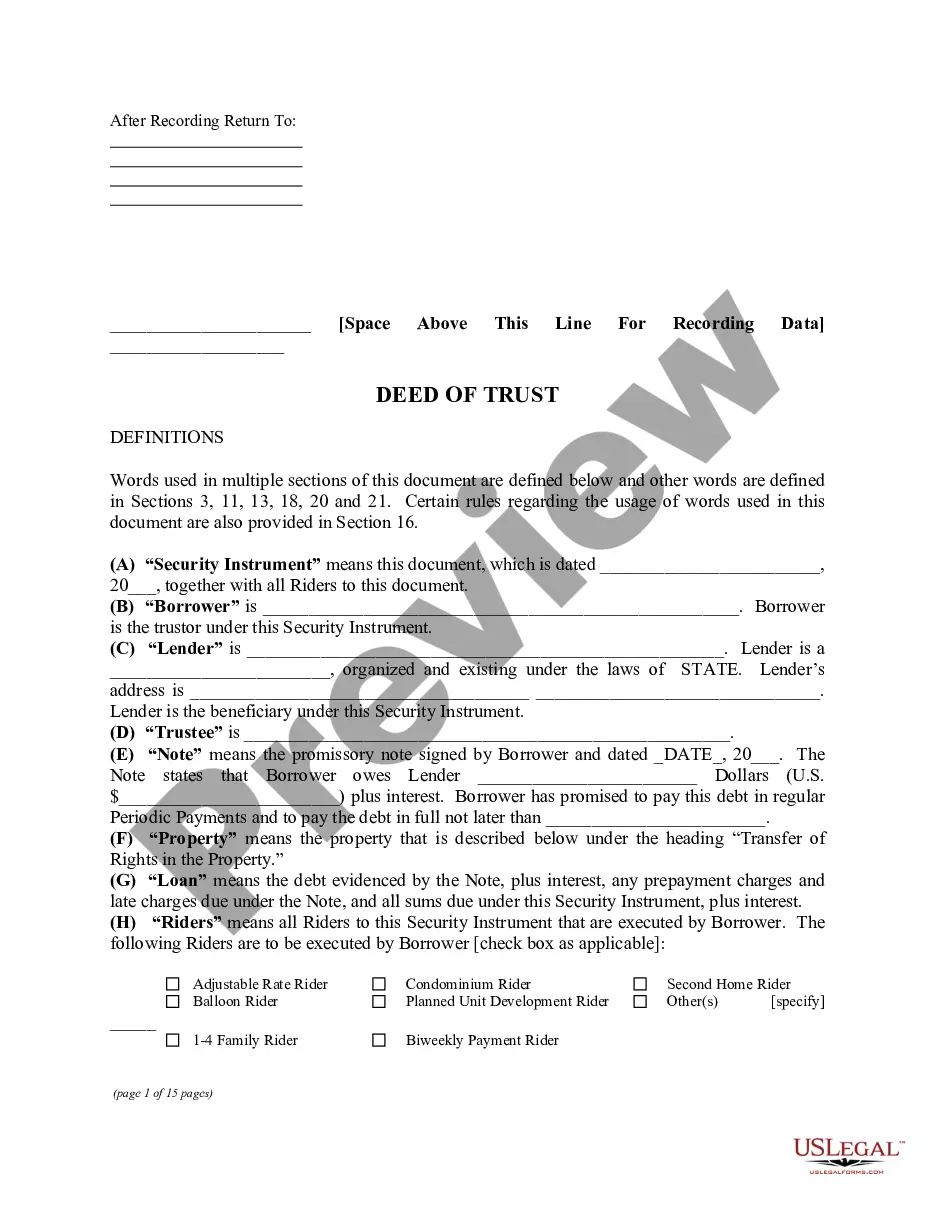
A Junior or Second Mortgage Deed is a legal document that establishes a secured loan against real property that is subordinate to existing liens. This means that in the event of a foreclosure, the holder of the junior mortgage will be paid after senior mortgage holders. This form is crucial for homeowners looking to borrow more against their property while already having a mortgage, or for sellers who wish to take a second lien on their property as part of a transaction.
Form components explained
- Identification of the mortgagor (borrower) and mortgagee (lender).
- Description of the property, including its legal description.
- Details regarding the loan agreement, such as the loan amount and interest.
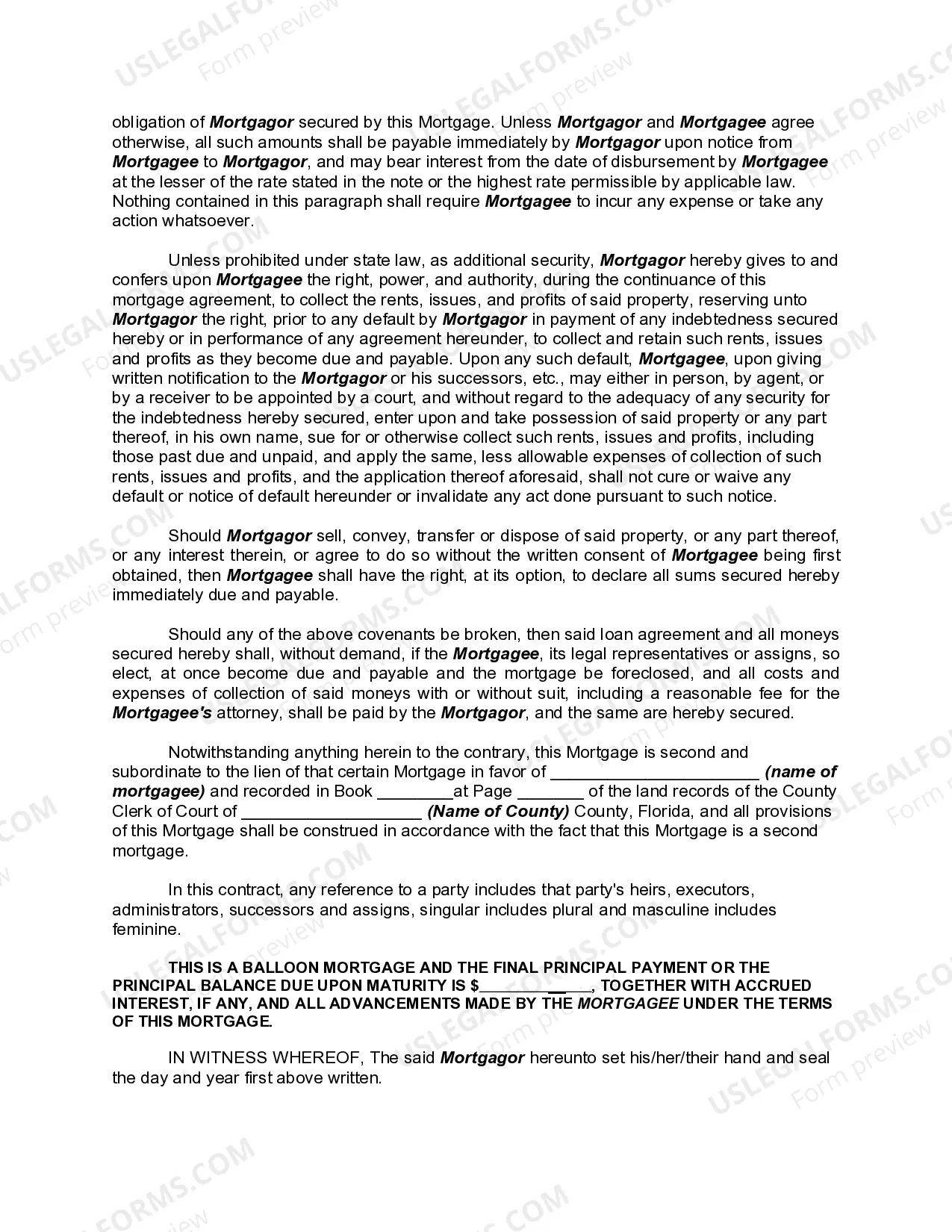
- Terms outlining the repayment obligations of the mortgagor.
- Conditions for the mortgage including property insurance and tax responsibilities.
- Clauses addressing defaults and the mortgagee's rights in such events.

Situations where this form applies
This form is typically used in scenarios where a property owner seeks to obtain additional financing secured by their property, which already has an existing mortgage. This can occur during home purchases where the buyer needs further funds beyond a primary loan or when property owners want to leverage their equity for renovations or other expenses. Additionally, it may be used by sellers who finance part of the purchase price for buyers through a junior mortgage.
Intended users of this form
- Homeowners seeking to take out a second mortgage on their property.
- Real estate investors looking to refinance their properties.
- Buyers in transactions where the seller is willing to provide financing.
- Lenders looking to secure financing with a subordinate lien on the property.
Steps to complete this form
- Identify and enter the names and addresses of both the mortgagor and mortgagee.
- Specify the legal description of the property being mortgaged.
- Detail the loan amount and the date of the Loan Agreement.
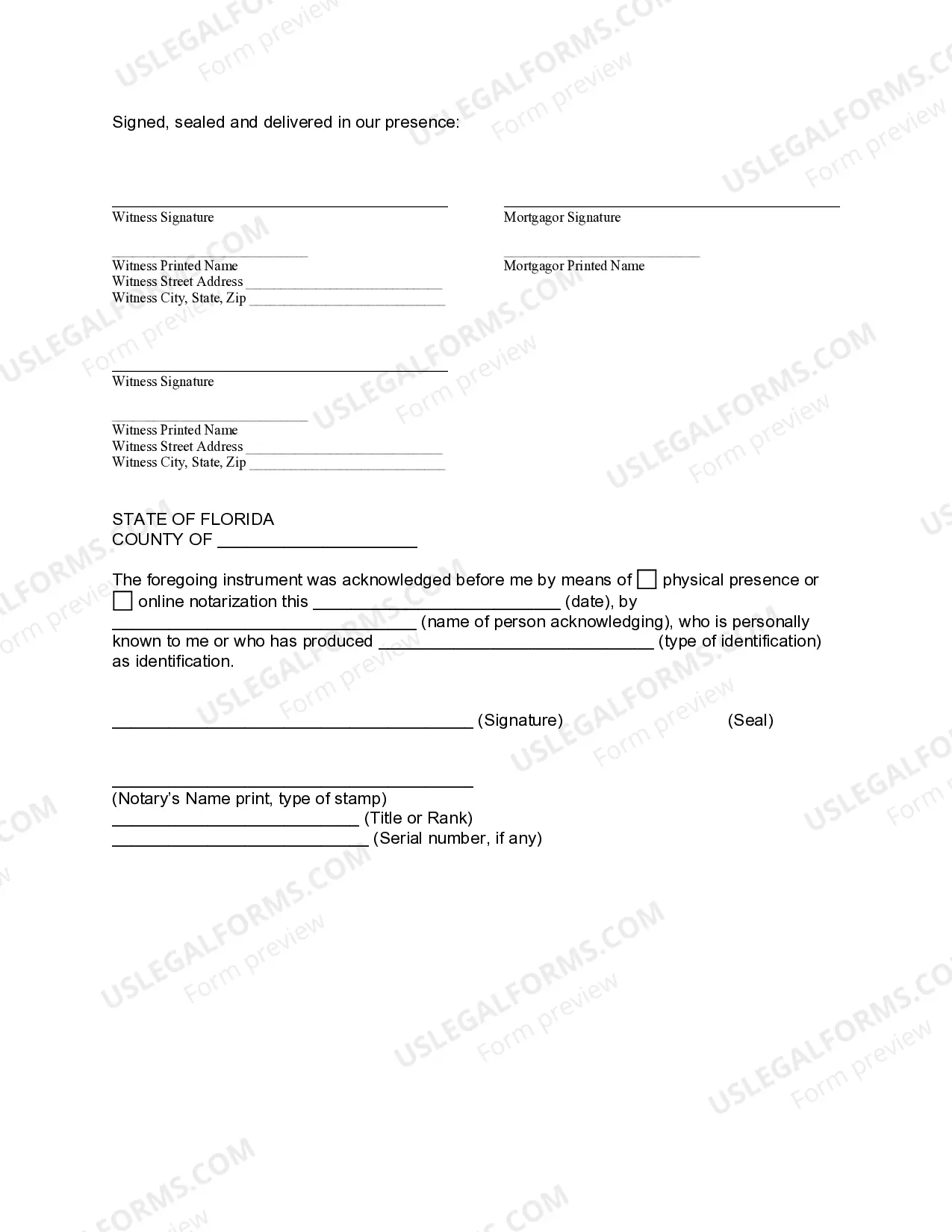
- Sign and date the document in the presence of witnesses and a notary public, if required.
- Ensure all relevant parties receive a copy of the signed form.
Is notarization required?
This form must be notarized to be legally valid. US Legal Forms provides secure online notarization powered by Notarize, allowing you to complete the process through a verified video call.
Get your form ready online
Our built-in tools help you complete, sign, share, and store your documents in one place.
Make edits, fill in missing information, and update formatting in US Legal Forms—just like you would in MS Word.
Download a copy, print it, send it by email, or mail it via USPS—whatever works best for your next step.
Sign and collect signatures with our SignNow integration. Send to multiple recipients, set reminders, and more. Go Premium to unlock E-Sign.
If this form requires notarization, complete it online through a secure video call—no need to meet a notary in person or wait for an appointment.
We protect your documents and personal data by following strict security and privacy standards.

Make edits, fill in missing information, and update formatting in US Legal Forms—just like you would in MS Word.

Download a copy, print it, send it by email, or mail it via USPS—whatever works best for your next step.

Sign and collect signatures with our SignNow integration. Send to multiple recipients, set reminders, and more. Go Premium to unlock E-Sign.

If this form requires notarization, complete it online through a secure video call—no need to meet a notary in person or wait for an appointment.

We protect your documents and personal data by following strict security and privacy standards.
Common mistakes
- Failing to accurately describe the property, including its legal description.
- Omitting signatures of all required parties, including witnesses and notaries.
- Not discussing terms of the loan with the mortgagee before completion.
- Neglecting to check state-specific regulations that may affect the form.
Why use this form online
- Instant access to legally drafted templates tailored to your needs.
- Convenient download options that allow for easy editing and customization.
- Reliable legal compliance ensured by licensed attorneys.
Legal use & context
- This form legally secures a financial interest in real property that is subordinate to another mortgage.
- The proper execution of this document is vital for protecting the mortgagee's rights if the mortgagor defaults.
- Understanding state laws regarding second mortgages is important for enforceability.
Summary of main points
- The Junior or Second Mortgage Deed is essential for securing additional financing against property.
- Proper completion and notarization of the deed are crucial for legal effectiveness.
- This form is tailored for compliance with Florida law and contains provisions that protect both parties involved.
Looking for another form?
Form popularity
FAQ
Whether it is better to be on the mortgage or the deed depends on your specific circumstances. Being on the deed establishes ownership rights, while being on the mortgage ensures financial responsibility. Each situation involving a Florida Junior or Second Mortgage Deed can vary, so it's essential to weigh your options carefully.
If your name is not on either the mortgage or the deed, you typically have no legal claim to the property. This can affect your ability to receive benefits or protections associated with a Florida Junior or Second Mortgage Deed. To navigate this situation, consider seeking advice from a legal professional to explore your options.
If your ex is on the deed but not on the mortgage, they still hold an ownership interest in the property. This situation can complicate financial agreements, especially if you are looking to secure a Florida Junior or Second Mortgage Deed. It is advisable to consult with a legal expert to evaluate your rights and obligations in this arrangement.
Both the deed and the mortgage play crucial roles in property ownership and financing. The deed signifies ownership of the property, while the mortgage provides the lender's rights over the property in case of nonpayment. In situations involving a Florida Junior or Second Mortgage Deed, all parties must understand these distinctions to protect their interests.
In Florida, the most commonly used deed is the warranty deed. This type of deed guarantees that the seller holds clear title to the property and has the right to sell it. Understanding deeds is essential, especially when dealing with a Florida Junior or Second Mortgage Deed, as it affects your rights and obligations regarding the property.
If your name is on the deed but not the mortgage in Florida, you maintain rights as the legal owner of the property. You can make decisions related to the property, including selling or renting it, without being responsible for the mortgage payments. However, it is crucial to understand the financial implications, especially concerning any debts related to the mortgage. US Legal Forms can offer valuable insight into your rights under the Florida Junior or Second Mortgage Deed.
In Florida, the laws regarding marital property state that assets acquired during marriage typically belong to both spouses, regardless of whose name is on the deed. Therefore, your wife may have a claim to a portion of the house, especially if it was purchased during the marriage. It’s wise to consult legal resources or services like US Legal Forms to ensure you understand the implications of the Florida Junior or Second Mortgage Deed in this context.
Yes, you can sell your house if you are on the deed but not the mortgage. Being on the deed gives you legal ownership of the property, allowing you to sell it. However, it is important to communicate with the other parties listed on the mortgage, as they may still have a financial interest in the property. For clarity and ease in such processes, consider using resources like US Legal Forms.
One disadvantage of a deed in lieu of foreclosure includes its effect on credit scores, which may drop significantly after the transaction. Additionally, homeowners may still be liable for any remaining mortgage debt that is not covered by the sale of the property. Evaluating these issues with a Florida Junior or Second Mortgage Deed in mind can help you understand the potential impacts of your decision.
It is not true that a deed in lieu of foreclosure is always the best option for homeowners. Some believe that it removes all debts, but that is not the case. Understanding the implications of a Florida Junior or Second Mortgage Deed is crucial, as it may not erase all financial obligations tied to your property.