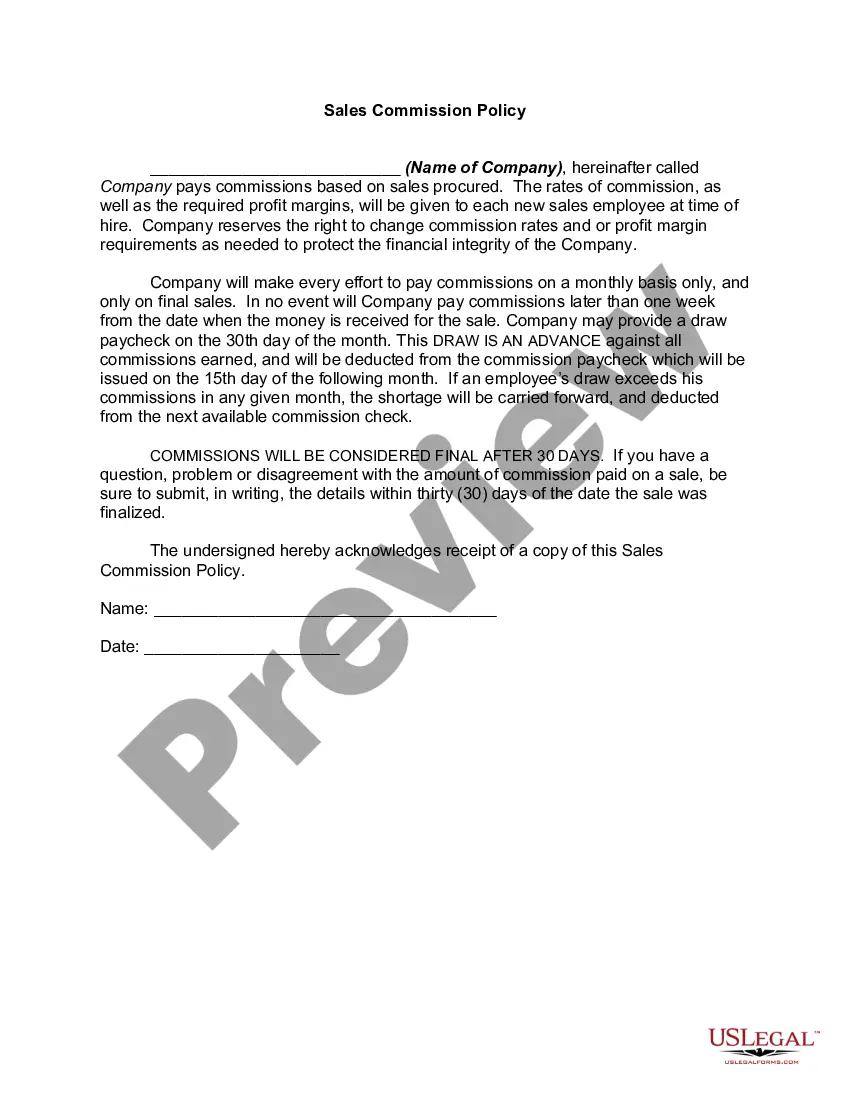
Delaware Sales Commission Policy
Description
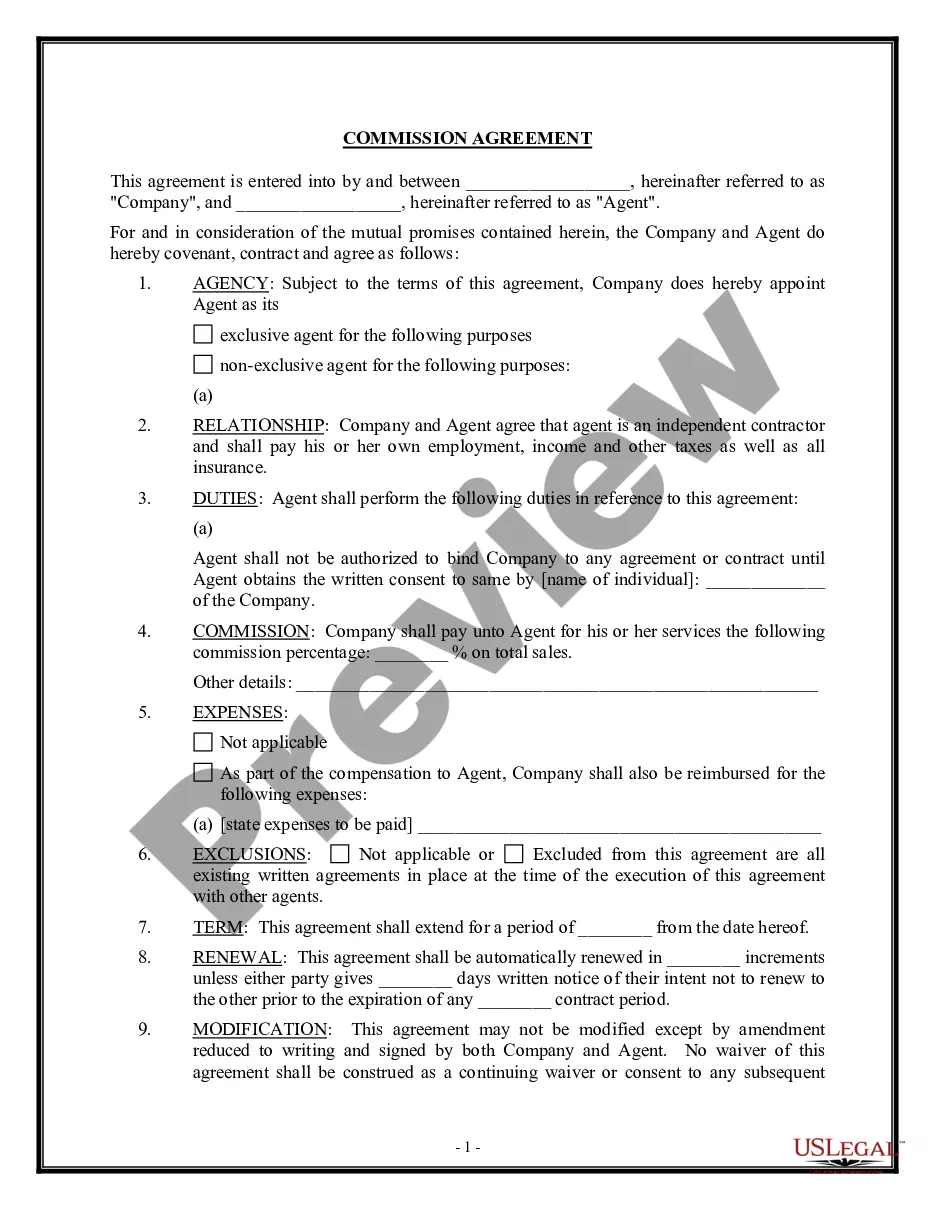
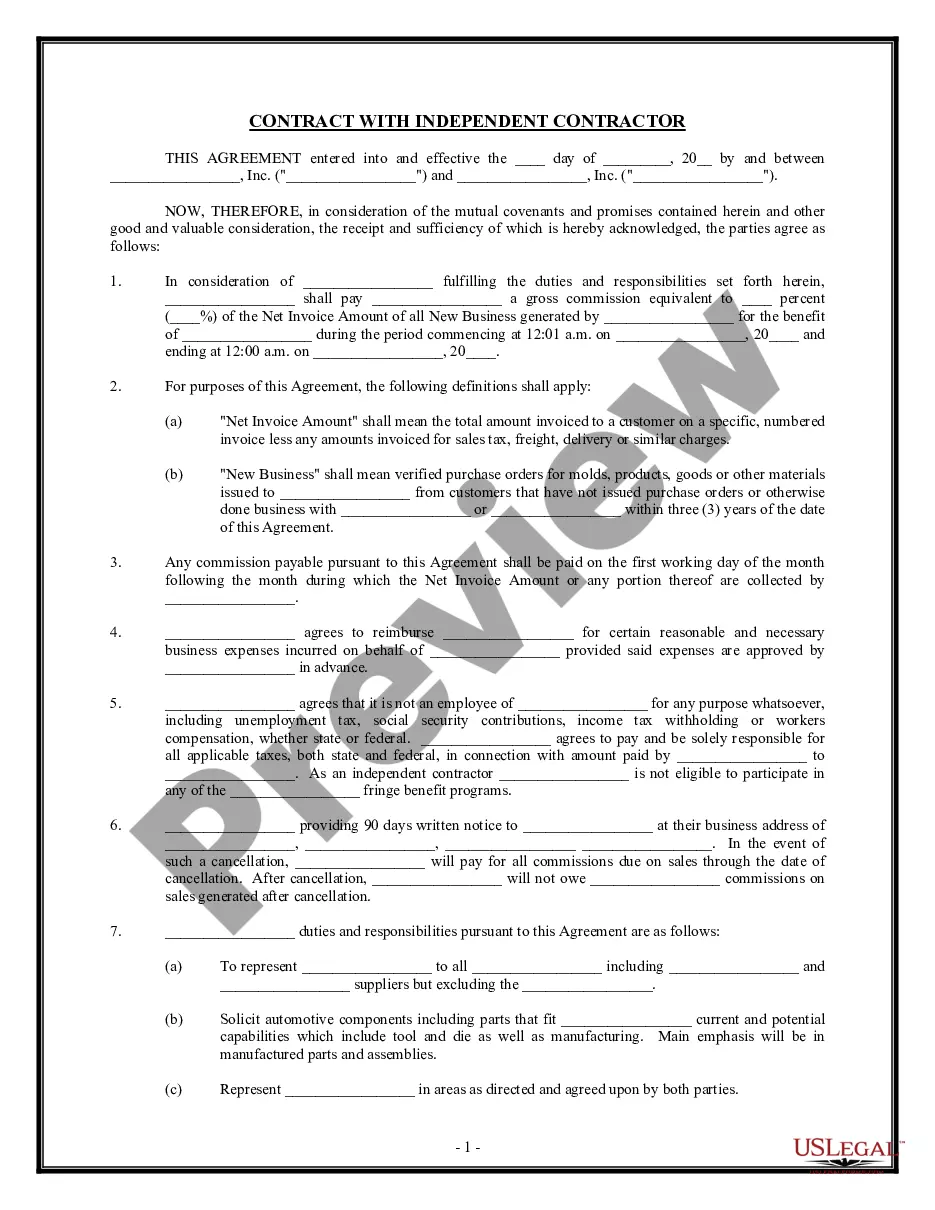
Get your form ready online
Our built-in tools help you complete, sign, share, and store your documents in one place.
Make edits, fill in missing information, and update formatting in US Legal Forms—just like you would in MS Word.
Download a copy, print it, send it by email, or mail it via USPS—whatever works best for your next step.
Sign and collect signatures with our SignNow integration. Send to multiple recipients, set reminders, and more. Go Premium to unlock E-Sign.
If this form requires notarization, complete it online through a secure video call—no need to meet a notary in person or wait for an appointment.
We protect your documents and personal data by following strict security and privacy standards.

Make edits, fill in missing information, and update formatting in US Legal Forms—just like you would in MS Word.

Download a copy, print it, send it by email, or mail it via USPS—whatever works best for your next step.

Sign and collect signatures with our SignNow integration. Send to multiple recipients, set reminders, and more. Go Premium to unlock E-Sign.

If this form requires notarization, complete it online through a secure video call—no need to meet a notary in person or wait for an appointment.

We protect your documents and personal data by following strict security and privacy standards.
Looking for another form?
How to fill out Sales Commission Policy?
Locating the appropriate legal document template can be challenging.
Obviously, there is a plethora of templates accessible online, but how can you acquire the legal document you require.
Utilize the US Legal Forms website. The service offers thousands of templates, including the Delaware Sales Commission Policy, that can be utilized for business and personal purposes.
If the document does not meet your requirements, use the Search field to find the appropriate document. Once you are confident that the document will work for you, click the Purchase now option to obtain the document. Choose the pricing plan you prefer and enter the required details. Create your account and complete the payment using your PayPal account or Visa or Mastercard. Select the file format and download the legal document template to your device. Finally, complete, modify, print, and sign the received Delaware Sales Commission Policy. US Legal Forms is the largest database of legal documents where you can find various file templates. Take advantage of the service to download professionally crafted documents that comply with state requirements.
- All the forms are verified by professionals and comply with state and federal regulations.
- If you are already registered, Log In to your account and click on the Download button to obtain the Delaware Sales Commission Policy.
- Use your account to search through the legal forms you have previously purchased.
- Visit the My documents section of your account to download another copy of the document you need.
- If you are a new user of US Legal Forms, here are simple steps you should follow.
- First, ensure you have selected the correct document for your city/state. You can review the document using the Review option and examine the document summary to confirm it is suitable for you.
Form popularity
FAQ
Yes, if your business operates in Delaware, you generally need to file a Delaware corporate tax return. This requirement aligns with the Delaware Sales Commission Policy, which outlines tax obligations for sales-related activities. Failing to file can lead to penalties, so it is wise to stay informed about your deadlines. Using platforms like uslegalforms can help simplify the filing process and ensure compliance.
Filing taxes on commission in Delaware involves reporting your earnings accurately within the tax year. According to the Delaware Sales Commission Policy, you should itemize your commissions on your tax return. Keep a detailed record of your commissions received throughout the year, as this will simplify the process. You may want to consult with a tax professional to ensure you meet all requirements.
The convenience of the employer rule in Delaware offers clarity regarding taxation for employers and employees. Under the Delaware Sales Commission Policy, this rule simplifies the process of collecting and remitting taxes. Employers can understandably manage their obligations when employees work remotely in another state. This approach ensures that compliance remains straightforward, benefiting both parties involved.
A 70/30 split in sales typically refers to the division of commission earnings between a salesperson and the company. In this arrangement, the salesperson keeps 70% of the commission, while the company retains 30%. Understanding this structure can help you design a competitive compensation plan that complies with the Delaware Sales Commission Policy. This model can incentivize your sales team while maintaining a sustainable expense for your business.
Setting up a sales commission plan requires careful planning. Begin by researching the Delaware Sales Commission Policy to understand legal requirements. Next, establish clear criteria for commission eligibility based on sales performance. Lastly, utilize platforms like uslegalforms to document and implement your plan, ensuring transparency and clarity for your sales staff.
Building a sales compensation plan involves more than just setting commission rates. Start by defining the roles and responsibilities of your sales team. Incorporate elements of the Delaware Sales Commission Policy to ensure compliance and fairness. Additionally, make provisions for performance bonuses and non-monetary rewards to motivate your team effectively.
To structure a sales commission plan effectively, begin by identifying the specific goals of your team. Use the Delaware Sales Commission Policy as a guide to create payout tiers that align with those goals. Consider factors like market standards and sales objectives to determine commission rates. Finally, clearly communicate the plan to your team to ensure understanding and buy-in.
Delaware does not have a specific statute solely for sales representatives, but general employment and contract laws apply. The state enforces laws regarding fair payment practices and commission agreements, which impact how sales reps operate. The Delaware Sales Commission Policy may offer guidelines that help both sales reps and employers navigate their responsibilities effectively.
Commission rates can vary widely based on industry, company, and product, but a typical range is often between 5% and 20% of sales. Factors influencing commission rates include the complexity of the sale, market conditions, and revenue goals. Familiarizing yourself with the Delaware Sales Commission Policy can help you understand what is deemed normal and fair within your specific sector.
Yes, sales representatives continue to play a crucial role in many businesses today. They serve as the bridge between companies and customers, promoting products or services and earning commissions on sales made. The Delaware Sales Commission Policy reflects the evolving nature of these roles, ensuring that sales reps receive fair compensation for their efforts.