Delaware Release Lien of Assessments Due
Understanding this form
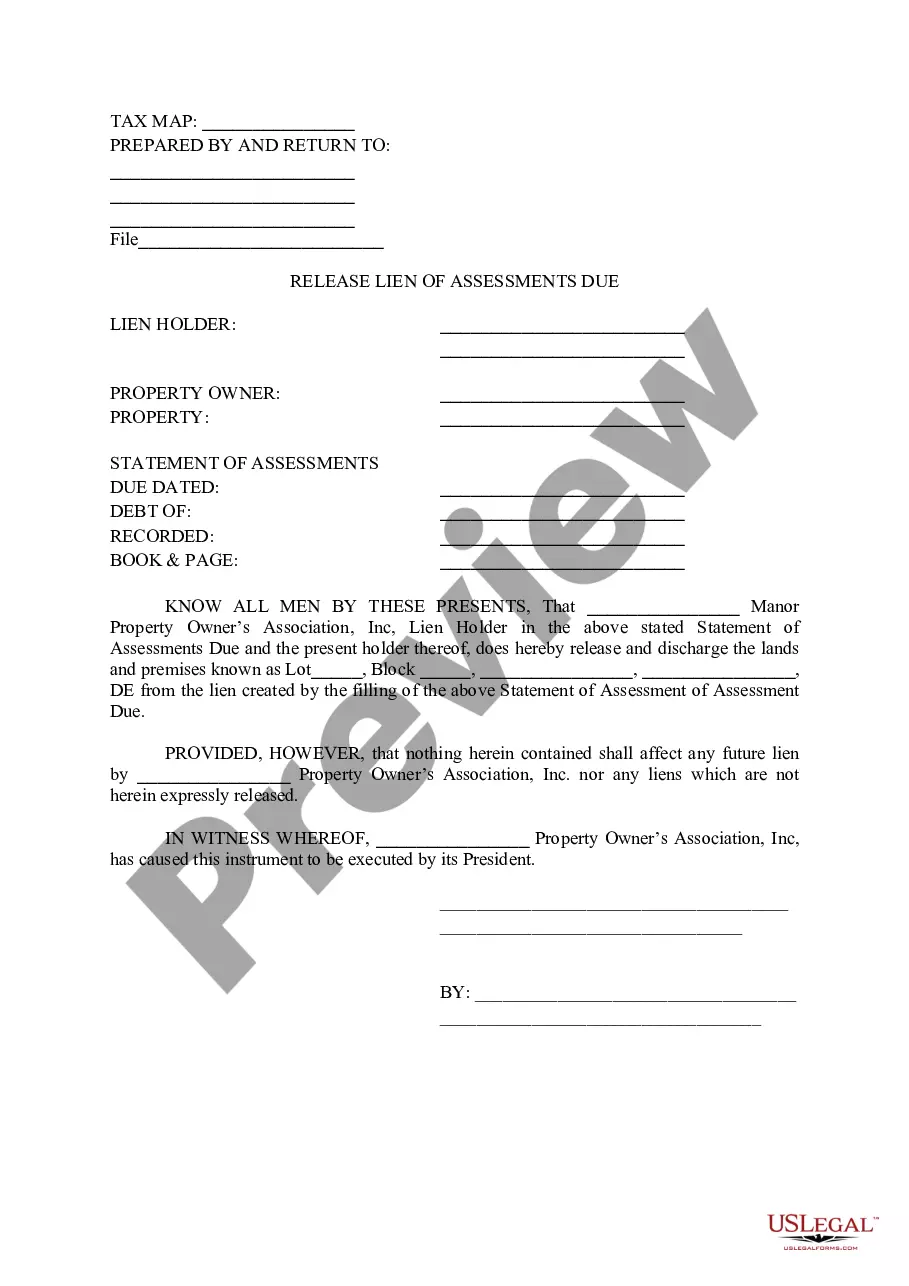
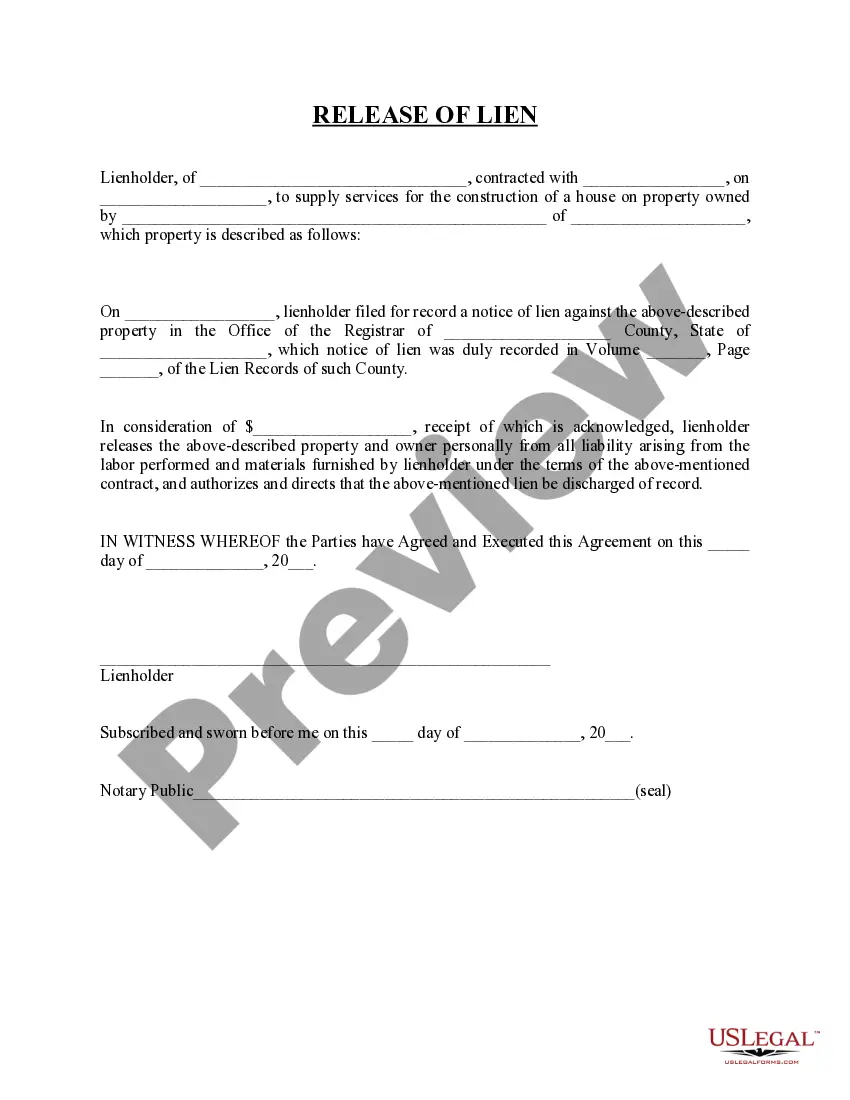
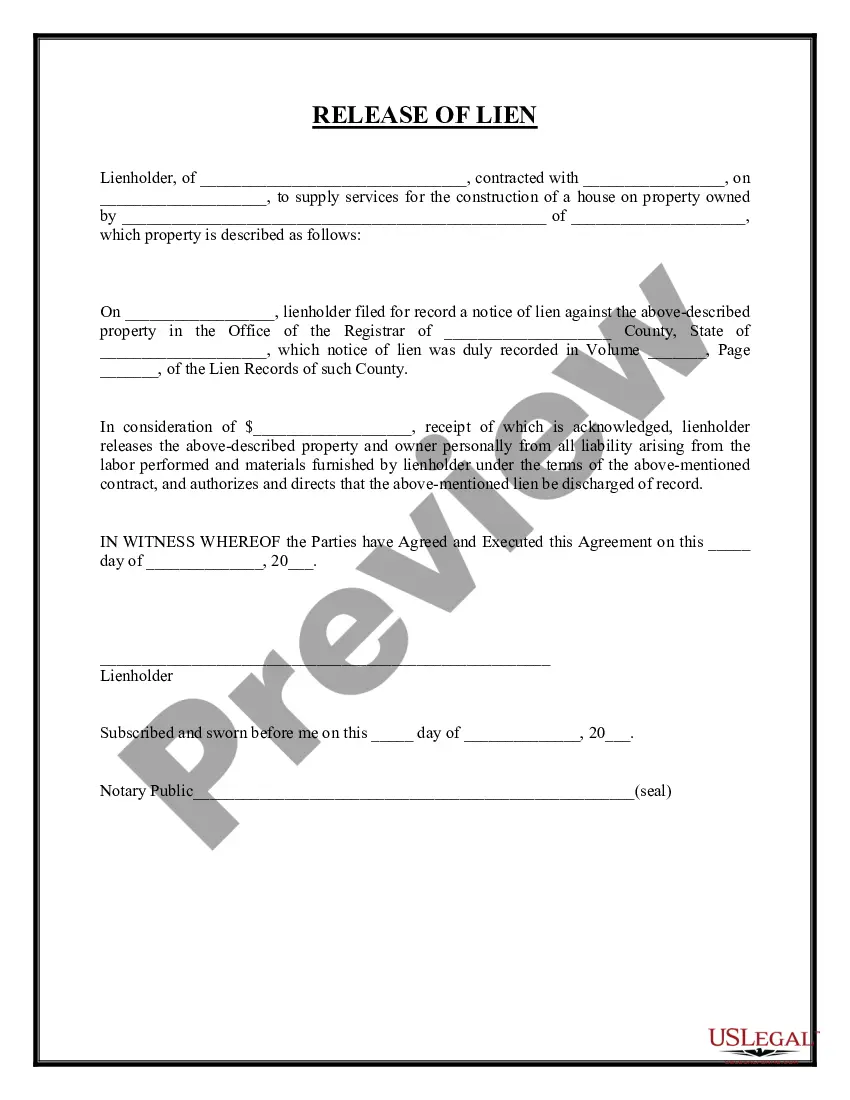
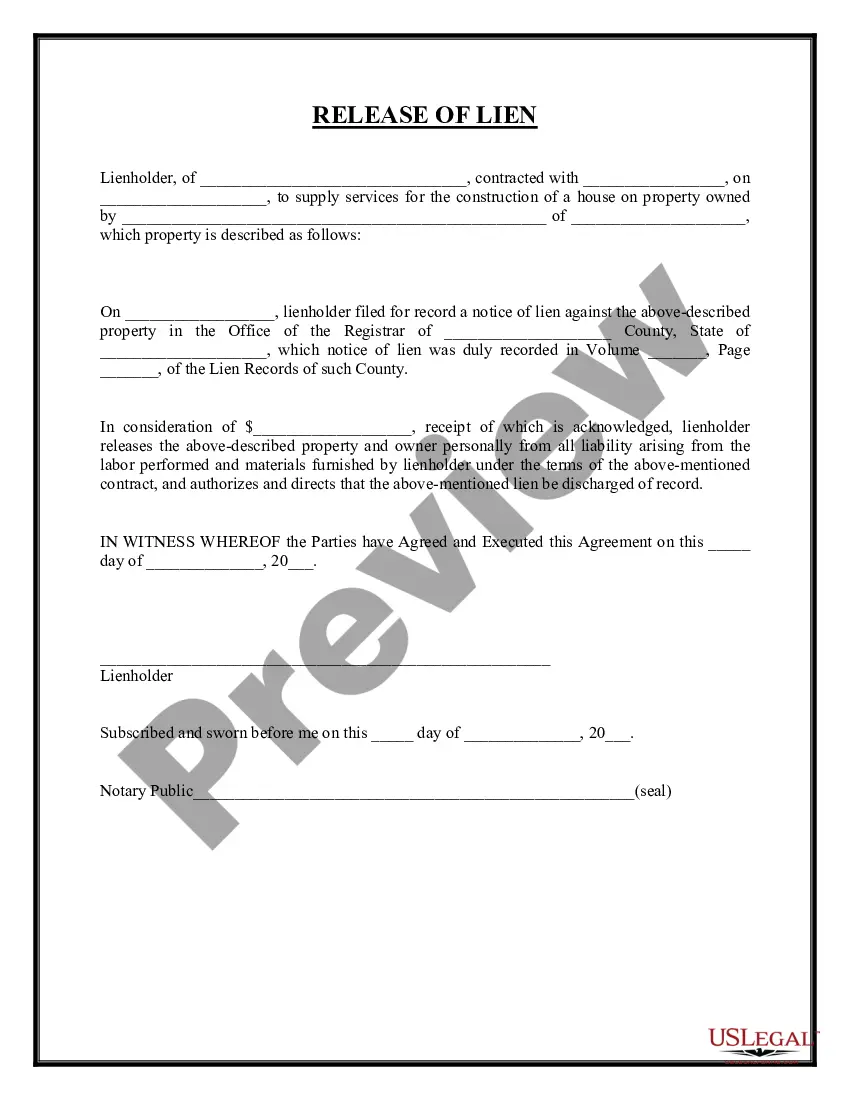
This form, known as the Release Lien of Assessments Due, serves to officially release and discharge a lien claim that has been previously recorded against a property. It is specifically used to clear outstanding assessments related to property owners, distinguishing it from other lien releases by its focus on assessment liens. This form provides assurance to property owners and potential buyers that the lien has been removed and they are no longer responsible for those specific dues.
Form components explained
- TAX MAP: Identification number for the property.
- LIEN HOLDER: The name of the entity holding the lien.
- PROPERTY OWNER: Name of the individual or entity owning the property.
- PROPERTY: Detailed description of the property affected.
- STATEMENT OF ASSESSMENTS DUE: Date and amount of the debt.
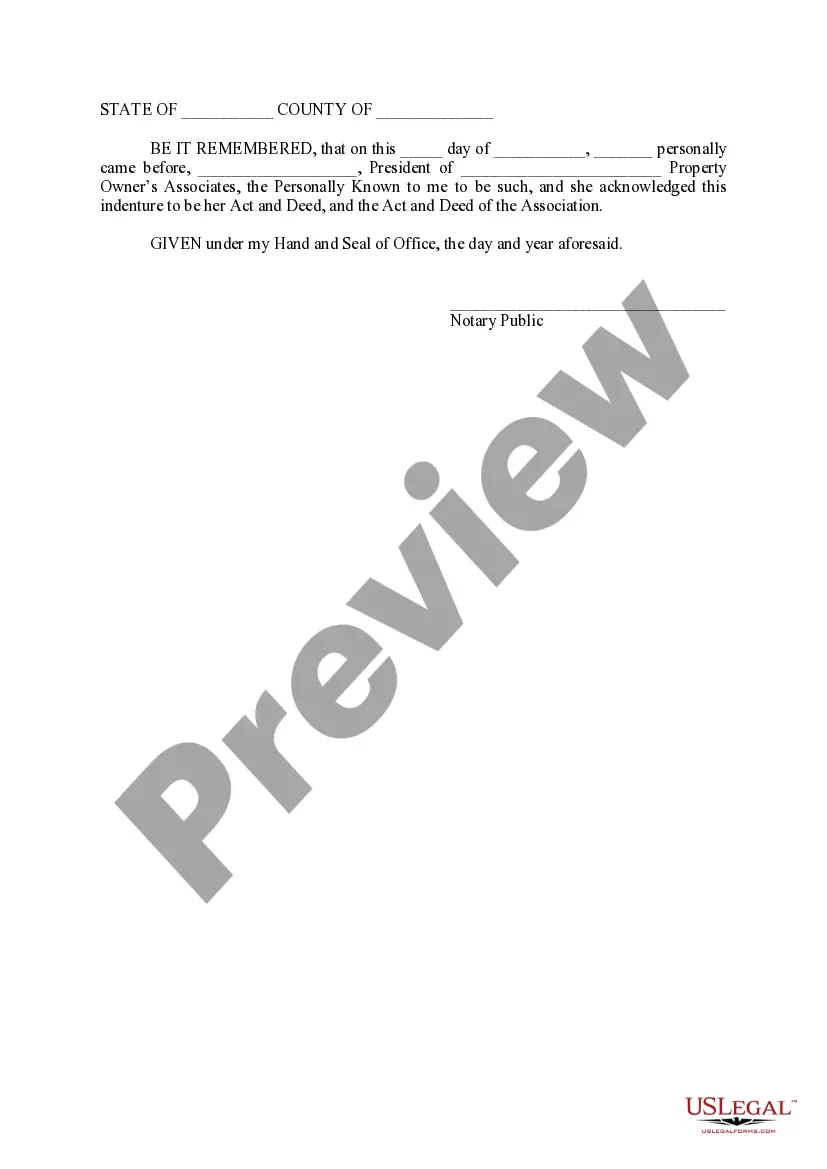
- NOTARY SIGNATURE: Verification ensuring the legitimacy of the document.
When this form is needed
Who should use this form
- Property owners who have paid their assessments and require a lien release.
- Property ownersâ associations that need to officially discharge liens on properties.
- Real estate agents and attorneys facilitating property transactions involving outstanding liens.
Completing this form step by step
- Identify the parties: Enter the names of the lien holder and property owner.
- Specify the property: Fill in the property description and tax map number.
- Enter assessments due: Include the relevant date and debt amount.
- Sign the document: The lien holder must sign and date the form.
- Notarize: Ensure that the document is notarized as required for it to be legally binding.
Notarization guidance
Yes, this form must be notarized to be legally valid. US Legal Forms offers integrated online notarization services, providing 24/7 availability through secure video calls, ensuring the process is efficient and legally recognized without requiring physical travel.
Get your form ready online
Our built-in tools help you complete, sign, share, and store your documents in one place.
Make edits, fill in missing information, and update formatting in US Legal Forms—just like you would in MS Word.
Download a copy, print it, send it by email, or mail it via USPS—whatever works best for your next step.
Sign and collect signatures with our SignNow integration. Send to multiple recipients, set reminders, and more. Go Premium to unlock E-Sign.
If this form requires notarization, complete it online through a secure video call—no need to meet a notary in person or wait for an appointment.
We protect your documents and personal data by following strict security and privacy standards.

Make edits, fill in missing information, and update formatting in US Legal Forms—just like you would in MS Word.

Download a copy, print it, send it by email, or mail it via USPS—whatever works best for your next step.

Sign and collect signatures with our SignNow integration. Send to multiple recipients, set reminders, and more. Go Premium to unlock E-Sign.

If this form requires notarization, complete it online through a secure video call—no need to meet a notary in person or wait for an appointment.

We protect your documents and personal data by following strict security and privacy standards.
Common mistakes
- Failing to include correct information in the fields.
- Not obtaining the necessary signatures or notarization.
- Using incorrect property descriptions or tax map numbers.
- Not keeping a copy of the filed release for personal records.
Benefits of completing this form online
- Convenient access to download the form for immediate use.
- Editability allows users to customize the form to their specific needs.
- Reliability of forms drafted by licensed attorneys, ensuring legal compliance.
- Quick processing without the need for in-person visits or appointments.
Looking for another form?




Form popularity
FAQ
Yes, you can file a lien on your own in Delaware, but it is advisable to seek guidance to avoid common pitfalls. You will need to complete the necessary forms and submit them to the appropriate government office. Using uslegalforms can simplify this process, providing you with the right templates and instructions to effectively manage your Delaware Release Lien of Assessments Due.
To put a lien on a property in Delaware, first, you must have a valid reason, such as unpaid assessments. After this, fill out the required paperwork and file it with the county government where the property is located. This process will help establish your legal claim through a Delaware Release Lien of Assessments Due, ensuring your rights are protected.
To file a lien on property in Delaware, you should start by gathering relevant documentation about the debt owed. Next, complete the necessary lien forms and submit them to the appropriate county recorder's office. Once filed, ensure you properly notify the property owner, as this is essential for enforcing your Delaware Release Lien of Assessments Due.
To conduct a lien search in Delaware, you can start by visiting the Delaware Division of Corporations website. There, you will find resources to check for any liens or assessments due against a property. Additionally, you can explore local county offices or utilize platforms like US Legal Forms for comprehensive tools related to the Delaware Release Lien of Assessments Due. This process ensures you have all the information needed to make informed decisions regarding any potential liens.
If you are wondering about your refund status in Delaware, you can easily track it online. The Delaware Division of Revenue provides a user-friendly platform where you can check the status of your refund. Just enter your details, and you will receive updates. For further assistance, consider utilizing services like U.S. Legal Forms, which guide you through obtaining a Delaware Release Lien of Assessments Due and help you navigate tax matters.
Chapter 81 of Title 25 of Delaware details the laws surrounding property assessments and liens. This chapter defines how property assessments are conducted and how property owners can address and release any liens related to assessments due. Utilizing the Delaware Release Lien of Assessments Due can guide you through the required procedures to resolve these assessments. Familiarizing yourself with this chapter can empower you as a property owner.
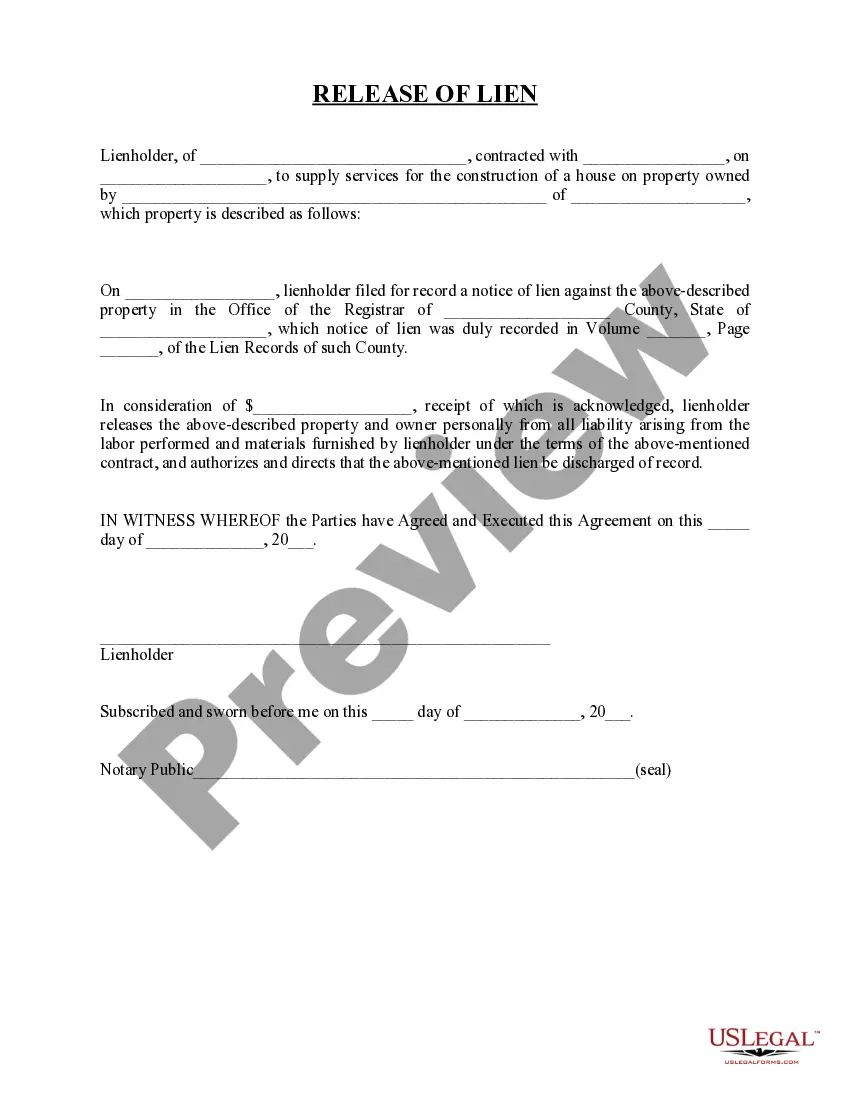
A lien release is a document that is filed in the public land records as the official notice that the lien is removed. Once payment has been received, a contractor has a duty to remove any lien that was filed against the property.
The main purpose of a lien waiver is to provide protection to the paying party. In exchange for such payment, the lien waiver waives the payee's right to file a lien for the exact value of the payment they have received.
In California, only the lien holder the mortgage lender can remove the lien. California law is fairly strict, however, as it give the lender just 30 days to issue and record the appropriate release.
Satisfy the terms of the loan by paying the balance of the loan back to the lender, including any interest incurred. If you don't receive the lien release, submit a request to your lender for proof that the loan has been satisfied.