Confidentiality Agreement for Interpreters
About this form
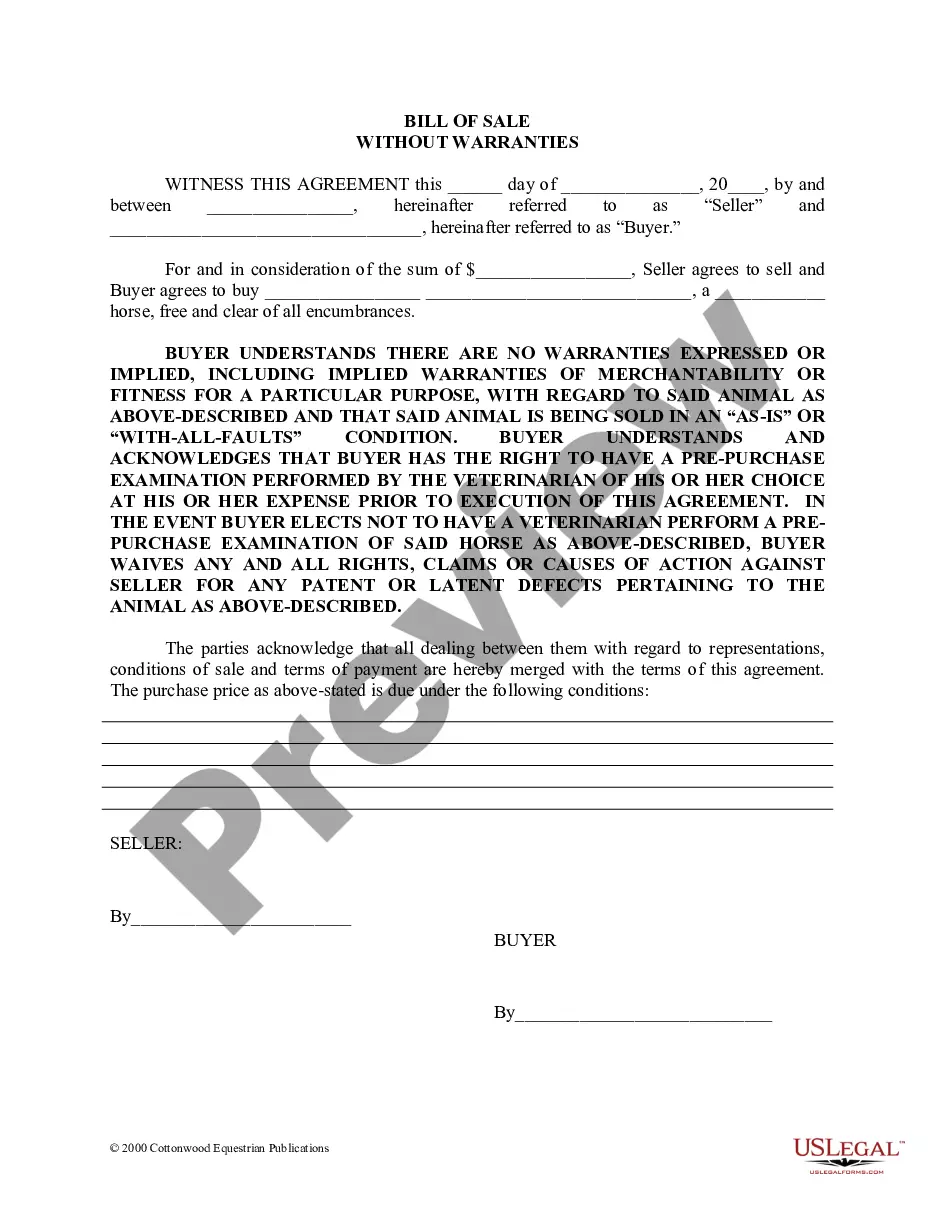
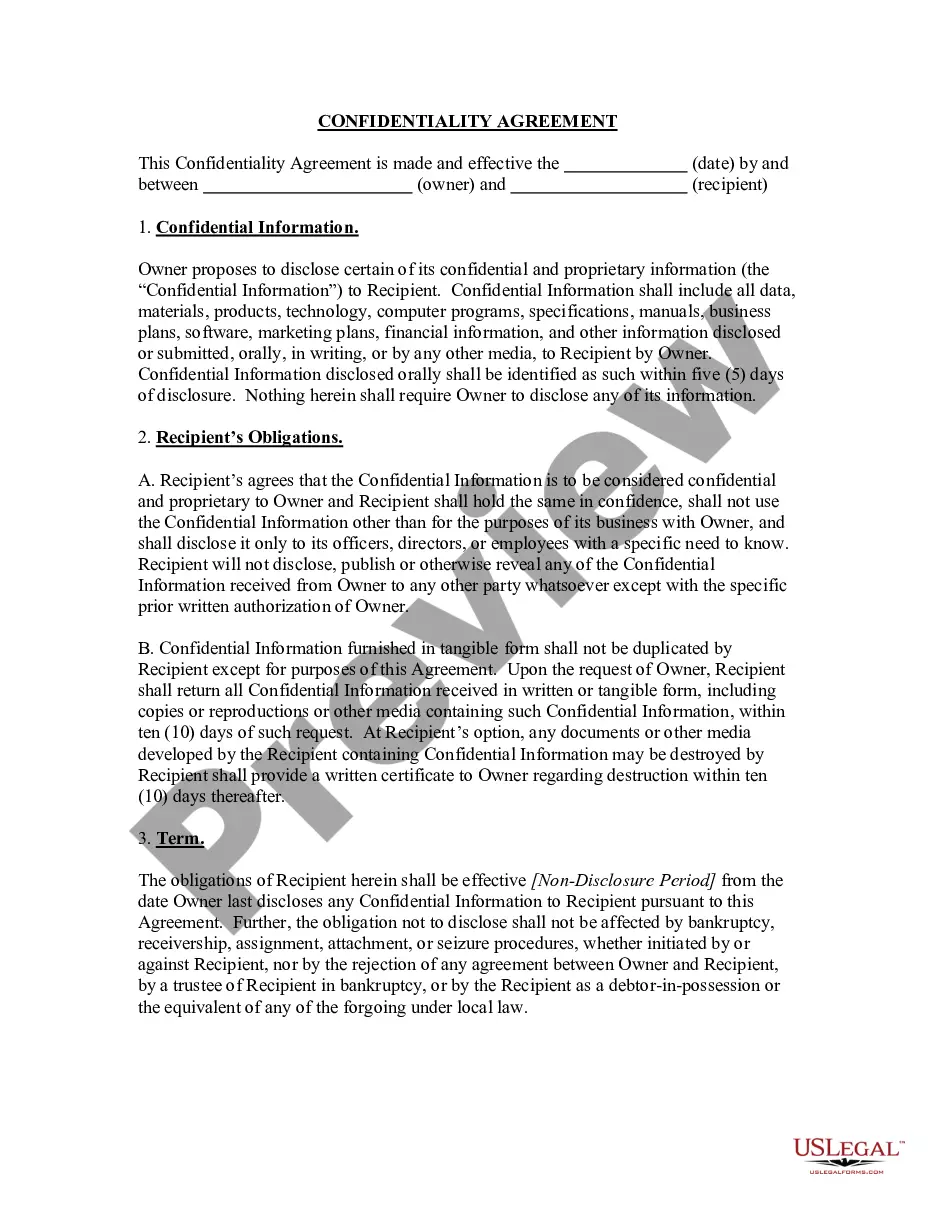
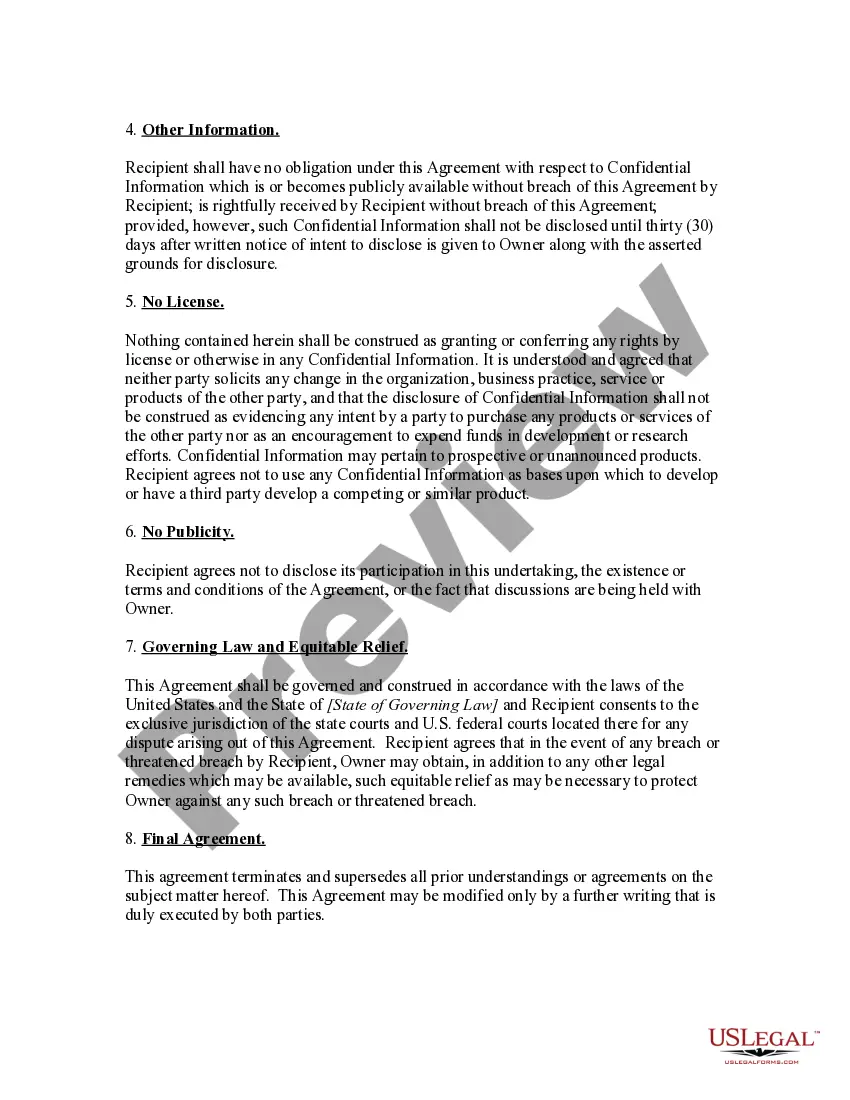
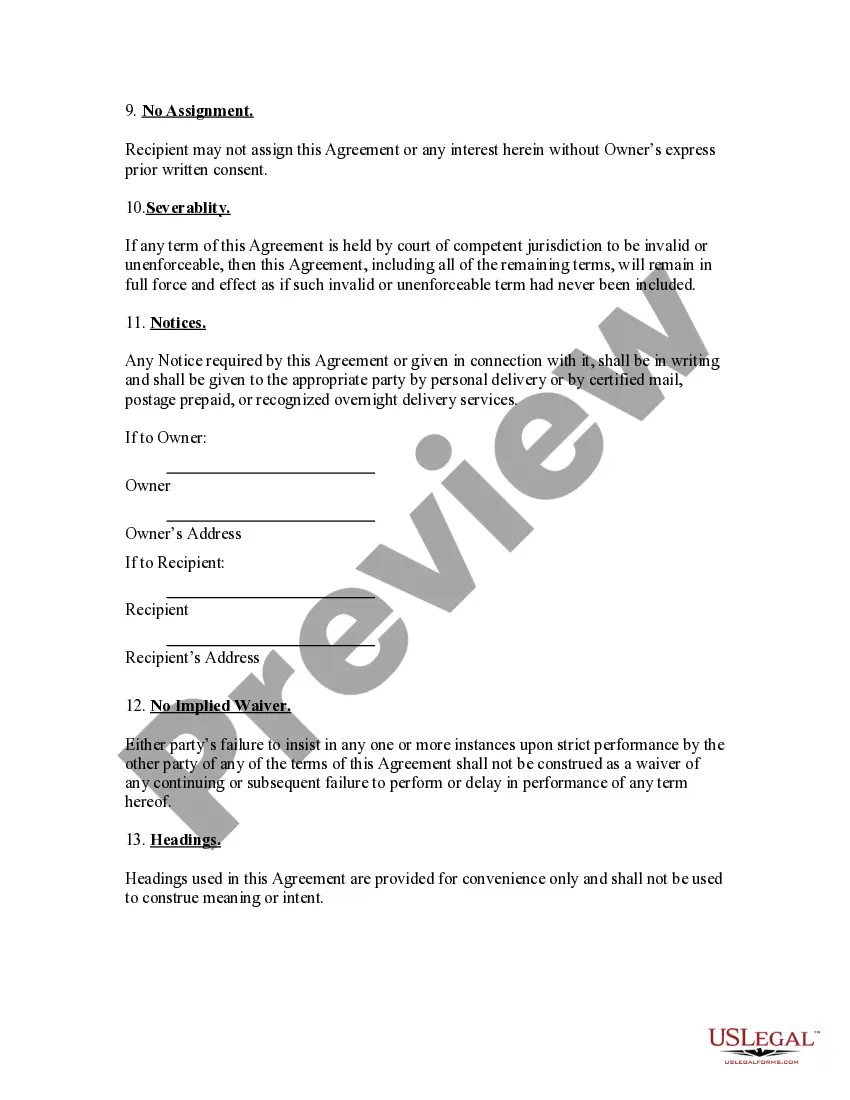
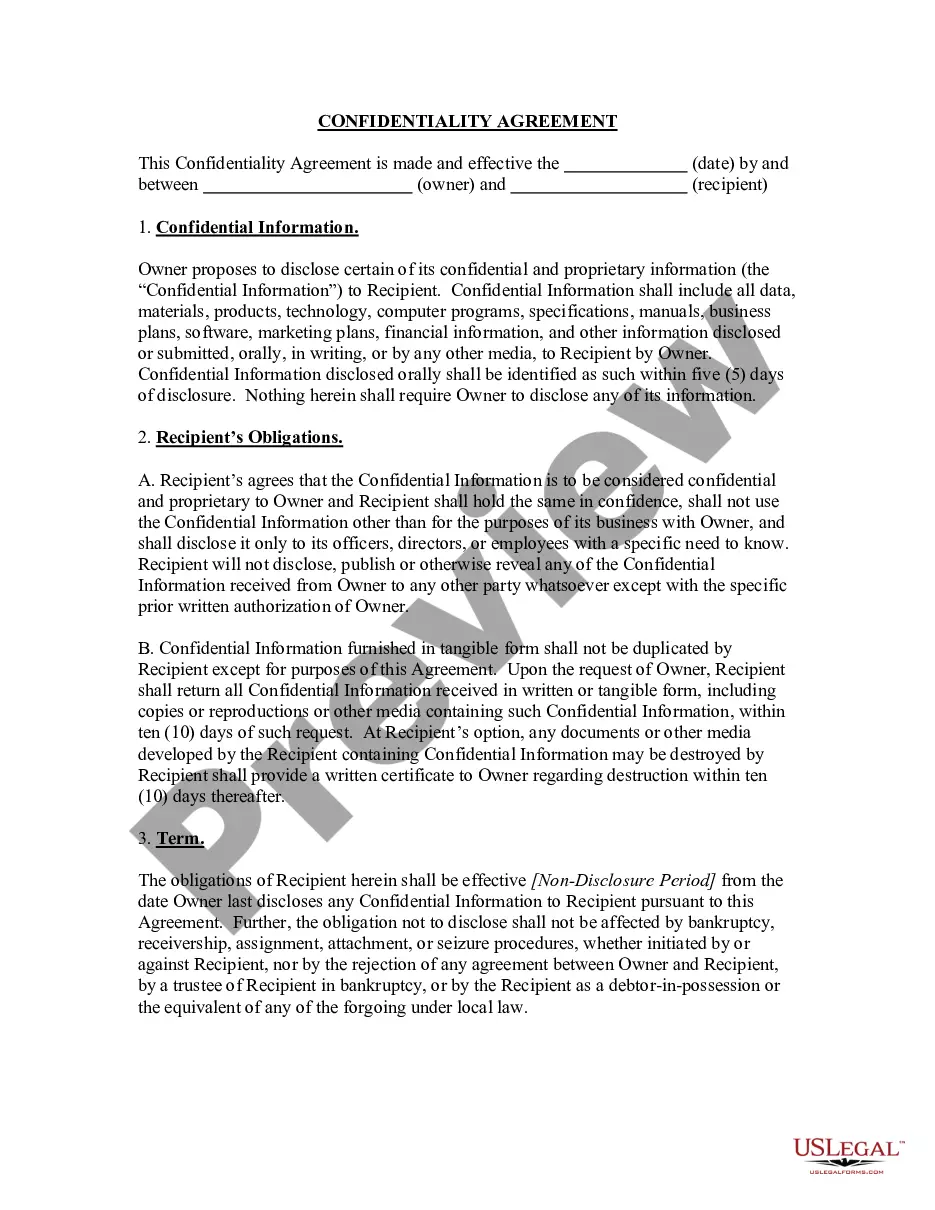
The Confidentiality Agreement for Interpreters is a legal document that establishes the terms under which sensitive information shared between interpreters and business owners must be kept confidential. This agreement is particularly important for those in interpreting roles who handle proprietary or private information. Unlike general non-disclosure agreements, this form is specially tailored to meet the needs of interpreters, ensuring that the confidentiality of the content they encounter in their professional duties is legally protected.
Form components explained
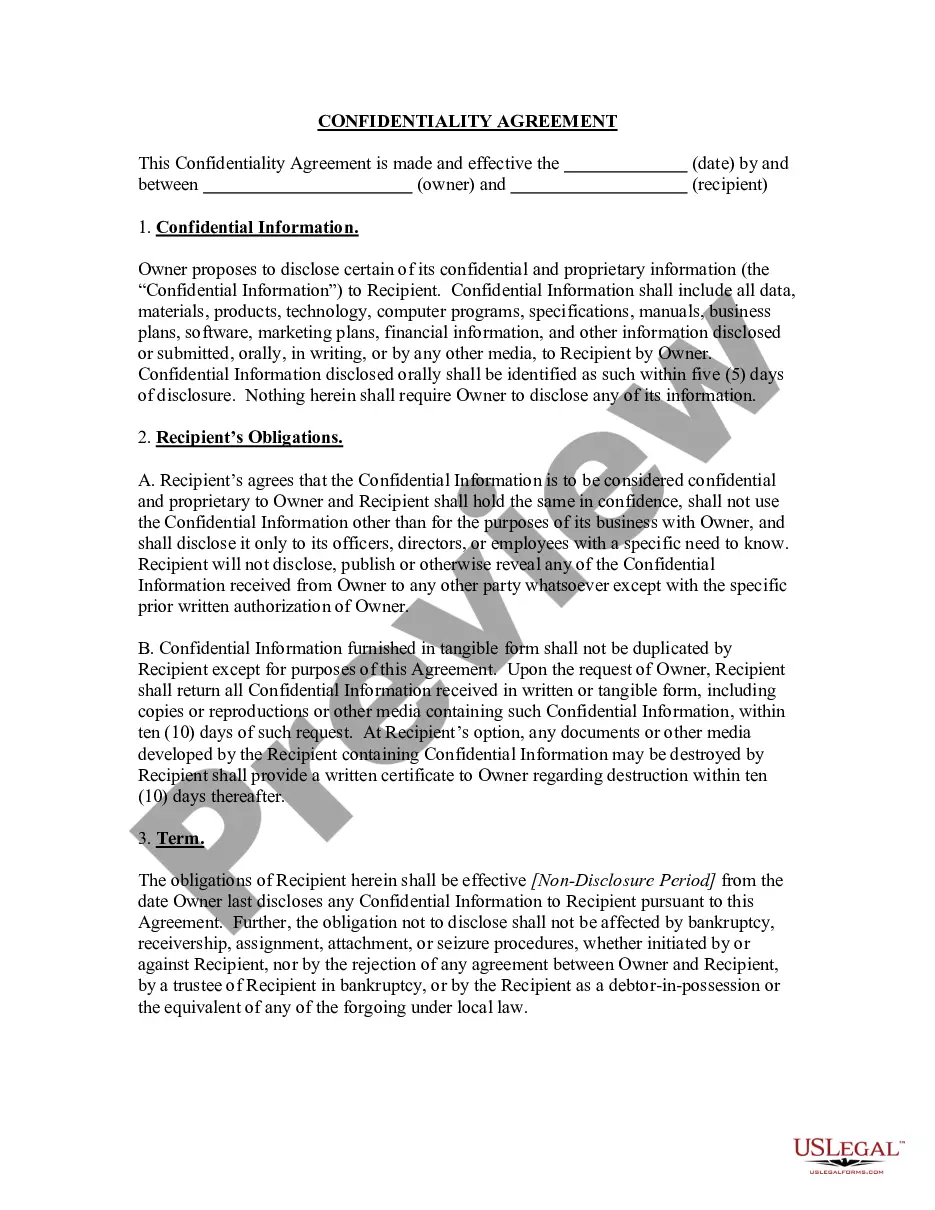
- Recipient's obligations regarding confidentiality and the use of shared information.
- Duration of the non-disclosure period and conditions under which information can be shared.
- Requirements for returning or destroying confidential information upon request.
- Limitations on how confidential information can be disclosed or used.
- Headings for clarity, which do not affect the intention of the agreement.
When to use this document
This agreement should be used whenever interpreters are engaged by a business and will be exposed to sensitive information. It is essential in scenarios involving meetings, conferences, or legal proceedings, where interpreters may hear confidential discussions or view private documents. Using this form helps protect the interests of both the interpreter and the entity providing the information.
Intended users of this form
- Interpreters working with businesses in various sectors such as healthcare, legal, or corporate settings.
- Employers or businesses that need to safeguard proprietary or sensitive information shared with interpreters.
- Freelancers or contract interpreters seeking to establish clear terms about confidentiality with their clients.
How to prepare this document
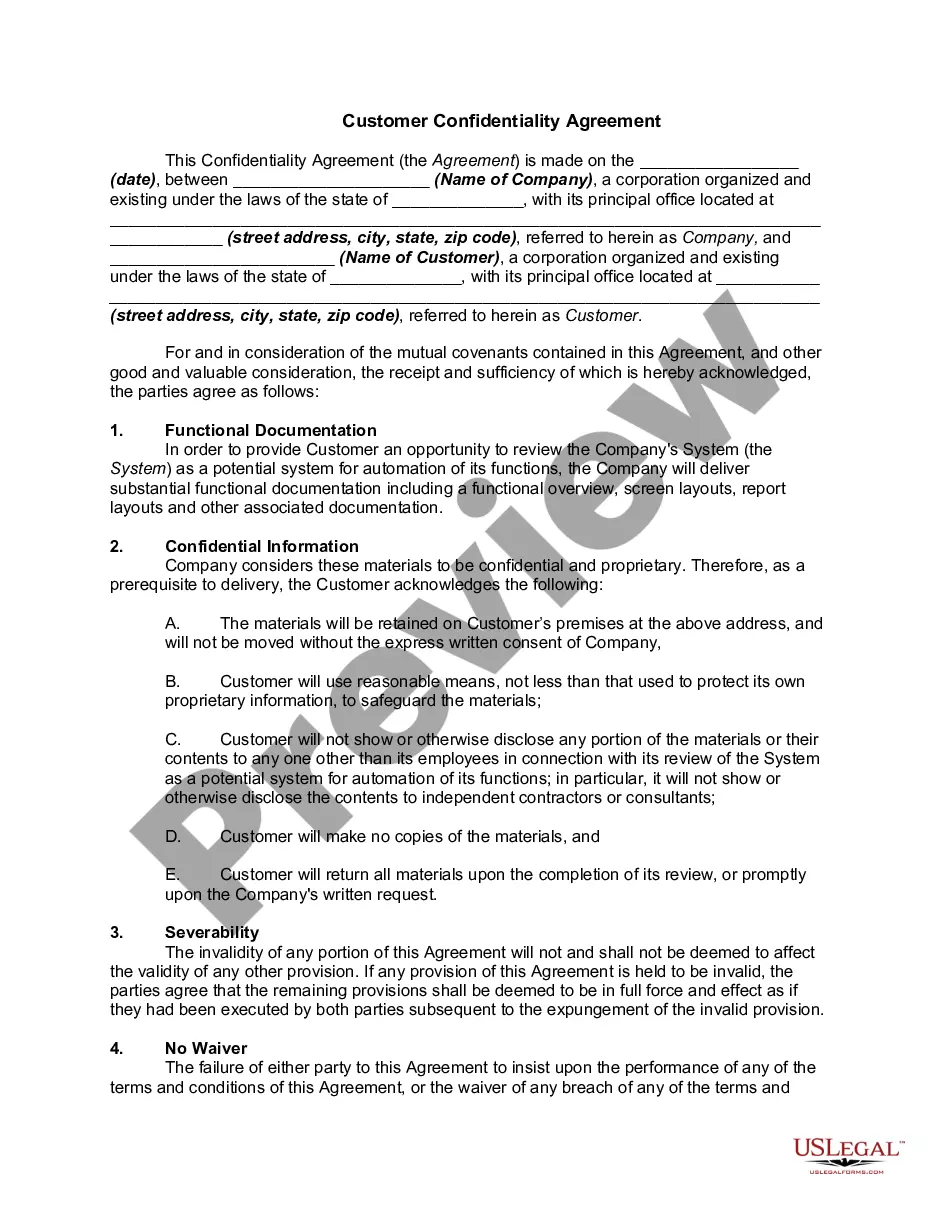
- Identify the parties involved: designate the "Owner" and the "Recipient" in the agreement.
- Specify the details of the confidential information to be protected under this agreement.
- Outline the obligations of the Recipient regarding the handling of the confidential information.
- Enter the duration of the confidentiality obligations and conditions for information return or destruction.
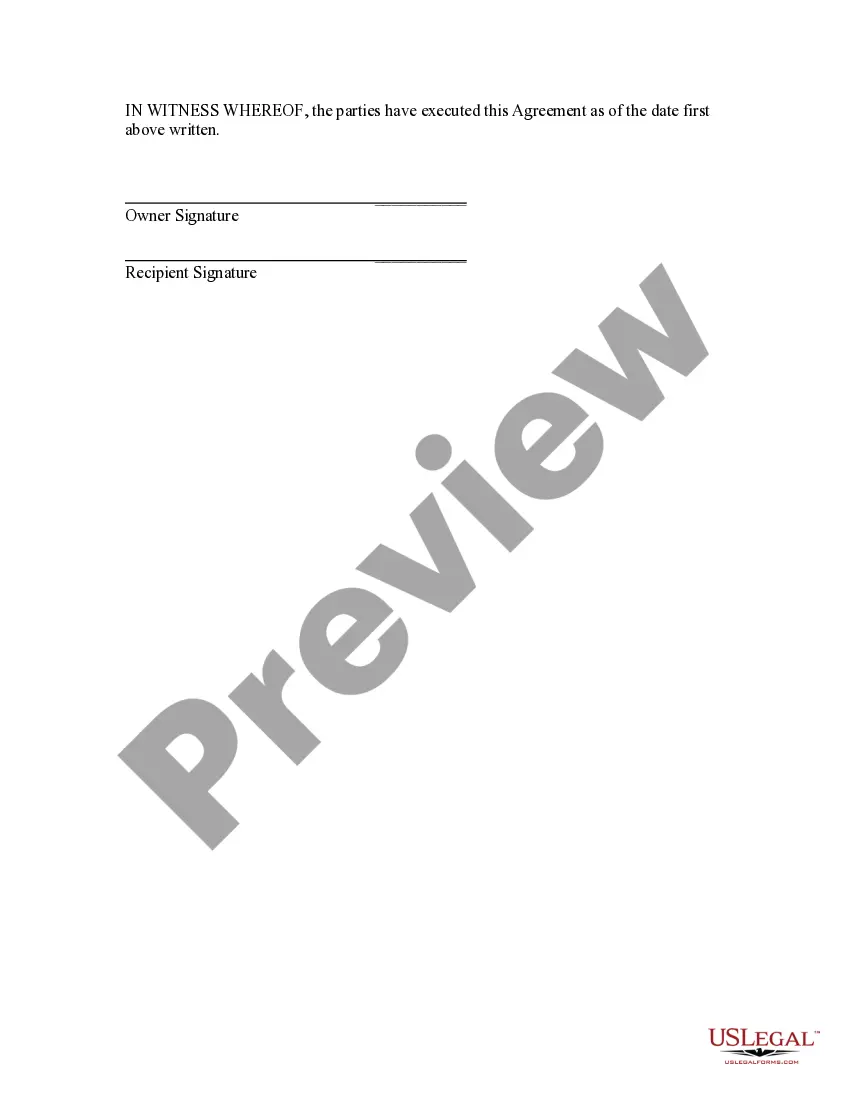
- Both parties should sign and date the agreement to validate it.
Notarization guidance
This form does not typically require notarization unless specified by local law. For added certainty and validation, parties may choose to have the agreement notarized as an extra precaution.
Get your form ready online
Our built-in tools help you complete, sign, share, and store your documents in one place.
Make edits, fill in missing information, and update formatting in US Legal Forms—just like you would in MS Word.
Download a copy, print it, send it by email, or mail it via USPS—whatever works best for your next step.
Sign and collect signatures with our SignNow integration. Send to multiple recipients, set reminders, and more. Go Premium to unlock E-Sign.
If this form requires notarization, complete it online through a secure video call—no need to meet a notary in person or wait for an appointment.
We protect your documents and personal data by following strict security and privacy standards.

Make edits, fill in missing information, and update formatting in US Legal Forms—just like you would in MS Word.

Download a copy, print it, send it by email, or mail it via USPS—whatever works best for your next step.

Sign and collect signatures with our SignNow integration. Send to multiple recipients, set reminders, and more. Go Premium to unlock E-Sign.

If this form requires notarization, complete it online through a secure video call—no need to meet a notary in person or wait for an appointment.

We protect your documents and personal data by following strict security and privacy standards.
Avoid these common issues
- Failing to clearly define what constitutes confidential information.
- Not specifying the duration of the confidentiality obligations.
- Allowing unsigned agreements to serve as binding contracts.
- Overlooking the need for both parties to initial any changes made to the agreement.
- Forgetting to return or destroy confidential information as required by the terms.
Why use this form online
- Immediate access to a professionally drafted confidentiality agreement.
- Easy customization to fit specific business needs and circumstances.
- All forms are created by licensed attorneys, ensuring compliance with legal standards.
- Downloadable format allows for easy record-keeping and distribution.
Looking for another form?
Form popularity
FAQ
Confidentiality involves ensuring that information intended for one purpose is not used for another, without the agreement of the person or organisation supplying that information.Staff members are able to share information with their line manager in order to discuss issues and seek advice.
If you want a nondisclosure/confidentiality agreement tailored to your specific situation and anticipating potential legal issues, most attorneys charge $100-$300 or more an hour.
The three modes of interpretation are: simultaneous interpretation, consecutive interpretation, and sight translation.
Confidentiality involves ensuring that information intended for one purpose is not used for another, without the agreement of the person or organisation supplying that information. Information must not be divulged to another agency or person without the consent of the informant.
Impartiality is defined as fair, equitable, unprejudiced, unbiased and objective.In medical interpretation, the concept of impartiality helps ensure that communication remain solely between the patient and provider, free of judgement by way of the interpreter.
Set the date of the agreement. Describe the two parties, sometimes called the Disclosing Party and the Receiving Party.7feff Include names and identification, so there can be no misunderstanding about who signed the agreement.
Standard Code of Ethics for Professional Interpreters and Translators. Those who interpret information from a source language to a target language bear tremendous responsibility. They must:Conduct themselves in a professional manner, regardless of the type of information that is being interpreted.
A definition of confidential information. Who is involved. Why the recipient knows the information. Exclusions or limits on confidential information. Receiving party's obligations. Time frame or term. Discloser to the recipient.
Employers must be prepared to terminate any employee who refuses to sign the agreement. If an employer allows even one employee to refuse and remain employed, the agreements signed by the other employees will not be legally binding.