Confidentiality Agreement for Independent Contractors
What this document covers
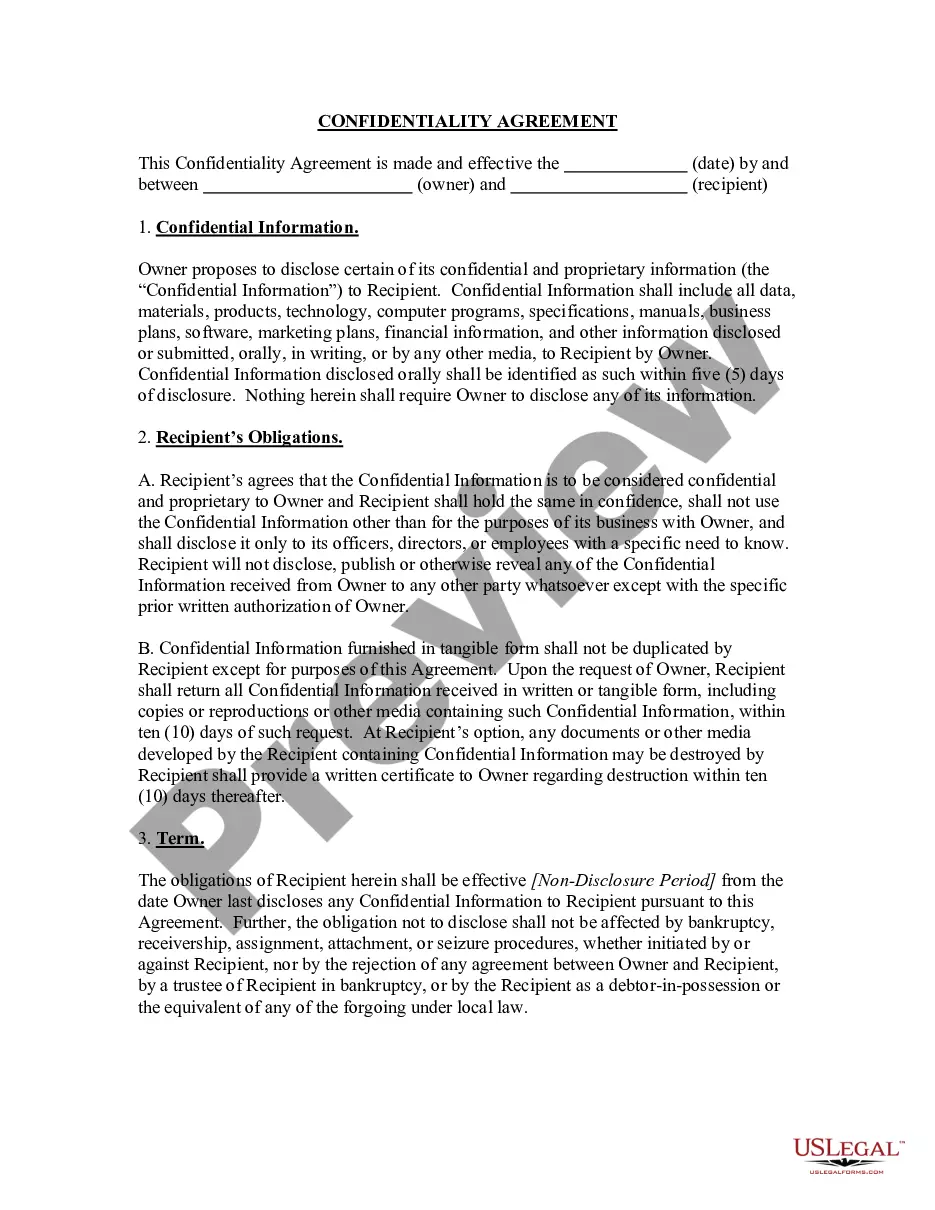
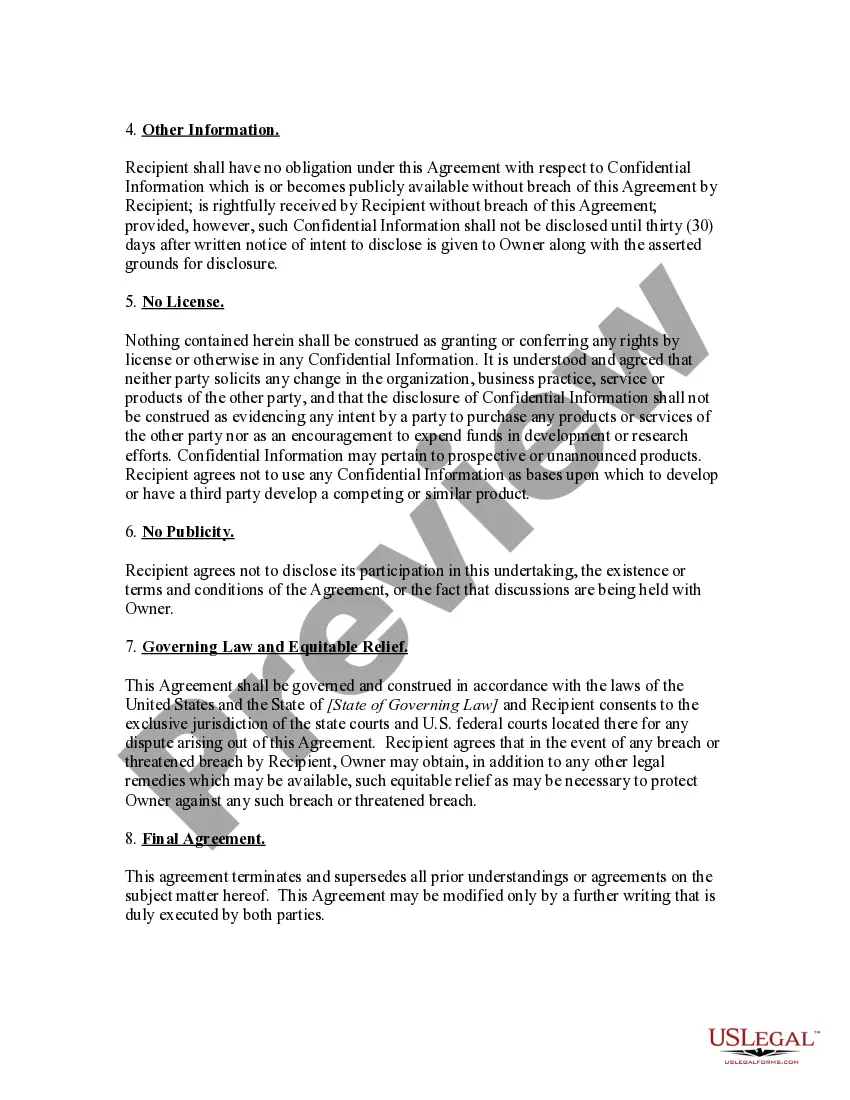
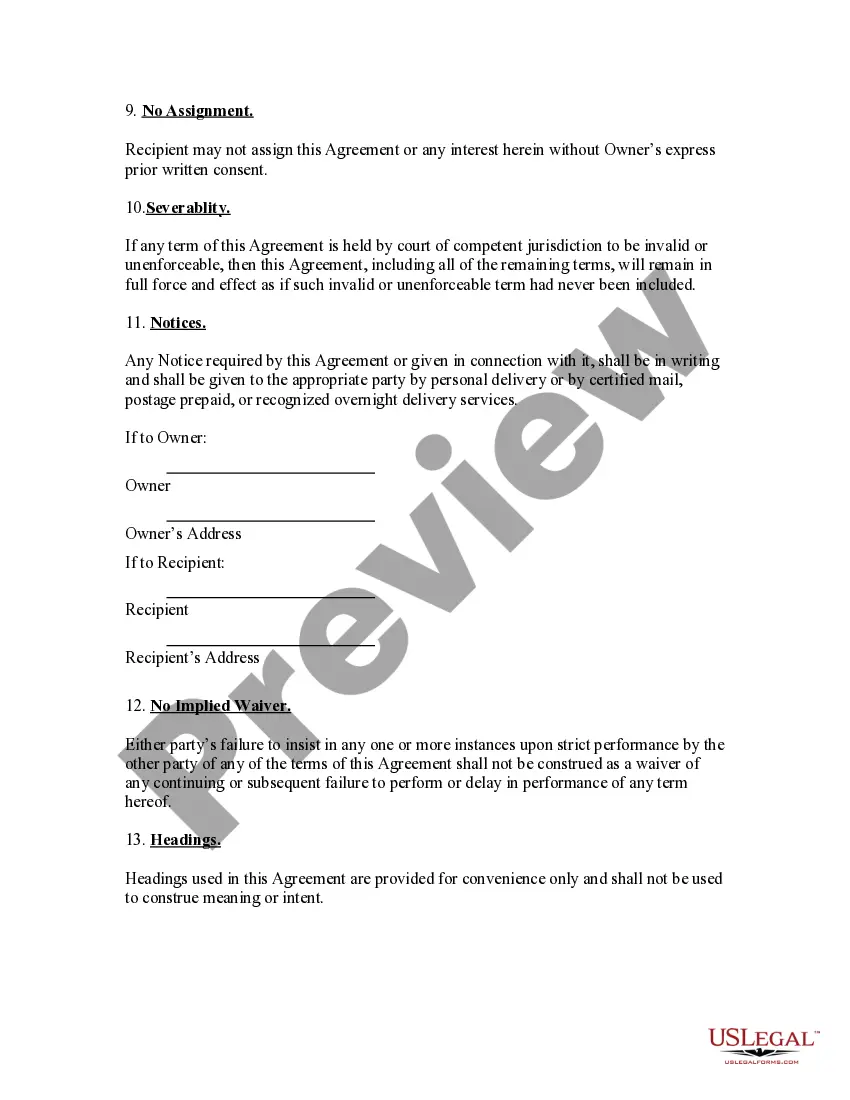
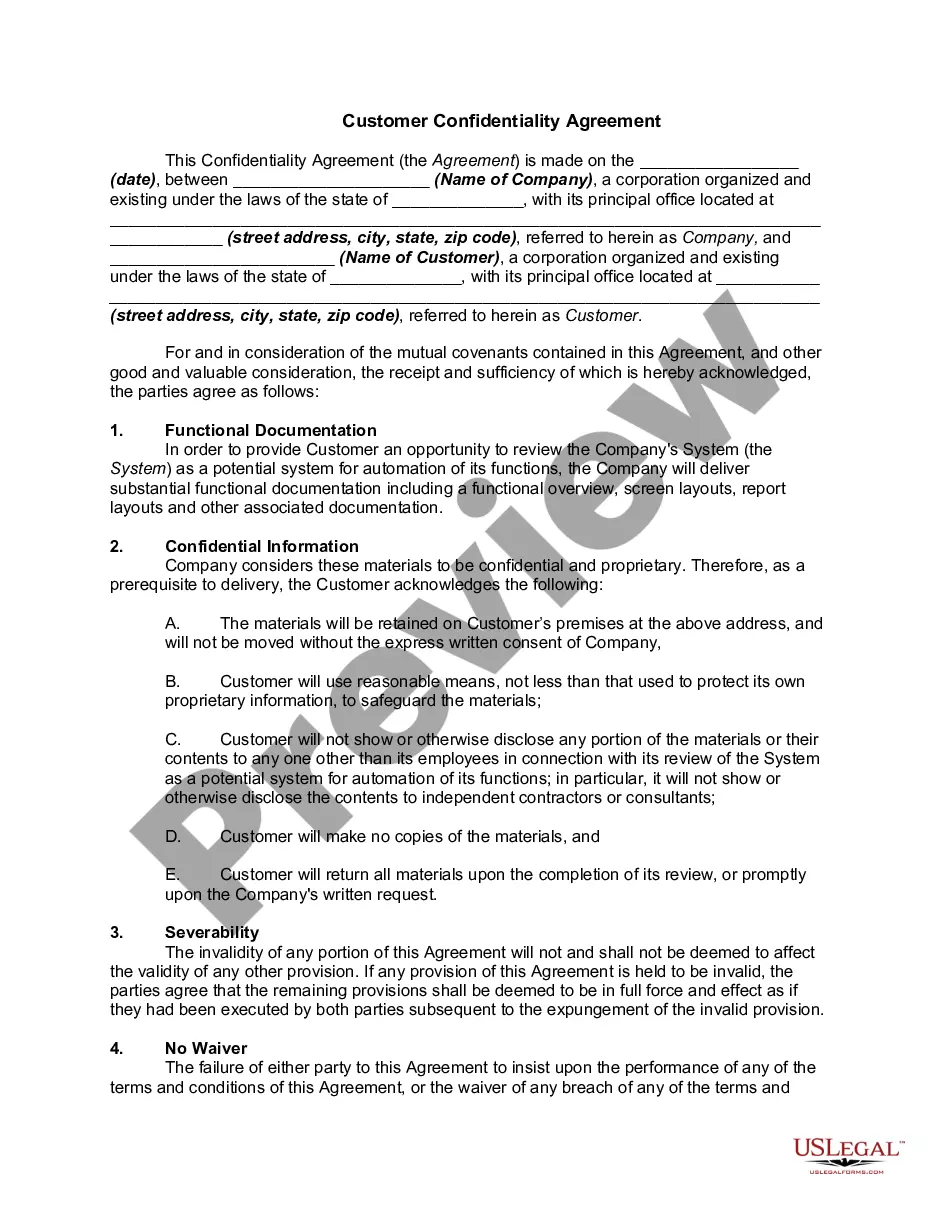
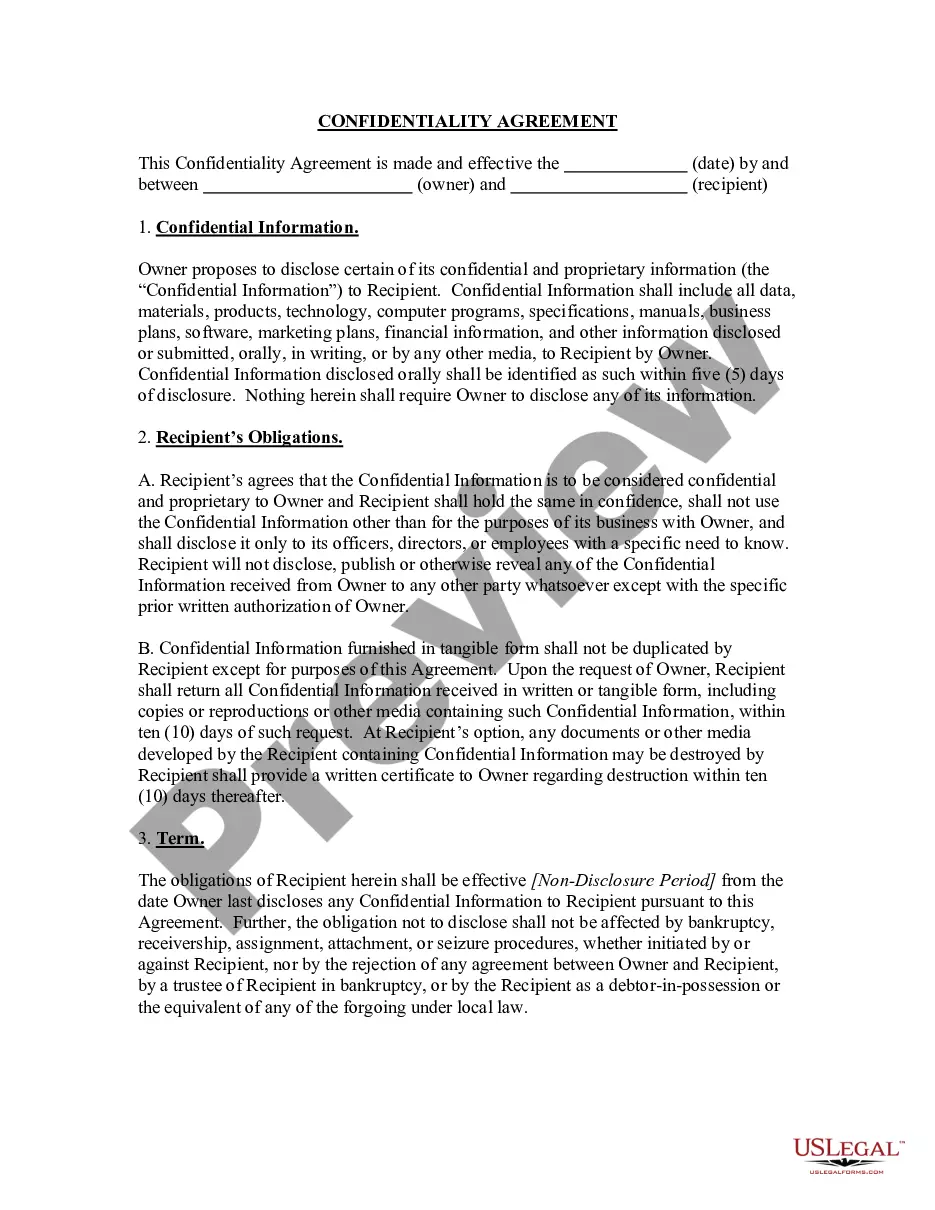
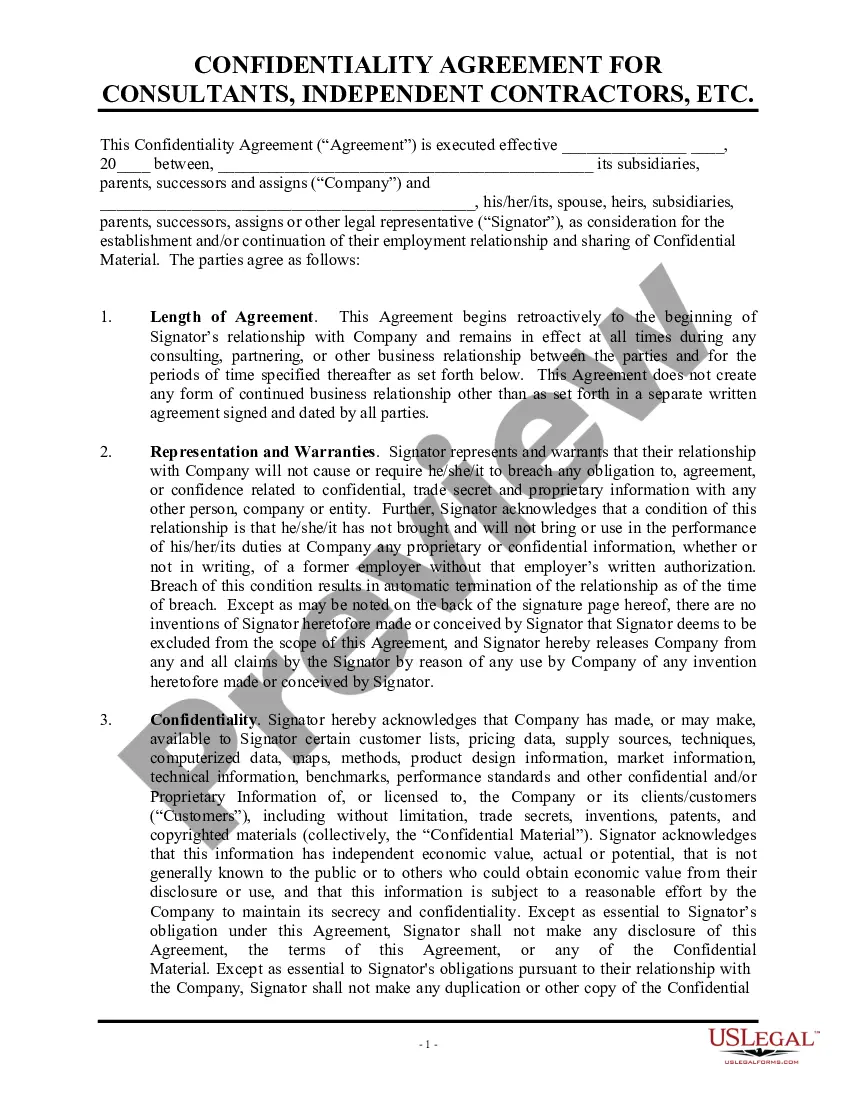
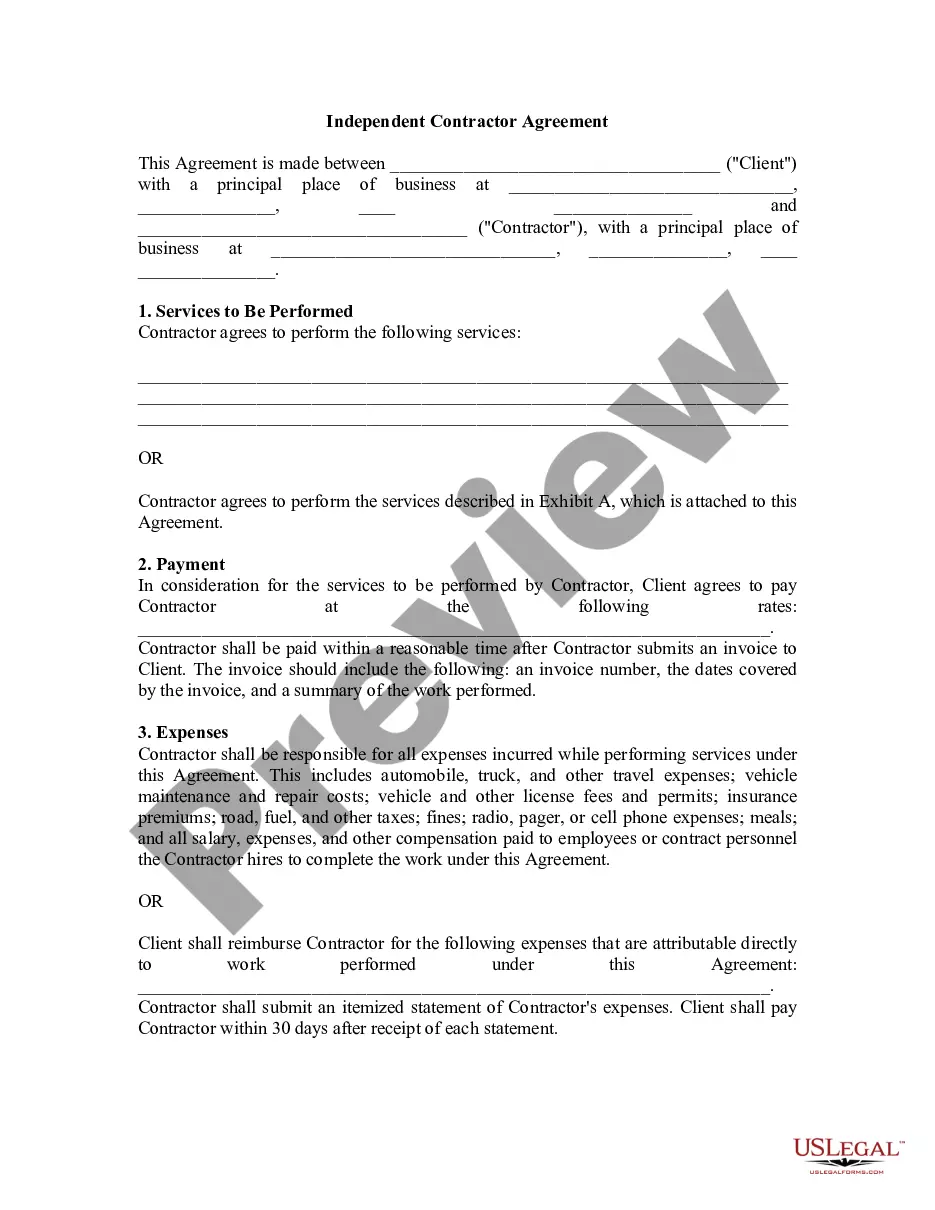
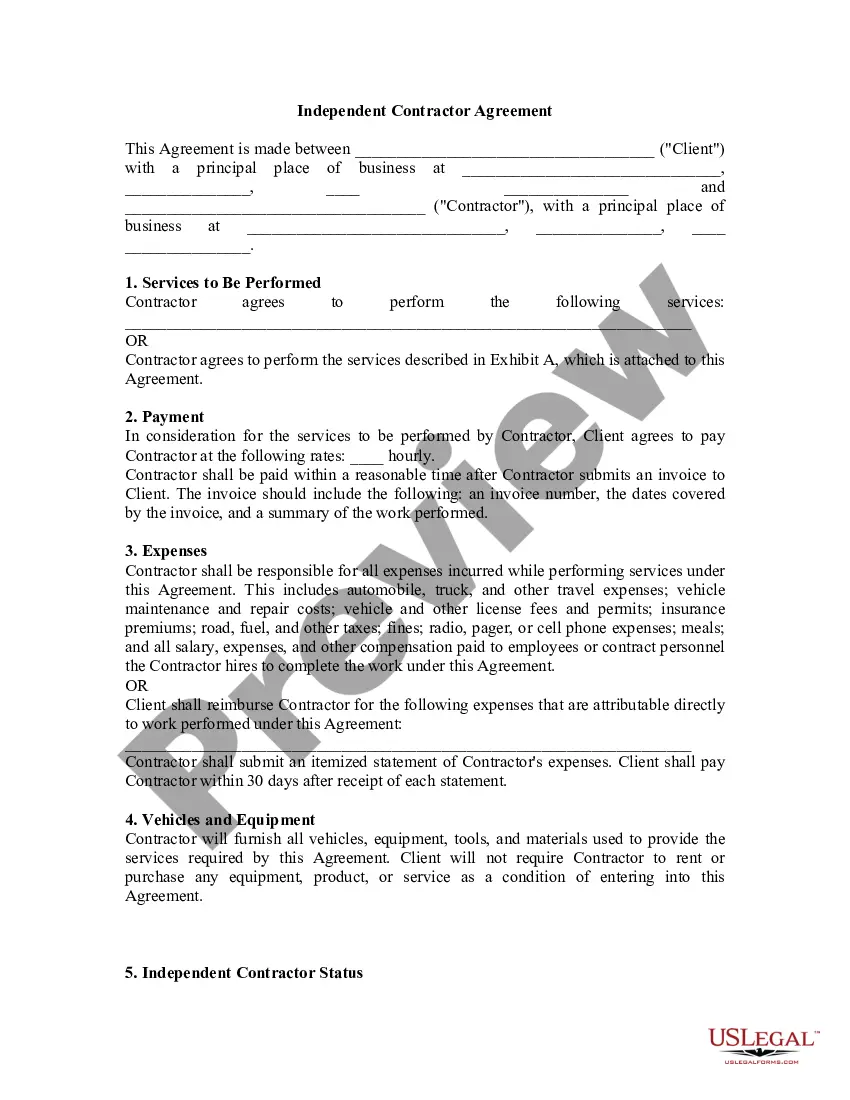
The Confidentiality Agreement for Independent Contractors is a legal document designed to protect sensitive information shared between a business (the Owner) and an independent contractor (the Recipient). This agreement ensures that any proprietary information disclosed remains confidential and is used solely for the specific business relationship. Unlike standard employment agreements, this form is tailored specifically for independent contractors, emphasizing the importance of safeguarding proprietary data and establishing clear obligations regarding confidentiality.
Key parts of this document
- Definitions of Confidential Information, outlining what is covered under this agreement.
- Recipient's obligations to maintain confidentiality and limits on the use of the information.
- Conditions under which Confidential Information may be disclosed, like legal requirements.
- Terms regarding the return or destruction of Confidential Information upon request.
- Duration of confidentiality obligations after the information is shared.
- Governing law and jurisdiction in the event of disputes.
When to use this form
This form should be used when hiring independent contractors to ensure that any sensitive information sharedâsuch as trade secrets, proprietary data, or client listsâis protected. It is particularly important in situations where the contractor will have access to business strategies, product plans, or any confidential processes that could harm the business if disclosed.
Who needs this form
- Business owners looking to hire independent contractors.
- Freelancers requiring assurance of confidentiality from clients.
- Companies needing to protect proprietary information while working with external contractors.
- Professionals in all industries where sensitive data is exchanged.
How to complete this form
- Identify the parties involved by entering the names and addresses of both the Owner and the Recipient.
- Define the specific Confidential Information that will be protected under the agreement.
- Outline the obligations and restrictions imposed on the Recipient regarding the handling of this information.
- Specify the duration of the confidentiality obligations, starting from the last date of disclosure.
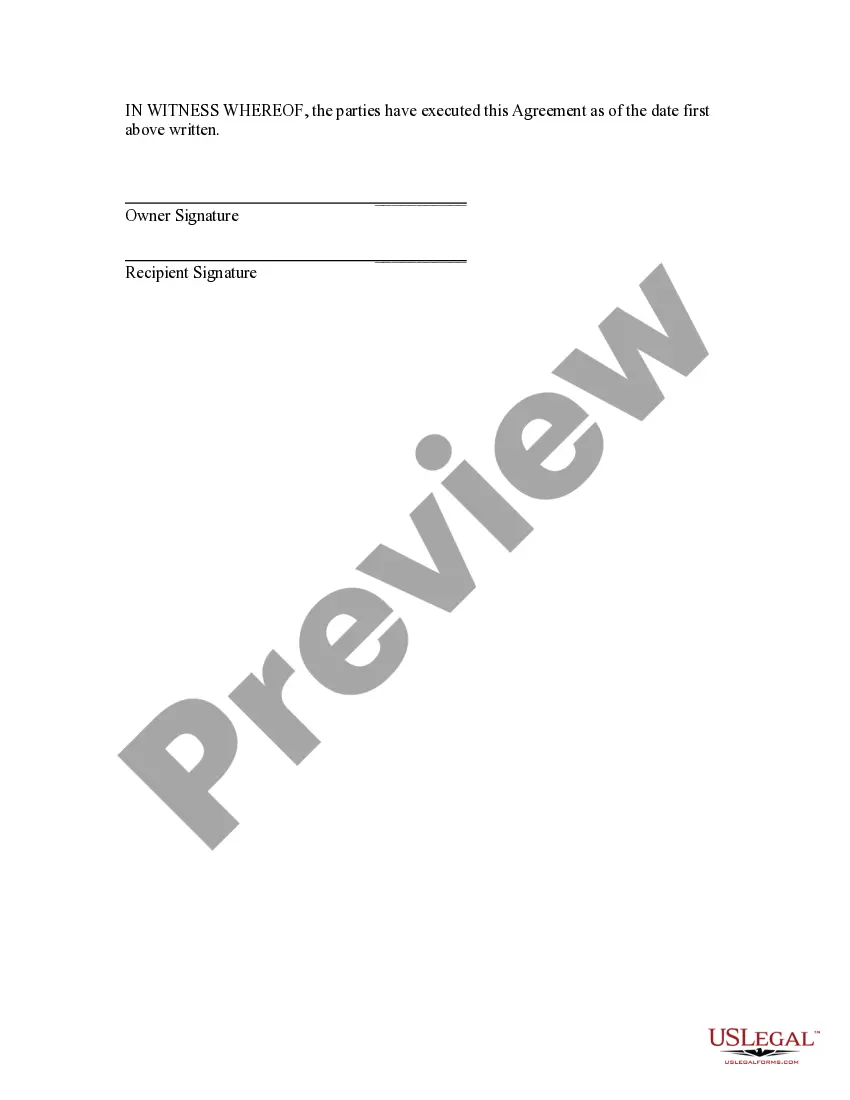
- Include signature lines for both parties to indicate their consent to the agreement.
Notarization requirements for this form
This form does not typically require notarization unless specified by local law. However, having a notary can strengthen the document's legal standing if future disputes arise, providing additional assurance that both parties acknowledged the agreement voluntarily.
Get your form ready online
Our built-in tools help you complete, sign, share, and store your documents in one place.
Make edits, fill in missing information, and update formatting in US Legal Forms—just like you would in MS Word.
Download a copy, print it, send it by email, or mail it via USPS—whatever works best for your next step.
Sign and collect signatures with our SignNow integration. Send to multiple recipients, set reminders, and more. Go Premium to unlock E-Sign.
If this form requires notarization, complete it online through a secure video call—no need to meet a notary in person or wait for an appointment.
We protect your documents and personal data by following strict security and privacy standards.

Make edits, fill in missing information, and update formatting in US Legal Forms—just like you would in MS Word.

Download a copy, print it, send it by email, or mail it via USPS—whatever works best for your next step.

Sign and collect signatures with our SignNow integration. Send to multiple recipients, set reminders, and more. Go Premium to unlock E-Sign.

If this form requires notarization, complete it online through a secure video call—no need to meet a notary in person or wait for an appointment.

We protect your documents and personal data by following strict security and privacy standards.
Avoid these common issues
- Failing to clearly define what constitutes Confidential Information.
- Not specifying the duration of the confidentiality obligations.
- Overlooking the need for signatures from both parties.
- Assuming confidentiality obligations end when the contract is terminated.
Advantages of online completion
- Quick and easy access to professionally drafted legal language.
- Editable format allows users to customize the agreement to their specific needs.
- Cost-effective compared to hiring a lawyer for drafting.
- Convenience of download and immediate use without lengthy processing times.
Looking for another form?
Form popularity
FAQ
Terms. This is the first section of any agreement or contract and states the names and locations of the parties involved. Responsibilities & Deliverables. Payment-Related Details. Confidentiality Clause. Contract Termination. Choice of Law.
Employers must be prepared to terminate any employee who refuses to sign the agreement. If an employer allows even one employee to refuse and remain employed, the agreements signed by the other employees will not be legally binding.
If you want a nondisclosure/confidentiality agreement tailored to your specific situation and anticipating potential legal issues, most attorneys charge $100-$300 or more an hour.
Set the date of the agreement. Describe the two parties, sometimes called the Disclosing Party and the Receiving Party.7feff Include names and identification, so there can be no misunderstanding about who signed the agreement.
A confidentiality agreement (also called a nondisclosure agreement or NDA) is a legally binding contract in which a person or business promises to treat specific information as a trade secret and promises not to disclose the secret to others without proper authorization.
Form W-9. The IRS requires contractors to fill out a Form W-9, request for Taxpayer Identification Number and Certification, which you should keep on file for at least four years after the hiring. This form is used to request the correct name and Taxpayer Identification Number, or TIN, of the worker or their entity.
Get it in writing. Keep it simple. Deal with the right person. Identify each party correctly. Spell out all of the details. Specify payment obligations. Agree on circumstances that terminate the contract. Agree on a way to resolve disputes.
A definition of confidential information. Who is involved. Why the recipient knows the information. Exclusions or limits on confidential information. Receiving party's obligations. Time frame or term. Discloser to the recipient.
Name of contractor and contact information. Name of homeowner and contact information. Describe property in legal terms. List attachments to the contract. The cost. Failure of homeowner to obtain financing. Description of the work and the completion date. Right to stop the project.