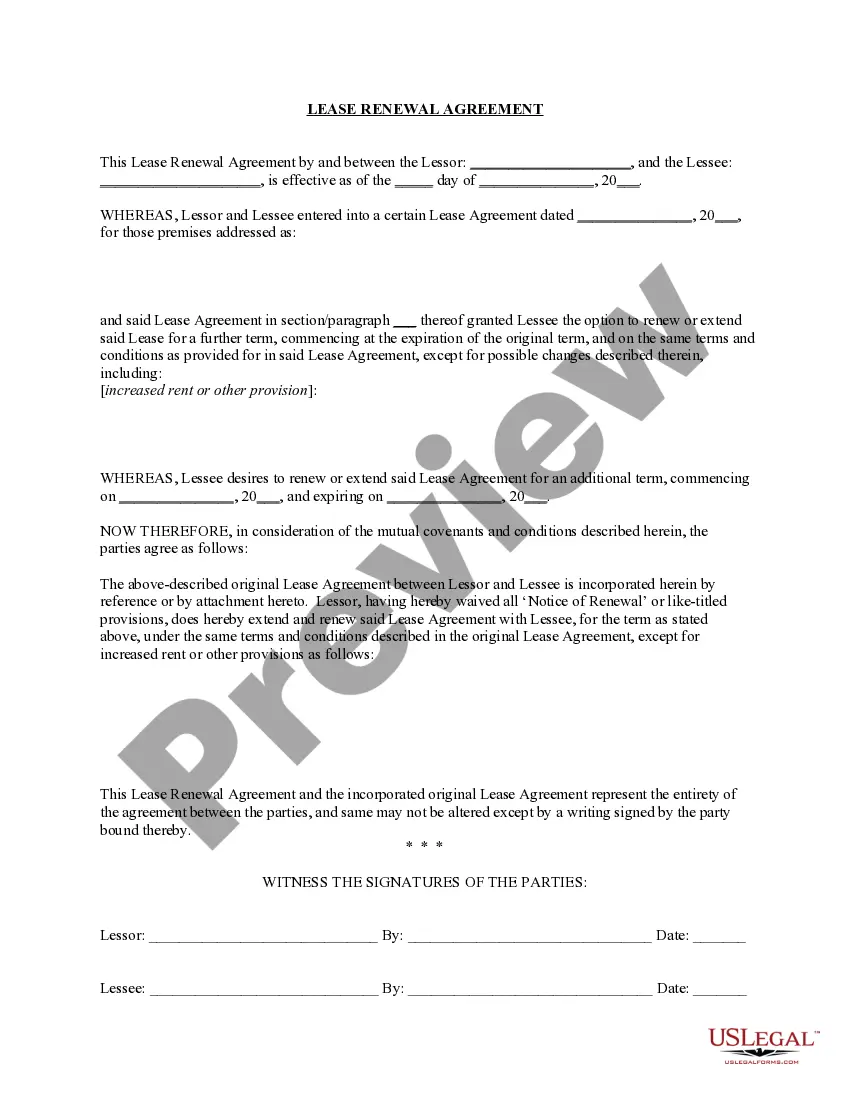
Confidentiality Agreement for Translation Services
Understanding this form
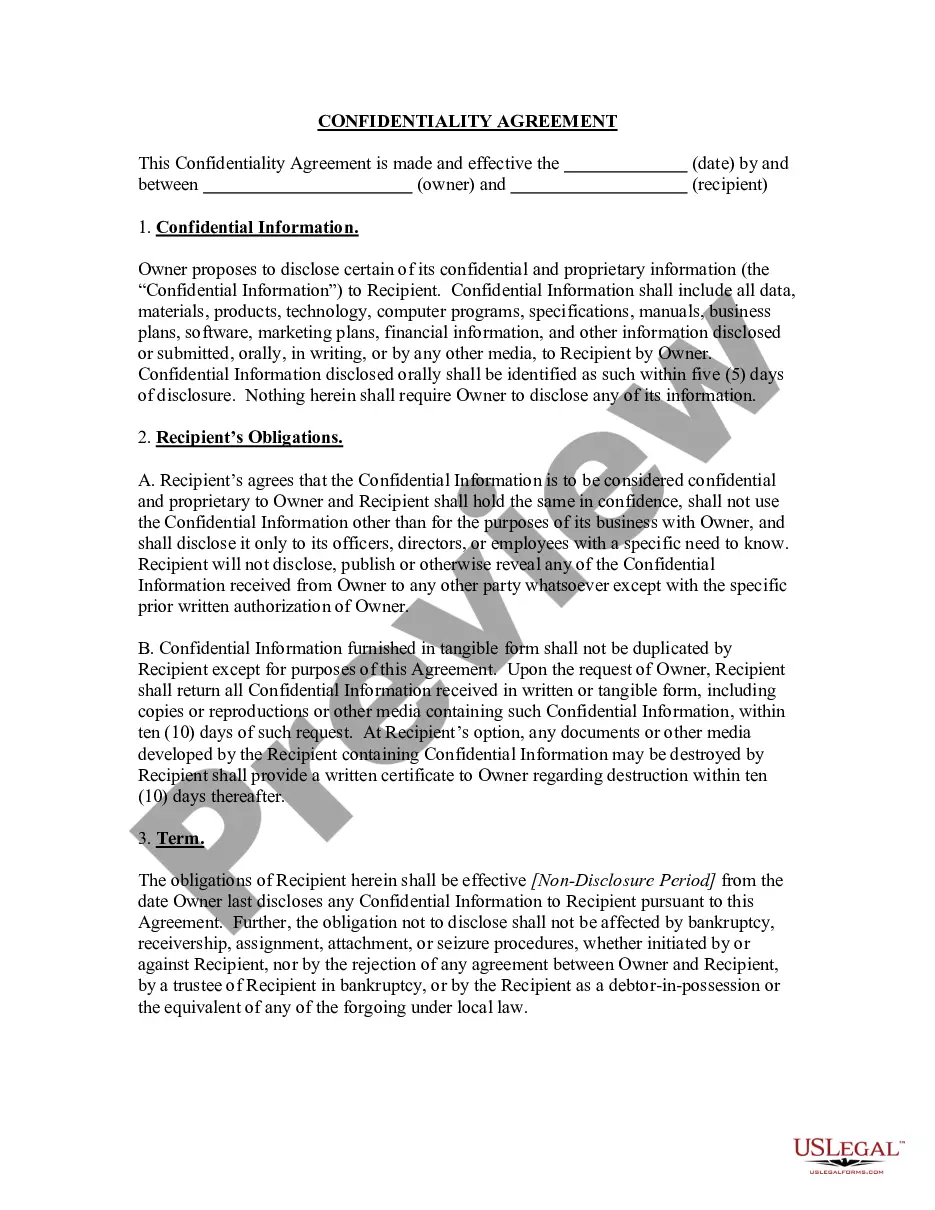
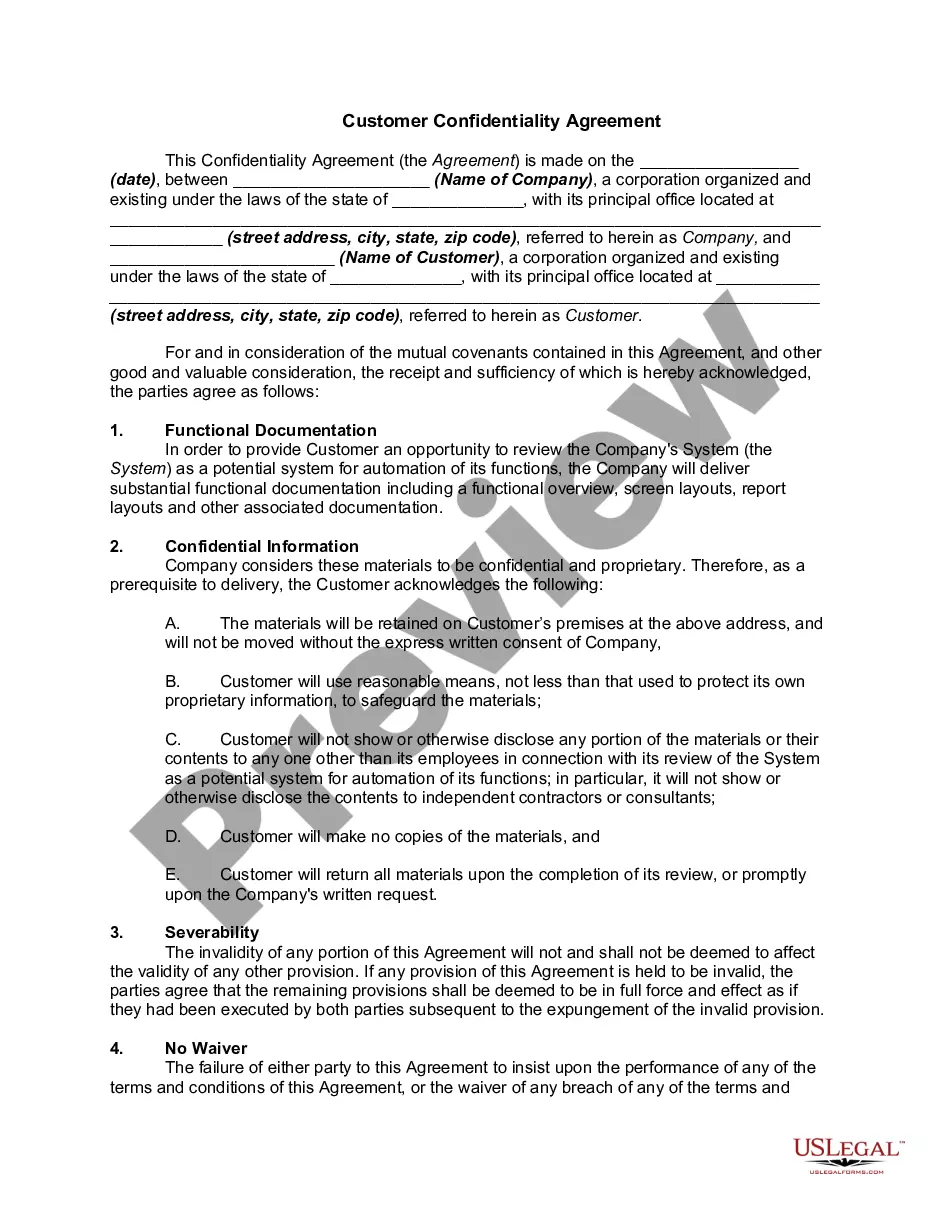
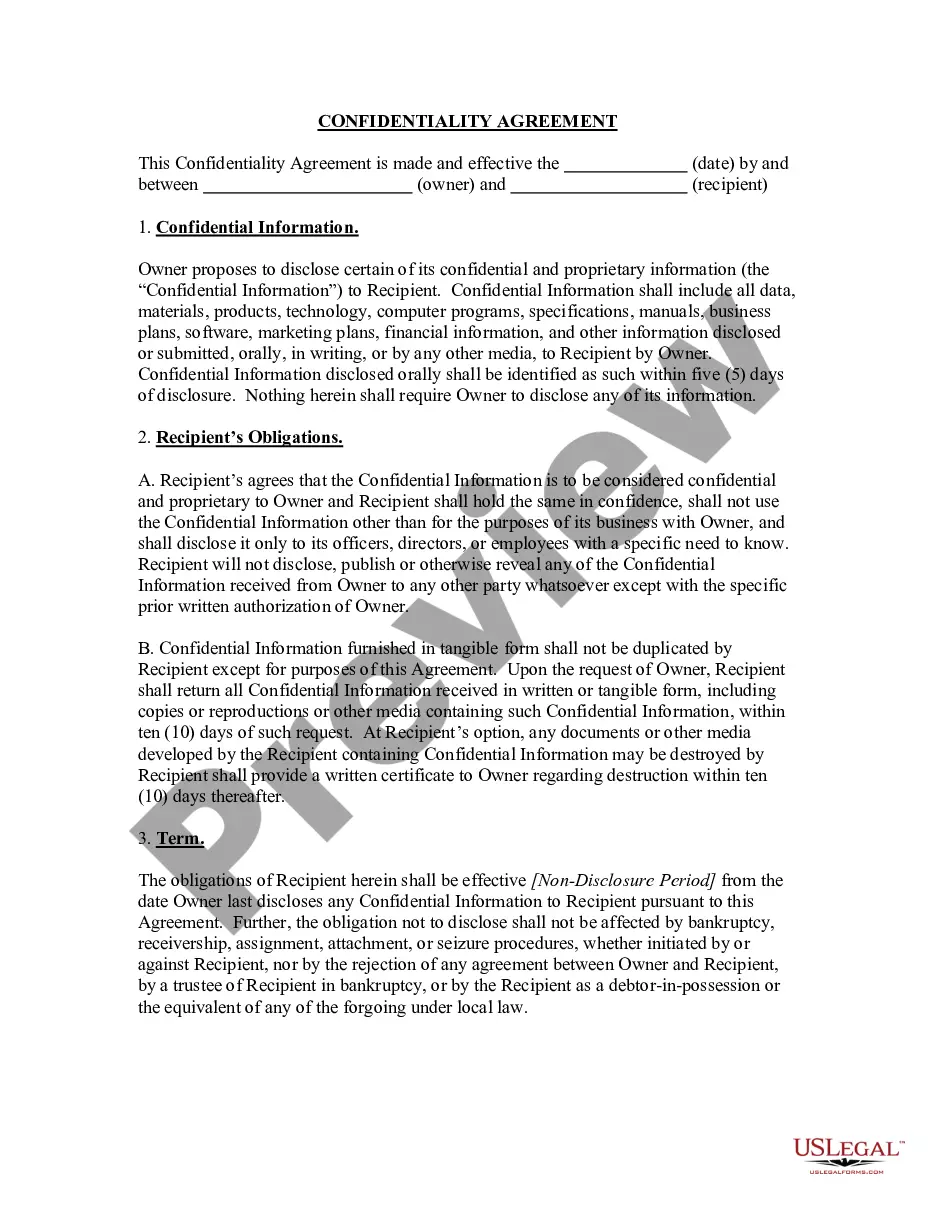
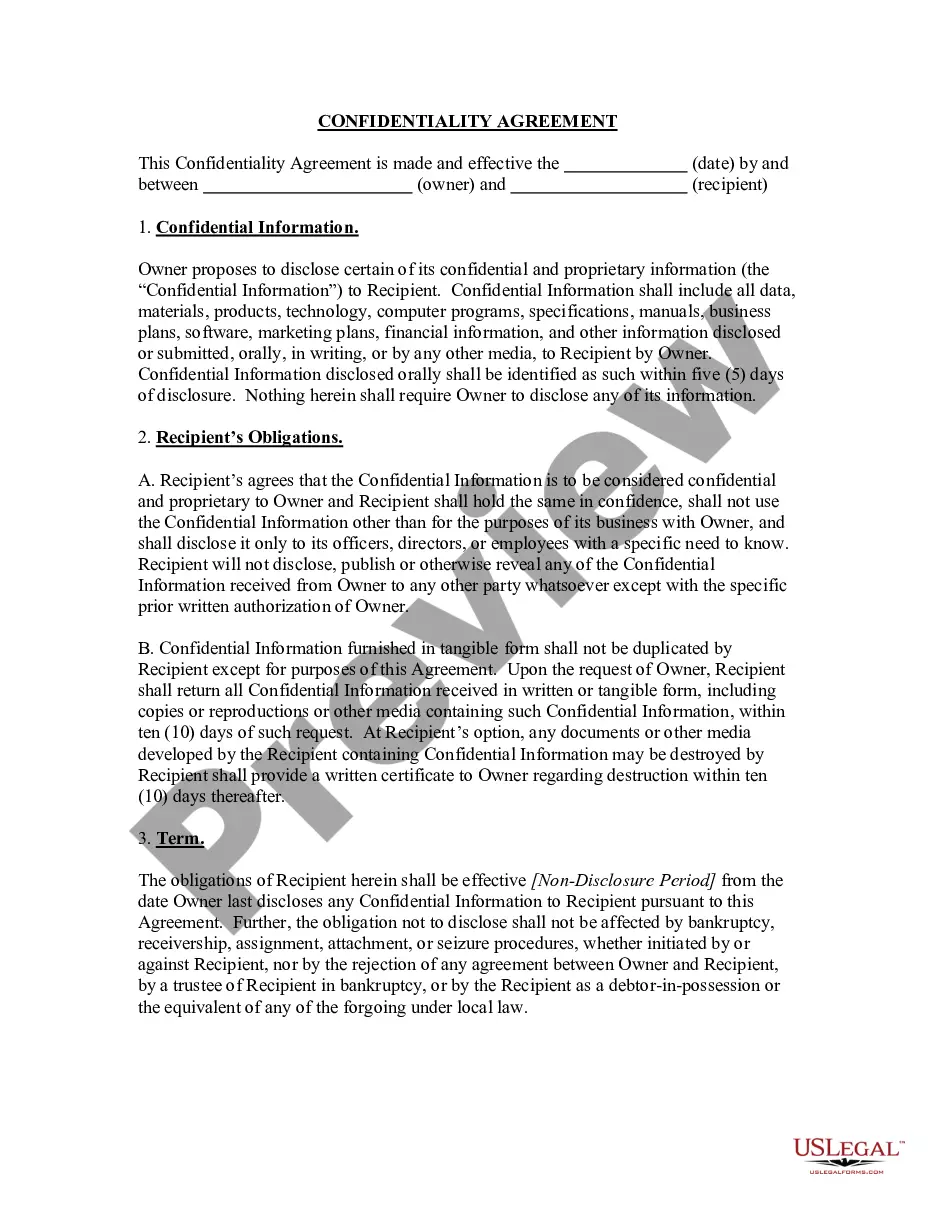
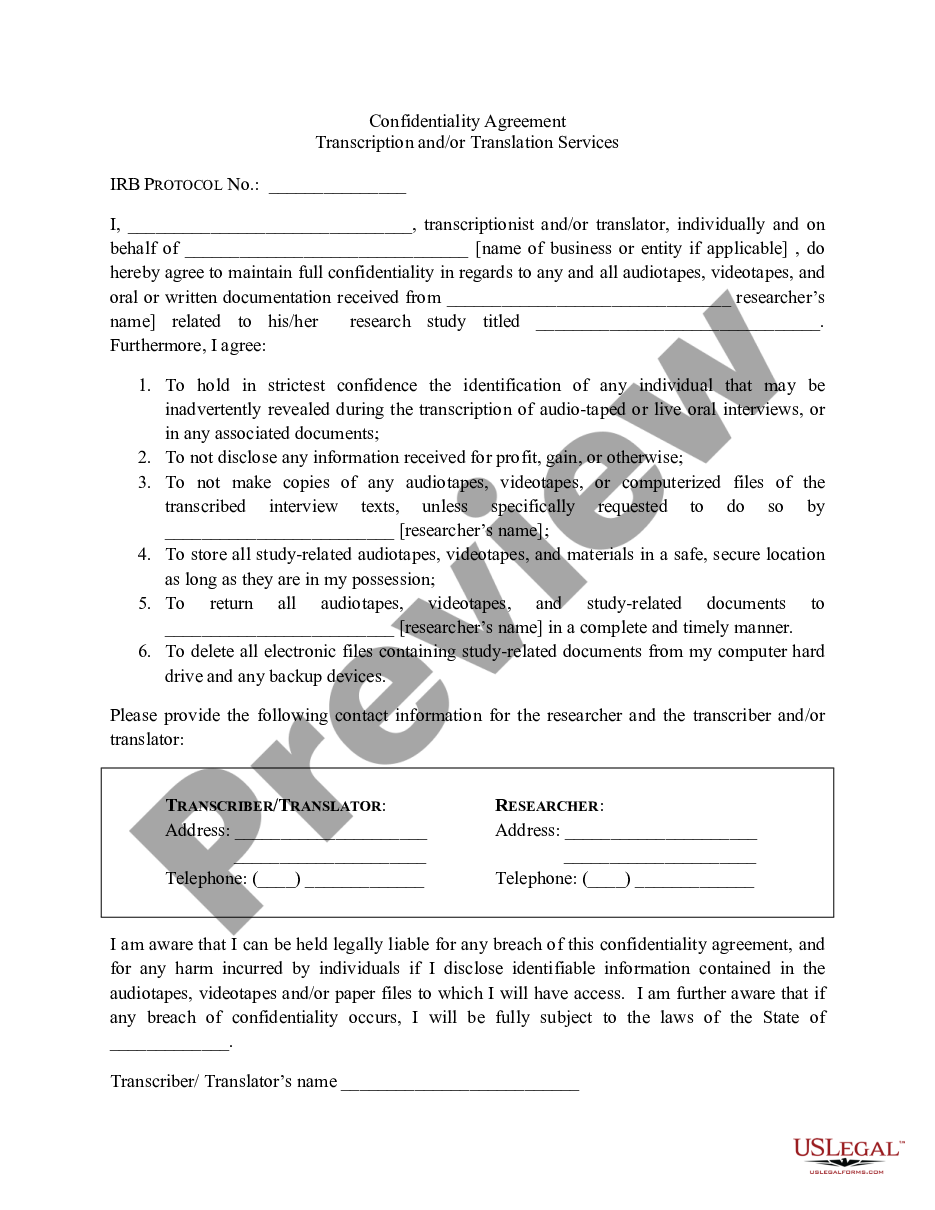
The Confidentiality Agreement for Translation Services is a legally binding document that protects sensitive information exchanged between parties involved in translation services. It ensures that the recipient of confidential information understands their obligations to keep that information private and limits its use exclusively to the purposes defined in the agreement. This form differs from generic non-disclosure agreements by specifically addressing the context of translation services, ensuring that sensitive content remains protected throughout the translation process.
Main sections of this form
- Recipent's obligations regarding confidentiality and the use of confidential information.
- Return or destruction of confidential information upon request.
- Duration of confidentiality obligations following the last disclosure of information.
- Exclusions from confidentiality responsibilities, such as publicly available information.
- Governing law and jurisdiction for resolving disputes.


When to use this document
This form should be used prior to sharing confidential information between a translator and a client to ensure that both parties are aware of and agree to the terms regarding the protection of that information. It is particularly important in situations where sensitive documents, proprietary content, or unique translation methods need safeguarding during translation projects.
Who should use this form
- Translation service providers who need to protect sensitive client information.
- Businesses or individuals who are hiring translation services and want to ensure their confidential information remains safe.
- Freelancers working in languages or fields where intellectual property protection is essential.
Completing this form step by step
- Identify the parties involved by entering the names and addresses of the owner and the recipient.
- Clearly define what constitutes "Confidential Information" in the designated section.
- Specify the duration for which confidentiality obligations will remain in effect.
- Ensure both parties review and understand the terms before signing.
- Sign and date the agreement to make it legally binding.
Notarization guidance
This form does not typically require notarization unless specified by local law. It is advisable to check whether your jurisdiction has specific requirements regarding signatures for confidentiality agreements.
Get your form ready online
Our built-in tools help you complete, sign, share, and store your documents in one place.
Make edits, fill in missing information, and update formatting in US Legal Forms—just like you would in MS Word.
Download a copy, print it, send it by email, or mail it via USPS—whatever works best for your next step.
Sign and collect signatures with our SignNow integration. Send to multiple recipients, set reminders, and more. Go Premium to unlock E-Sign.
If this form requires notarization, complete it online through a secure video call—no need to meet a notary in person or wait for an appointment.
We protect your documents and personal data by following strict security and privacy standards.

Make edits, fill in missing information, and update formatting in US Legal Forms—just like you would in MS Word.

Download a copy, print it, send it by email, or mail it via USPS—whatever works best for your next step.

Sign and collect signatures with our SignNow integration. Send to multiple recipients, set reminders, and more. Go Premium to unlock E-Sign.

If this form requires notarization, complete it online through a secure video call—no need to meet a notary in person or wait for an appointment.

We protect your documents and personal data by following strict security and privacy standards.
Avoid these common issues
- Failing to define "Confidential Information" clearly, which can lead to misunderstandings.
- Neglecting to include a specific duration for confidentiality obligations, causing ambiguity.
- Not obtaining written consent before disclosing information to third parties, violating the agreement.
- Forgetting to have signatures from both parties, which can invalidate the agreement.
Advantages of online completion
- Access to a professionally drafted template that saves time and reduces legal costs.
- Easy to customize to fit specific needs, ensuring all partiesâ requirements are addressed.
- Immediate availability for download, allowing for quick implementation.
Looking for another form?
Form popularity
FAQ
Some confidential information may not need secrecy to extend beyond the end of the business relationship but others will require secrecy to continue to apply even after the termination of the business relationship. There's no one standard term but common confidentiality terms can range between 2, 3 and 5 years.
A definition of confidential information. Who is involved. Why the recipient knows the information. Exclusions or limits on confidential information. Receiving party's obligations. Time frame or term. Discloser to the recipient.
The party to be charged must have signed the contract. Since the NDAs benefit you, so long as the other party has signed, that ishould be sufficient.
Depending on the complexity of what you need protected and the number of parties involved, the cost of having an NDA drafted can vary significantly. When you hire a lawyer in the Priori network, drafting an NDA typically costs anywhere from $175-$1,500.
A confidentiality agreement (also called a nondisclosure agreement or NDA) is a legally binding contract in which a person or business promises to treat specific information as a trade secret and promises not to disclose the secret to others without proper authorization.
Set the date of the agreement. Describe the two parties, sometimes called the Disclosing Party and the Receiving Party.7feff Include names and identification, so there can be no misunderstanding about who signed the agreement.
It is a contract through which the parties agree not to disclose information covered by the agreement. An NDA creates a confidential relationship between the parties, typically to protect any type of confidential and proprietary information or trade secrets. As such, an NDA protects non-public business information.