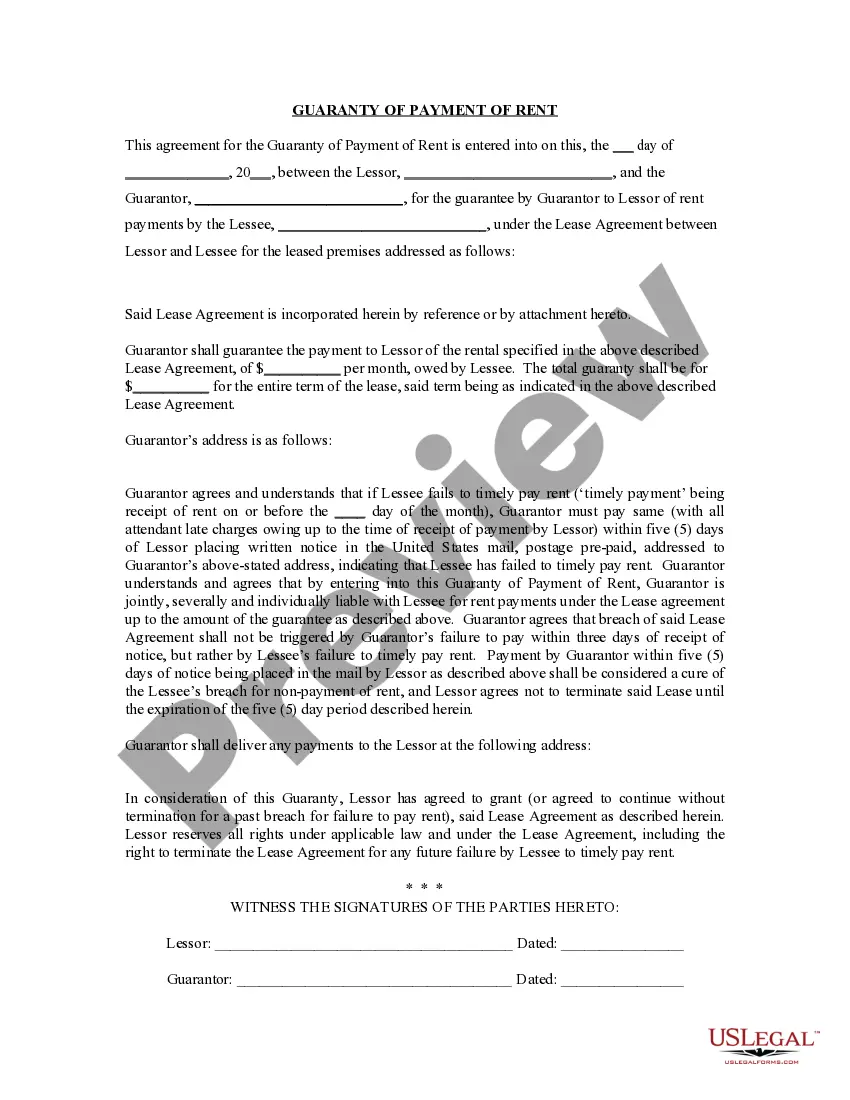
Confidentiality Agreement for Therapists
What this document covers
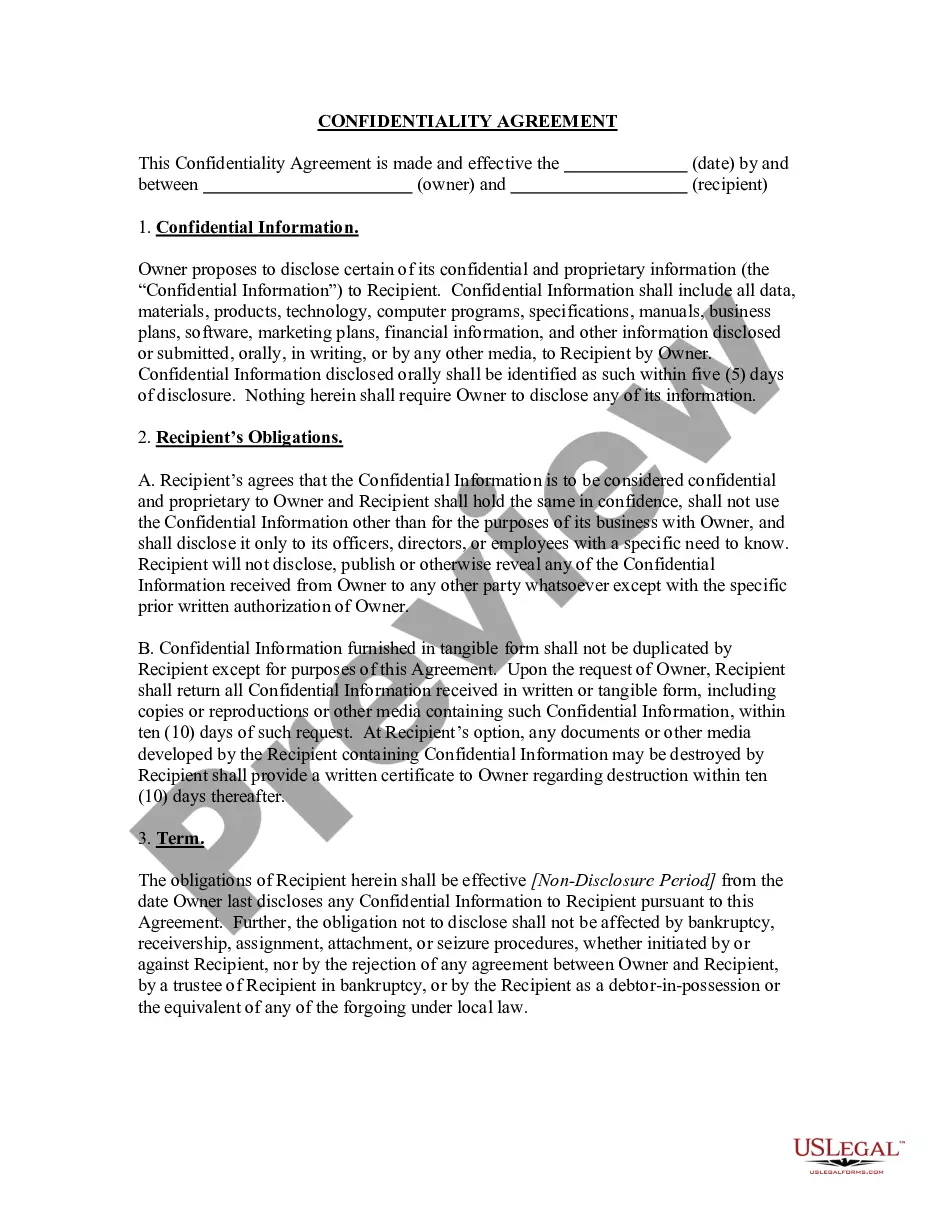
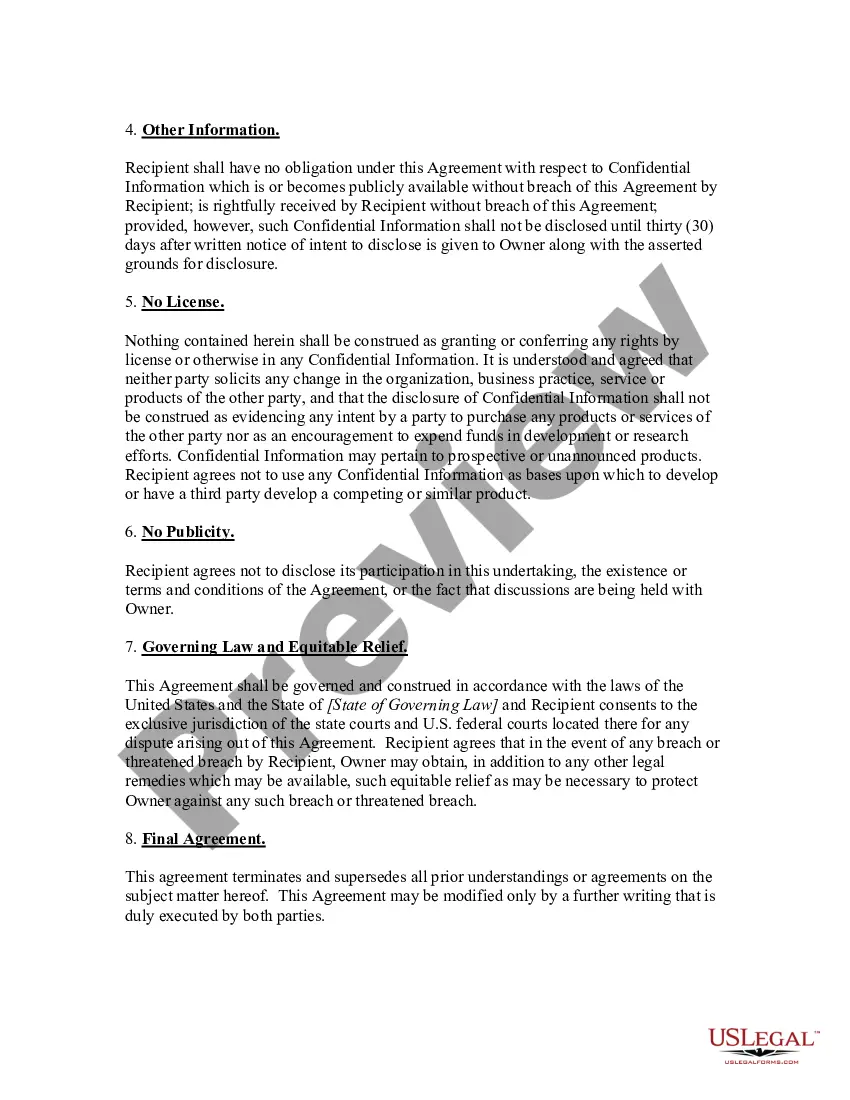
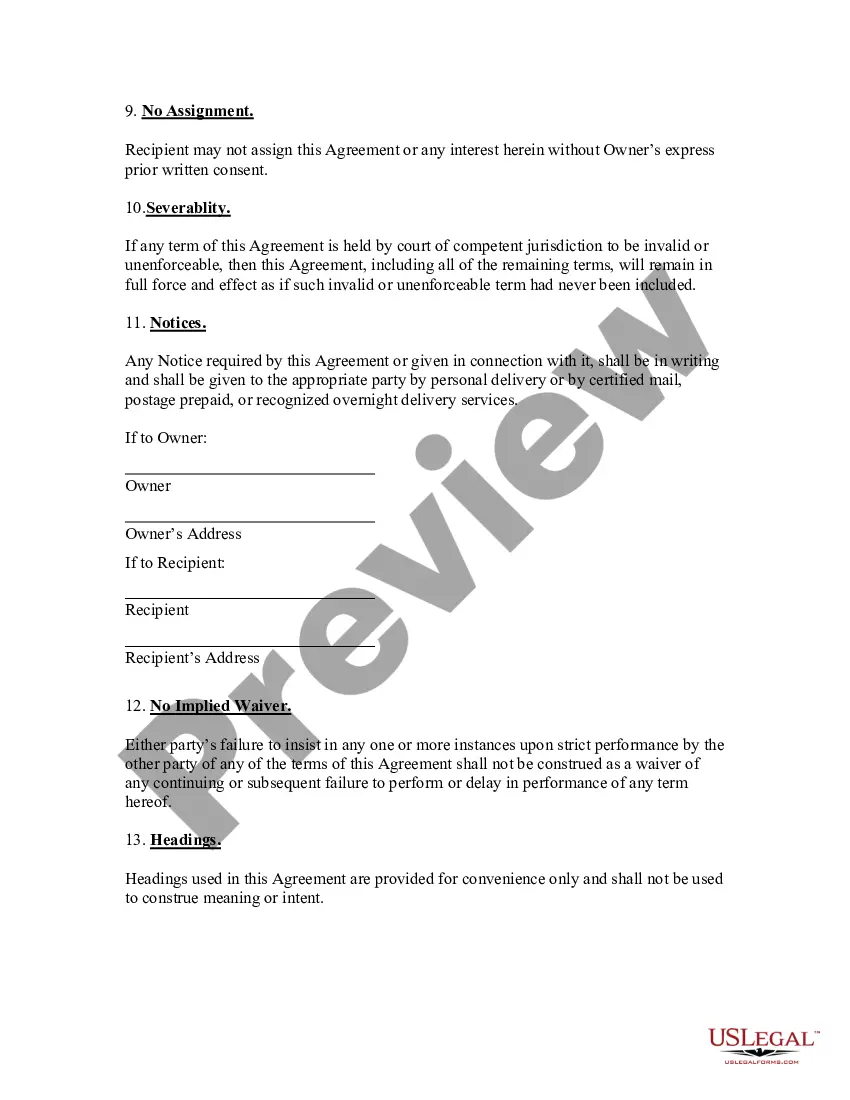
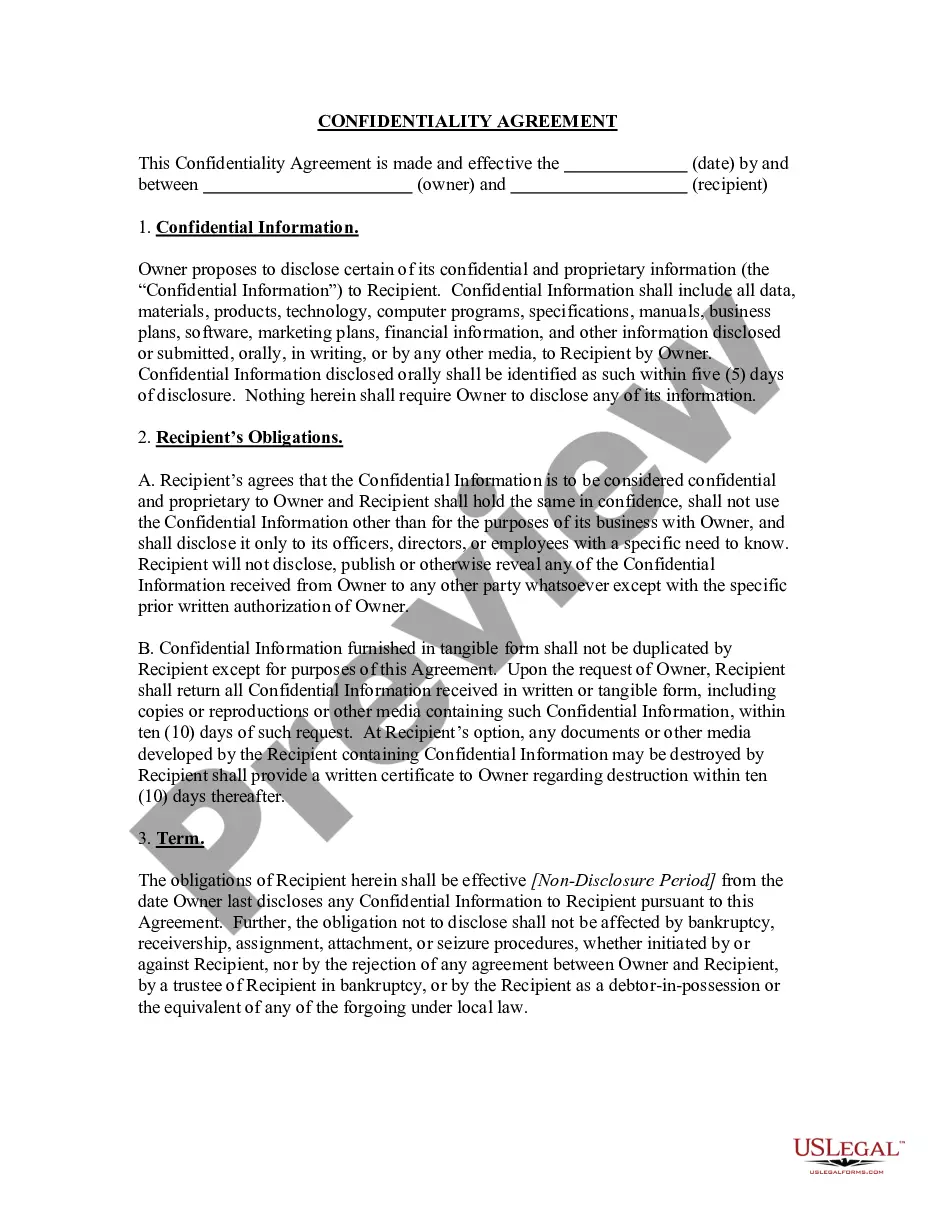
The Confidentiality Agreement for Therapists is a legal document designed to protect sensitive information shared between therapists and their clients. This form ensures that both parties understand their obligations to maintain confidentiality, distinguishing it from other employment or non-disclosure agreements by specifically addressing the complexities of therapeutic relationships and client privacy.
Main sections of this form
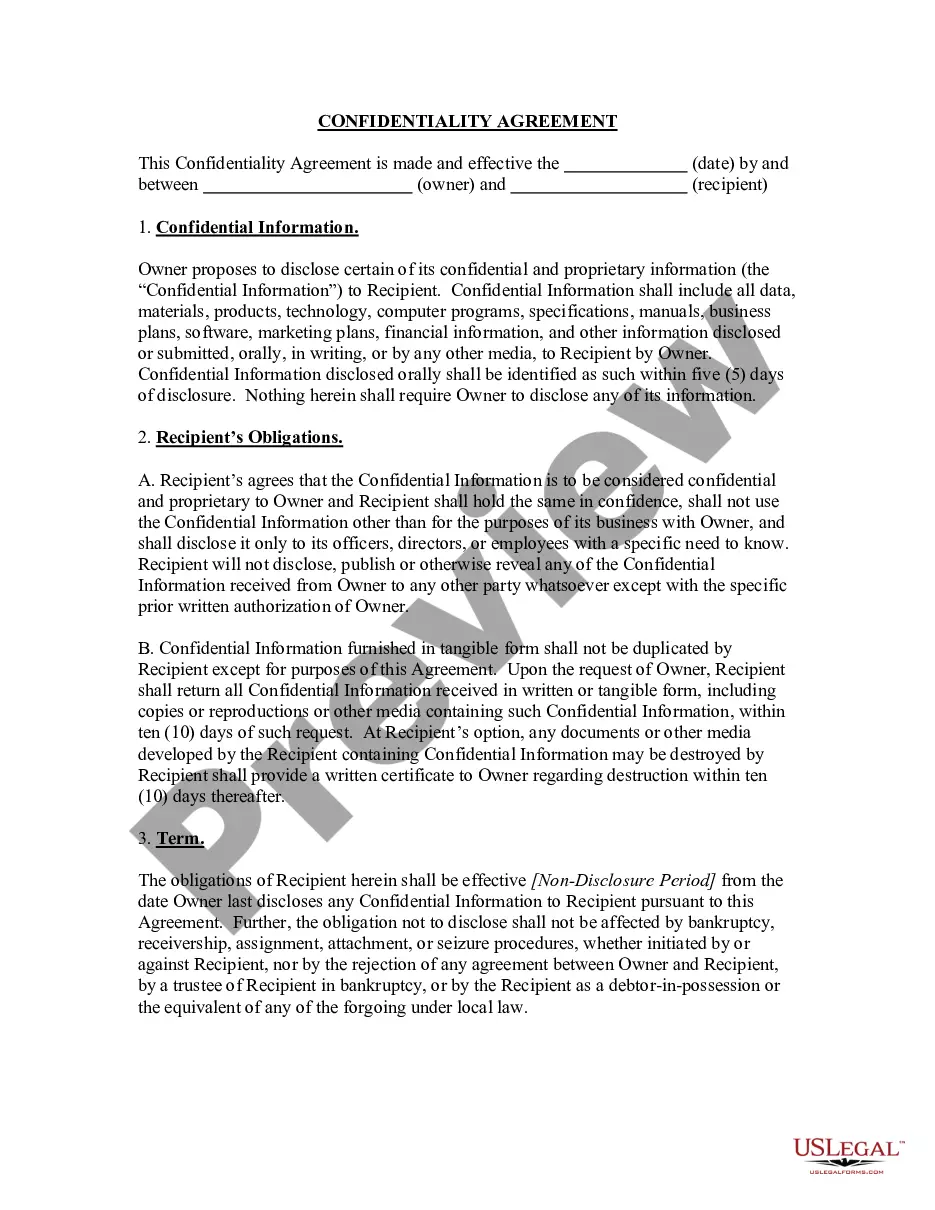
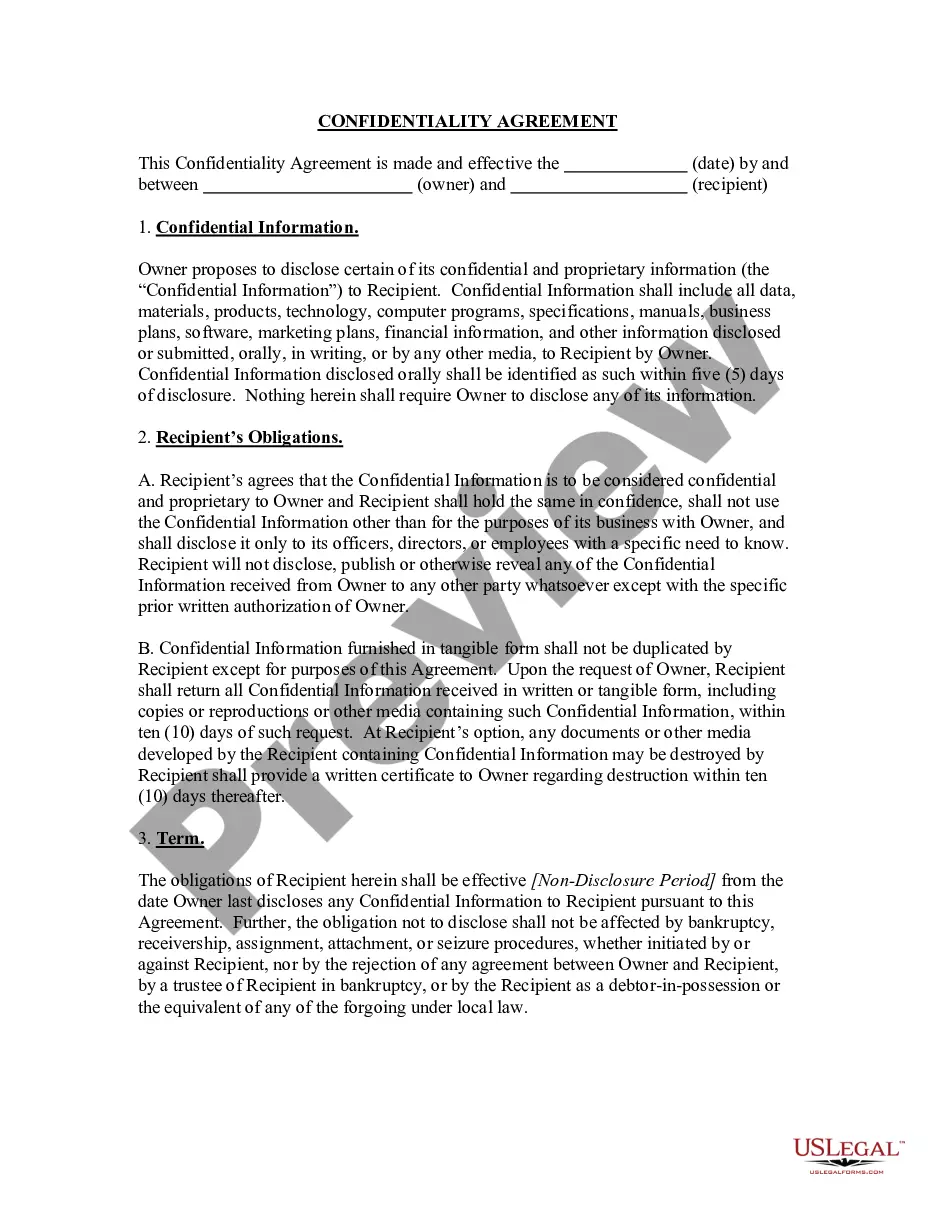
- Obligations of recipient: Details the responsibilities regarding the handling and disclosure of confidential information.
- Term of agreement: Specifies the duration for which confidentiality must be maintained.
- Limits on disclosure: Sets conditions under which confidential information can be disclosed to third parties.
- Return or destruction of information: Outlines procedures for returning or destroying confidential information when requested.
- Governing law: Indicates the jurisdiction under which the agreement will be enforced.
Situations where this form applies
This form should be used when a therapist engages with clients and needs to establish clear terms regarding the confidentiality of the information shared during therapy sessions. It is particularly relevant for establishing trust and ensuring compliance with legal obligations to protect client privacy.
Who needs this form
- Therapists and mental health professionals who provide treatment to clients.
- Healthcare providers entering into agreements that require confidentiality about patient information.
- Organizations employing therapists, including clinics, hospitals, or wellness centers.
Instructions for completing this form
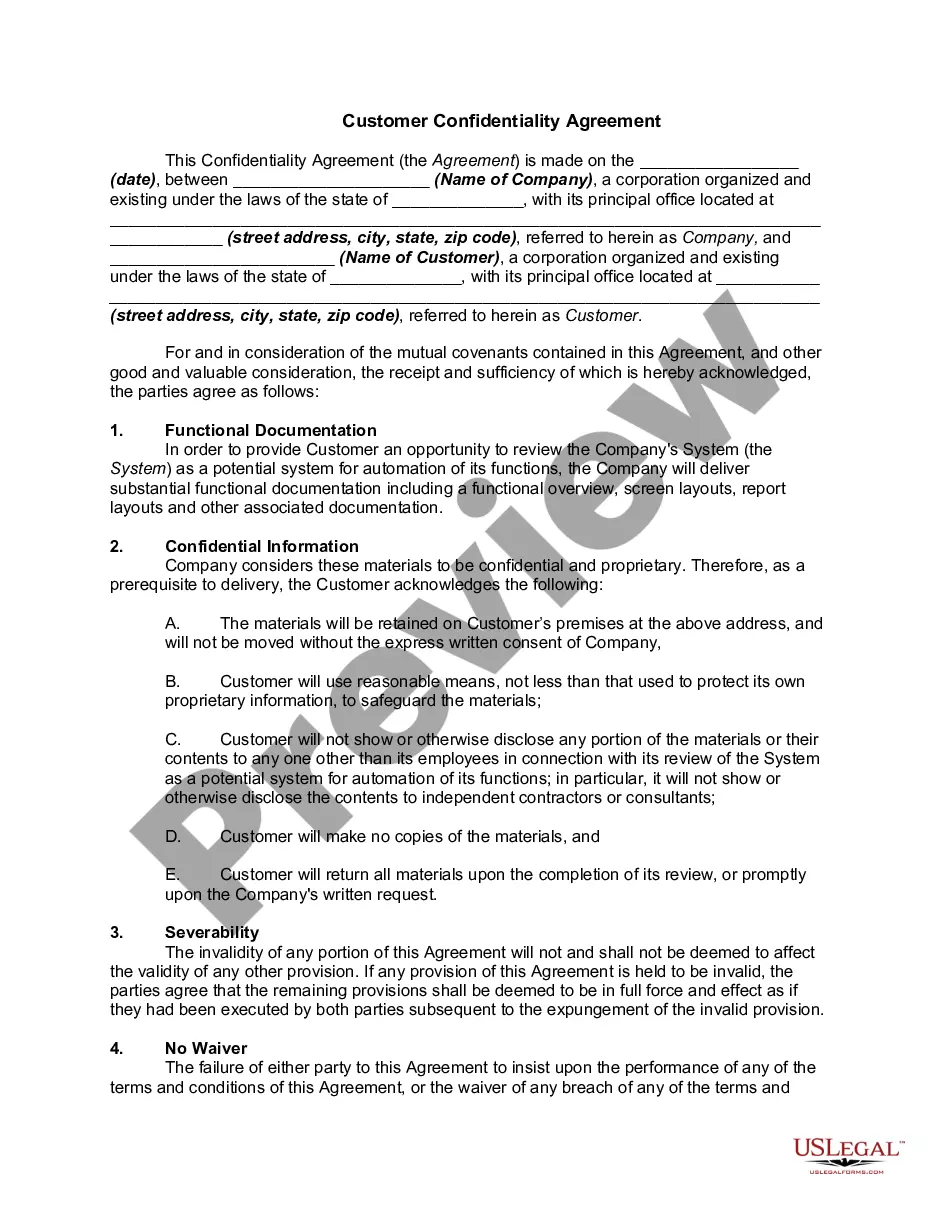
- Identify the parties involved: Enter the names of the therapist (Owner) and the client (Recipient).
- Specify the confidential information: Clearly outline what is considered confidential.
- Include a term: Indicate the duration for which the confidentiality obligations will remain in effect.
- Enter signatures: Both parties should sign and date the document to acknowledge their agreement.
Does this form need to be notarized?
This form usually doesn’t need to be notarized. However, local laws or specific transactions may require it. Our online notarization service, powered by Notarize, lets you complete it remotely through a secure video session, available 24/7.
Get your form ready online
Our built-in tools help you complete, sign, share, and store your documents in one place.
Make edits, fill in missing information, and update formatting in US Legal Forms—just like you would in MS Word.
Download a copy, print it, send it by email, or mail it via USPS—whatever works best for your next step.
Sign and collect signatures with our SignNow integration. Send to multiple recipients, set reminders, and more. Go Premium to unlock E-Sign.
If this form requires notarization, complete it online through a secure video call—no need to meet a notary in person or wait for an appointment.
We protect your documents and personal data by following strict security and privacy standards.

Make edits, fill in missing information, and update formatting in US Legal Forms—just like you would in MS Word.

Download a copy, print it, send it by email, or mail it via USPS—whatever works best for your next step.

Sign and collect signatures with our SignNow integration. Send to multiple recipients, set reminders, and more. Go Premium to unlock E-Sign.

If this form requires notarization, complete it online through a secure video call—no need to meet a notary in person or wait for an appointment.

We protect your documents and personal data by following strict security and privacy standards.
Typical mistakes to avoid
- Failing to clearly define what constitutes "confidential information."
- Not specifying the duration of the confidentiality obligations.
- Omitting required signatures, which could invalidate the agreement.
- Not updating the agreement when laws change or practices evolve.
Advantages of online completion
- Convenience: Easily download and fill out the form at your own pace.
- Editability: Customize the agreement to fit specific needs and circumstances.
- Reliability: Access professionally drafted legal templates that ensure compliance with current laws.
Key takeaways
- The Confidentiality Agreement for Therapists protects sensitive client information.
- It establishes clear obligations for both therapists and clients regarding confidentiality.
- This form is suitable for use across multiple states but should be reviewed for local legal requirements.
Looking for another form?
Form popularity
FAQ
Common exceptions are: Psychologists may disclose private information without consent in order to protect the patient or the public from serious harm if, for example, a client discusses plans to attempt suicide or harm another person.
Communication between a clinician and a client may only be disclosed when: (a) the client signs a Consent Form and/or our release of information form authorizing such disclosure, (b) in cases of immediate danger of serious harm to the client or someone else, or (c) other infrequent circumstances as described below
Not leaving revealing information on voicemail or text. Not acknowledging to outside parties that a client has an appointment. Not discussing the contents of therapy with a third party without the explicit permission of the client.
Psychotherapy is, for the most part, confidential. Patients of mental health providers like psychiatrists, psychologists, and social workers reasonably expect that their in-therapy disclosures will remain private.
Psychotherapist-Patient Privilege in California Even if the therapist must report information to the police, it may still be illegal to use that evidence in court. You have the right to have certain evidence blocked from coming in as testimony against you in court, which may help block criminal charges altogether.
The client is an imminent and violent threat towards themselves or others. There is a billing situation which requires a condoned disclosure.
The basic rule of thumb is that therapists should not be getting their own needs met by self-disclosing to clients.Beyond providing basic information about training or experience, it is rarely a good idea for a therapist to self-disclose early in treatment.
Client confidentiality is the requirement that therapists, psychiatrists, psychologists, and most other mental health professionals protect their client's privacy by not revealing the contents of therapy.
A counsellor cannot be legally bound to confidentiality about a crime. Courts have concluded that it is defensible to breach confidence, in good faith, in order to assist the prevention or detection of a crime. However, there is no general duty to report crime except in specific circumstances.