Delaware Discovery Interrogatories for Divorce Proceeding for either Plaintiff or Defendant - Another Form
Overview of this form
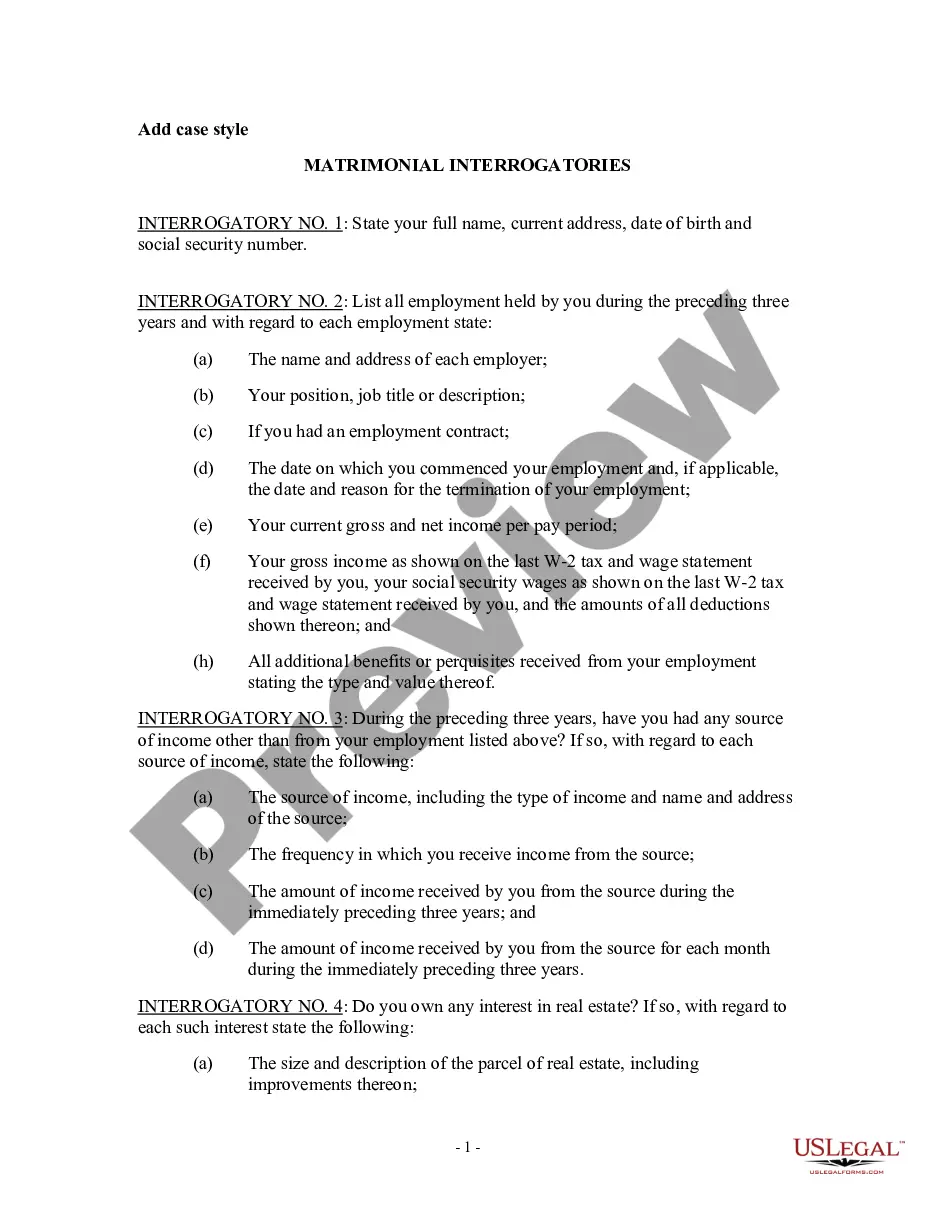
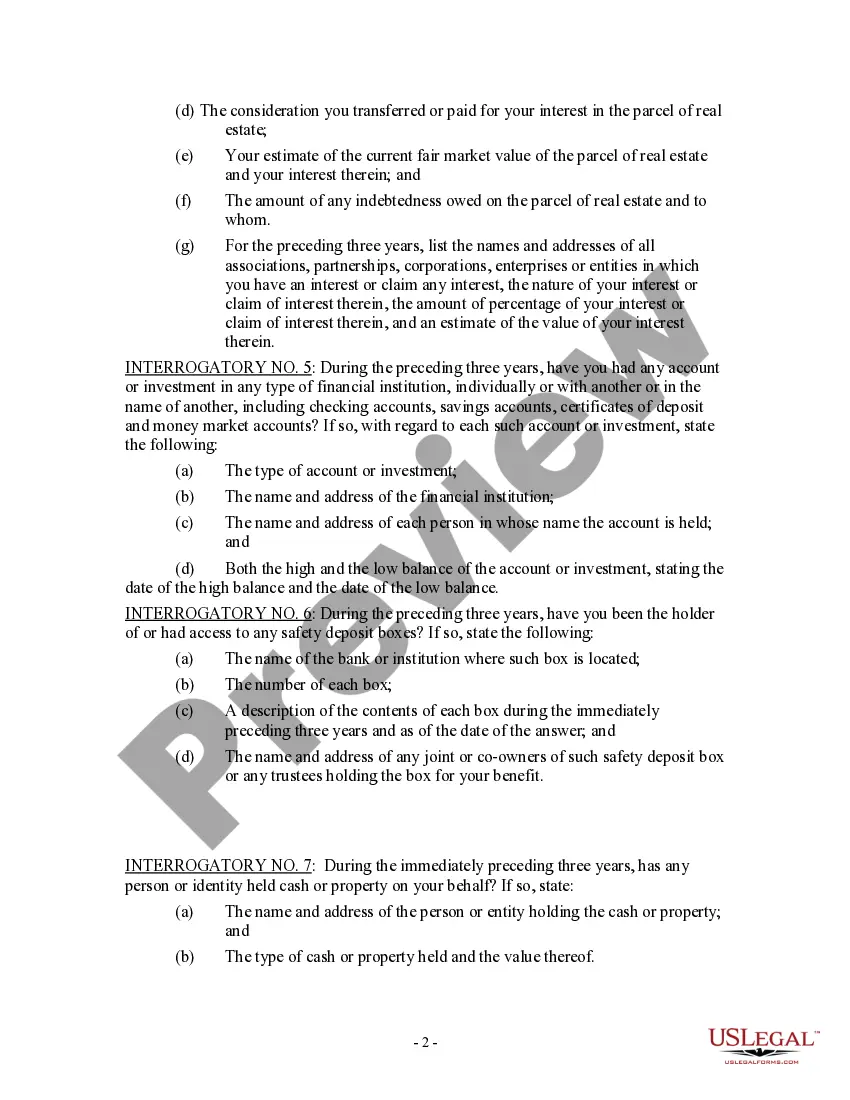
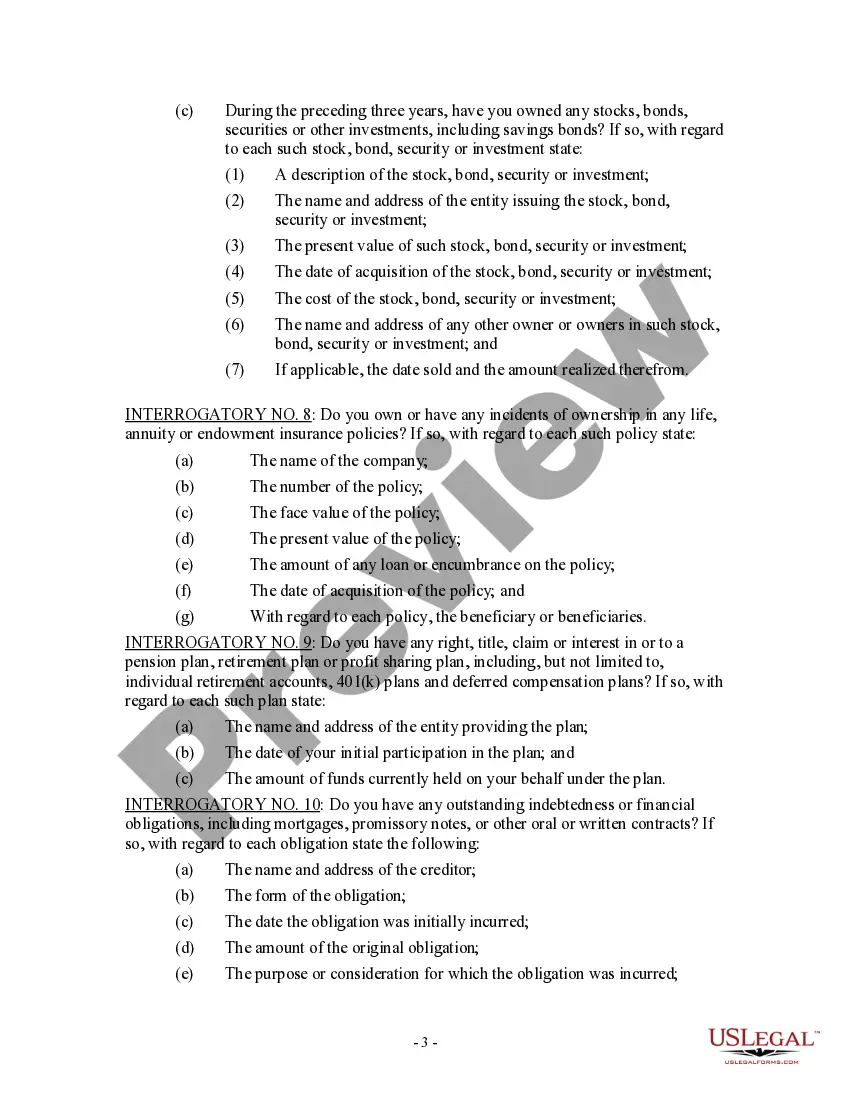
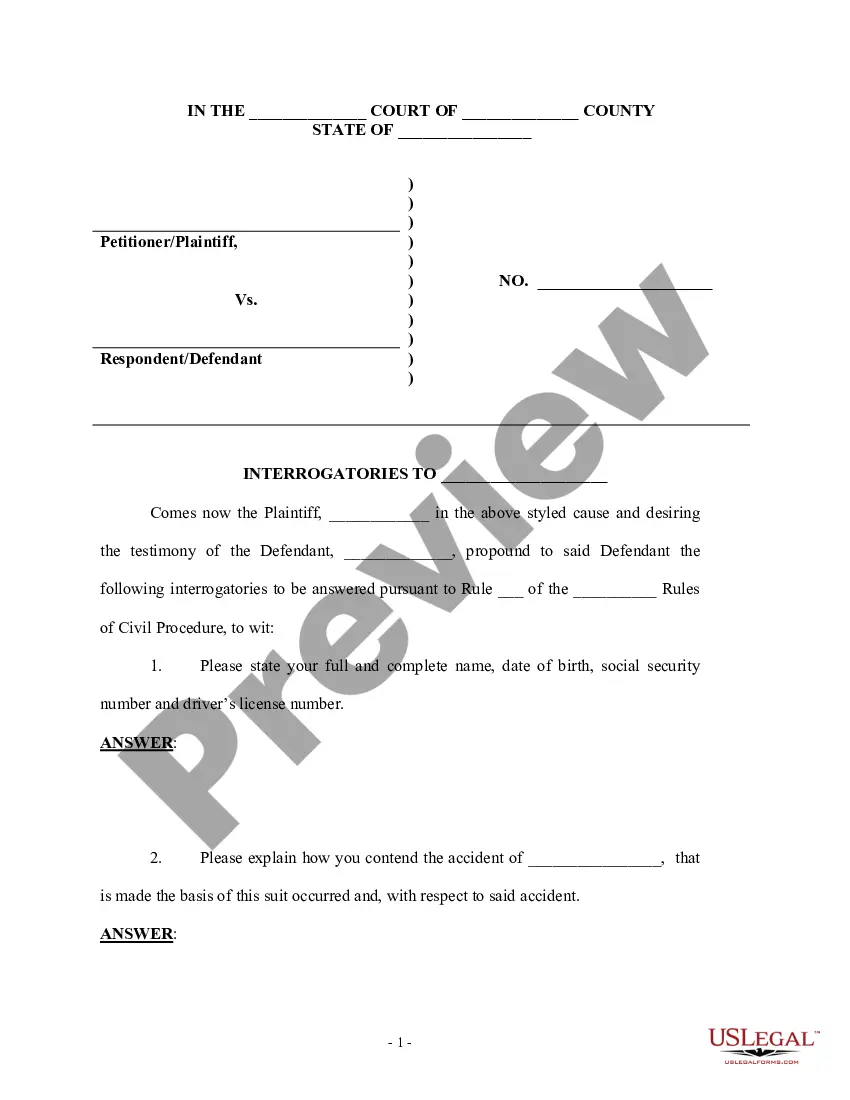
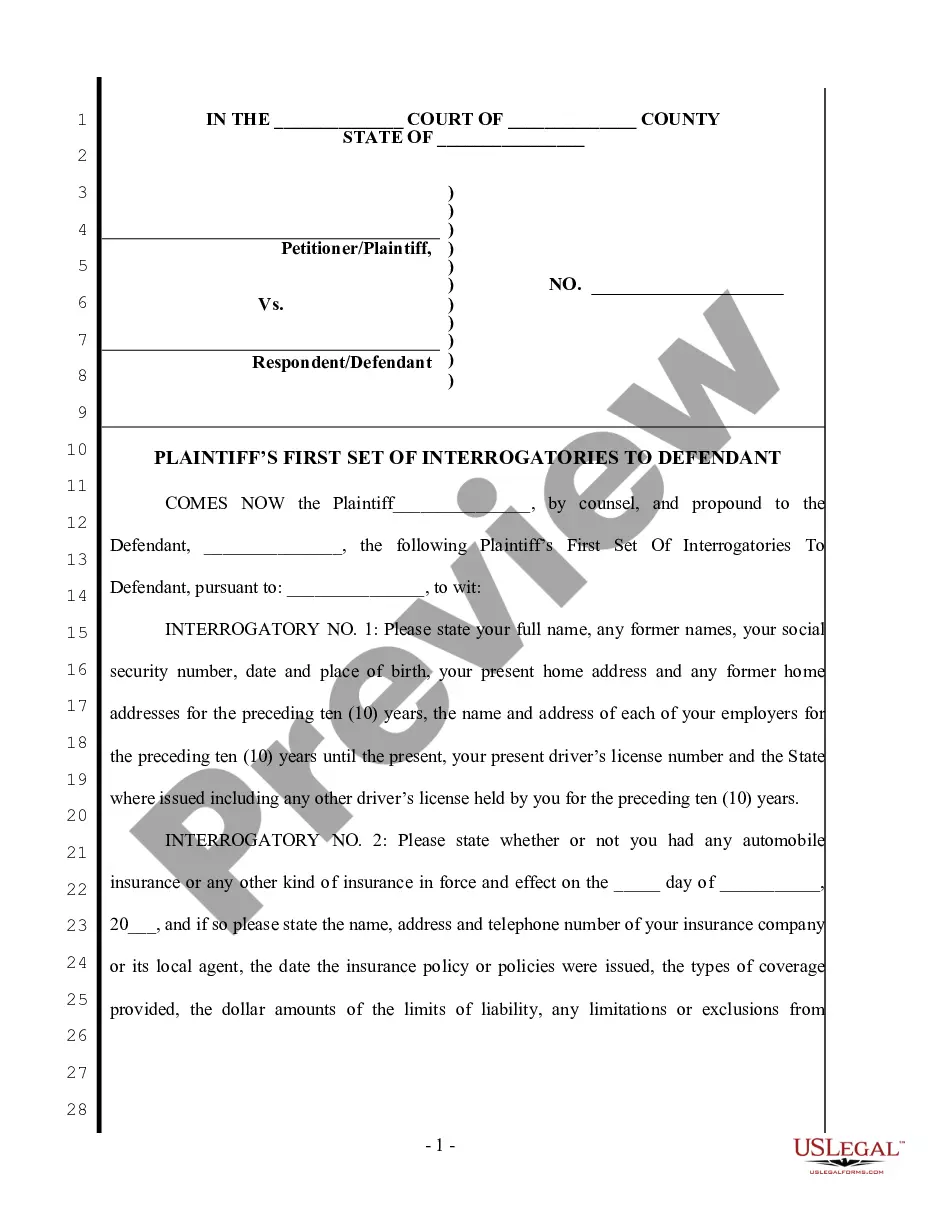
The Discovery Interrogatories for Divorce Proceeding form is a legal template designed for either the Plaintiff or Defendant in a divorce case. This form allows one party to formally request information and documentation from the other party to prepare for further proceedings. It differs from other forms by including specific interrogatories that address financial and property-related issues, ensuring a thorough discovery process during divorce litigation.
Key components of this form
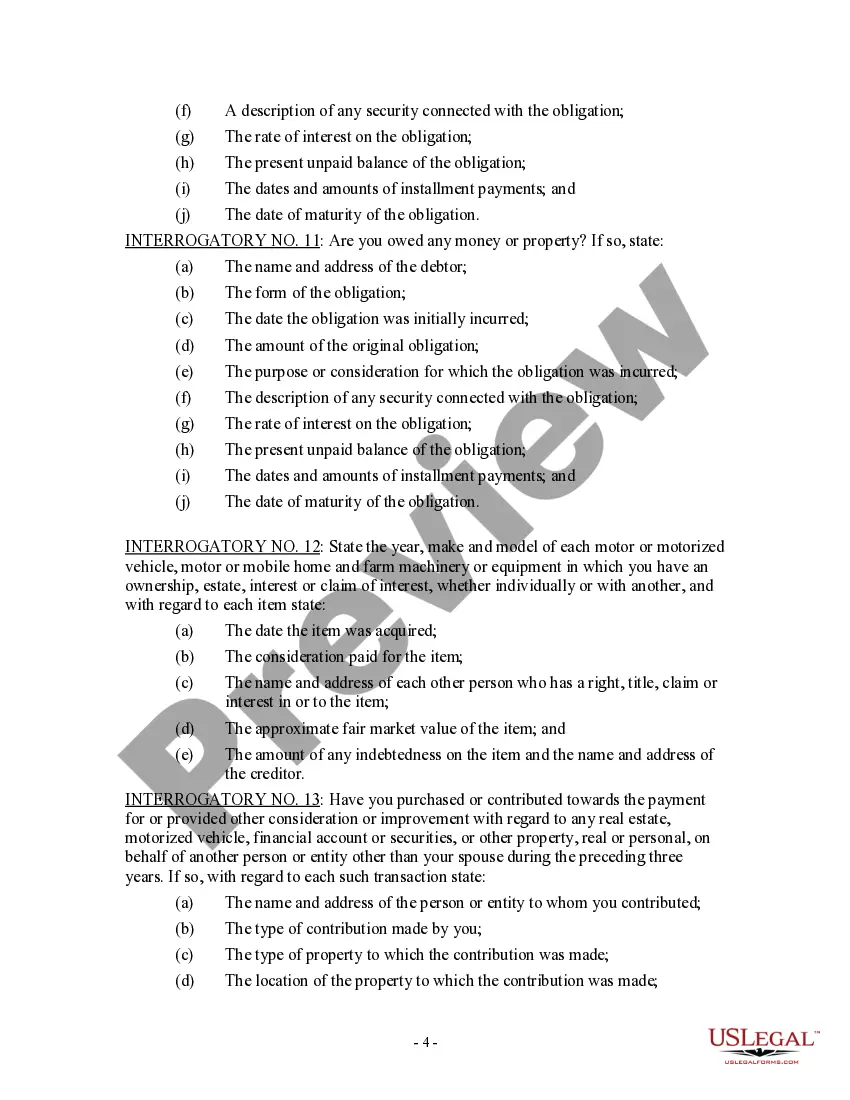
- Interrogatories that request personal information, including full name and address.
- Employment history for the past three years, including job titles and income details.
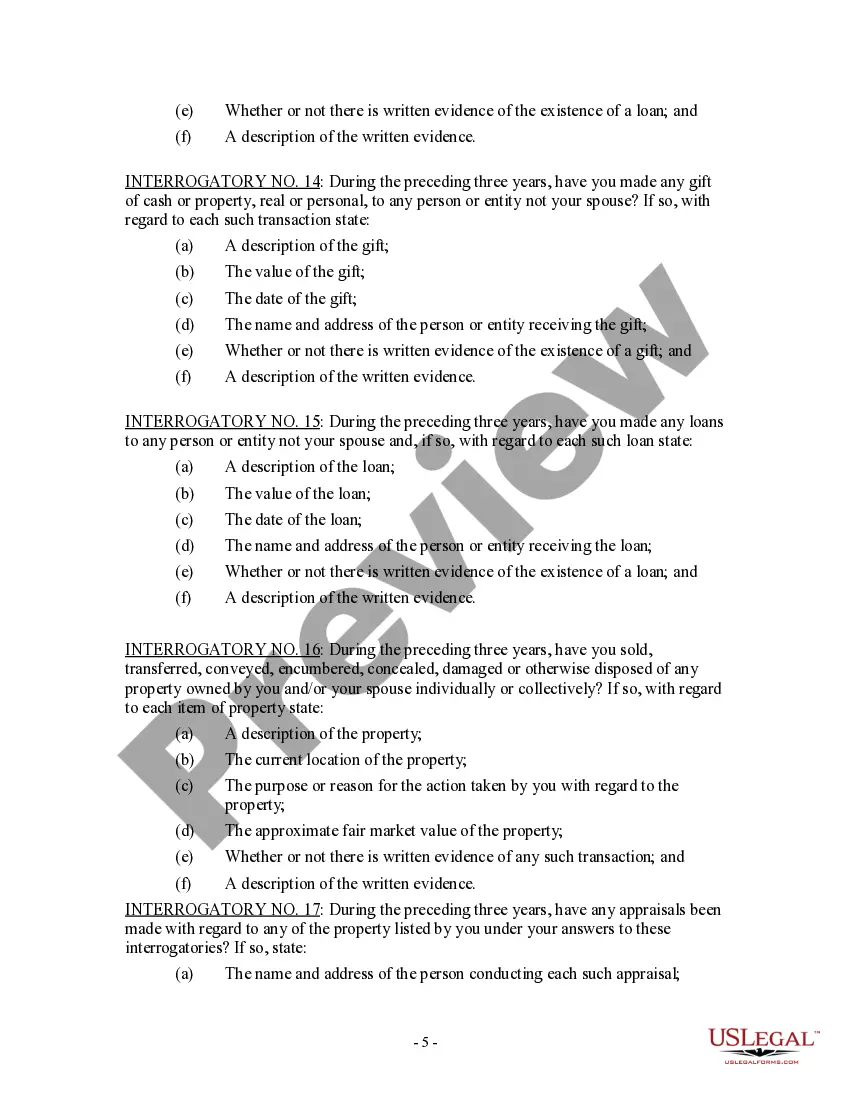
- Details surrounding real estate ownership and its current value.
- Financial accounts and investments, along with their balances.
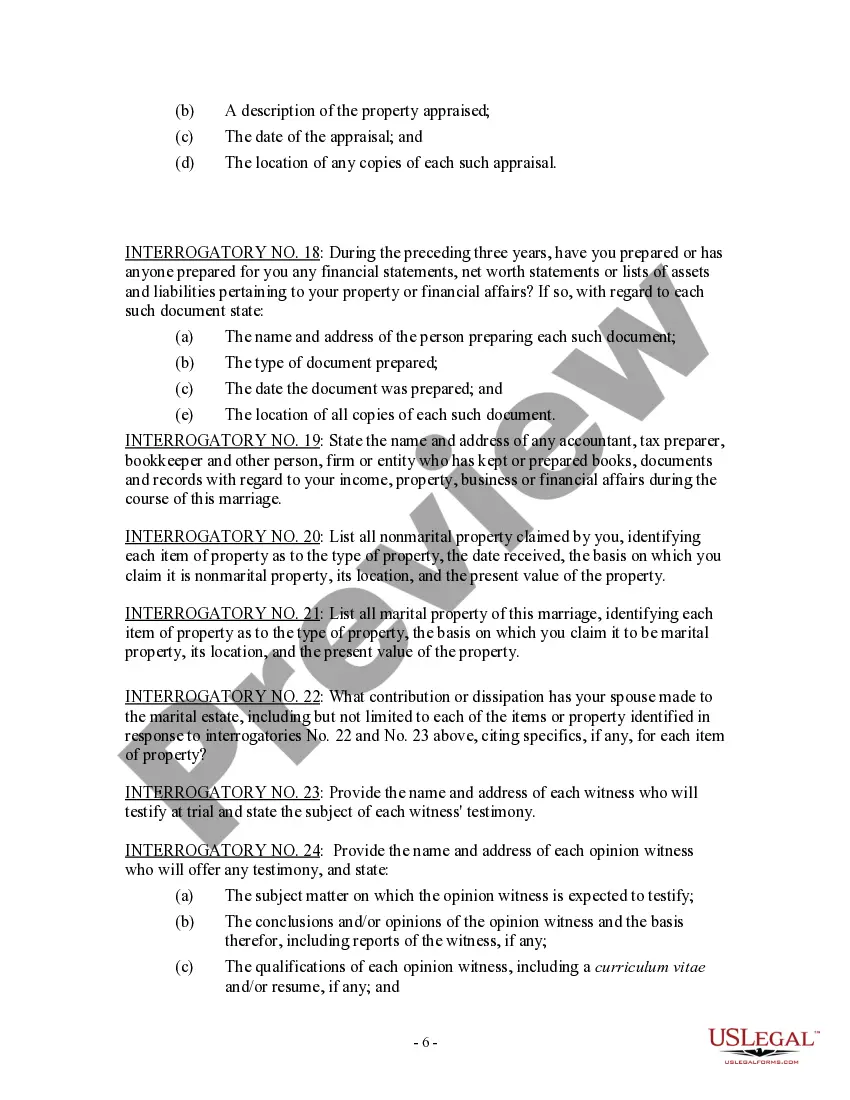
- Disclosure of any outstanding debts and obligations.
- Identification of marital and non-marital property.
When this form is needed
This form should be used during divorce proceedings when one party needs to gather pertinent information and documents from the other party. It is particularly useful when establishing asset division, determining spousal support, or verifying income and debts. Utilizing this form helps ensure all relevant financial matters are addressed and facilitates a fair negotiation process.
Who needs this form
This form is intended for:
- Individuals filing for divorce as either the Plaintiff or Defendant.
- Lawyers representing clients in divorce cases.
- Anyone needing to gather detailed financial and property disclosures as part of the divorce discovery process.
Instructions for completing this form
- Identify the parties involved in the divorce action and complete the identification section.
- Answer each interrogatory question thoroughly, providing accurate personal, financial, and property information.
- Include any additional questions relevant to your situation as needed.
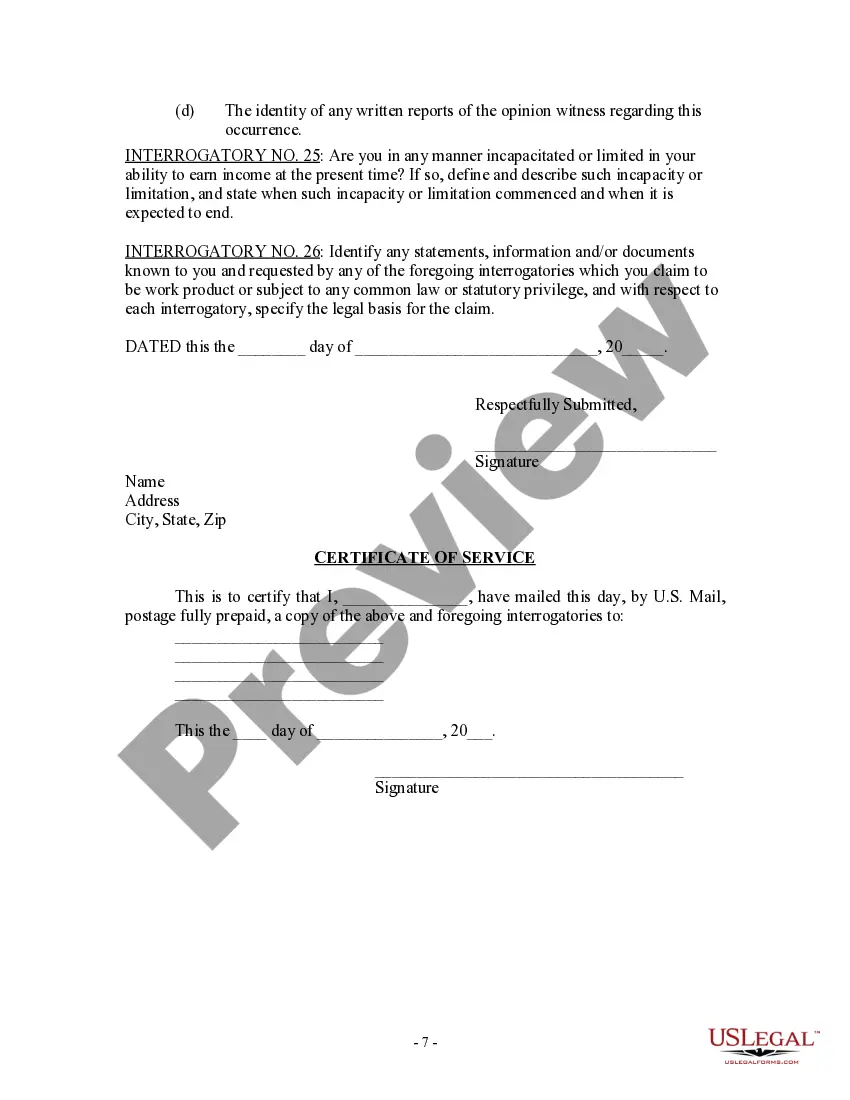
- Sign the form to certify the responses, ensuring the date is filled in correctly.
- File the completed form with the court and serve a copy to the other party as required.
Does this form need to be notarized?
This form does not typically require notarization unless specified by local law. However, users should verify any specific requirements in their jurisdiction to ensure the document is considered valid.
Get your form ready online
Our built-in tools help you complete, sign, share, and store your documents in one place.
Make edits, fill in missing information, and update formatting in US Legal Forms—just like you would in MS Word.
Download a copy, print it, send it by email, or mail it via USPS—whatever works best for your next step.
Sign and collect signatures with our SignNow integration. Send to multiple recipients, set reminders, and more. Go Premium to unlock E-Sign.
If this form requires notarization, complete it online through a secure video call—no need to meet a notary in person or wait for an appointment.
We protect your documents and personal data by following strict security and privacy standards.

Make edits, fill in missing information, and update formatting in US Legal Forms—just like you would in MS Word.

Download a copy, print it, send it by email, or mail it via USPS—whatever works best for your next step.

Sign and collect signatures with our SignNow integration. Send to multiple recipients, set reminders, and more. Go Premium to unlock E-Sign.

If this form requires notarization, complete it online through a secure video call—no need to meet a notary in person or wait for an appointment.

We protect your documents and personal data by following strict security and privacy standards.
Mistakes to watch out for
- Failing to answer all interrogatories completely.
- Omitting relevant financial information and documents.
- Not adjusting questions that do not apply to your specific case.
- Forgetting to sign and date the form before submission.
- Failing to serve the other party after filing with the court.
Why complete this form online
- Convenient access to a professionally drafted legal template.
- Easy to customize for unique personal circumstances.
- Immediate download for prompt action in your divorce proceedings.
- Clear instructions and structured format to simplify the process.
- Ensures compliance with legal formatting requirements.
Main things to remember
- The form allows Plaintiffs to gather critical information from Defendants during divorce proceedings.
- It includes both interrogatory questions and requests for document production.
- Completing the form accurately and thoroughly is essential for effective legal proceedings.
- Utilizing online forms can simplify the process and ensure legal compliance.
Looking for another form?
Form popularity
FAQ
While interrogatories can be beneficial, they also come with drawbacks. Responses can take time, as you must answer thoroughly and truthfully to avoid penalties. Additionally, Delaware Discovery Interrogatories for Divorce Proceeding for either Plaintiff or Defendant - Another Form can sometimes reveal sensitive information that may be used against you later. It is advisable to work closely with an attorney to navigate these risks effectively.
The four primary types of discovery in divorce proceedings include interrogatories, depositions, requests for production of documents, and requests for admissions. Each of these forms plays a vital role in gathering the necessary information to support your case. Utilizing Delaware Discovery Interrogatories for Divorce Proceeding for either Plaintiff or Defendant - Another Form allows for a structured way to obtain information that can influence decisions later in the process. Understanding these types will help you strategize effectively.
Yes, interrogatories are a crucial part of the discovery process in Delaware's divorce proceedings. They allow parties to obtain valuable information from each other, helping to clarify the issues involved in the case. Engaging with Delaware Discovery Interrogatories for Divorce Proceeding for either Plaintiff or Defendant - Another Form can significantly impact your case outcome. This interaction is aimed at preparing both parties for trial or potentially reaching a settlement.
Generally, you may have grounds to refuse to answer specific interrogatories if they are overly broad, irrelevant, or seek privileged information. However, Delaware Discovery Interrogatories for Divorce Proceeding for either Plaintiff or Defendant - Another Form are designed to ensure transparency. Therefore, you should consult your attorney to understand your rights and obligations when responding to interrogatories. If necessary, your lawyer can assist in objecting to improper requests.
A plaintiff may serve Delaware Discovery Interrogatories for Divorce Proceeding for either Plaintiff or Defendant - Another Form once the defendant has been officially served with the divorce complaint. This process ensures that both parties are engaged in the exchange of information early in the proceedings. Typically, this can happen as soon as the initial response period has commenced. It’s essential to understand the timeline to effectively manage your divorce case.
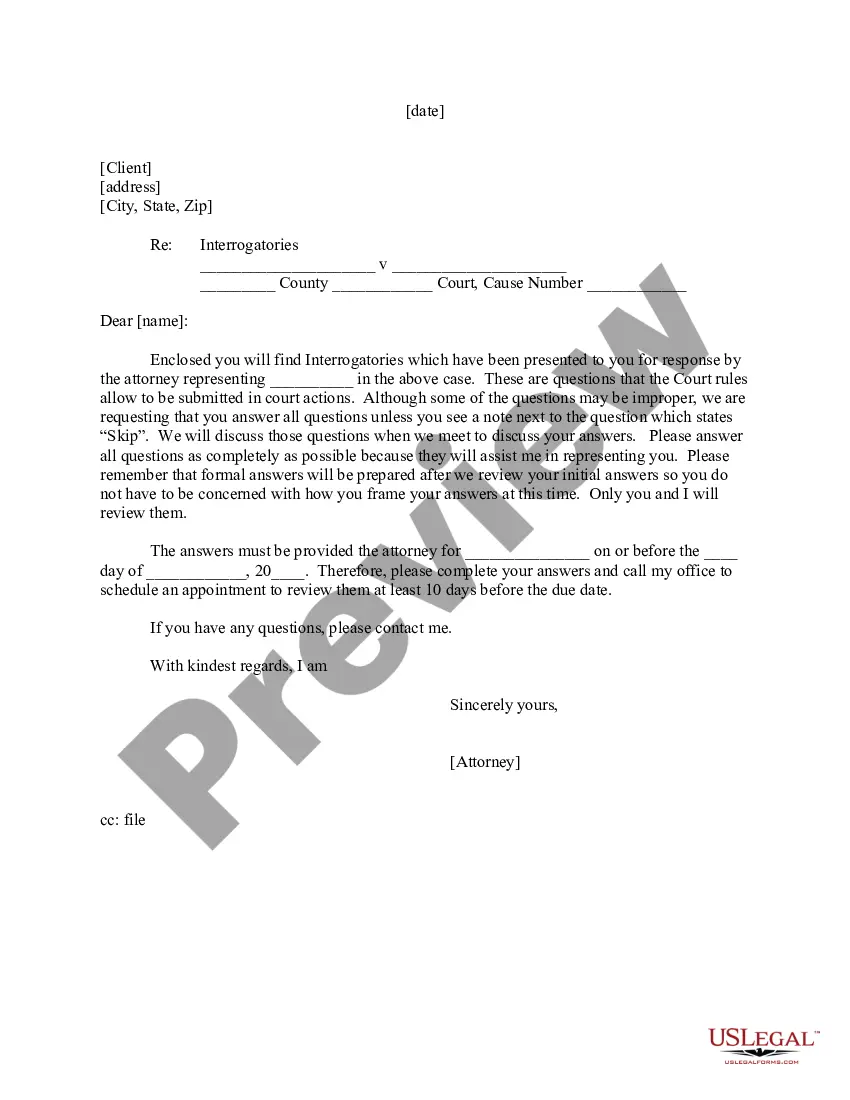
To answer or respond to interrogatories, begin by thoroughly reviewing each question to ensure you understand what is being asked. Provide clear, concise answers while being truthful and comprehensive. If necessary, refer to resources like uslegalforms that can assist you in formulating your responses for Delaware Discovery Interrogatories for Divorce Proceeding for either Plaintiff or Defendant - Another Form. Timely and accurate responses are critical in the legal process.
The format for an interrogatories answer typically includes the question restated at the top, followed by a clear and direct response. Ensure to number each question and provide detailed responses that relate directly to the inquiry. Properly structured answers are vital when dealing with Delaware Discovery Interrogatories for Divorce Proceeding for either Plaintiff or Defendant - Another Form, helping to maintain clarity and organization throughout the process.
In interrogatories, you cannot ask questions that invade privacy or require privileged information. For example, you cannot compel an opposing party to disclose communications with their attorney. Understanding these limitations is crucial when drafting your Delaware Discovery Interrogatories for Divorce Proceeding for either Plaintiff or Defendant - Another Form. Always ensure your questions are relevant and appropriate to avoid objections.
Yes, interrogatories are typically sent by one party to another in a legal proceeding. This process allows both the Plaintiff and Defendant to gather essential information relevant to their case. In the context of Delaware Discovery Interrogatories for Divorce Proceeding for either Plaintiff or Defendant - Another Form, exchanging interrogatories can help clarify issues related to divorce, ultimately aiding in meaningful discussions or settlements.
In a trial, you can use interrogatory responses as evidence to support your case or to challenge the opposing party's claims. These responses may help clarify positions and corroborate other evidence presented. By utilizing Delaware Discovery Interrogatories for Divorce Proceeding for either Plaintiff or Defendant - Another Form, you can build a compelling narrative that bolsters your argument in court. Ensure you familiarize yourself with these responses prior to the trial.