District of Columbia Concrete Mason Contract for Contractor
Understanding this form
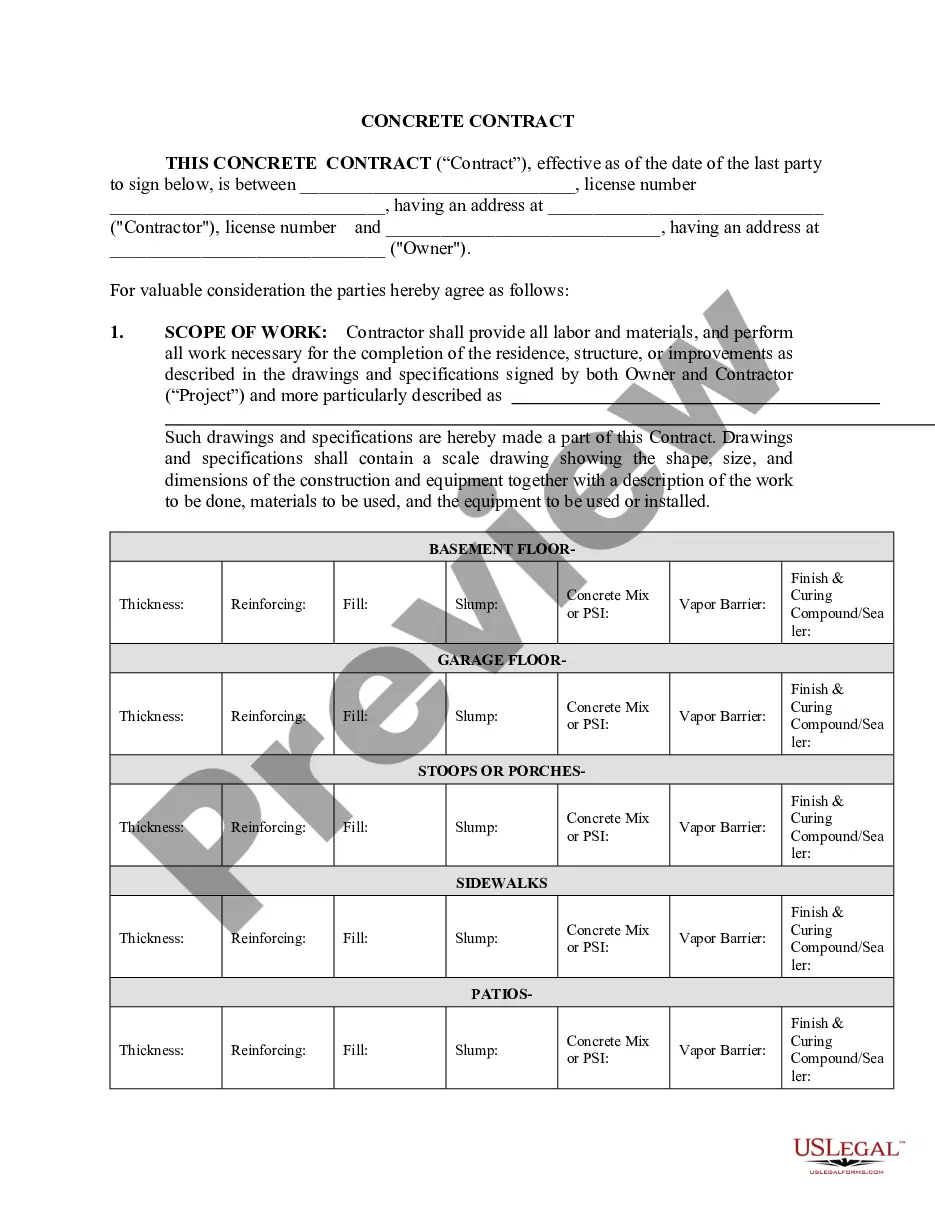
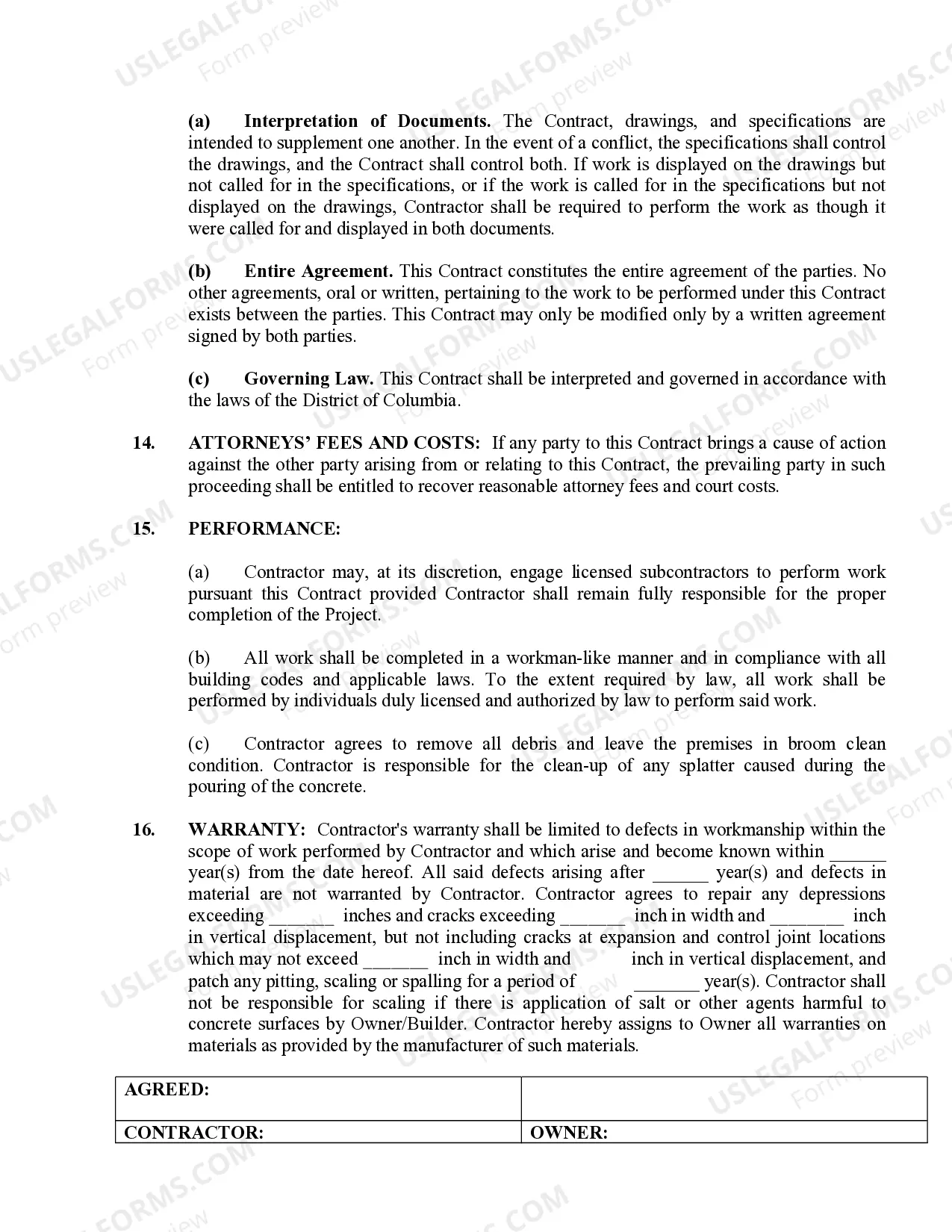
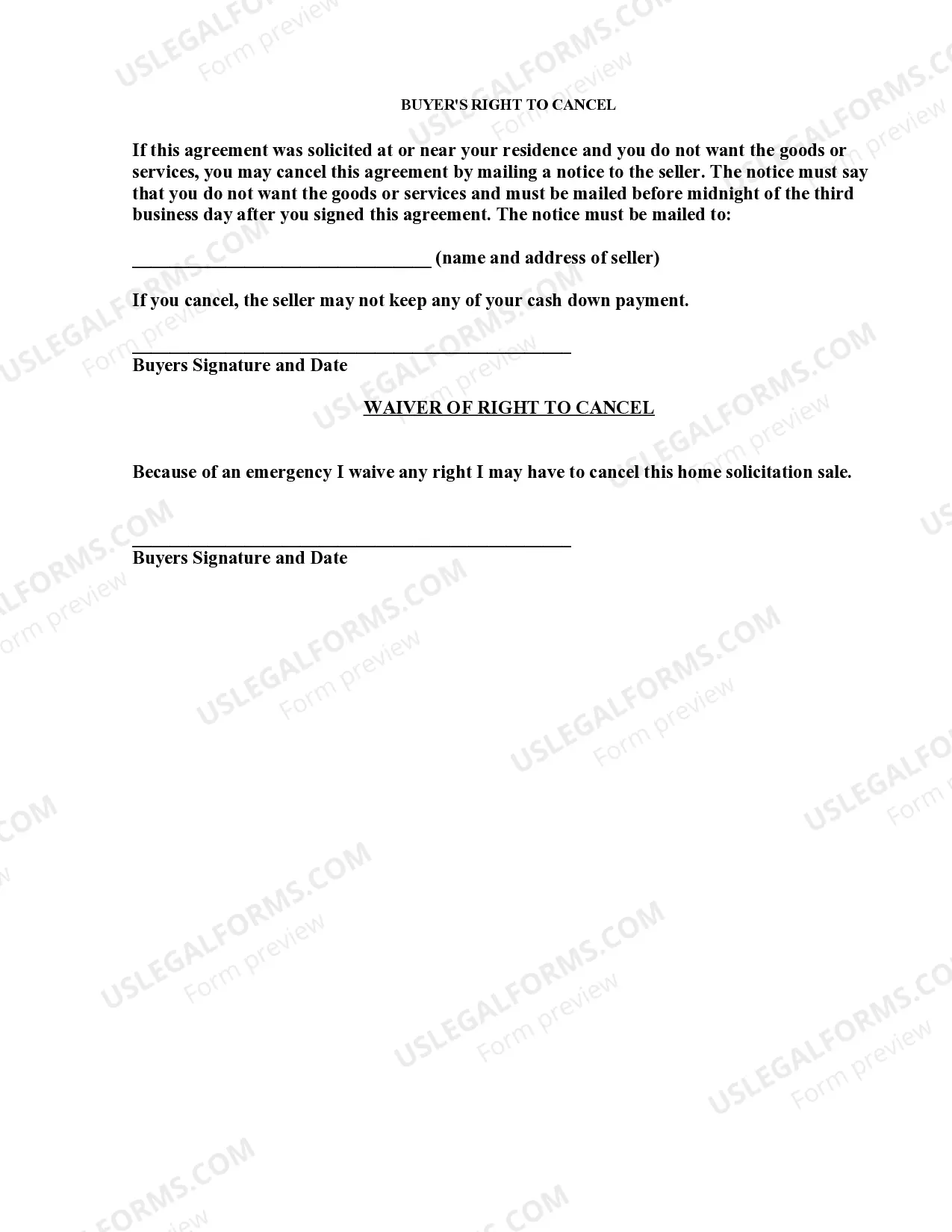
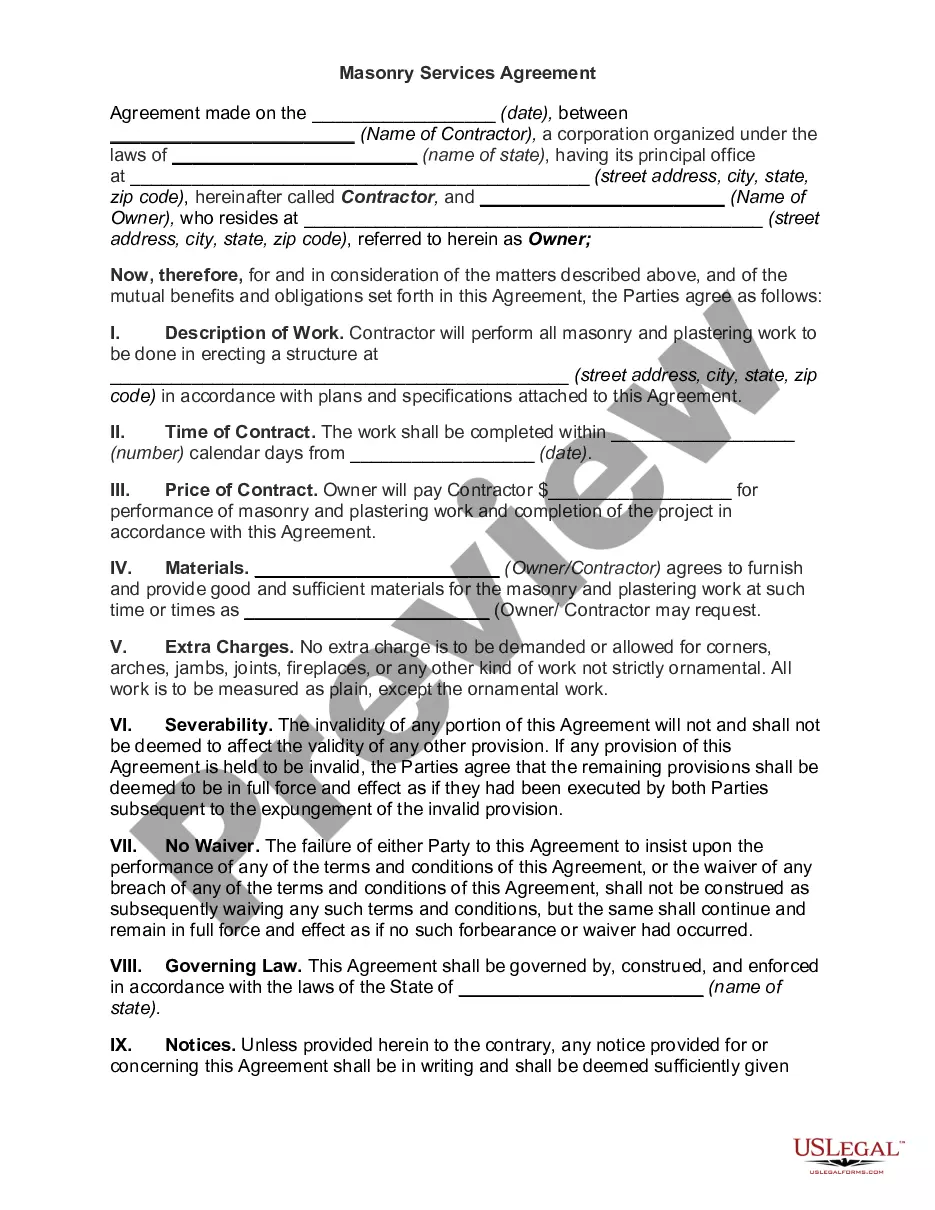
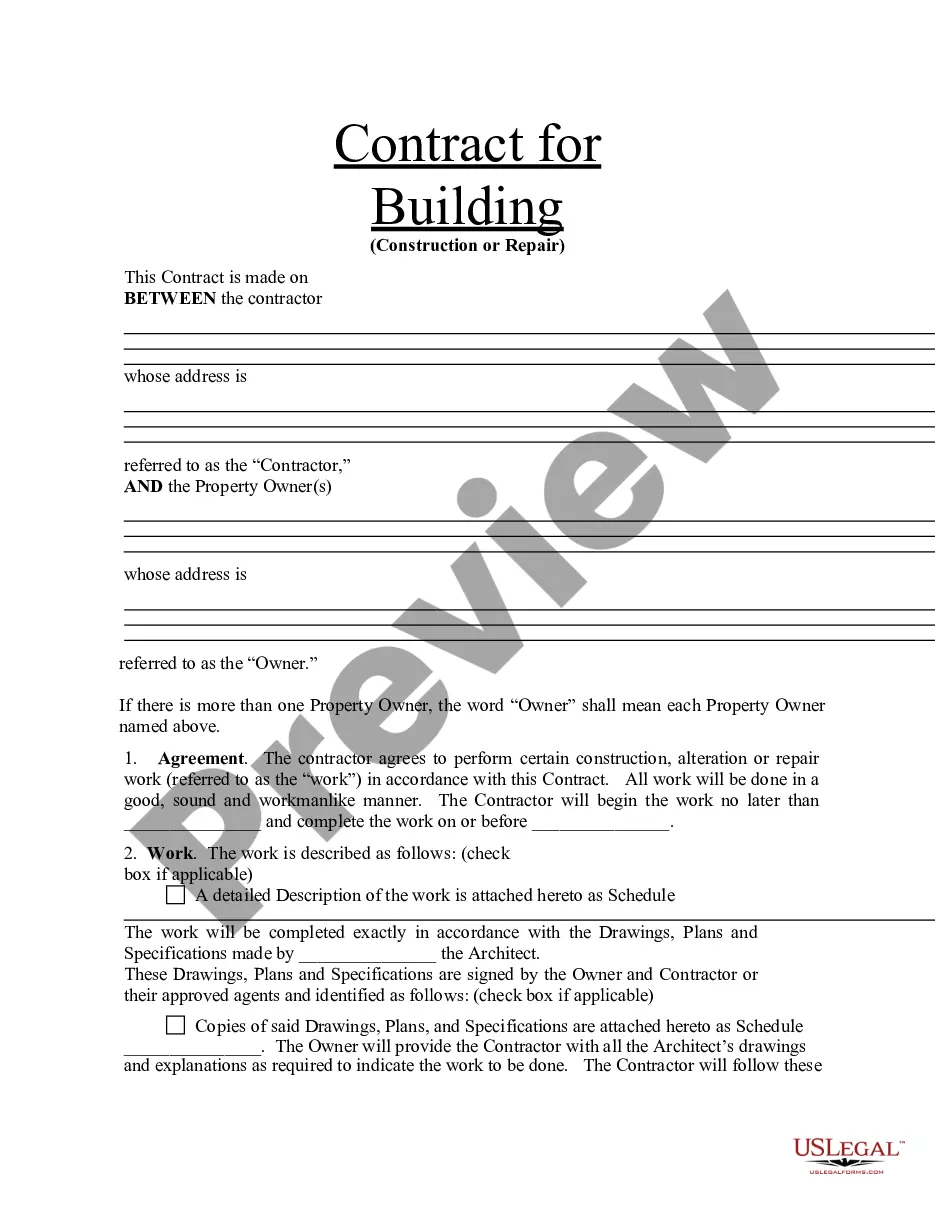
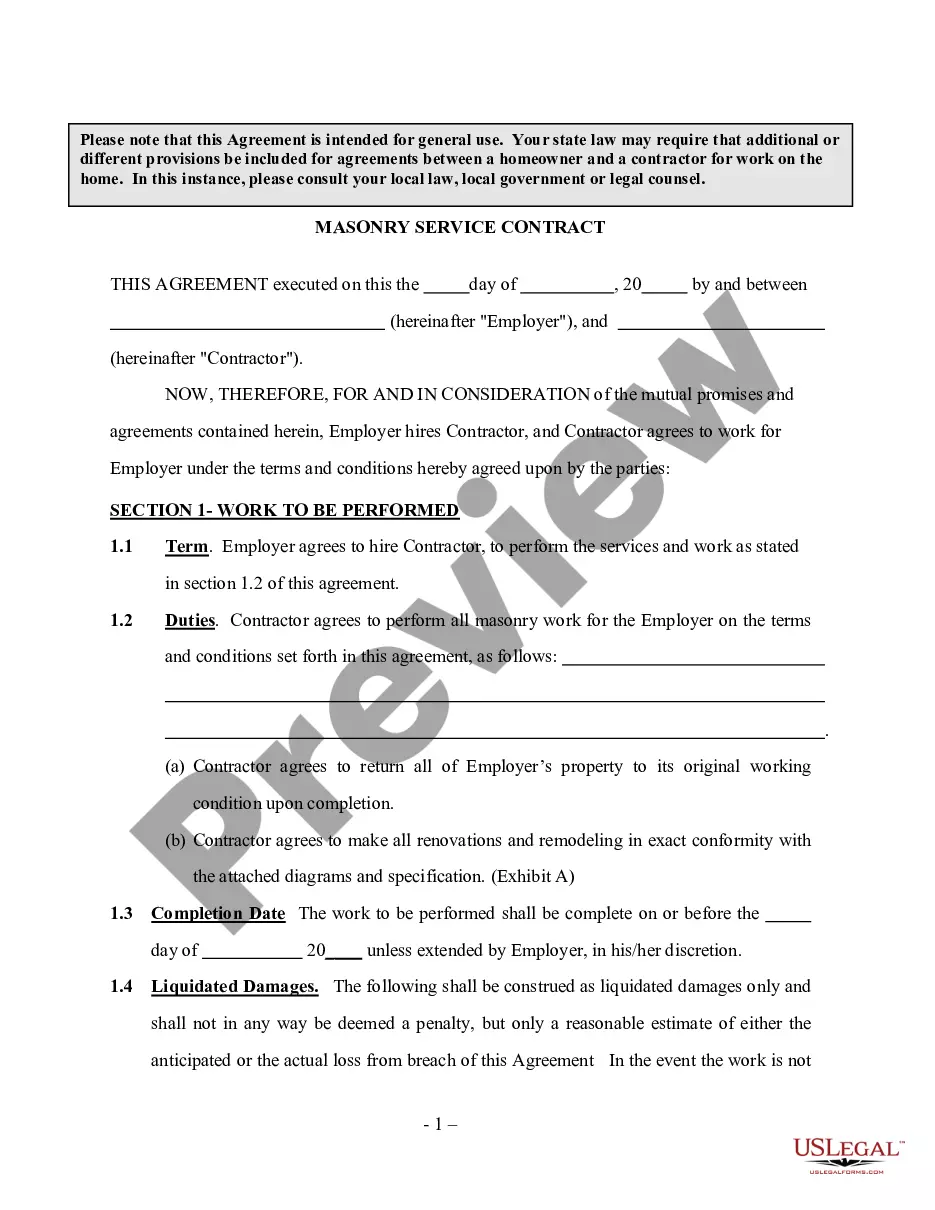
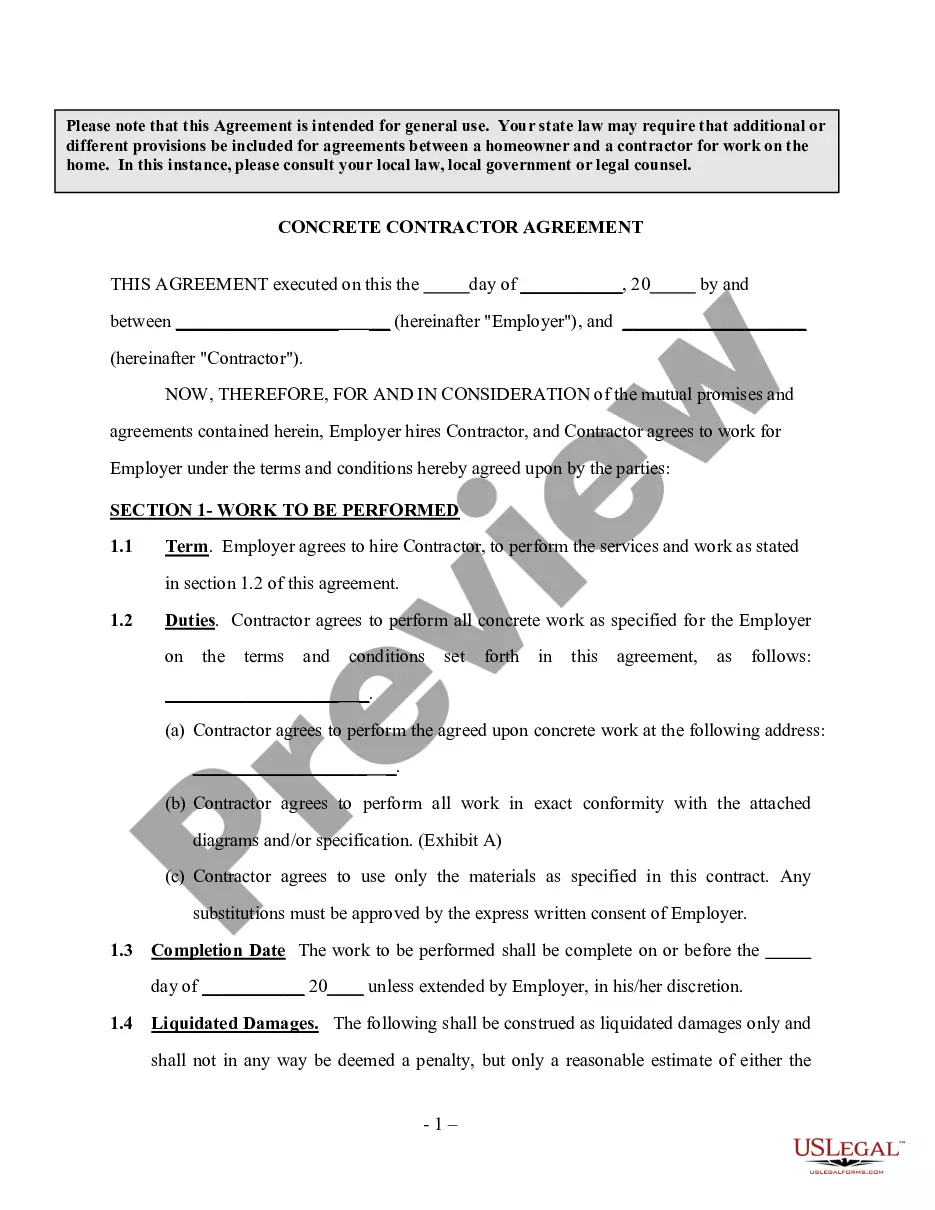
The Concrete Mason Contract for Contractor is a legal agreement between concrete masonry contractors and property owners. This form outlines the terms of the project, including payment arrangements, responsibilities, and procedures for change orders. It is specifically tailored to comply with the legal standards in the District of Columbia, ensuring that both parties have a clear understanding of their rights and obligations throughout the construction process.
Form components explained
- Parties involved: Identifies the contractor and owner by name and address.
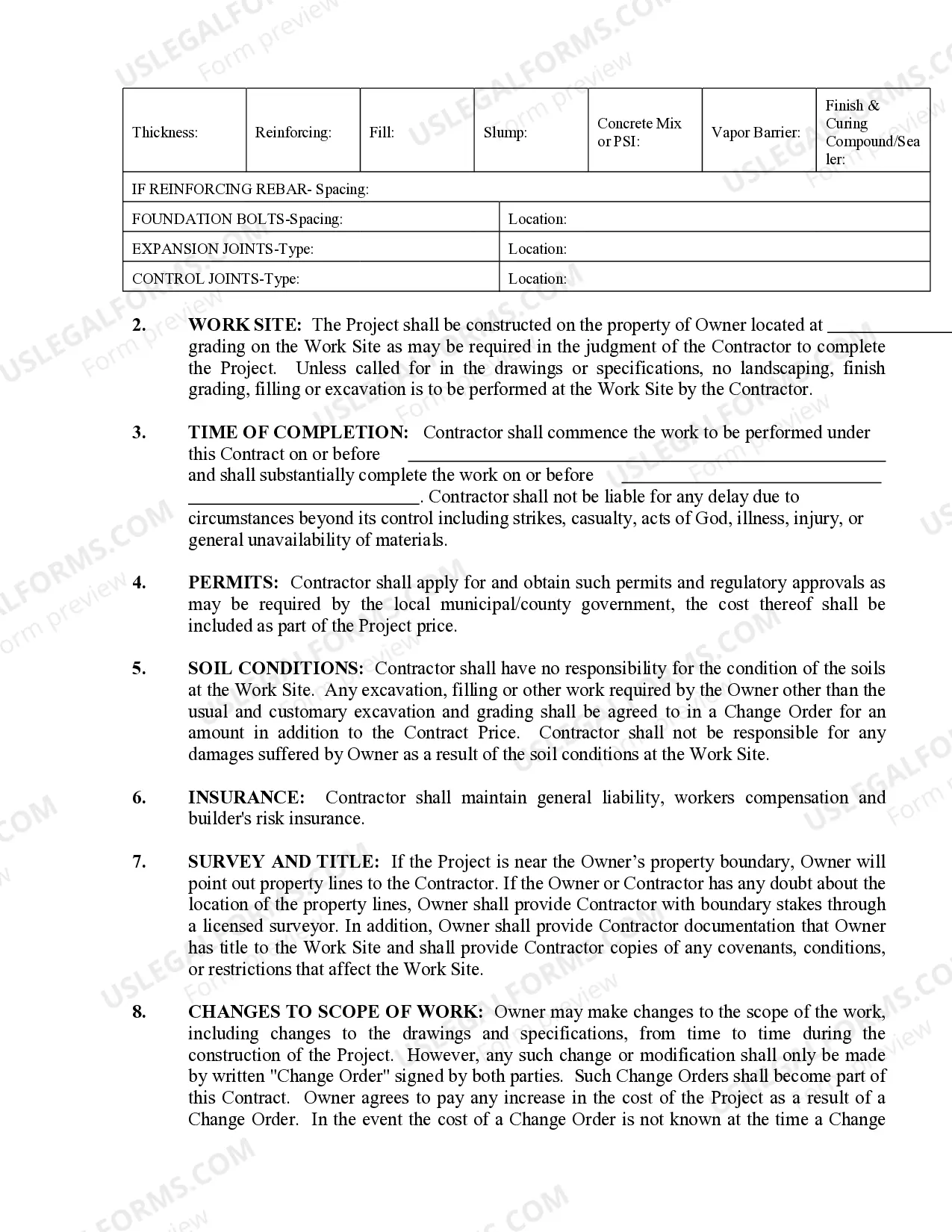
- Permits: Specifies that the contractor will obtain necessary permits for the project.
- Insurance: Mandates the contractor to maintain relevant insurance coverage.
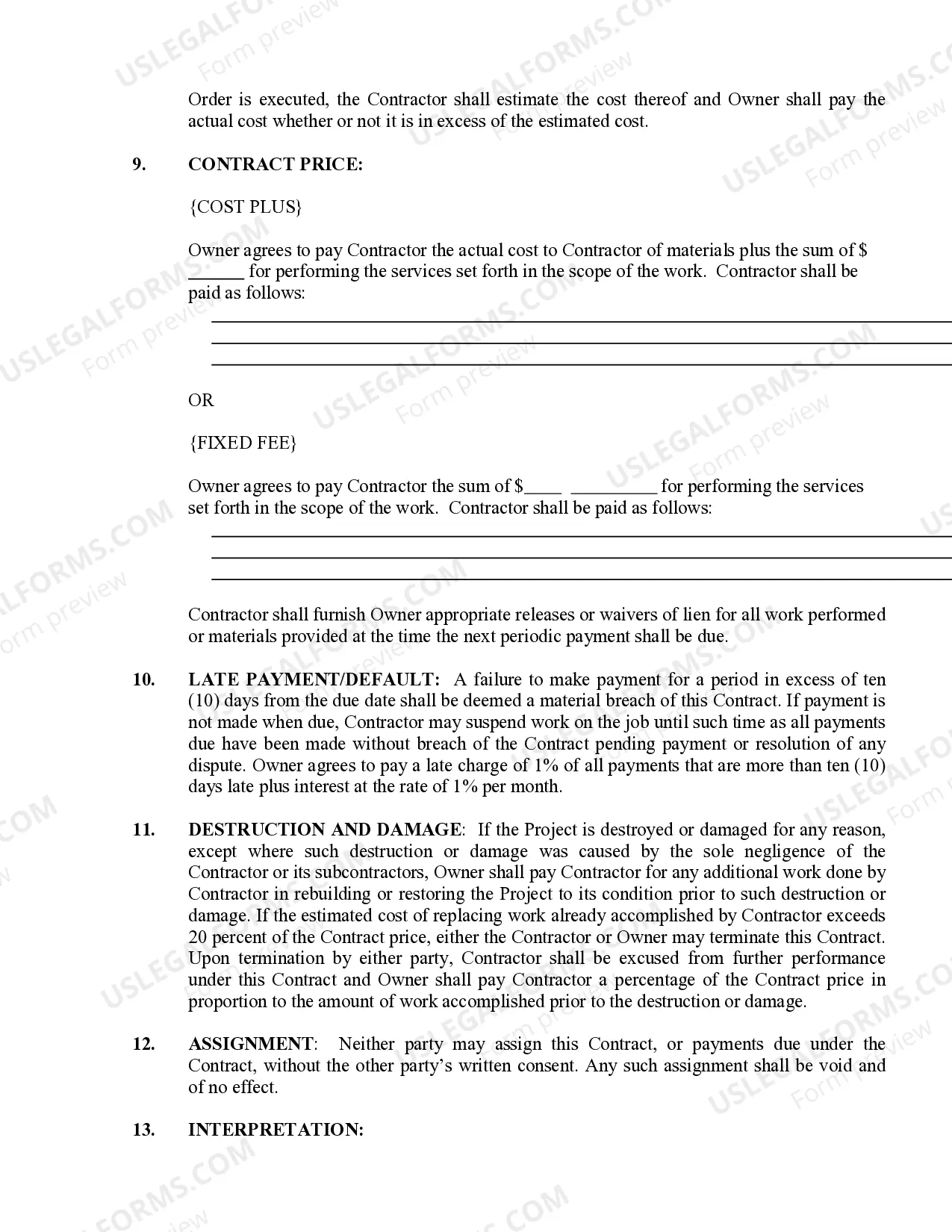
- Changes to scope of work: Outlines how changes can be made and the costs associated with them.
- Contract price and payment terms: States whether the pricing is fixed or cost-plus and details payment procedures.
- Termination and damages: Details the conditions under which the contract can be terminated and how damages will be handled.

When to use this document
This contract should be utilized when a property owner hires a concrete masonry contractor for projects such as driveways, sidewalks, foundations, or other concrete work. It is essential when clear terms regarding pricing, responsibilities, and insurance coverage are needed to protect both parties throughout the duration of the project.
Who should use this form
This form is suitable for:
- Concrete masonry contractors operating in the District of Columbia.
- Property owners who are planning to have concrete work completed on their property.
- Individuals or companies seeking to establish legally binding terms for construction projects.
Instructions for completing this form
- Identify the parties: Enter the names and addresses of the contractor and property owner.
- Specify project details: Clearly outline the scope of work to be completed.
- Determine payment terms: Indicate whether the payment will be a fixed fee or cost-plus arrangement.
- Include insurance details: Ensure the contractor agrees to maintain necessary insurance coverage.
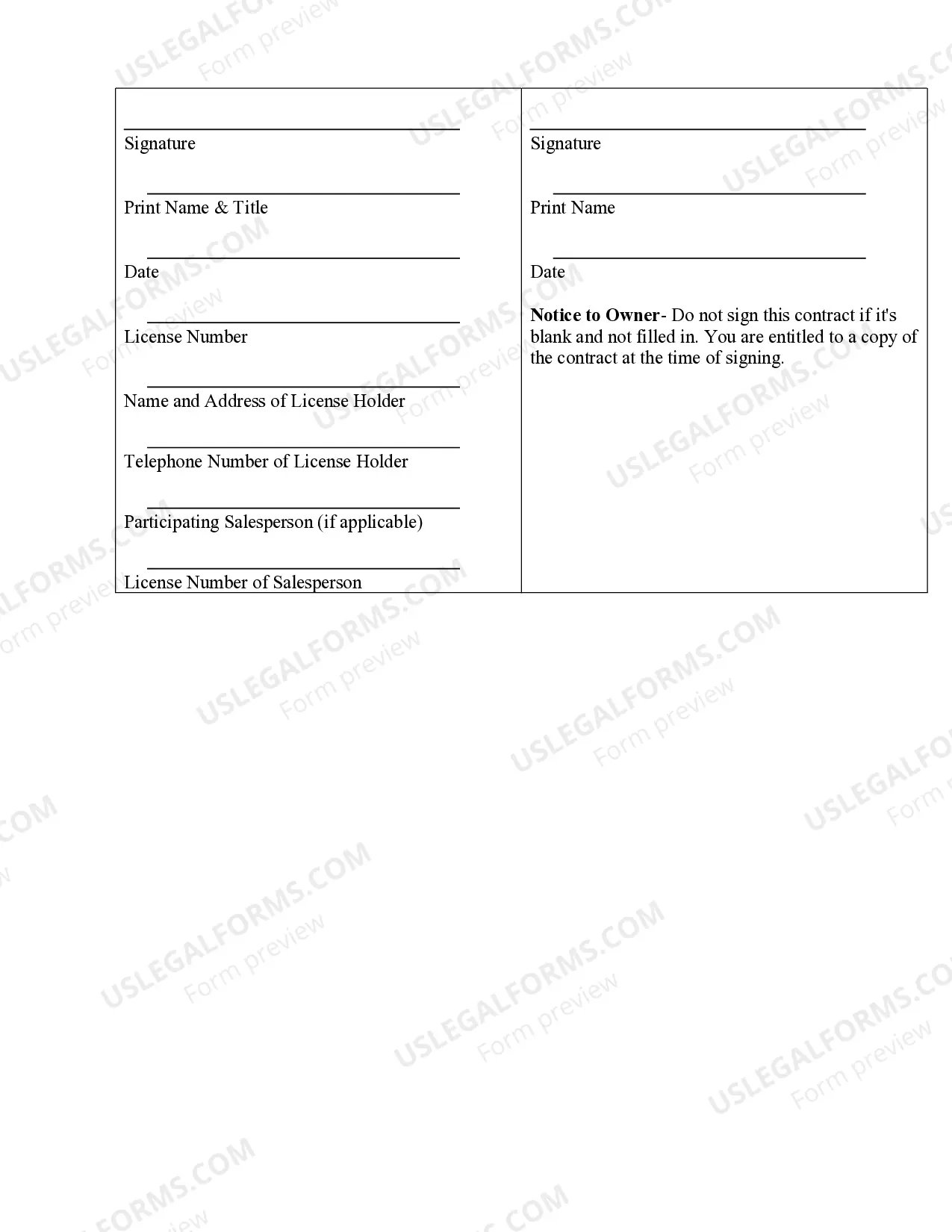
- Sign and date the contract: Both parties should sign and date the contract, ensuring its validity.
Is notarization required?
This form usually doesn’t need to be notarized. However, local laws or specific transactions may require it. Our online notarization service, powered by Notarize, lets you complete it remotely through a secure video session, available 24/7.
Get your form ready online
Our built-in tools help you complete, sign, share, and store your documents in one place.
Make edits, fill in missing information, and update formatting in US Legal Forms—just like you would in MS Word.
Download a copy, print it, send it by email, or mail it via USPS—whatever works best for your next step.
Sign and collect signatures with our SignNow integration. Send to multiple recipients, set reminders, and more. Go Premium to unlock E-Sign.
If this form requires notarization, complete it online through a secure video call—no need to meet a notary in person or wait for an appointment.
We protect your documents and personal data by following strict security and privacy standards.

Make edits, fill in missing information, and update formatting in US Legal Forms—just like you would in MS Word.

Download a copy, print it, send it by email, or mail it via USPS—whatever works best for your next step.

Sign and collect signatures with our SignNow integration. Send to multiple recipients, set reminders, and more. Go Premium to unlock E-Sign.

If this form requires notarization, complete it online through a secure video call—no need to meet a notary in person or wait for an appointment.

We protect your documents and personal data by following strict security and privacy standards.
Typical mistakes to avoid
- Failing to specify project details clearly, leading to misunderstandings.
- Not including payment terms, which can cause disputes over costs.
- Overlooking the necessity of change orders for any modifications during the project.
- Neglecting to ensure both parties sign and date the agreement.
Why use this form online
- Convenience: Easily download the form and fill it out at your own pace.
- Editability: Customize the contract to fit specific project needs before finalizing it.
- Reliability: Forms are drafted by licensed attorneys, ensuring they meet legal standards.
Looking for another form?

Form popularity
FAQ
To write a simple contract, begin by identifying the parties involved and the obligations of each party. Clearly state the purpose of the contract and any terms that govern the agreement. For projects related to the District of Columbia Concrete Mason Contract for Contractor, ensure to include any local regulations to maintain compliance.
The five essential elements of a construction contract include offer, acceptance, consideration, mutual assent, and a legal purpose. Clearly defining these components can enhance the clarity and enforceability of your agreement. This is crucial when working under the District of Columbia Concrete Mason Contract for Contractor.
Creating a proper construction contract involves specifying the project scope, deadlines, and payment terms. Include provisions for changes and dispute resolution to manage unexpected situations. Utilizing resources like USLegalForms can guide you in drafting a compliant and effective District of Columbia Concrete Mason Contract for Contractor.
To write a concrete contract, start by detailing the project's specifics, such as materials, labor, and timelines. Also, incorporate payment terms, project milestones, and consequences of non-compliance. This ensures everyone is aligned, fostering a successful engagement under the District of Columbia Concrete Mason Contract for Contractor.
When writing construction contracts, avoid vague language that can lead to misunderstandings. It's important to stay clear of unclear payment structures and unrealistic timelines. By being specific and comprehensive, you can enhance the clarity of your agreement while complying with the District of Columbia Concrete Mason Contract for Contractor.
Yes, contractors in the District of Columbia must be licensed to operate legally. This requirement helps ensure that contractors comply with local laws and maintain industry standards. If you are engaging in a project involving concrete masonry, confirm that your contractor holds the necessary licenses under the District of Columbia Concrete Mason Contract for Contractor.
To fill out a contractor agreement, start by collecting necessary information, including the project details and the parties involved. Clearly outline the scope of work, payment terms, deadlines, and any specific regulations related to the District of Columbia Concrete Mason Contract for Contractor. Make sure to review the agreement for completeness and accuracy before signing.
A masonry contractor specializes in constructing structures using materials like brick, concrete, and stone. They manage tasks such as building walls, sidewalks, and patios. Hiring a qualified masonry contractor ensures that your project meets safety codes and aesthetic desires. For homeowners in the District of Columbia, selecting the right contractor is essential for a successful District of Columbia Concrete Mason Contract for Contractor.
Structuring a construction bid entails presenting a clear outline of costs, services, and schedule. Begin with a cover letter, followed by a detailed breakdown of materials, labor costs, and any subcontracted work. Conclude with terms and conditions that govern the project. A well-structured bid can enhance your chances of securing a District of Columbia Concrete Mason Contract for Contractor.
Writing a concrete contract involves clearly outlining the scope of work, materials, costs, timelines, and payment terms. Start by including the project details and any specific requirements you need. Make sure both parties agree to the terms before signing; this ensures a mutual understanding of the project. You can use templates available on platforms like USLegalForms to help you create a comprehensive District of Columbia Concrete Mason Contract for Contractor.