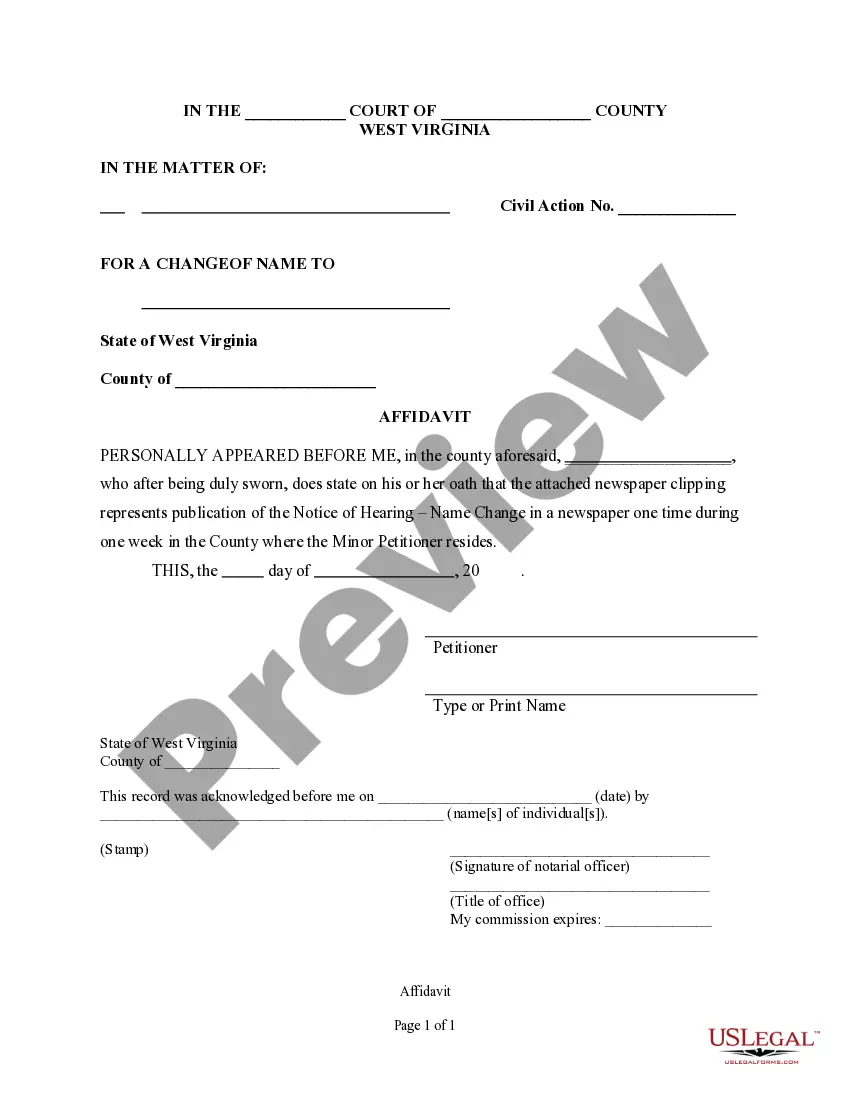
Proposal to authorize and issue subordinated convertible debentures
What this document covers
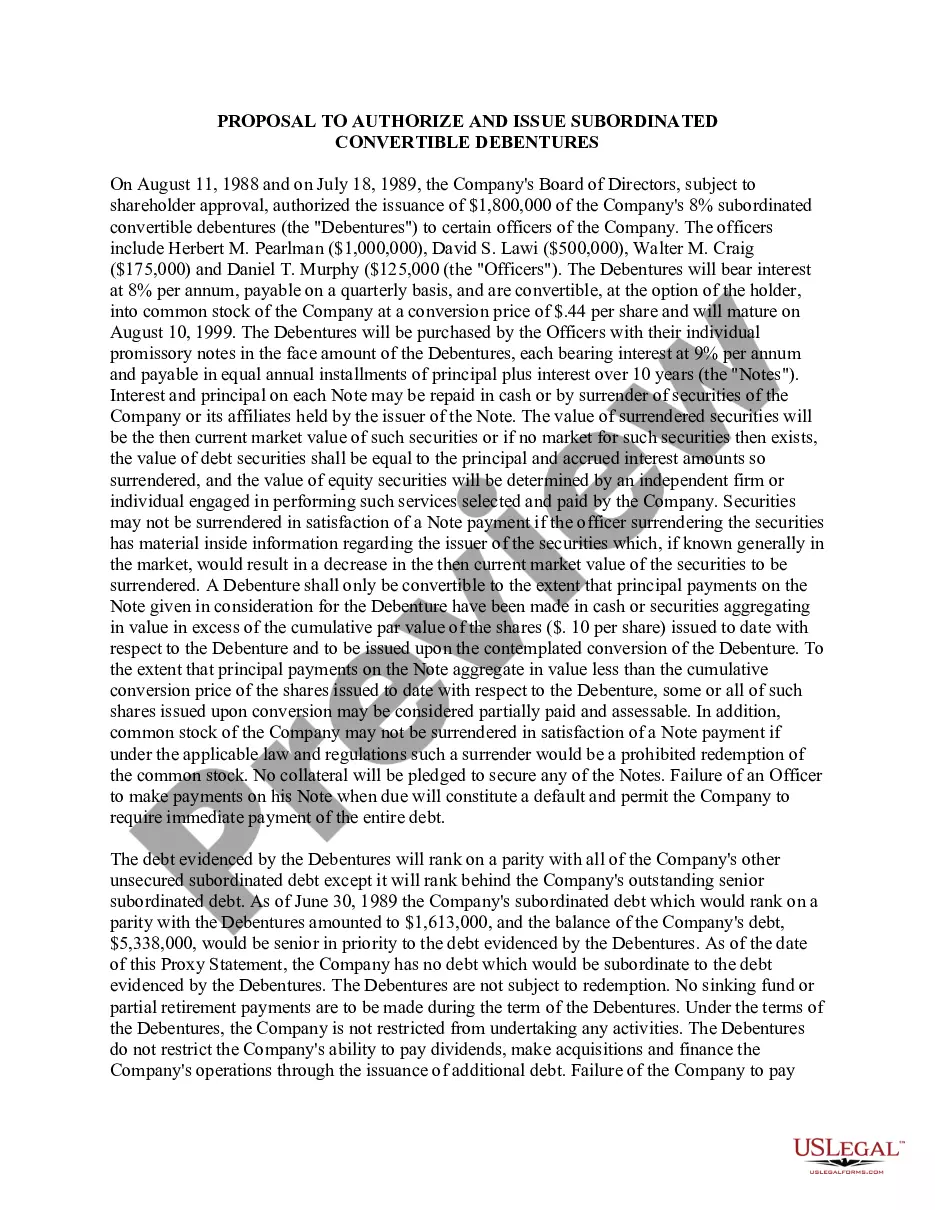
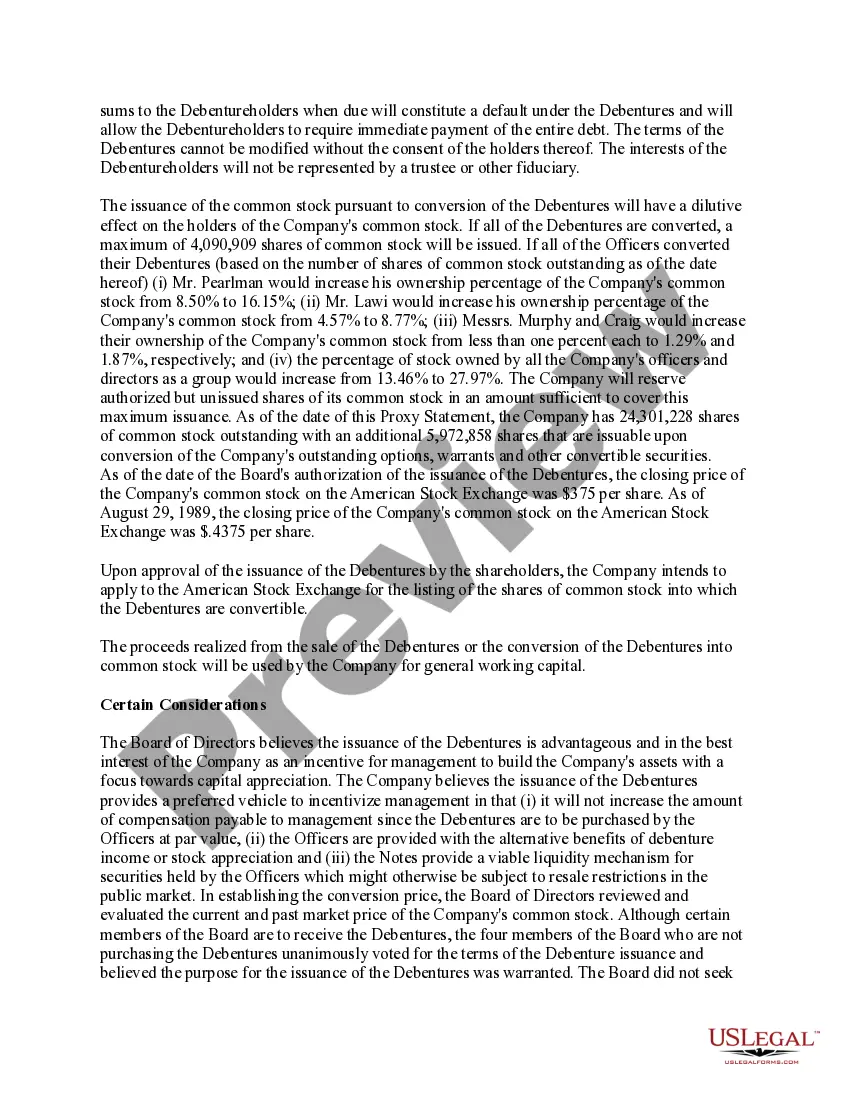
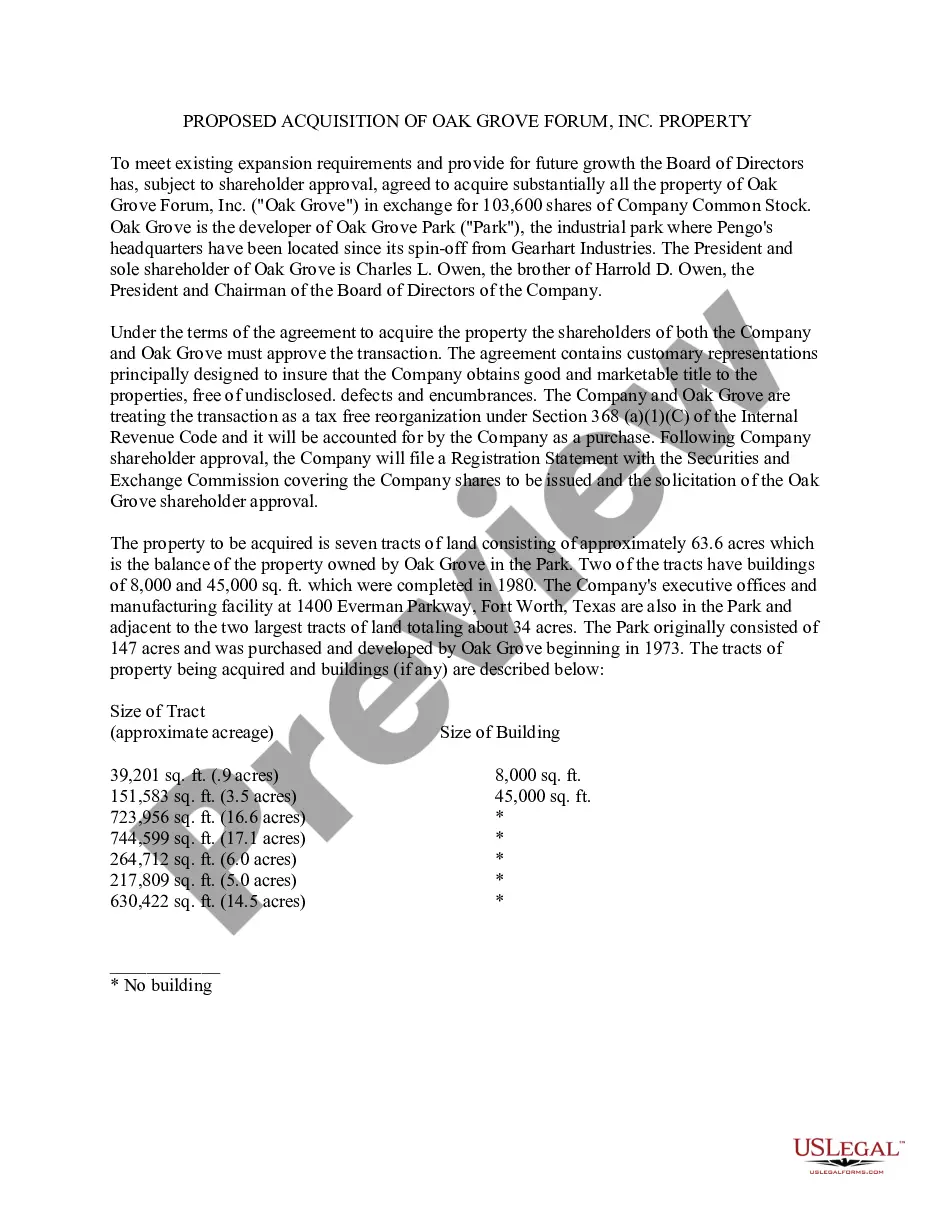
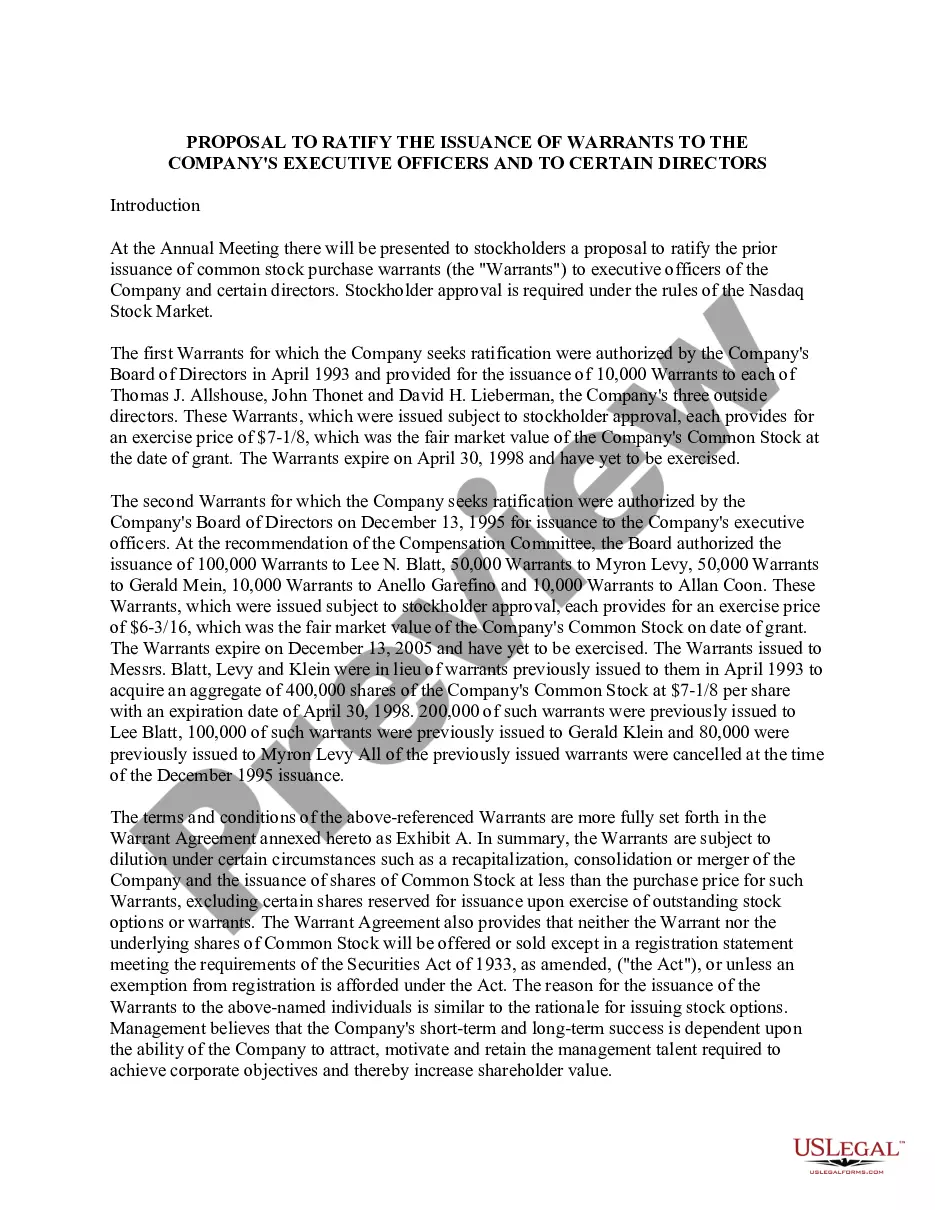
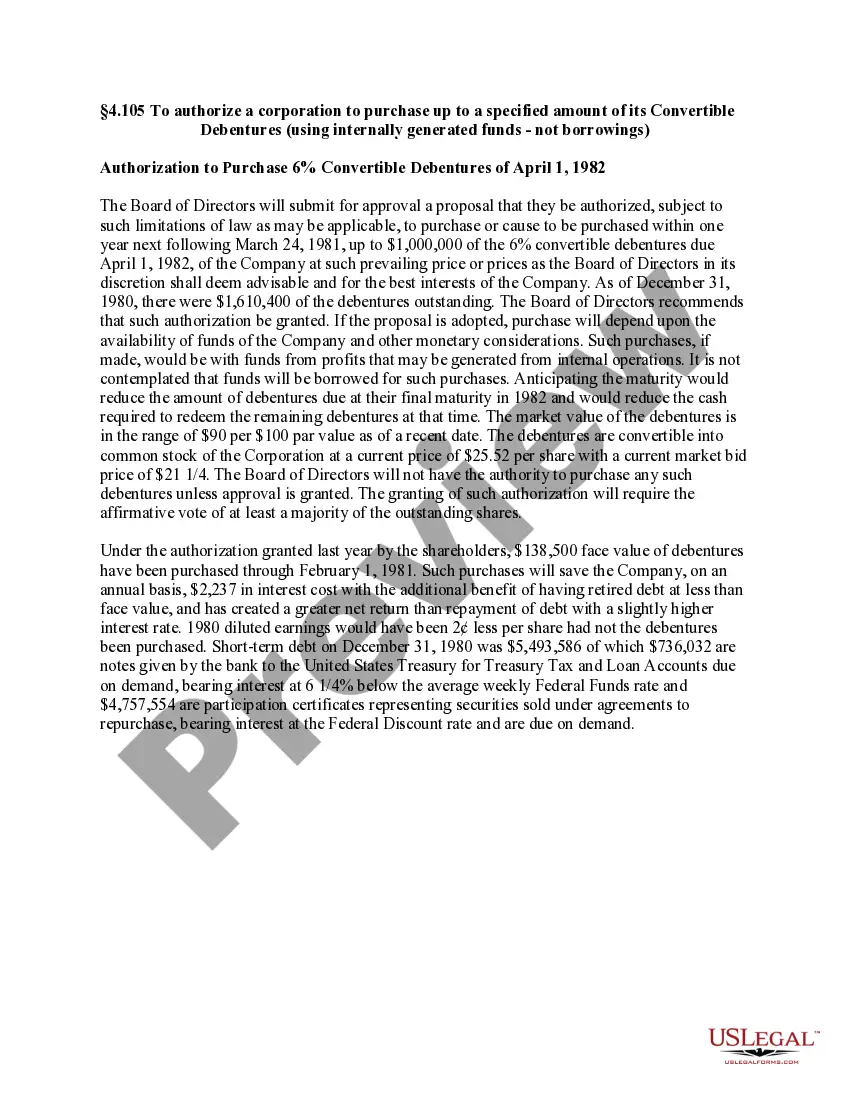
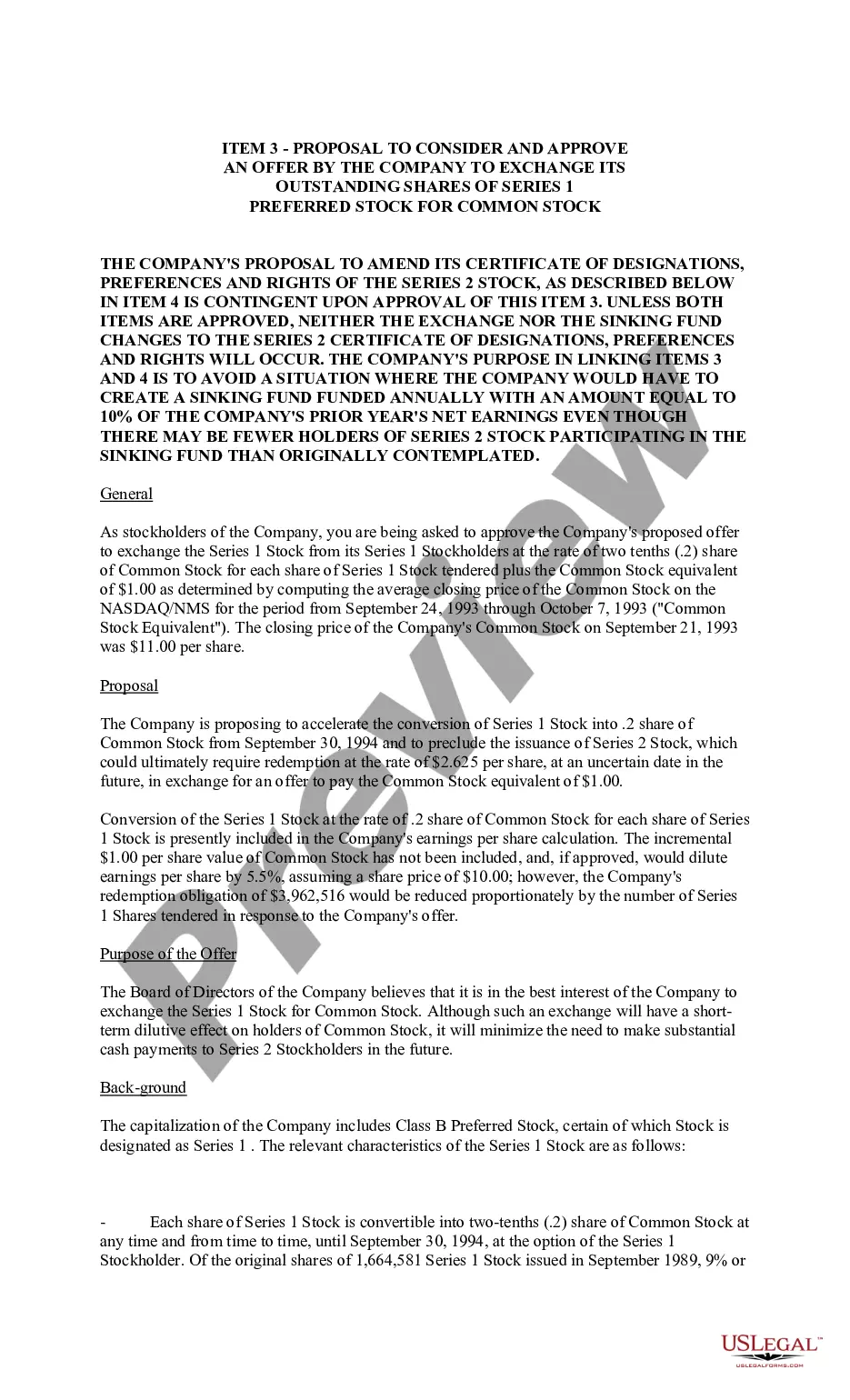
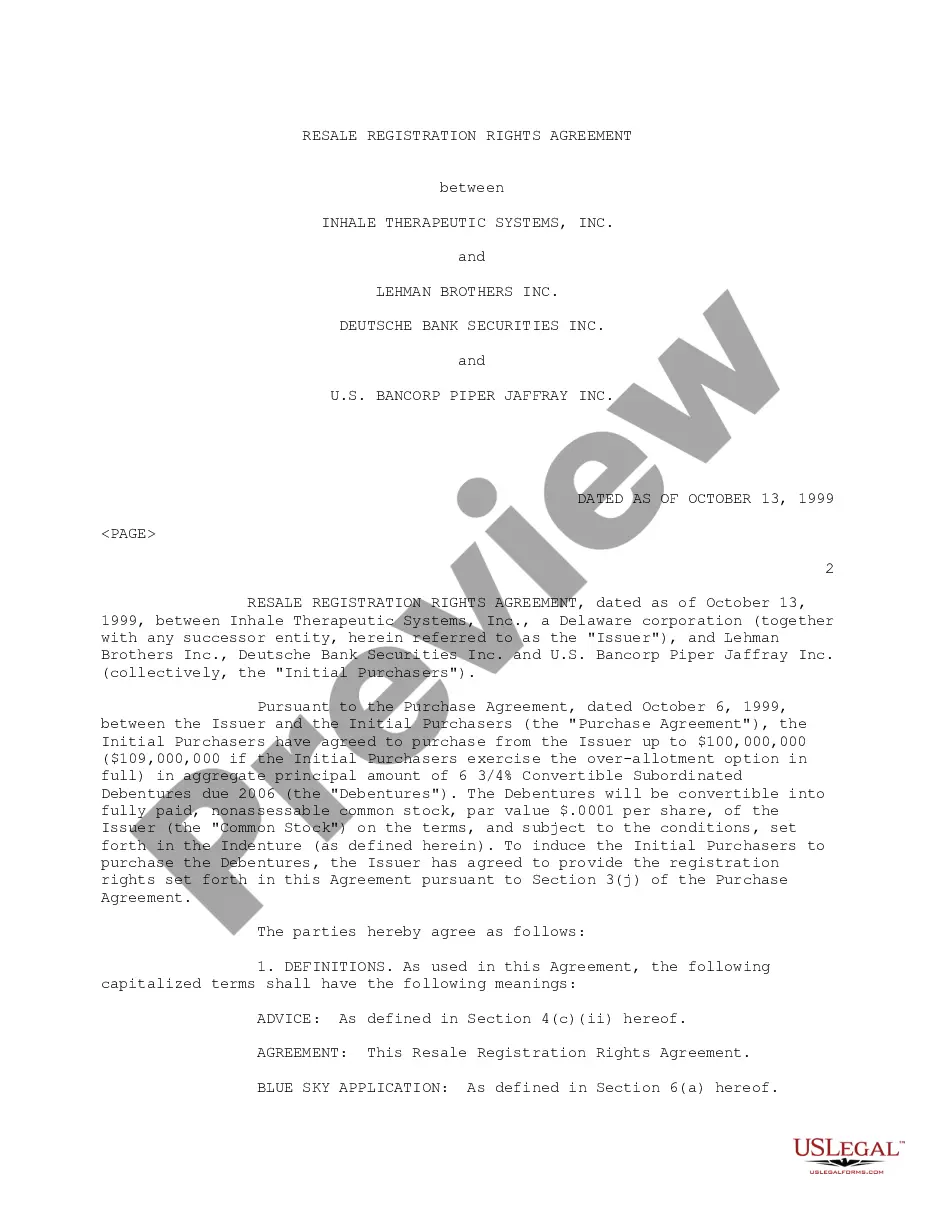
The Proposal to authorize and issue subordinated convertible debentures is a formal document that outlines a company's intention to issue specific debt instruments convertible into equity. Such debentures are designed to offer benefits to management while securing funding for the company. Unlike regular debt securities, these subordinated convertible debentures allow the holders to convert their investment into common stock at a predetermined price, providing potential upside if the company's stock appreciates.
Form components explained
- Details about the debentures, including interest rate and maturity date.
- Names and amounts allocated to specific company officers.
- Information about conversion rights into common stock.
- Terms regarding payment and potential defaults.
- Provisions for the ranking of the debentures among other debts.
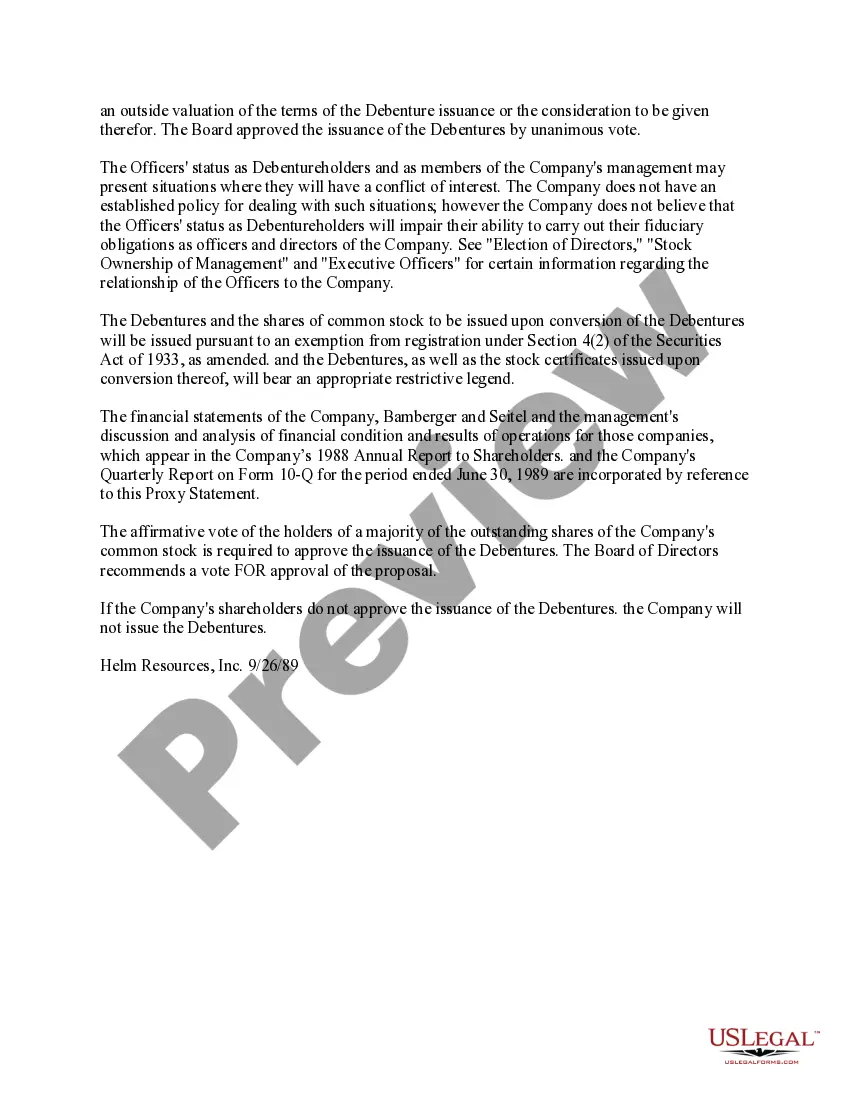
- Recommendation from the Board of Directors for shareholder approval.
When to use this document
This form is used when a company intends to issue subordinated convertible debentures to raise capital. It is essential in situations where management needs an incentive linked to company performance and when the company seeks to enhance its equity base without immediately diluting existing shareholders' interests. It may also be required to secure formal approval from shareholders prior to issuing the debentures.
Who this form is for
- Companies planning to raise funds through subordinated convertible debentures.
- Corporate boards seeking shareholder approval for financial instruments.
- Financial officers involved in structuring capital raising initiatives.
- Legal counsel advising on corporate financing strategies.
Instructions for completing this form
- Gather the necessary board approval details and proposed terms of the debentures.
- Specify the interest rate, maturity date, and conversion price of the debentures.
- List the officers of the company who will receive the debentures and the corresponding amounts allocated.
- Include provisions related to payment, potential defaults, and rights of debenture holders.
- Provide a recommendation for shareholder approval and outline the voting process.
Notarization guidance
Notarization is not commonly needed for this form. However, certain documents or local rules may make it necessary. Our notarization service, powered by Notarize, allows you to finalize it securely online anytime, day or night.
Get your form ready online
Our built-in tools help you complete, sign, share, and store your documents in one place.
Make edits, fill in missing information, and update formatting in US Legal Forms—just like you would in MS Word.
Download a copy, print it, send it by email, or mail it via USPS—whatever works best for your next step.
Sign and collect signatures with our SignNow integration. Send to multiple recipients, set reminders, and more. Go Premium to unlock E-Sign.
If this form requires notarization, complete it online through a secure video call—no need to meet a notary in person or wait for an appointment.
We protect your documents and personal data by following strict security and privacy standards.

Make edits, fill in missing information, and update formatting in US Legal Forms—just like you would in MS Word.

Download a copy, print it, send it by email, or mail it via USPS—whatever works best for your next step.

Sign and collect signatures with our SignNow integration. Send to multiple recipients, set reminders, and more. Go Premium to unlock E-Sign.

If this form requires notarization, complete it online through a secure video call—no need to meet a notary in person or wait for an appointment.

We protect your documents and personal data by following strict security and privacy standards.
Common mistakes to avoid
- Failing to include all necessary details about the terms of the debentures.
- Not specifying the conversion rights or conditions clearly.
- Neglecting to obtain proper board and shareholder approvals.
- Overlooking state-specific securities regulations and compliance.
Benefits of completing this form online
- Convenient access to the latest legal templates drafted by licensed attorneys.
- Editable fields allowing customization to fit unique business needs.
- Immediate downloads for quick implementation in company processes.
Legal use & context
- This form is designed to comply with securities regulations under the Securities Act of 1933.
- It provides a mechanism for officers to invest in the company while aligning their interests with those of shareholders.
- Failure to secure shareholder approval could jeopardize the issuance of the debentures.
Key takeaways
- The Proposal to authorize and issue subordinated convertible debentures is key for aligning management incentives with company performance.
- Properly completing this form ensures legal compliance and informs shareholders of the potential impact of conversions.
- A clear understanding of the terms reduces the risk of conflicts and misunderstandings among stakeholders.
Looking for another form?
Form popularity
FAQ
Despite its technical-sounding name, the subordination agreement has one simple purpose. It assigns your new mortgage to first lien position, making it possible to refinance with a home equity loan or line of credit.
Subordinated debt is any debt that falls under, or behind, senior debt.Examples of subordinated debt include mezzanine debt, which is debt that also includes an investment. Additionally, asset-backed securities generally have a subordinated feature, where some tranches are considered subordinate to senior tranches.
As an expense, subordinated debt interest is reported on a firm's income statement and not on the balance sheet.Also, the cash received does not increase the firm's equity, meaning it is not income and hence incurs no tax liability that must be reported on the income statement.
: placement in a lower class, rank, or position : the act or process of subordinating someone or something or the state of being subordinated As a prescriptive text, moreover, the Bible has been interpreted as justifying the subordination of women to men.
Subordination uses conjunctions (for example: although, because, since, when, which, who, if, whereas) to connect one dependent clause to an independent clause, creating a COMPLEX sentence. By using a complex sentence, you indicate to your reader that one idea carries more weight than the other.
1 : placed in or occupying a lower class, rank, or position : inferior a subordinate officer. 2 : submissive to or controlled by authority. 3a : of, relating to, or constituting a clause that functions as a noun, adjective, or adverb. b : subordinating. subordinate.
Subordinated debt is a debt that ranks lower than most other types of debt and securities in terms of claim on the borrower's assets. In simple words, we can say that if a borrower defaults, the lender of the subordinated debt will get the payment only after the payment is made to all other debt holders.
Subordinated debt, sub-debt or mezzanine, is capital that is located between debt and equity on the right hand side of the balance sheet. It is more risky than traditional bank debt, but more senior than equity in its liquidation preference (in bankruptcy).