California Request for Copy of Notice of Default
What is this form?
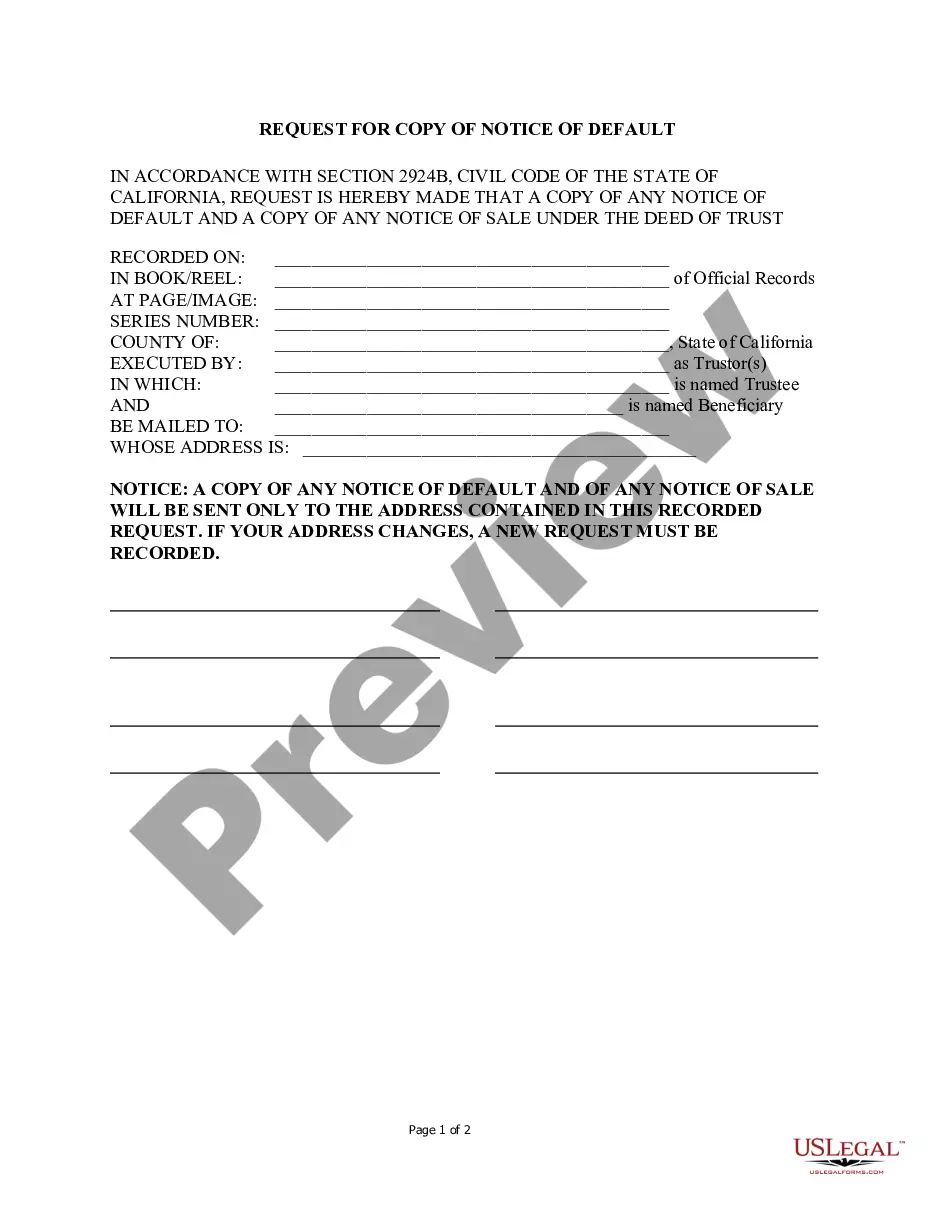
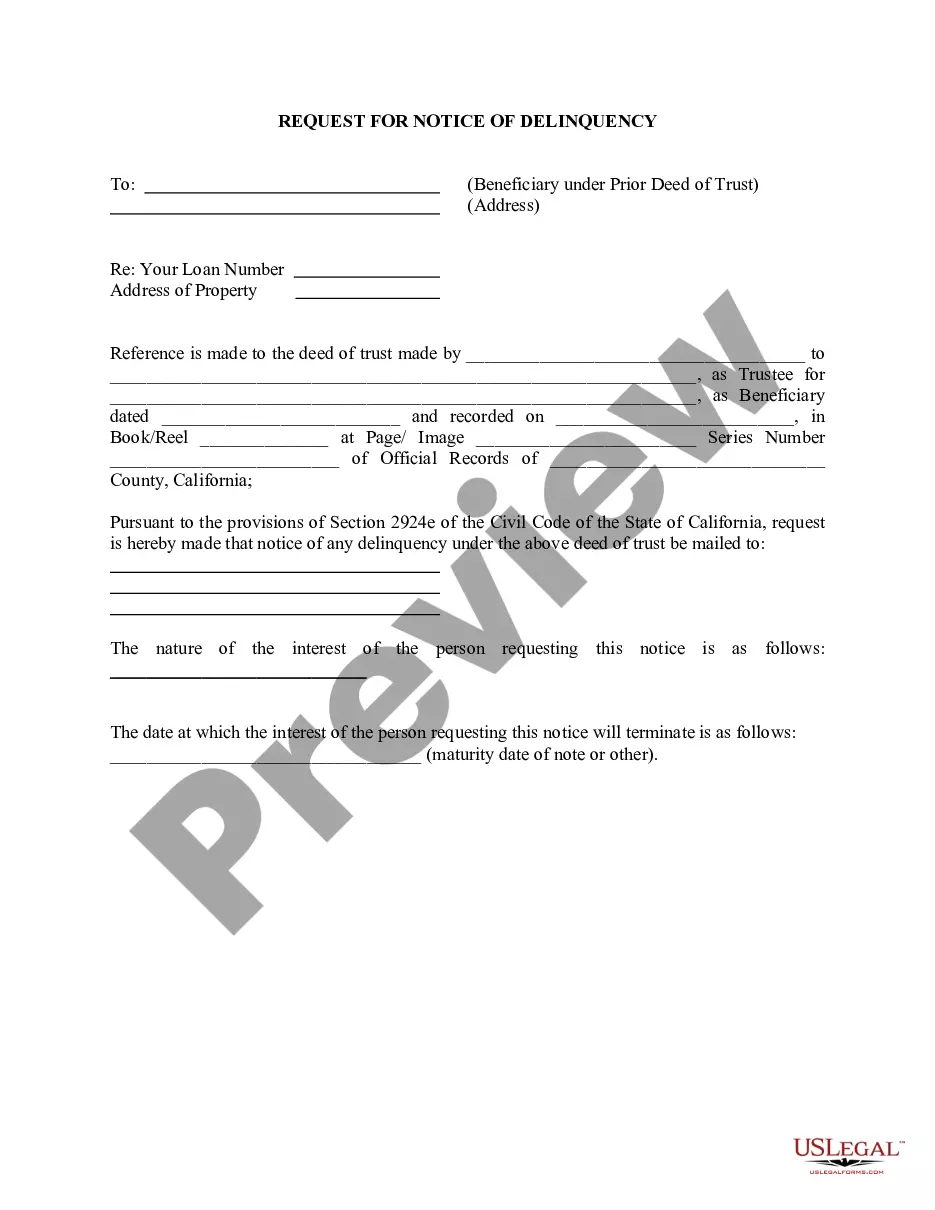
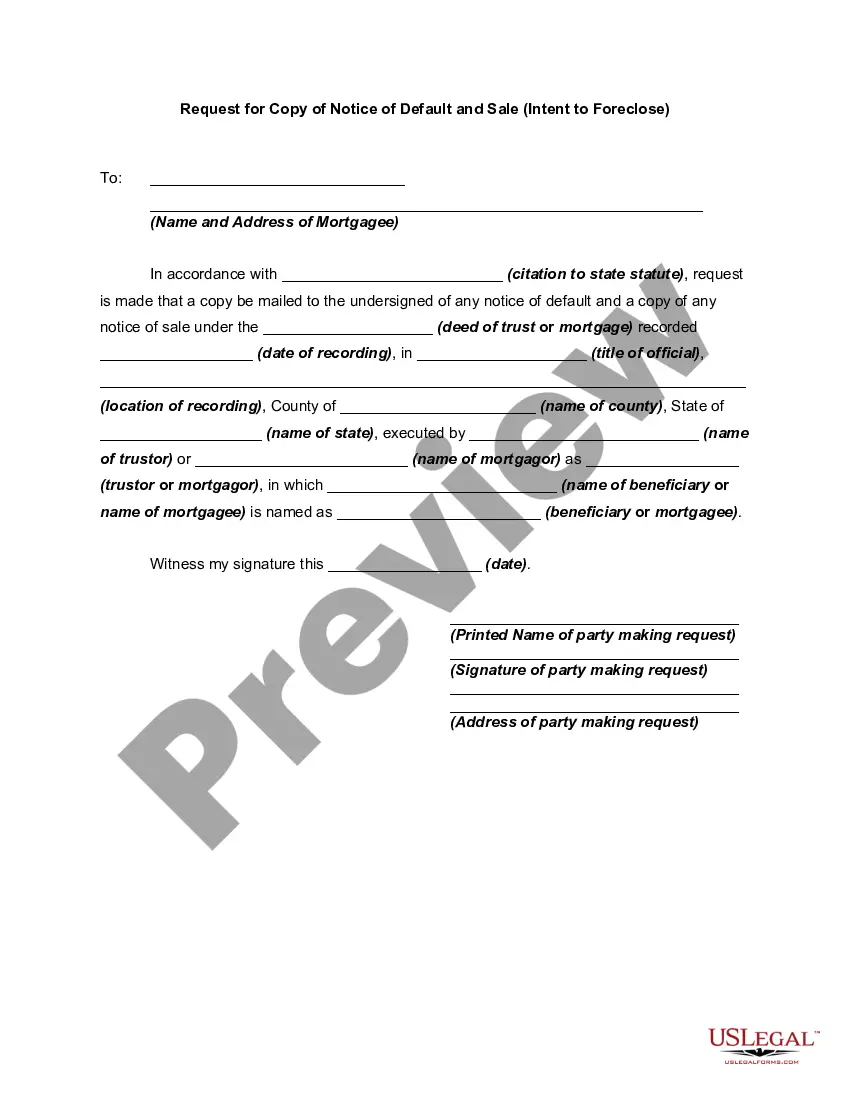
The Request for Copy of Notice of Default is a legal document used in situations where a mortgage payment is overdue. This form allows individuals to formally request a copy of any Notice of Default, which is crucial for understanding the status of their mortgage. It serves a distinct purpose by ensuring borrowers are informed about their mortgage obligations and potential actions that may be taken against them, setting it apart from similar forms related to foreclosure or mortgage modifications.
Key parts of this document
- Request details including dates, recorded information, and parties involved
- Trustor(s) information, identifying who is responsible for the mortgage
- Name of the Trustee and Beneficiary involved in the mortgage process
- Mailing address where the Notice of Default will be sent
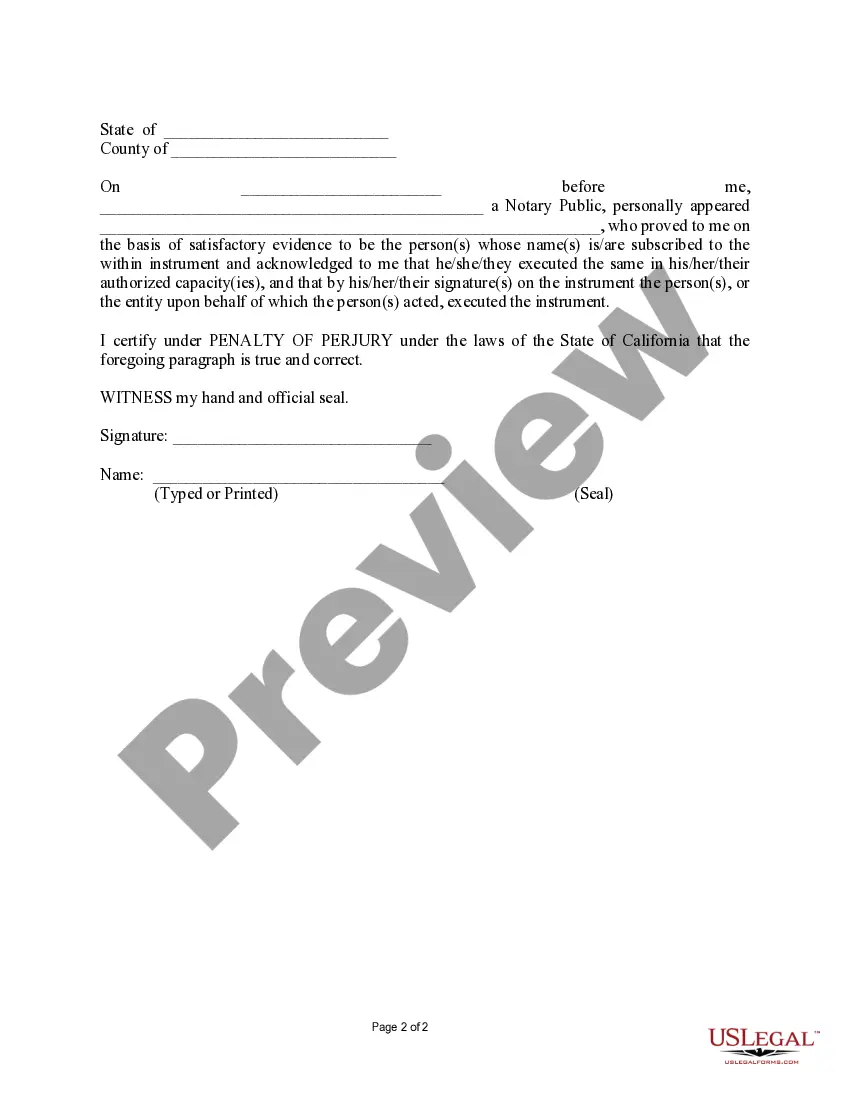
- Notary acknowledgment section to verify the identity of the signer
Common use cases
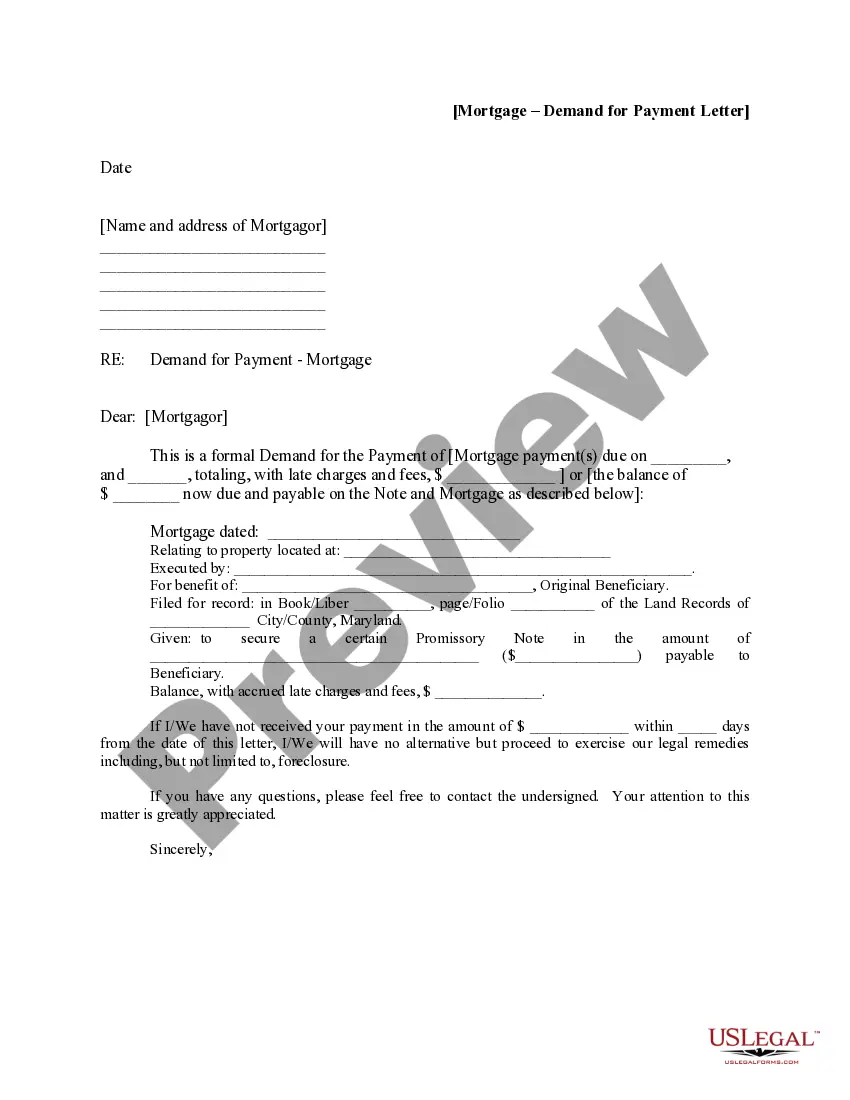
This form is typically used when a homeowner receives notice of an overdue mortgage payment and needs official documentation regarding their mortgage status. By submitting this request, the homeowner can obtain critical information about potential foreclosure proceedings and ensure they are fully informed about their legal standing in relation to their mortgage.
Who can use this document
- Homeowners facing overdue mortgage payments
- Individuals seeking clarity on their mortgage status
- Borrowers involved in potential foreclosure proceedings
- Anyone with a vested interest in the property listed in the Notice of Default
How to complete this form
- Identify the recording date of the Deed of Trust.
- Fill in the required details such as the book/reel number and page/image number.
- Identify and enter the names of the Trustor(s), Trustee, and Beneficiary.
- Provide the mailing address where the Notices will be sent.
- Complete the notary section for verification purposes if required.
Notarization guidance
Yes, this form must be notarized to be legally valid. A notary will verify the identity of the individual signing the request. US Legal Forms offers integrated online notarization services, allowing users to have their documents notarized securely via video call without needing to travel.
Get your form ready online
Our built-in tools help you complete, sign, share, and store your documents in one place.
Make edits, fill in missing information, and update formatting in US Legal Forms—just like you would in MS Word.
Download a copy, print it, send it by email, or mail it via USPS—whatever works best for your next step.
Sign and collect signatures with our SignNow integration. Send to multiple recipients, set reminders, and more. Go Premium to unlock E-Sign.
If this form requires notarization, complete it online through a secure video call—no need to meet a notary in person or wait for an appointment.
We protect your documents and personal data by following strict security and privacy standards.

Make edits, fill in missing information, and update formatting in US Legal Forms—just like you would in MS Word.

Download a copy, print it, send it by email, or mail it via USPS—whatever works best for your next step.

Sign and collect signatures with our SignNow integration. Send to multiple recipients, set reminders, and more. Go Premium to unlock E-Sign.

If this form requires notarization, complete it online through a secure video call—no need to meet a notary in person or wait for an appointment.

We protect your documents and personal data by following strict security and privacy standards.
Common mistakes to avoid
- Failing to include accurate recording details of the Deed of Trust.
- Providing incomplete or incorrect addresses for mailing the notice.
- Neglecting to have the form notarized if required by local laws.
- Not keeping copies of submitted requests for personal records.
Why use this form online
- Quick and easy access to download and fill out the form.
- Customizable templates to fit individual needs.
- Ensures that all necessary legal standards are met.
- Convenient access to up-to-date forms drafted by licensed attorneys.
Looking for another form?


Form popularity
FAQ
Request for Notice means a written notice given to the City by a Mortgagee specifying the name and address of such Mortgagee and attaching thereto a true and complete copy of the Mortgage held by such Mortgagee.
A notice of default is a public notice that a borrower is behind on their mortgage payments. (Also known as being in default on their loan.) It's typically filed with a court and regarded as the first step in the foreclosure process.
The Notice of Default tells you the total amount you owe including missed payments and foreclosure fees. A declaration must be attached to the notice stating the lender has spoken to you or tried to reach you to discuss your situation.
If you have revived a Notice of Default or Foreclosure Notice you can respond by mailing a Federal Debt Validation Letter demanding that the mortgage lender or servicer validate the debt. This can help you stall their collection efforts, and help you gain the material facts needed to exhibit to your complaint.
When you receive the Notice of Default, you have 180 days to get your loan current or the bank can take the next step in the foreclosure process. The next step, called the Notice of Trustee's Sale, sets a date for a public foreclosure auction of your home.
A notice of default is a public notice that a borrower is behind on their mortgage payments. (Also known as being in default on their loan.) It's typically filed with a court and regarded as the first step in the foreclosure process.
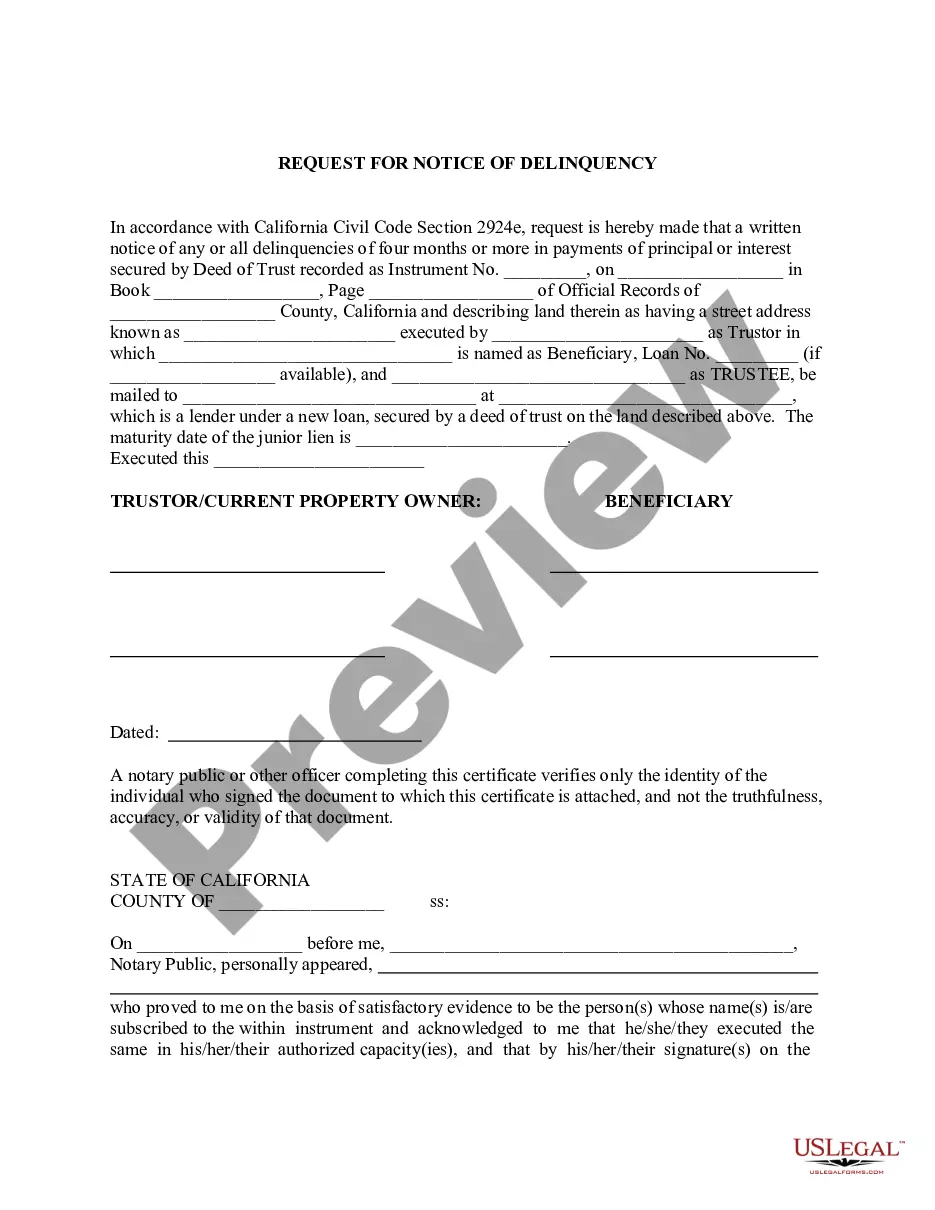
A document where the current lender agrees to makes their encumbrance deed of trust, subject-to (junior) to another loan. 8. Request for Notice of Default. A document whereby the junior lenders require the senior lender to notify them when the borrower defaults on their loan.
After the Notice of Default is filed, the homeowner has 90 days to cure the default, which usually means paying everything that is owed. If the borrower does not pay within the 90-day timeline, the bank can record a Notice of Sale announcing that the property will be sold at auction.