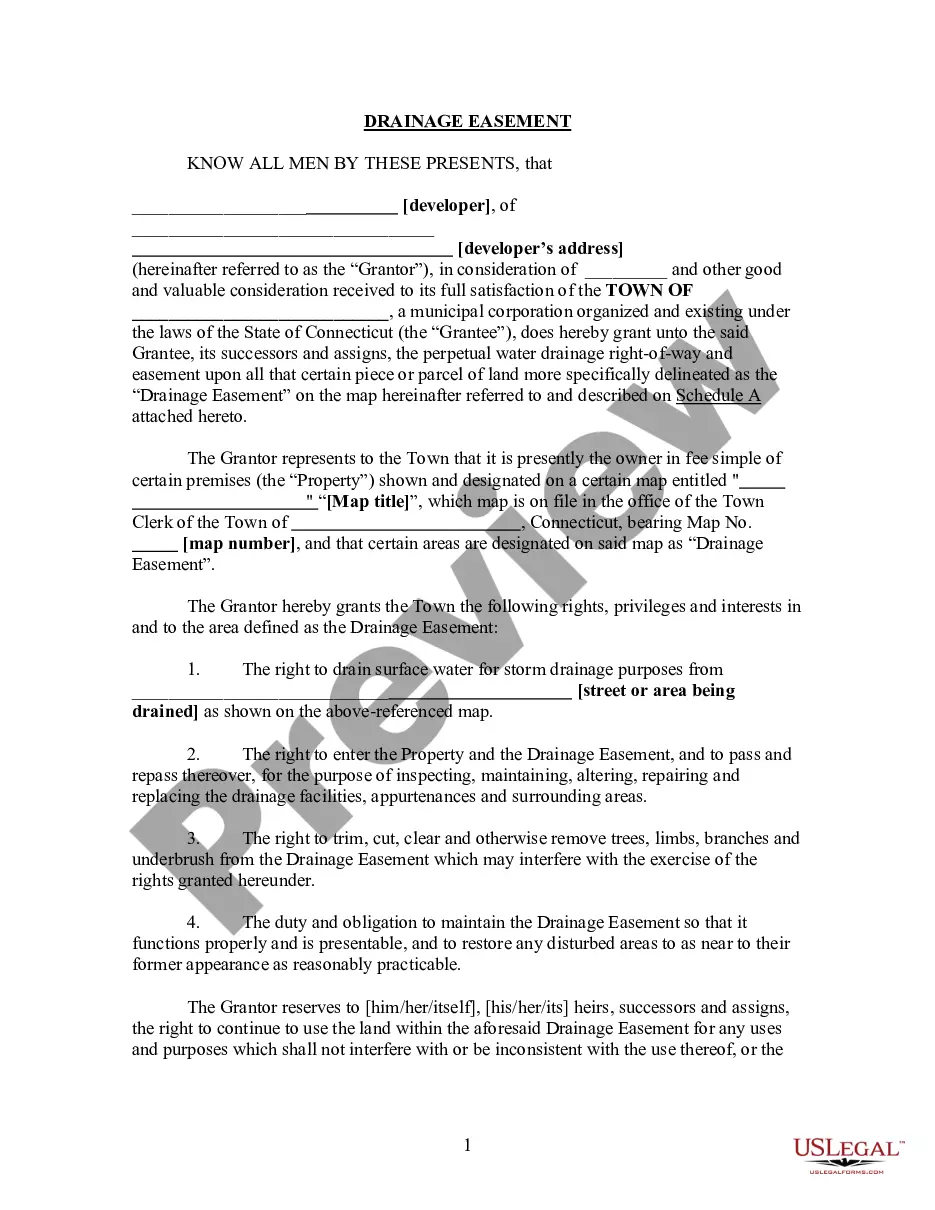
Alabama Sample Protective Order
What is this form?
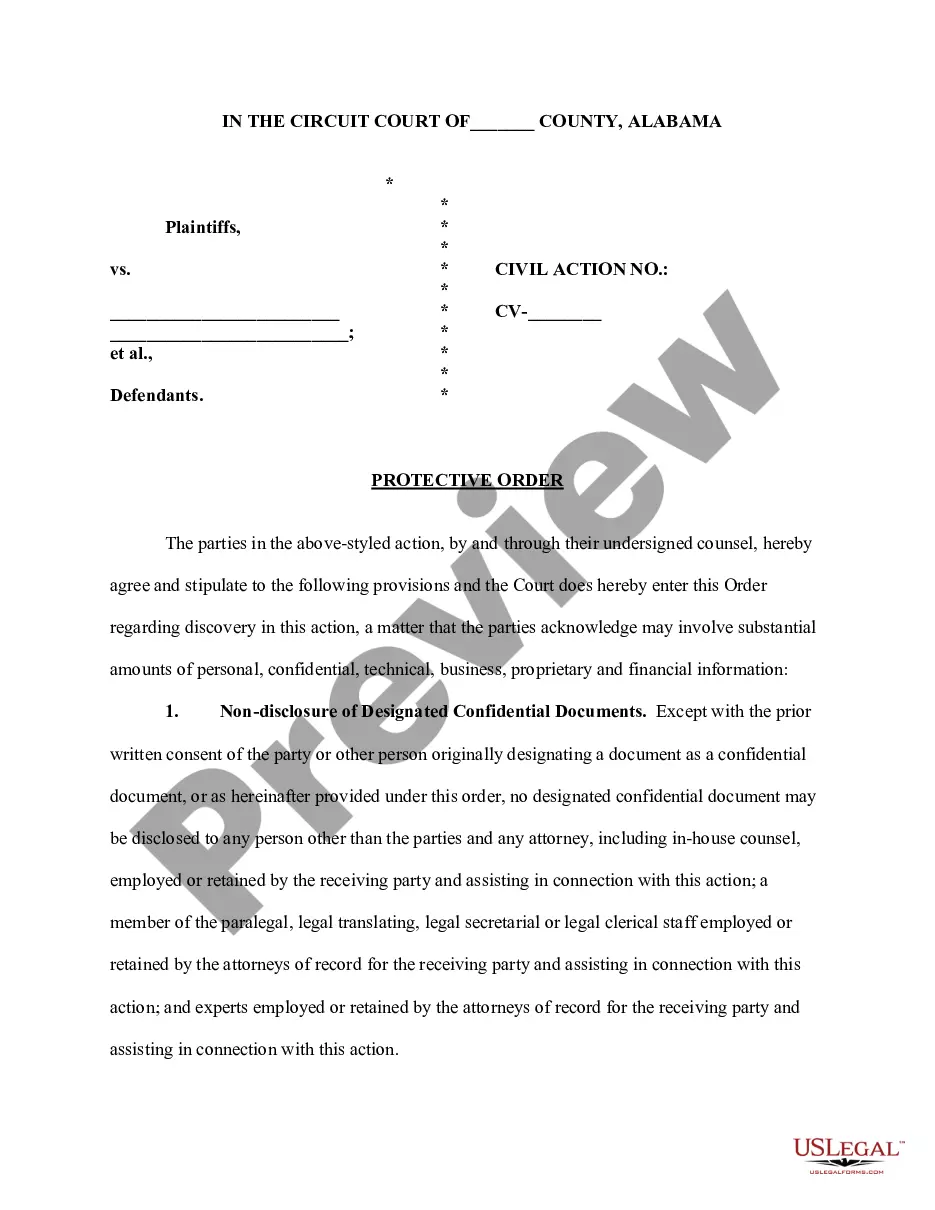
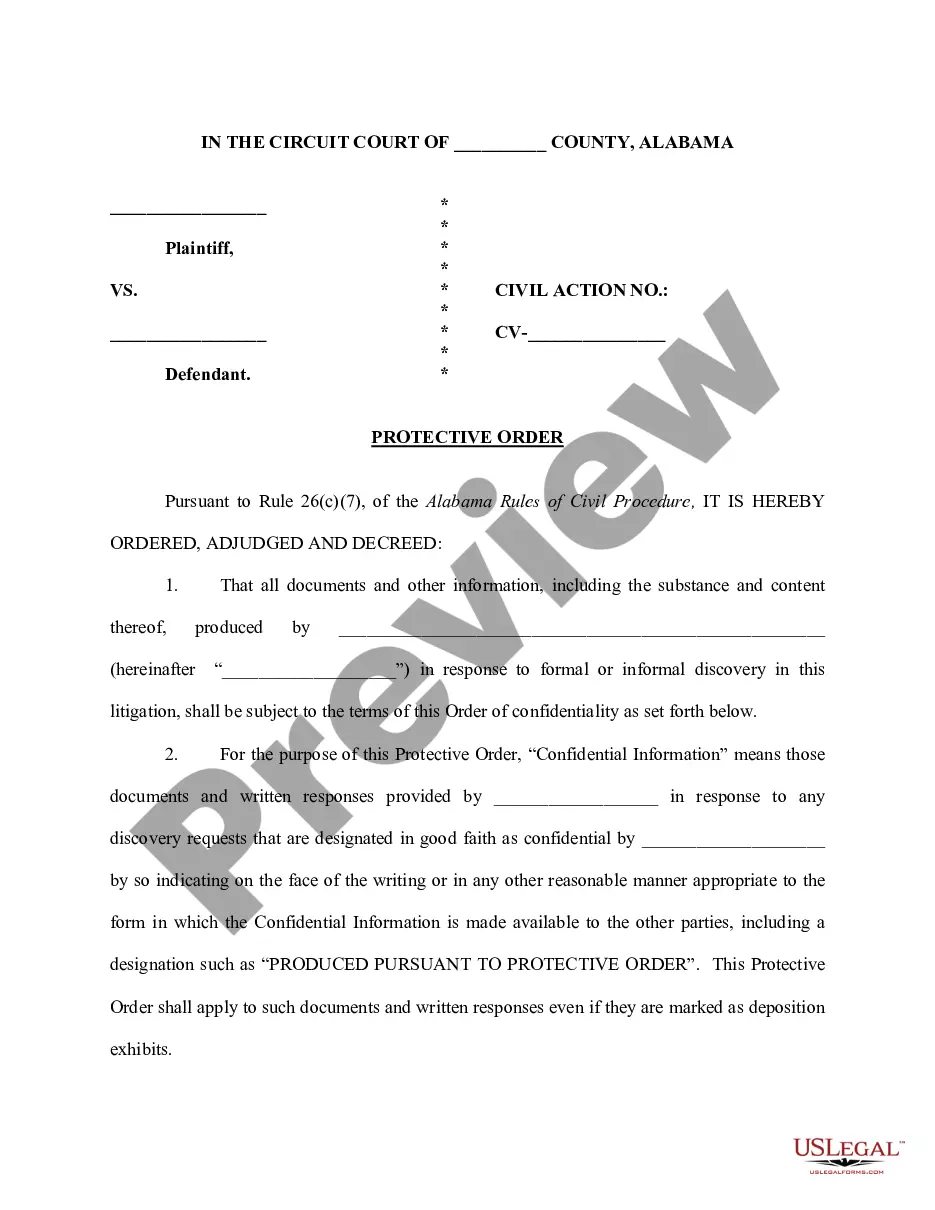
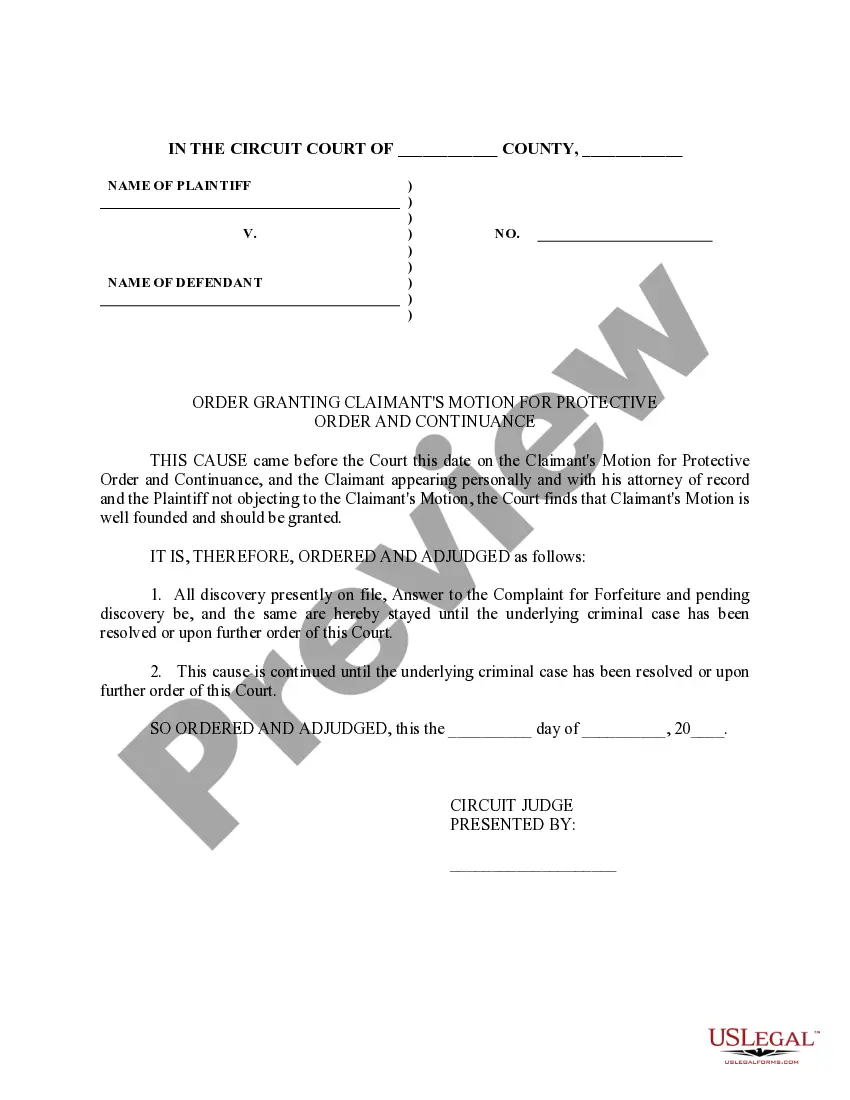
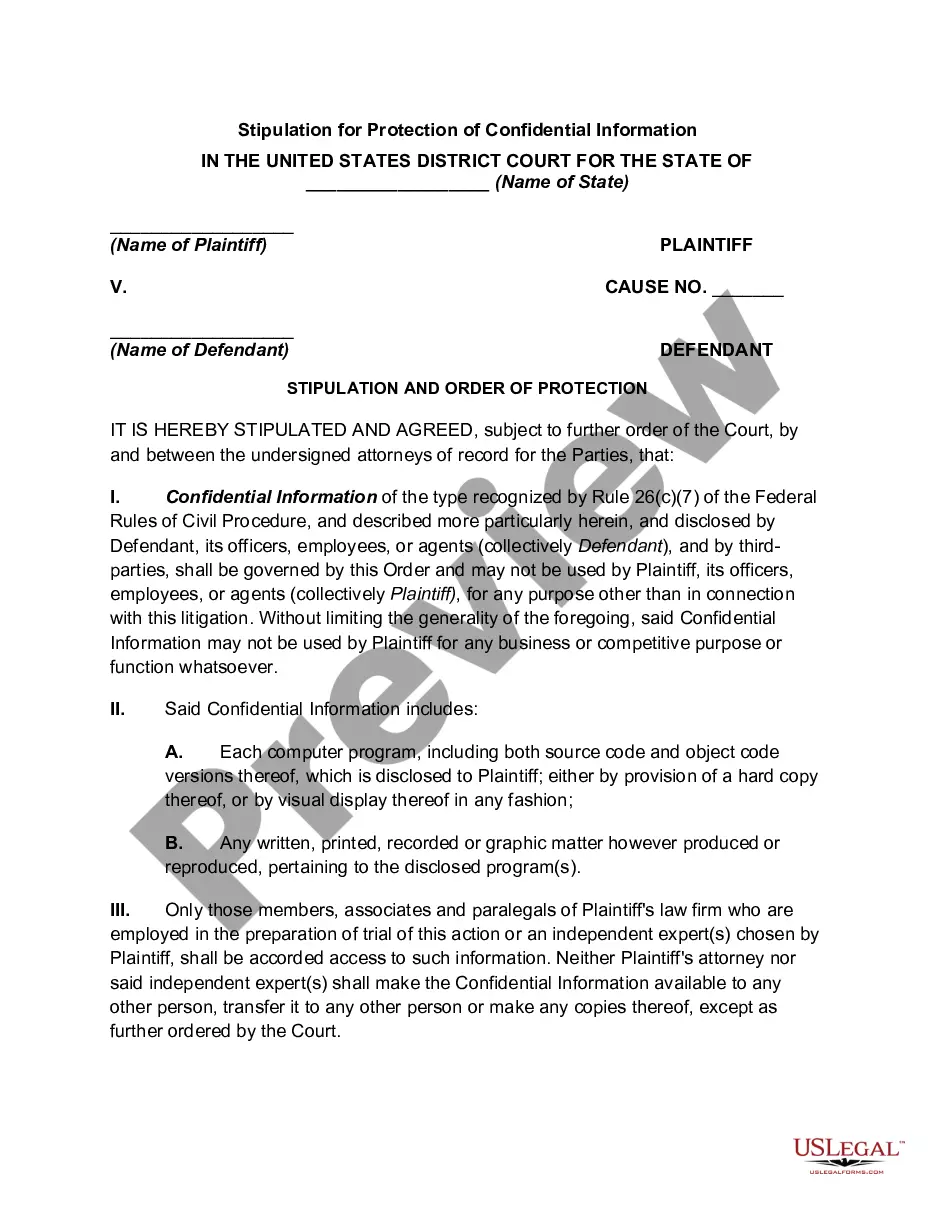
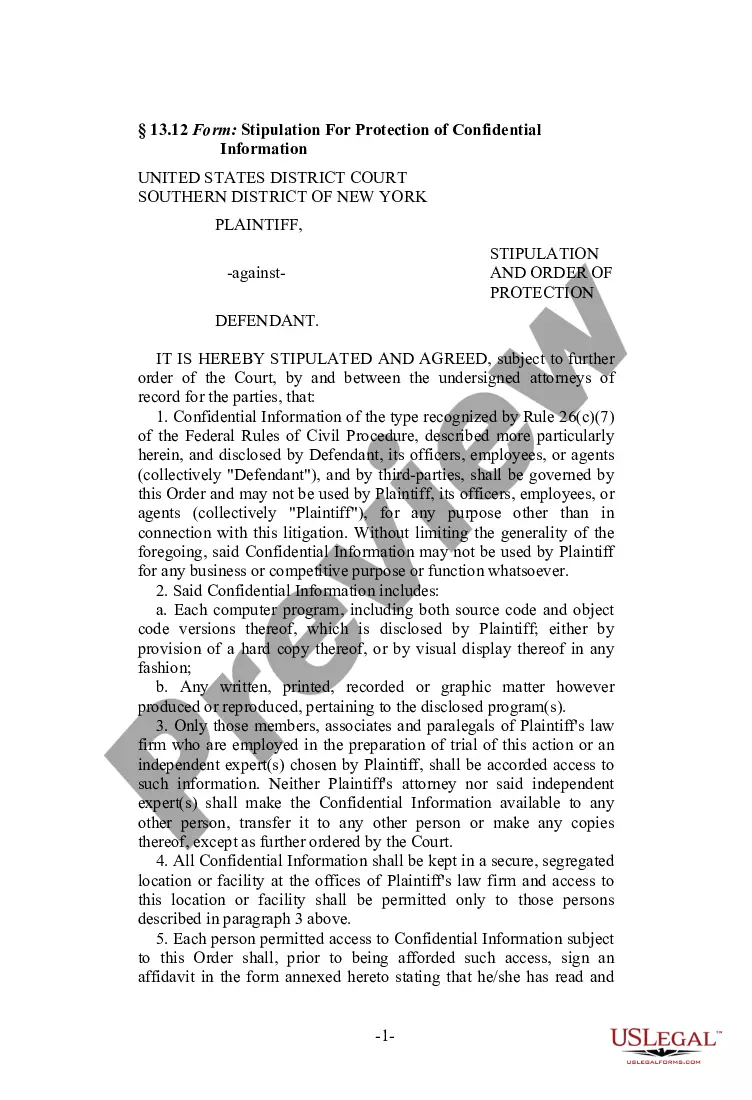
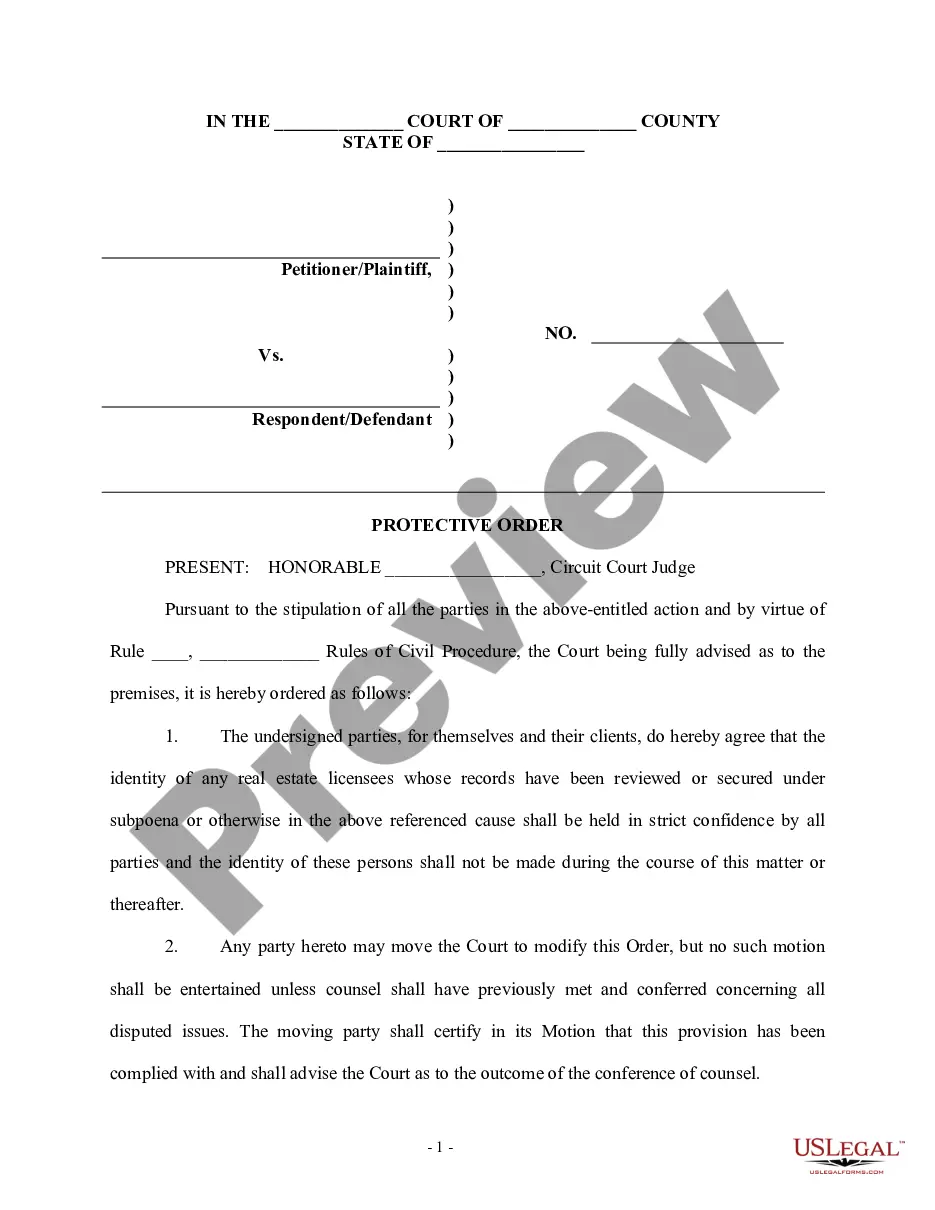
The Sample Protective Order is a legal document designed to safeguard certain confidential or personal information during legal proceedings. It establishes guidelines for the non-disclosure of sensitive documents that may be accessed during discovery or trial. This form helps ensure that private information remains protected while allowing the legal process to proceed, distinguishing it from other types of legal orders that might not specifically address confidentiality concerns.
Key parts of this document
- Non-disclosure provisions for designated confidential documents.
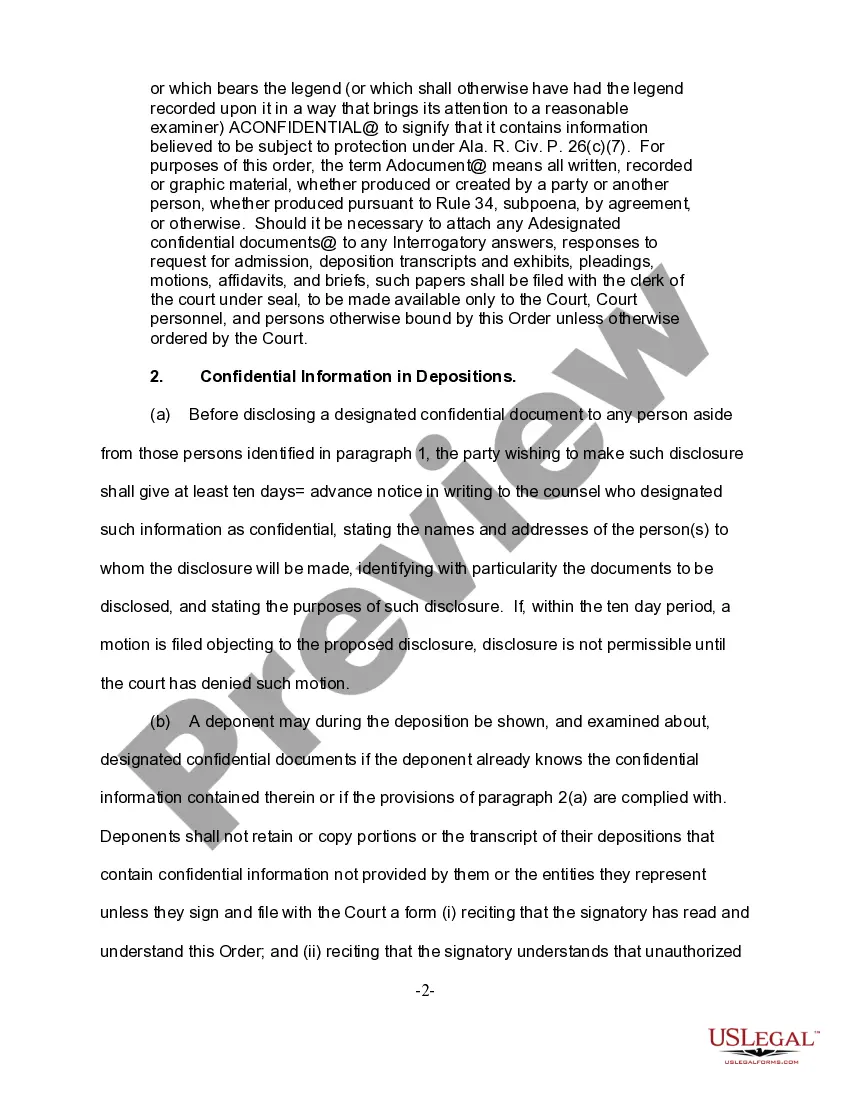
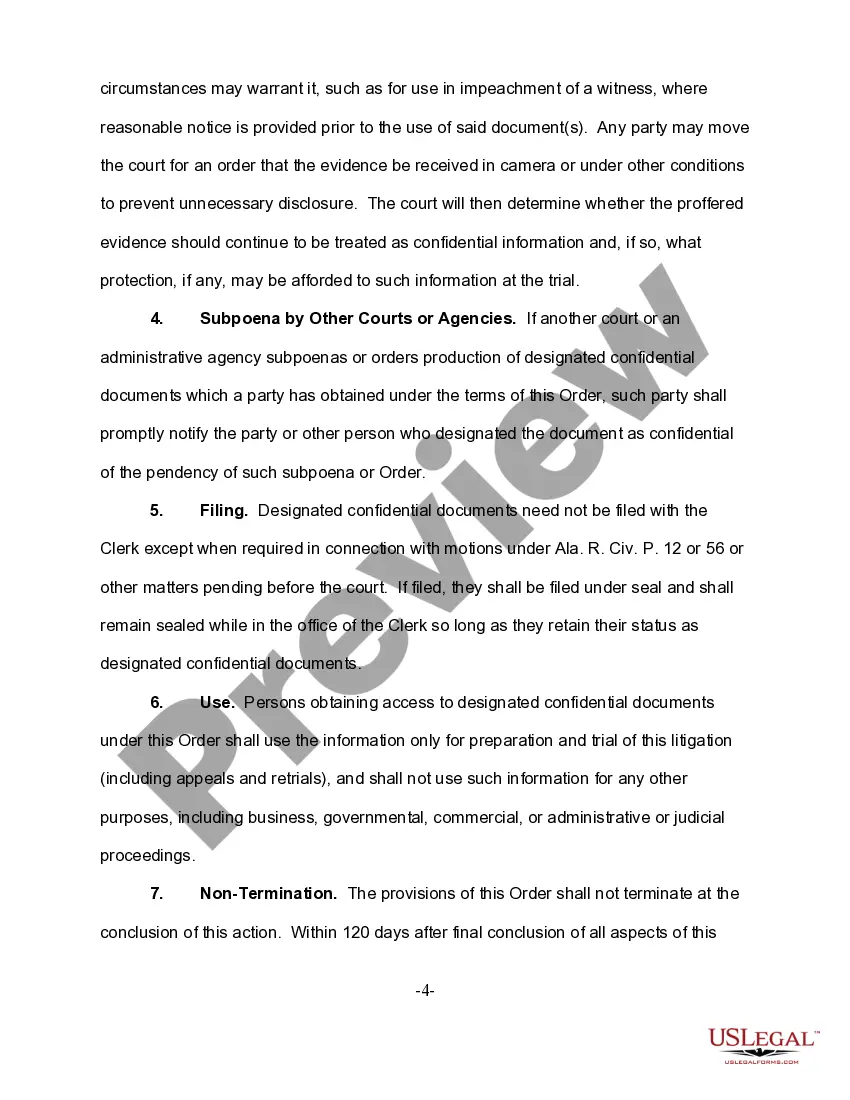
- Procedures for handling confidential information in depositions.
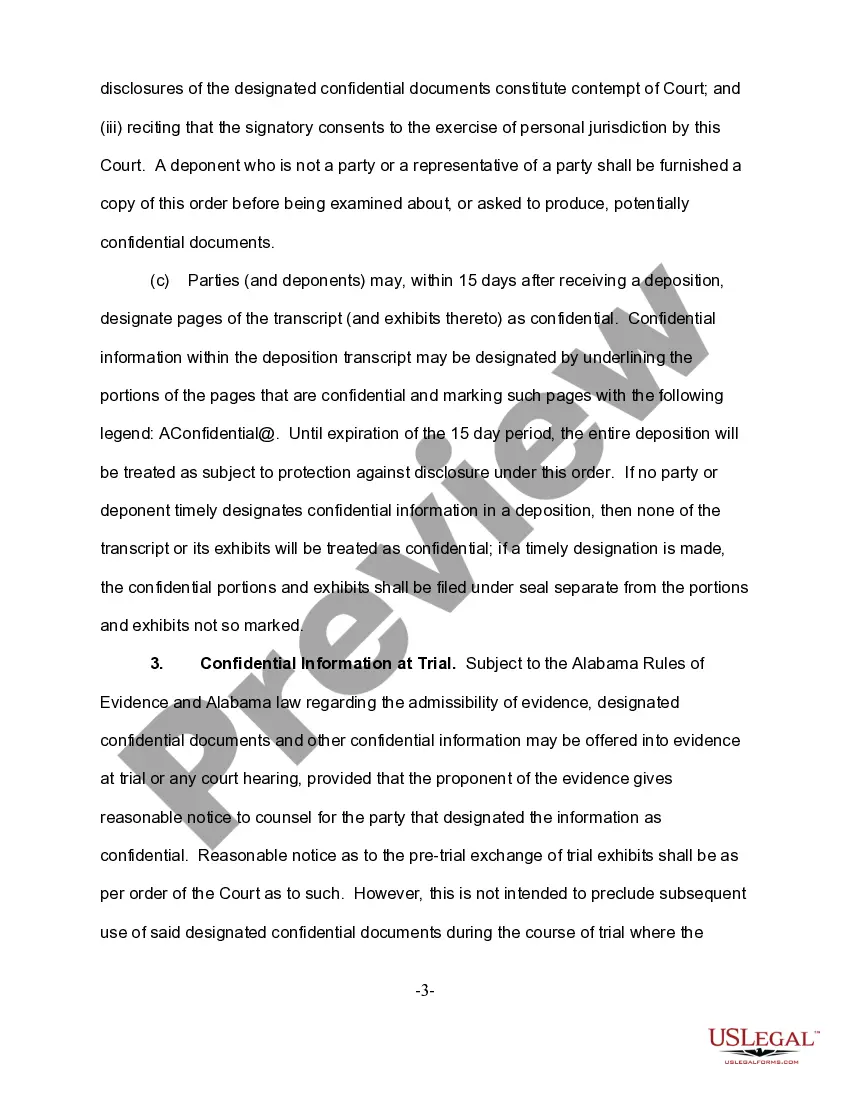
- Guidelines for offering confidential information as evidence at trial.
- Requirements for subpoenas from other courts or agencies.
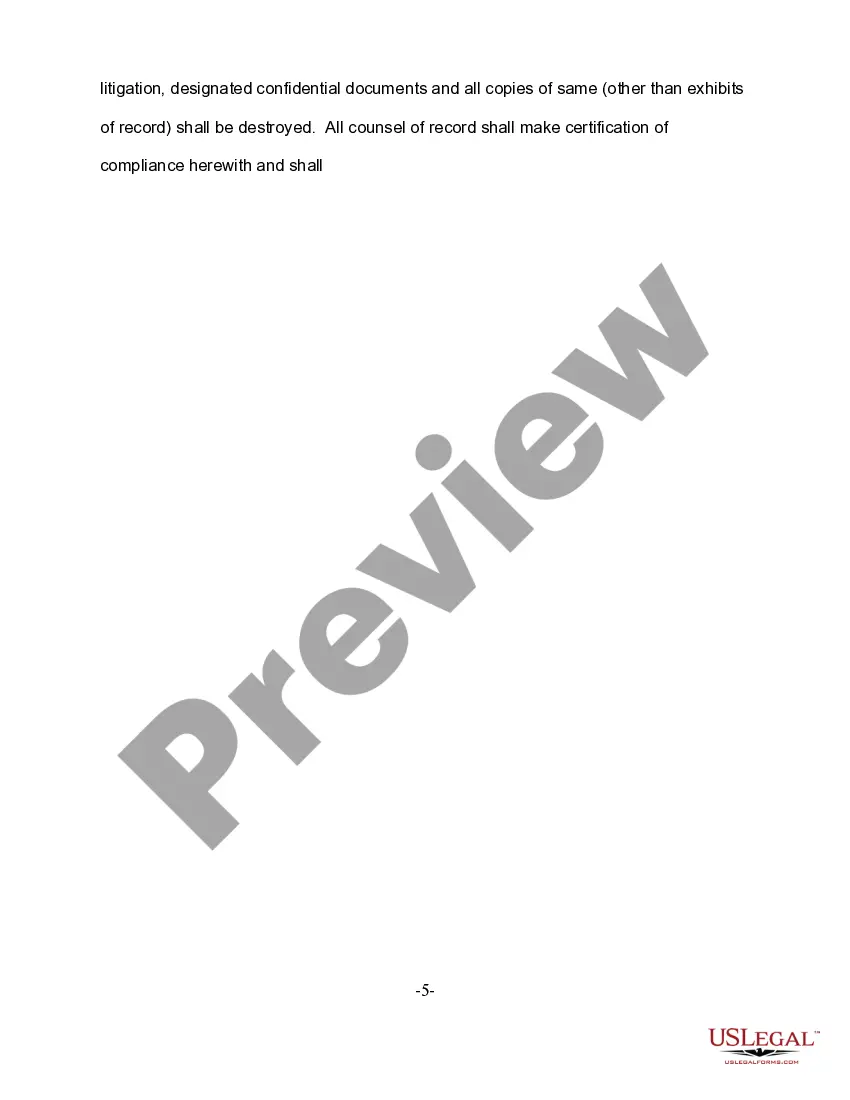
- Protocols for the destruction of confidential documents after litigation concludes.
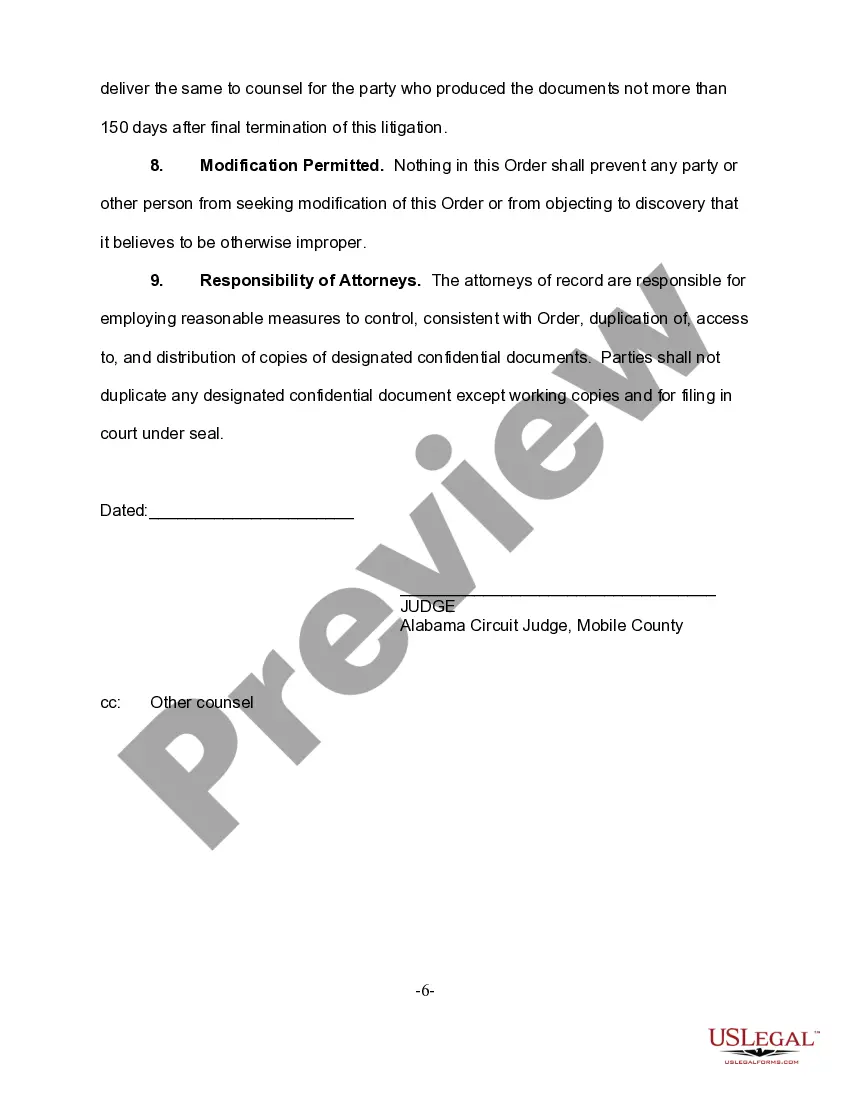
- Responsibilities of attorneys regarding the handling of confidential documents.
Common use cases
This form should be used in scenarios where parties to a litigation want to protect sensitive information and documents from public disclosure. It is applicable during pre-trial discovery phases and can be critical in cases involving personal data, proprietary information, or trade secrets that require confidentiality in legal proceedings.
Who this form is for
- Legal professionals representing parties in civil litigation.
- Individuals or entities involved in cases that include confidential information.
- Organizations seeking to protect proprietary business data during legal processes.
How to complete this form
- Identify the parties involved, entering the names of plaintiffs and defendants.
- Fill in the civil action number and relevant case details.
- Specify the provisions regarding non-disclosure and the types of documents covered.
- Designate the confidential documents by correctly labeling them as "CONFIDENTIAL."
- Ensure that all attorneys sign and comply with the obligations outlined in the order.
Notarization requirements for this form
This form does not typically require notarization unless specified by local law. However, it is advisable to check any regional legal requirements that may apply in specific jurisdictions.
Get your form ready online
Our built-in tools help you complete, sign, share, and store your documents in one place.
Make edits, fill in missing information, and update formatting in US Legal Forms—just like you would in MS Word.
Download a copy, print it, send it by email, or mail it via USPS—whatever works best for your next step.
Sign and collect signatures with our SignNow integration. Send to multiple recipients, set reminders, and more. Go Premium to unlock E-Sign.
If this form requires notarization, complete it online through a secure video call—no need to meet a notary in person or wait for an appointment.
We protect your documents and personal data by following strict security and privacy standards.

Make edits, fill in missing information, and update formatting in US Legal Forms—just like you would in MS Word.

Download a copy, print it, send it by email, or mail it via USPS—whatever works best for your next step.

Sign and collect signatures with our SignNow integration. Send to multiple recipients, set reminders, and more. Go Premium to unlock E-Sign.

If this form requires notarization, complete it online through a secure video call—no need to meet a notary in person or wait for an appointment.

We protect your documents and personal data by following strict security and privacy standards.
Mistakes to watch out for
- Failing to properly label documents as confidential.
- Not providing sufficient notice before disclosing confidential information in depositions.
- Overlooking specific court requirements for submitting confidential documents under seal.
Benefits of using this form online
- Convenient access to updated legal templates drafted by licensed attorneys.
- Edit and customize the form online to meet specific case requirements.
- Easy downloading options for immediate use and filing.
Legal use & context
- A protective order is enforceable in court as long as all parties adhere to its provisions.
- Violation of this order may result in legal penalties, including contempt of court.
- It is important to ensure that the order complies with local legal standards to be valid and enforceable.
Summary of main points
- The Sample Protective Order is crucial for safeguarding confidential information in legal proceedings.
- All parties must understand their responsibilities under this order to avoid legal repercussions.
- Using this form online offers convenience and reliability for legal representation.
Looking for another form?
Form popularity
FAQ
It is a civil-proceedings confidentiality order designed to protect sensitive information during a case. It governs the non-disclosure of designated confidential documents and information throughout discovery and trial, ensuring materials aren’t disclosed without authorization. It also covers how confidential information is handled in depositions and at trial, how to respond to subpoenas from other courts or agencies, filing instructions, and post‑case confidentiality.
During depositions, the order governs how confidential information is handled and who may view it. It specifies what qualifies as confidential documents and sets disclosure rules to prevent unauthorized access, ensuring sensitive information remains protected throughout the deposition process. The provisions are part of the designated confidential documents component.
It explains how confidential information can be presented in court while maintaining protections. The order directs that confidential materials be used only for the case and limits their public disclosure, ensuring sensitive information in the trial record is kept confidential consistent with the order.
Filing instructions clarify the filing requirements for the designated confidential documents. The form directs how to file the protective order with the court and how to attach or reference designated confidential materials in the filing, ensuring the order is enforceable and the confidential documents are properly submitted to the court.
Yes. The Non-Termination Provisions keep the confidentiality protections in effect after the case ends, so designated confidential documents and information remain protected unless the court orders otherwise. This ensures ongoing privacy for sensitive data across the case lifecycle and any related proceedings.
It’s tailored to Alabama civil actions and focused on preserving confidentiality of documents and information during discovery and trial. It includes provisions for designated confidential documents, depositions, and trial handling, plus subpoenas from other courts or agencies, filing instructions, and a post‑case confidentiality clause, setting it apart from broader protective orders.