Alabama Sample Discovery Protective Order
What is this form?
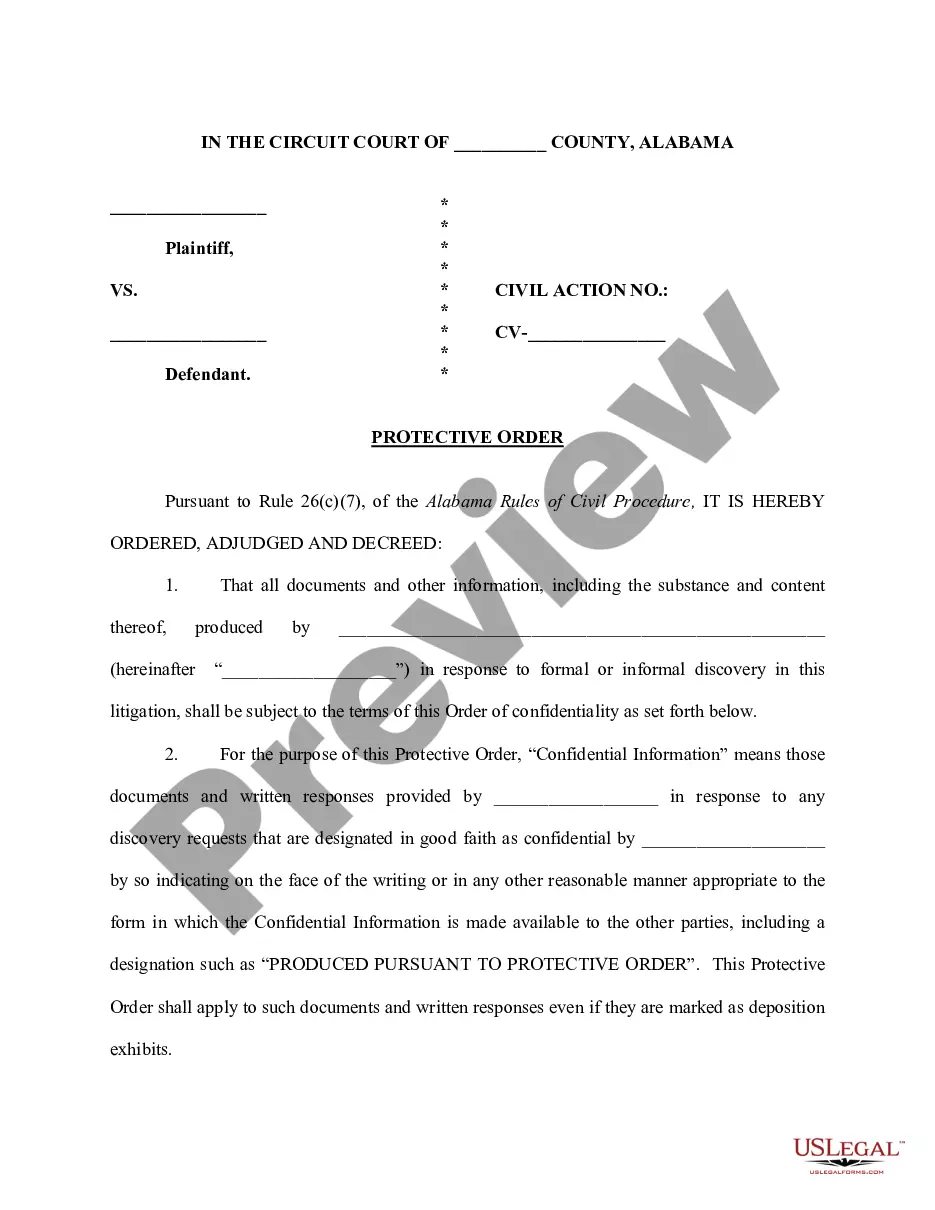
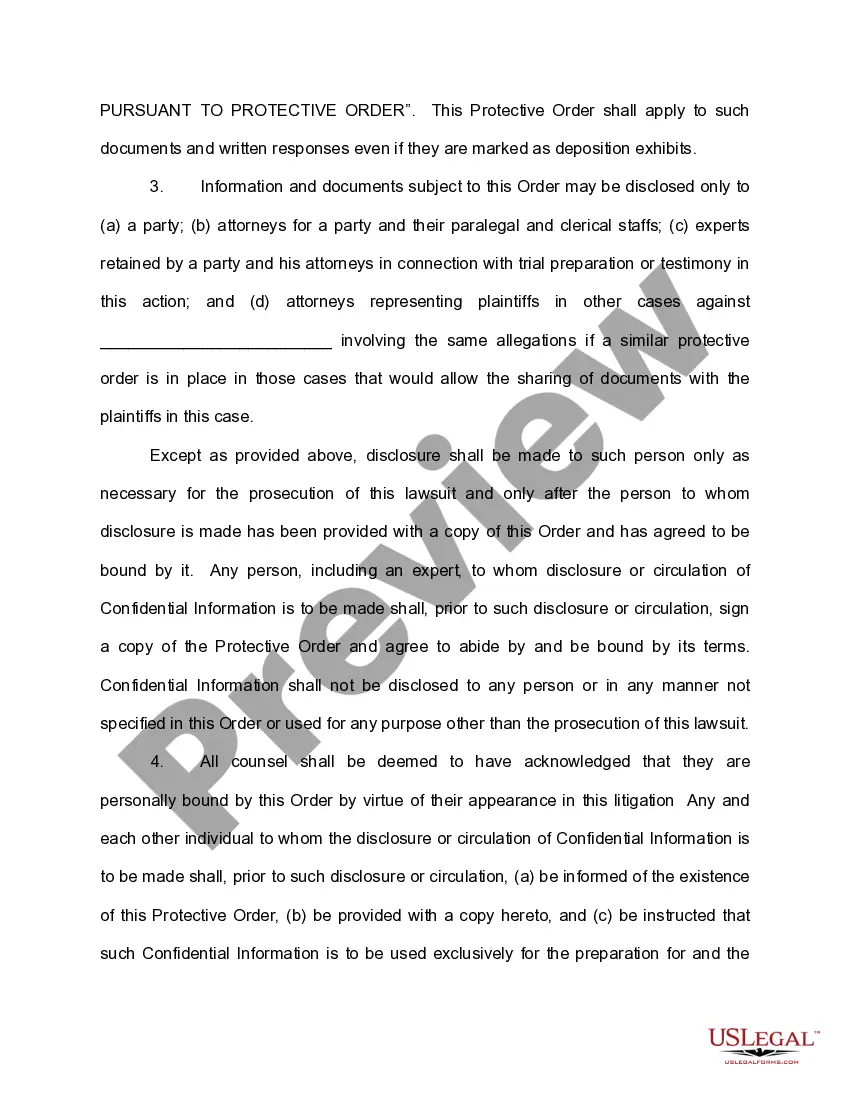
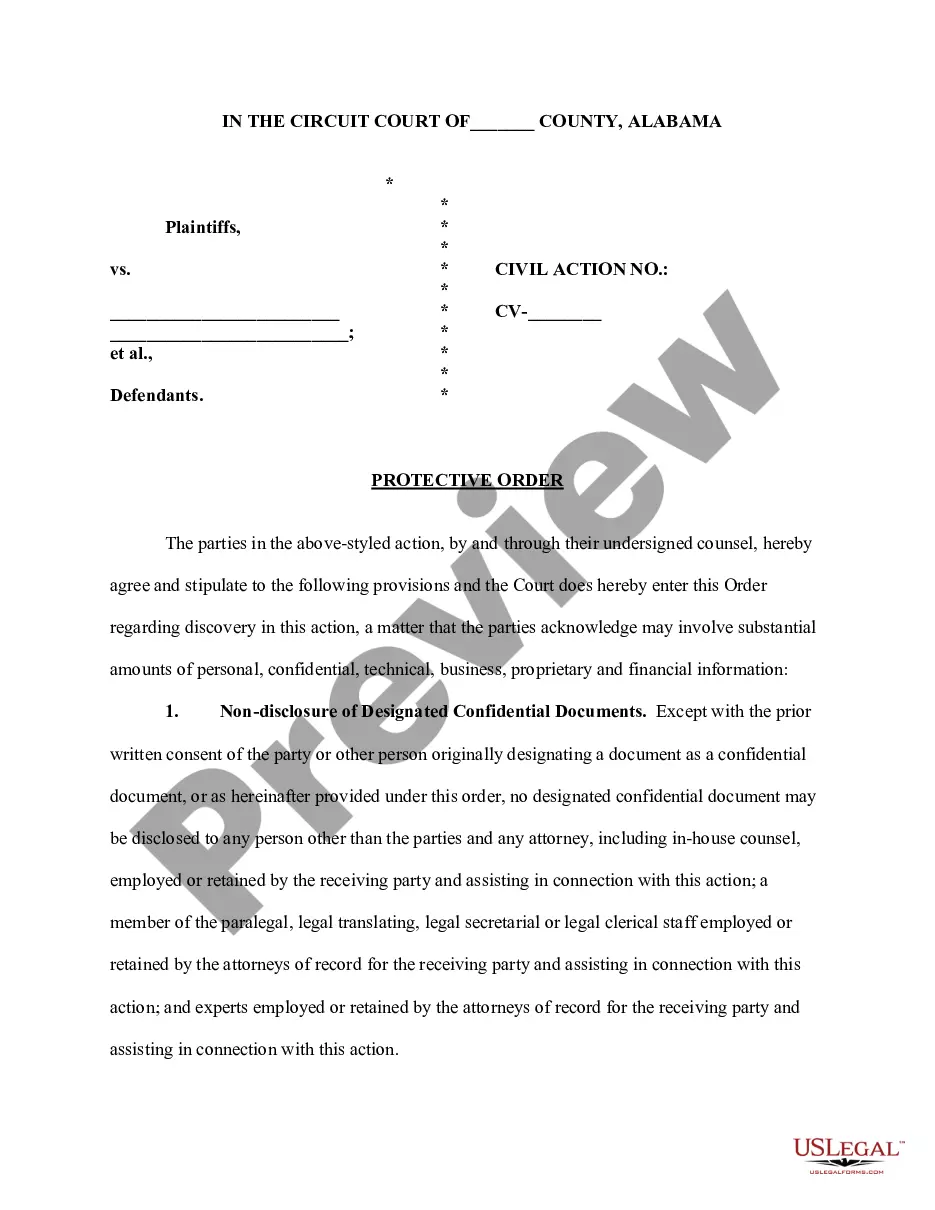
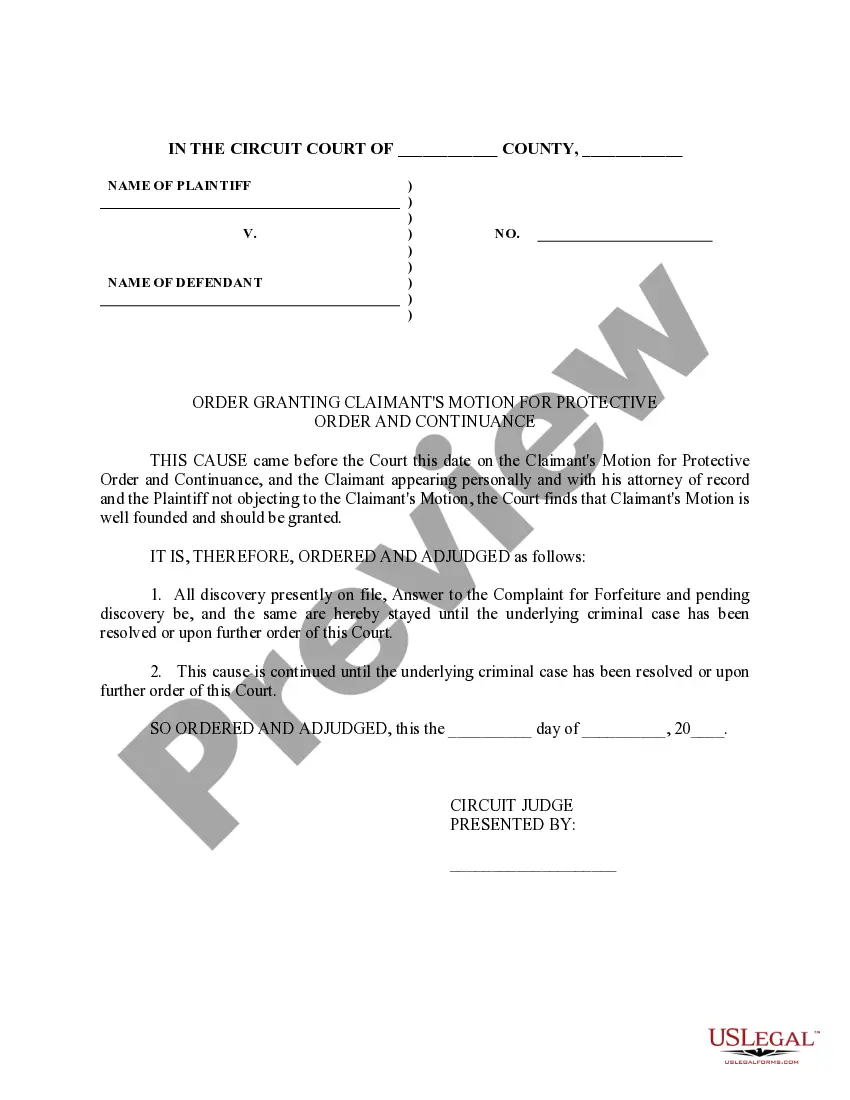
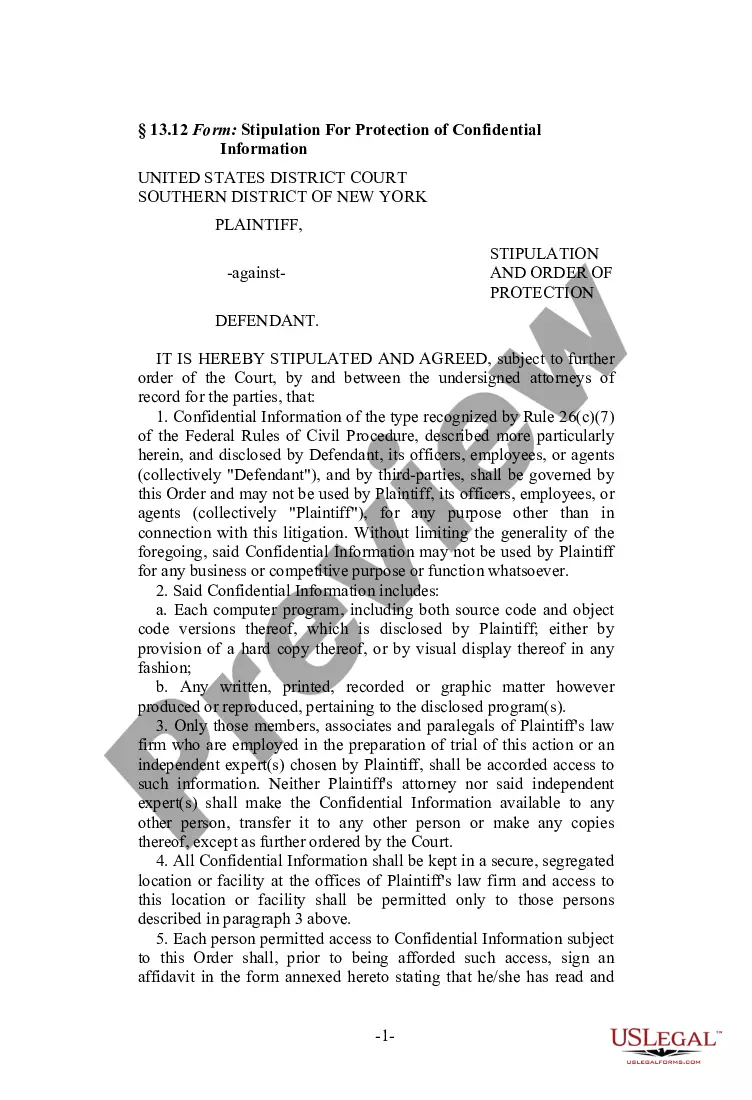
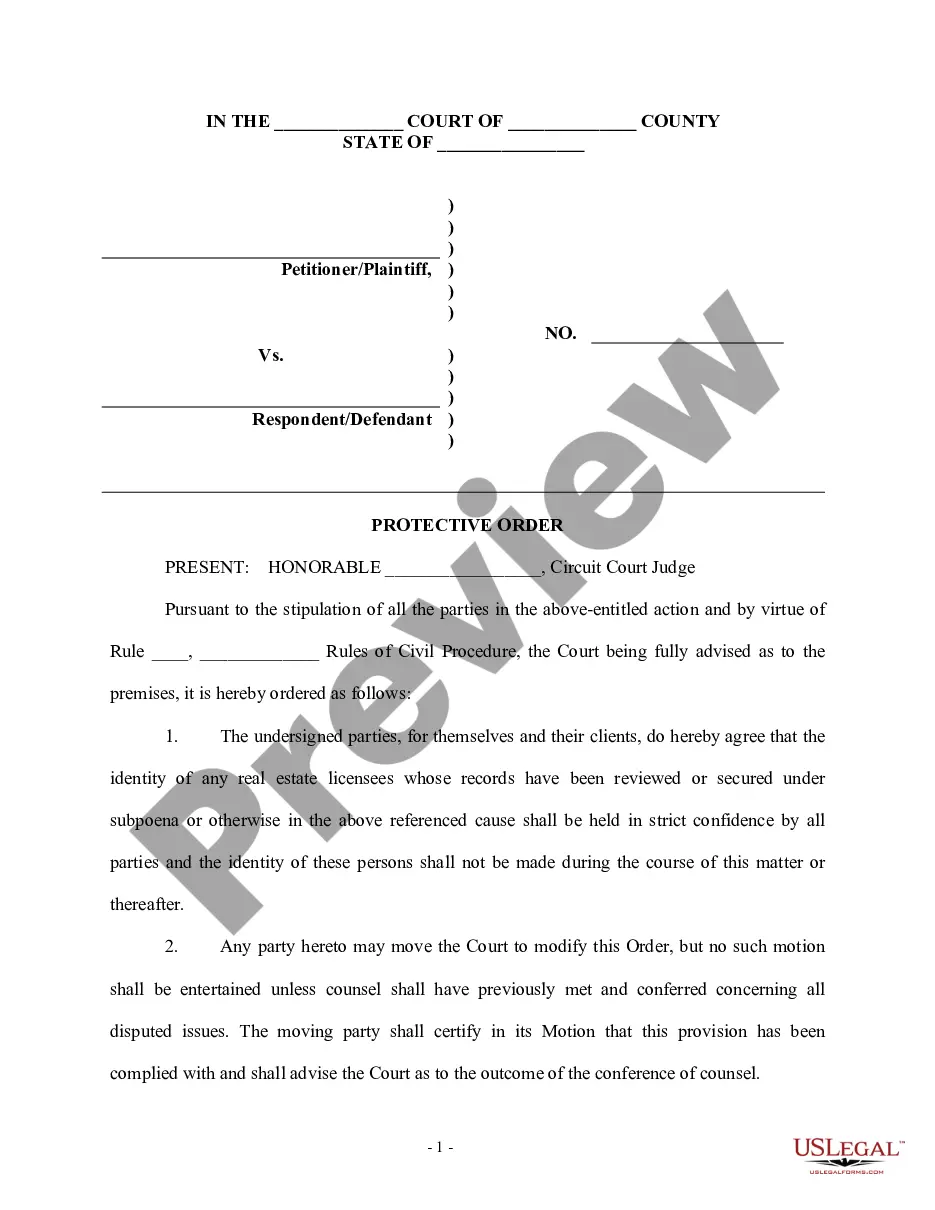
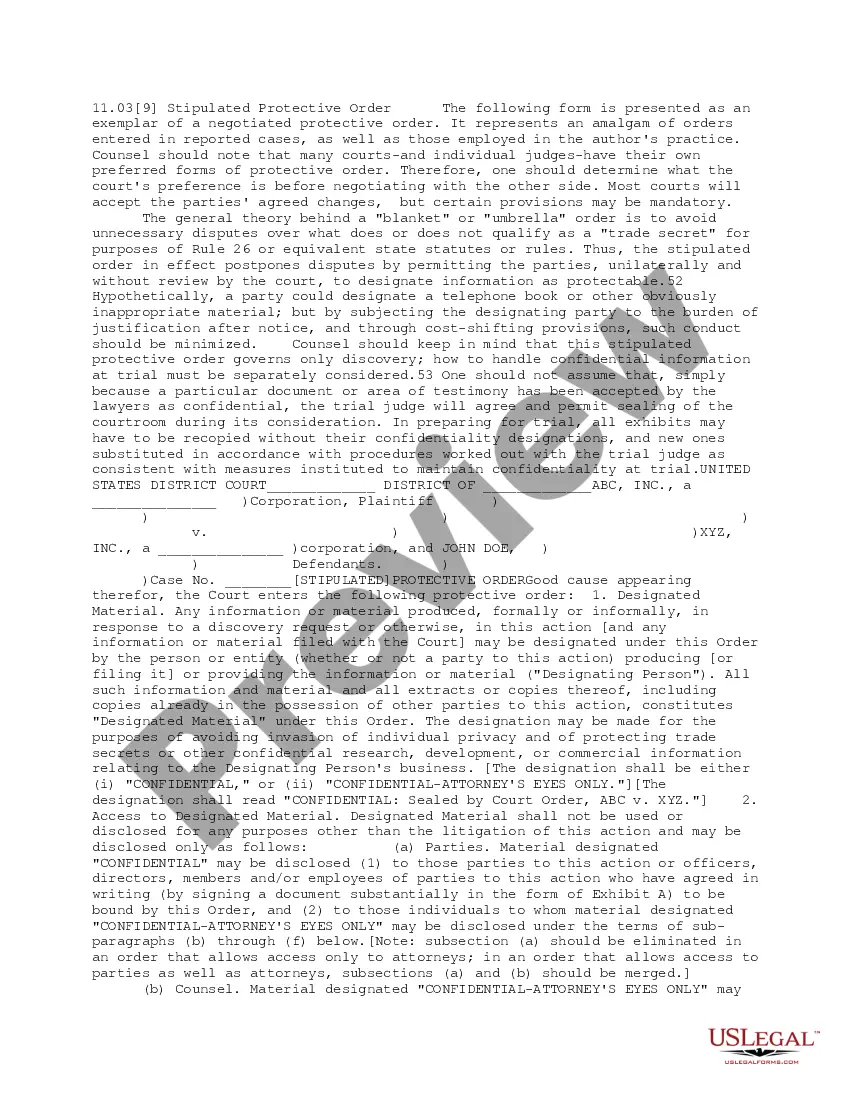
The Sample Discovery Protective Order is a legal document designed to safeguard confidential information shared during the discovery phase of litigation. It ensures that sensitive documents and communications are not disclosed to unauthorized parties, promoting transparency while protecting privacy. This form is essential in legal proceedings to manage the handling of confidential materials.
Main sections of this form
- Identification of parties involved, including the plaintiff and defendant.
- Definitions of "Confidential Information" and guidelines for its designation.
- Restrictions on who may access confidential information and the required agreements.
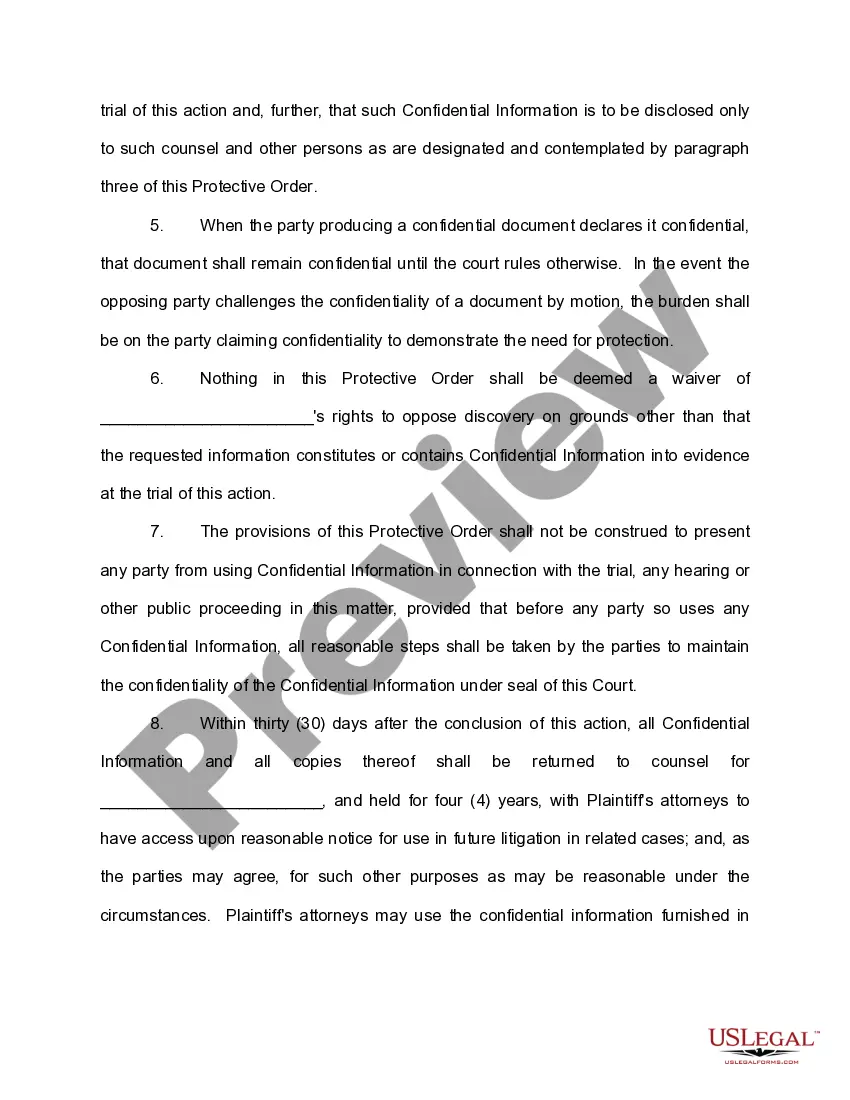
- Procedures for challenging the confidentiality of documents.
- Instructions on the return or destruction of confidential documents after the case concludes.
Common use cases
This form should be used in civil litigation cases where parties exchange documents and information that may contain sensitive or proprietary information. It is particularly applicable when a party anticipates that disclosing such information could harm their interests or the privacy of third parties involved in the case.
Who can use this document
- Attorneys representing clients in civil litigation.
- Parties involved in legal disputes requiring protection of sensitive information.
- Experts and consultants who may need access to confidential materials for case preparation.
Completing this form step by step
- Identify the parties involved by entering the names of the plaintiff and defendant.
- Designate the documents and information to be kept confidential, providing clear labels on the materials.
- Specify who may have access to the confidential information and ensure they agree to the terms of the order.
- Outline the procedures for handling challenges to the confidentiality of any documents.
- Include a clause about the return or destruction of confidential documents after the legal proceedings conclude.
Notarization guidance
This form does not typically require notarization unless specified by local law. It is essential to follow any court-specific requirements regarding submissions.
Get your form ready online
Our built-in tools help you complete, sign, share, and store your documents in one place.
Make edits, fill in missing information, and update formatting in US Legal Forms—just like you would in MS Word.
Download a copy, print it, send it by email, or mail it via USPS—whatever works best for your next step.
Sign and collect signatures with our SignNow integration. Send to multiple recipients, set reminders, and more. Go Premium to unlock E-Sign.
If this form requires notarization, complete it online through a secure video call—no need to meet a notary in person or wait for an appointment.
We protect your documents and personal data by following strict security and privacy standards.

Make edits, fill in missing information, and update formatting in US Legal Forms—just like you would in MS Word.

Download a copy, print it, send it by email, or mail it via USPS—whatever works best for your next step.

Sign and collect signatures with our SignNow integration. Send to multiple recipients, set reminders, and more. Go Premium to unlock E-Sign.

If this form requires notarization, complete it online through a secure video call—no need to meet a notary in person or wait for an appointment.

We protect your documents and personal data by following strict security and privacy standards.
Common mistakes to avoid
- Failing to clearly define what constitutes "Confidential Information."
- Not ensuring all parties and relevant individuals sign the agreement to maintain confidentiality.
- Overlooking to specify the consequences of disclosing protected information.
- Neglecting to return or appropriately dispose of confidential documents after the litigation ends.
Why complete this form online
- Convenience: Download and customize the form from anywhere, at any time.
- Editability: Tailor the document to suit the specific needs of your case and clients.
- Reliability: Access forms drafted by licensed attorneys, ensuring compliance with legal standards.
Legal use & context
- This form is an enforceable legal document in Alabama for protecting sensitive information during litigation.
- Without a proper protective order, confidential information may be disclosed during trials or depositions.
Key takeaways
- The Sample Discovery Protective Order is essential for protecting confidential information in litigation.
- It outlines specific disclosure terms to prevent unauthorized access to sensitive data.
- Completing this form correctly ensures compliance with Alabama's legal standards during discovery.
Looking for another form?

Form popularity
FAQ
The Alabama Sample Discovery Protective Order is a court-approved template designed to shield confidential information exchanged during civil discovery from unauthorized disclosure. It creates binding protections for documents and communications, identifies the parties, defines Confidential Information, sets who may access it, and provides procedures to challenge designation and to return or destroy materials after the case ends. It is intended for civil litigation in Alabama where sensitive information is at issue.
A protective order regarding discovery sets limits on who may see confidential information produced in a civil case and how it can be used. The Alabama Sample Discovery Protective Order uses this concept to designate Confidential Information, restrict access to authorized people (with agreements as needed), and outline steps to challenge confidentiality and to return or destroy materials after the case concludes.
Rule 37 of the Alabama Rules of Civil Procedure governs sanctions for failure to comply with discovery orders, including protective orders. In the context of this form, it provides a framework for enforcing confidentiality obligations, and can support remedies when protected documents or information are not properly disclosed or mishandled during civil litigation.
Alabama’s civil procedure includes discovery rules that govern how information is gathered and shared in lawsuits. This form does not itself create or modify those rules; instead, it implements confidentiality protections for discovery materials. The focus is on who can access information, how it is labeled, and how it is returned or destroyed after the case ends. Consult an attorney for specifics.
Common discovery methods in civil cases include interrogatories, requests for production, requests for admissions, and depositions. The Alabama Sample Discovery Protective Order governs the protection of materials produced through any discovery method by defining Confidential Information, restricting access, providing designation procedures, and outlining return or destruction requirements after the case concludes.
This form is tailored to discovery in civil litigation in Alabama. It specifically defines Confidential Information, sets designation guidelines, restricts access to authorized persons, includes procedures for challenging confidentiality, and directs the return or destruction of confidential materials after the case concludes, all within the discovery context rather than general protective-order use.