Wyoming Notice of Assignment of Contract for Deed
What is this form?
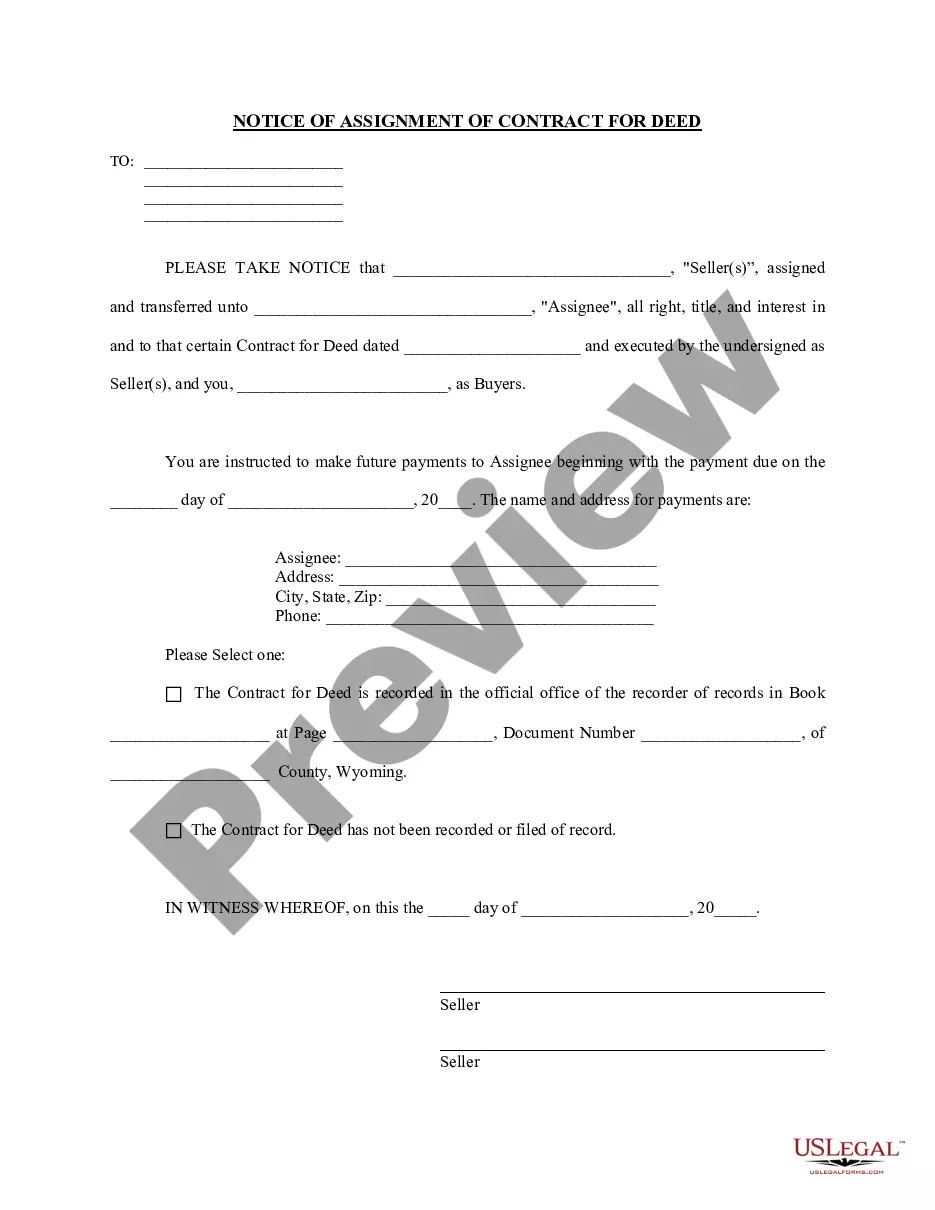
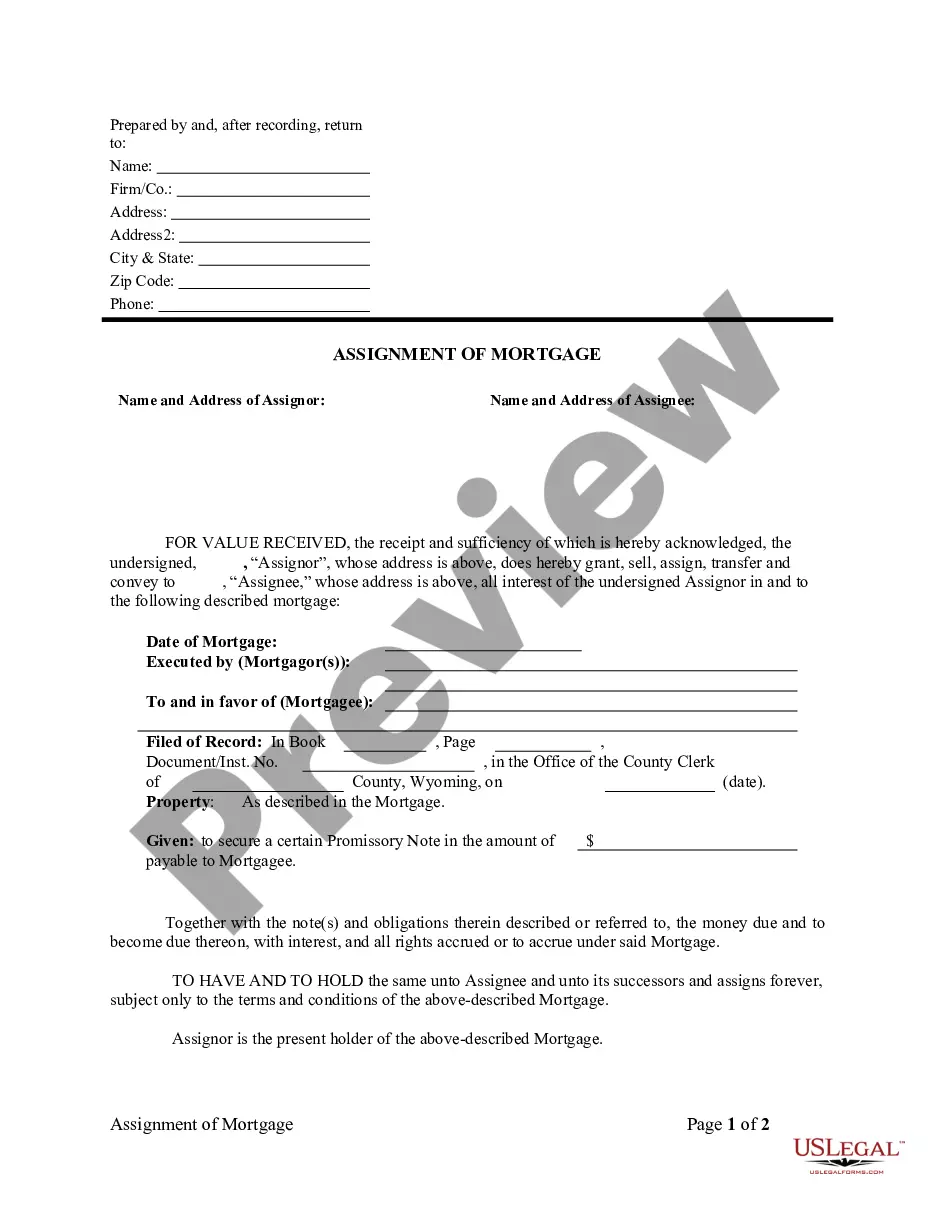
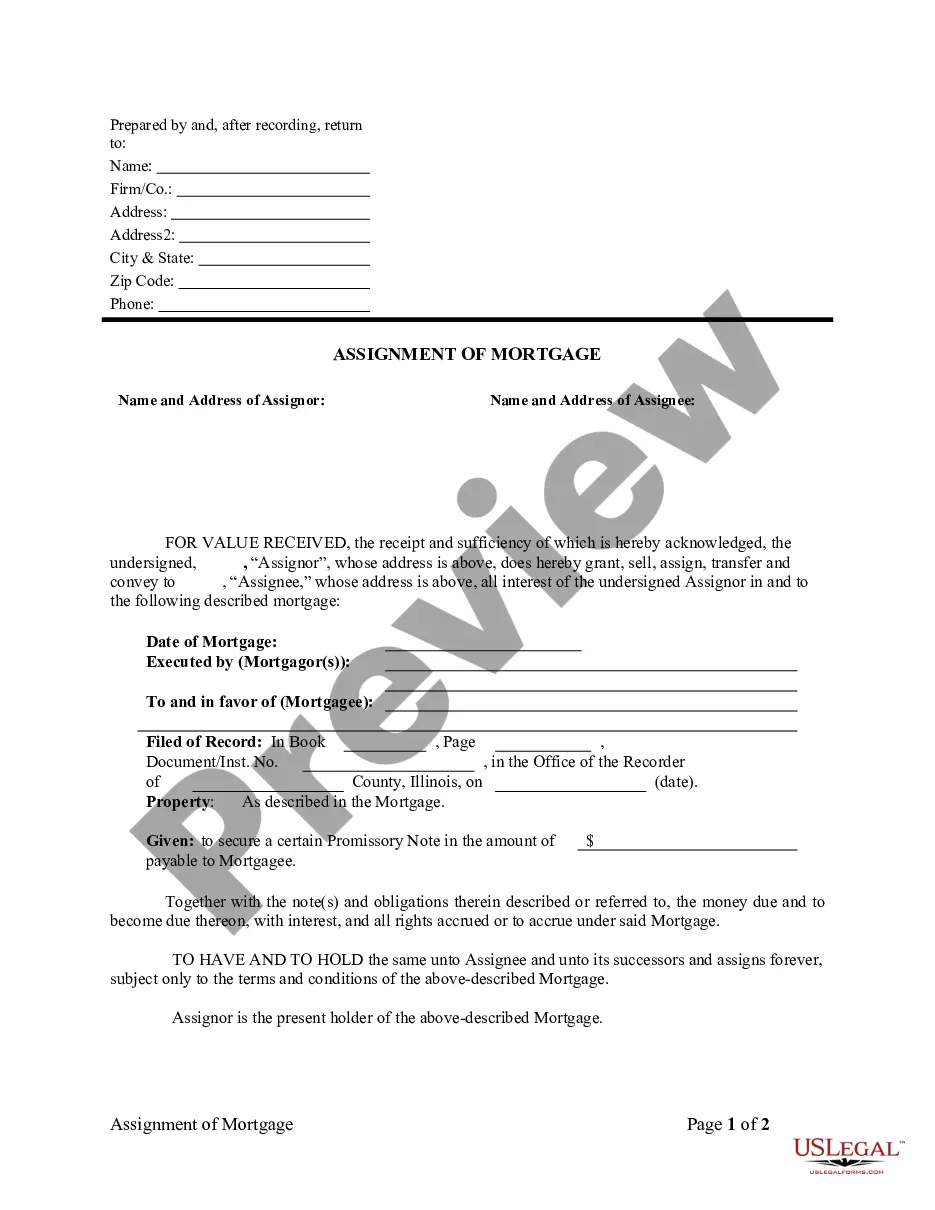
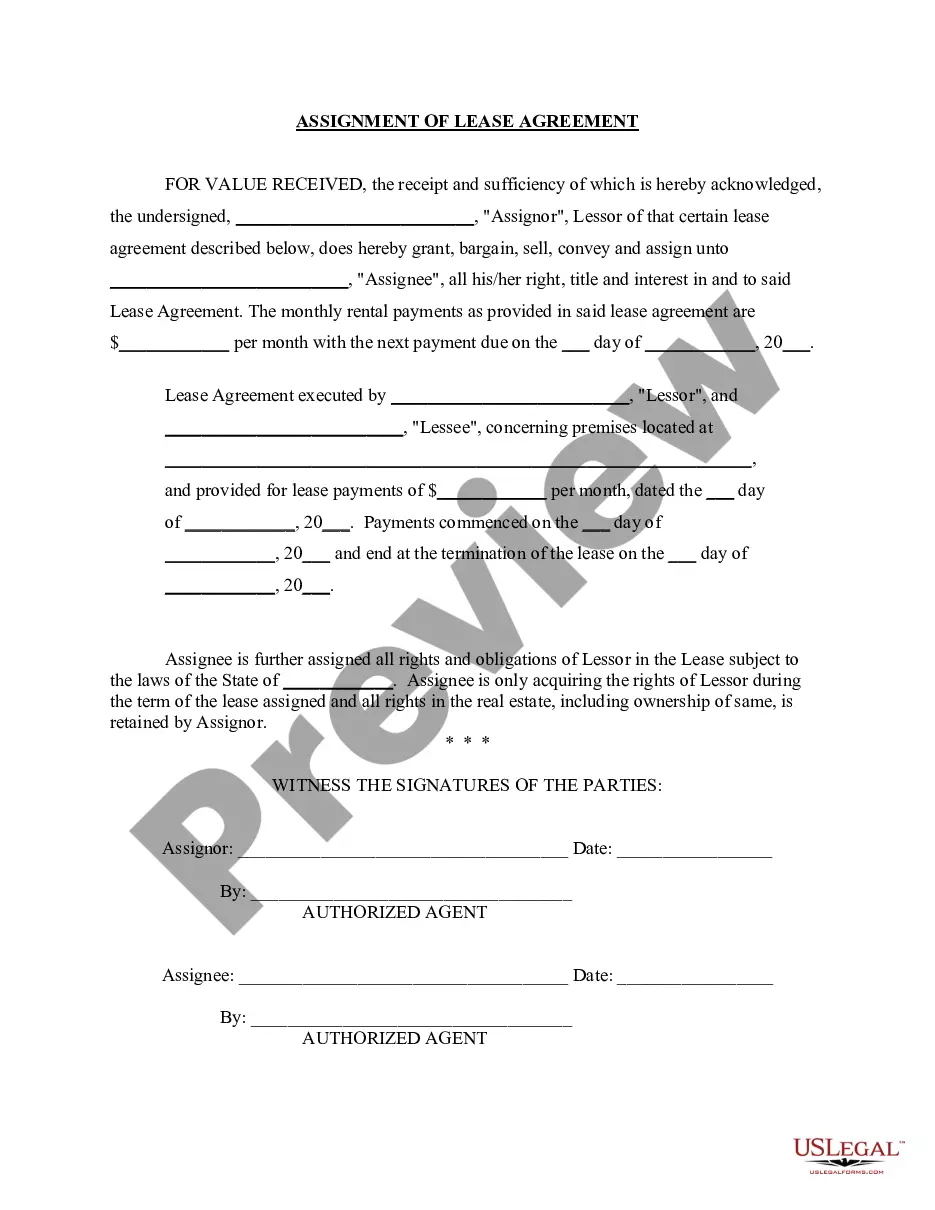
The Notice of Assignment of Contract for Deed is a legal document used by a seller to inform the buyer that the seller has assigned their contract for deed to a third party. This form ensures that the buyer knows where to direct future payments, making it crucial for the clarity of the transaction. Unlike other forms, this notice specifically addresses the assignment of payment responsibility to another party, which is essential in contract management.
Main sections of this form
- Identification of the seller and buyer(s)
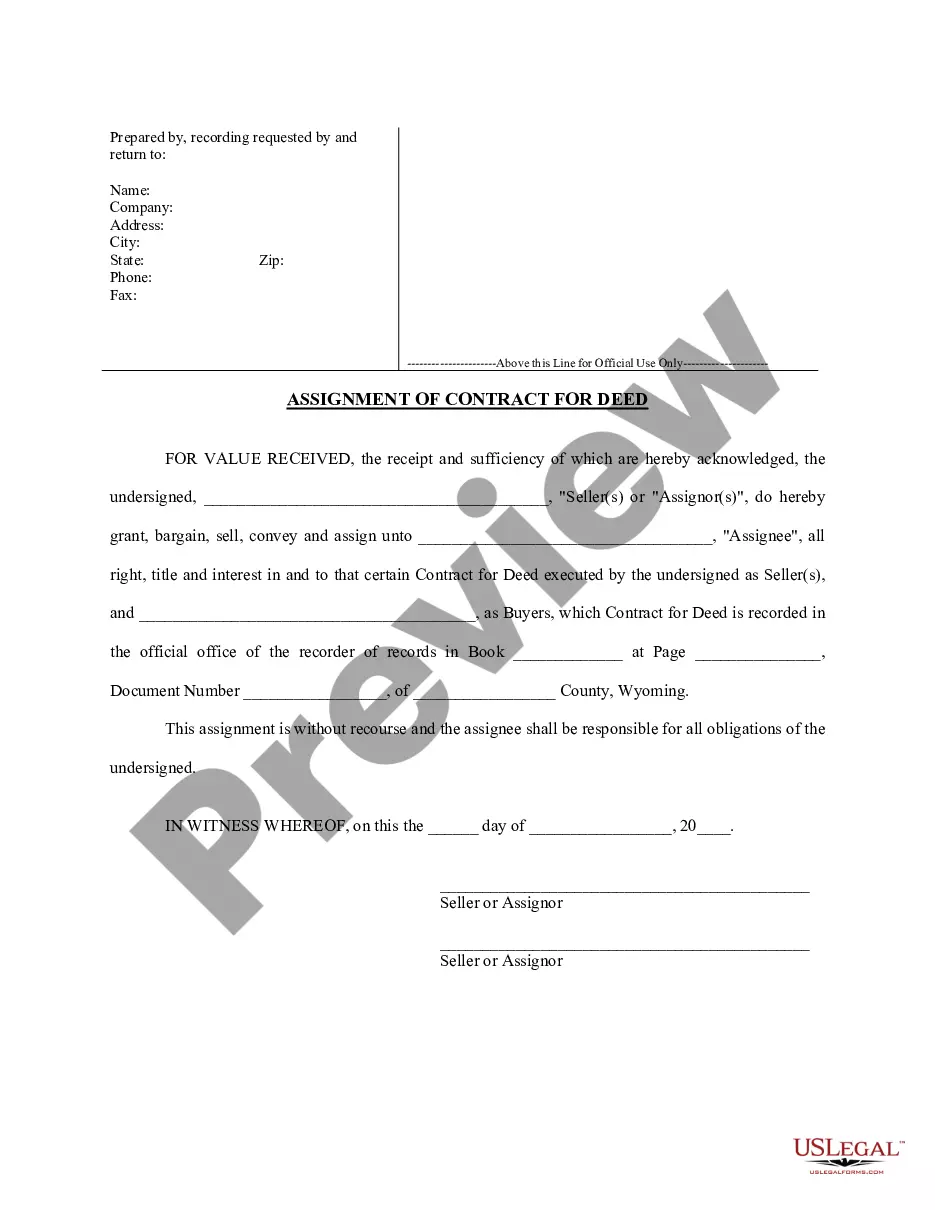
- Details about the contract for deed assignment
- Instructions for future payment to the third party
- Signature lines for the seller
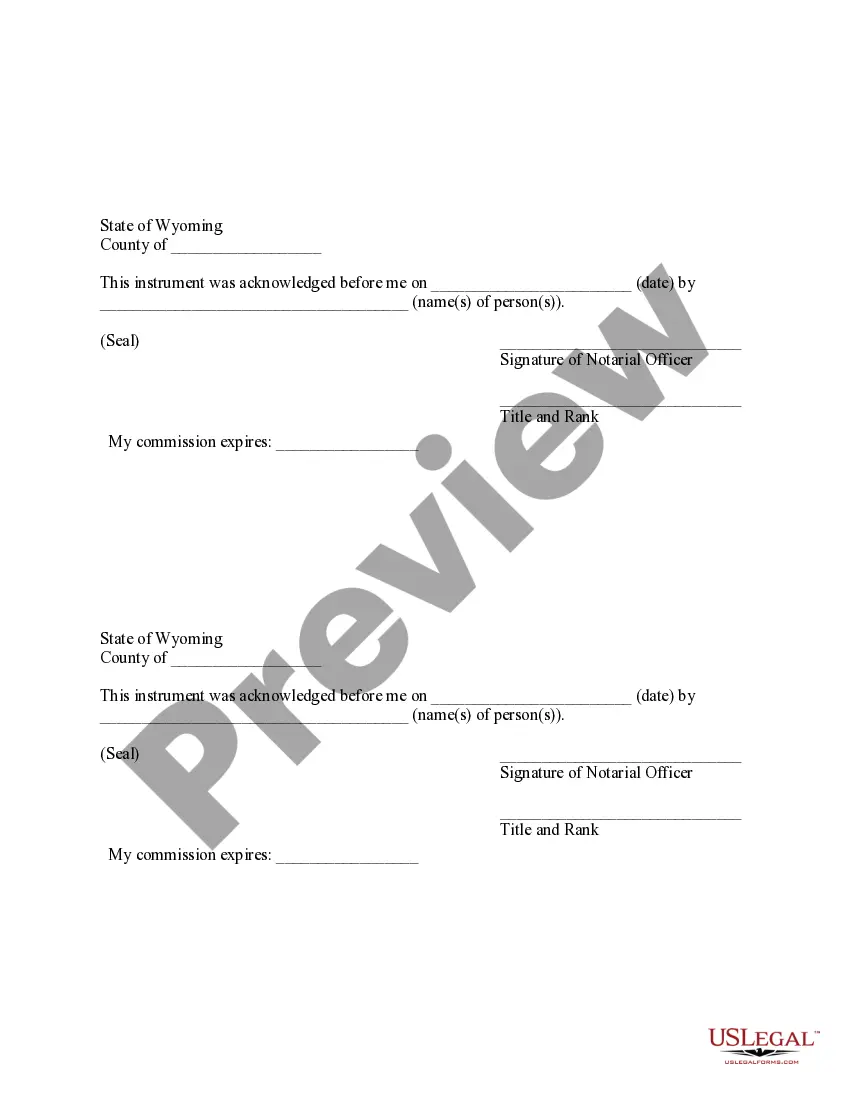
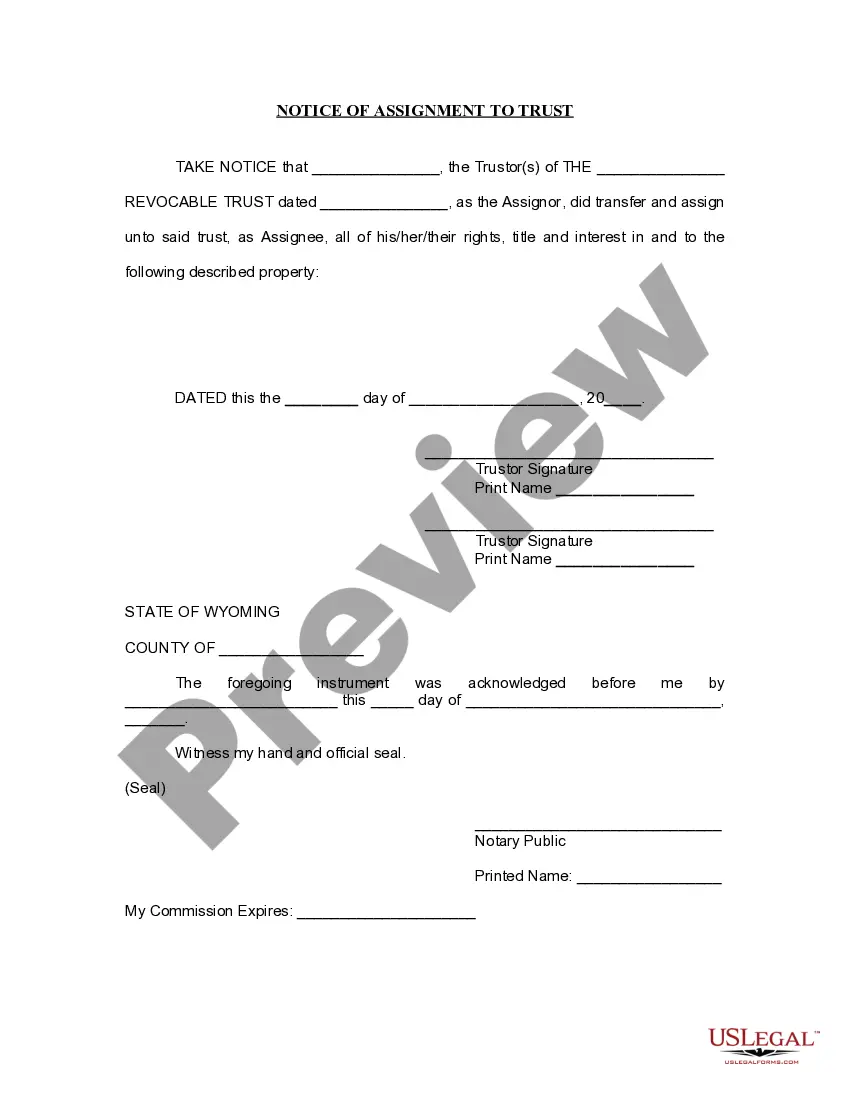
- Notary acknowledgment section
Common use cases
This form should be used when a seller of a contract for deed transfers the rights and obligations of that contract to another individual or entity. It is often necessary in real estate transactions where ownership terms change, ensuring that all parties are notified and clear on future payment directions.
Who can use this document
This form is intended for:
- Sellers of a contract for deed who are assigning the contract
- Buyers who need to know where to send payments
- Real estate agents facilitating contract assignments
- Legal professionals advising clients on contract matters
Instructions for completing this form
- Identify the seller and the buyer(s) with their full names.
- Specify the details of the contract for deed being assigned.
- Enter the date on which the assignment is executed.
- Provide the necessary signatures of the seller(s).
- Complete the notary acknowledgment section for legal verification.
Is notarization required?
Yes, this form must be notarized to be legally valid. Notarization verifies the identities of the parties involved and adds a layer of authenticity to the document. US Legal Forms offers integrated online notarization services, allowing you to complete this step securely and conveniently via video call without needing to travel.
Get your form ready online
Our built-in tools help you complete, sign, share, and store your documents in one place.
Make edits, fill in missing information, and update formatting in US Legal Forms—just like you would in MS Word.
Download a copy, print it, send it by email, or mail it via USPS—whatever works best for your next step.
Sign and collect signatures with our SignNow integration. Send to multiple recipients, set reminders, and more. Go Premium to unlock E-Sign.
If this form requires notarization, complete it online through a secure video call—no need to meet a notary in person or wait for an appointment.
We protect your documents and personal data by following strict security and privacy standards.

Make edits, fill in missing information, and update formatting in US Legal Forms—just like you would in MS Word.

Download a copy, print it, send it by email, or mail it via USPS—whatever works best for your next step.

Sign and collect signatures with our SignNow integration. Send to multiple recipients, set reminders, and more. Go Premium to unlock E-Sign.

If this form requires notarization, complete it online through a secure video call—no need to meet a notary in person or wait for an appointment.

We protect your documents and personal data by following strict security and privacy standards.
Common mistakes
- Failing to include all parties involved in the contract.
- Not having the document properly notarized.
- Omitting or incorrectly entering the contract details.
- Signing without date or proper acknowledgment.
Advantages of online completion
- Convenience: Easily download the form from anywhere and at any time.
- Editability: Customize the document quickly to meet your specific needs.
- Reliability: Forms are drafted by licensed attorneys, ensuring legal compliance.
Key takeaways
- The Notice of Assignment of Contract for Deed communicates important changes in payment responsibilities.
- Accurate completion and notarization of the form are essential for legal effectiveness.
- This form is critical when a seller transfers contract obligations to a third party.
Looking for another form?
Form popularity
FAQ
In order to cancel a contract for deed, a seller needs to complete a form called a notice of cancellation of contract for deed, and have the notice personally served on the buyer.A seller can cancel a contract for deed for buyer's default in making the monthly payments.
What Is A Deed Of Termination? A Deed of Termination is a document signed by parties to confirm that a legally binding contract previously entered into is to be terminated. This typically relates to the ending of a commercial relationship between two parties prior to the natural expiration of the contract between them.
The buyer should record the contract for deed with the county recorder where the land is located and does so normally within four months after the contract is signed, though the time may vary depending on state law.
Purchase price. Down payment. Interest rate. Number of monthly installments. Responsibilities of the buyer and seller. Legal remedies for the seller if the buyer does not make payments.
A disadvantage to the seller is that a contract for deed is frequently characterized by a low down payment and the purchase price is paid in installments instead of one lump sum.The legal fees and time frame for this process will be more extensive than a standard Power of Sale foreclosure.
Usually the contract requires the buyer to make payments over time with interest payable on the unpaid balance. Once a buyer pays all of the payments called for under the contract, the owner transfers to the buyer a deed to the property.
Should I record the contract? The seller must record the contract or a memorandum of the contract within 10 days of the date of sale. They must do this at the county recorder of deeds where the property is located.
In the first instance, if your deed is not recorded, there is nothing in the public record to stop the seller from conveying the property to another person.The second situation could happen if your seller fails to pay his or her debts and the seller's creditors file liens or judgments against your property.