Vermont New Resident Guide
About this form
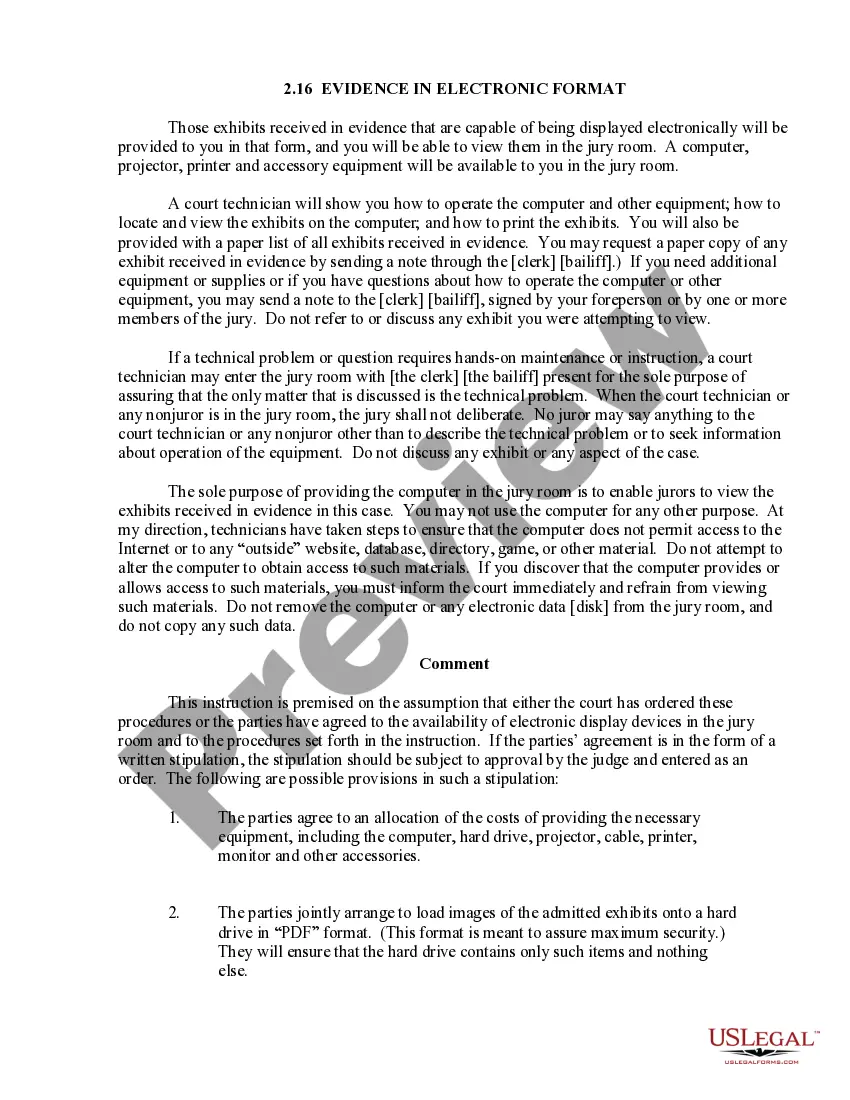
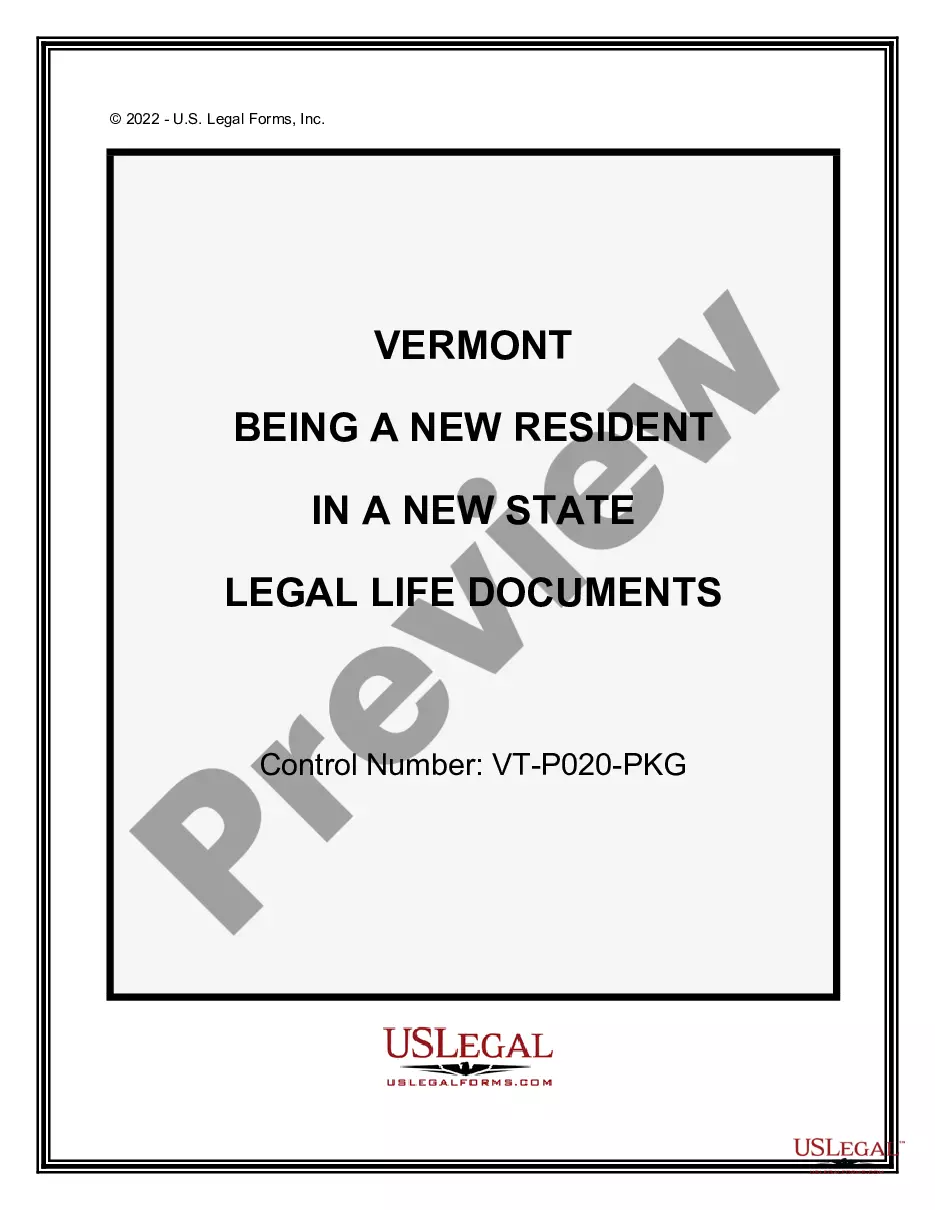
The New Resident Guide is an essential informational resource for individuals relocating to a new state in the U.S. This guide outlines key requirements for residency, voter registration, identification cards, driver's licenses, and vehicle registration in the state you are moving to. Unlike other forms that may focus on a single area, this guide provides a comprehensive overview to help new residents navigate their legal obligations effectively.
Key components of this form
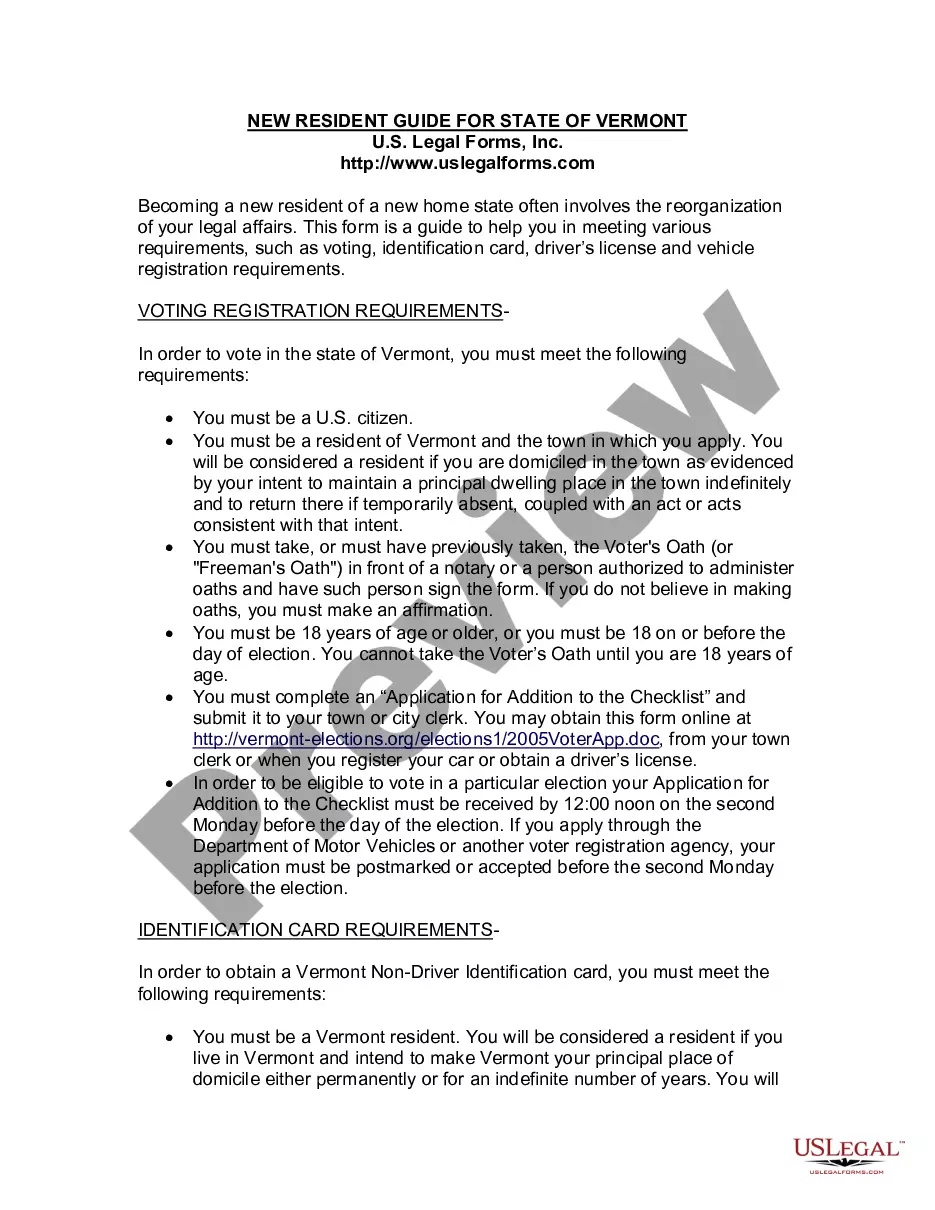
- Voting registration requirements, including eligibility criteria and application process.
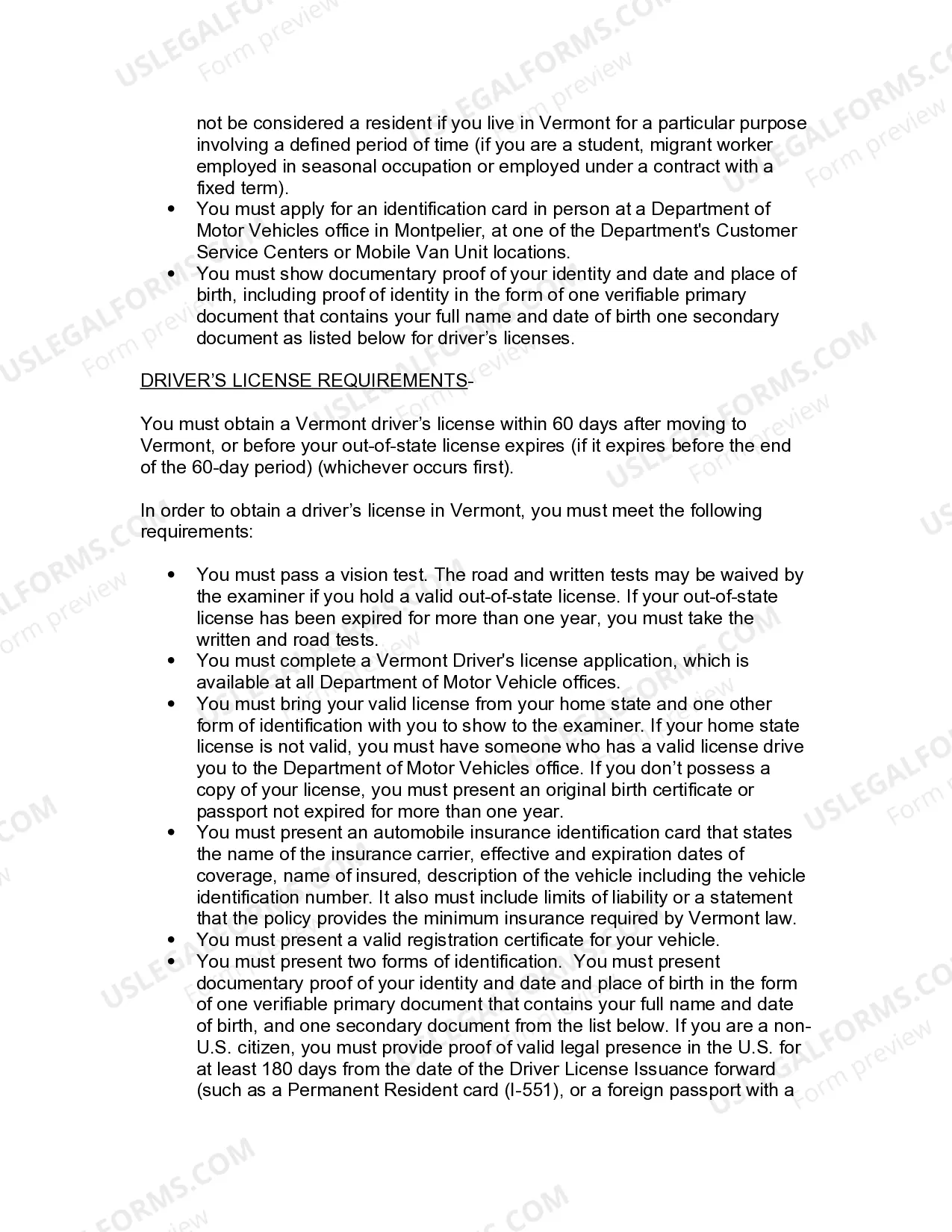
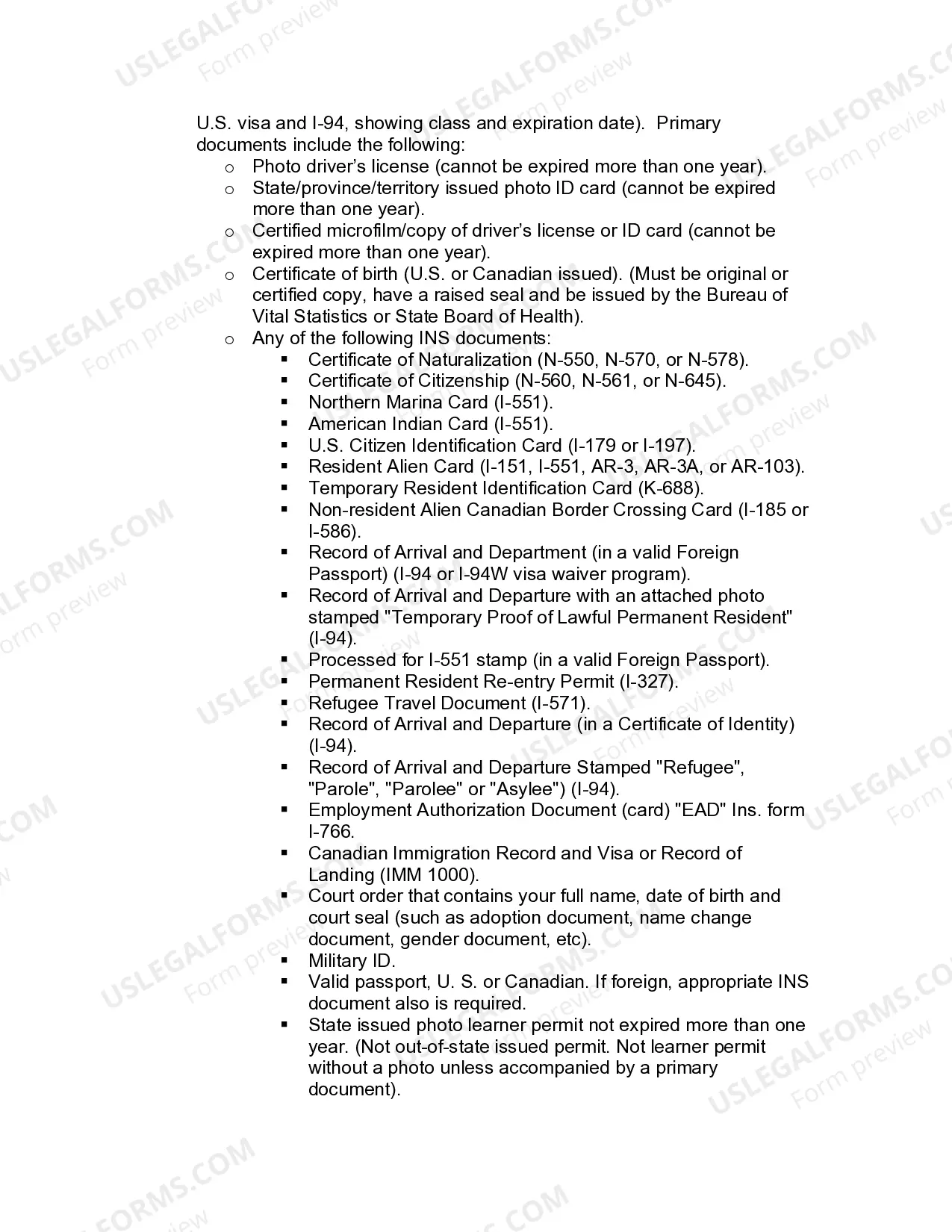
- Identification card requirements necessary for obtaining a state ID.
- Driver's license requirements, including testing and documentation needed.
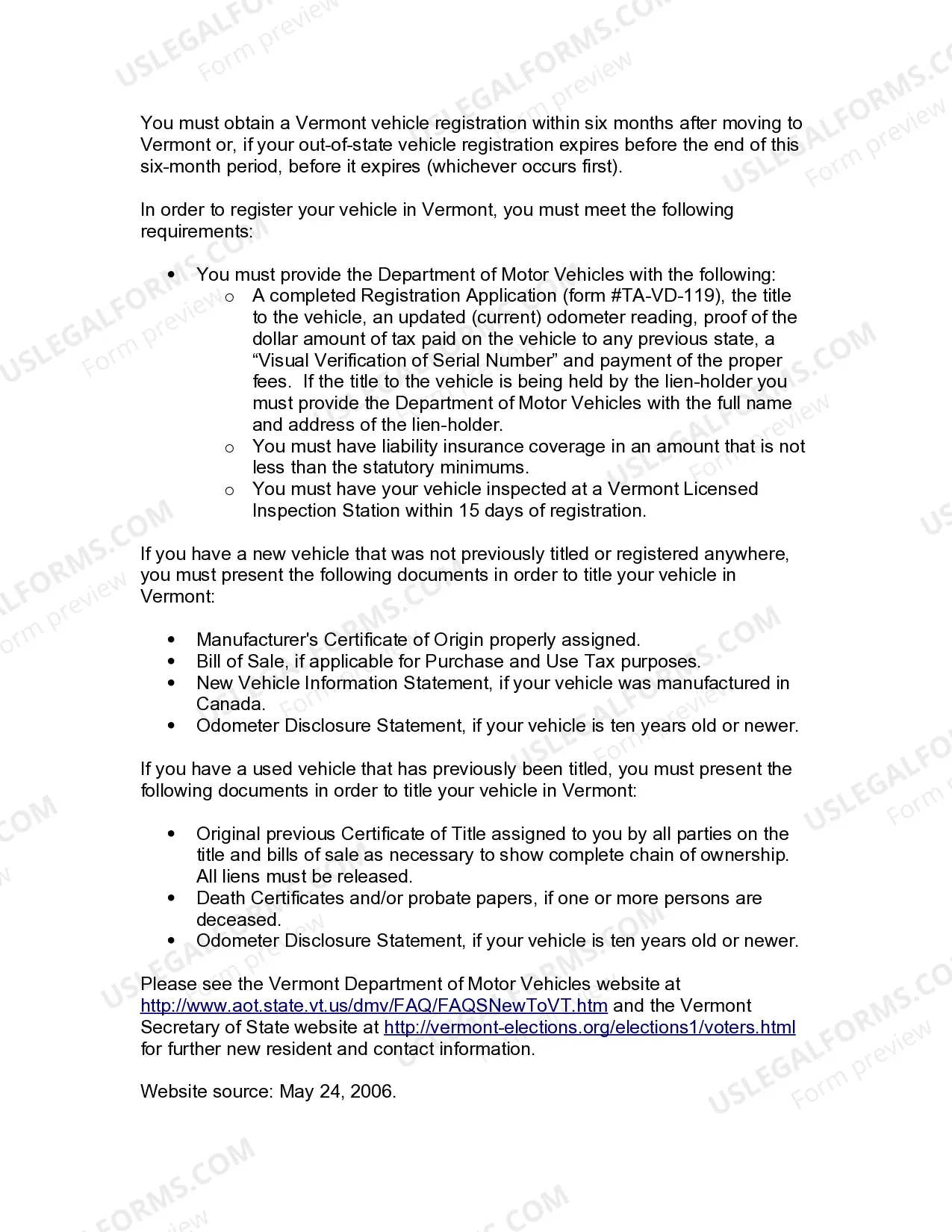
- Vehicle title and registration requirements for new residents.
- Links to state-specific resources for further assistance.
Common use cases
This form should be utilized by individuals moving to a new state who need to understand the legal requirements associated with becoming a resident. It is particularly useful during the initial settlement phase, when residents must register to vote, obtain identification, secure a driver's license, and register their vehicle within specified timeframes.
Who can use this document
This guide is intended for:
- New residents relocating to a different state.
- Citizens and non-citizens looking to navigate residency requirements.
- Individuals requiring assistance with voter registration and identification processes.
- Anyone needing to register their vehicle or obtain a driver's license in a new state.
How to prepare this document
- Review the residency requirements and ensure eligibility based on your situation.
- Prepare necessary documentation for voter registration, including proof of residency.
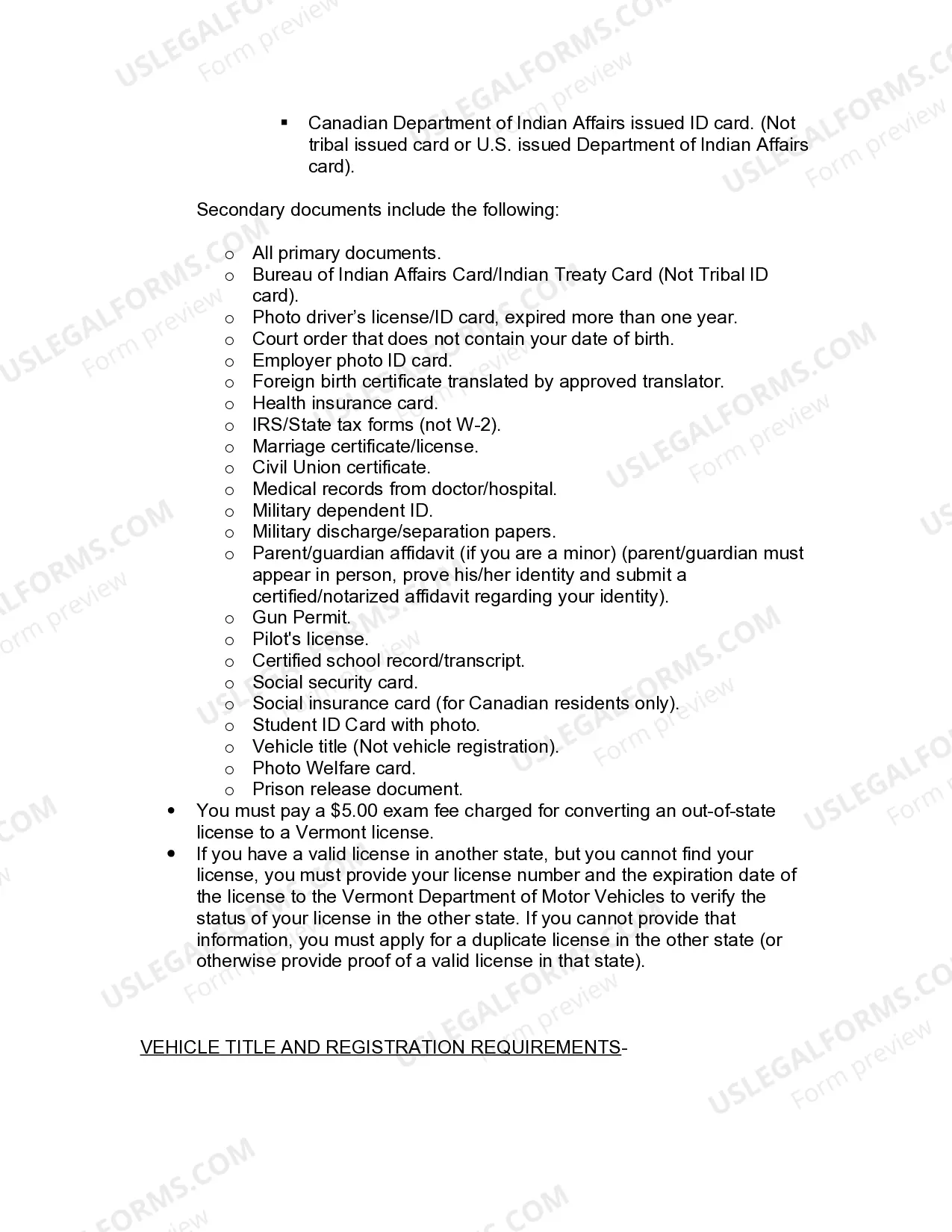
- Gather required identification documents for obtaining a state ID or driver's license.
- File your vehicle registration application with the local Department of Motor Vehicles.
- Submit your completed forms along with any relevant fees to the appropriate authorities.
Is notarization required?
Notarization is required for this form to take effect. Our online notarization service, powered by Notarize, lets you verify and sign documents remotely through an encrypted video session, available 24/7.
Get your form ready online
Our built-in tools help you complete, sign, share, and store your documents in one place.
Make edits, fill in missing information, and update formatting in US Legal Forms—just like you would in MS Word.
Download a copy, print it, send it by email, or mail it via USPS—whatever works best for your next step.
Sign and collect signatures with our SignNow integration. Send to multiple recipients, set reminders, and more. Go Premium to unlock E-Sign.
If this form requires notarization, complete it online through a secure video call—no need to meet a notary in person or wait for an appointment.
We protect your documents and personal data by following strict security and privacy standards.

Make edits, fill in missing information, and update formatting in US Legal Forms—just like you would in MS Word.

Download a copy, print it, send it by email, or mail it via USPS—whatever works best for your next step.

Sign and collect signatures with our SignNow integration. Send to multiple recipients, set reminders, and more. Go Premium to unlock E-Sign.

If this form requires notarization, complete it online through a secure video call—no need to meet a notary in person or wait for an appointment.

We protect your documents and personal data by following strict security and privacy standards.
Common mistakes to avoid
- Not checking application deadlines for voter registration and vehicle registration.
- Failing to provide sufficient proof of identity or residency.
- Submitting documents that are not properly completed or signed.
- Neglecting to follow up on the status of applications after submission.
Why use this form online
- Convenience of downloading forms at any time without the need for in-person visits.
- Editability, allowing users to fill in their information easily before printing.
- Access to up-to-date legal information tailored for specific states.
- Time-saving as it streamlines the process of understanding legal requirements.
Looking for another form?

Form popularity
FAQ
Utility bill (must list service address). Property tax bill with physical location. Lease or Landlord statement. Vermont EBT (Electronic Benefit Transfer) card or Vermont AIM (Advanced Information Management) identification card. Homeowners/Renters insurance (policy/proof of claim).
So, The Vermont Loophole is totally real. Totally do-able. As long as you aren't in a rush.
Solid yellow lines, single or double, indicate that passing is not permitted. Broken yellow lines indicate that passing is permitted. Be sure that the lane is clear and the pass can be completed safely.Passing is not permitted for the driver with the solid yellow line on their side of the roadway.
According to the Vermont website: A Resident is an individual that is domiciled in Vermont or maintains a permanent home, and is physically present in the state for 183 days or more.
Yellow lines separate the opposite flow of traffic. A yellow solid line means pass with extra caution.Vehicles with the dashed line on their side of the middle yellow lines may pass if safe to do so. A double-solid yellow-line formation means absolutely no passing.
So, The Vermont Loophole is totally real. Totally do-able. As long as you aren't in a rush.
Two solid yellow lines down the center of a two-way road mean that neither lane of traffic may cross the lines, unless they are turning off of the roadway. A driver can cross double yellow lines when turning into or out of a driveway or entrance to a business. No passing is allowed over a solid yellow line.
Single yellow lines mean you can't wait there between certain hours. Double yellow lines mean you cannot wait there at all.
As with regular passing zones, opposing traffic always has right of way.For example, Vermont State Law also allows passing across the double yellow line when no traffic is on the opposing side, however, one must pass quickly and return to the proper side.