Vermont Small Business Startup Package
About this form package
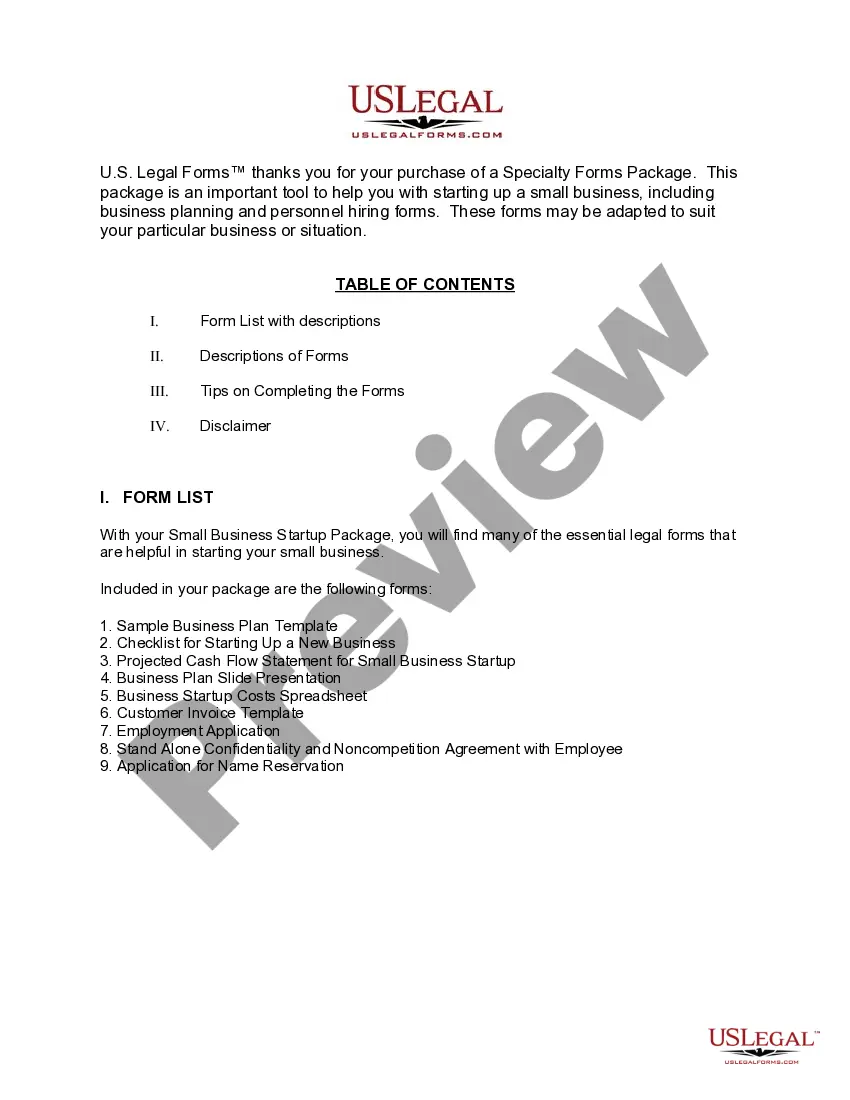
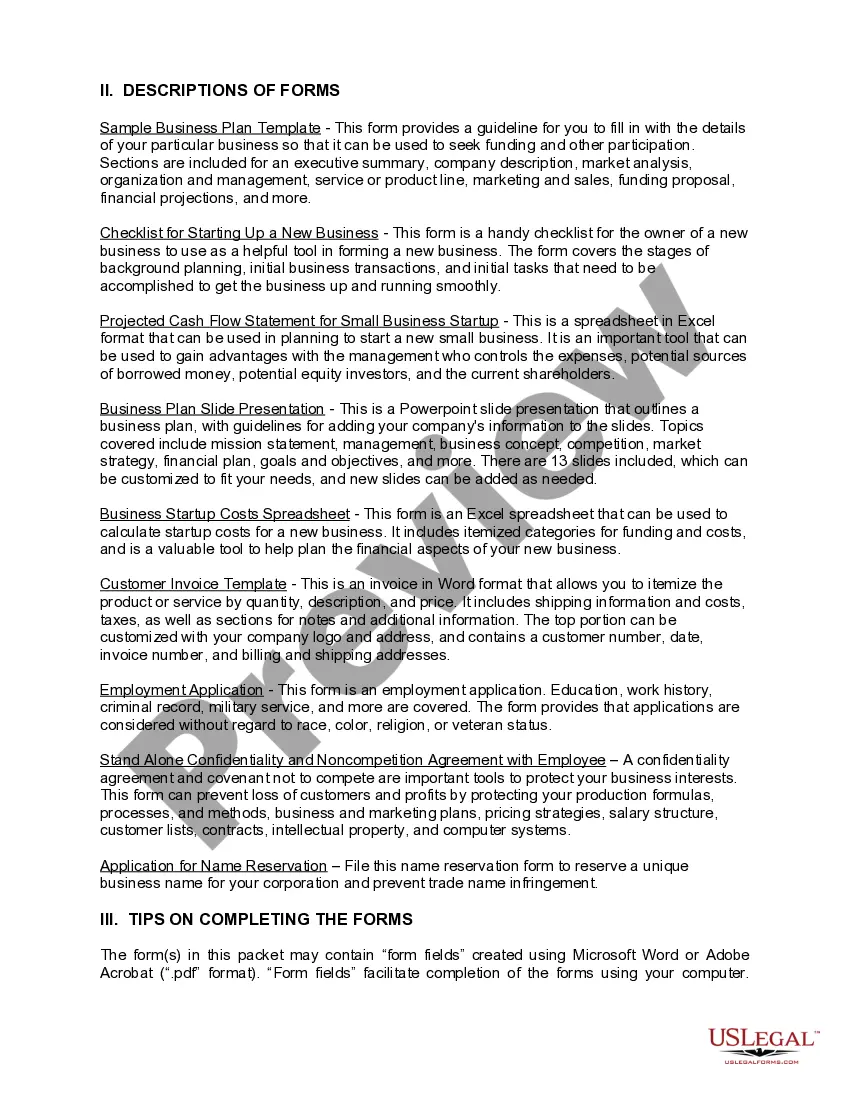
The Vermont Small Business Startup Package is a comprehensive collection of legal forms designed to streamline the process of starting a new business in Vermont. This package includes essential tools for business organization, task management, and financial planning. It differs from other packages by providing tailored support specifically suited for small business startups, helping entrepreneurs navigate the complexities of launching their ventures.
Forms included in this package


When to use this document
This form package is ideal for entrepreneurs who are preparing to establish a small business in Vermont. Use it when you need to:
- Create a business plan to present to potential investors or lenders.
- Organize initial planning tasks and transactions.
- Estimate startup costs and create a cash flow statement.
- Develop an employment application to hire staff.
- Protect your business's confidential information and competitive edge.
Intended users of this form package
- New entrepreneurs looking to start a small business.
- Business owners seeking to secure funding or investment.
- Individuals needing guidance on legal and administrative business setup.
- Anyone who wants a structured approach to launching a business in Vermont.
Steps to complete these forms
- Review all included forms to familiarize yourself with required information.
- Gather necessary details for your business, such as management structure and financial projections.
- Complete the Sample Business Plan Template by filling in your business specifics.
- Use the Checklist for Starting Up a New Business to track progress on initial tasks.
- Fill out financial documents, including the Projected Cash Flow Statement and the Business Startup Costs Spreadsheet.
- Customize the Customer Invoice Template and Employment Application as needed for your new business.
Do documents in this package require notarization?
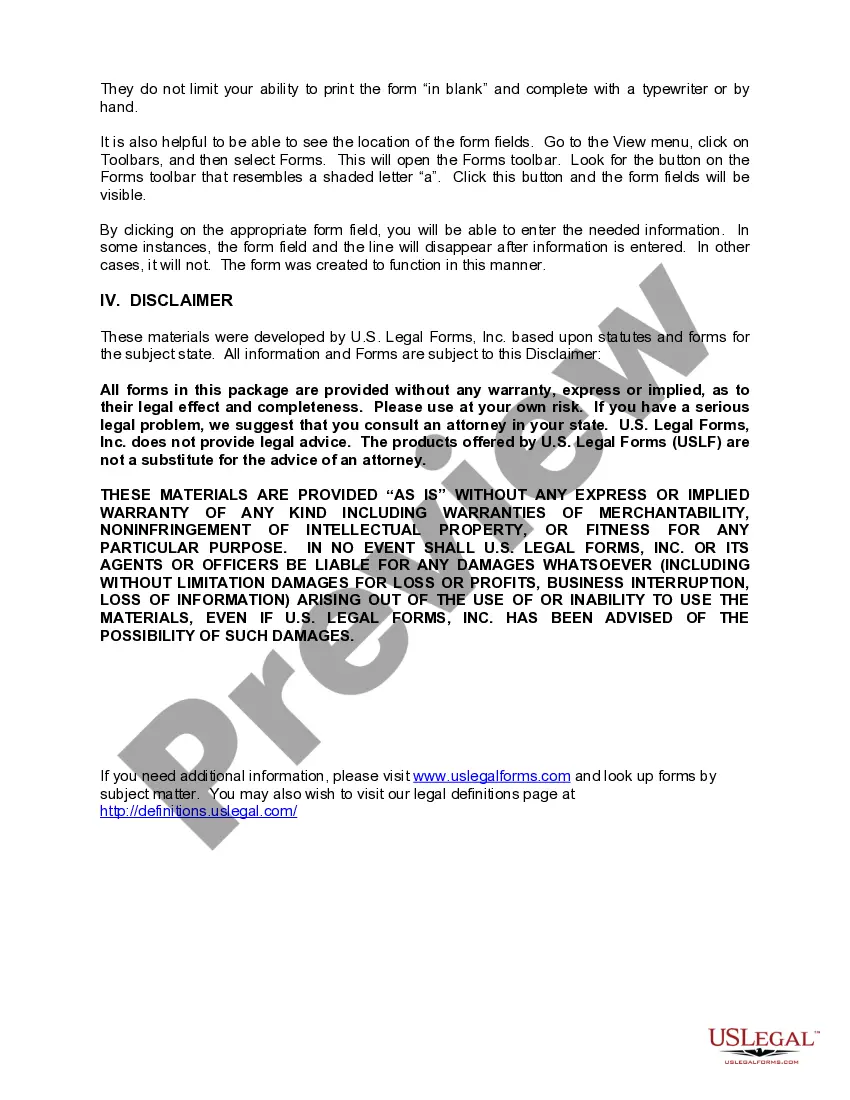
Most forms in this package do not require notarization. However, local laws or specific situations may demand it. Our online notarization service, powered by Notarize, lets you complete the process through a verified video call, available anytime.
Get your form ready online
Our built-in tools help you complete, sign, share, and store your documents in one place.
Make edits, fill in missing information, and update formatting in US Legal Forms—just like you would in MS Word.
Download a copy, print it, send it by email, or mail it via USPS—whatever works best for your next step.
Sign and collect signatures with our SignNow integration. Send to multiple recipients, set reminders, and more. Go Premium to unlock E-Sign.
If this form requires notarization, complete it online through a secure video call—no need to meet a notary in person or wait for an appointment.
We protect your documents and personal data by following strict security and privacy standards.

Make edits, fill in missing information, and update formatting in US Legal Forms—just like you would in MS Word.

Download a copy, print it, send it by email, or mail it via USPS—whatever works best for your next step.

Sign and collect signatures with our SignNow integration. Send to multiple recipients, set reminders, and more. Go Premium to unlock E-Sign.

If this form requires notarization, complete it online through a secure video call—no need to meet a notary in person or wait for an appointment.

We protect your documents and personal data by following strict security and privacy standards.
Common mistakes
- Failing to complete all sections of the business plan template.
- Overlooking essential startup tasks listed in the checklist.
- Not accurately estimating startup costs or cash flow.
- Neglecting to protect confidential business information with agreements.
- Using outdated or incorrect forms for business name reservations.
Benefits of using this package online
- Convenience: Download and complete forms at your own pace.
- Editability: Modify electronic forms easily as business plans evolve.
- Reliability: Forms are drafted by licensed attorneys to ensure compliance with Vermont laws.
- Access to guidance: Clear instructions help navigate the completion of complex forms.
Summary of main points
- The Vermont Small Business Startup Package provides essential forms tailored for new businesses.
- Utilizing this package helps ensure that you meet the legal requirements in Vermont.
- Proper completion of the forms can significantly improve your chances of securing funding and successfully launching your business.
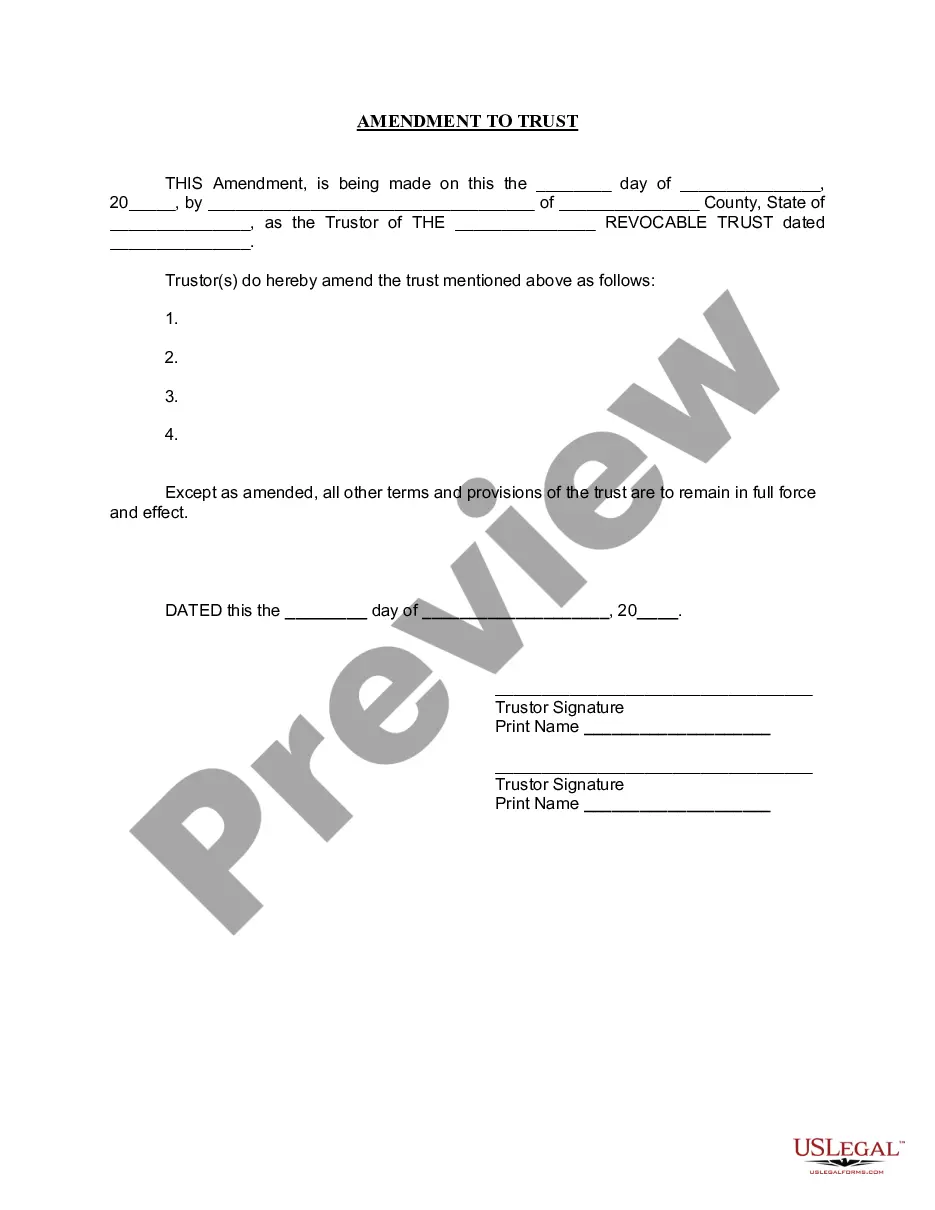
Looking for another form?



Form popularity
FAQ
Step 1: Choose a Business Idea. Step 2: Write a Business Plan. Step 3: Select a Business Entity. Step 4: Register a Business Name. Step 5: Get an EIN. Step 6: Open a Business Bank Account. Step 7: Apply for Business Licenses & Permits. Step 8: Find Financing.
Pick the right business name. Make sure you do a search for your businesses' name, and clear the trademark. Pick the appropriate business structure. Consult with a tax professional before you determine your businesses' legal structure. Get a tax ID. Obtain a registered agent. Get permits or licenses.
Choose a Name for Your LLC. Appoint a Registered Agent. File Articles of Organization. Prepare an Operating Agreement. Comply With Other Tax and Regulatory Requirements. File Vermont Annual Reports. Foreign LLCs Doing Business in Vermont.
To register your business for all applicable taxes, such as withholding or sales tax, you must register it through Vermont's Online Business Service Center. Be sure to register separately for all taxes required for your business type.
A Vermont LLC is created by filing Articles of Organization with the Vermont Secretary of State. The filing fee is $125.
Articles of Incorporation or Organization. File articles of incorporation with the state's commercial-services department to start a corporate entity. Certificate of Assumed Name. Employer Identification Number. Professional Trade Licenses. Local Licenses and Permits.
Choose a Name for Your LLC. Appoint a Registered Agent. File Articles of Organization. Prepare an Operating Agreement. Comply With Other Tax and Regulatory Requirements. File Vermont Annual Reports. Foreign LLCs Doing Business in Vermont.
Step 1: Obtain a Federal Employer Identification Number. Step 2: Register your business with the Vermont Secretary of State. Step 3: Register for a business tax account. Step 4: Determine which taxes you need to pay.
You are allowed to operate a sole proprietorship without registering, but you are required to register with your local government to collect and file state taxes. There is nothing wrong with running an unregistered business as long as your business is legal and meets all licensing and tax requirements.