South Dakota Landlord Tenant Closing Statement to Reconcile Security Deposit
About this form
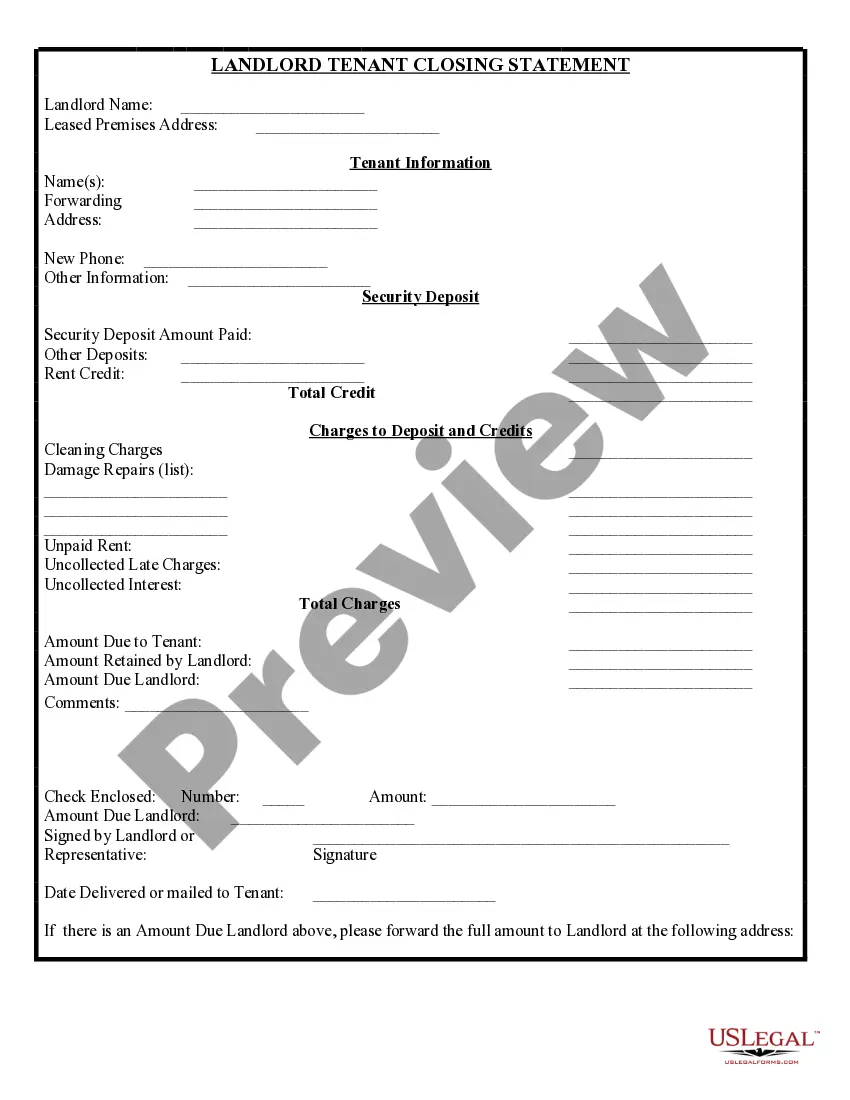
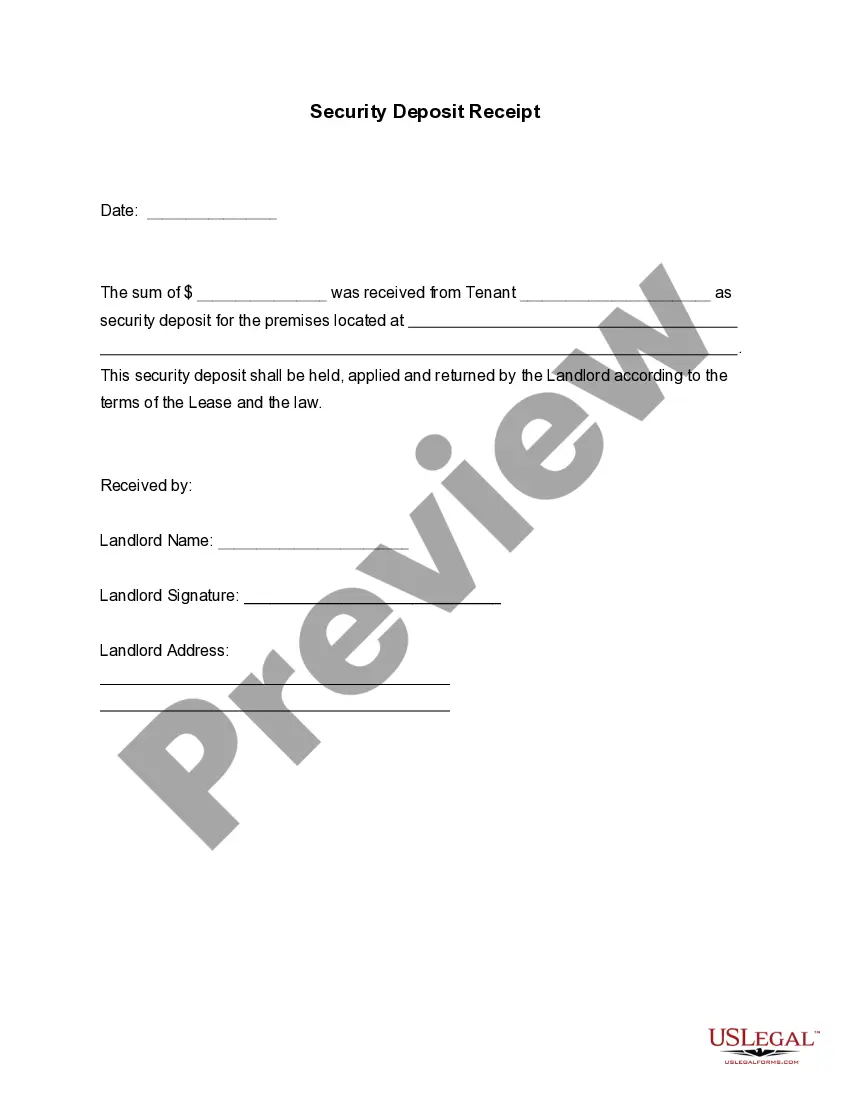
The Landlord Tenant Closing Statement to Reconcile Security Deposit is a legal document used by landlords to summarize the security deposit transactions related to a rental agreement. This form details the total deposits and any deductions made from the security deposit, providing clarity for both the landlord and tenant on the financial aspects of the rental relationship. Unlike rent payments, a security deposit belongs to the tenant but is held by the landlord for potential damages or unpaid rent, making this form essential for reconciling these funds.
Key components of this form
- Identification of the landlord and tenant
- Details of the property rented
- Amount of the security deposit collected
- List of deductions for damages or unpaid rent
- Total amount to be returned to the tenant
- Signature lines for both parties
When this form is needed
This form should be used when a tenant is moving out of a rental property and the landlord needs to account for the security deposit. It is particularly useful for documenting any deductions made from the deposit for repairs or damages beyond normal wear and tear. By using this form, both parties can establish a clear financial record of the security deposit transaction, reducing potential disputes over the return of funds.
Intended users of this form
- Landlords seeking to document the reconciliation of a security deposit
- Tenants wanting to understand deductions made from their security deposit
- Property management companies overseeing rental properties
Instructions for completing this form
- Fill in the names and contact information of both the landlord and tenant.
- Specify the rental property address being vacated.
- List the total amount of the security deposit collected.
- Detail any deductions with explanations for each item.
- Calculate and enter the final amount to be returned to the tenant.
- Obtain signatures from both parties to finalize the agreement.
Notarization guidance
Notarization is generally not required for this form. However, certain states or situations might demand it. You can complete notarization online through US Legal Forms, powered by Notarize, using a verified video call available anytime.
Get your form ready online
Our built-in tools help you complete, sign, share, and store your documents in one place.
Make edits, fill in missing information, and update formatting in US Legal Forms—just like you would in MS Word.
Download a copy, print it, send it by email, or mail it via USPS—whatever works best for your next step.
Sign and collect signatures with our SignNow integration. Send to multiple recipients, set reminders, and more. Go Premium to unlock E-Sign.
If this form requires notarization, complete it online through a secure video call—no need to meet a notary in person or wait for an appointment.
We protect your documents and personal data by following strict security and privacy standards.

Make edits, fill in missing information, and update formatting in US Legal Forms—just like you would in MS Word.

Download a copy, print it, send it by email, or mail it via USPS—whatever works best for your next step.

Sign and collect signatures with our SignNow integration. Send to multiple recipients, set reminders, and more. Go Premium to unlock E-Sign.

If this form requires notarization, complete it online through a secure video call—no need to meet a notary in person or wait for an appointment.

We protect your documents and personal data by following strict security and privacy standards.
Common mistakes to avoid
- Failing to provide a detailed breakdown of deductions.
- Not obtaining signatures from both the landlord and tenant.
- Incorrectly calculating the final amount due to the tenant.
- Using outdated or incorrect forms that do not comply with state laws.
Benefits of using this form online
- Convenient access allows landlords to complete the form at any time.
- Editability enables landlords to customize the form according to specific needs.
- Reliability of professionally drafted templates ensures legal compliance.
Legal use & context
- This form helps establish a clear record, which can aid in resolving disputes.
- Following state laws regarding security deposit handling is critical for legal enforceability.
- Failure to use this form correctly may result in liability for wrongful withholding of security deposits.
Summary of main points
- The Landlord Tenant Closing Statement is essential for reconciling security deposits at the end of a lease.
- Proper completion of the form helps prevent disputes over deposits.
- Understanding state-specific laws is crucial when using this form.
Looking for another form?
Form popularity
FAQ
Date of the deposit receipt. Name of the tenant. Name and location of the financial institution where the security deposit is held. Account number, if required. Amount deposited and date the deposit was made.
Request deposit back You will need to request your deposit back in writing and give your landlord 10 days to respond to the request. An editable PDF letter for you to complete and send to your landlord or letting agent at the end of the tenancy in order to formally request the return of your deposit.
Mail your landlord a letter requesting that she return your deposit. Be polite and simply inform the landlord that you have vacated the property and would appreciate the return of your deposit once she has had a chance to complete any checks and paperwork.
When a tenant moves into a rental property, he or she will pay the landlord a security deposit in addition to first month's rent. This deposit will typically be returned to the tenant at the end of the lease term, as long as the tenant follows all the terms of the lease agreement.
Security deposits are assets or liabilities, so you cannot deduct them as expenses as a tenant and you need not declare them as income on income tax returns as a landlord until you use them.
If the security deposit is for a residential property without furniture, the security deposit may equal 2 times the rent. If the residence is furnished, the landlord may charge up to 3 times the rent. There is no restriction on the amount of the security deposit for the rental of a commercial property.
Dear Name: I am writing to provide notice of my request that you refund the security deposit paid in the amount of $1500.00 for the rental of Address, City, State Zip Code. I vacated the residence on 00/00/00 without any damages beyond oridnary wear and tear.
Security Deposit Received: $1,000. Interest on Deposit (if required by lease or law): $N/A. TOTAL CREDIT (sum of lines 1 and 2): $1,000. Itemized Repairs and Related Losses: Necessary Cleaning: Total Cleaning & Repair (sum of lines 4 and 5) $400. Amount Owed (line 3 minus the sum of line 6)
Tenant's name and new address, or address he gave for return of the security deposit. Commencement date of the lease and date it ended. Amount of the security deposit when the tenant moved in. Amount of interest accrued.