Oregon Power of Attorney Forms Package
Overview of this form package
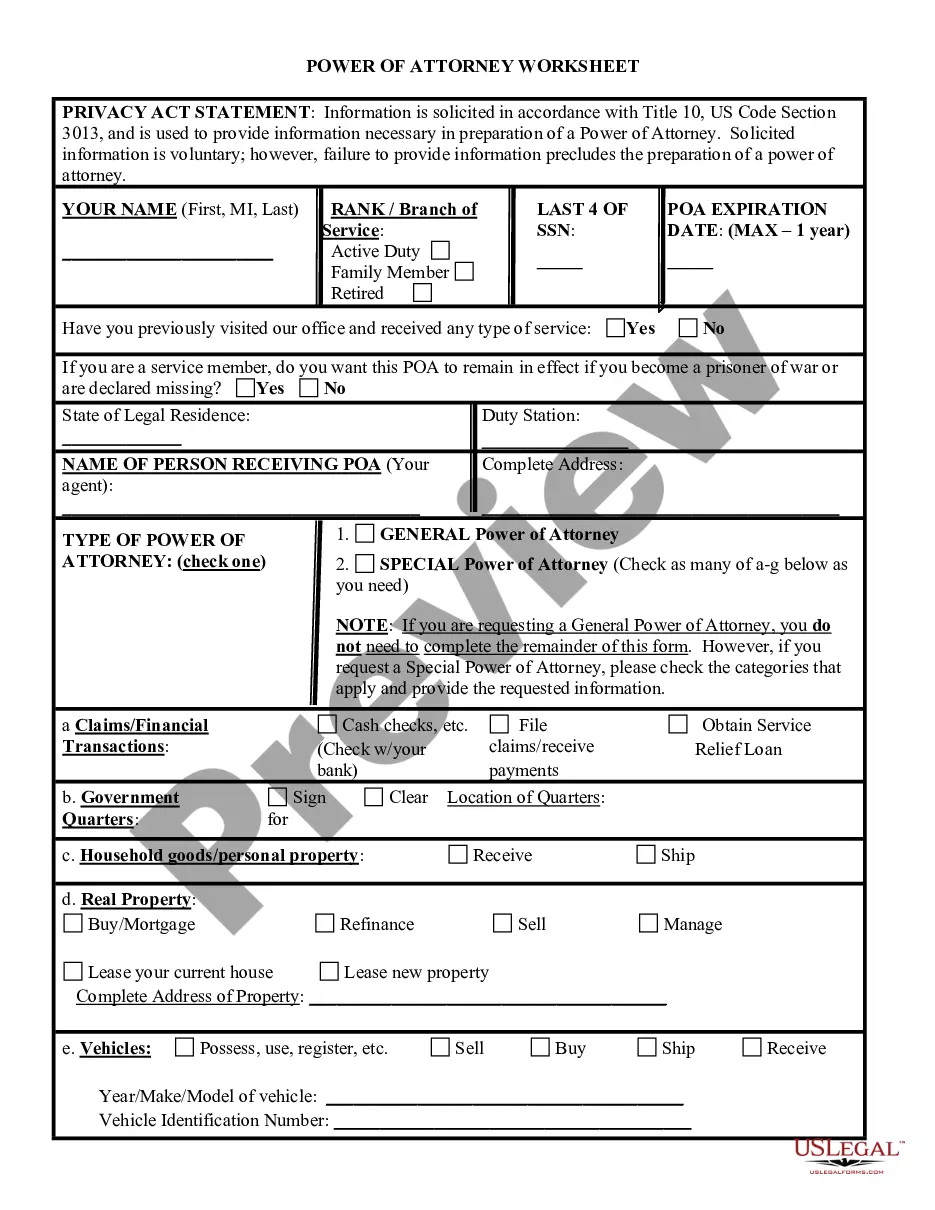
The Oregon Power of Attorney Forms Package includes essential documents that enable you to appoint someone to make crucial decisions regarding your finances, healthcare, and care of minor children. This package stands out due to its inclusion of various types of Power of Attorney forms relevant to Oregon law, ensuring that you can navigate these important areas with clear authority and legal backing.
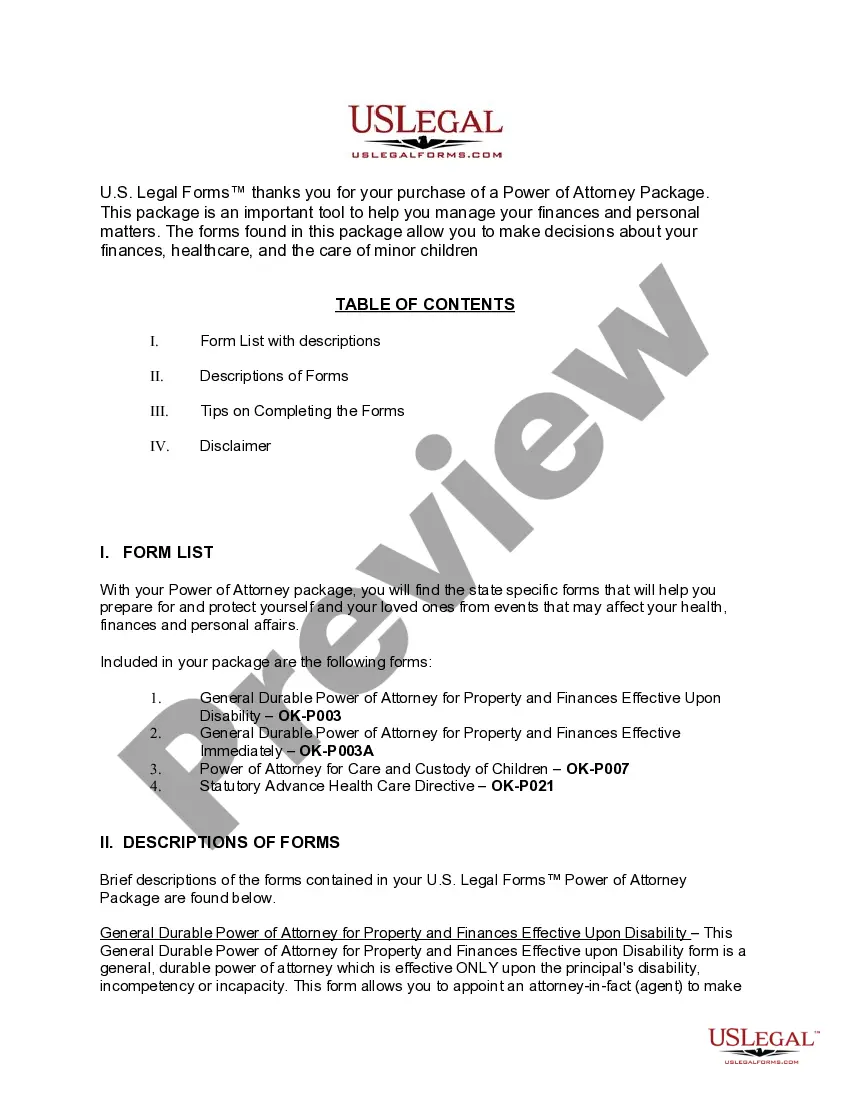
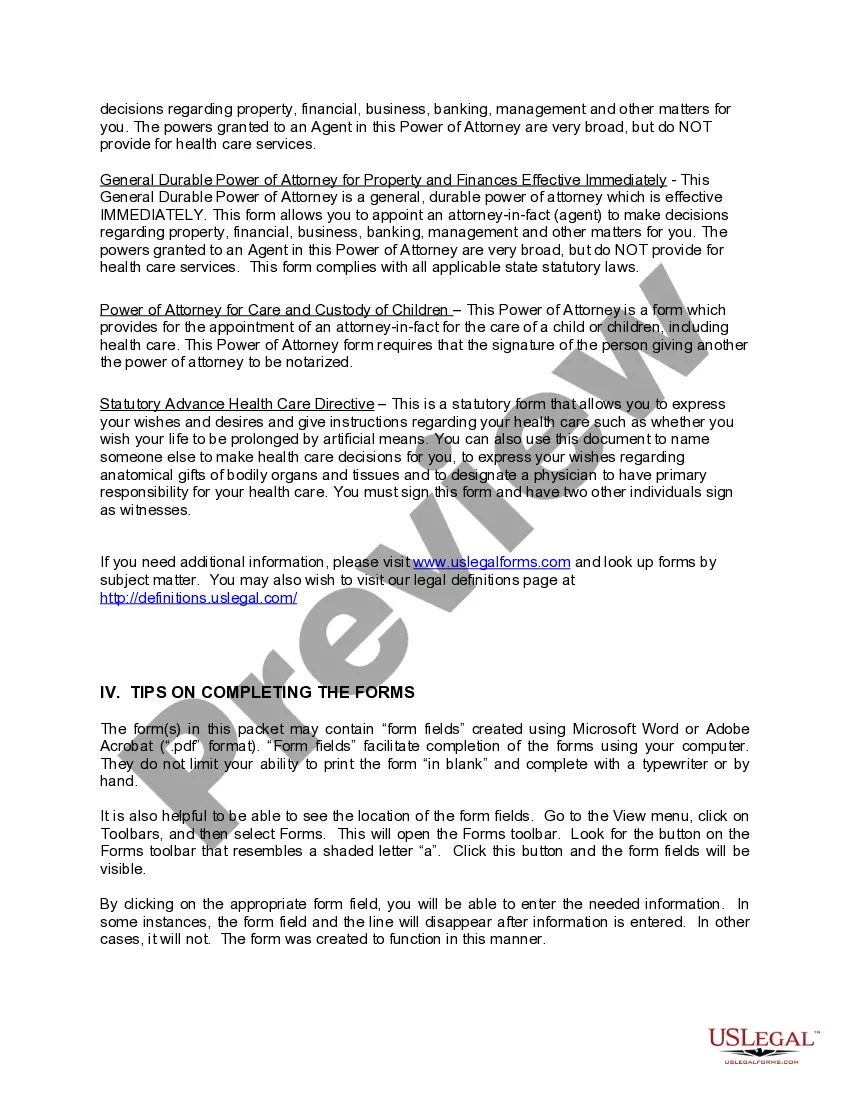
Forms provided in this package
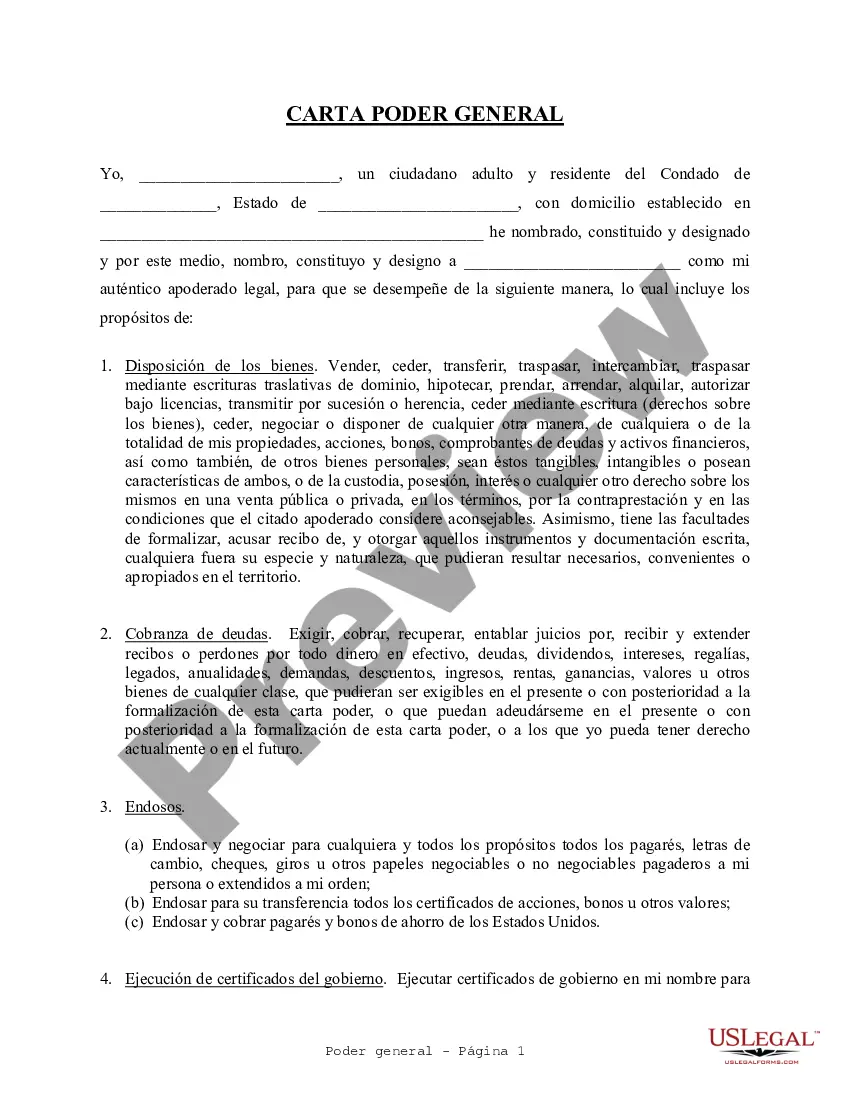
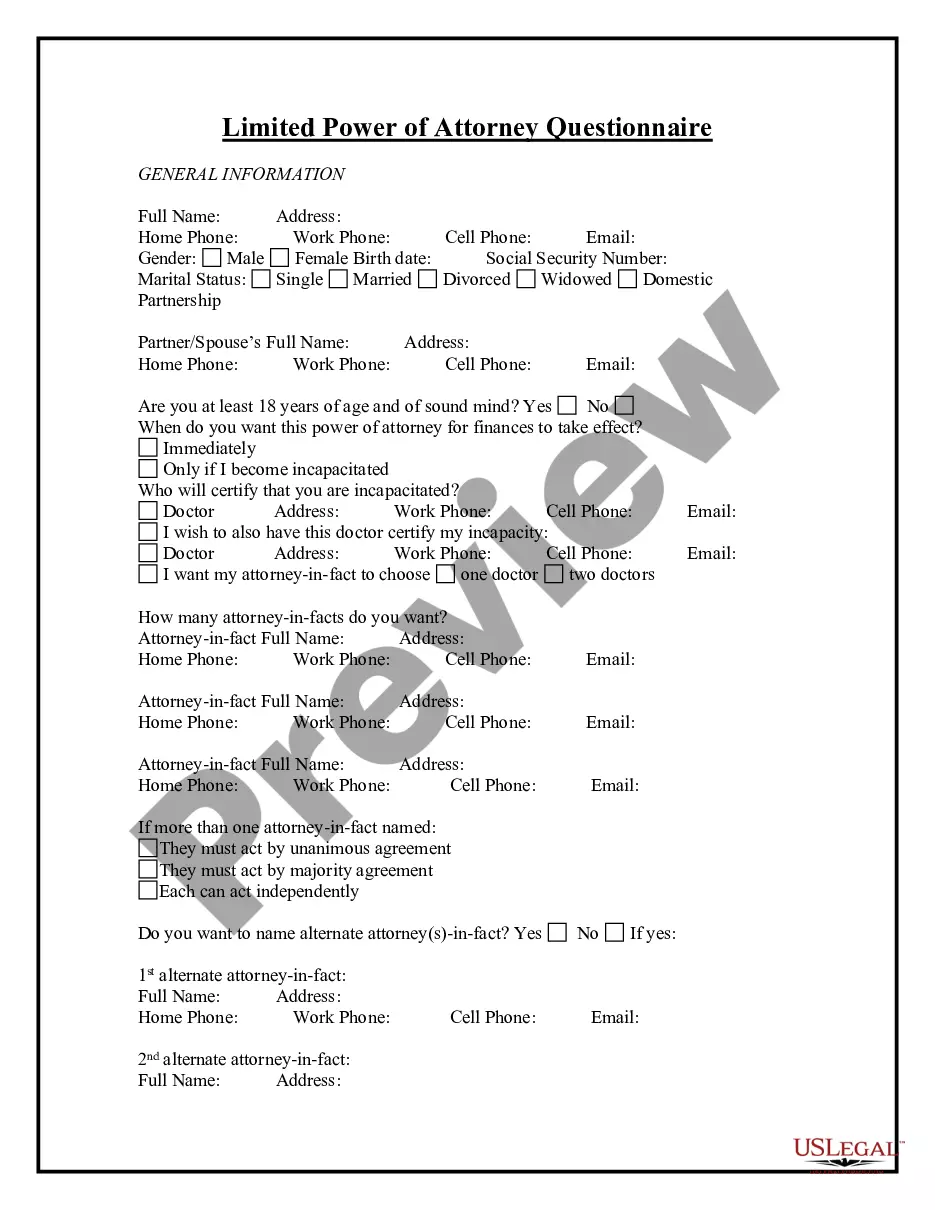
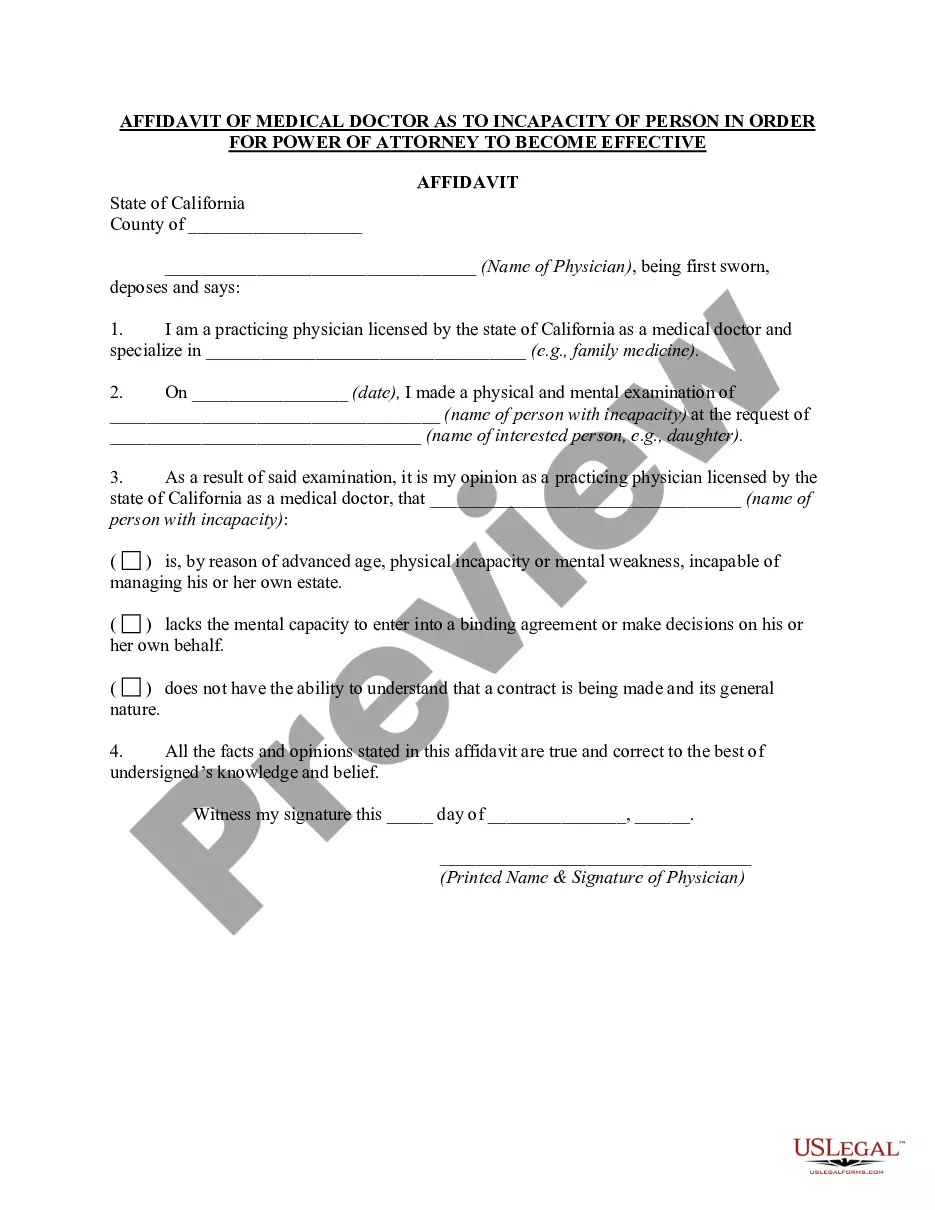
- General Durable Power of Attorney for Property and Finances or Financial Effective upon Disability
- General Durable Power of Attorney for Property and Finances or Financial Effective Immediately
- General Power of Attorney for Care and Custody of Child or Children
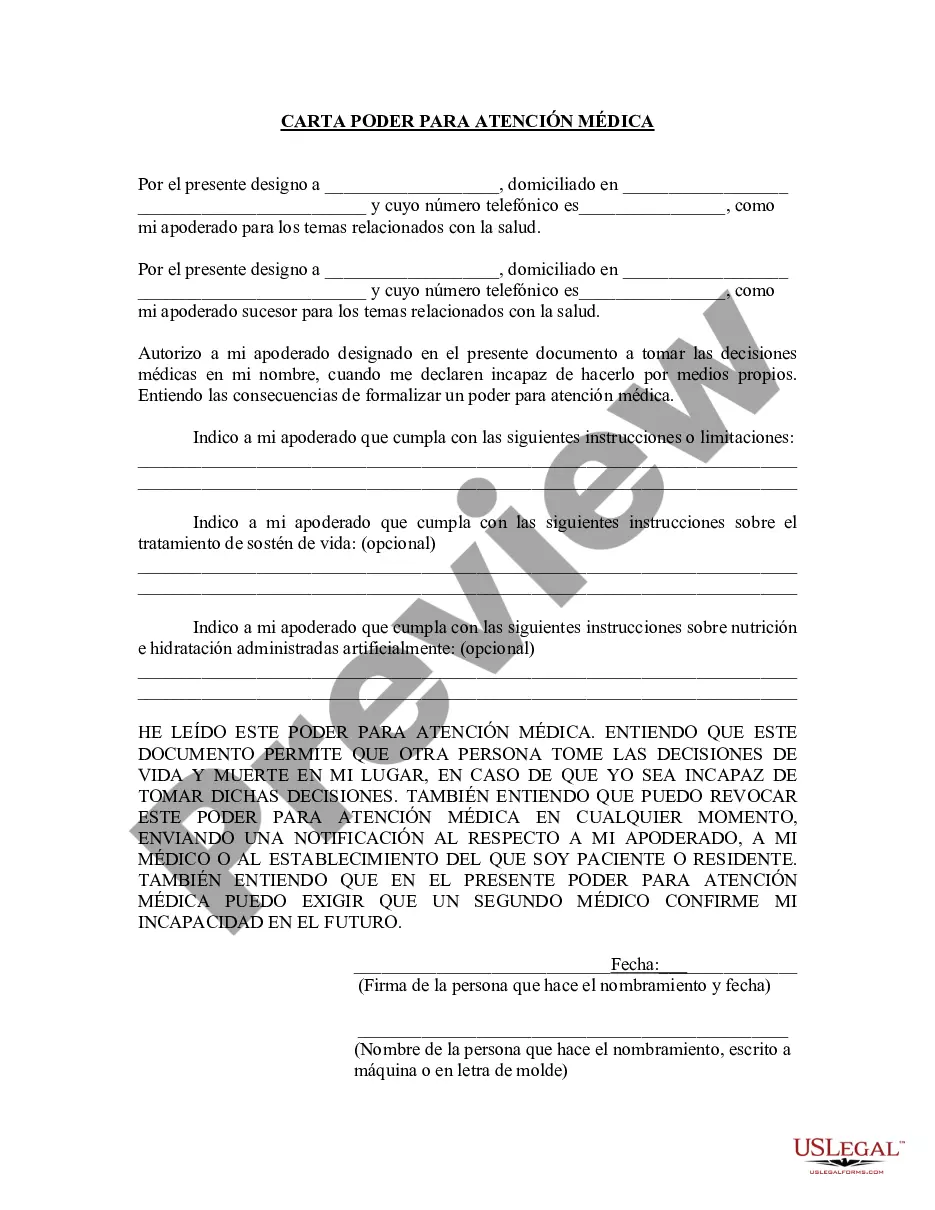
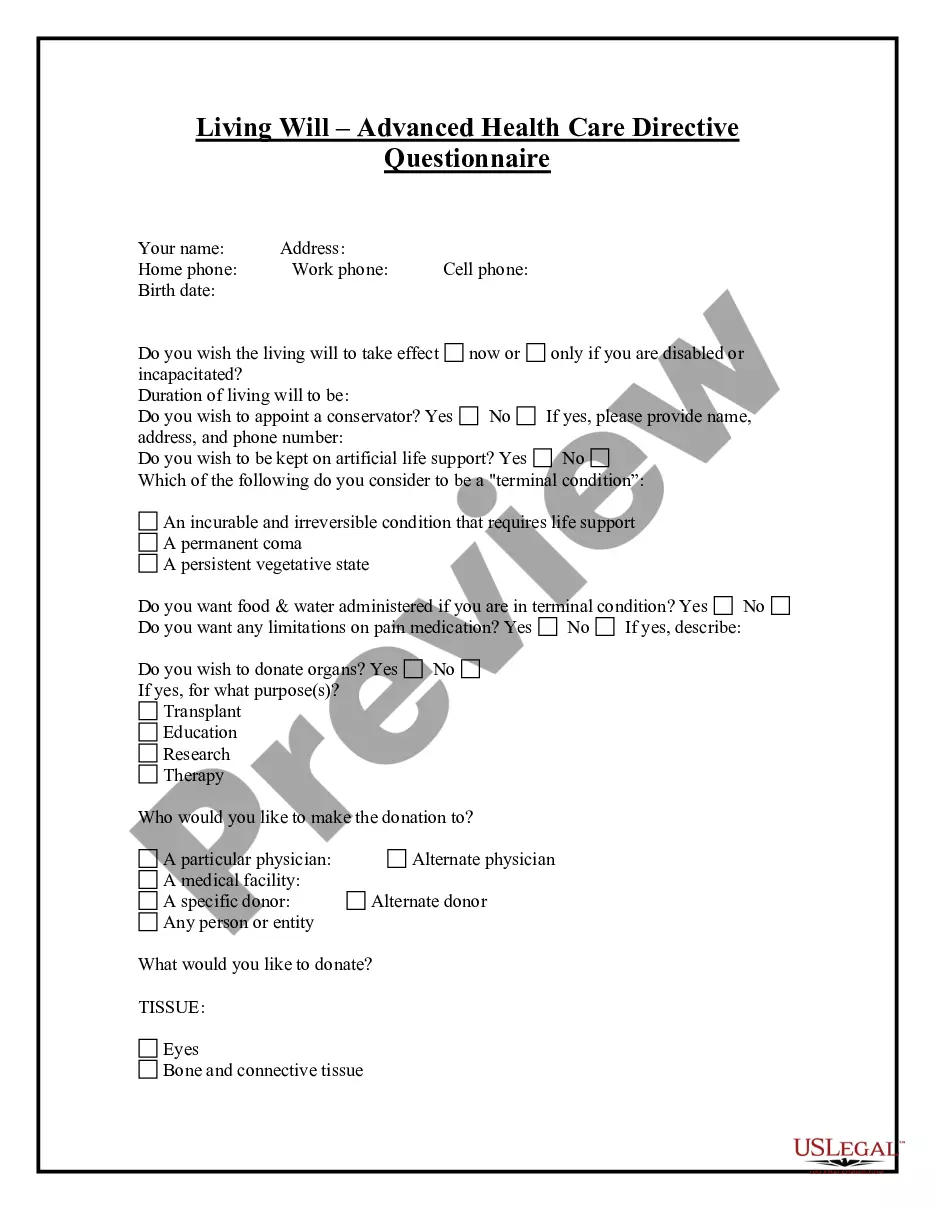
- Health Care Directive - Advance Healthcare directive - includes Living Will and Health Care Decisions Statutory form
When this form package is needed
This form package is necessary in situations such as:
- When you are planning for possible incapacity and want to ensure your financial interests are managed.
- If you wish to authorize a trusted person to handle your healthcare decisions in case of a medical emergency.
- When you need to designate a guardian for your minor children during an absence or in the event of an emergency.
- If you want to ensure that your healthcare wishes are respected throughout medical care.
Intended users of this form package
- Individuals who want to safeguard their financial and healthcare decisions.
- Parents seeking to ensure proper care for their minor children should they become unable to manage or supervise them.
- Anyone who is worried about future incapacity and wishes to make proactive arrangements.
- Those looking to customize their healthcare preferences using a legally recognized directive.
How to complete these forms
- Review the included forms carefully to ensure they meet your needs.
- Identify the parties involved, including yourself (the principal) and the appointed agent.
- Enter necessary information such as names, addresses, and dates.
- Sign the forms in the presence of a notary public or witnesses, if applicable.
- Store completed forms in a safe place and provide copies to your agent and relevant family members.
Notarization requirements for forms in this package
Yes, forms in this package must be notarized to be legally valid. Notarization ensures the authenticity of the signatures and the intentions of the parties involved. US Legal Forms offers integrated online notarization services, allowing you to securely meet these requirements via video call, ensuring convenience and legal compliance without needing to travel.
Get your form ready online
Our built-in tools help you complete, sign, share, and store your documents in one place.
Make edits, fill in missing information, and update formatting in US Legal Forms—just like you would in MS Word.
Download a copy, print it, send it by email, or mail it via USPS—whatever works best for your next step.
Sign and collect signatures with our SignNow integration. Send to multiple recipients, set reminders, and more. Go Premium to unlock E-Sign.
If this form requires notarization, complete it online through a secure video call—no need to meet a notary in person or wait for an appointment.
We protect your documents and personal data by following strict security and privacy standards.

Make edits, fill in missing information, and update formatting in US Legal Forms—just like you would in MS Word.

Download a copy, print it, send it by email, or mail it via USPS—whatever works best for your next step.

Sign and collect signatures with our SignNow integration. Send to multiple recipients, set reminders, and more. Go Premium to unlock E-Sign.

If this form requires notarization, complete it online through a secure video call—no need to meet a notary in person or wait for an appointment.

We protect your documents and personal data by following strict security and privacy standards.
Mistakes to watch out for
- Failing to sign and date the forms appropriately.
- Not having the forms notarized when required.
- Leaving sections blank or unclear, which could lead to disputes later.
- Failing to discuss your decisions with the appointed agents beforehand.
Why complete this package online
- Convenient access to legal documents from the comfort of your home.
- Easy completion using digital tools that guide you through the process.
- Reliability as the forms are drafted by licensed attorneys familiar with Oregon law.
- Immediate downloadable formats enable quick preparation and execution.
Looking for another form?


Form popularity
FAQ
This package provides Oregon-specific forms to appoint someone to manage your finances, health care decisions, and care of minor children. It bundles several powers-of-attorney documents to create clear authority and legal backing, helping you plan for possible incapacity and ensure your financial and medical wishes are carried out under Oregon law.
The package includes a financial power of attorney form to appoint an agent for finances, a health care directive to guide medical decisions, and a guardianship designation for minor children, all tailored to Oregon law to support clear authority and proper execution. Together, these forms provide coordinated authority across finances, health care, and child care.
Not all Oregon POA forms require notarization, but many institutions will request an acknowledgment from a notary. The Oregon Power of Attorney Forms Package aligns with Oregon practice and provides properly executed forms; consult an attorney or the relevant institution for specific notarization or witnessing requirements.
Common POA mistakes include vague or overly broad powers, failing to name an alternate agent, using outdated forms, and improper execution (e.g., missing signatures or witnesses). The Oregon Power of Attorney Forms Package targets these by providing Oregon-specific, properly structured forms designed for clear authority and proper execution.
Users fill out the forms with their personal details, designate trusted agents, and define the powers granted in finances and health care. After completing the forms, they should execute them under Oregon guidelines, typically with signatures and appropriate witnesses or notarization as advised. The package provides Oregon-tailored forms and guidance to support proper execution.
It bundles multiple related forms—finances, health care, and care of minor children—into one package tailored to Oregon law. This provides comprehensive, coordinated authority across different areas, whereas a single POA form typically covers only one aspect.