Maryland Last Will and Testament for Widow or Widower with Minor Children
Understanding this form
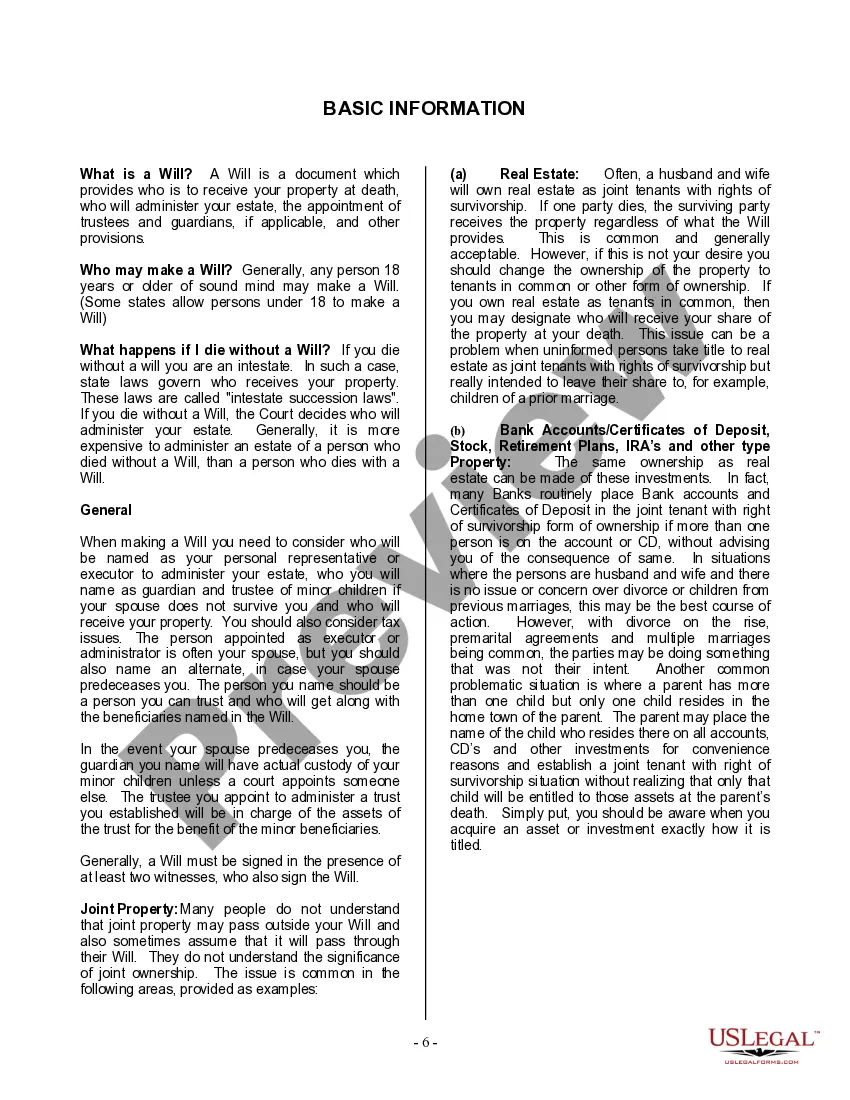
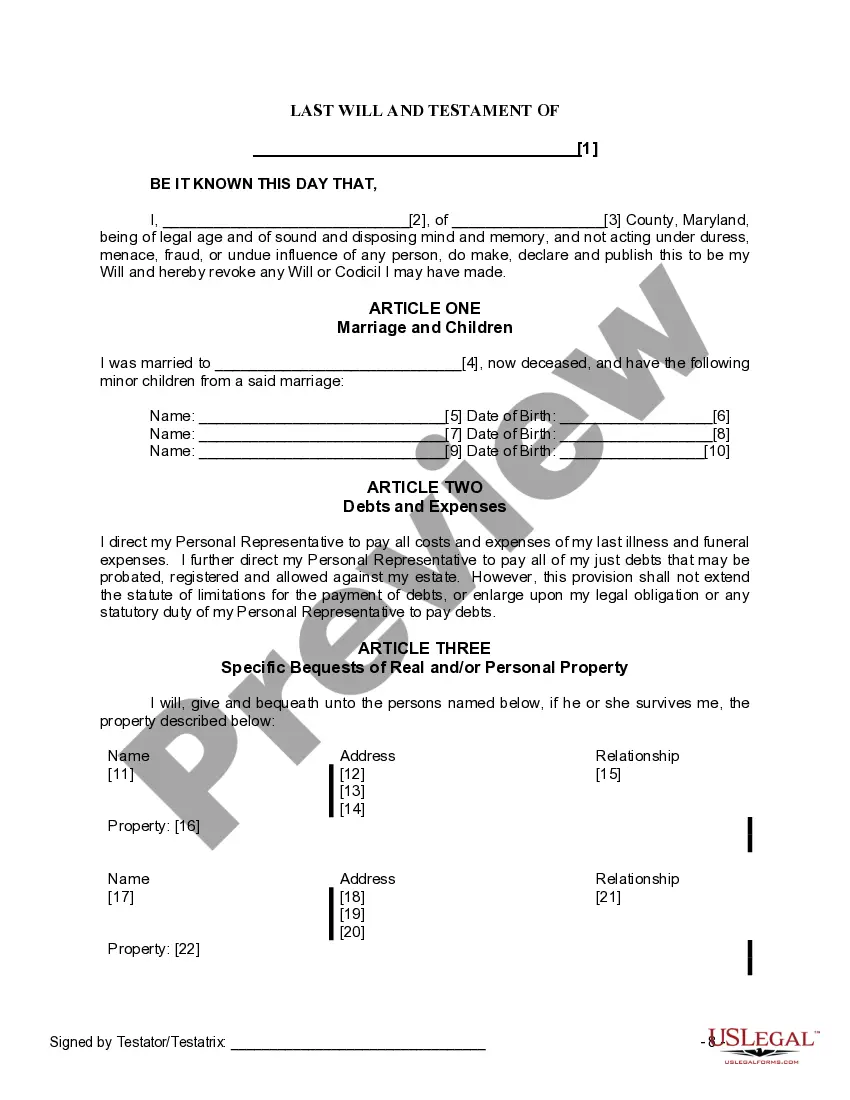
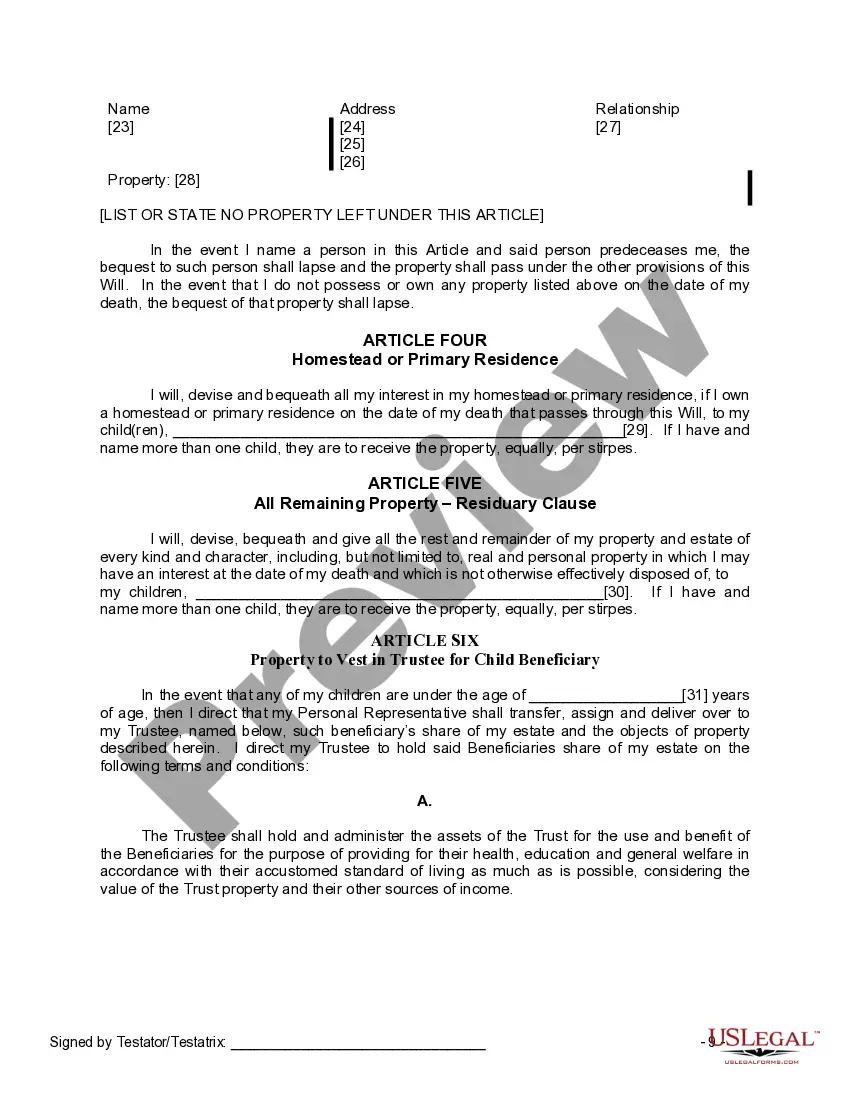
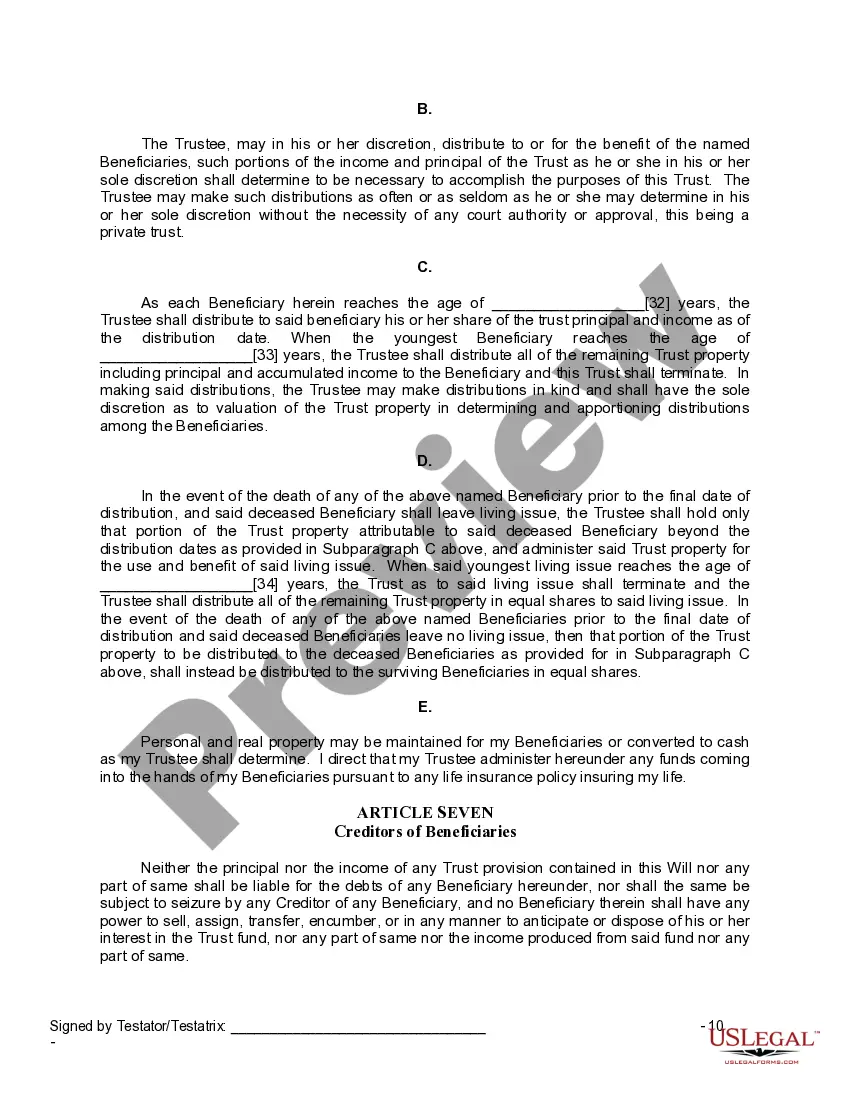
This Last Will and Testament for a Widow or Widower with Minor Children is a legal document that allows a surviving spouse to outline how their estate and assets will be distributed upon their death. This form specifically addresses the needs of individuals who are widowed, ensuring that minor children are provided for through trusts and guardianship arrangements. Unlike other wills, it incorporates provisions for minor children, making it essential for parents in this situation to secure their children's future.
Key parts of this document
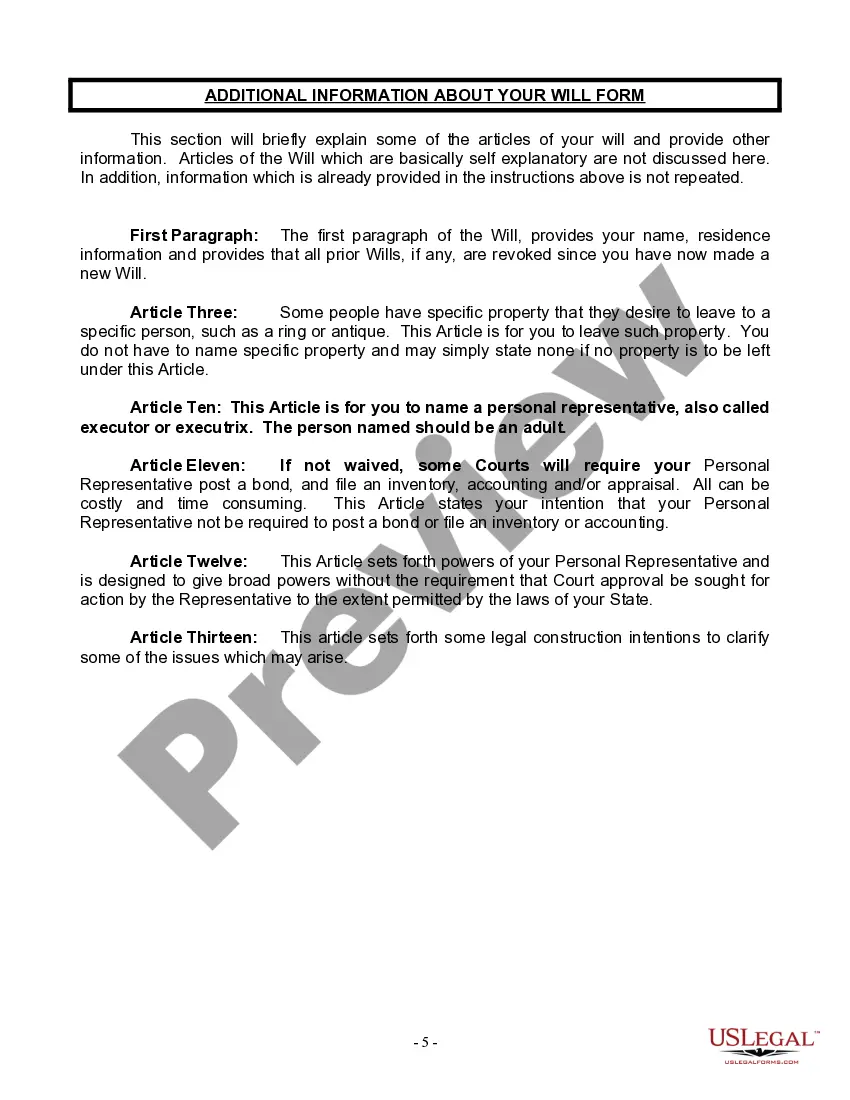
- Personal Representative: Designates an individual to manage the estate.
- Property Distribution: Specifies who will receive your assets, including specific bequests.
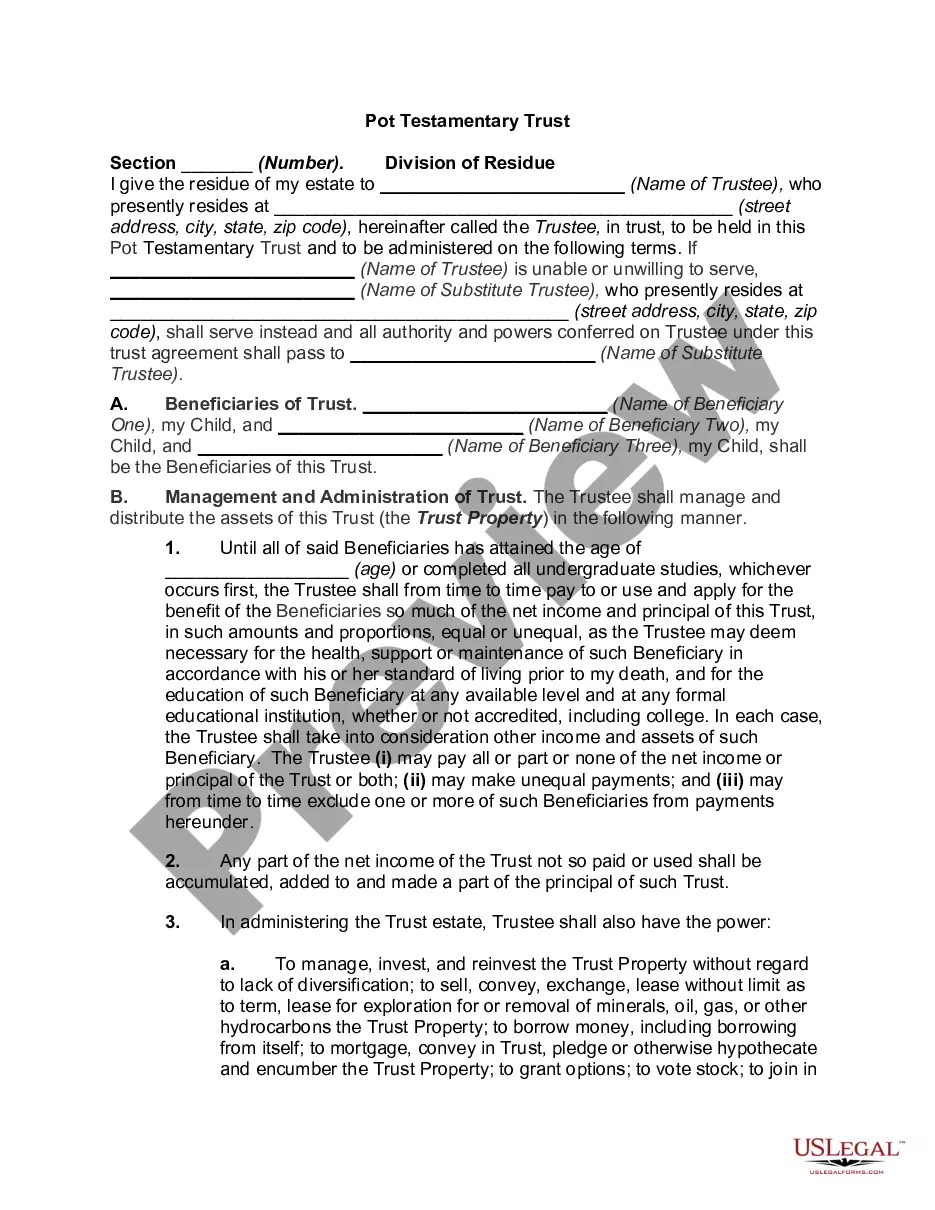
- Minor Children Provisions: Establishes a trust for assets left to minor children and designates a guardian.
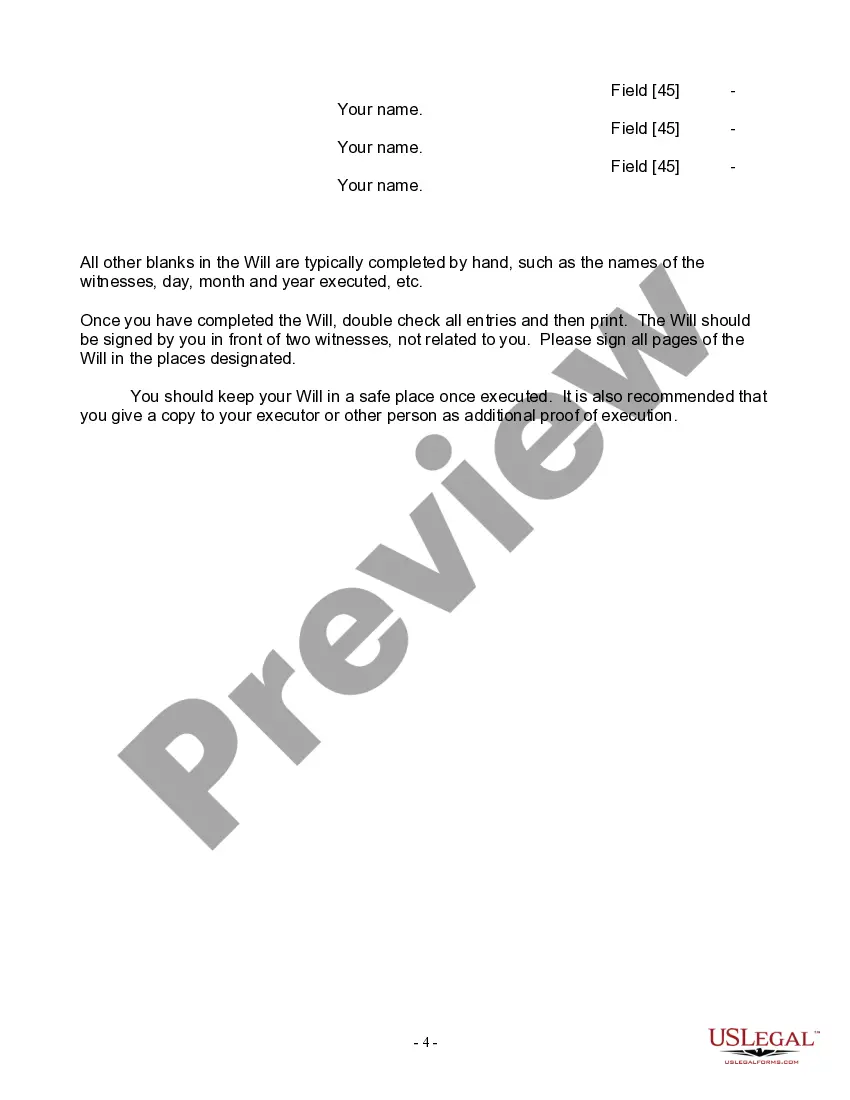
- Witness Requirements: Requires signatures from two witnesses who are not beneficiaries.
- Self-Proving Affidavit: Includes a clause for jurisdictions that allow a self-proving affidavit for easier probate.



When to use this form
Consider using this form if you are a widow or widower with minor children and need to ensure that your assets are distributed according to your wishes after your passing. This form is crucial in situations where you want to provide for your childrenâs upbringing and educational needs, and establish guardianship in case of your untimely death.
Who can use this document
- Individuals who have lost their spouse and want to secure their estate for their minor children.
- Parents wishing to appoint a guardian for their children in the event of their death.
- Individuals who want to legally specify how their assets should be handled after they pass away.
How to complete this form
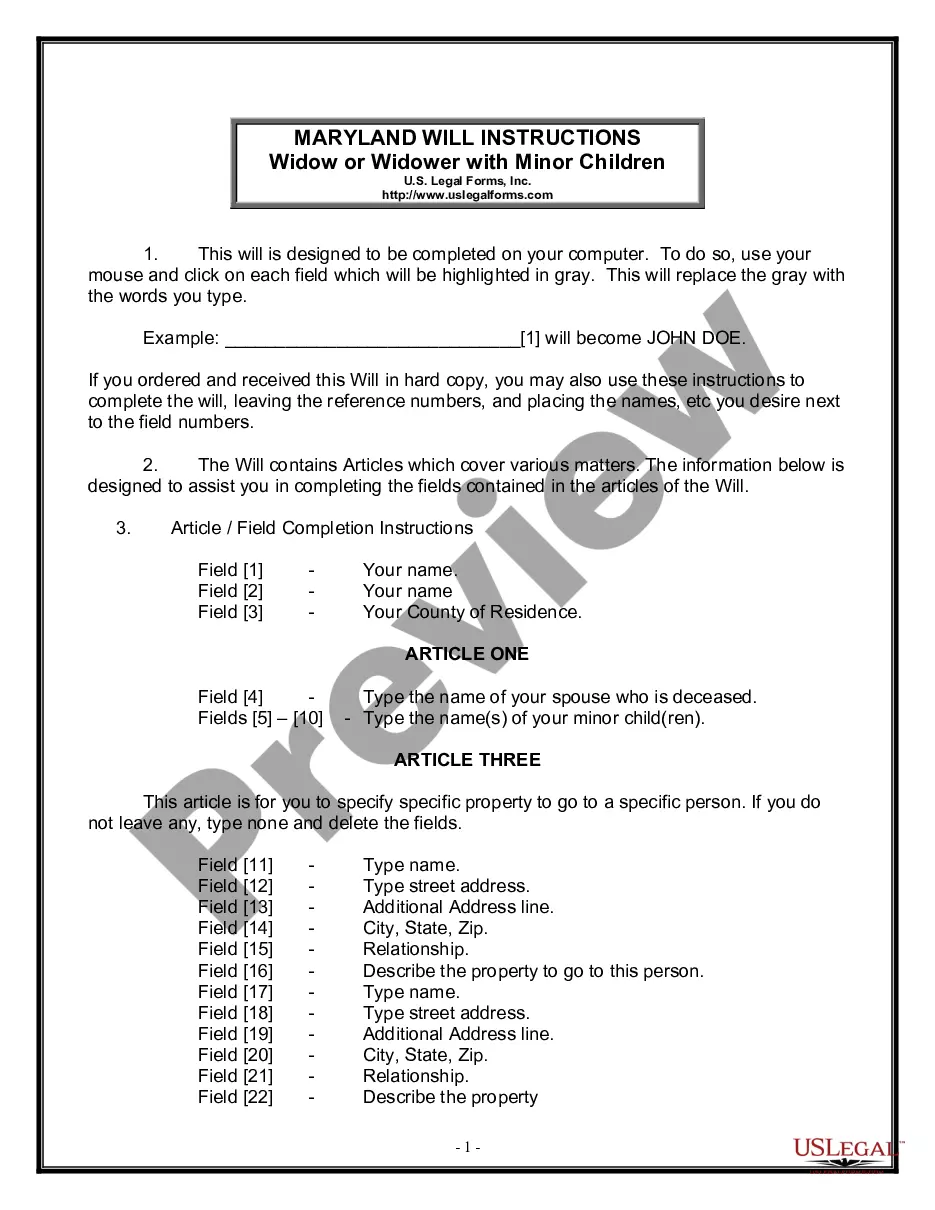
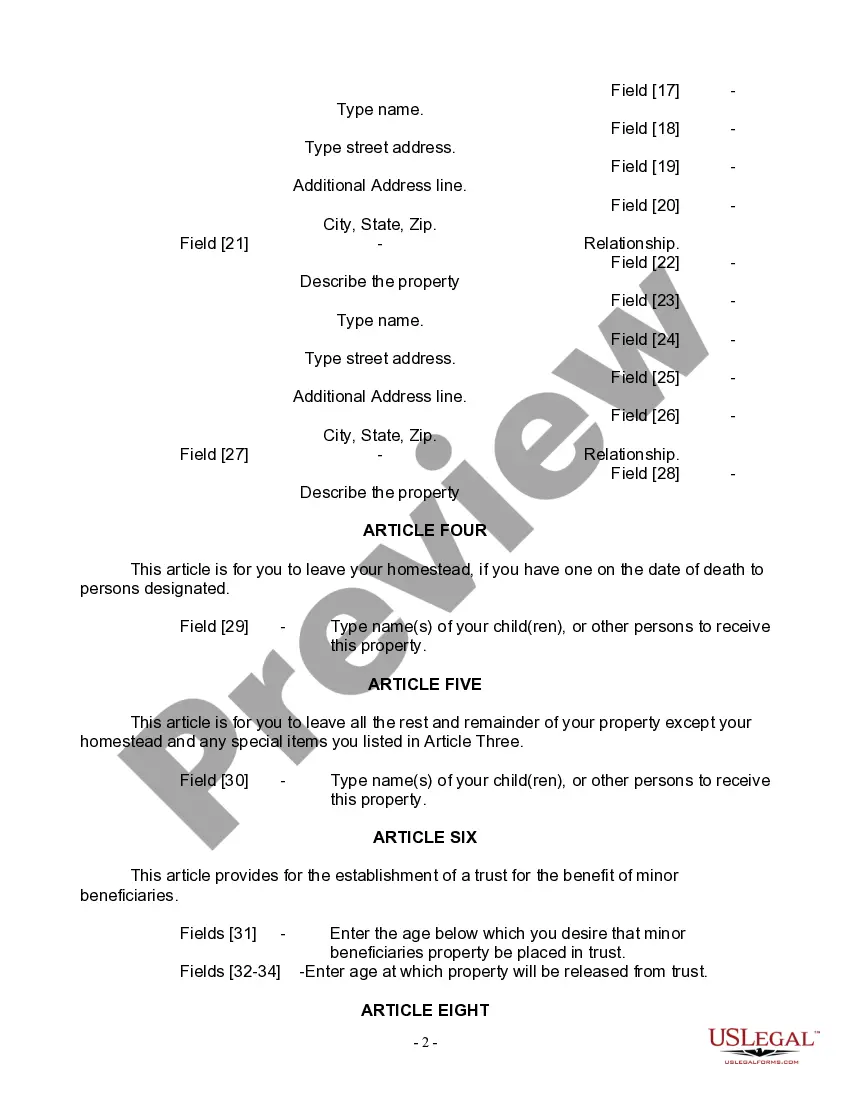
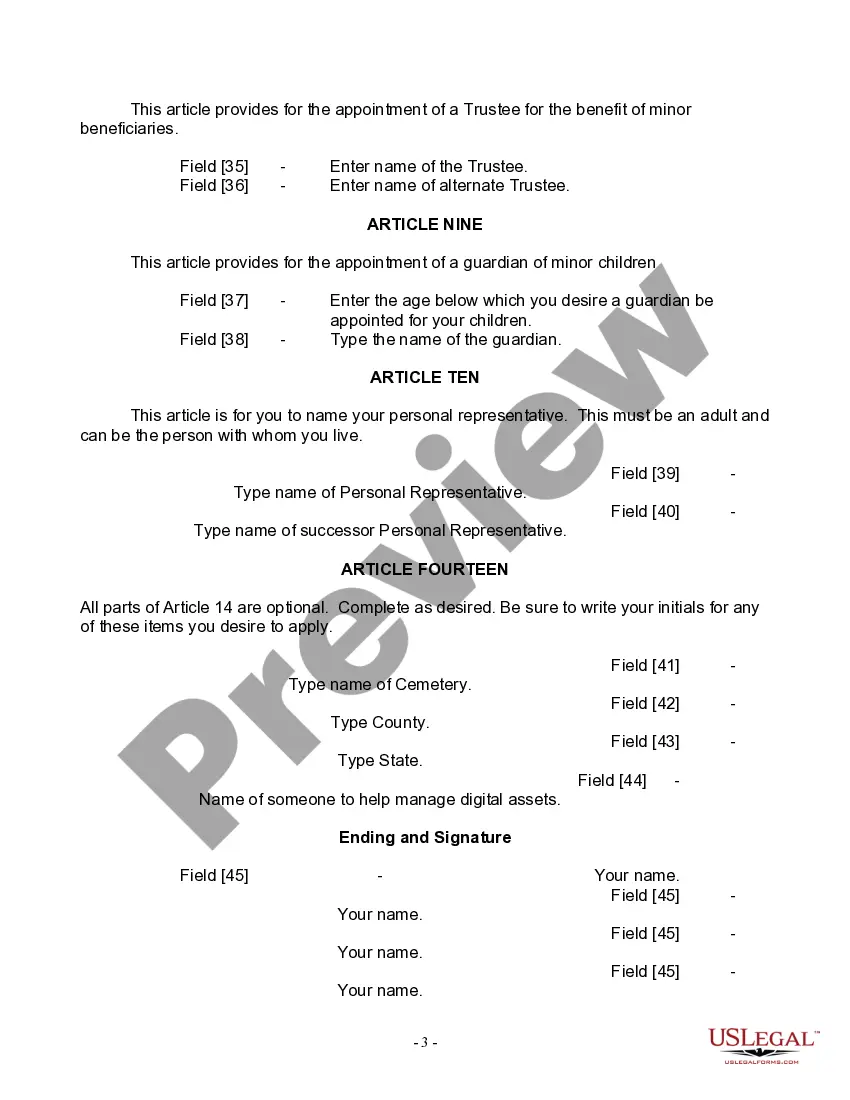
- Identify the parties involved, including your name, county of residence, and the names of your deceased spouse and minor children.
- Specify the distribution of your assets, including any specific property you wish to leave to particular individuals.
- Designate a personal representative and successor who will administer your estate.
- Clearly name a guardian for your minor children and a trustee for any assets held in trust for them.
- Ensure two witnesses sign the document, confirming they are not beneficiaries.
Does this document require notarization?
This form does not typically require notarization unless specified by local law. However, some jurisdictions allow for a self-proving affidavit that may need to be notarized, making the process smoother during probate.
Get your form ready online
Our built-in tools help you complete, sign, share, and store your documents in one place.
Make edits, fill in missing information, and update formatting in US Legal Forms—just like you would in MS Word.
Download a copy, print it, send it by email, or mail it via USPS—whatever works best for your next step.
Sign and collect signatures with our SignNow integration. Send to multiple recipients, set reminders, and more. Go Premium to unlock E-Sign.
If this form requires notarization, complete it online through a secure video call—no need to meet a notary in person or wait for an appointment.
We protect your documents and personal data by following strict security and privacy standards.

Make edits, fill in missing information, and update formatting in US Legal Forms—just like you would in MS Word.

Download a copy, print it, send it by email, or mail it via USPS—whatever works best for your next step.

Sign and collect signatures with our SignNow integration. Send to multiple recipients, set reminders, and more. Go Premium to unlock E-Sign.

If this form requires notarization, complete it online through a secure video call—no need to meet a notary in person or wait for an appointment.

We protect your documents and personal data by following strict security and privacy standards.
Common mistakes to avoid
- Failing to have two impartial witnesses sign the will.
- Not specifying guardianship for minor children, leaving it up to the courts.
- Neglecting to update the will after significant life changes, such as remarriage or birth of additional children.
Why complete this form online
- Easy access and convenience to fill out from home.
- Edit and save your information securely before finalizing.
- Compiled by licensed attorneys to ensure legal compliance and reliability.
Key takeaways
- A Last Will and Testament is vital for ensuring your wishes are followed after death, especially as a widow or widower with children.
- Completing this form properly protects your children's future and ensures their care is entrusted to the right guardian.
- Utilize this document to clarify the distribution of your estate, avoiding potential conflicts among survivors.
Looking for another form?
Form popularity
FAQ
After someone dies, Maryland law does not provide a precise time limit or deadline for filing that person's will with the Register of Wills. However, whoever has the will (or finds the will) must file it promptly after the person dies.
Maryland law requires that your will be in writing, signed by the testator (you) and witnessed by two individuals in the testator's presence. This is called "executing a will." When you are ready to execute your will, you should have at least two witnesses, although three is better.
Maryland law requires that your will be in writing, signed by the testator (you) and witnessed by two individuals in the testator's presence. This is called "executing a will." When you are ready to execute your will, you should have at least two witnesses, although three is better.
No, in Maryland, you do not need to notarize your will to make it legal. Maryland does allow you to make your will "self-proving," which speeds up probate because the court can accept the will without contacting the witnesses who signed it.
Requirements For A Valid Will In Maryland, a will must be signed by the person making the will (testator/testatrix) and Attested and signed by two credible witnesses in the presence of the person making the will.
No, in Maryland, you do not need to notarize your will to make it legal. Maryland does allow you to make your will "self-proving," which speeds up probate because the court can accept the will without contacting the witnesses who signed it.
No. You can make your own will in Maryland, using Nolo's do-it-yourself will software or online will programs. However, you may want to consult a lawyer in some situations. For example, if you think that your will might be contested or if you want to disinherit your spouse, you should talk with an attorney.
Include personal identifying information. Include a statement about your age and mental status. Designate an executor. Decide who will take care of your children. Choose your beneficiaries. List your funeral details. Sign and date your Last Will and Testament.
Maryland law requires that your will be in writing, signed by the testator (you) and witnessed by two individuals in the testator's presence. This is called "executing a will." When you are ready to execute your will, you should have at least two witnesses, although three is better.