South Carolina Warning Notice Due to Complaint from Neighbors
What this document covers
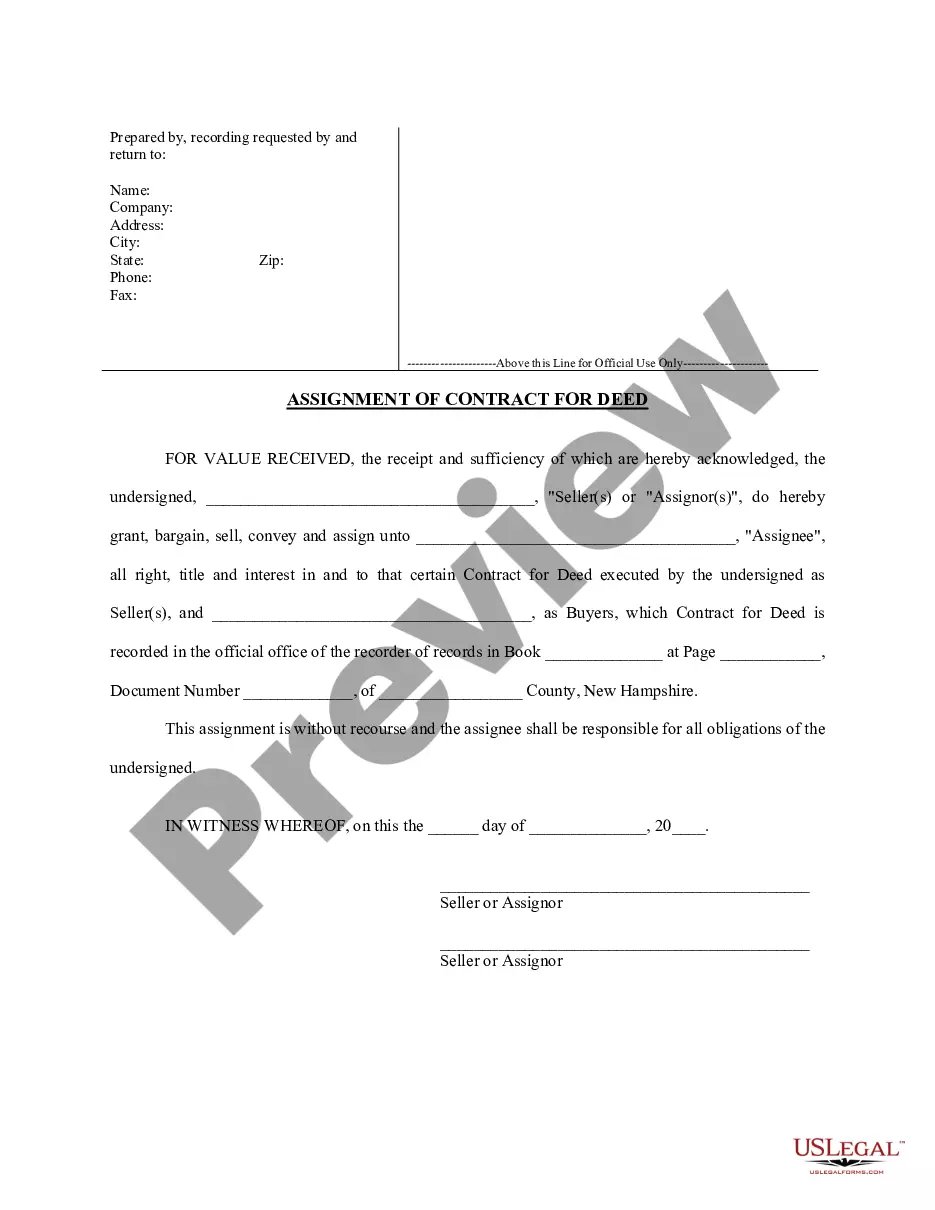
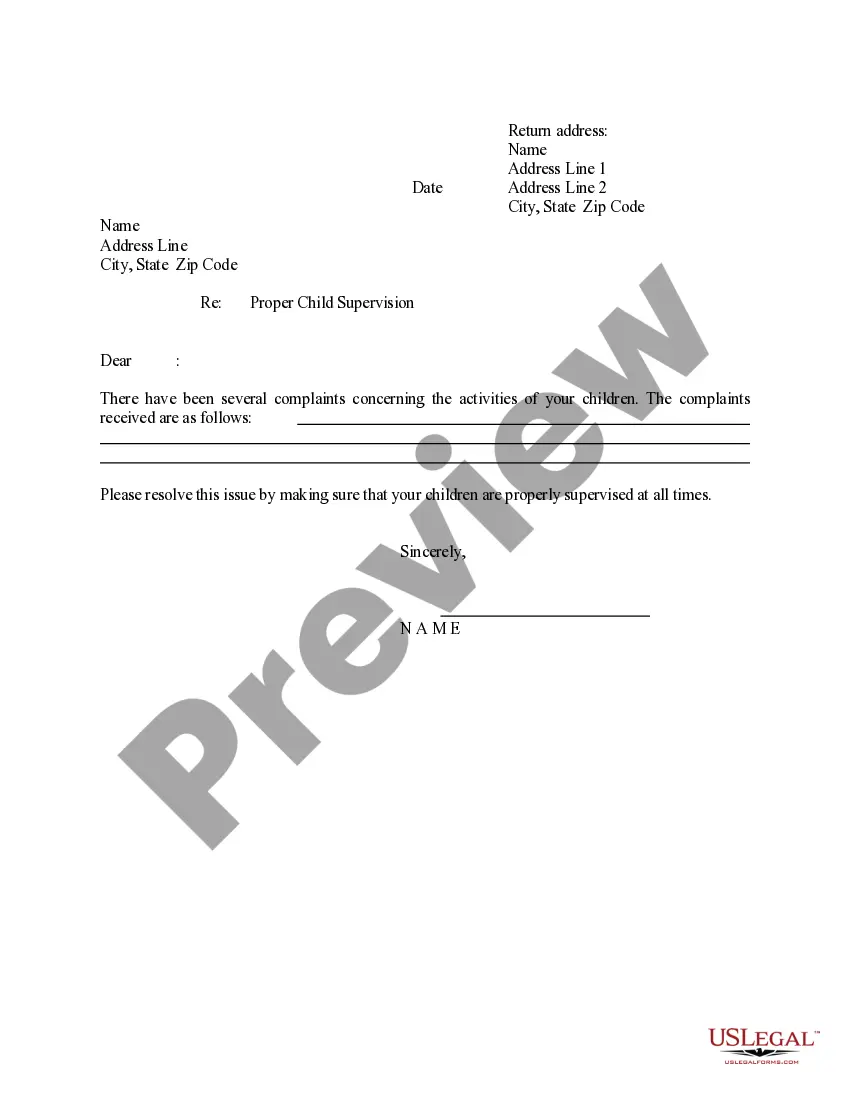
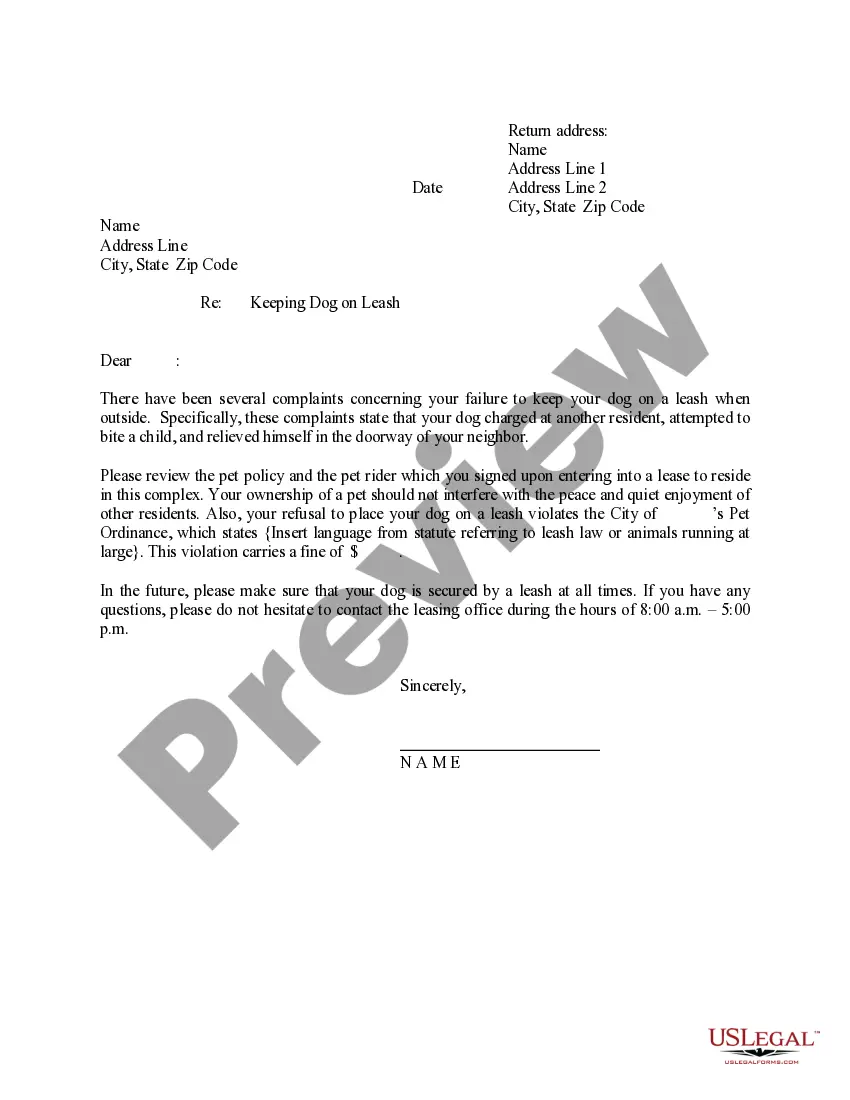
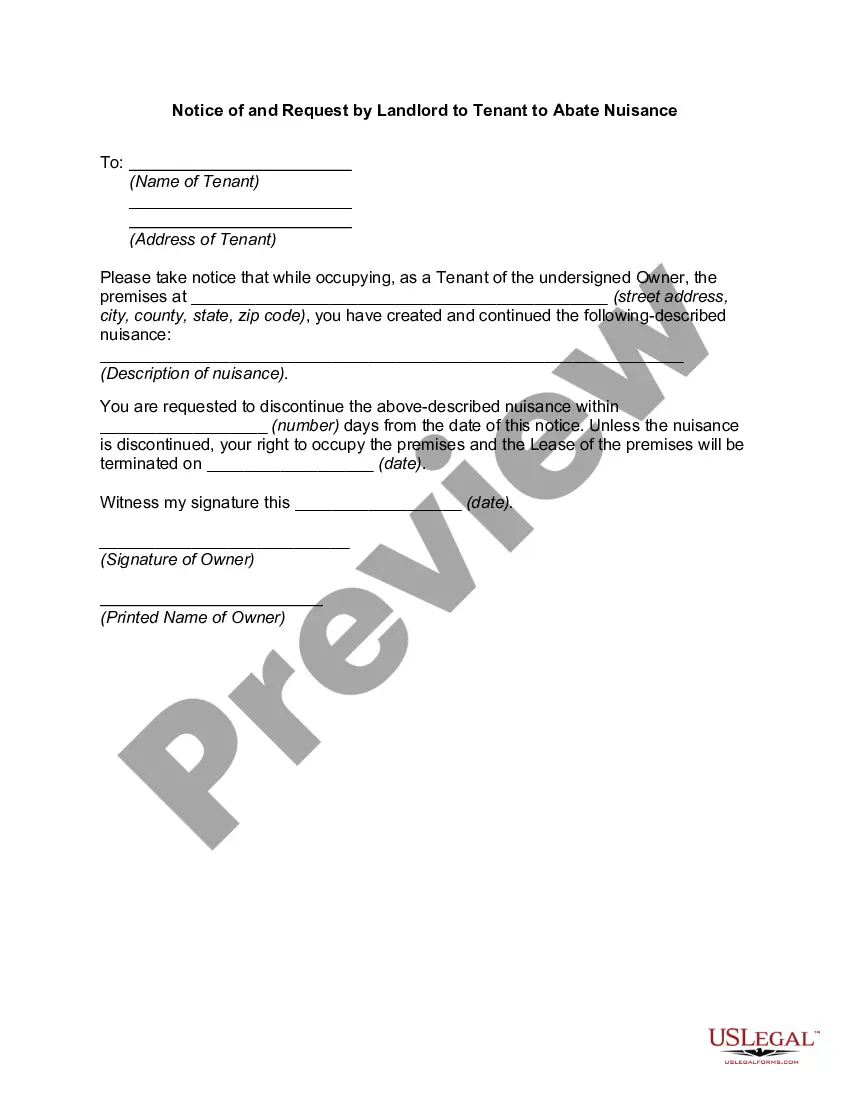
A Warning Notice Due to Complaint from Neighbors is a formal notification from a landlord to a tenant. This document addresses specific complaints made by neighbors regarding the tenant's behavior that disrupts their peaceful enjoyment of their property. Unlike other notices, this form serves as a warning that outlines the tenant's obligation to cease such conduct or face potential eviction, making it an essential tool for maintaining neighbors' rights and community harmony.
What’s included in this form
- Date of notice issuance
- Signature of the landlord or authorized agent
- Details of the tenant's conduct that prompted the complaints
- Instructions for the tenant to address the issue
- Consequences of non-compliance, including potential eviction
Common use cases
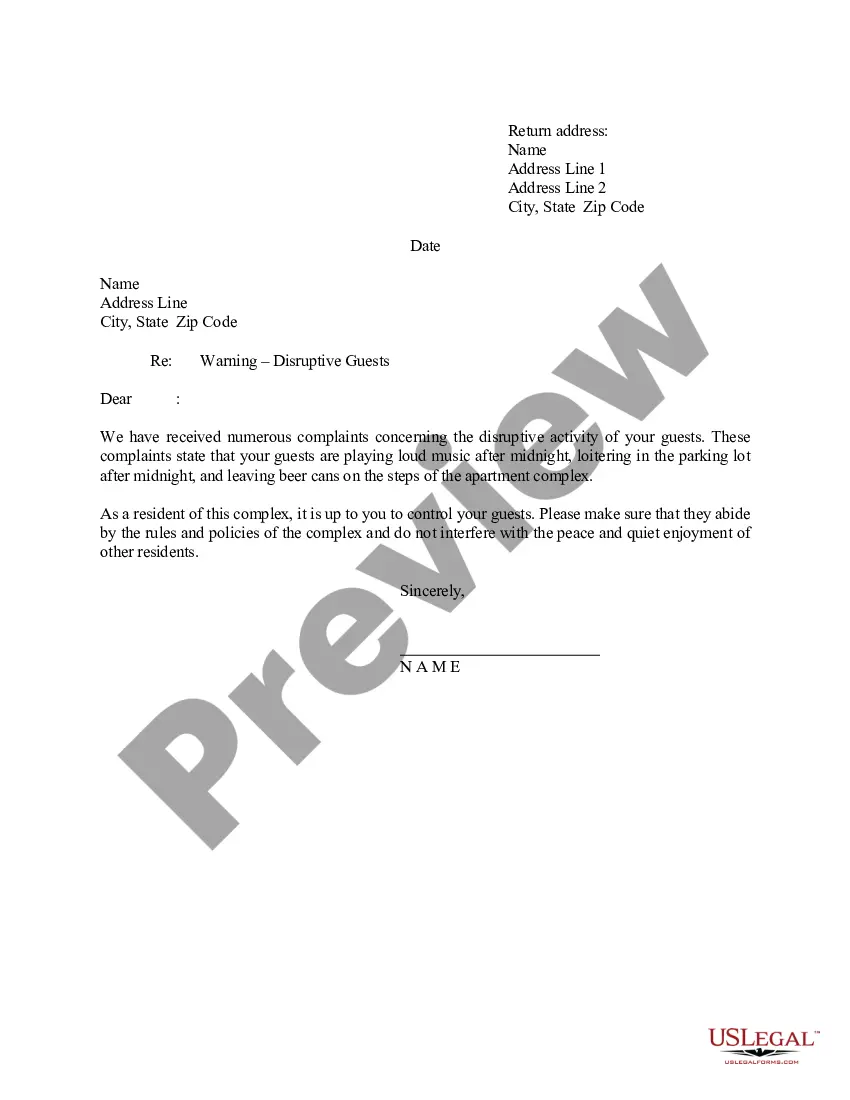
This notice should be used when a landlord receives complaints from neighbors about a tenant's disruptive behavior. Situations may include excessive noise, inappropriate gatherings, or other actions that violate the peaceful enjoyment of adjacent residences. By utilizing this form, the landlord can formally address the situation and provide the tenant an opportunity to correct their behavior before further action is taken.
Who needs this form
- Landlords who have received complaints from neighbors regarding a tenant's behavior
- Property managers acting on behalf of landlords
- Tenants who wish to understand their rights when facing such notices
Completing this form step by step
- Fill in the date on which the notice is given.
- Clearly state the tenant's name and the property address in question.
- Detail the specific complaints received from the neighbors.
- Indicate the expected course of action for the tenant to rectify the situation.
- Sign the form as the landlord or authorized agent.
Notarization guidance
This form does not typically require notarization unless specified by local law. It is advisable to check local regulations or seek legal advice if there are any uncertainties regarding notarization requirements.
Get your form ready online
Our built-in tools help you complete, sign, share, and store your documents in one place.
Make edits, fill in missing information, and update formatting in US Legal Forms—just like you would in MS Word.
Download a copy, print it, send it by email, or mail it via USPS—whatever works best for your next step.
Sign and collect signatures with our SignNow integration. Send to multiple recipients, set reminders, and more. Go Premium to unlock E-Sign.
If this form requires notarization, complete it online through a secure video call—no need to meet a notary in person or wait for an appointment.
We protect your documents and personal data by following strict security and privacy standards.
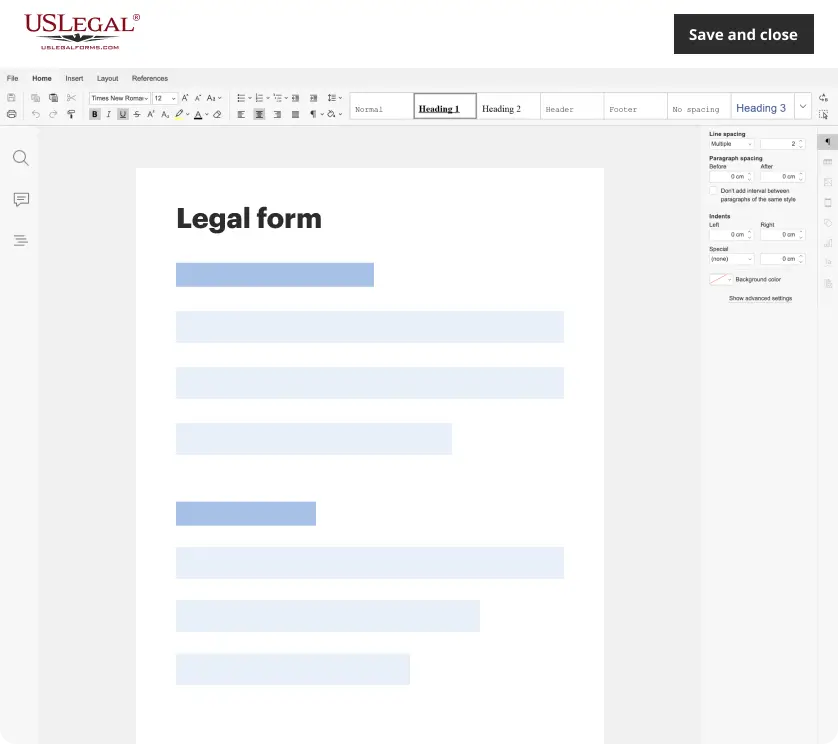
Make edits, fill in missing information, and update formatting in US Legal Forms—just like you would in MS Word.
Download a copy, print it, send it by email, or mail it via USPS—whatever works best for your next step.
Sign and collect signatures with our SignNow integration. Send to multiple recipients, set reminders, and more. Go Premium to unlock E-Sign.
If this form requires notarization, complete it online through a secure video call—no need to meet a notary in person or wait for an appointment.
We protect your documents and personal data by following strict security and privacy standards.
Avoid these common issues
- Failing to provide specific details about the complaints.
- Not including a clear deadline for the tenant to take action.
- Omitting the landlord's signature, which may render the notice invalid.
Why complete this form online
- Convenient access to a legally vetted notice template.
- Editability for personalized adjustments to fit specific circumstances.
- Reliability, ensuring compliance with legal requirements and formatting standards.
Legal use & context
- This notice serves as an official documentation of tenant misconduct.
- It helps establish grounds for potential eviction if the behavior continues.
- Proper usage reinforces the lawful rights of landlords to maintain peaceful premises.
Summary of main points
- This form serves as a warning to tenants regarding disruptive behavior reported by neighbors.
- Completion of the form must be done carefully to avoid mistakes.
- Landlords should be aware of state-specific laws impacting the notice process.
Looking for another form?
Form popularity
FAQ
The short answer is yes, you can sue someone who has falsely accused you of a crime. Filing a lawsuit is pretty easy just about anybody can figure out how to do it.In most cases, no, you won't be successful in a lawsuit. First, you have to look at whether the person you are seeking to sue is even collectible.
Harassment is when someone behaves in a way which makes you feel distressed, humiliated or threatened. It could be someone you know, like a neighbour or people from you local area or it could be a stranger - for example, someone on the bus. Examples of harassment include: unwanted phone calls, letters, emails or visits.
Keep a record of what you say and how they reply. Get proof the best option is to take a photo or video of the object of complaint in case they claim something else happened. You can always try to reach a compromise.
Neighbor harassment can take many forms, including: Derogatory or offensive comments about sexual orientation, your nation of origin, or other discriminatory factors. Calling law enforcement on you repeatedly or for small things. Repeatedly playing loud music during city "quiet hours" or after you have asked them to
The short answer is, yes, you can sue your neighbors. However, as with any claim for damages, you must prove that the Defendant's conduct, actions or inaction directly or indirectly caused injury to you.
Get Legal Help Apartment neighbors complain about each other. But when it goes too far, you may have legal options. If your neighbor has falsely accused you of something, and your landlord is treating you unfairly as a result, contact an attorney experienced in landlord/tenant law.
In California, the crime of false accusations is a misdemeanor and you can be prosecuted for it. The penalties for giving false information to the police are up to six months in jail and possible fines.Not everyone who has been charged with giving false information to the police is guilty of this crime.
The short answer is, yes, you can sue your neighbors. However, as with any claim for damages, you must prove that the Defendant's conduct, actions or inaction directly or indirectly caused injury to you.
Get to know each other. Head off problems before they're problems. Document the problem. Talk it out. Look for advice or solace online. Check with other neighbors. See if anyone else will side with you. Talk to a lawyer.