Rhode Island Newly Widowed Individuals Package
What is this form package?
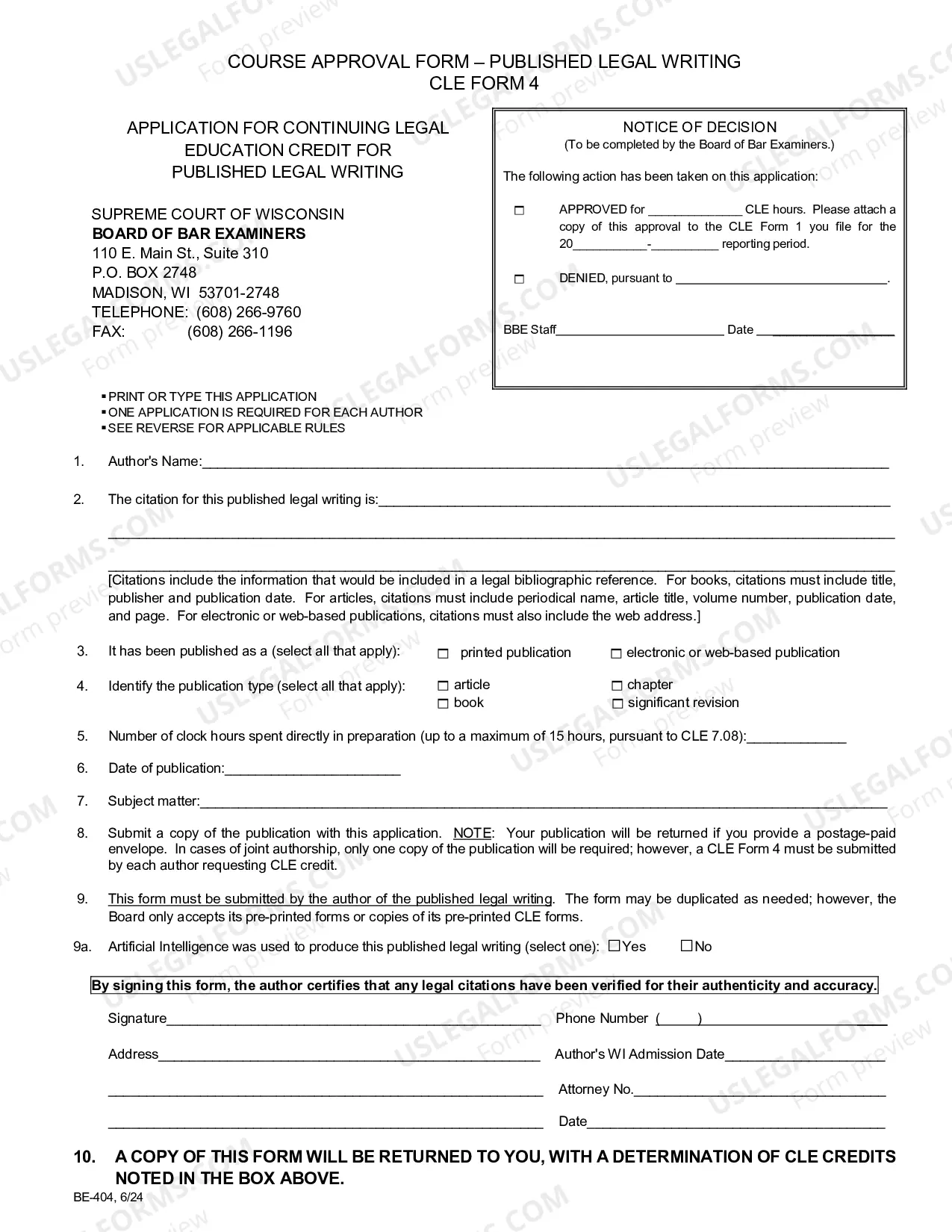
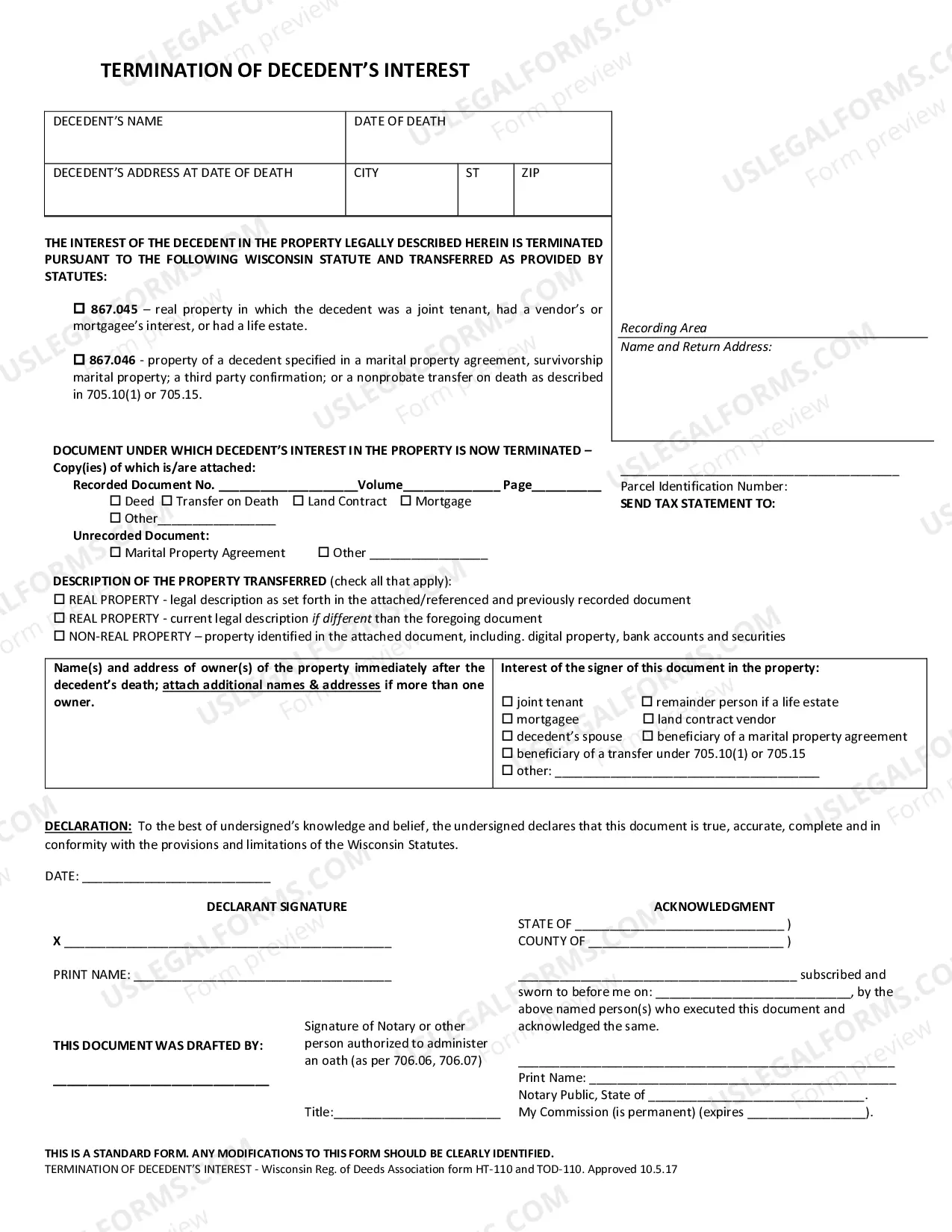
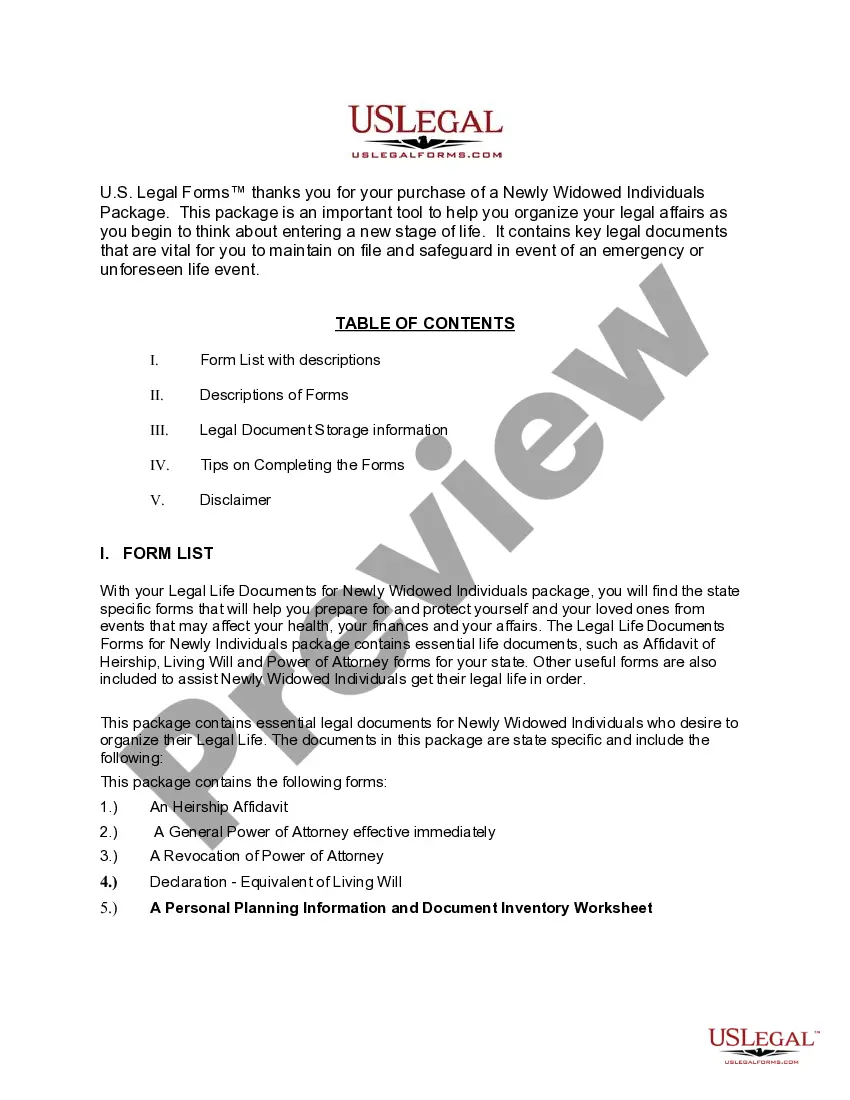
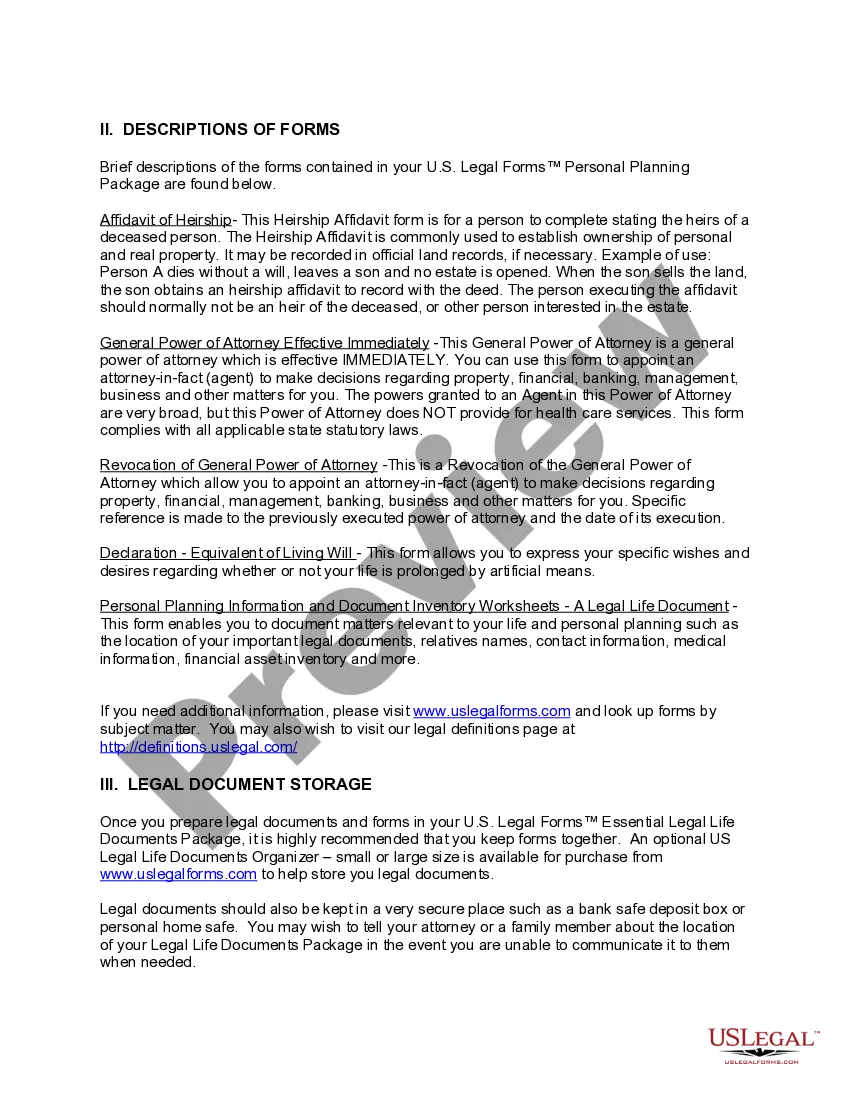
The Rhode Island Newly Widowed Individuals Package is a comprehensive collection of essential legal documents tailored for individuals who have recently lost a spouse. This package helps you organize your legal affairs and protects your interests during a challenging time. It includes state-specific forms that are designed to assist you in managing your health, finances, and other important matters, which sets it apart from other generic form packages.
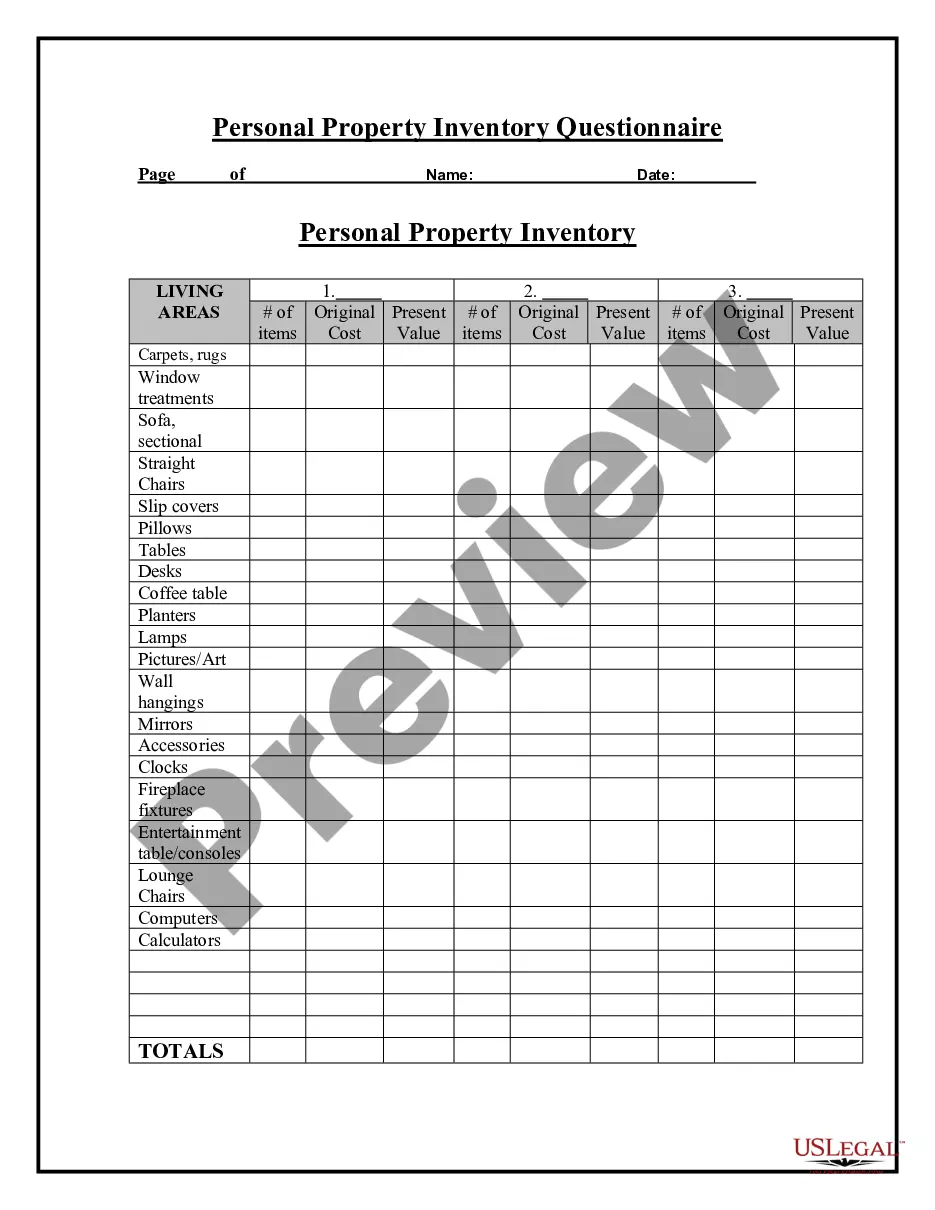
Forms included in this package
When to use this form package
This package is useful in various real-world situations, such as:
- When you need to clarify the distribution of your estate.
- When you want to appoint someone to make financial decisions on your behalf.
- When you wish to express your healthcare preferences in the event of a medical emergency.
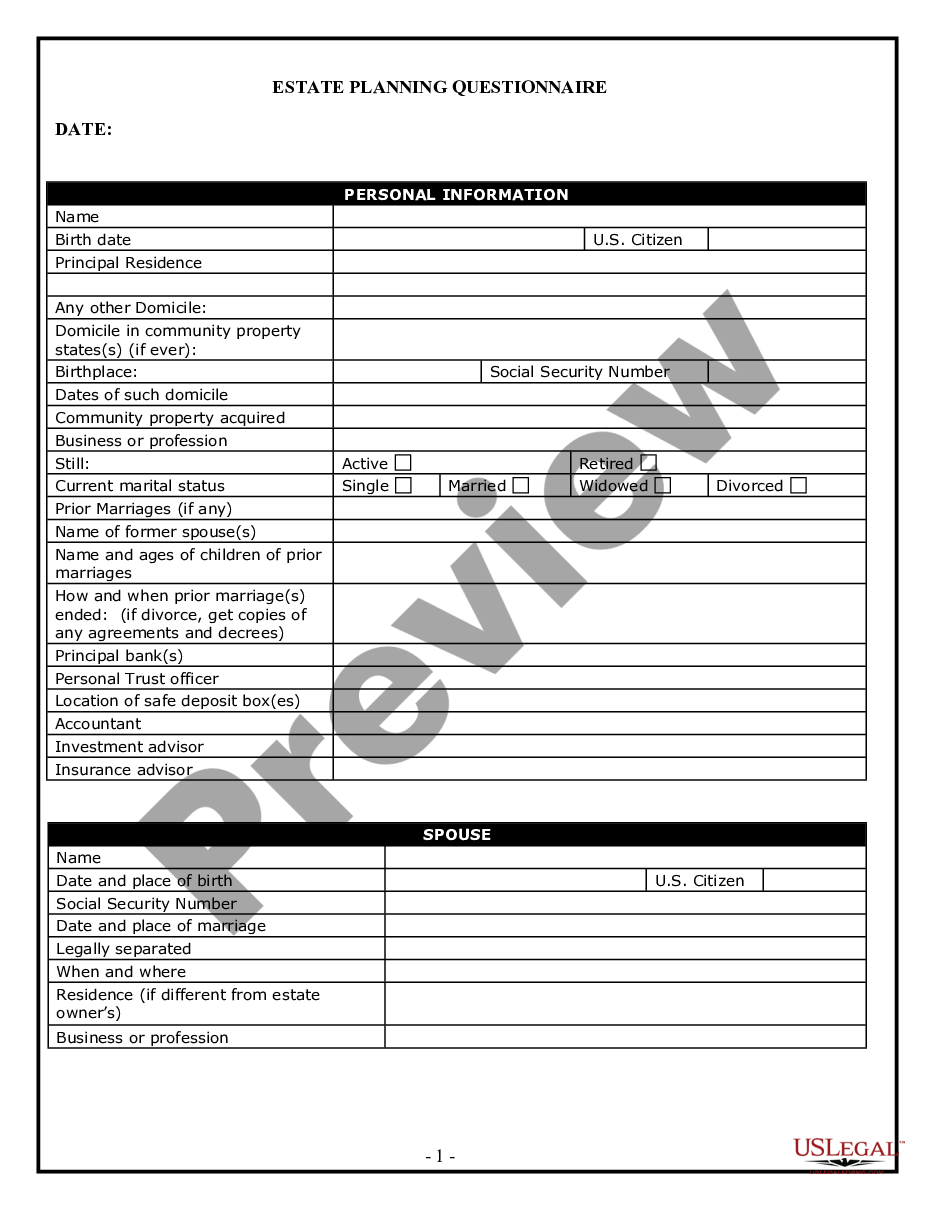
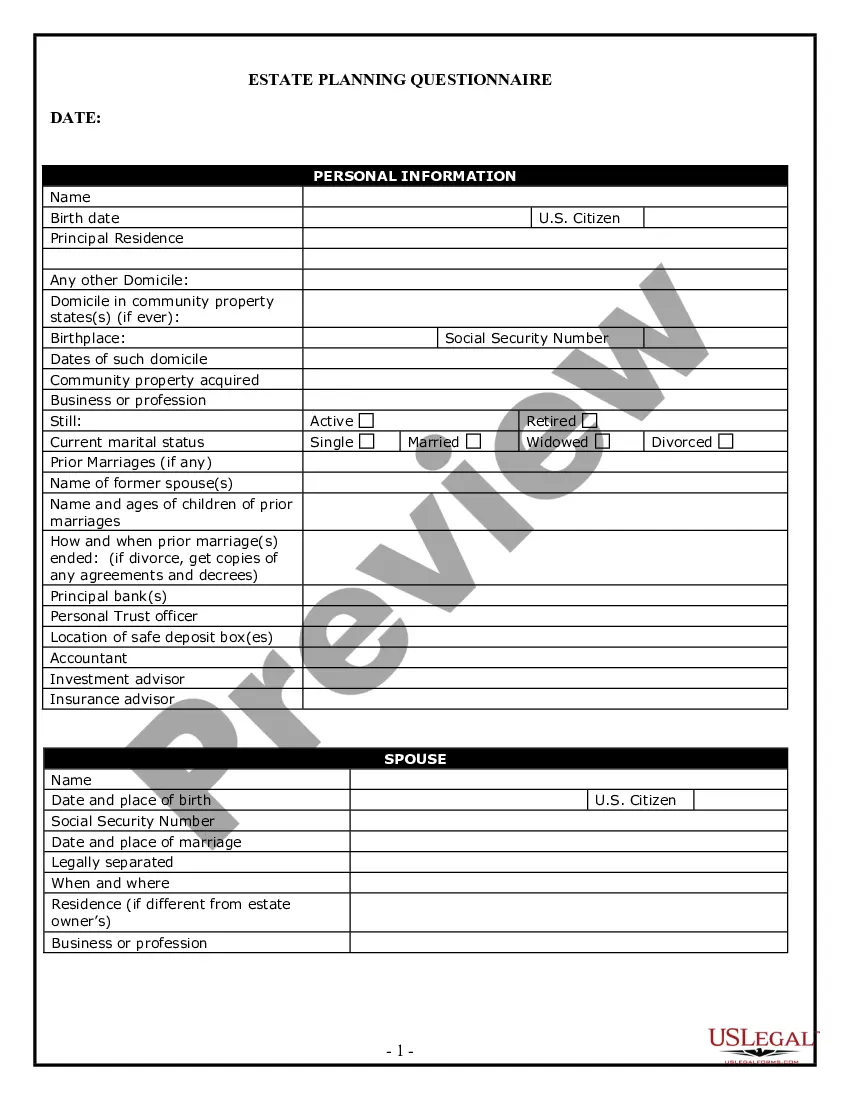
- When organizing important personal and financial information for your family.
Who can use this document
- Individuals in Rhode Island who have recently lost a spouse.
- Anyone seeking to manage their legal, financial, and health care decisions.
- Those who want to ensure their wishes are respected and that their affairs are in order.
- People looking for help in documenting important information and preferences related to their estate and healthcare.
Steps to complete these forms
- Review all included forms to understand your options and requirements.
- Gather necessary information such as names, addresses, and details of your assets.
- Complete the forms following the provided instructions and ensuring all fields are filled out accurately.
- Sign the forms as required, ensuring you include dates and necessary signatures.
- Store the completed forms in a secure location, and inform a trusted person where these documents can be found.
Do forms in this package need to be notarized?
Certain documents in this package must be notarized for legal effectiveness. Our online notarization service, powered by Notarize, lets you verify and sign documents remotely through an encrypted video session, available anytime.
Get your form ready online
Our built-in tools help you complete, sign, share, and store your documents in one place.
Make edits, fill in missing information, and update formatting in US Legal Forms—just like you would in MS Word.
Download a copy, print it, send it by email, or mail it via USPS—whatever works best for your next step.
Sign and collect signatures with our SignNow integration. Send to multiple recipients, set reminders, and more. Go Premium to unlock E-Sign.
If this form requires notarization, complete it online through a secure video call—no need to meet a notary in person or wait for an appointment.
We protect your documents and personal data by following strict security and privacy standards.

Make edits, fill in missing information, and update formatting in US Legal Forms—just like you would in MS Word.

Download a copy, print it, send it by email, or mail it via USPS—whatever works best for your next step.

Sign and collect signatures with our SignNow integration. Send to multiple recipients, set reminders, and more. Go Premium to unlock E-Sign.

If this form requires notarization, complete it online through a secure video call—no need to meet a notary in person or wait for an appointment.

We protect your documents and personal data by following strict security and privacy standards.
Mistakes to watch out for
- Failing to read the instructions carefully before completing the forms.
- Not providing all required information, leading to incomplete documents.
- Overlooking signature and date requirements, which can invalidate the forms.
- Neglecting to inform family members of the storage location for these critical documents.
Benefits of completing this package online
- Convenience: Download and complete your forms from the comfort of your home.
- Editability: Easily fill out forms digitally, ensuring clarity and accuracy.
- Accessibility: Immediate access to the latest legal documents without waiting.
- Peace of mind: All forms are created by licensed attorneys with knowledge of current Rhode Island laws.
Looking for another form?



Form popularity
FAQ
There are about four million widows and widowers receiving monthly Social Security benefits based on their deceased spouse's earnings record.Widows and widowers can receive: Reduced benefits as early as age 60 or full benefits at full retirement age or older.
As a widow: You must be at least 60 years old (unless you are disabled in which case you can claim your benefit as early as age 50). If you are divorced, you can claim the survivors benefit if you were married at least 10 years and are currently unmarried (unless you remarried after age 60).
Spousal benefits are based on a living spouse or ex-spouse's work history. Survivor benefits are based on a deceased spouse or ex-spouse's work history. The maximum spousal benefit is 50% of the worker's full retirement age (FRA) benefit.
Employees may also be eligible to receive Medicare benefits through a deceased spouse if that spouse had earned 40 credits prior to their death and they were married to them at the time of the spouse's death.
Social Security allows you to claim both a retirement and a survivor benefit at the same time, but the two won't be added together to produce a bigger payment; you will receive the higher of the two amounts.(Full retirement age, or FRA, is currently 66 and gradually rising to 67 over the next several years).
Many individuals who are divorced or widowed are concerned that the loss of their spouse will somehow affect their ability to qualify for Original Medicare (Parts A & B). You are: Age 65 or older or. Younger than 65 with a qualifying disability or.
For Your Widow Or Widower Widows and widowers can receive: Reduced benefits as early as age 60 or full benefits at full retirement age or older. If widows or widowers qualify for retirement benefits on their own record, they can switch to their own retirement benefit as early as age 62.
Catholic women lived 11 years after the death of their spouse while Jewish women lived 9.5 years after the deaths of their husbands. Similarly, the Jewish men lived 5 years after the death of the wives while the Catholic men lived about 8 years after the death of their wives.
Medicare will give the surviving spouse $255 if he or she resided with the beneficiary when the recipient passed away.In the event that no surviving spouse exists, the money goes to a qualifying child, if one exists.