Wisconsin Last Will and Testament for a Domestic Partner with No Children
What this document covers
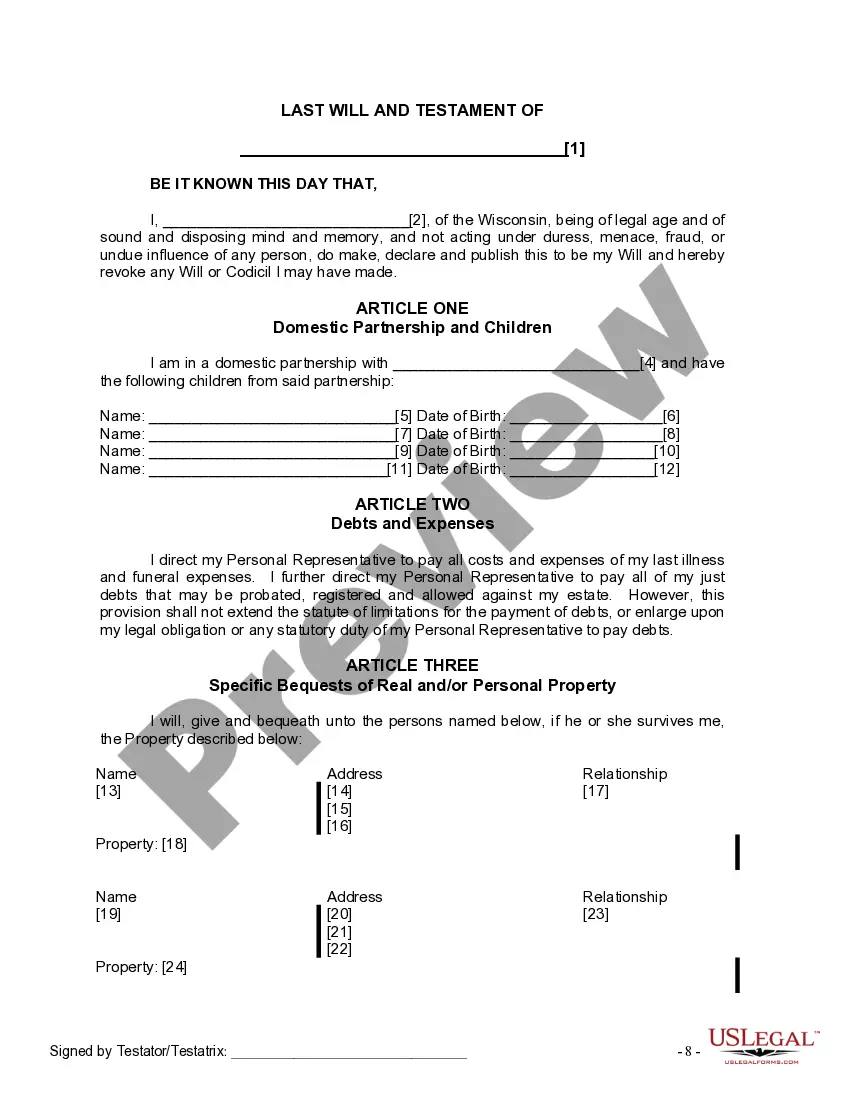
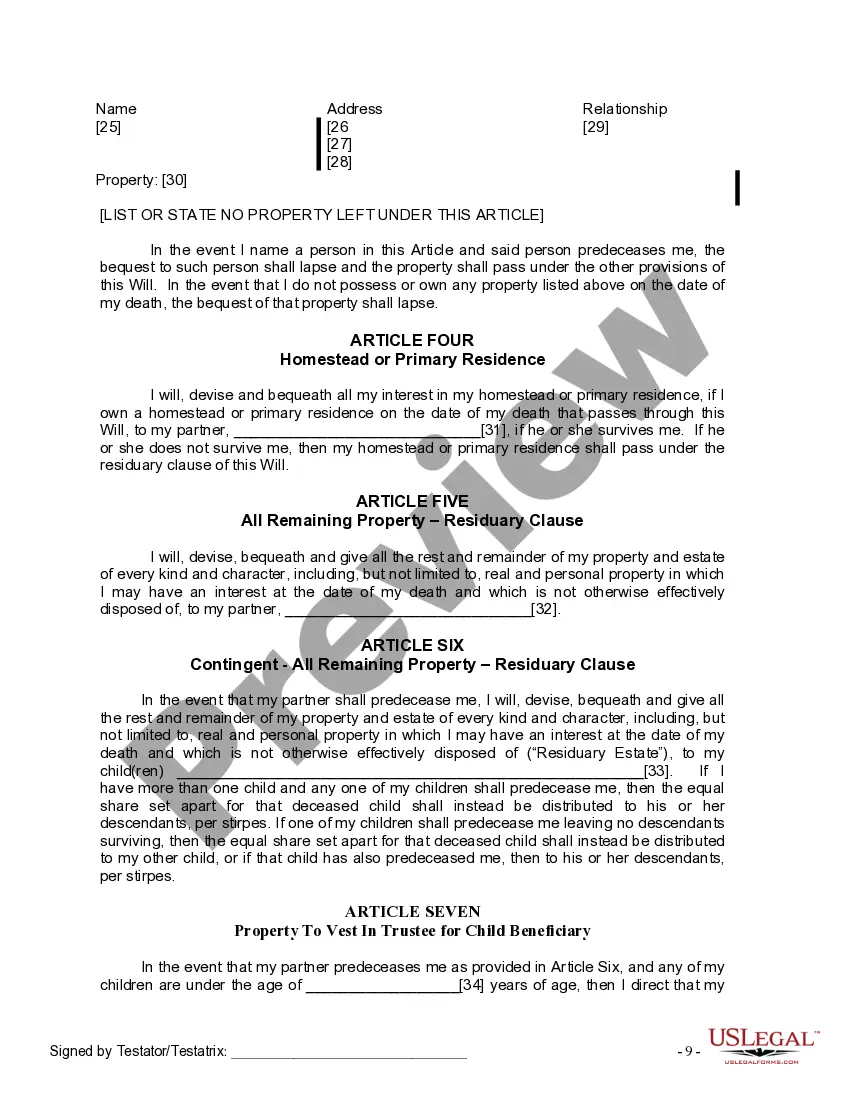
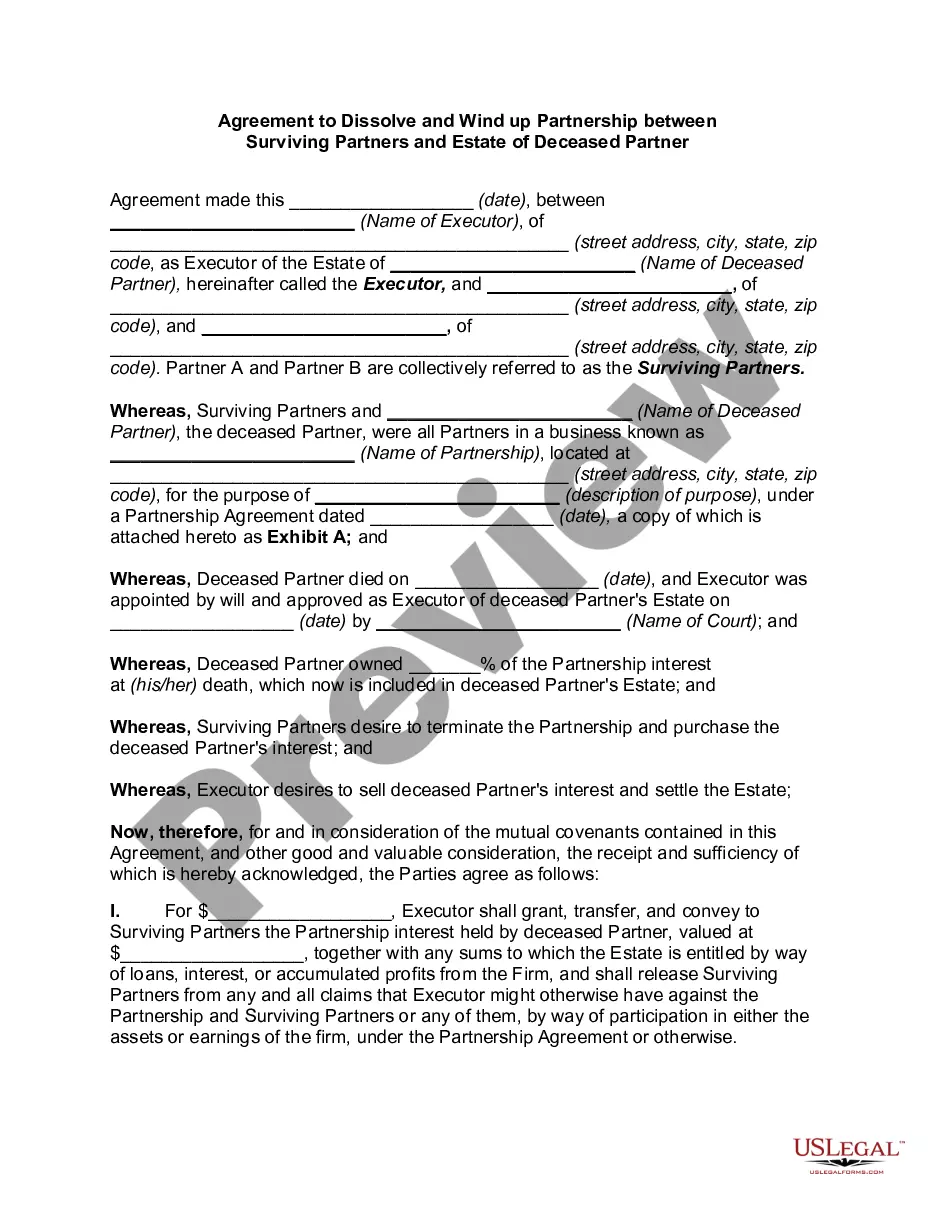
This Last Will and Testament for a Domestic Partner with No Children is a legal document that outlines how your assets should be distributed upon your death. Unlike traditional wills that may include children, this form specifically caters to domestic partners who do not have children together. It allows you to specify your partner as the beneficiary of your estate and provides details on how to appoint a personal representative for your estate. This form is critical for ensuring that your wishes regarding property distribution are honored after your death.
Key components of this form
- The appointment of a personal representative to administer your estate.
- Designation of your domestic partner as the primary beneficiary of your property.
- Specific bequests of real or personal property to individuals.
- Provisions regarding the handling of debts and expenses of your estate.
- Instructions for guardianship, if applicable, for any minor children.
- Signature requirements in the presence of witnesses to validate the will.



When to use this document
This form is appropriate if you are a domestic partner without children and wish to ensure that your assets go to your partner after your death. You should use this Last Will and Testament if you want to specify who should manage your estate, how your property should be distributed, and any specific wishes regarding your remains. It is particularly important if you want legal clarity for the distribution of assets to your partner, preventing potential disputes among family members.
Who should use this form
- Domestic partners without children who wish to outline their estate plans.
- Individuals seeking to clarify asset distribution preferences for their partners.
- Anyone who wants to ensure that their estate is handled as per their wishes after passing away.
- People who have had previous wills that require updating to reflect their current relationship status.
Instructions for completing this form
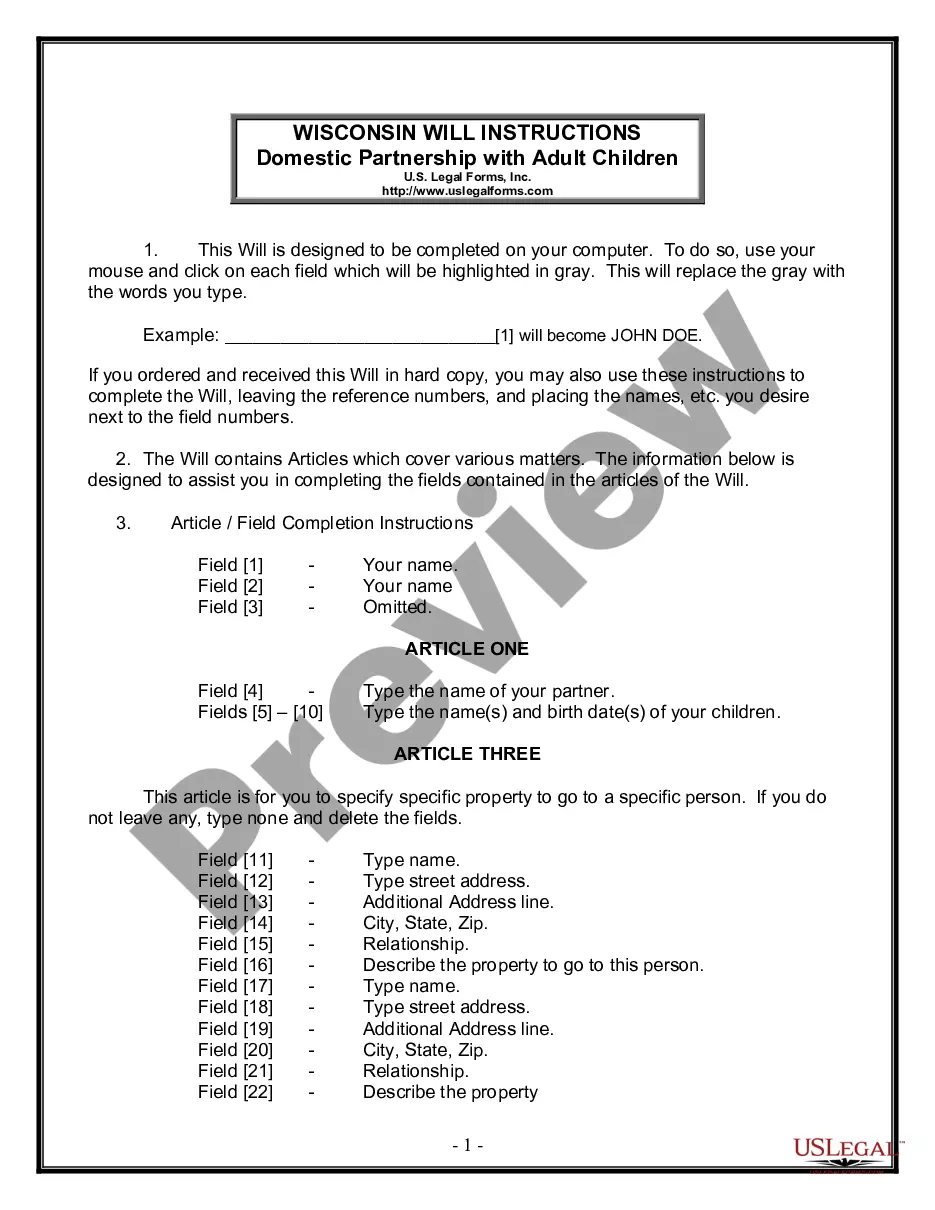
- Identify yourself and your domestic partner by entering the names and relevant details as specified in the fields.
- List any specific property you wish to bequeath to certain individuals in the appropriate sections.
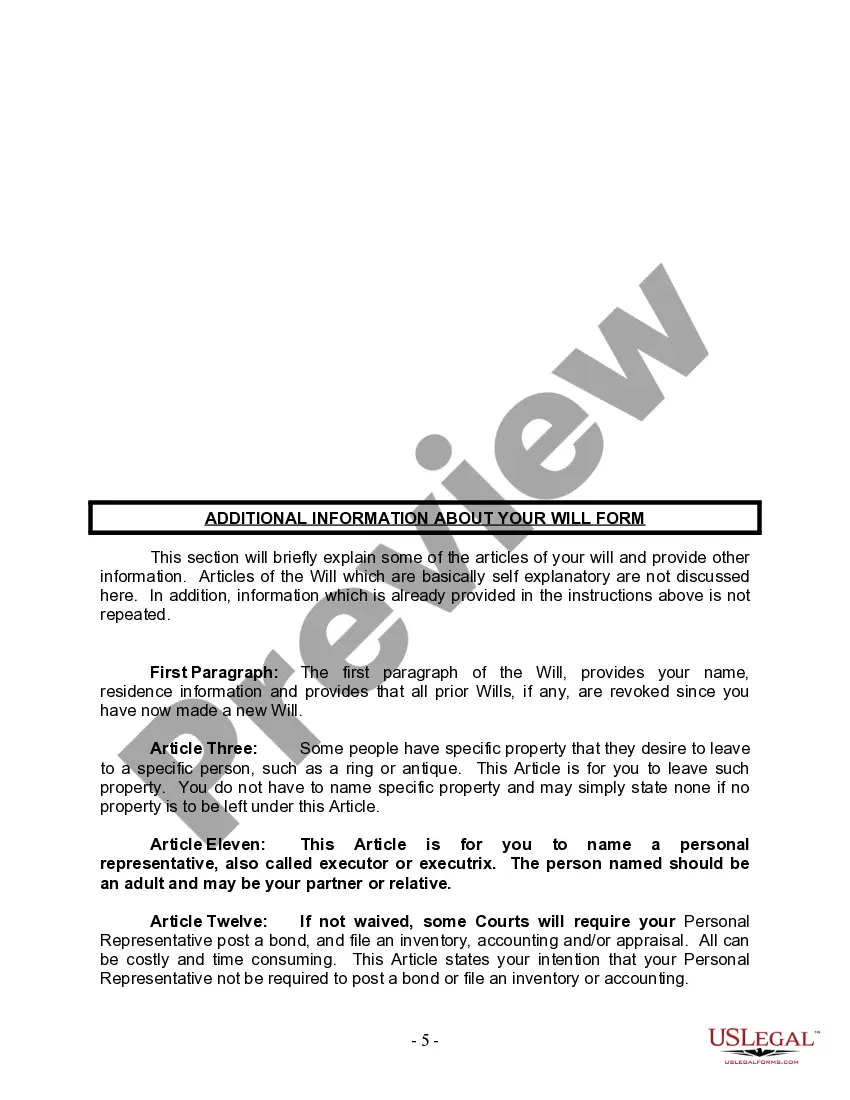
- Appoint a personal representative by providing their name, who will manage your estate after your passing.
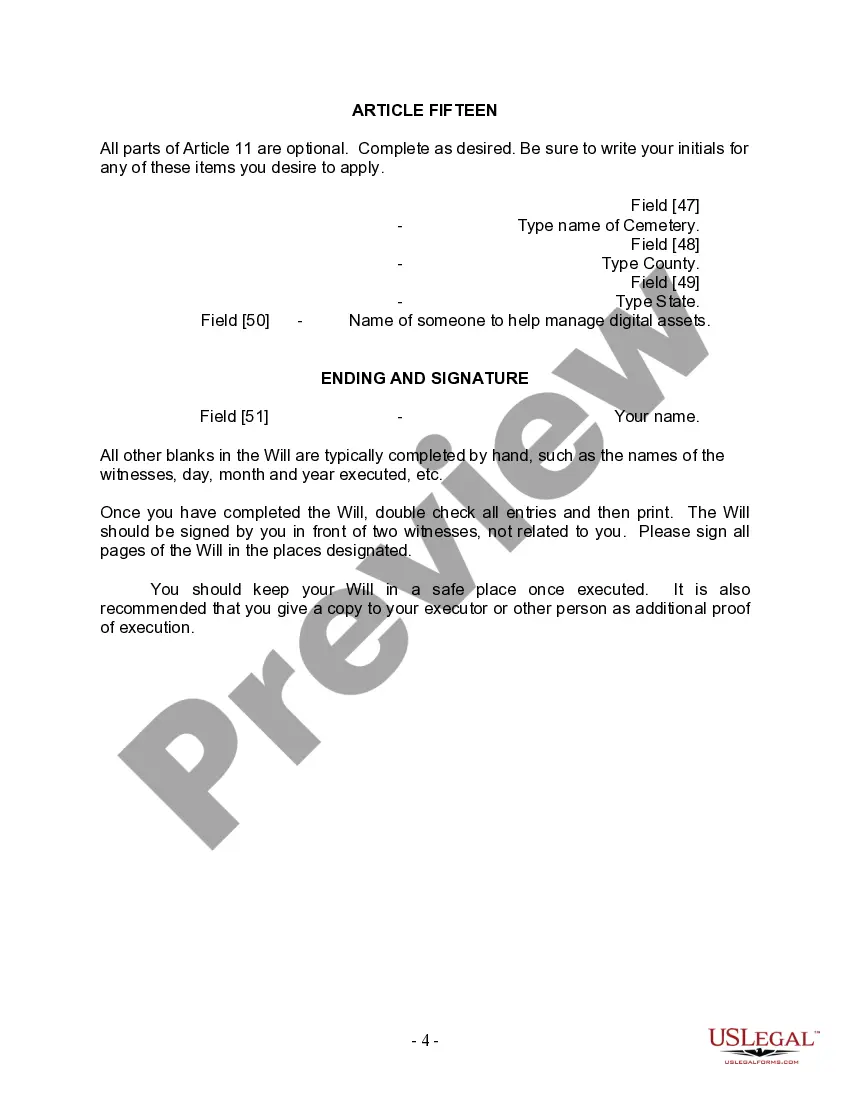
- Sign the will in front of two witnesses who are not related to you and are not named in the document.
- Store the completed will in a safe place and consider providing copies to your executors or trusted individuals.
Notarization guidance
This form does not typically require notarization unless specified by local law. However, including a self-proving affidavit allows for smoother probate processes in some states. If you wish to ensure additional legal security, consult your local laws regarding notarization and consider using US Legal Formsâ integrated online notarization for added convenience.
Get your form ready online
Our built-in tools help you complete, sign, share, and store your documents in one place.
Make edits, fill in missing information, and update formatting in US Legal Forms—just like you would in MS Word.
Download a copy, print it, send it by email, or mail it via USPS—whatever works best for your next step.
Sign and collect signatures with our SignNow integration. Send to multiple recipients, set reminders, and more. Go Premium to unlock E-Sign.
If this form requires notarization, complete it online through a secure video call—no need to meet a notary in person or wait for an appointment.
We protect your documents and personal data by following strict security and privacy standards.

Make edits, fill in missing information, and update formatting in US Legal Forms—just like you would in MS Word.

Download a copy, print it, send it by email, or mail it via USPS—whatever works best for your next step.

Sign and collect signatures with our SignNow integration. Send to multiple recipients, set reminders, and more. Go Premium to unlock E-Sign.

If this form requires notarization, complete it online through a secure video call—no need to meet a notary in person or wait for an appointment.

We protect your documents and personal data by following strict security and privacy standards.
Avoid these common issues
- Failing to have the will signed in the presence of two witnesses.
- Not updating the will after major life changes, like marriage or divorce.
- Overlooking the need for a backup personal representative in case the primary cannot serve.
- Neglecting to store the will in a secure location where it can be easily accessed after your passing.
Benefits of using this form online
- Convenience: Complete the form from home without needing to visit a lawyer.
- Editability: Easily make changes to the form as needed before printing.
- Reliability: The templates are drafted by licensed attorneys to ensure legal compliance.
- Instant access: Download and complete your will right away, saving you time.
What to keep in mind
- This form serves to outline your wishes regarding asset distribution for domestic partners without children.
- Proper signing and witnessing is crucial for the legal validity of the will.
- Updating your will after any life changes is vital for ensuring it reflects your current intentions.
- Storing your will securely and notifying trusted individuals about its location enhances its enforceability.
Looking for another form?

Form popularity
FAQ
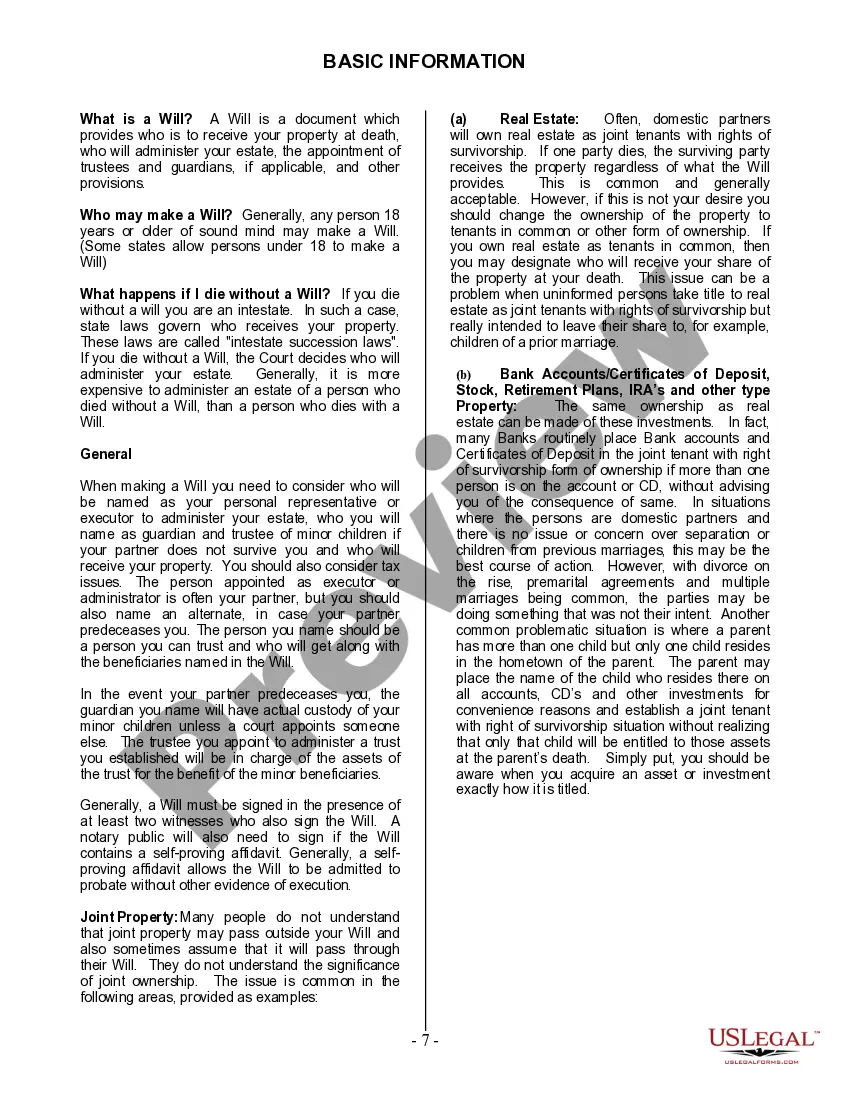
In most situations, a will template is an easy and inexpensive way to make sure your wishes are known and carried out. Most people can get everything they need by using a will template, with little cost or hassle.
Include personal identifying information. Include a statement about your age and mental status. Designate an executor. Decide who will take care of your children. Choose your beneficiaries. List your funeral details. Sign and date your Last Will and Testament.
Probate matters in Wisconsin are handled at the local circuit court level. If there is a will, it must be filed with the court, even if probate isn't needed to distribute the decedent's property.
Contrary to popular belief, you do not need to have an attorney draft a will for you. Anyone can write this document on their own, and as long as it meets all of the legal requirements of the state, courts will recognize one you wrote yourself.
Create the initial document. Start by titling the document Last Will and Testament" and including your full legal name and address. Designate an executor. Appoint a guardian. Name the beneficiaries. Designate the assets. Ask witnesses to sign your will. Store your will in a safe place.
Make your will self-proving means the court will accept it without further verification from the witnesses who signed it. A notarized affidavit proving who you are and all parties knew they were signing makes your last will and testament self-proving. This can speed up the probate process significantly.
Create the initial document. Start by titling the document Last Will and Testament" and including your full legal name and address. Designate an executor. Appoint a guardian. Name the beneficiaries. Designate the assets. Ask witnesses to sign your will. Store your will in a safe place.
No. You can make your own will in Wisconsin, using Nolo's do-it-yourself will software or online will programs. However, you may want to consult a lawyer in some situations. For example, if you think that your will might be contested or if you want to disinherit your spouse, you should talk with an attorney.
Age: The testator must be at least 18 years old. Capacity: The testator must be of sound mind. Signature: The will must be signed by the testator or by someone else in the testator's name in his conscious presence, by his direction.