California Construction Home Improvement Contract Cost Plus or Fixed Fee
What this document covers
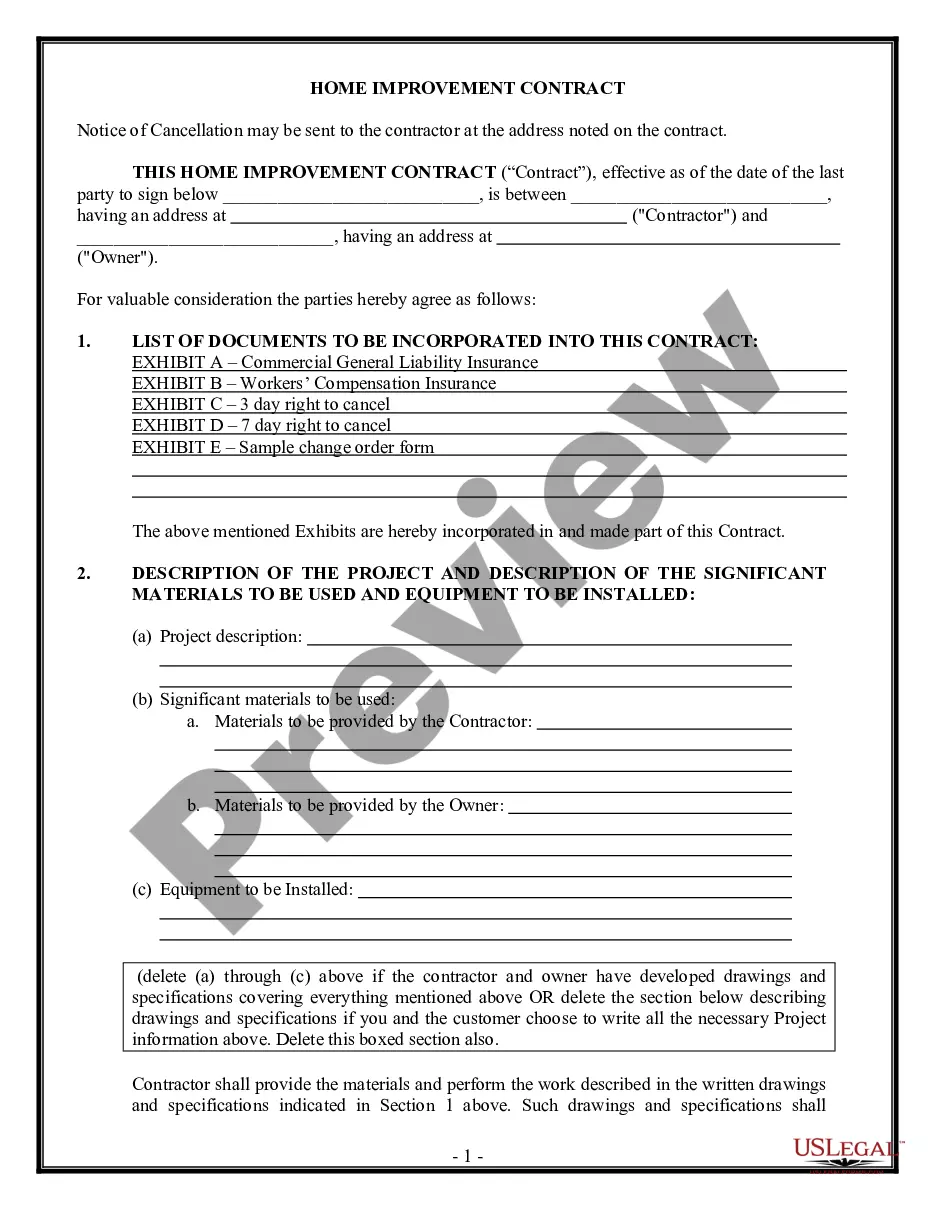
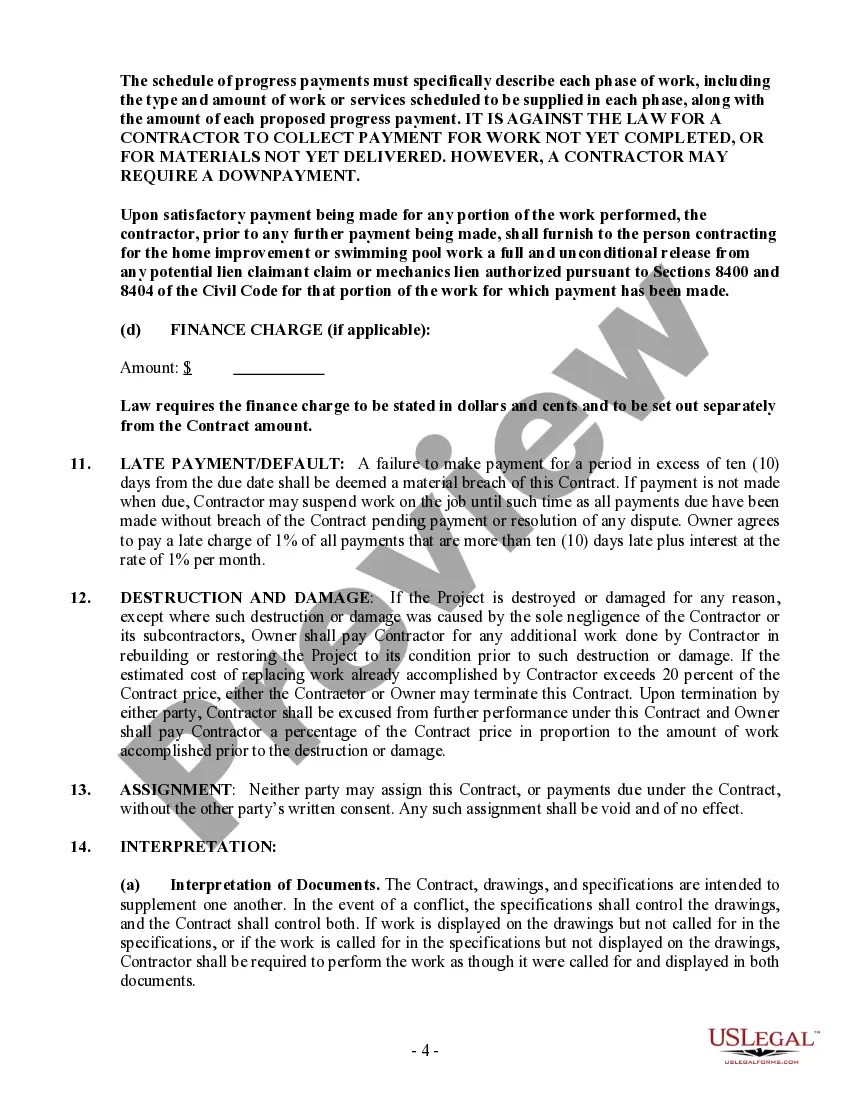
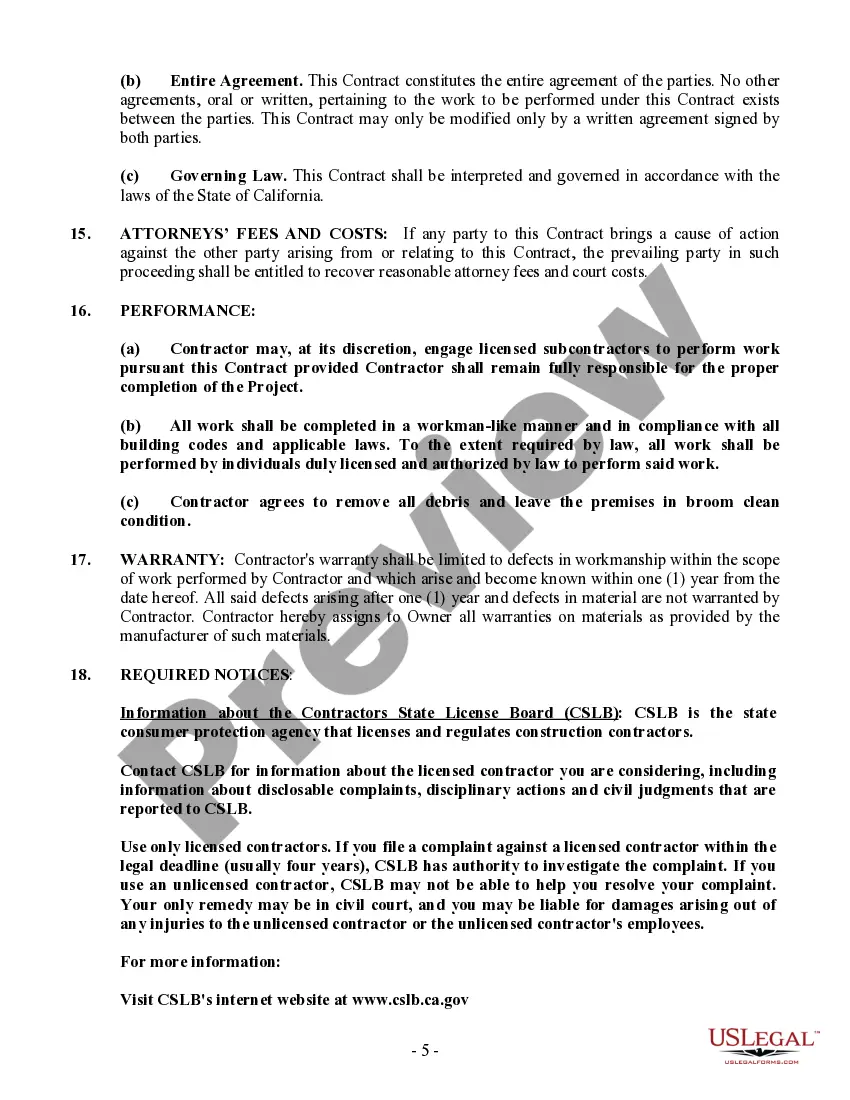
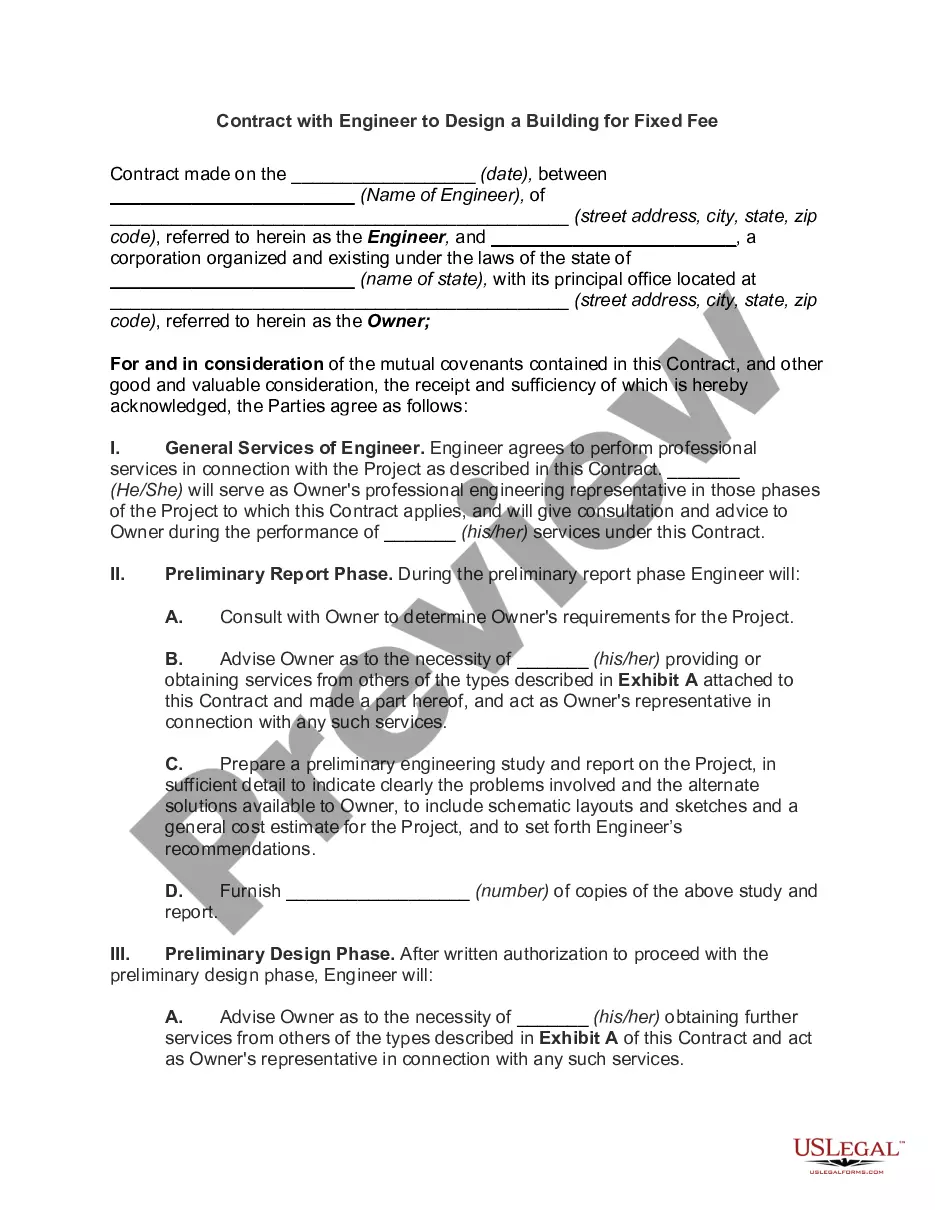
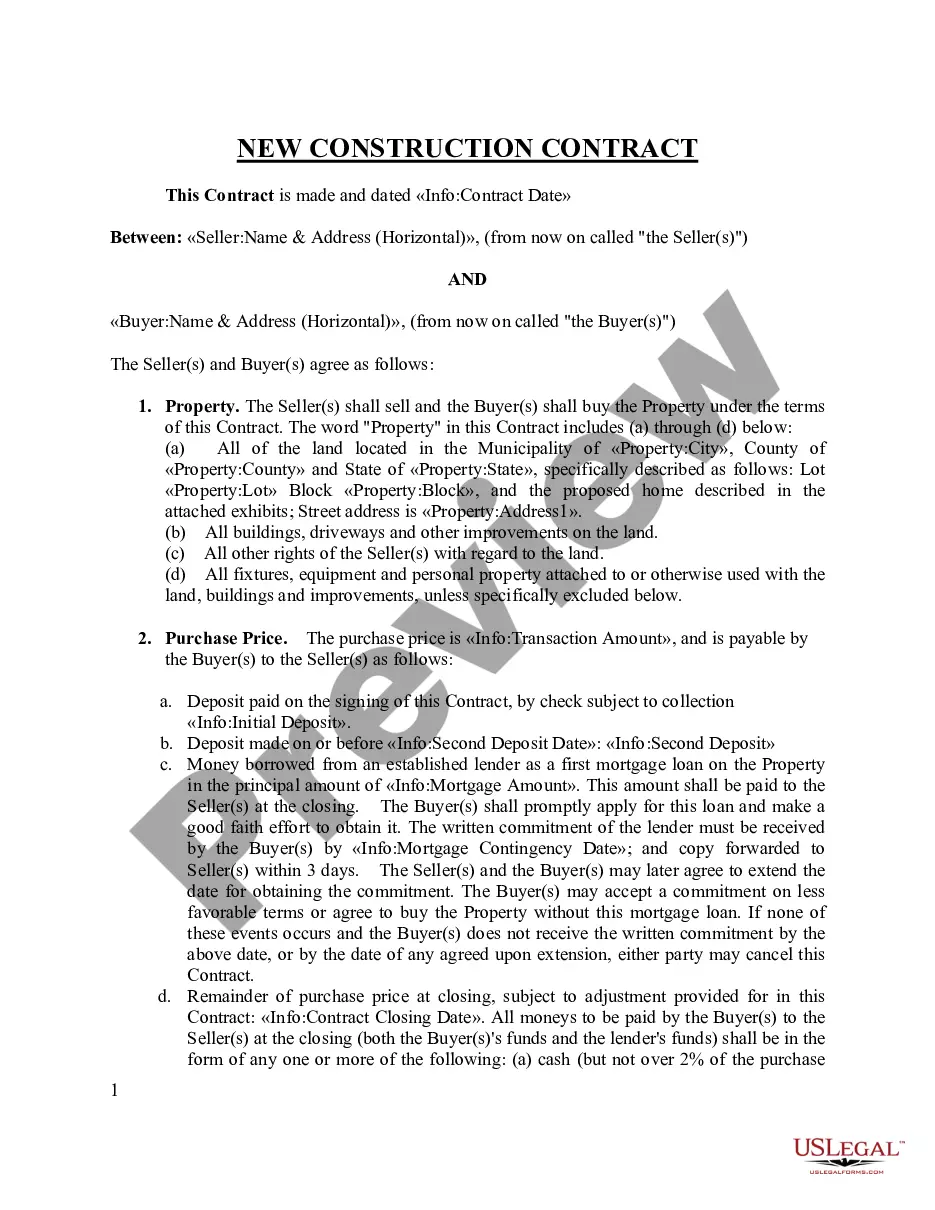
The Construction Home Improvement Contract Cost Plus or Fixed Fee is a legal document tailored for contractors and homeowners in California. This form outlines the terms of a construction project, including the payment structure, which can be either cost plus or fixed fee. It lays out the mutual responsibilities of both parties, ensuring clarity and compliance with state regulations, differentiating it from other construction contracts that may not address these specific arrangements.
What’s included in this form
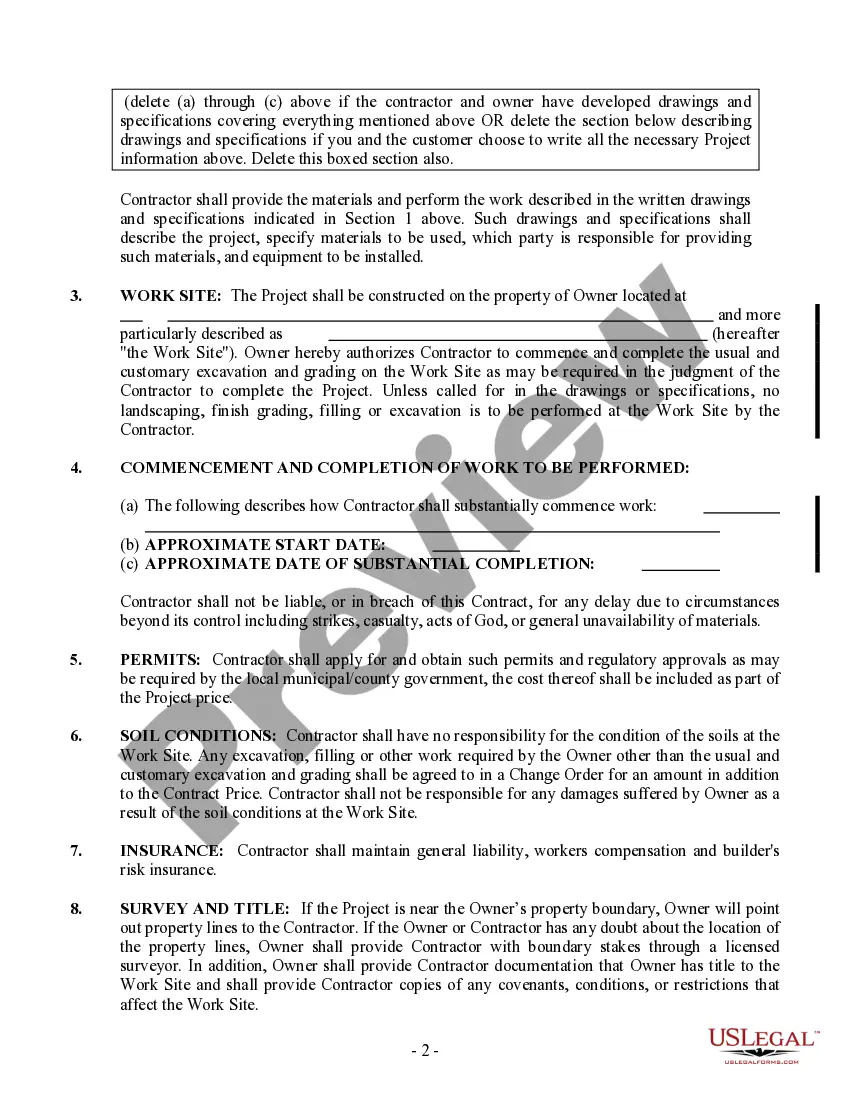
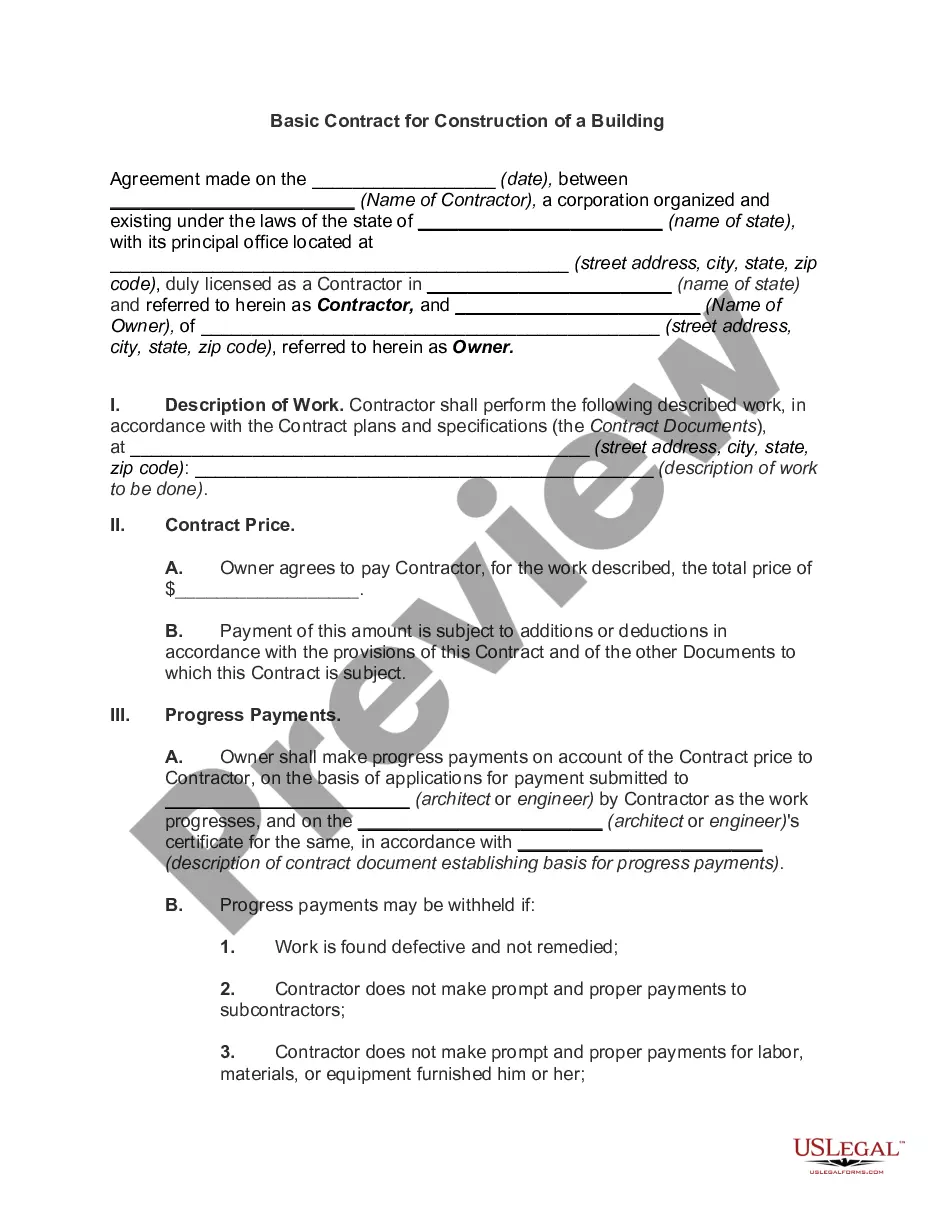
- Scope of work and specifications of the project.
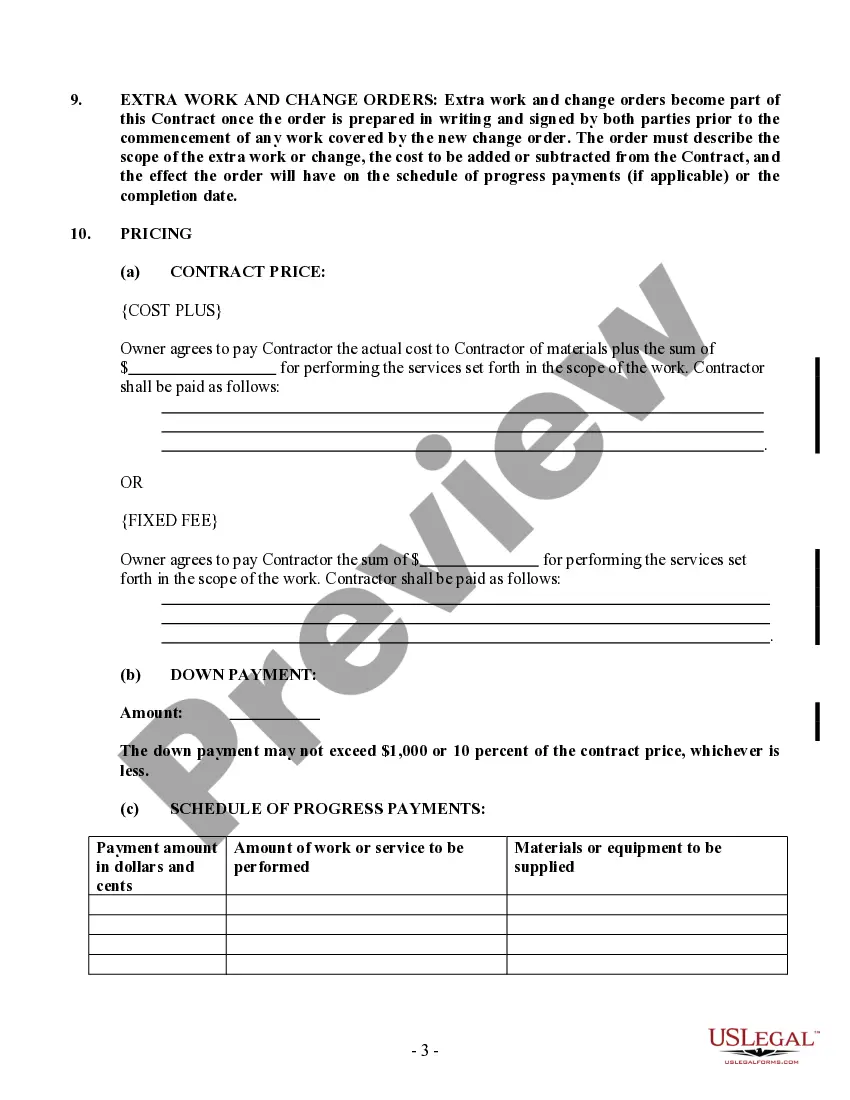
- Payment terms, outlining cost plus or fixed fee arrangements.
- Provisions for permits and regulatory approvals required.
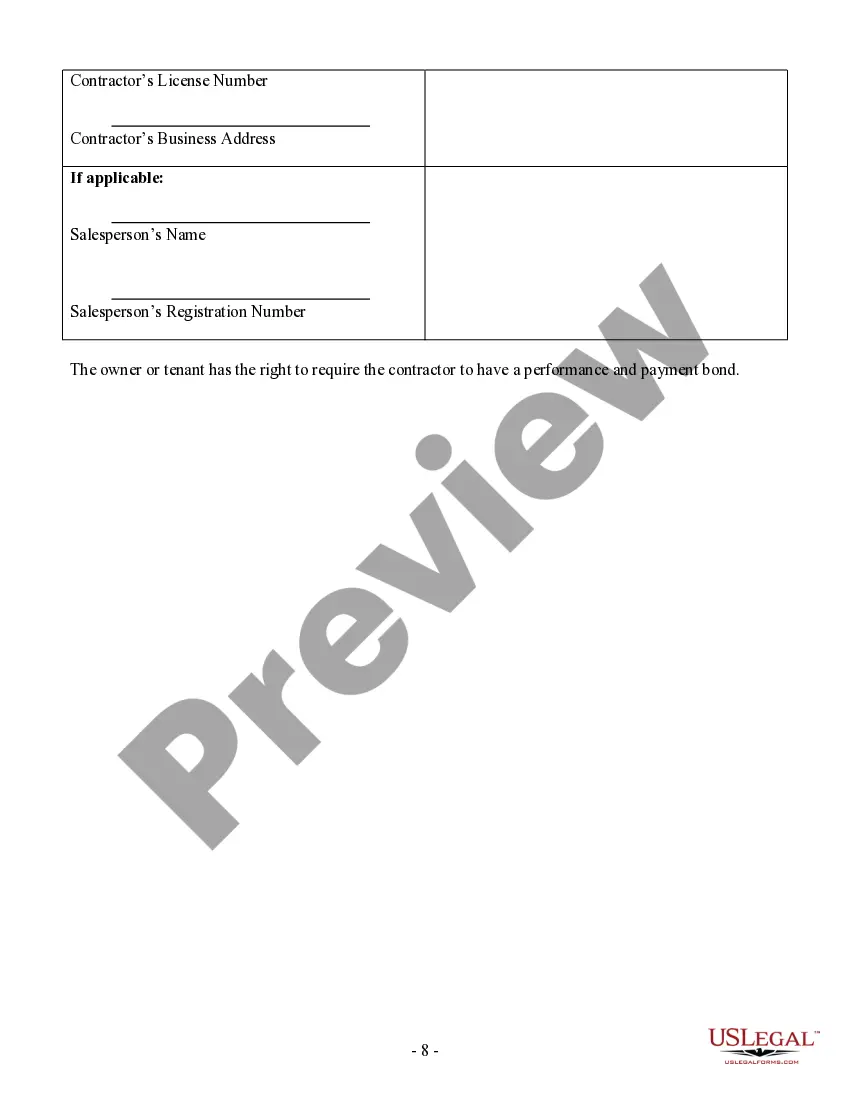
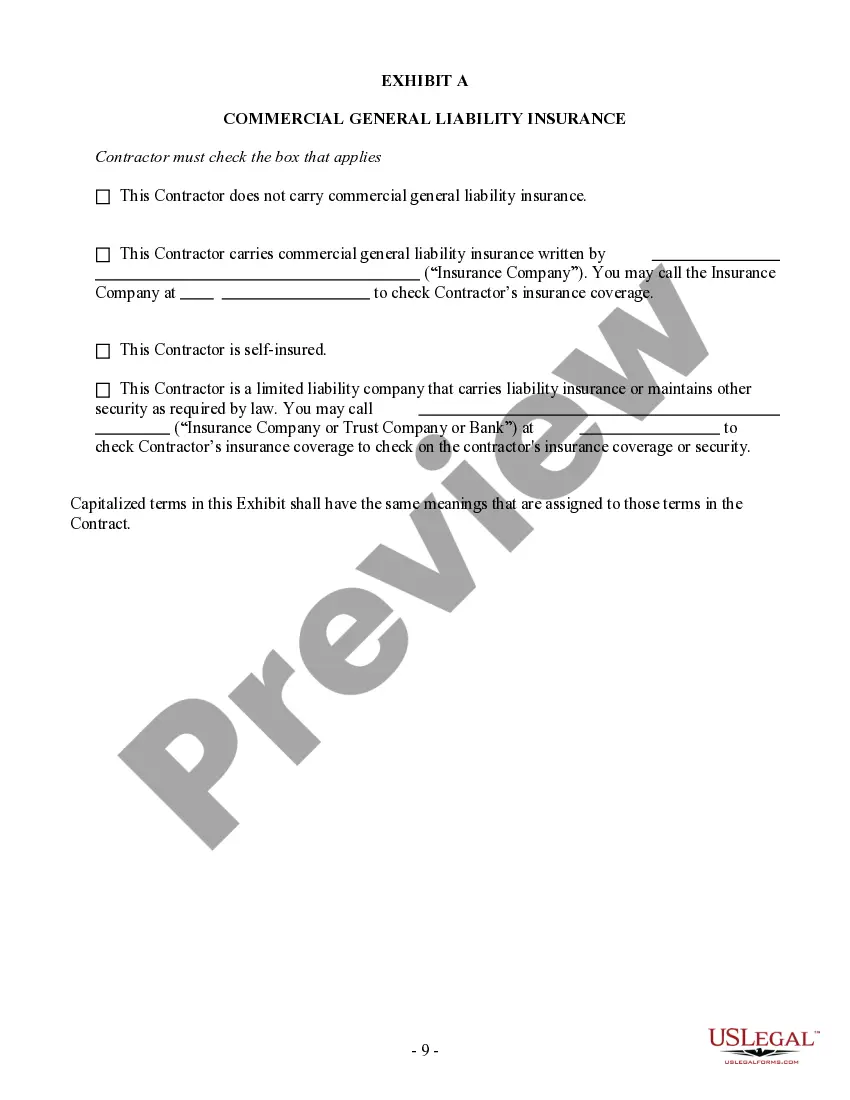
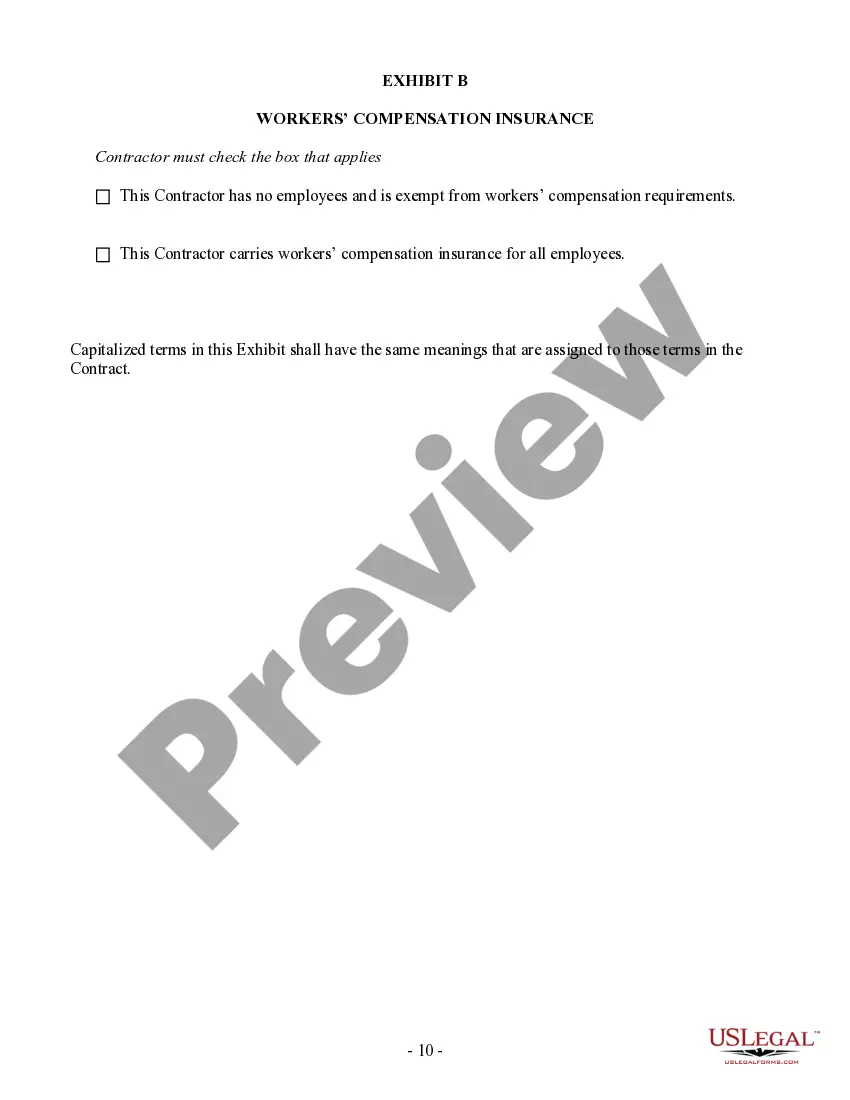
- Warranty information and insurance requirements for the contractor.
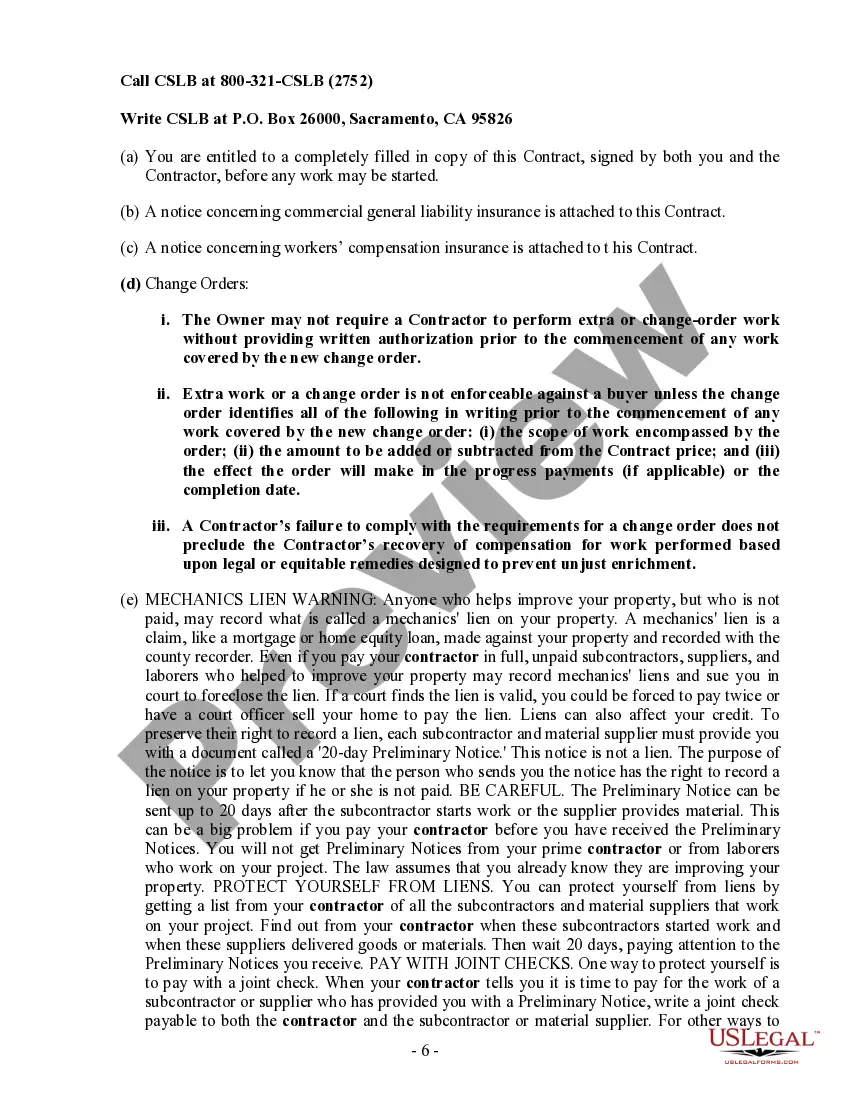
- Extra work and change order processes clearly defined.
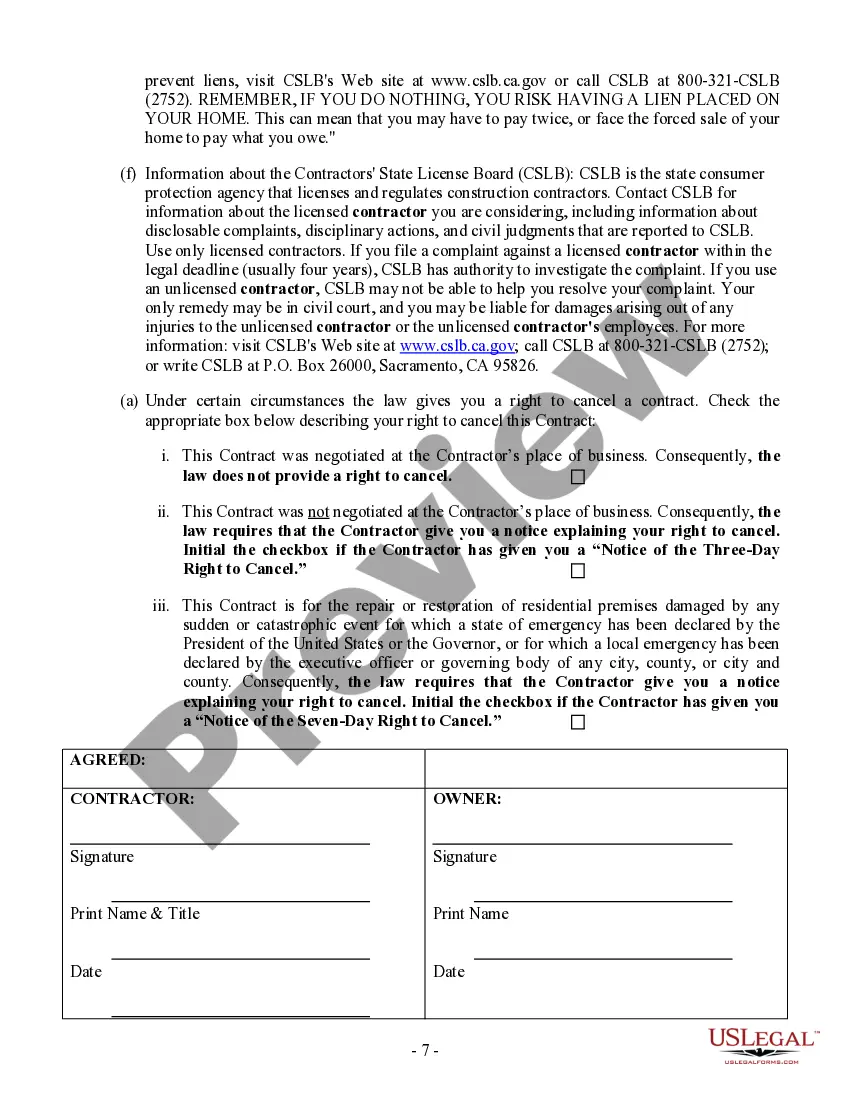
- Notices regarding cancellation rights and mechanics lien warnings.


Common use cases
This form is ideal when you are hiring a contractor for a home improvement project where the costs can vary or where the scope may change. It's particularly useful for larger renovations or constructions, where a clear understanding of costs, responsibilities, and timeline is essential to protect both the homeowner and the contractor.
Who this form is for
- Homeowners looking to undertake significant construction or renovation projects.
- Contractors who need a clear, legally binding agreement with their clients.
- Property developers managing complex construction deals on behalf of clients.
How to complete this form
- Identify and enter the parties involved in the contract.
- Clearly outline the scope of work and specifications in detail.
- Determine whether the payment will be a cost-plus or fixed fee arrangement and specify amounts.
- Include necessary permits and regulatory approvals required for the project.
- Ensure both parties sign and date the form to make it legally binding.
Does this form need to be notarized?
This form usually doesn’t need to be notarized. However, local laws or specific transactions may require it. Our online notarization service, powered by Notarize, lets you complete it remotely through a secure video session, available 24/7.
Get your form ready online
Our built-in tools help you complete, sign, share, and store your documents in one place.
Make edits, fill in missing information, and update formatting in US Legal Forms—just like you would in MS Word.
Download a copy, print it, send it by email, or mail it via USPS—whatever works best for your next step.
Sign and collect signatures with our SignNow integration. Send to multiple recipients, set reminders, and more. Go Premium to unlock E-Sign.
If this form requires notarization, complete it online through a secure video call—no need to meet a notary in person or wait for an appointment.
We protect your documents and personal data by following strict security and privacy standards.

Make edits, fill in missing information, and update formatting in US Legal Forms—just like you would in MS Word.

Download a copy, print it, send it by email, or mail it via USPS—whatever works best for your next step.

Sign and collect signatures with our SignNow integration. Send to multiple recipients, set reminders, and more. Go Premium to unlock E-Sign.

If this form requires notarization, complete it online through a secure video call—no need to meet a notary in person or wait for an appointment.

We protect your documents and personal data by following strict security and privacy standards.
Typical mistakes to avoid
- Failing to specify the payment terms clearly, leading to disputes later on.
- Not detailing the scope of work adequately, which can result in misunderstandings.
- Neglecting to obtain necessary permits, causing legal issues during or after the project.
Advantages of online completion
- Convenience of downloading and editing the form at your own pace.
- Access to templates drafted by licensed attorneys, ensuring compliance with legal standards.
- Ability to easily keep records of agreements made and modifications requested.
Legal use & context
- The contract is enforceable in California and is structured to protect both parties' rights.
- Should any disputes arise over the contract, legal resolution may depend on the clarity and detail in this form.
Quick recap
- This contract is essential for homeowners and contractors engaged in construction projects in California.
- Clear specification of terms, costs, and responsibilities helps prevent disputes.
- Always ensure compliance with local regulations regarding permits and changes.
Looking for another form?


Form popularity
FAQ
Disadvantages of cost-plus fixed-fee contracts may include: The final, overall cost may not be very clear at the beginning of negotiations. May require additional administration or oversight of the project to ensure that the contractor is factoring in the various cost factors.
Define and describe the project in detail. Include what materials must be used; be as specific as possible. Include weight, brand name and other identifying features. Specify the work being performed and all equipment being used or installed.
There is much confusion in the industry whether time and materials or cost-plus contracts are legal for HICs in California.The CLSB declares its interpretation that such contracts are illegal in its newsletter article entitled Time and Material Contracts Not Legal for Home Improvement.
A cost-plus contract, also known as a cost-reimbursement contract, is a form of contract wherein the contractor is paid for all of their construction-related expenses. Plus, the contractor is paid a specific agreed-upon amount for profit.
In California, the state limits advance payment at the time of contract signing to 10% of the total estimated job cost or $1,000, whichever amount is lower! All payments thereafter are supposed to be made for work performed or for materials delivered to the job site.
In California, the state limits advance payment at the time of contract signing to 10% of the total estimated job cost or $1,000, whichever amount is lower! All payments thereafter are supposed to be made for work performed or for materials delivered to the job site.
A cost-plus contract is an agreement to reimburse a company for expenses incurred plus a specific amount of profit, usually stated as a percentage of the contract's full price.