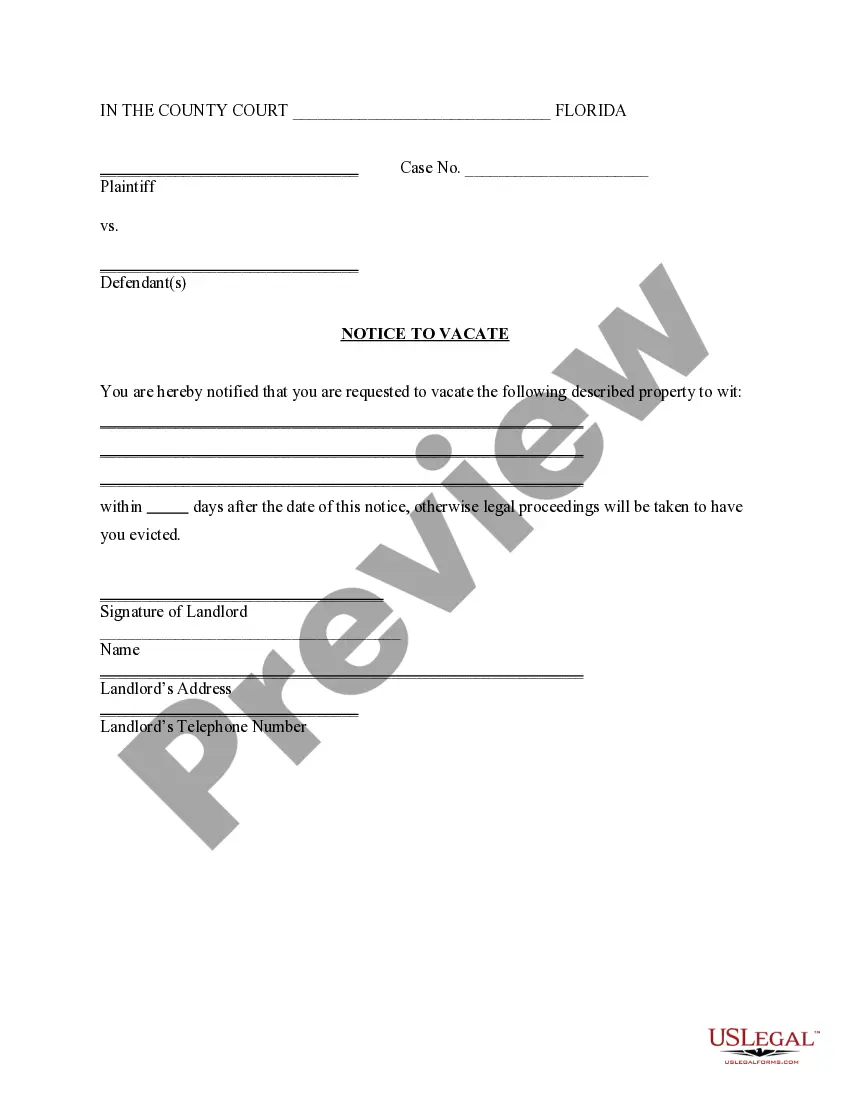
Oregon Seller's Disclosure of Financing Terms for Residential Property in connection with Contract or Agreement for Deed a/k/a Land Contract
What this document covers
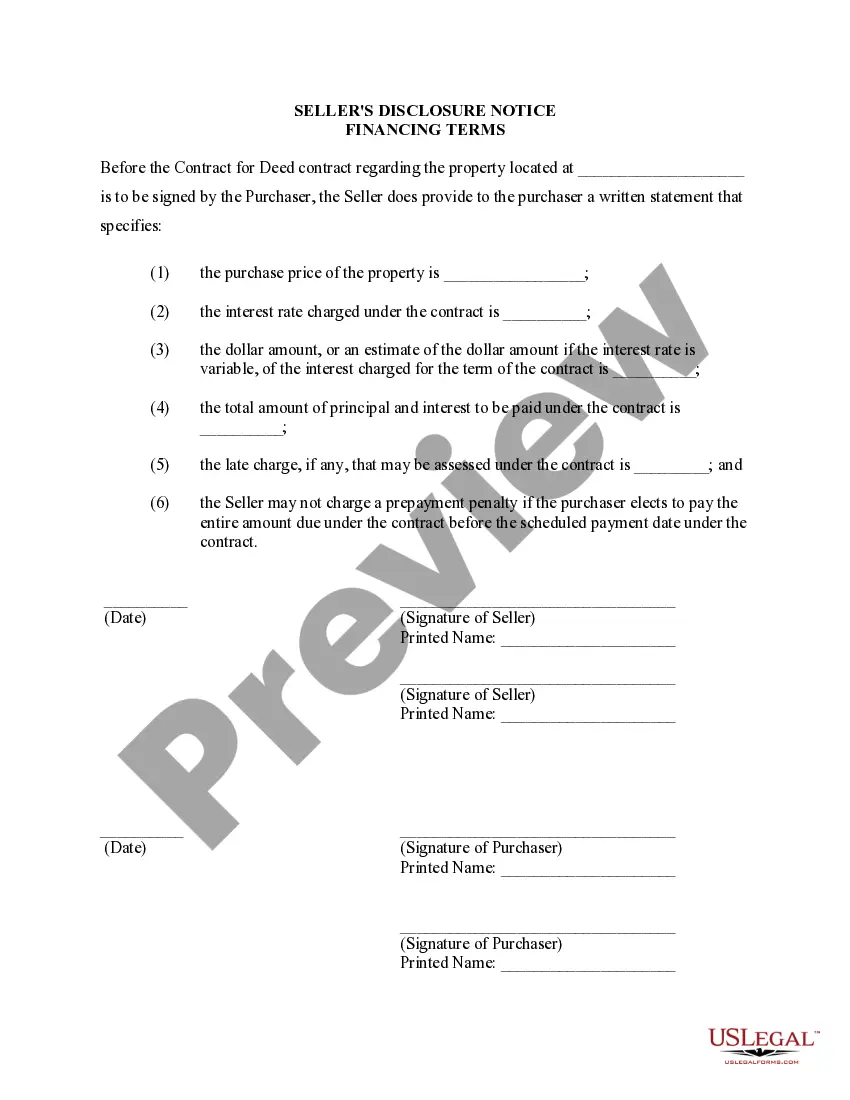
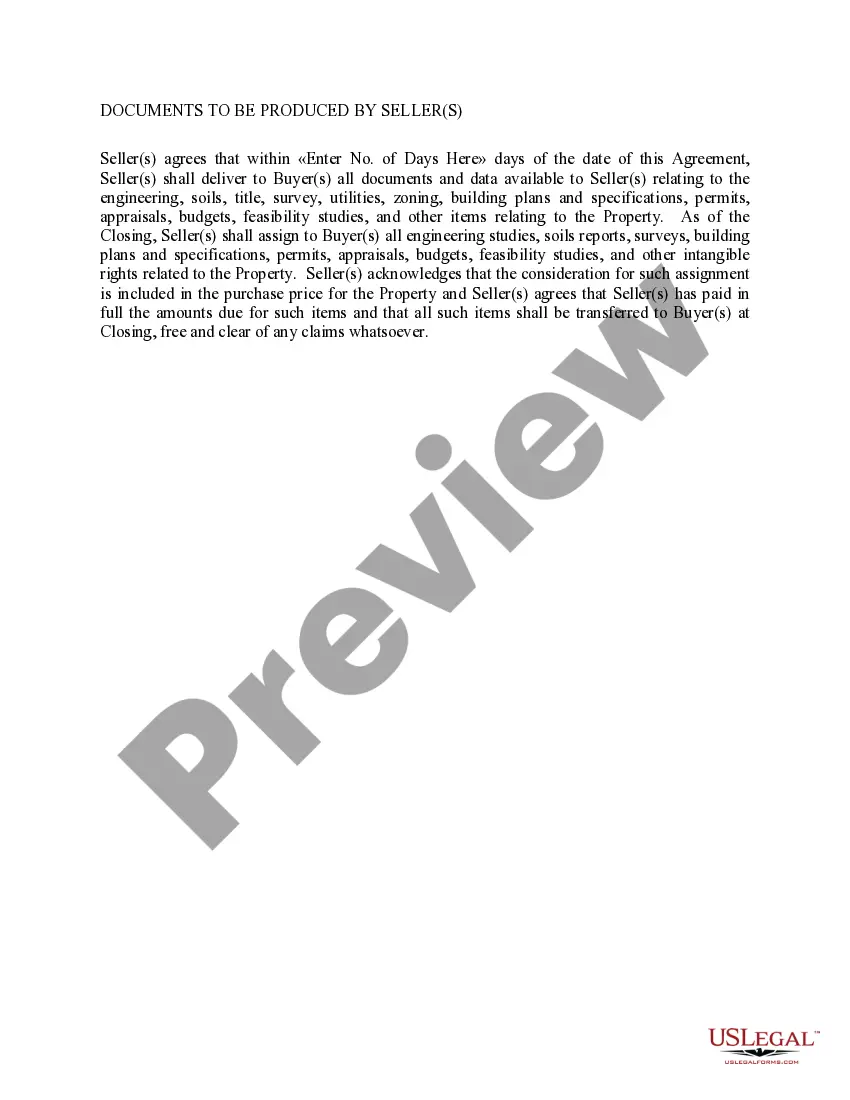
The Seller's Disclosure of Financing Terms for Residential Property in connection with a Contract or Agreement for Deed, often referred to as a Land Contract, is a legal document that provides essential information about the financing terms of a property sale. This form outlines the purchase price, payment structure, interest rates, and any applicable late charges. It is specifically designed to inform the purchaser about the financial obligations tied to the property sale, differentiating it from other agreements like standard sales contracts by focusing on the financing aspects.
Main sections of this form
- Purchase price: Specifies the total amount to be paid for the residential property.
- Payment schedule: Details the frequency and amounts of payments the purchaser must make.
- Interest rate: Indicates the applicable interest rate on the financing terms.
- Late charges: States any penalties or fees applicable for late payments.
- Disclosure requirements: Mandates that the seller provide this information to the purchaser before signing the contract.
When to use this form
This form is used when a seller is offering financing for the sale of residential property. It is essential when the transaction involves a land contract, allowing buyers to understand fully their financial obligations associated with the purchase. Typical scenarios for using this form include situations where traditional financing options are not available, or when the seller wishes to provide owner financing directly to the purchaser.
Who can use this document
The intended users of this form include:
- Property sellers who are offering financing through a land contract.
- Purchasers interested in acquiring residential property under seller financing arrangements.
- Real estate agents or brokers representing sellers or buyers in these transactions.
Instructions for completing this form
- Identify the parties involved: Fill in the names of the seller and purchaser.
- Specify the property details: Include the address and description of the property.
- Enter the purchase price: Clearly indicate the total purchase price for the property.
- Outline payment terms: Detail the payment schedule, including amounts and due dates.
- Indicate the interest rate: Clearly state the applicable interest rate on the financing.
- Sign and date: Ensure both parties sign the document and enter the respective dates.
Does this document require notarization?
Notarization is required for this form to take effect. Our online notarization service, powered by Notarize, lets you verify and sign documents remotely through an encrypted video session, available 24/7.
Get your form ready online
Our built-in tools help you complete, sign, share, and store your documents in one place.
Make edits, fill in missing information, and update formatting in US Legal Forms—just like you would in MS Word.
Download a copy, print it, send it by email, or mail it via USPS—whatever works best for your next step.
Sign and collect signatures with our SignNow integration. Send to multiple recipients, set reminders, and more. Go Premium to unlock E-Sign.
If this form requires notarization, complete it online through a secure video call—no need to meet a notary in person or wait for an appointment.
We protect your documents and personal data by following strict security and privacy standards.

Make edits, fill in missing information, and update formatting in US Legal Forms—just like you would in MS Word.

Download a copy, print it, send it by email, or mail it via USPS—whatever works best for your next step.

Sign and collect signatures with our SignNow integration. Send to multiple recipients, set reminders, and more. Go Premium to unlock E-Sign.

If this form requires notarization, complete it online through a secure video call—no need to meet a notary in person or wait for an appointment.

We protect your documents and personal data by following strict security and privacy standards.
Common mistakes
- Failing to disclose all financing terms clearly.
- Not obtaining signatures from both the seller and purchaser.
- Leaving out important details such as the purchase price or interest rates.
Benefits of completing this form online
- Convenience of immediate access and download.
- Editability to tailor the document to your specific needs.
- Reliability of professionally drafted legal language by licensed attorneys.
Looking for another form?
Form popularity
FAQ
In general, as long as any dispute does not affect anything material about the house or property on which it stands, and you're not being asked to disclose information in writing, you shouldn't feel obliged to give a 'warts and all' account of all the problems you've had with a neighbour.
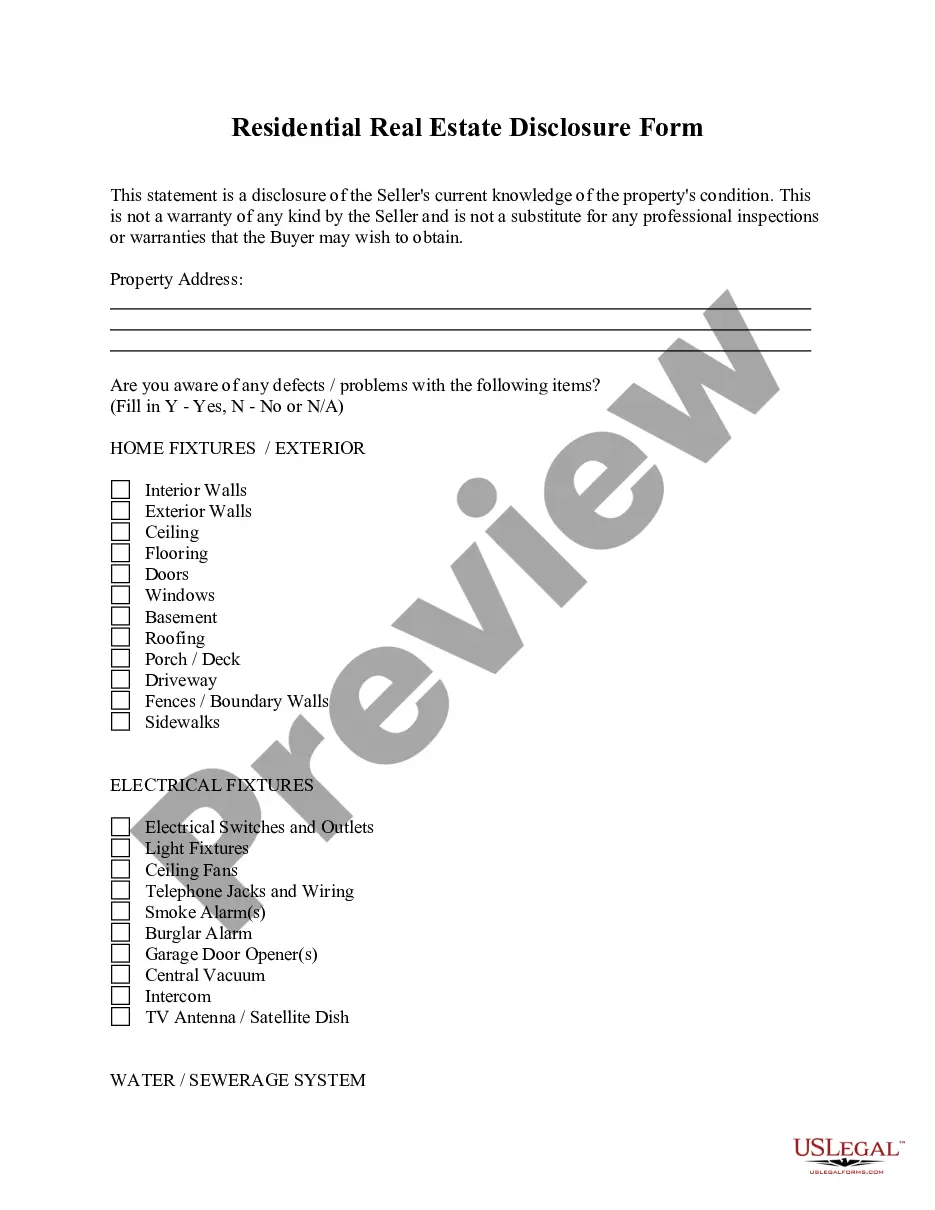
You will need to include information about all appliances in the home, including which are included in the sale as well as whether they are operational. You will also need to disclose any room additions, damage, or neighborhood noise problems.
One question all sellers are required by law to answer on the Real Estate Transfer Disclosure Statement is whether there are any neighborhood noise problems or other nuisances. If the answer is yes, the seller must explain that answer in detail.
A Seller is not required to provide a PCDS in British Columbia. If a Seller is not willing to provide a PCDS, they may not be disclosing a major issue with the property. The fact a Seller is not willing to provide a PCDS to a potential Buyer should be cause for concern to the Buyer.
You can sell your house on a land contract with an outstanding loan balance if your lender agrees and if the contract doesn't have a due-on-sale clause.
Death in the Home. Neighborhood Nuisances. Hazards. HOA Information. Repairs. Water Damage. Missing Items. Other Possible Disclosures.
Who Must Make These Seller Disclosures in California. As a broad rule, all sellers of residential real estate property containing one to four units in California must complete and provide written disclosures to the buyer.
Property disclosure statements essentially outline any flaws that the home sellers (and their real estate agents) are aware of that could negatively affect the home's value. These statements are required by law in most areas of the country so buyers can know a property's good and bad points before they close the deal.
Real Estate Transfer Disclosure Statement (TDS) The Transfer Disclosure Statement, also known as the TDS, is a form required by California law in most residential real estate transactions pursuant to California Civil Code 1102.