Oklahoma Notice of Default in Payment of Rent as Warning Prior to Demand to Pay or Terminate for Residential Property
What is this form?
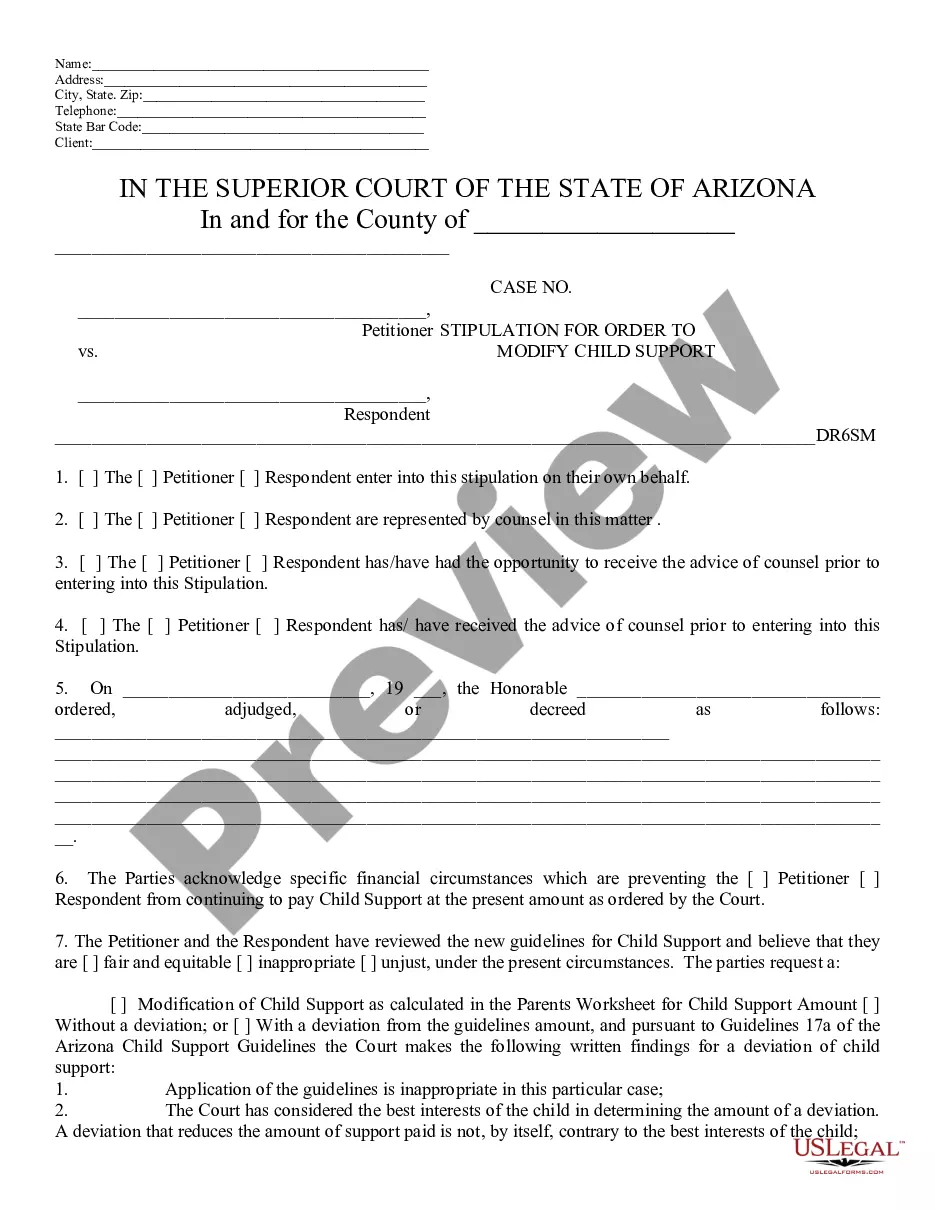
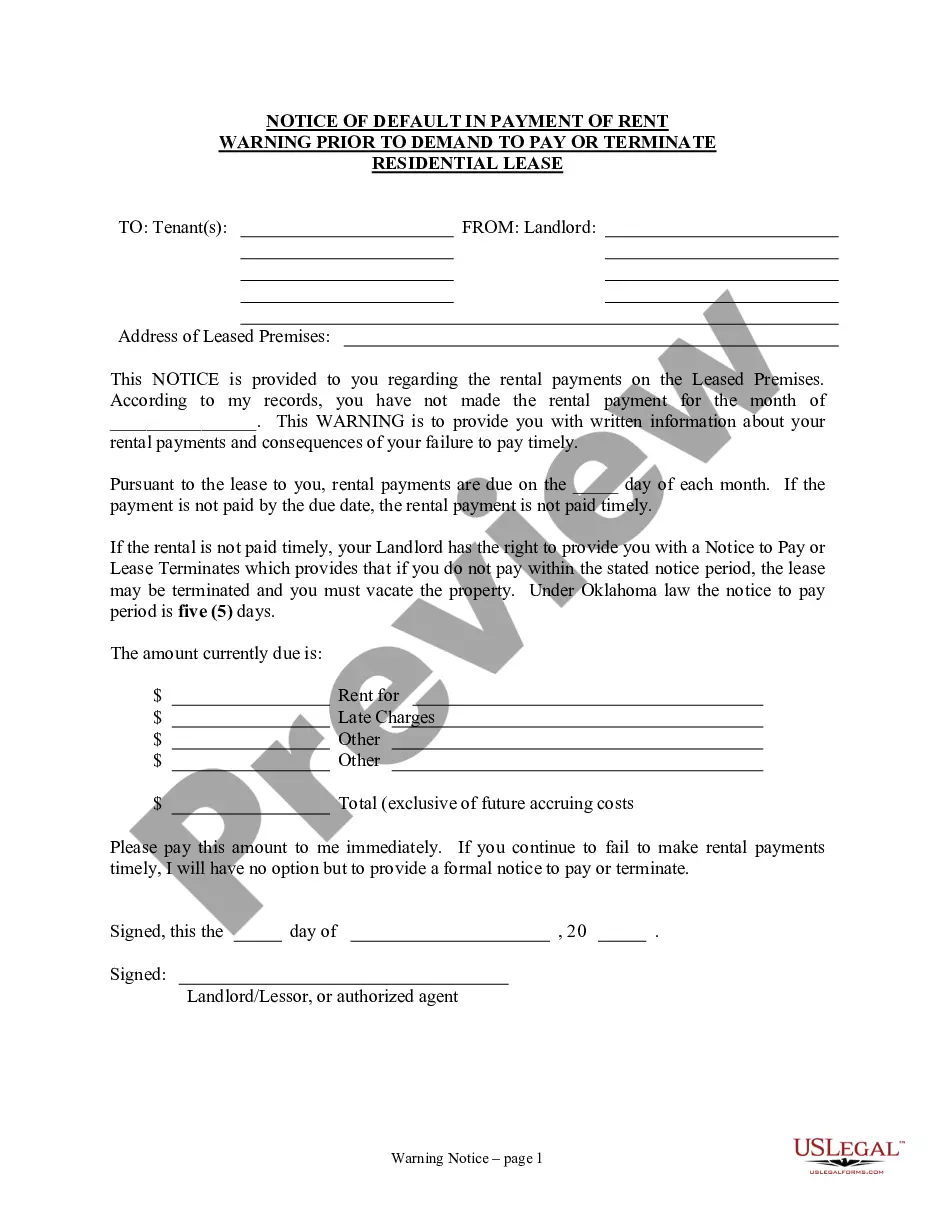
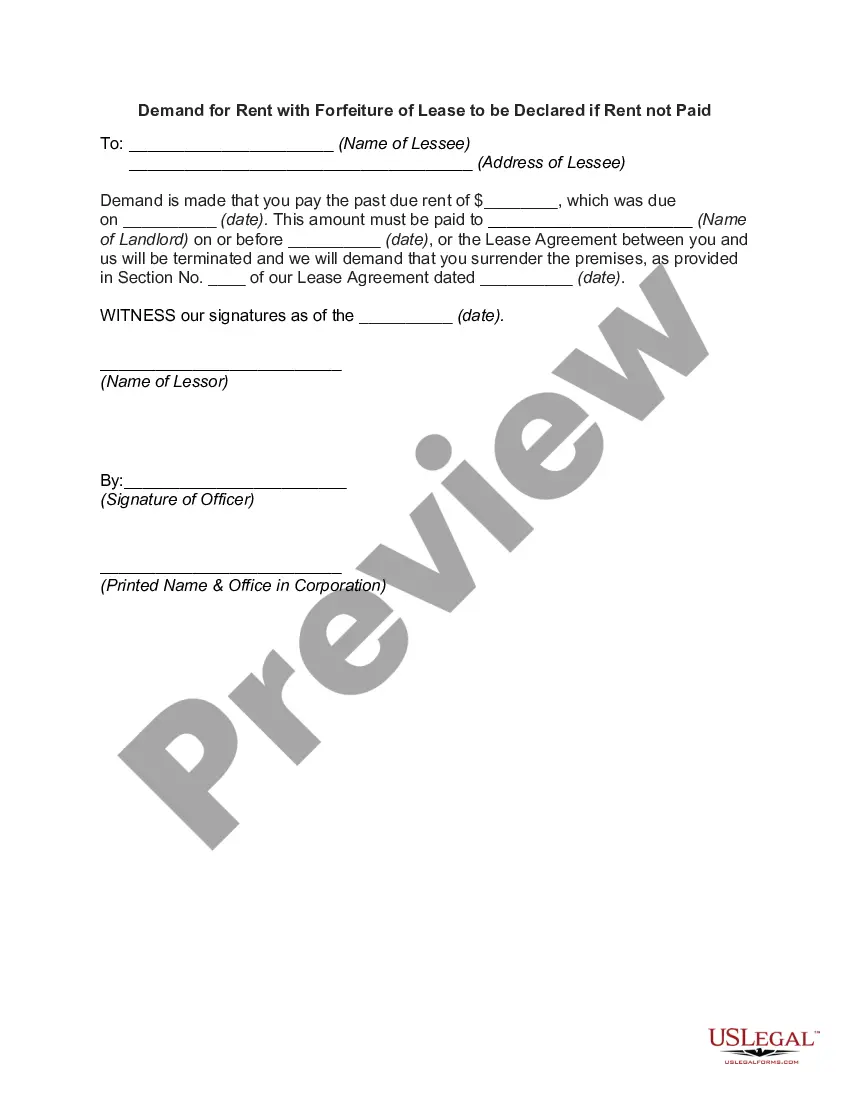
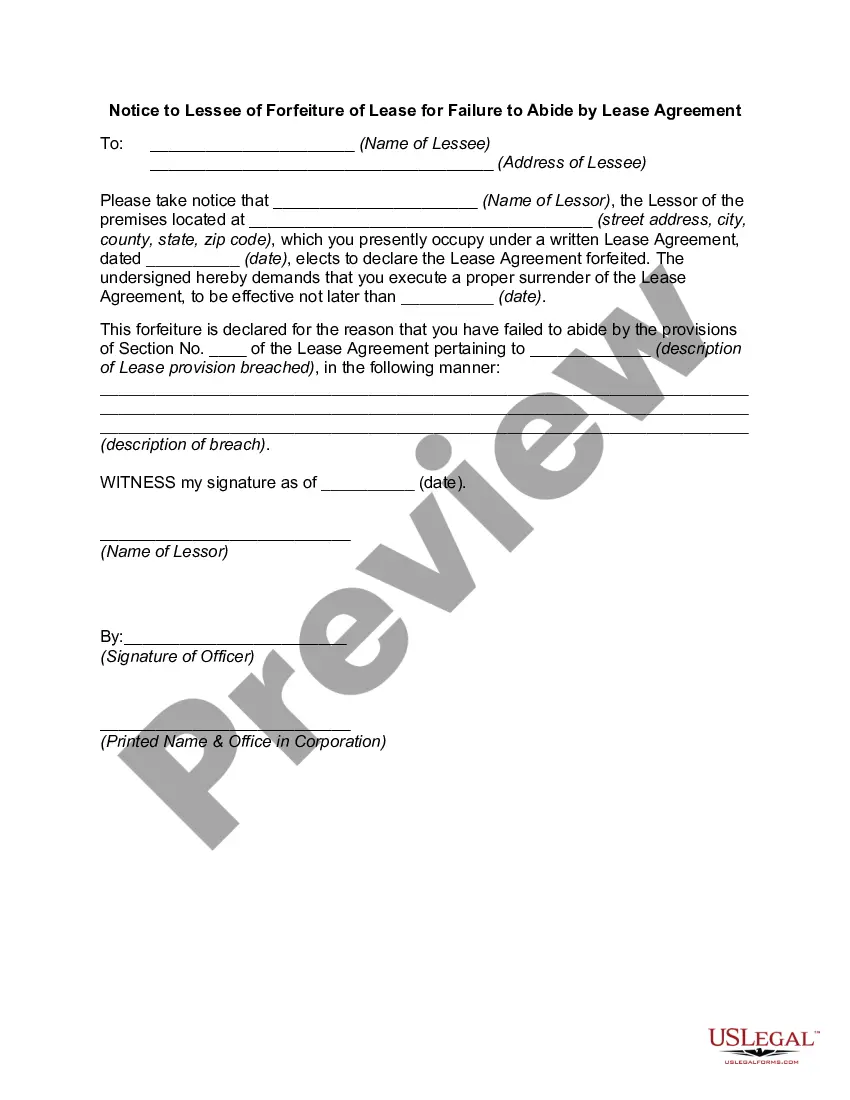
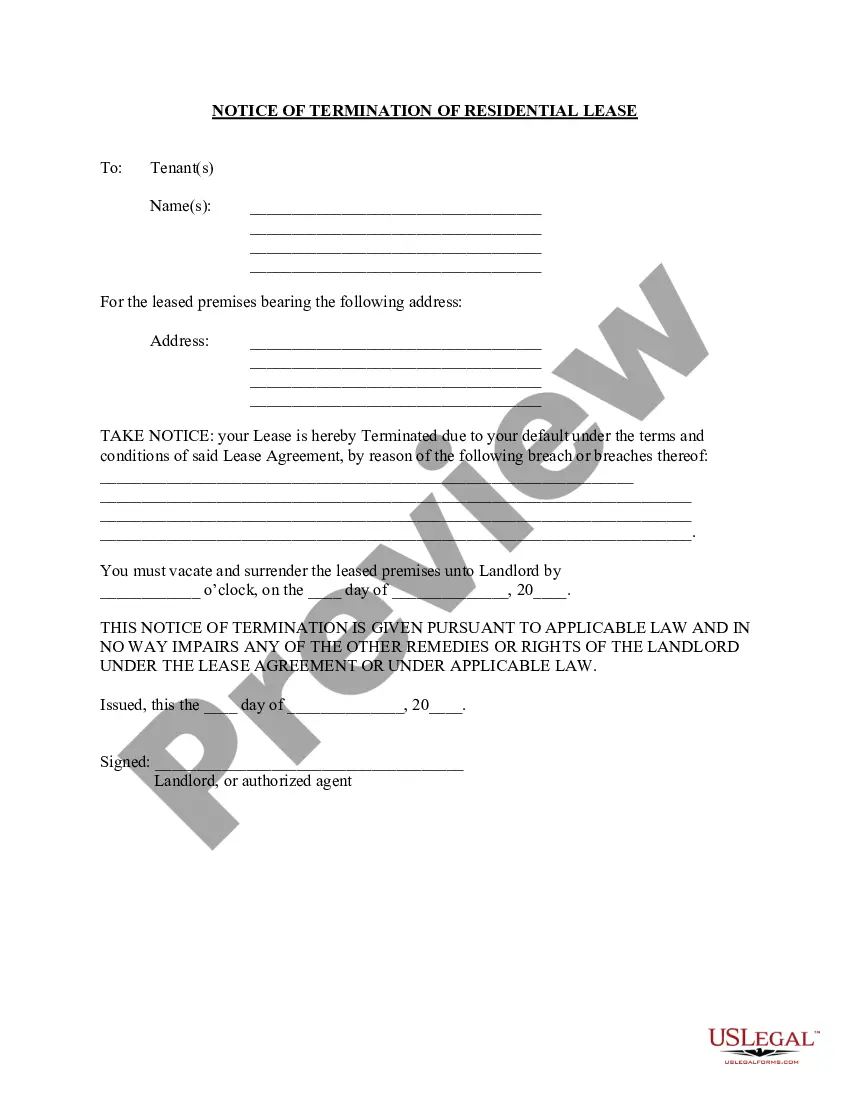
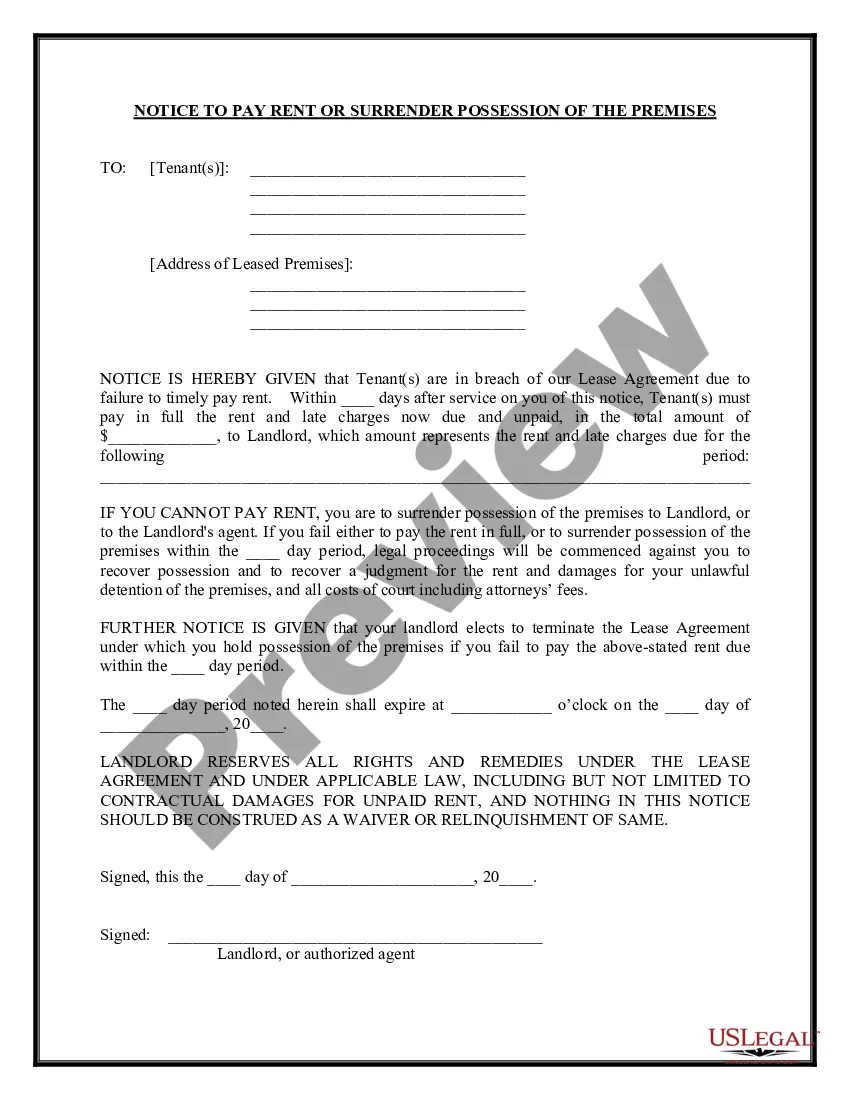
The Notice of Default in Payment of Rent as Warning Prior to Demand to Pay or Terminate for Residential Property is a legal document used by landlords to notify tenants of a rent payment default. This form serves as a preliminary warning before a more formal demand to pay or notice to terminate the lease is issued. Unlike a full eviction notice, this document emphasizes the importance of timely rent payment and the potential consequences of non-compliance, making it crucial for maintaining open communication between landlords and tenants.
Key parts of this document
- Identification of the tenant and landlord, including their addresses.
- Details regarding the rented property, including the address and lease terms.
- Clear statement of the due date and amount of rent that remains unpaid.
- Information on late payment consequences, including potential lease termination.
- A warning about the steps that may follow if the rent is not paid.
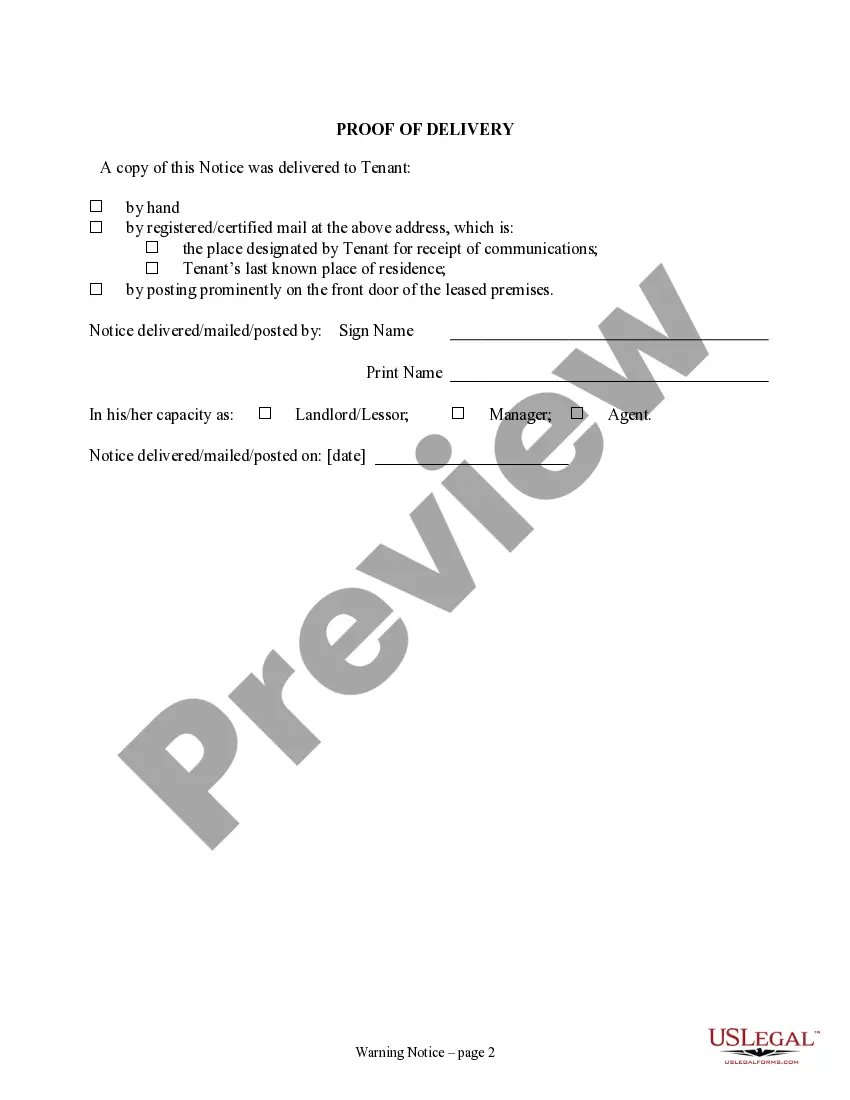
- Proof of delivery section for documenting how and when the notice was provided to the tenant.
Situations where this form applies
This form should be used when a tenant has missed a rent payment, and the landlord wishes to formally notify them of the default. It is appropriate to issue this notice prior to any lease termination or formal eviction proceedings, serving as a written reminder of the rent due and the consequences of failing to pay on time. This form is particularly useful when landlords want to ensure compliance with state laws and demonstrate efforts to resolve issues before taking further legal action.
Intended users of this form
- Landlords or property managers of residential rental properties.
- Tenants who want to understand their responsibilities regarding rent payment.
- Real estate professionals assisting landlords with lease management.
How to prepare this document
- Identify the parties by entering the names of the landlord and tenant.
- Specify the address of the leased premises.
- Fill in the month and year for which rent has not been paid.
- Enter the due date of the rent payment as stated in the lease.
- Calculate and include the total amount due, including any late fees.
- Complete the proof of delivery section to document how the notice was delivered to the tenant.
Notarization requirements for this form
Notarization is generally not required for this form. However, certain states or situations might demand it. You can complete notarization online through US Legal Forms, powered by Notarize, using a verified video call available anytime.
Get your form ready online
Our built-in tools help you complete, sign, share, and store your documents in one place.
Make edits, fill in missing information, and update formatting in US Legal Forms—just like you would in MS Word.
Download a copy, print it, send it by email, or mail it via USPS—whatever works best for your next step.
Sign and collect signatures with our SignNow integration. Send to multiple recipients, set reminders, and more. Go Premium to unlock E-Sign.
If this form requires notarization, complete it online through a secure video call—no need to meet a notary in person or wait for an appointment.
We protect your documents and personal data by following strict security and privacy standards.

Make edits, fill in missing information, and update formatting in US Legal Forms—just like you would in MS Word.

Download a copy, print it, send it by email, or mail it via USPS—whatever works best for your next step.

Sign and collect signatures with our SignNow integration. Send to multiple recipients, set reminders, and more. Go Premium to unlock E-Sign.

If this form requires notarization, complete it online through a secure video call—no need to meet a notary in person or wait for an appointment.

We protect your documents and personal data by following strict security and privacy standards.
Avoid these common issues
- Failing to deliver the notice properly, which can invalidate the document.
- Neglecting to include the required amount due, resulting in confusion.
- Not keeping a copy for your records or failing to document delivery.
- Using incorrect dates that do not align with the lease agreement.
Advantages of online completion
- Convenience of filling out and downloading the form at any time.
- Editability allows for customization based on specific tenant situations.
- Reliability in providing a legally sound and attorney-reviewed template.
Summary of main points
- The form serves as a warning to tenants about missed rent payments.
- Timed responses can help avoid further legal actions.
- Utilizing this form supports clear communication between landlords and tenants.
Looking for another form?



Form popularity
FAQ
1Step 1 The landlord must provide the tenant or occupant with a notice as to why they are being evicted.2Step 2 A landlord must file and serve a Summons and Complaint in Forcible Entry and Detainer as the next step in the Oklahoma eviction process.3Step 3 File an Execution.
Once a notice to quit expires, there is no longer a landlord and tenancy relationship. By law, even though he is no longer regarded as a tenant to the landlord, the tenant is still expected to pay the rent he owes to the landlord whether he has been given a notice to quit or not.
Every time the tenancy ends legally, the notice to quit also expires. This is valid when the tenancy is renewed for either a new fixed term or a new periodic tenancy. When the rent is increased or decreased, a new tenancy has to be issued, so any notice served is deprecated.
Pay any delinquent rent that is due to the landlord within the allotted time of the notice. Move out of the premises within the allotted time of the notice. File an answer with the judicial court. File a motion to stay with the court.
Unfortunately that is not the case. Once a break notice has been served is cannot be unilaterally withdrawn. Even if both parties agree that the notice is withdrawn, service of the notice terminates the existing lease and creates a new tenancy by implication. There are a number of consequences that flow from this.
1Pay any delinquent rent that is due to the landlord within the allotted time of the notice.2Move out of the premises within the allotted time of the notice.3File an answer with the judicial court.4File a motion to stay with the court.
An eviction notice must state a reason why you are being evicted, otherwise it is invalid.For tenants who lived in the property for more than 12 months, the landlord must provide at least 60 days prior notice to vacate, under California Civil Code 1946.
Unfortunately that is not the case. Once a break notice has been served is cannot be unilaterally withdrawn. Even if both parties agree that the notice is withdrawn, service of the notice terminates the existing lease and creates a new tenancy by implication. There are a number of consequences that flow from this.