Arizona Request for Paternity
Overview of this form
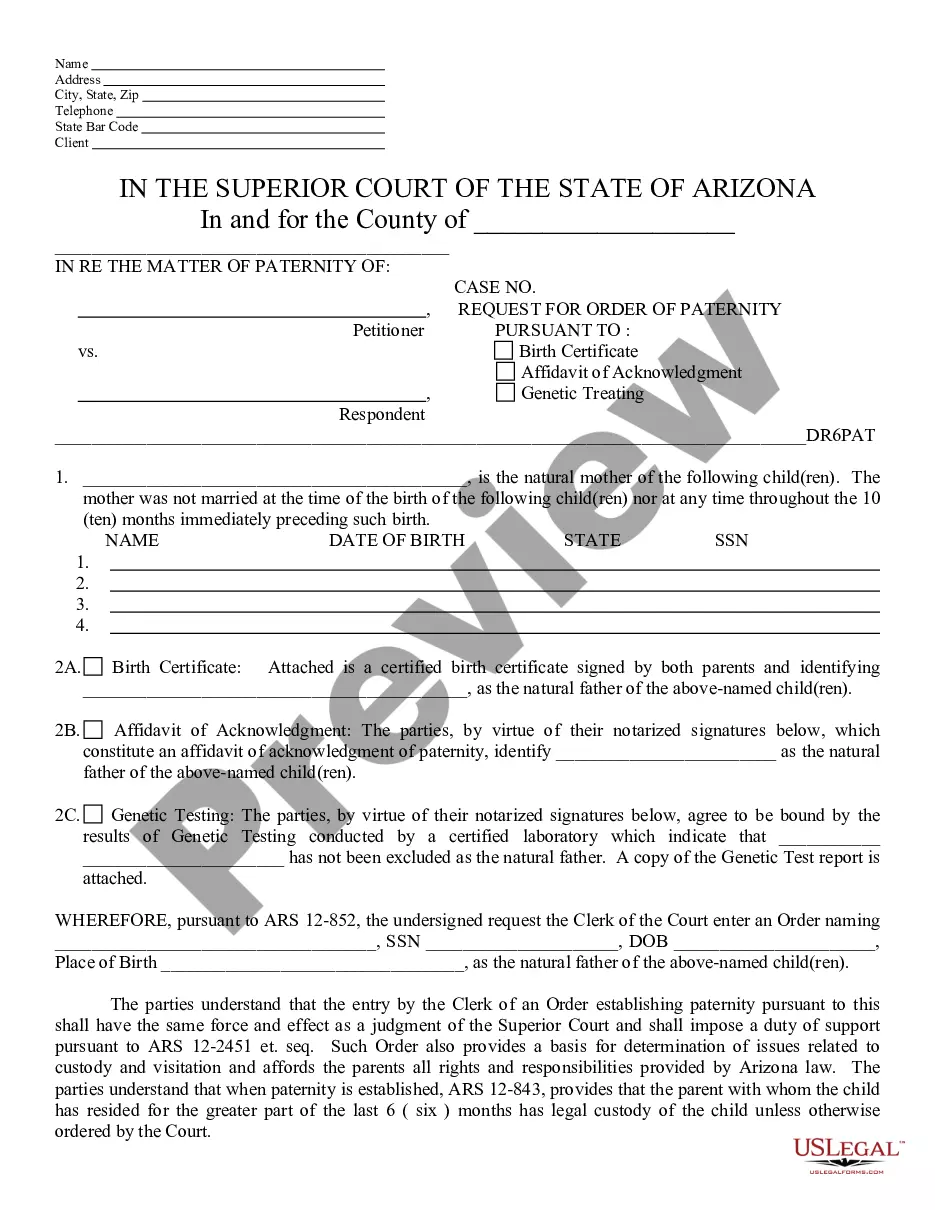
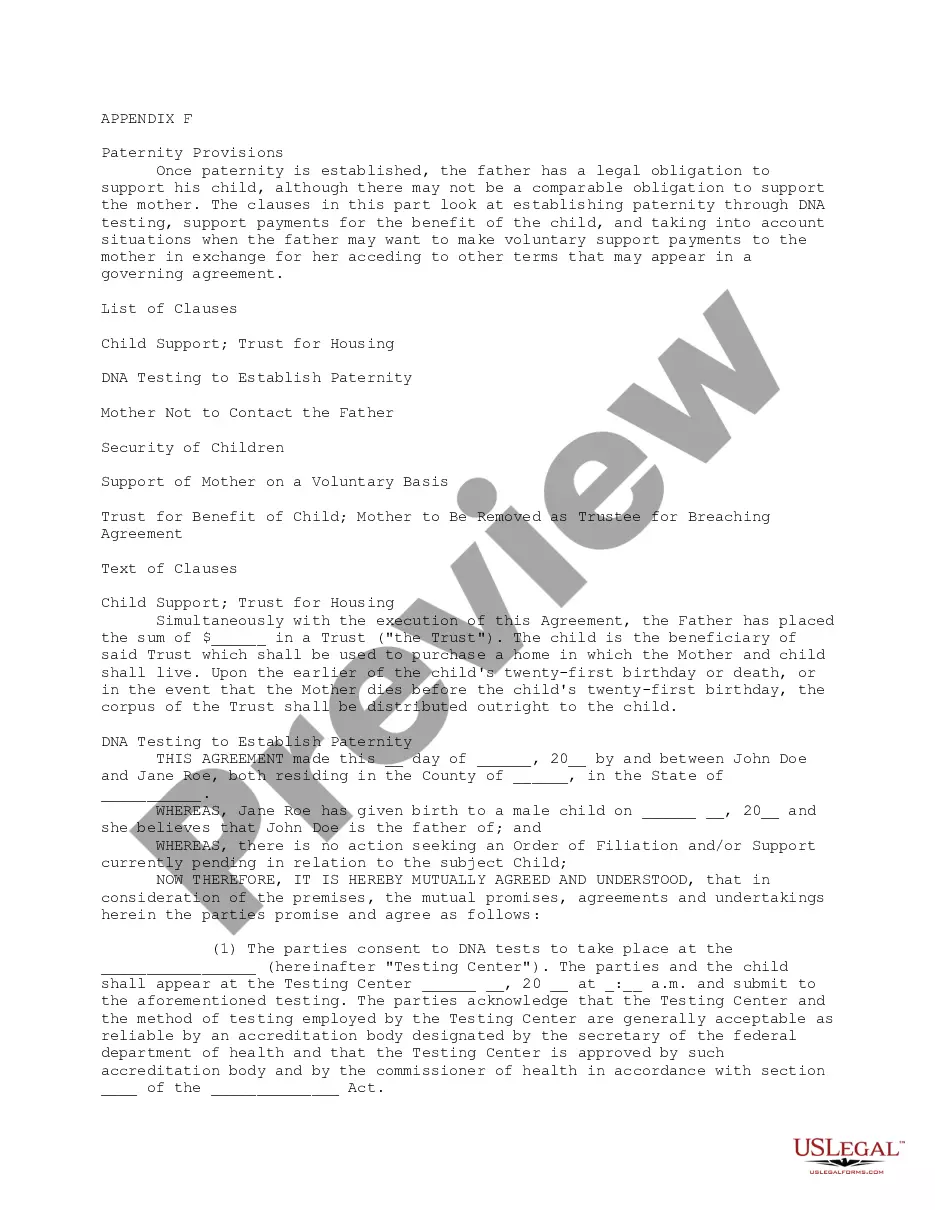
The Request for Paternity is a legal document used to establish paternity for a child. This form serves as an affidavit, allowing the father to formally acknowledge his parental rights and responsibilities. Unlike other forms of paternity acknowledgment, this template is designed to be used in conjunction with genetic testing and includes the necessary legal language required by law. This ensures that the paternity acknowledgment is recognized by the court.
Main sections of this form
- Petitioner Information: Includes details of the person requesting the order.
- Birth Certificate Information: Specifies the child's details such as name and date of birth.
- Affidavit of Acknowledgment: Section where the father acknowledges paternity through notarized signatures.
- Genetic Testing Consent: Outlines the agreement to be bound by the results of genetic testing conducted by a certified laboratory.
- Clerk Request: Requests the Clerk of the Court to enter an order naming the father legally.
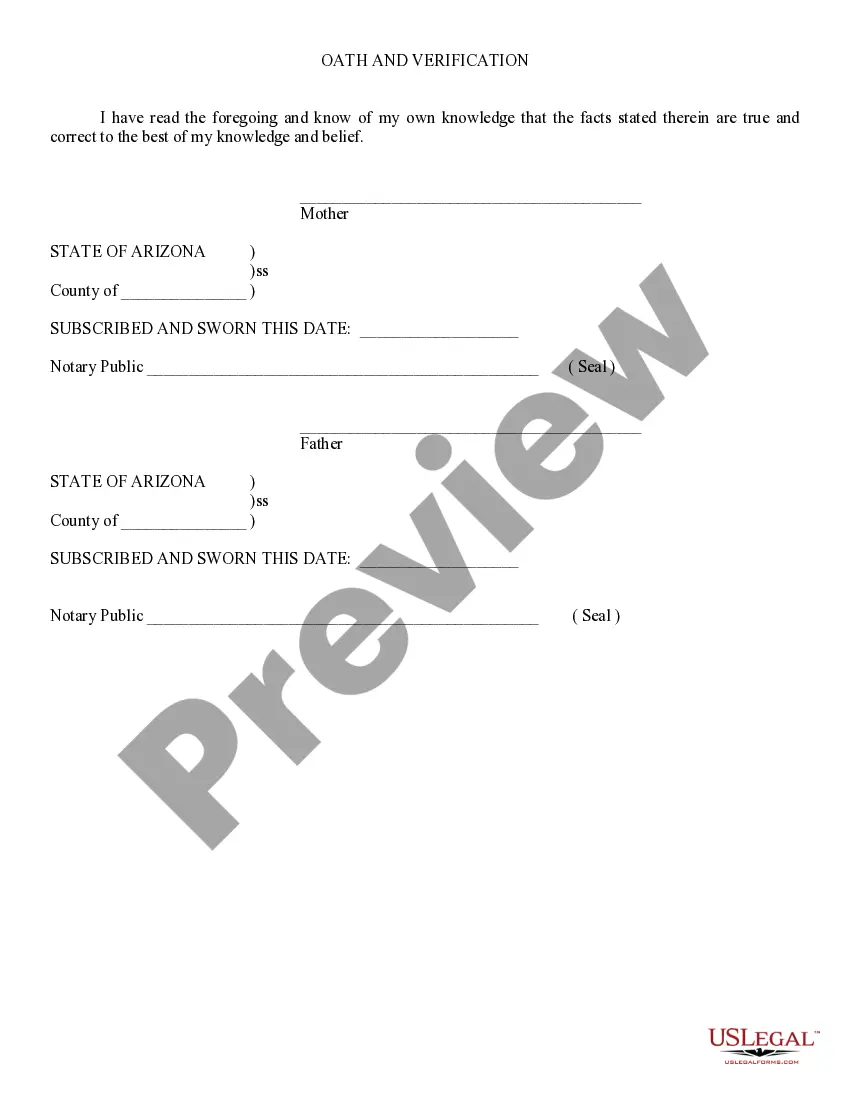
- Oath and Verification: A section for both parents to affirm the truth of the submitted statements under oath before a notary public.

When to use this document
This form is needed in situations where a man wishes to legally acknowledge himself as the father of a child when paternity is in question. It is commonly used after the birth of a child when both parents agree on paternity or when a genetic test has confirmed paternity. Additionally, this form can be utilized when establishing legal rights for custody, visitation, or child support.
Who this form is for
- Unmarried fathers looking to establish legal paternity.
- Mothers seeking to clarify or confirm the father of their child.
- Parents who have undergone genetic testing and want to formalize the results.
- Parties involved in custody or support negotiations requiring an established paternity.
How to complete this form
- Identify the petitioner and the respondent - Enter names and relevant information at the top of the form.
- Provide the childâs details - Fill in the child's name, date of birth, and birthplace accurately.
- Complete the affidavit section - Both parents must sign to acknowledge paternity in the presence of a notary.
- Attach the genetic testing report - Include documentation if genetic testing has confirmed paternity.
- Submit the form to the Clerk of the Court - Ensure the completed form is filed properly to obtain a court order.
Does this form need to be notarized?
Yes, this form must be notarized to be legally valid. The signatures of both parents must be witnessed by a notary public to affirm the truth of the statements made in the affidavit. If you use US Legal Forms, you can benefit from our integrated online notarization service, which is available 24/7 and provides secure video calls for hassle-free notarization.
Get your form ready online
Our built-in tools help you complete, sign, share, and store your documents in one place.
Make edits, fill in missing information, and update formatting in US Legal Forms—just like you would in MS Word.
Download a copy, print it, send it by email, or mail it via USPS—whatever works best for your next step.
Sign and collect signatures with our SignNow integration. Send to multiple recipients, set reminders, and more. Go Premium to unlock E-Sign.
If this form requires notarization, complete it online through a secure video call—no need to meet a notary in person or wait for an appointment.
We protect your documents and personal data by following strict security and privacy standards.

Make edits, fill in missing information, and update formatting in US Legal Forms—just like you would in MS Word.

Download a copy, print it, send it by email, or mail it via USPS—whatever works best for your next step.

Sign and collect signatures with our SignNow integration. Send to multiple recipients, set reminders, and more. Go Premium to unlock E-Sign.

If this form requires notarization, complete it online through a secure video call—no need to meet a notary in person or wait for an appointment.

We protect your documents and personal data by following strict security and privacy standards.
Mistakes to watch out for
- Failing to provide complete and accurate information about the child.
- Not having the form notarized, which can invalidate the affidavit.
- Omitting any attachments, such as genetic testing reports, if required.
- Not submitting the form to the correct court or office.
- Incorrectly signing the affidavit section, leading to delays or denial.
Why complete this form online
- Convenience of downloading and completing the form at your own pace.
- Editability allows users to customize the template for their specific situation.
- Access to professionally drafted content ensuring legal validity.
- Instant access means no waiting for physical copies or trips to the courthouse.
Summary of main points
- The Request for Paternity is essential for legally establishing a father-child relationship.
- Filling out and notarizing this form grants rights and responsibilities under Arizona law.
- Always ensure accurate information is provided and follow the correct procedure for notarization.
Looking for another form?





Form popularity
FAQ
In Arizona, a biological father who is not listed on the birth certificate may still seek to establish his legal rights. This process often involves filing an Arizona Request for Paternity, which initiates a legal declaration of fatherhood. By doing so, the father can gain access to important parental rights, such as custody and visitation. It is crucial to understand that establishing paternity can benefit both the father and the child, ensuring the child's access to emotional and financial support.
In Arizona, the average child support payment varies based on the income of both parents and the needs of the child. Generally, courts follow state guidelines in setting these amounts, ensuring fairness for all parties involved. If you need assistance with calculations or establishing payment terms, an Arizona Request for Paternity may provide valuable resources.
To establish paternity in Arizona, you typically need to complete a voluntary acknowledgment of paternity form, which both parents can sign at the hospital or later. If there's a dispute, the court may be involved, requiring DNA testing and legal proceedings. An Arizona Request for Paternity can guide you through this process efficiently.
The paternity statute in Arizona outlines how paternity can be established through various methods, such as voluntary acknowledgment or court orders. This legal framework helps ensure that children's rights to support and inheritance are secured. For those seeking to navigate these laws, utilizing an Arizona Request for Paternity can simplify the process.
In Arizona, signing a birth certificate does generally establish paternity if both parents agree. However, it's important to know that it may not be enough if there are disputes about paternity later on. For a solid resolution, considering an Arizona Request for Paternity can provide legal clarity and protections.
In Arizona, a mother can choose not to list a father's name on the birth certificate if there is no established paternity. However, this decision does not dismiss the father's rights or responsibilities. If the father believes he should be recognized, he may pursue an Arizona Request for Paternity to legally establish his status.
If the father is not listed on the birth certificate in Arizona, he may need to establish paternity through legal means. This can involve filing an Arizona Request for Paternity or obtaining a court order. Establishing paternity is crucial for the father's legal rights and responsibilities regarding the child. US Legal Forms can provide the necessary forms to assist you through this process.
Requesting a paternity test in Arizona can be done through local laboratories or clinics that specialize in DNA testing. It is essential to ensure the facility is accredited and follows state guidelines for paternity testing. Additionally, consider using resources from US Legal Forms to help guide you through the legal aspects of the Arizona Request for Paternity.
To add a dad to a birth certificate in Arizona, you will need to complete a form for Arizona Request for Paternity. This form must be filled out by both parents and submitted to the appropriate state office. Once approved, the father's name will appear on the birth certificate. Using services like US Legal Forms can simplify this process, ensuring you have the correct documents.
Unmarried fathers in Arizona can assert several rights, including the right to seek custody, visitation, and decision-making authority regarding their children. To solidify these rights, it is essential to file an Arizona Request for Paternity. Establishing paternity not only helps in securing rights but also in providing emotional and financial support to the child. Therefore, understanding your rights is crucial for any unmarried father.